Pisgah National Forest · Cherokee and Catawba Oral Tradition · USGS Field Investigation Site · Appalachian Folklore
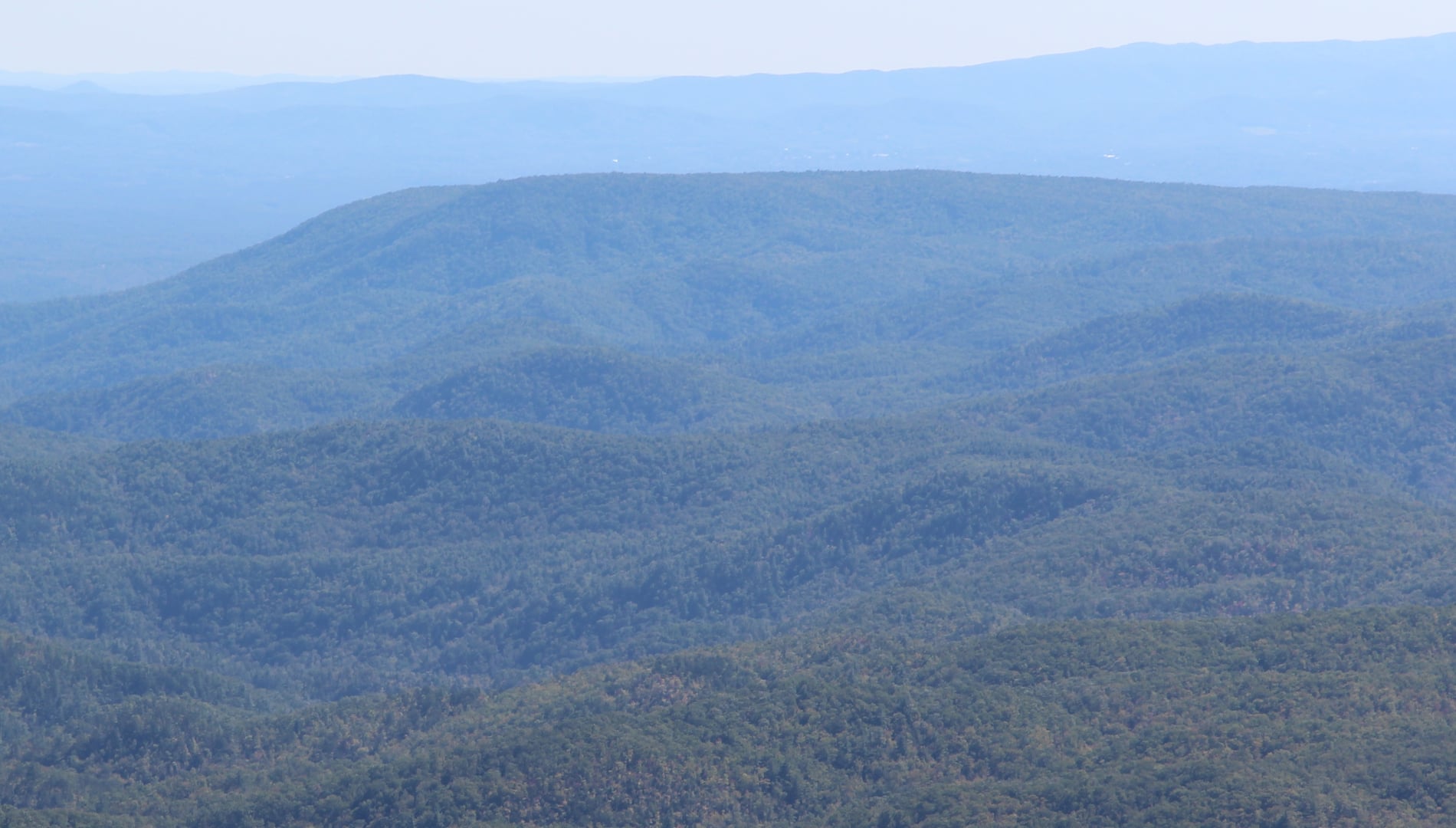
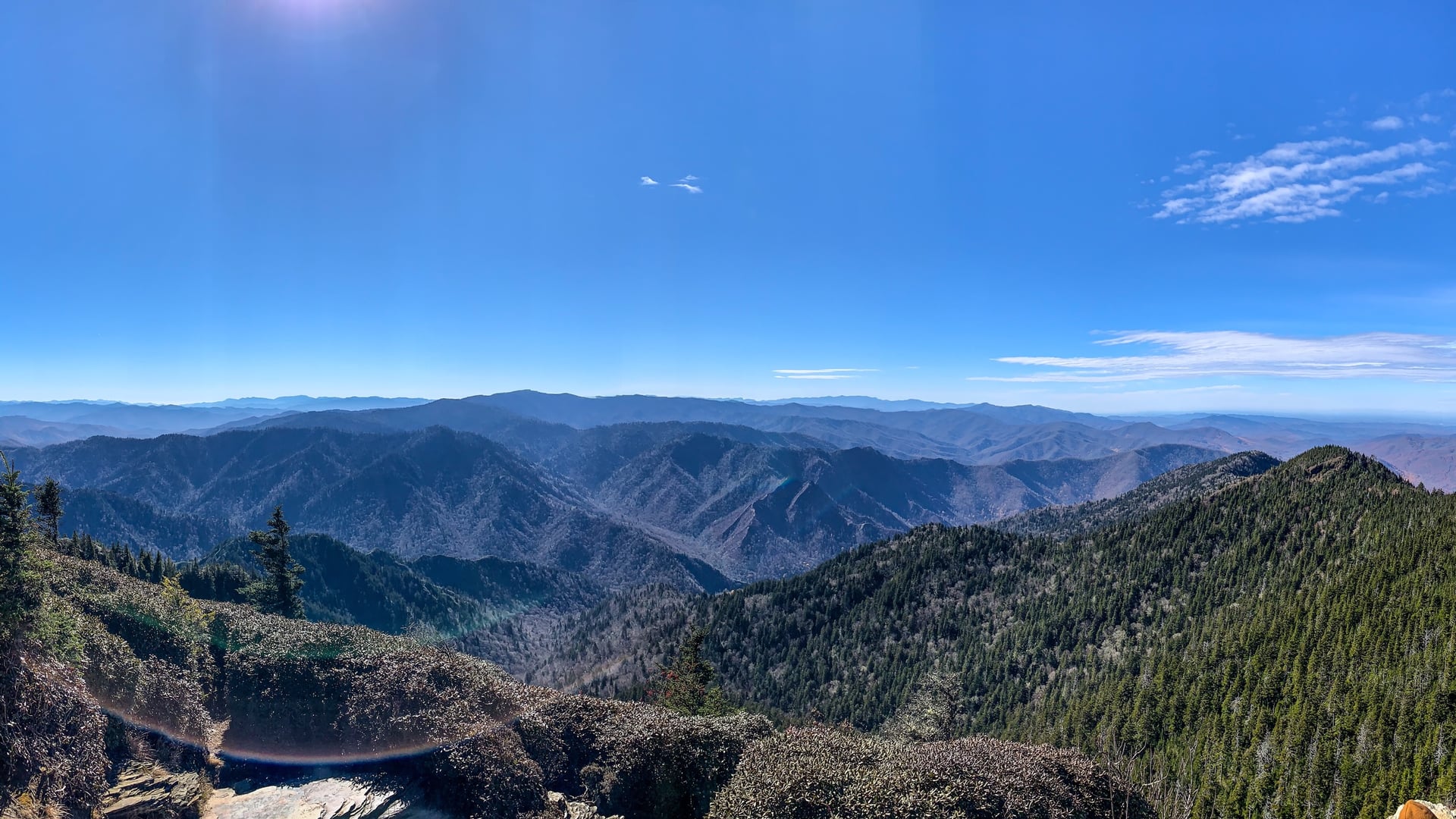
Brown Mountain is a low ridge of about 2,725 feet in the Pisgah National Forest, on the Burke and Caldwell county line northwest of Morganton. The mountain itself is unremarkable second-growth hardwood. What draws visitors are the Brown Mountain Lights, small luminous spots that appear above or along the ridge after dark, most often on clear evenings, and linger for minutes before fading. NCpedia traces written references to 1833; Our State magazine dates the first recorded sighting to about 1854.
The first widely circulated account ran in the Charlotte Daily Observer on September 24, 1913, reporting lights seen nightly by members of the Morganton Fishing Club from Loven's Hotel near Cold Spring. The United States Geological Survey sent D. B. Sterrett that autumn, and he concluded the lights were headlights of Southern Railway locomotives in the Catawba valley. When the flood of July 1916 washed out the tracks and the lights kept appearing, the explanation lost favor. The USGS returned in 1922 with geologist George Rogers Mansfield, who spent two weeks observing with an alidade and attributed the lights to train and automobile headlights, brush fires, and other fixed lights distorted by refraction. His report was reissued as USGS Circular 646 in 1971. The U.S. Weather Bureau, the Smithsonian Institution, and the National Geographic Society made later inquiries.
Appalachian State University physicist Daniel Caton and engineer Lee Hawkins mounted low-light cameras on Jonas Ridge beginning around 2011. In July 2016 two cameras simultaneously recorded round lights over the ridge that Caton told WLOS he could not easily explain; he has suggested ball lightning as one possibility. The Forest Service overlook on N.C. 181, about 20 miles north of Morganton, and Wiseman's View are the usual viewing points, and Burke County marks the lights with a roadside historical sign.
Sources
- https://en.wikipedia.org/wiki/Brown_Mountain_lights
- https://pubs.usgs.gov/circ/1971/0646/report.pdf
- https://www.romanticasheville.com/brown_mountain_lights.htm
- https://blueridgecountry.com/newsstand/magazine/brown-mountain-lights-revisited/
- https://www.ncpedia.org/brown-mountain-lights
- https://wlos.com/news/local/asu-scientists-capture-rare-images-of-wncs-brown-mountain-lights
- https://www.ourstate.com/brown-mountain-lights/
- https://www.dncr.nc.gov/blog/2017/10/25/8-folktales-legends-and-mysteries-north-carolina-history
ApparitionsPhantom voicesResidual hauntingGhost lightsUnexplained lights
The Brown Mountain Lights are unusual among American ghost stories because federal scientists studied them twice, in 1913 and 1922, and because the sightings continue to be recorded on camera. The folklore layer grew around that record.
The most repeated tale is a Cherokee and Catawba tradition that a great battle was fought near the mountain and that the lights are the torches of women searching the slopes for the fallen. The NCpedia entry summarizes it as a searcher moving by torchlight for a lost love. Folklorists note that the earliest printed version of this story appeared in the 1930s, long after the 1913 newspaper accounts, and no tribal source for it has been documented. A second story, sometimes called the Belinda legend, has an enslaved man searching with a lantern for a lost planter; it appears in twentieth-century collections and reflects that era's storytelling rather than anything in the early record.
The lights entered popular music when Scotty Wiseman wrote the bluegrass song "Brown Mountain Light," later recorded by the Kingston Trio and the Country Gentlemen. Our State's 2014 feature quoted longtime watchers such as Ron Swofford, who saw a light split in two in the early 1950s, and Debbie Glover, who described a basketball-sized glow close to Wiseman's View. Retired geologist Ed Speer, who published a study of the lights in 2017, estimates that only about one percent of reports resist ordinary explanation. Paranormal author Joshua Warren has watched from the overlook for two decades and counts only a handful of sightings. The state Department of Natural and Cultural Resources lists the lights among North Carolina's best-known unsolved mysteries.
Notable Entities
The Brown Mountain Lights
Media Appearances
- The X-Files ("Field Trip", S6E21, 1999)
- Travel Channel paranormal programming
- In Search of the Brown Mountain Lights, Our State (magazine, 2014)
- Brown Mountain Light by Scotty Wiseman (song, recorded by the Kingston Trio and others)
- The Brown Mountain Lights: History, Science, and Human Nature Explain an Appalachian Mystery by Wade Edward Speer (book, 2017)
- Origin of the Brown Mountain Light in North Carolina by George Rogers Mansfield, USGS Circular 646 (report, 1971)