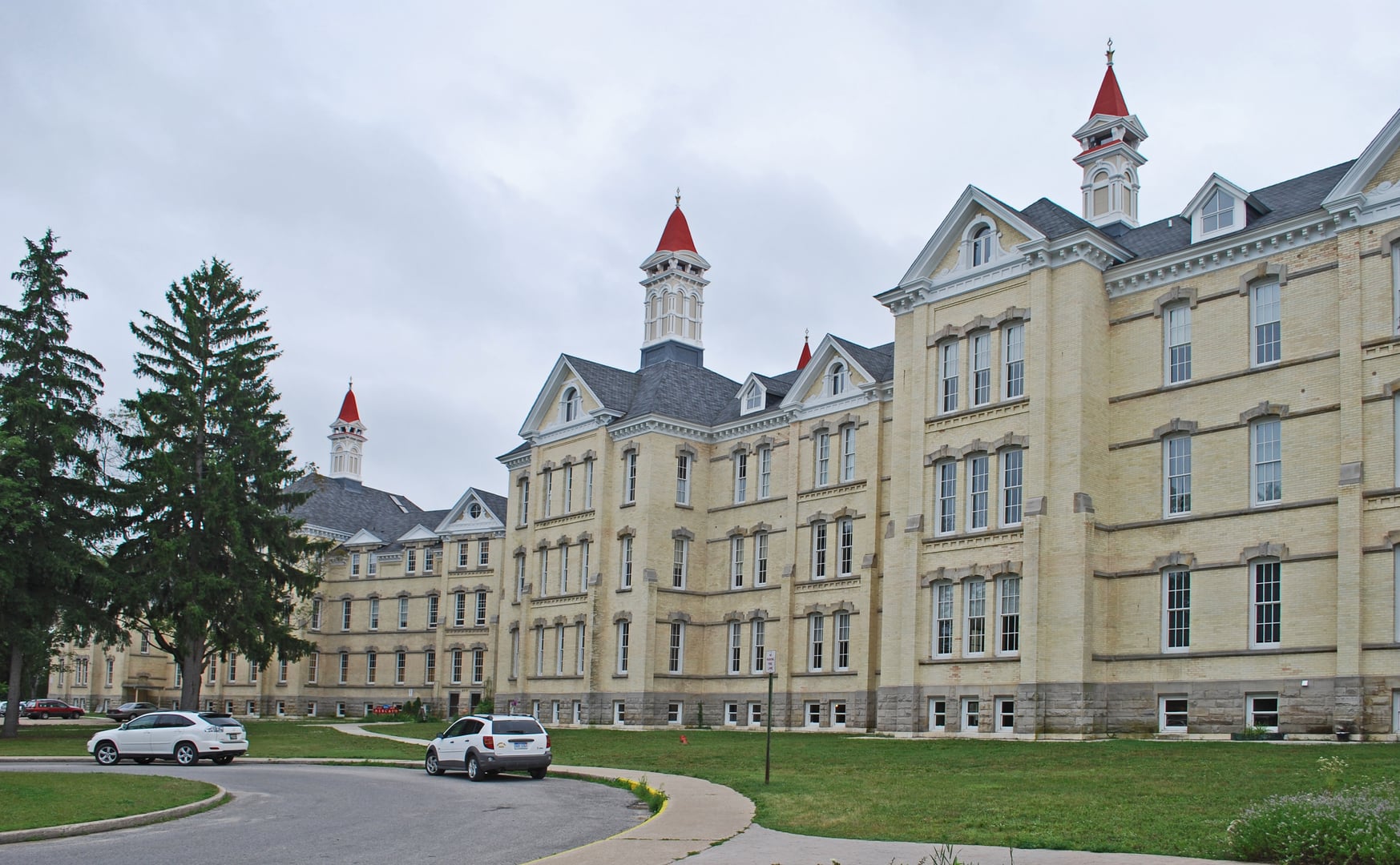
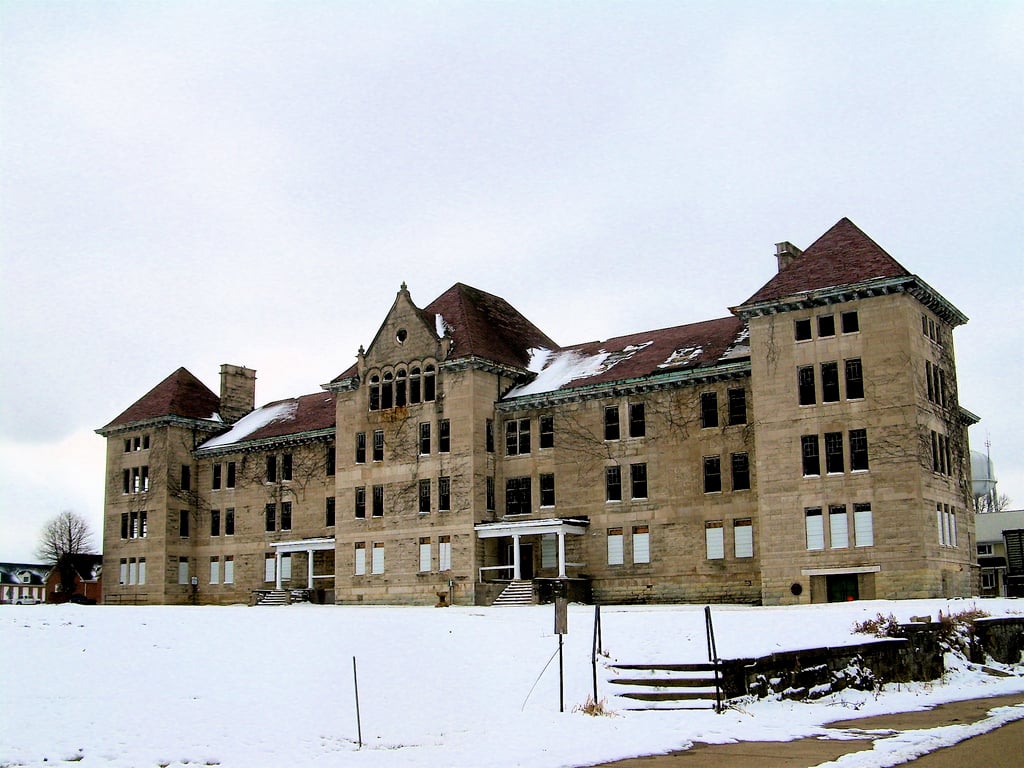
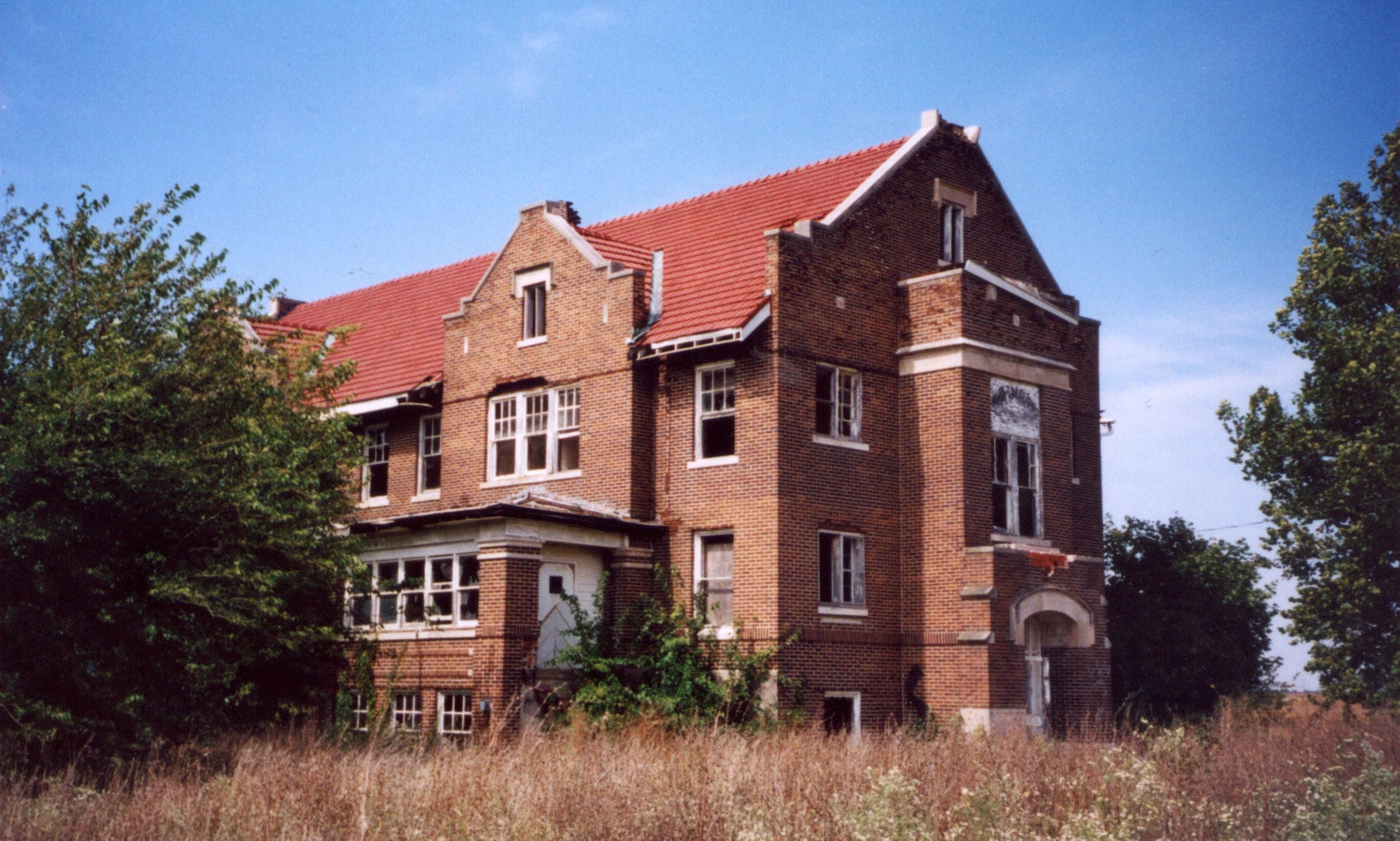
Est. 1856 · North Carolina's first state psychiatric hospital (1856) · Championed by reformer Dorothea Lynde Dix · Patient cemetery with approximately 900 burials, many in numbered graves · 282-building campus now converted to Dix Park public greenspace
The North Carolina State Hospital — later Dorothea Dix Hospital — opened in Raleigh in 1856, the product of years of advocacy by Dorothea Lynde Dix, the Massachusetts reformer who campaigned across the United States for state-funded psychiatric care. The original building, designed by architect Alexander Jackson Davis in Italianate style, rose on a hilltop south of downtown Raleigh on a parcel the legislature set aside for the purpose. The hospital was one of a generation of state asylums built in the mid-nineteenth century on the therapeutic premise that fresh air, productive labor, and humane surroundings would aid in mental recovery.
Through the late nineteenth and early twentieth centuries the campus grew steadily. New ward buildings, staff housing, service structures, and a working farm expanded the institution to more than 300 acres and 282 buildings at its maximum development. The patient population peaked in the mid-twentieth century. By that time the original therapeutic idealism had eroded under the weight of overcrowding and chronic underfunding — a pattern common to state psychiatric institutions nationally.
The patient cemetery on the grounds holds approximately 900 burials. Many graves are marked only with numbered markers, the numbered identification system reflecting decades of practice in which patients who died without family to claim their remains were buried on site with minimal documentation. The last interment in the cemetery was recorded in 1970.
The hospital closed in 2012 as the state moved the remaining patients to other facilities. The North Carolina Department of Health and Human Services transferred the land to the City of Raleigh, which began converting the campus into Dix Park — a large public green space and eventual cultural and recreational destination. The NPS has documented the site's significance; the original 1856 main building remains a landmark in the landscape.
Sources
- https://en.wikipedia.org/wiki/Dorothea_Dix_Hospital
- https://www.nps.gov/places/dorothea-dix-hospital-of-north-carolina.htm
- https://www.trianglewalkingtours.com/service-page/dorothea-dix-asylum-dark-history-tour
Unexplained cold spotsDisembodied voicesSense of unease in the patient cemetery
Dorothea Dix Hospital closed after 156 years of continuous operation and nearly a century and a half of patient burials in the on-site cemetery. The combination of scale — approximately 900 burials, many anonymous — and the documented history of overcrowding and neglect that affected mid-century state psychiatric hospitals broadly has seeded a persistent regional lore around the grounds.
The cemetery is the most consistent focal point in available accounts. Reports compiled by regional dark-tourism writers describe a heaviness or unexplained unease in the burial ground, particularly near the numbered markers that identify patients whose names were either lost or not recorded at the time of burial. No specific named figure is attached to the lore in the sources reviewed; the accounts treat the cemetery as a space where the aggregate of forgotten deaths has left a mark.
The surviving original 1856 building and the Spruill Building, both still standing on the campus, appear in regional ghost-tour coverage as sites of reported voices and unexplained cold spots. Triangle Walking Tours' Dark History Tour covers these buildings within a historical frame that emphasizes the civil-rights dimension of the mental-health reform movement — presenting the institutional failures as historical fact rather than ghost-story backdrop.
No formal published paranormal investigation file was located for Dix Hospital in the sources reviewed. The reputation rests on regional folklore and the site's historical weight rather than documented investigations.
Where this legend is told