Est. 2002 · 5,000+ Shipwrecks Since 1526 · World War II Torpedo Alley Documentation · Blackbeard and Outer Banks Piracy Record · State of North Carolina Maritime Heritage Site
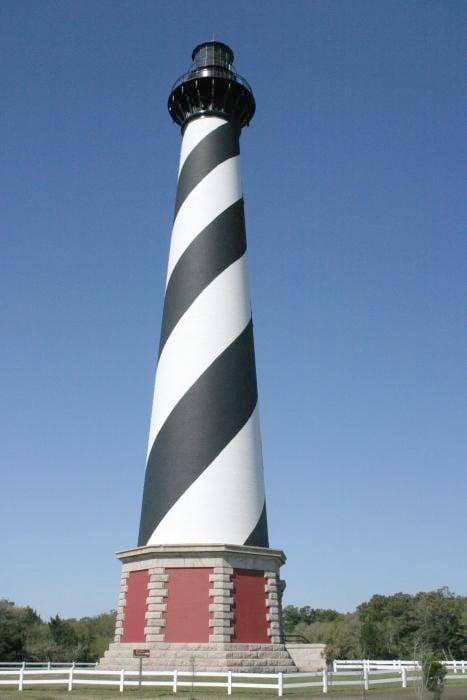
The Outer Banks of North Carolina have accumulated one of the highest concentrations of historic shipwrecks on the Eastern Seaboard, earning the regional designation Graveyard of the Atlantic from the intersection of geography and meteorology: the Cape Hatteras area lies at the point where the warm Gulf Stream meets the cold Labrador Current, generating fog, storms, and confused seas. The Diamond Shoals, the shallow shifting sandbars extending miles offshore from Cape Hatteras, have claimed more ships than any other single feature along the coast.
The Graveyard of the Atlantic Museum opened in 2002 at Hatteras Village to interpret this maritime catastrophe record. More than 5,000 ships have sunk in these waters since 1526, when the earliest European colonial-era losses are recorded. The museum covers the full chronological span: Spanish colonial and English colonial wreck sites, the seventeenth and eighteenth century pirate activity in the Outer Banks — the area was a frequent haven for vessels including those associated with Blackbeard, who was killed in an Ocracoke Inlet naval engagement in 1718 — Civil War ironclad and blockade-runner losses, and the twentieth-century record.
The most concentrated period of wartime loss was 1942. Germany's Operation Drumbeat brought U-boats to American coastal waters within weeks of the Pearl Harbor attack, targeting the tanker and merchant vessel traffic that moved along the Mid-Atlantic coast. The Outer Banks section of this campaign was called 'Torpedo Alley' by American sailors: hundreds of Allied ships were torpedoed, often within sight of the North Carolina beaches, and burning oil slicks and wreckage washed ashore for months. The museum documents this campaign and its human cost in detail.
The museum is operated by the State of North Carolina under the Department of Natural and Cultural Resources. It reopened in 2024 following a major renovation that updated exhibits and expanded the interpretive programming. The National Park Service recognizes the museum within the Cape Hatteras National Seashore context. Admission is free.
Sources
- https://en.wikipedia.org/wiki/Graveyard_of_the_Atlantic_Museum
- https://graveyardoftheatlantic.nc.gov/
- https://www.nps.gov/places/graveyard-of-the-atlantic-museum.htm
Lights offshore not corresponding to navigational aidsGhost ships (Carroll A. Deering tradition)Figures on beach attributed to shipwreck dead
The Graveyard of the Atlantic Museum occupies an unusual position among dark tourism sites in that its interpretive framework formally includes ghost stories and maritime folklore alongside the documented historical record. The museum's exhibit approach, as described in its official materials, treats the paranormal and folkloric dimensions of the Outer Banks shipwreck tradition as legitimate cultural history — how communities processed catastrophic loss over centuries — rather than as a separate or embarrassing aspect of the site's identity.
The tradition it draws on is extensive. More than 5,000 ships went down in these waters over five centuries, and the Outer Banks communities that watched them sink, and later recovered bodies and wreckage, developed a layered oral tradition around the dead. Recurring accounts in Outer Banks folklore describe lights offshore that don't correspond to navigational aids, figures on the beach at night that don't respond to approach, and the Carroll A. Deering — a five-masted schooner found drifting and abandoned off Diamond Shoals in 1921, all hands missing, with food still cooking on the stove — perhaps the region's most famous ghost-ship narrative.
The WWII Torpedo Alley campaign adds a specific historical weight to the museum's dark tourism positioning. The scale of the losses — hundreds of ships, thousands of sailors — occurred in American coastal waters within living memory when the museum opened in 2002. The oil and debris washing onto North Carolina beaches in 1942 was witnessed by beachfront communities who were simultaneously under wartime blackout restrictions that prevented them from illuminating their own homes to avoid silhouetting the target ships offshore.
The museum treats these traditions as context for understanding how the Outer Banks communities have lived alongside catastrophic maritime death for five centuries, not as evidence for specific paranormal claims.
Notable Entities
Carroll A. Deering (1921 ghost ship, found abandoned Diamond Shoals)
Where this legend is told