Est. 1825 · Documented as the oldest continuously active jail in the United States at various points in its history · Held 21 Black men detained in the panic following Nat Turner's 1831 rebellion · Imprisoned family members of Harriet Jacobs, documented in her 1861 memoir 'Incidents in the Life of a Slave Girl' · Operated for approximately 150 years before decommissioning · Now preserved as a museum by the Edenton Historical Commission
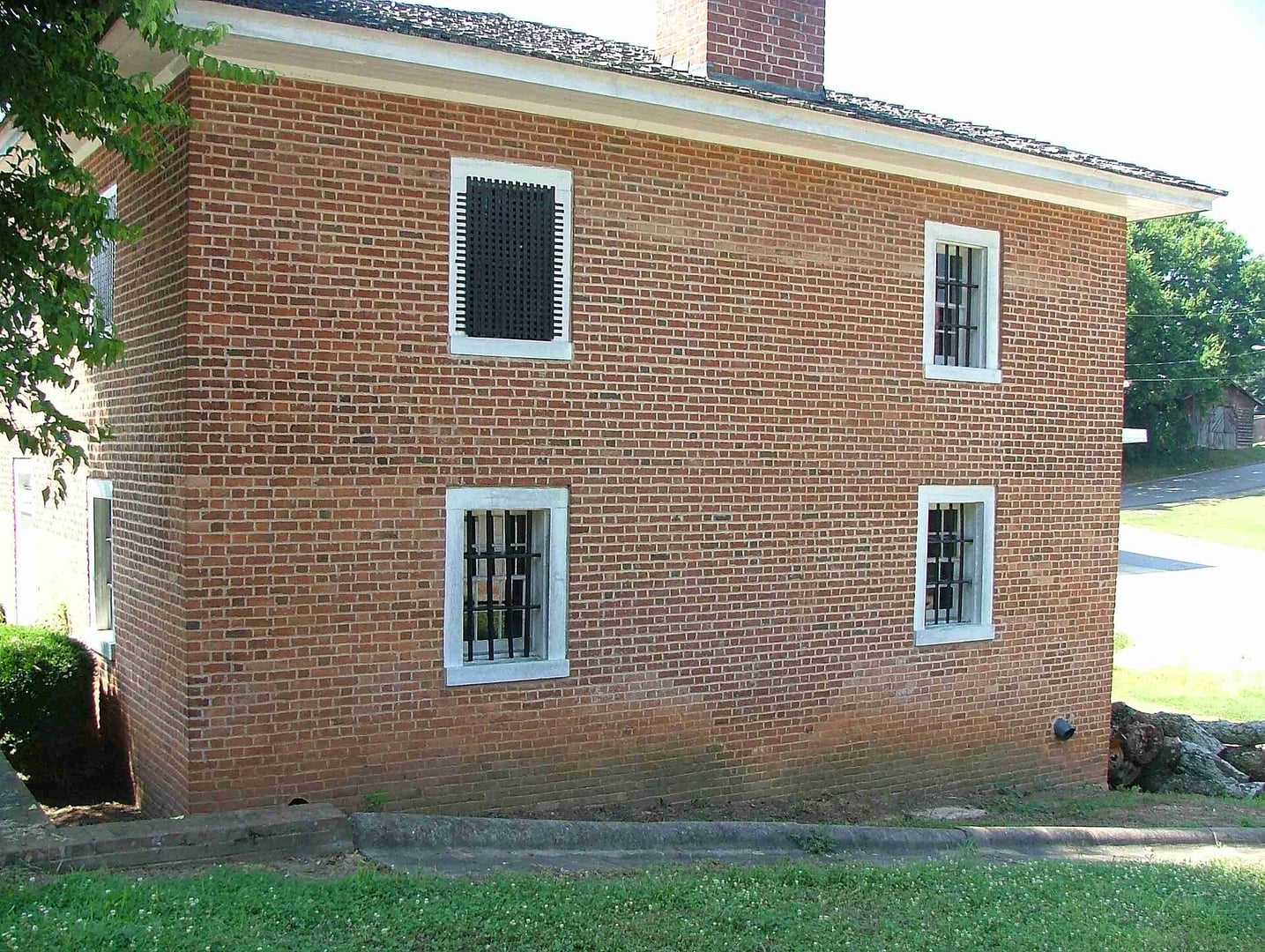
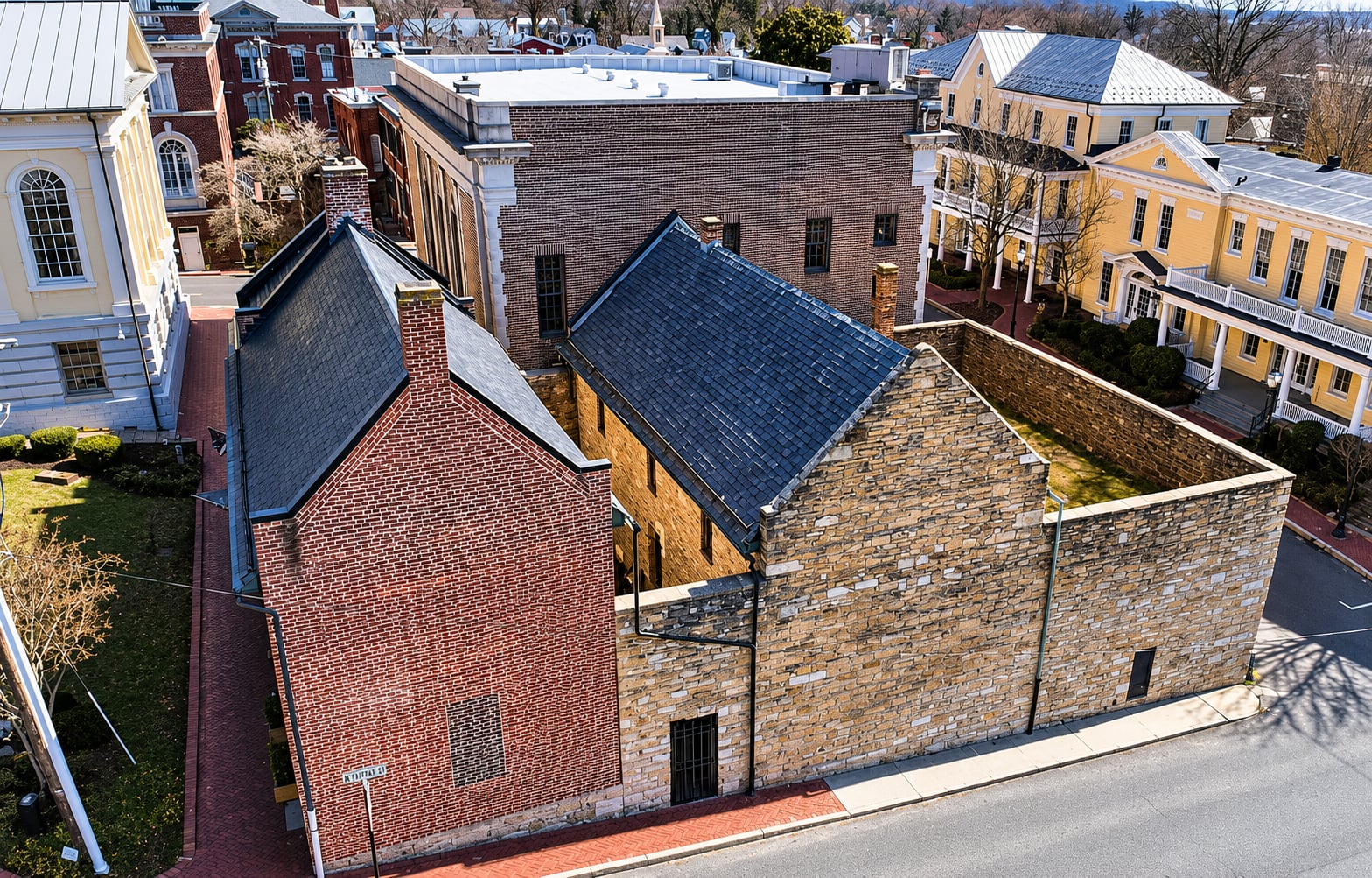
The Chowan County Jail was completed in 1825 on the block behind the 1767 Chowan County Courthouse in Edenton, North Carolina, making it North Carolina's fifth county jail of the post-colonial period. At different points in its history it was documented as the oldest continuously active jail in the United States — a claim the chowancountyjail.org historical record supports — before it was finally decommissioned after 150 years of operation.
In August 1831, Nat Turner led an insurrection in Southampton County, Virginia, about 80 miles north of Edenton. Turner's rebellion — which resulted in the deaths of approximately 60 white Virginians and was suppressed with extreme violence that killed many more enslaved people — sent panic through the slaveholding counties of eastern North Carolina. In Chowan County, 21 Black men were detained in the jail in the weeks following the rebellion, imprisoned in the collective terror and suspicion that followed any documented resistance to slavery. No organized rebellion in Chowan County was documented; the men were held as a precautionary measure by a system that treated Black people's freedom of movement and assembly as a threat.
Harriet Jacobs, born into slavery in Edenton in 1813, documented the Chowan County Jail directly in her 1861 memoir 'Incidents in the Life of a Slave Girl,' written under the pseudonym Linda Brent. Jacobs's memoir records that members of her family were imprisoned in the jail — an account that gives the building a specific, documented literary and historical significance beyond its architectural age.
The jail operated through the Civil War, Reconstruction, and into the twentieth century, decommissioned after approximately 150 years of continuous use. The Edenton Historical Commission subsequently preserved and opened the building as a museum, where it now operates as part of the town's museum trail.
Sources
- https://ehcnc.org/historic-places/museum-trail/museum-trail-chowan-county-jail/
- https://chowancountyjail.org/history/
Banging sounds attributed to a former inmate beating against a locked doorFeatured stop on the documented Edenton Ghost Walk
The Chowan County Jail appears on Edenton's annual Ghost Walk, a documented seasonal event organized through Edenton This Week that tours the town's historic sites at night. The lore attached to the jail centers on a specific auditory phenomenon: banging sounds from within the building that guides and visitors attribute to a former inmate who reportedly beat against a locked door — a detail particular enough to suggest either direct oral transmission from the jail's operational period or a piece of tradition that has crystallized around the building's long history of detaining people against their will.
The jail's documented history of detaining enslaved and free Black men without due cause — 21 people imprisoned in the aftermath of the 1831 Nat Turner rebellion, and Harriet Jacobs's family members confined there under the authority of a slave-holding system — gives the building a documented record of coerced confinement that extends well beyond criminal detention. The physical space has held people who had no recourse and no voice. Whether or not one accepts any specific paranormal claim, the walls of the building contain a documented history of that coercion.
No additional named entities or specific events beyond the banging-inmate lore are consistently documented in the ghost walk accounts. The jail's integration into a formal walking tour makes it one of the more accessible historic haunted venues in eastern North Carolina.
Where this legend is told