Haunted Tennessee

105 haunted destinations cataloged across Tennessee, spanning 45 counties. The collection features museum, outdoor, and haunted house — every listing verified with family ratings, accessibility info, and practical visit logistics.

105 locations 45 counties 12 classifications 53 wheelchair accessible

Featured in Tennessee

Top 6
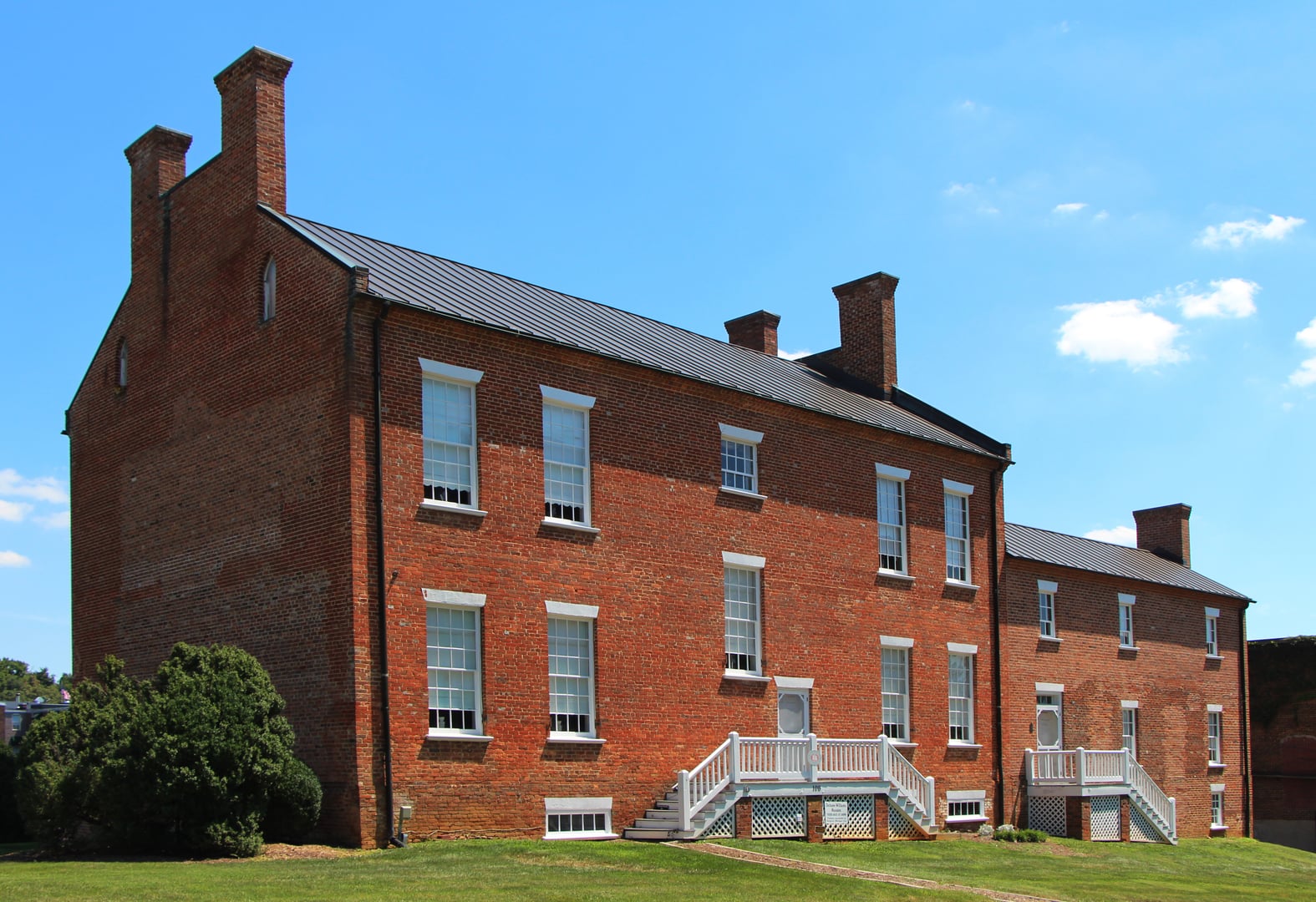
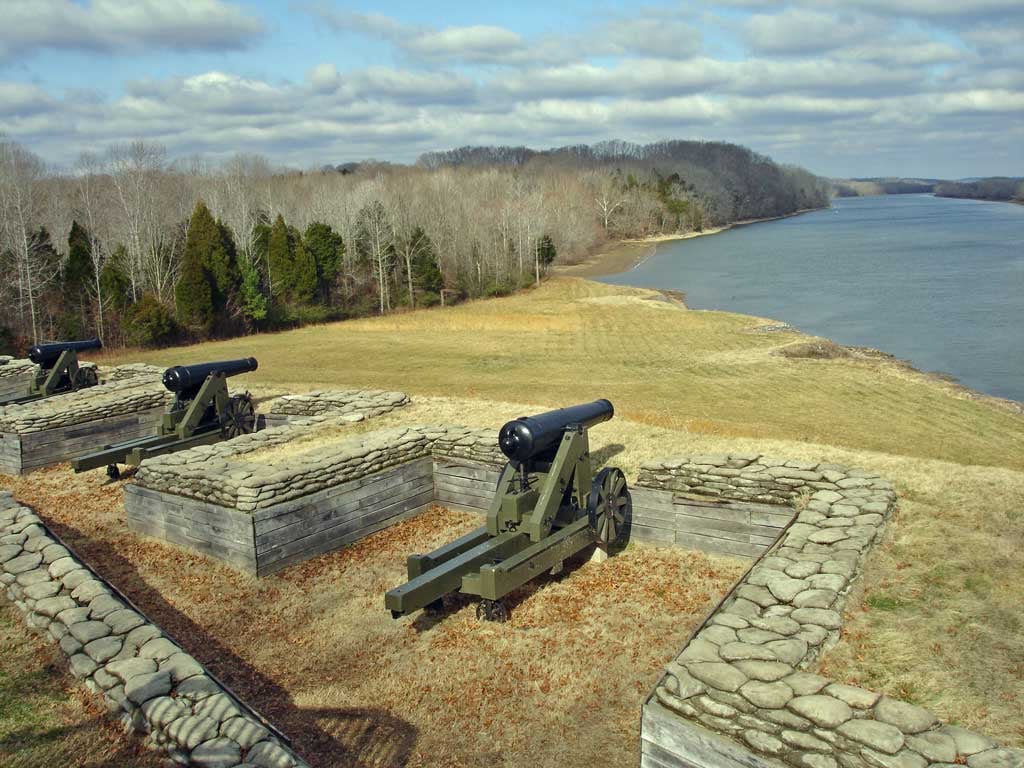
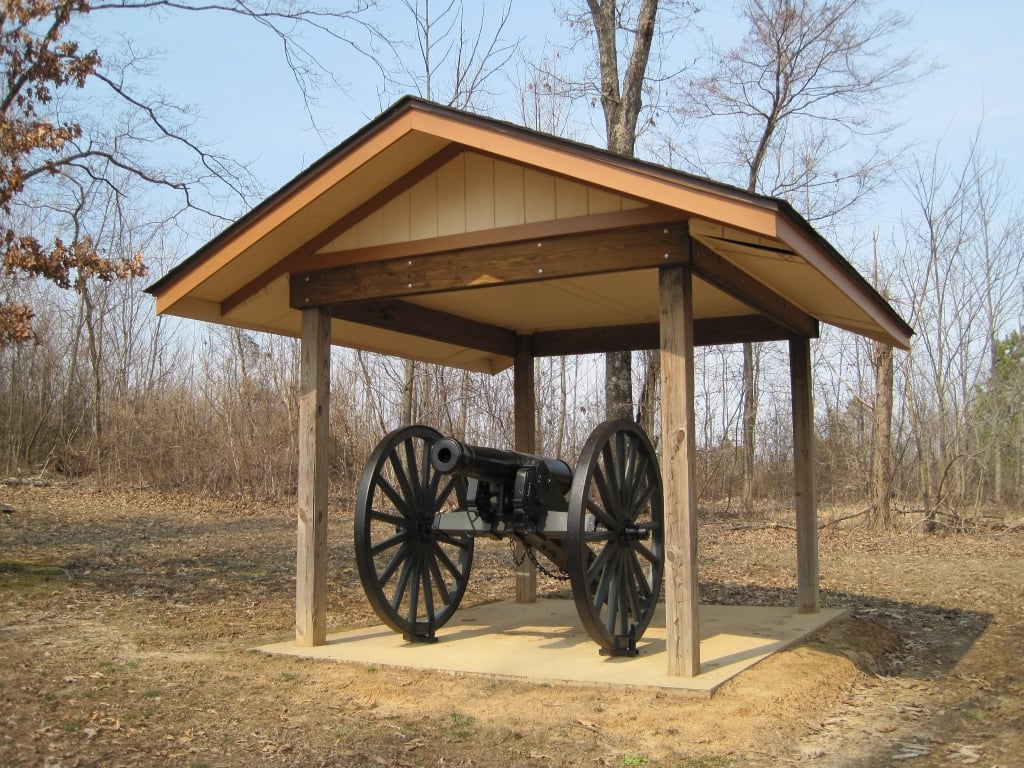
Lower river battery cannons overlooking the Cumberland River at Fort Donelson National Battlefield in Dover, Tennessee
Battlefield / Military Site

Fort Donelson National Battlefield

Dover, TN

Fort Donelson National Battlefield preserves the site of the February 1862 Union victory that opened the Cumberland and Tennessee Rivers to Federal naval traffic. Brigadier General Ulysses S. Grant's demand for unconditional surrender at Fort Donelson became one of the most repeated phrases of the Civil War.

$ All Ages Family: High
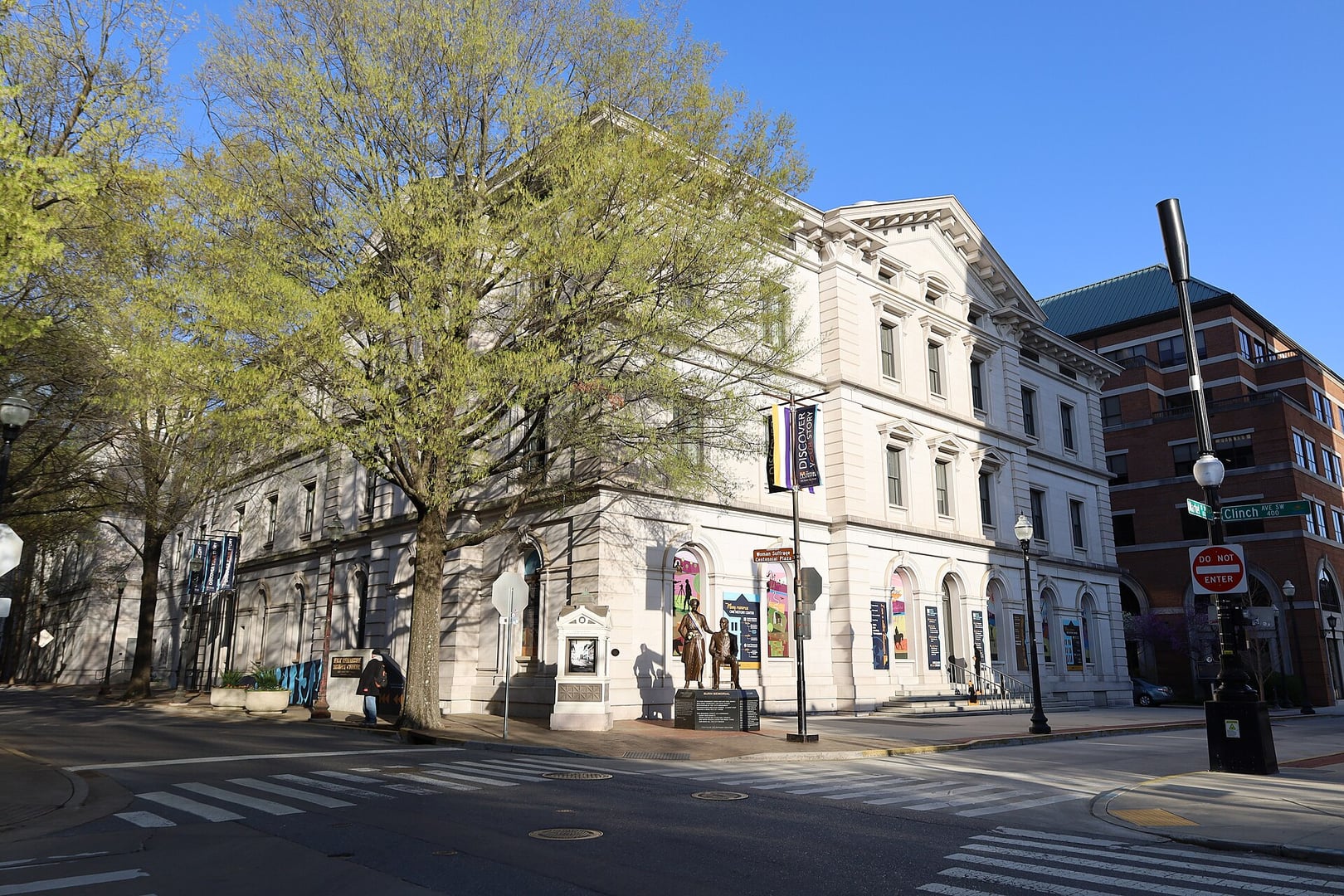
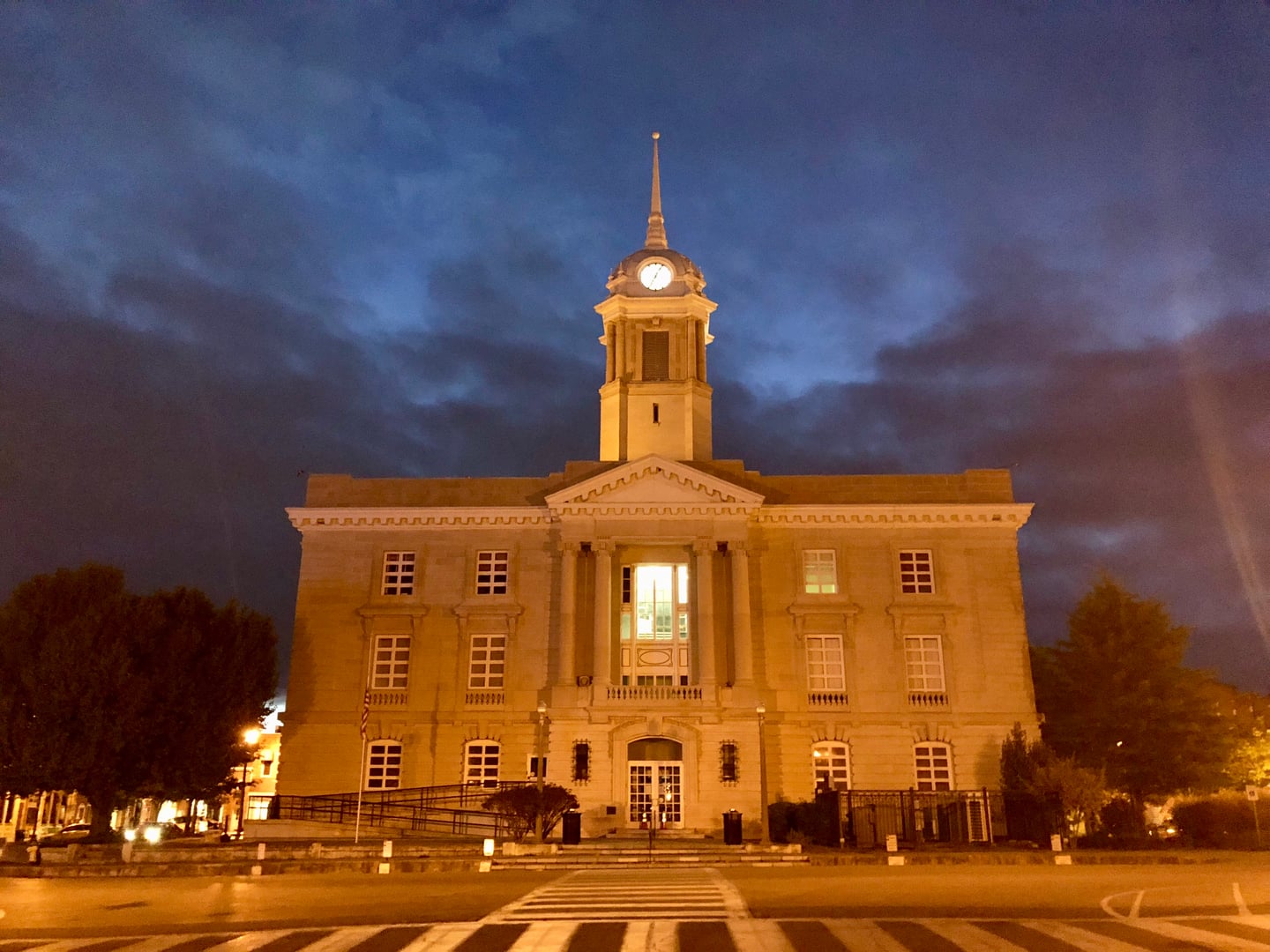
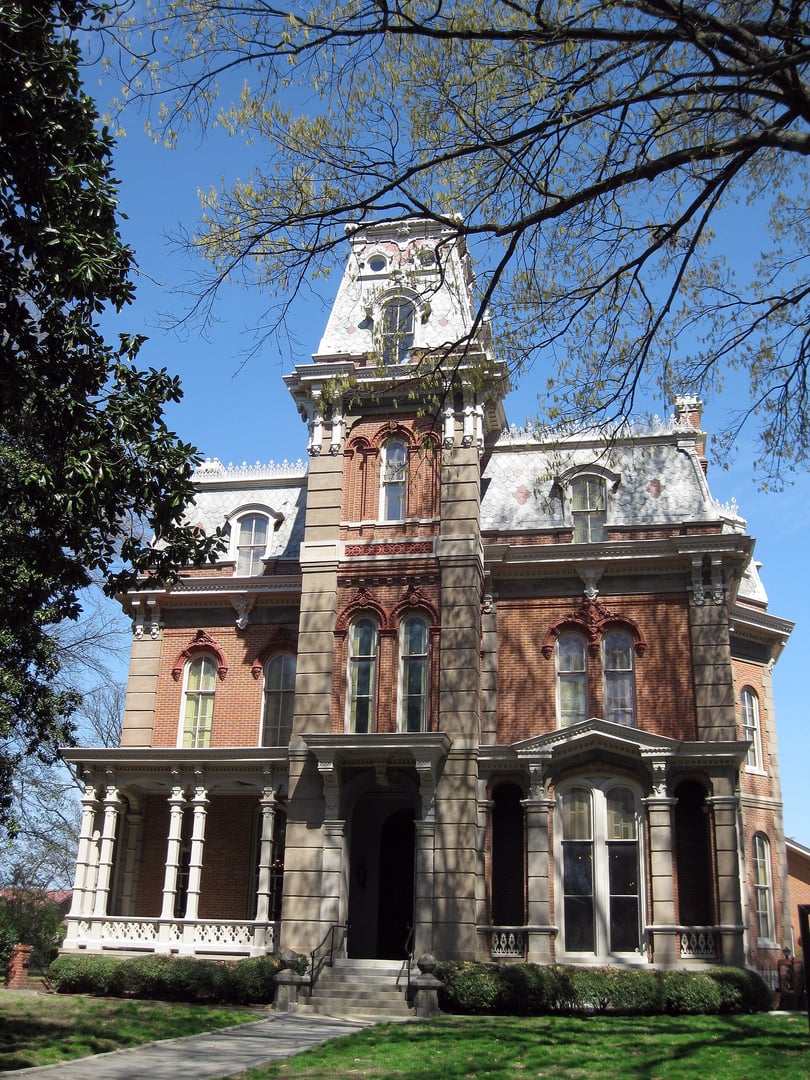
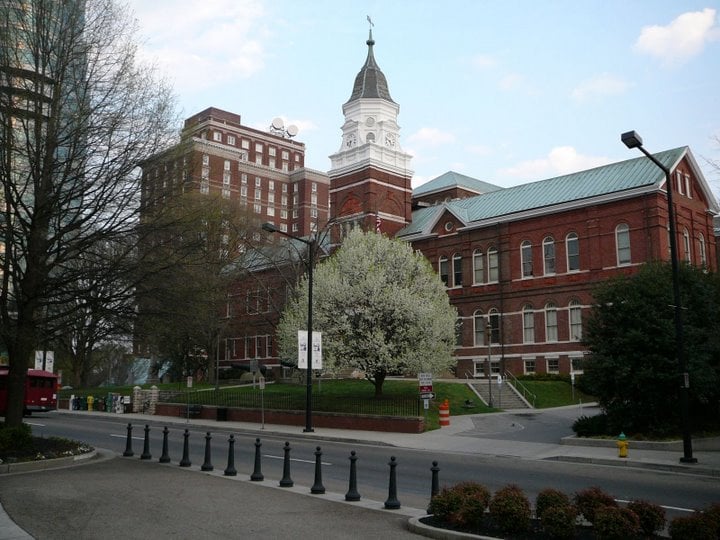
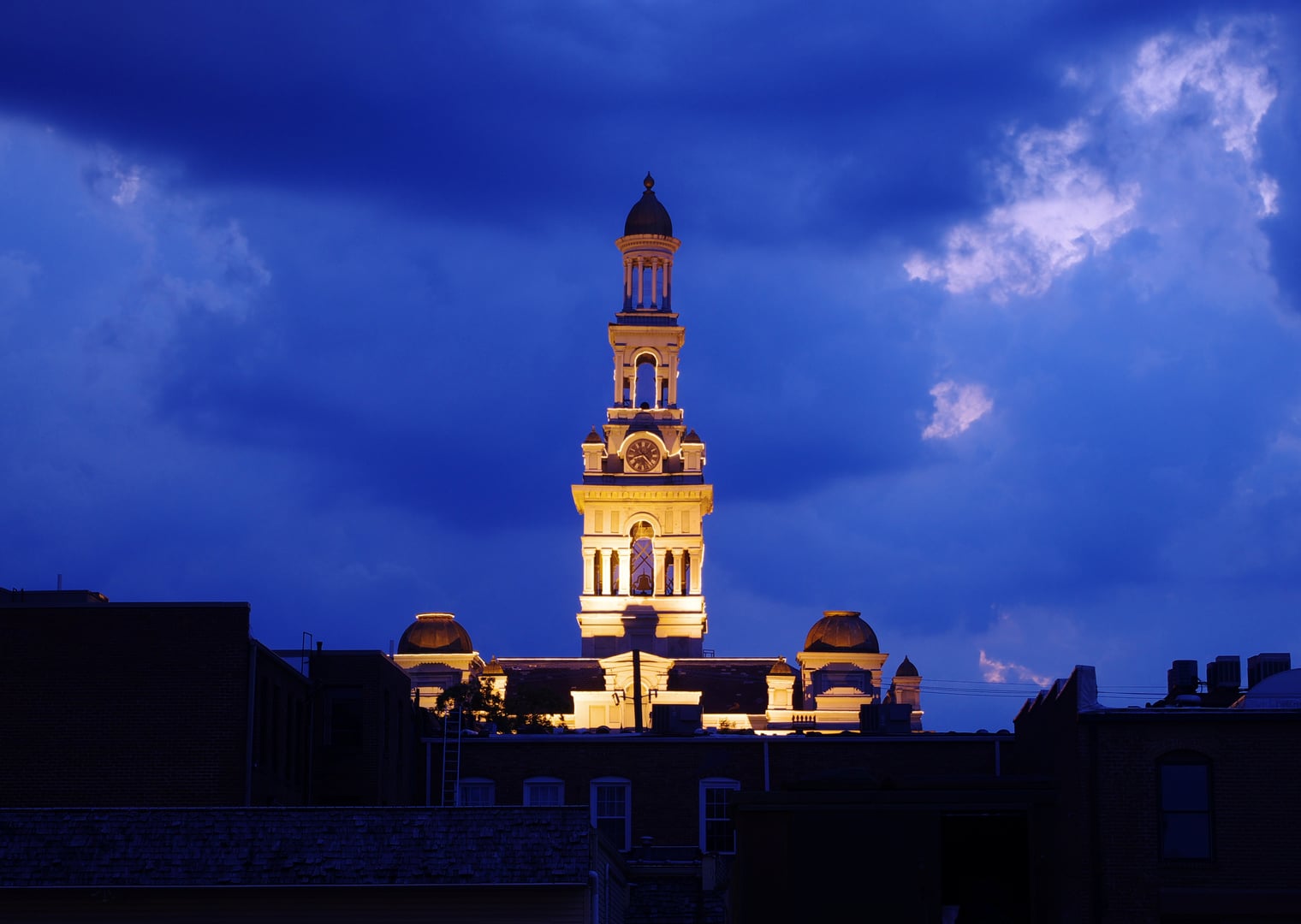
Old Knox County Courthouse, an 1885 brick Victorian building with prominent clock tower at 300 Main Street in downtown Knoxville, Tennessee
Prison / Reformatory

Old Knox County Courthouse

Knoxville, TN

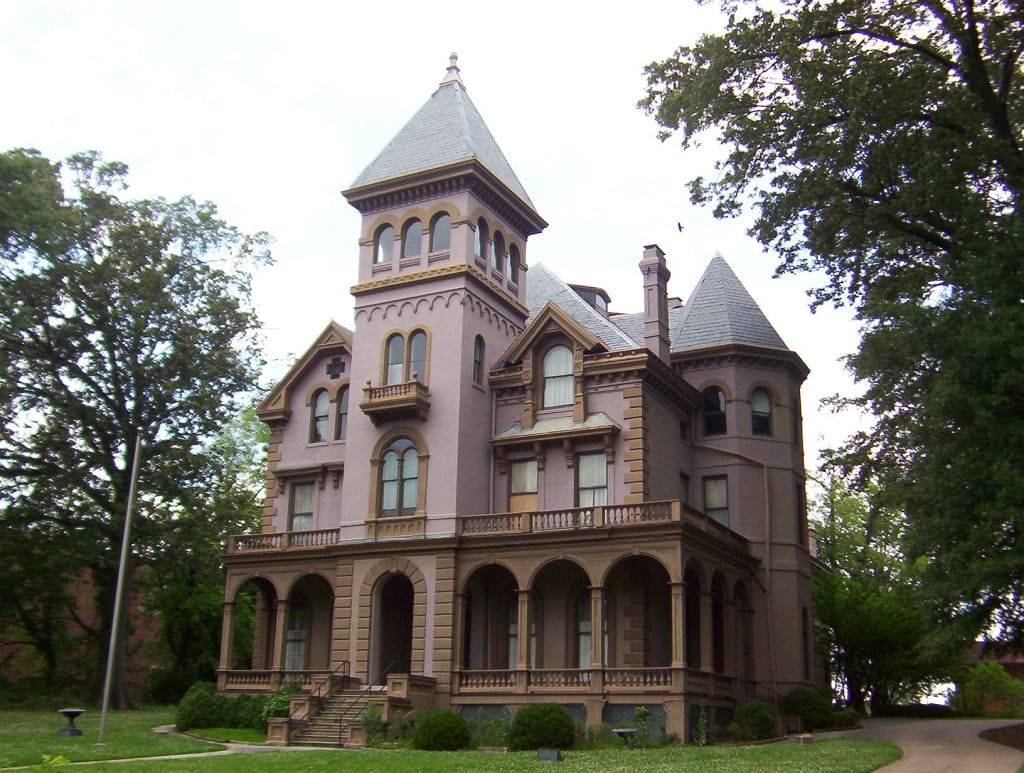
The Knox County Courthouse was completed in 1886 at 300 West Main Street in downtown Knoxville. Designed by Palliser and Palliser with construction by Stephenson and Getaz, it was the fourth courthouse to serve Knox County and remained the county's primary courthouse until 1980, when the City-County Building opened. The site previously held a county jail (1845-1873) and continues to house Knox County offices.

$ All Ages Family: High
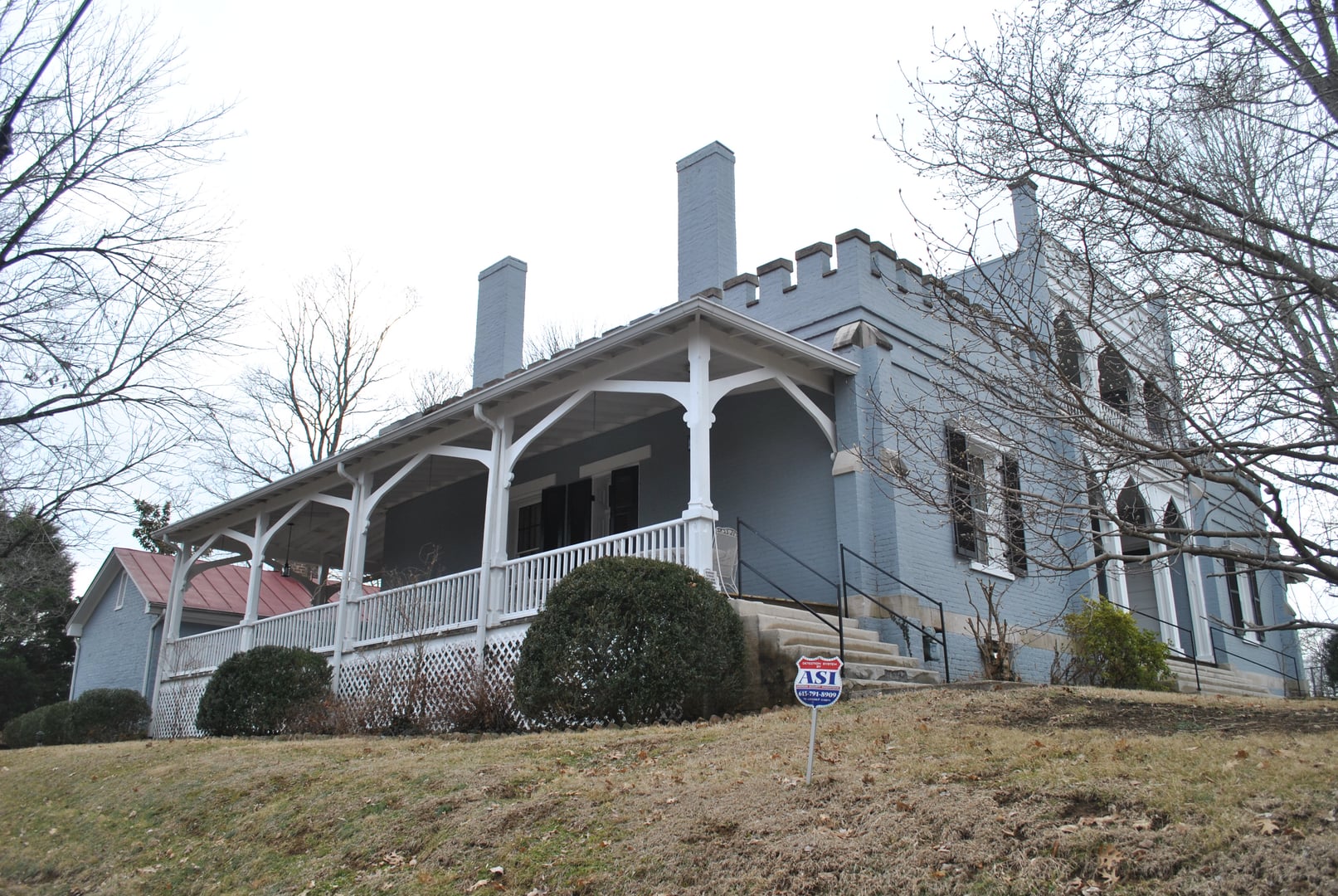
Tuckaway Hall, the 1929 fieldstone dormitory at the University of the South in Sewanee, Tennessee
Photo coming soon
Other Dark Tourism Site

Tuckaway Hall, University of the South

Sewanee, TN

Tuckaway Hall was built in 1929, marking the University of the South's first use of fieldstone architecture. The site previously held Cotten House, a frame boarding house constructed in 1868 by Mrs. Sarah E. Cotten that served as a guest annex and later an inn known as 'Tuckaway' (after Miss Johnnie Tucker, who purchased it in 1913). The original Cotten House burned in 1926 during a dance weekend. The 1929 fieldstone replacement has served as a student dormitory since its completion.

$ All Ages Family: High
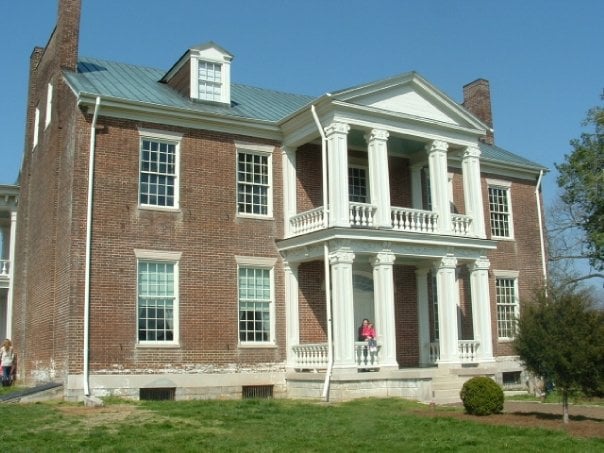
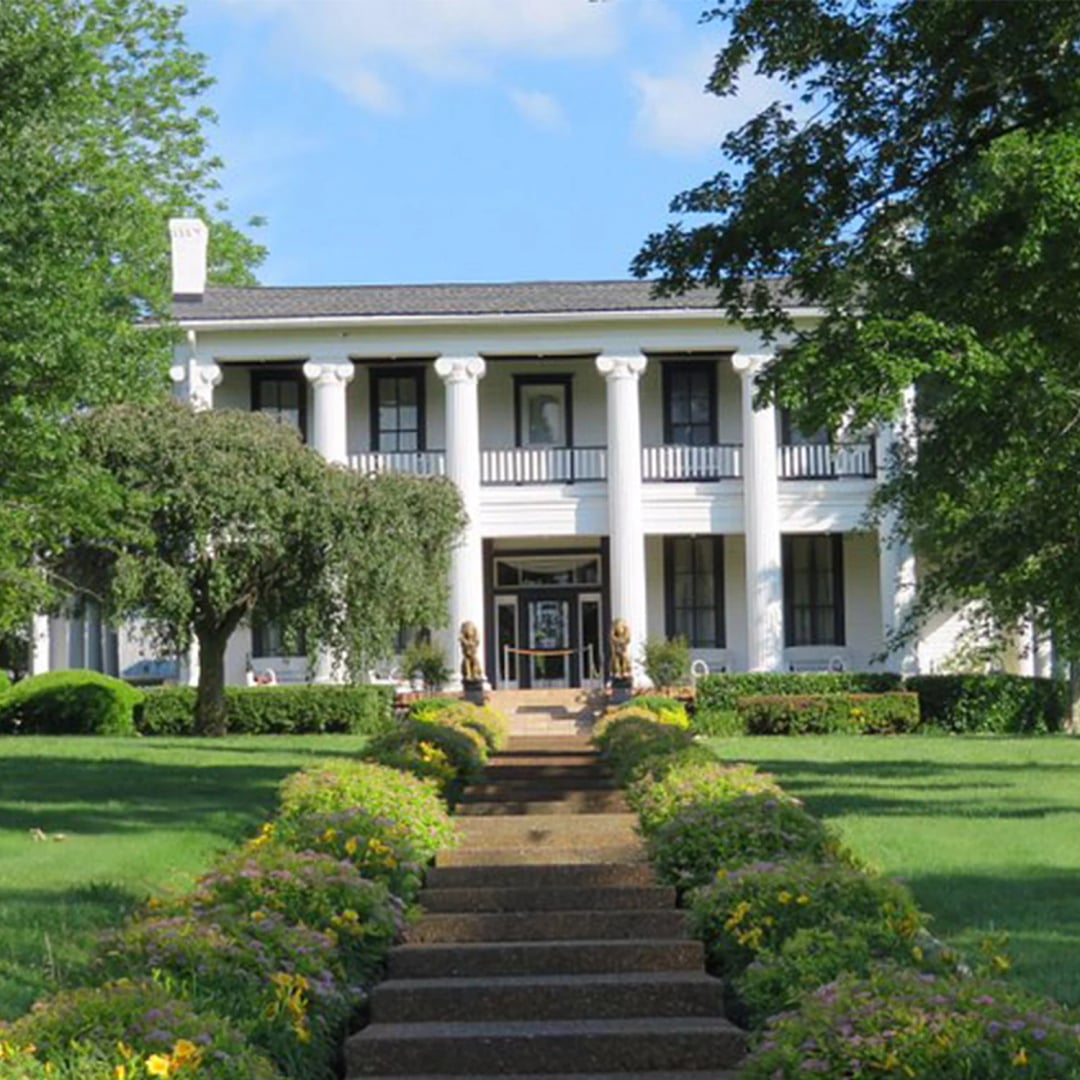
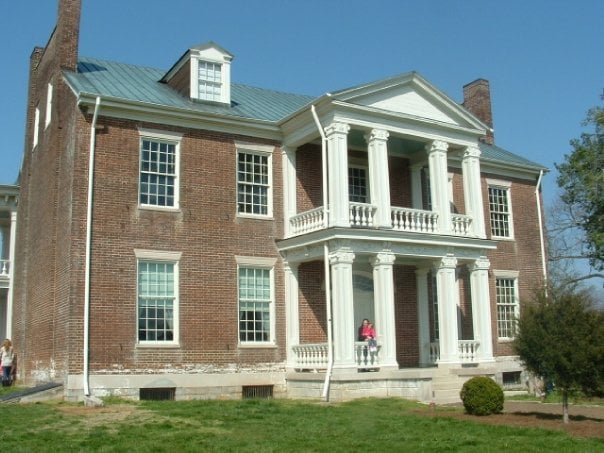
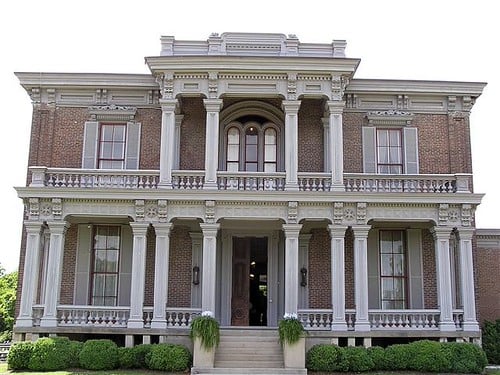
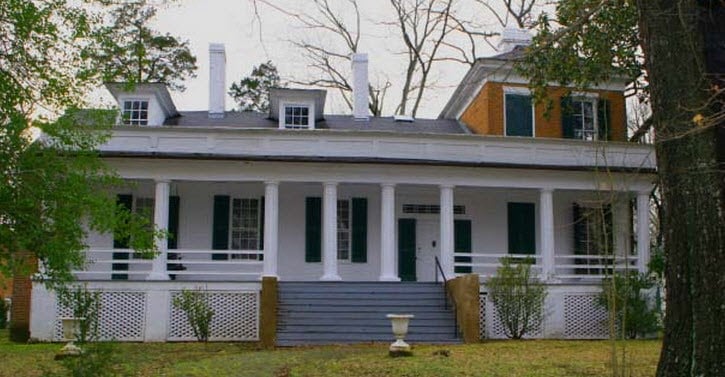
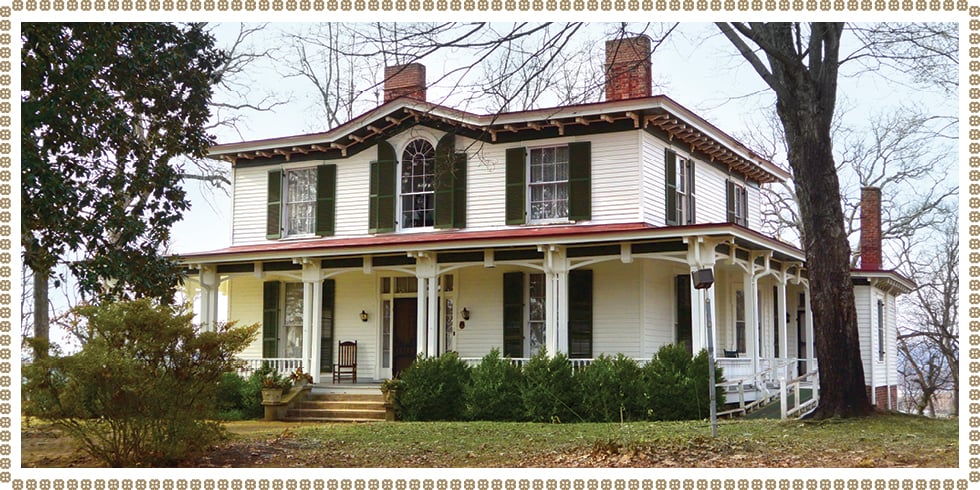
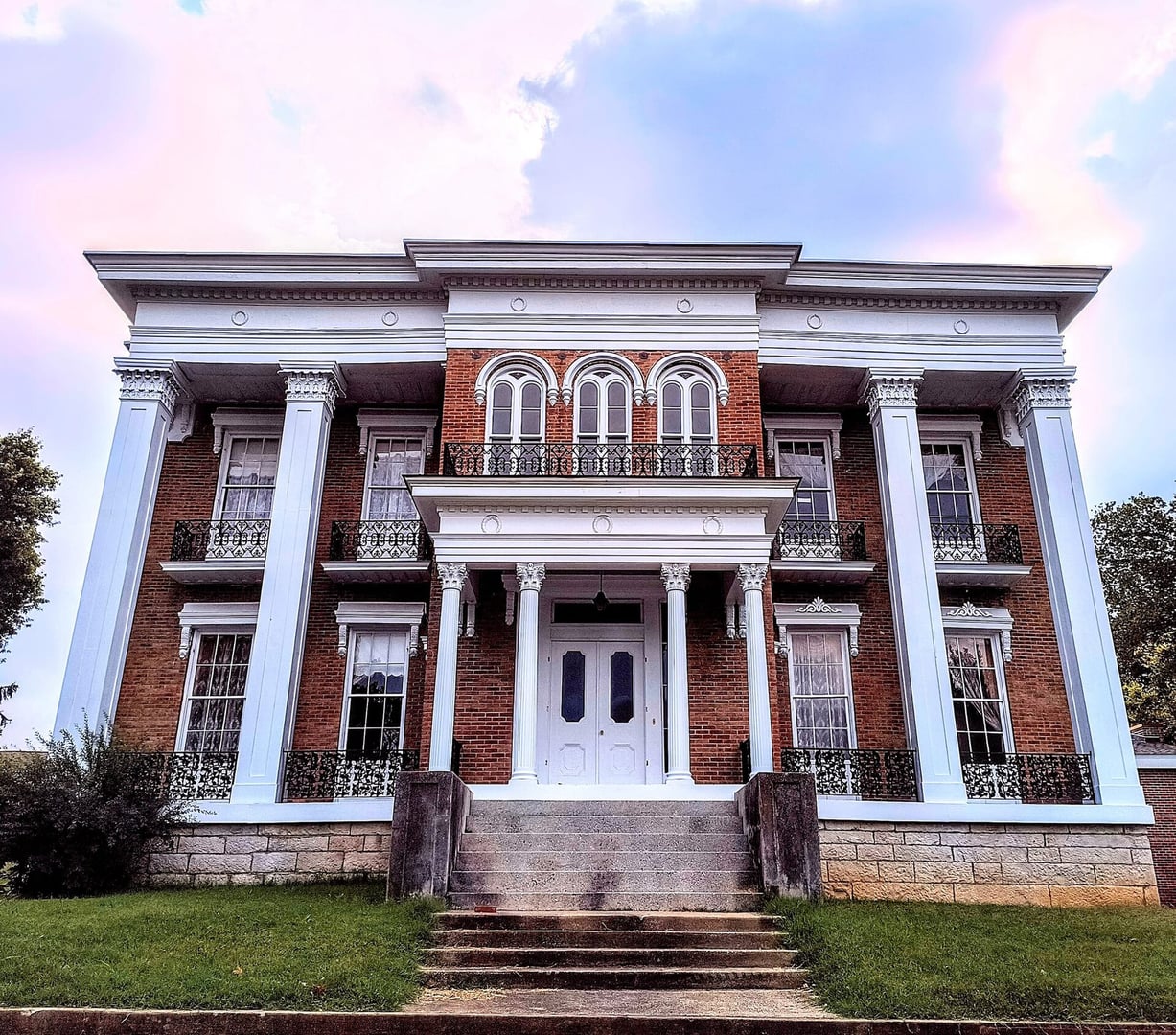
Antebellum manor house at Ames Plantation in Grand Junction, Tennessee, a historic Hobson House estate now operated by the University of Tennessee
Museum / Historical Site

Ames Plantation

Grand Junction, TN

Ames Plantation is an 18,400-acre research and heritage property in West Tennessee, anchored by an 1847 antebellum manor built for Cedar Grove Plantation. Industrialist Hobart Ames purchased the estate in 1901 as a private hunting retreat, and it now operates under the University of Tennessee as an agricultural research station and historic site.

$ All Ages Family: High
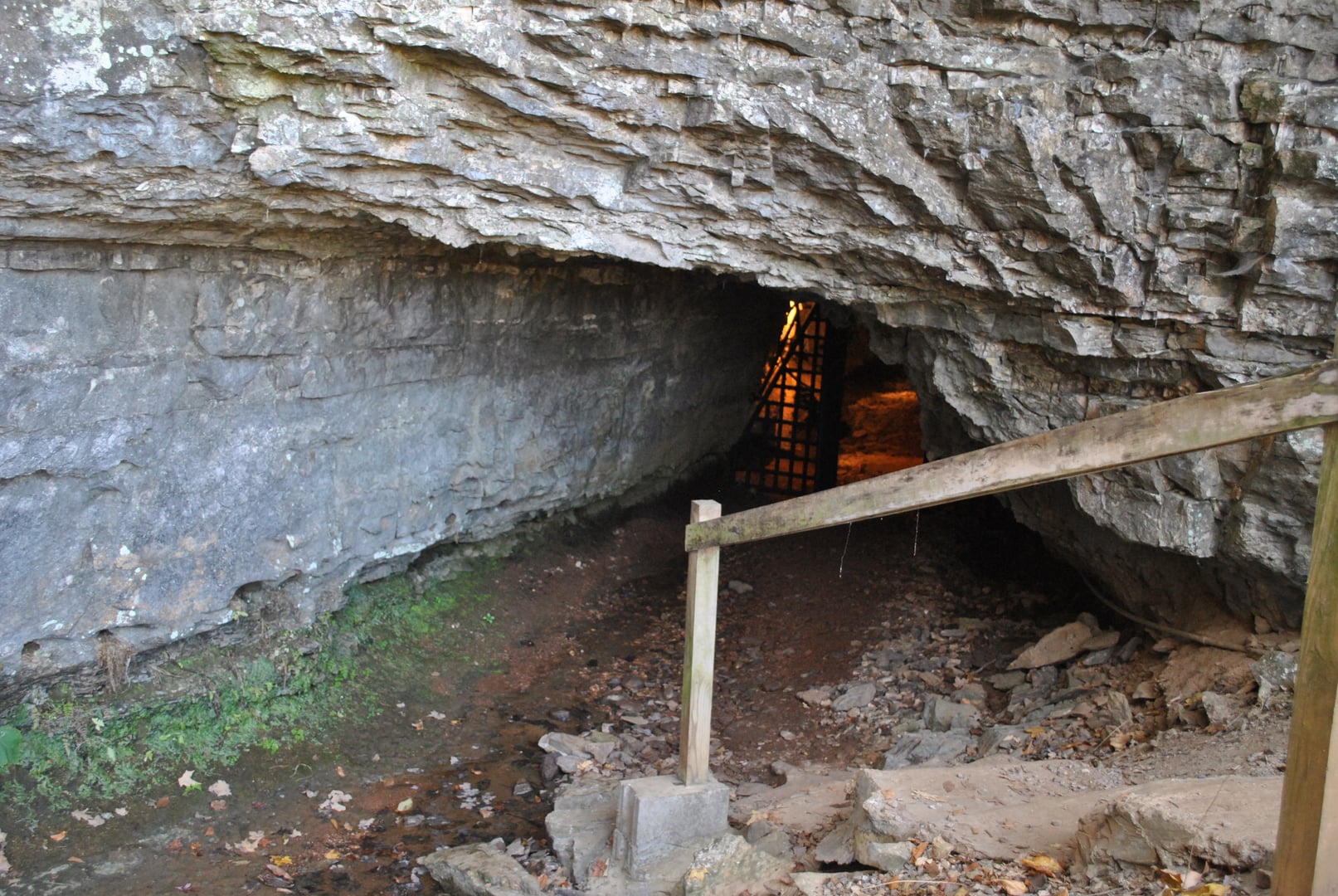
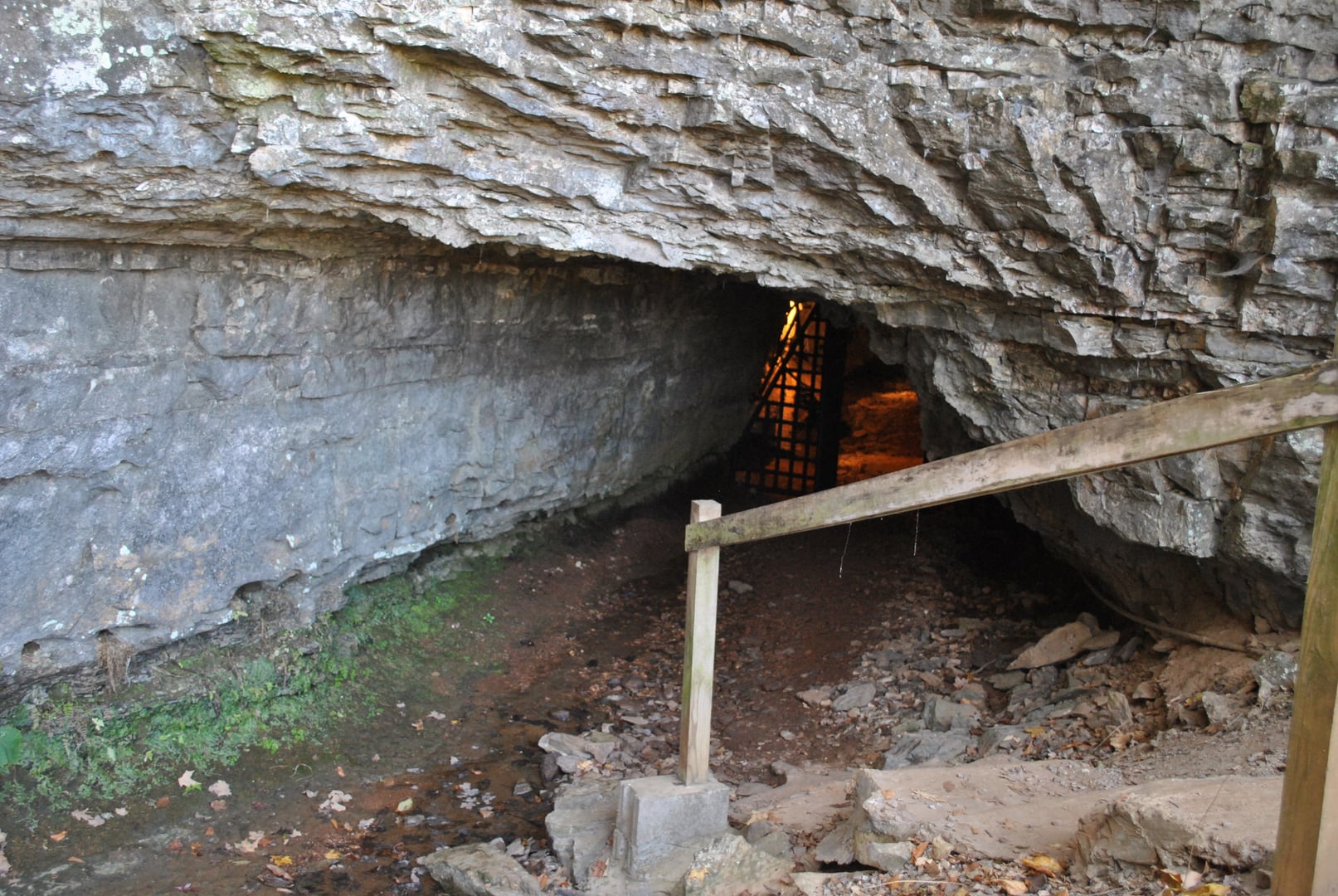
Dark karst opening of the Bell Witch Cave on the former John Bell farm near Adams, Tennessee
Museum / Historical Site

Bell Witch Farm and Cave

Adams, TN

The Bell Witch Cave is a 490-foot karst cave on the former farmland of John Bell, who moved his family from North Carolina to Robertson County, Tennessee around 1804. The 1817 to 1821 phenomena reported by the Bell family produced the most extensively documented early American haunting account and one of the only American cases in which a death has been formally attributed to supernatural causes.

$$ All Ages — cave tours require adult supervision for children Family: Moderate
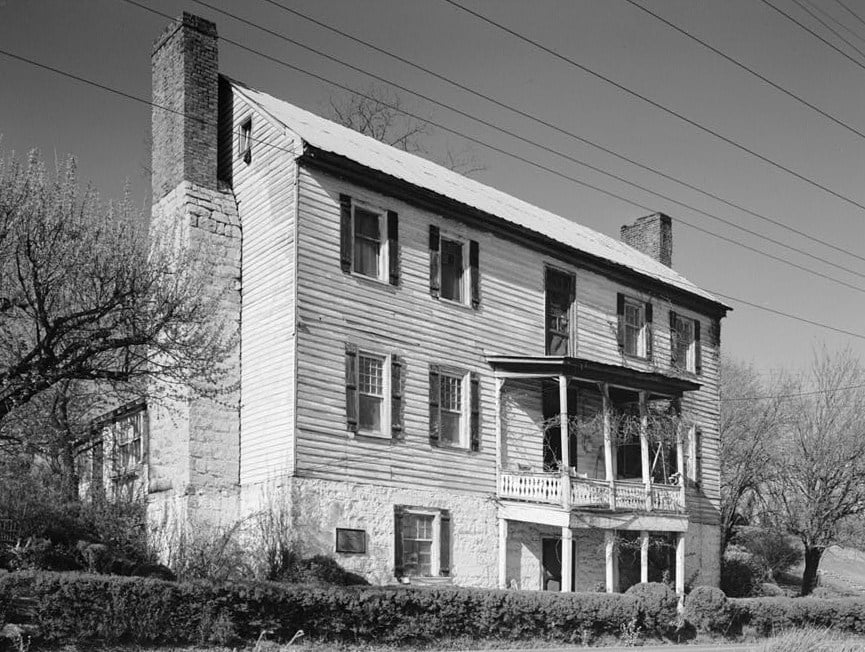
Surviving administration building of the former Lakeshore Mental Health Institute, now part of Lakeshore Park in Knoxville
Photo coming soon
Asylum / Hospital

Lakeshore Mental Health Institute (Lakeshore Park)

Knoxville, TN

The Lakeshore Mental Health Institute opened in 1886 as the East Tennessee Hospital for the Insane on the present site of Lakeshore Park in Knoxville. At its 1960s peak the hospital housed roughly 2,800 patients. State plans beginning in 1980 transitioned care into community settings, and the hospital closed in 2012. Most of the original buildings have been demolished; the surviving administration building has been renovated for park use.

$ All Ages Family: High

More in Tennessee

Knoxville — 17

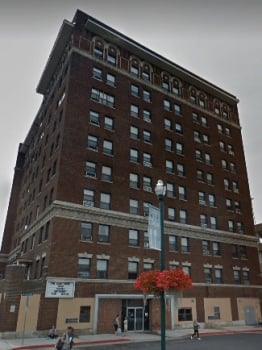
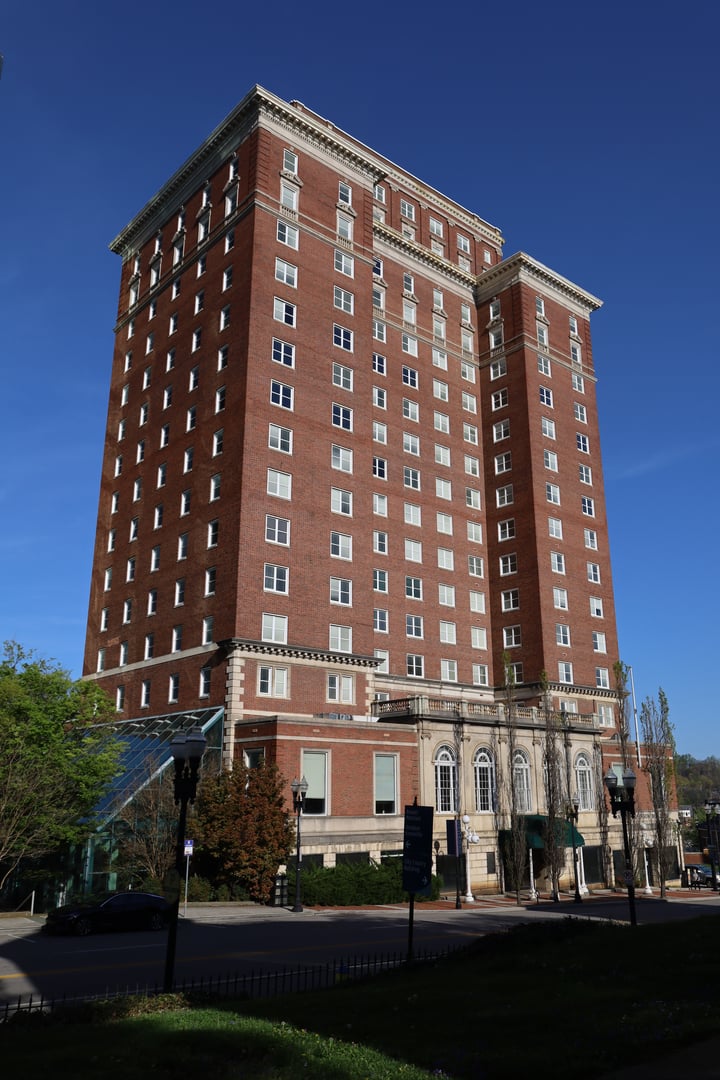
Beaux-Arts brick high-rise Andrew Johnson Building (1929) at 912 South Gay Street in downtown Knoxville, Tennessee.
Haunted Hotel / Inn

Andrew Johnson Hotel

Knoxville, TN

The Andrew Johnson Hotel, an eighteen-story Beaux-Arts brick high-rise at 912 South Gay Street, opened in 1929 and was named for President Andrew Johnson. After 1980 it was converted to county and state offices. The building is best known as the site where country singer Hank Williams spent his final conscious hours on New Year's Eve 1952. Redevelopment back to a hotel ('Hotel Americana') was approved in 2020.

$ All Ages Family: Moderate
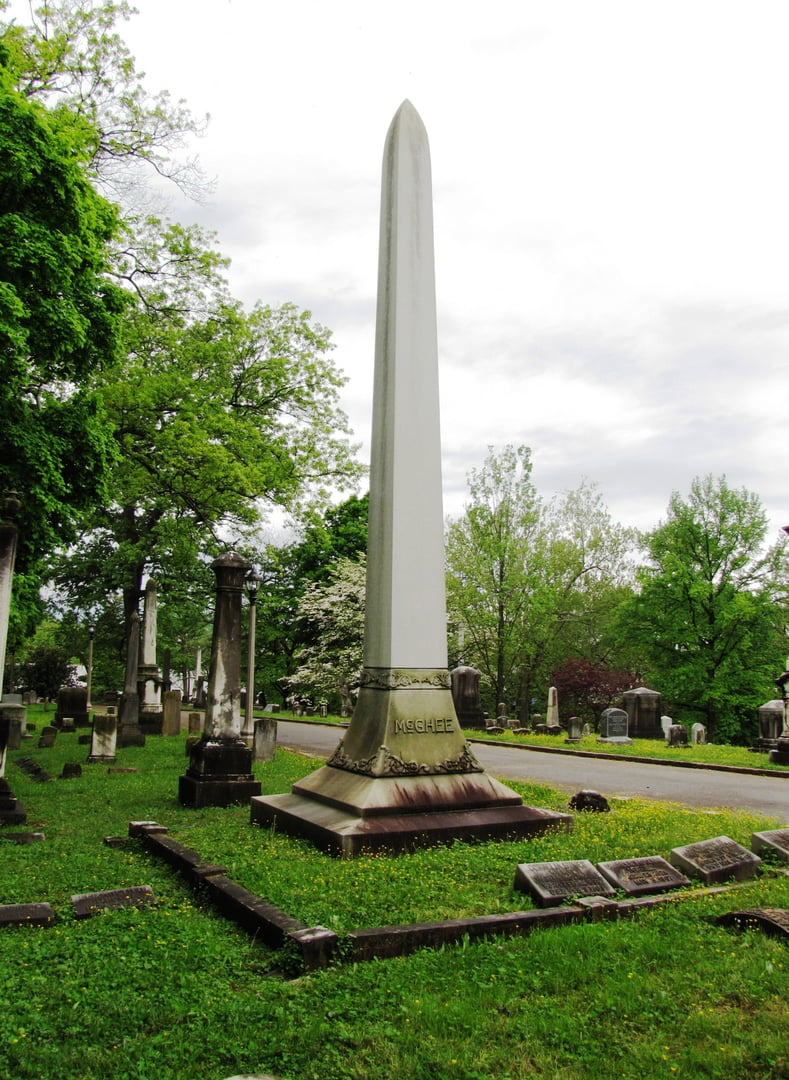
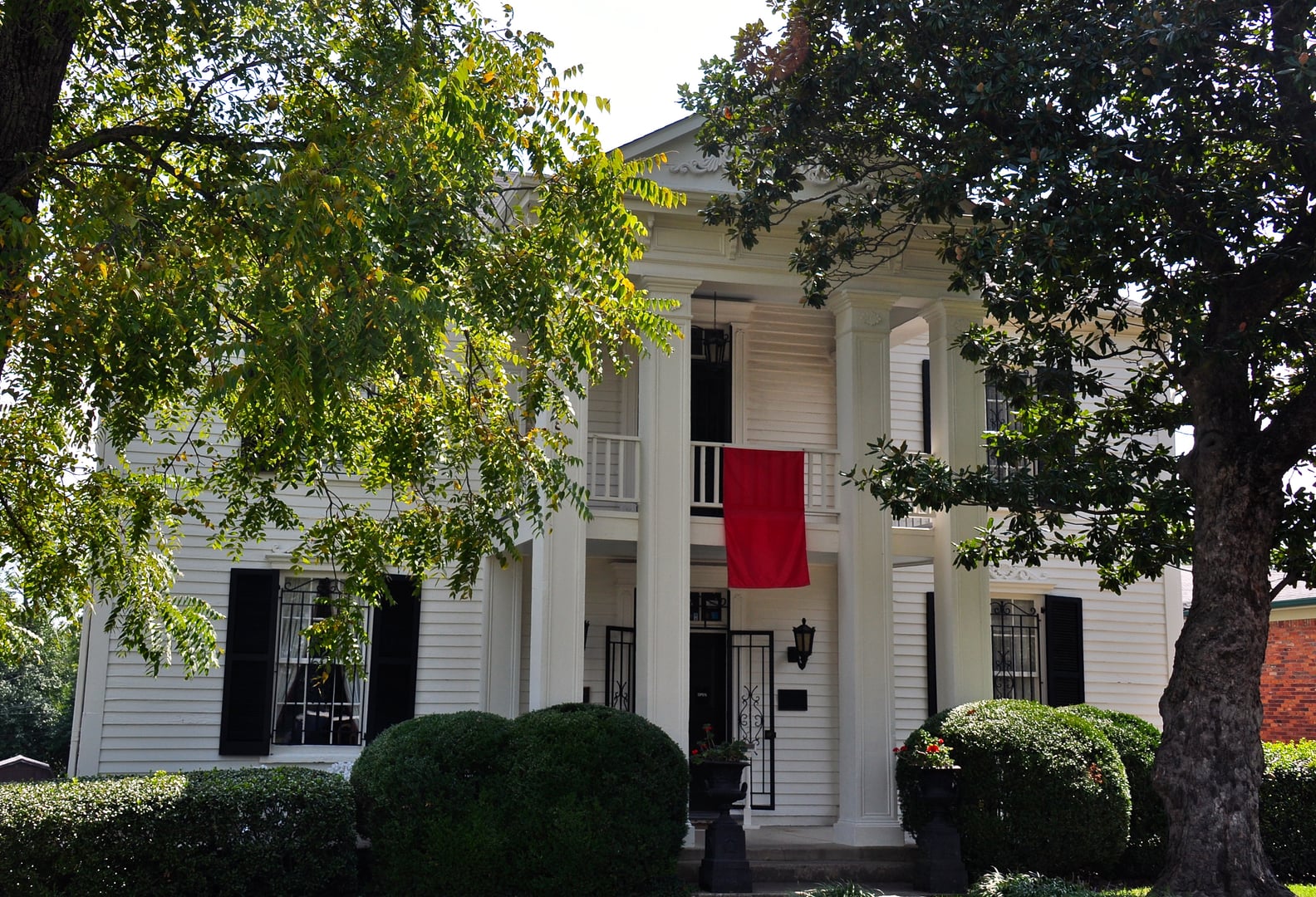
A two-story Greek Revival brick farmhouse on Kingston Pike in Knoxville, Tennessee, with white columns and a roadside historical marker
Photo coming soon
Haunted Dining / Bar

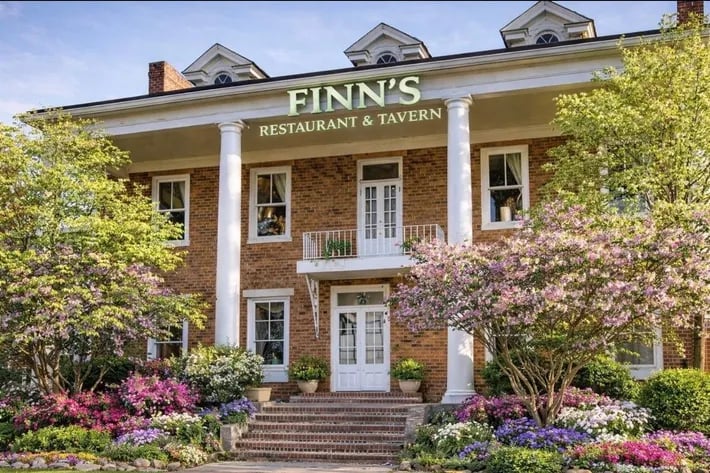
Baker-Peters House (Finn's Restaurant and Tavern)

Knoxville, TN

The Baker-Peters House on Kingston Pike west of downtown Knoxville was built in 1840 by Dr. James Harvey Baker. The house was used as a field hospital for Confederate wounded during the Civil War; Dr. Baker was shot through a bedroom door by Union soldiers in 1864, and his son Abner was lynched by a mob in 1865. The building is a Tennessee Historical Commission-recognized site and operates today as Finn's Restaurant and Tavern.
$$$ All Ages in dining room; 21+ in lounge after evening hours Family: Moderate
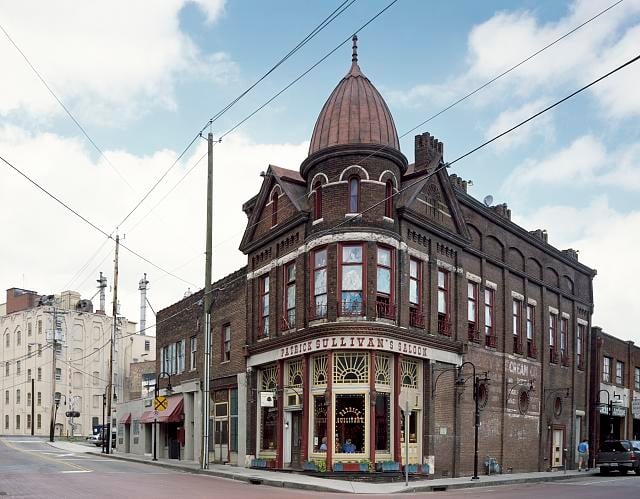
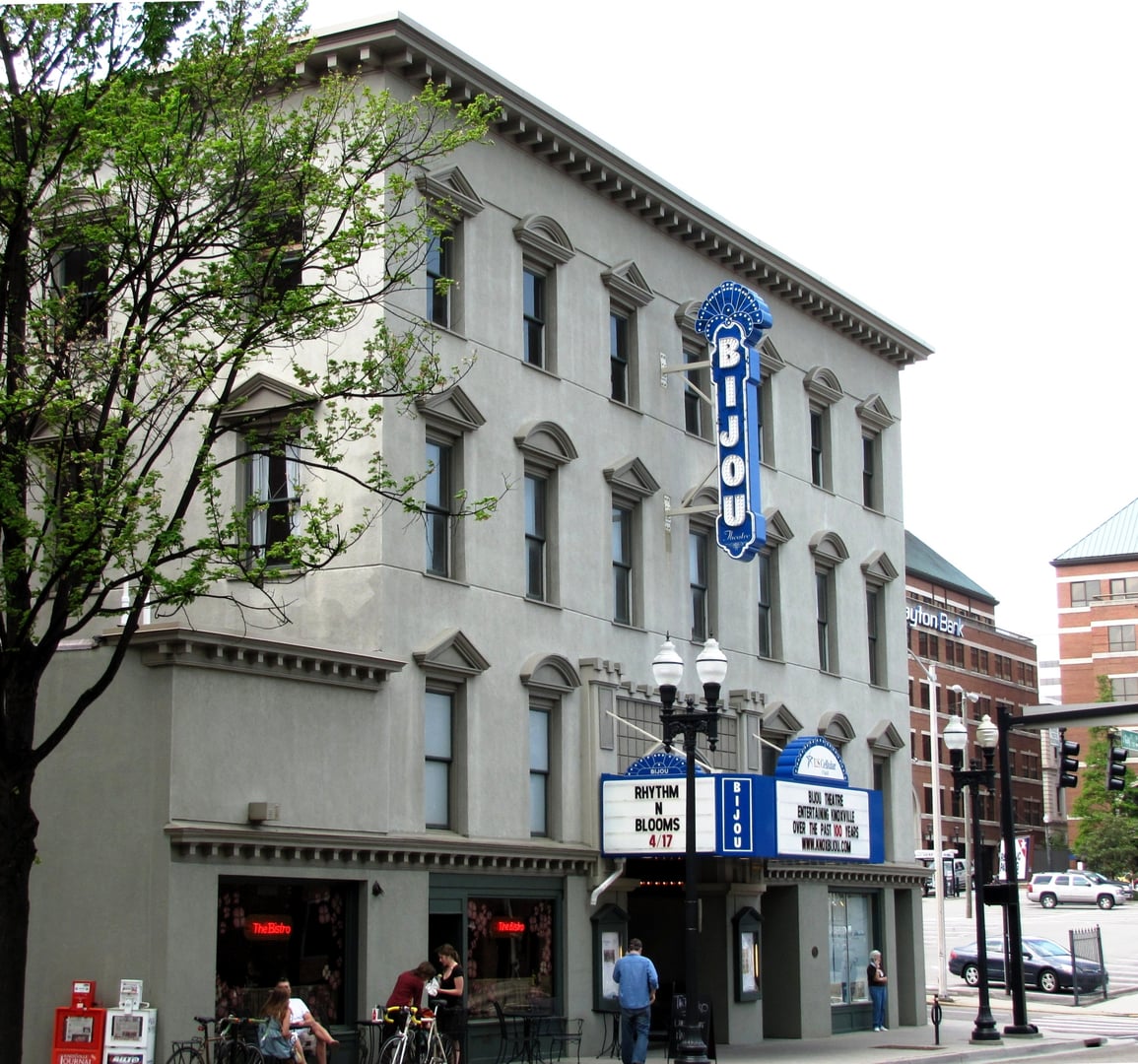
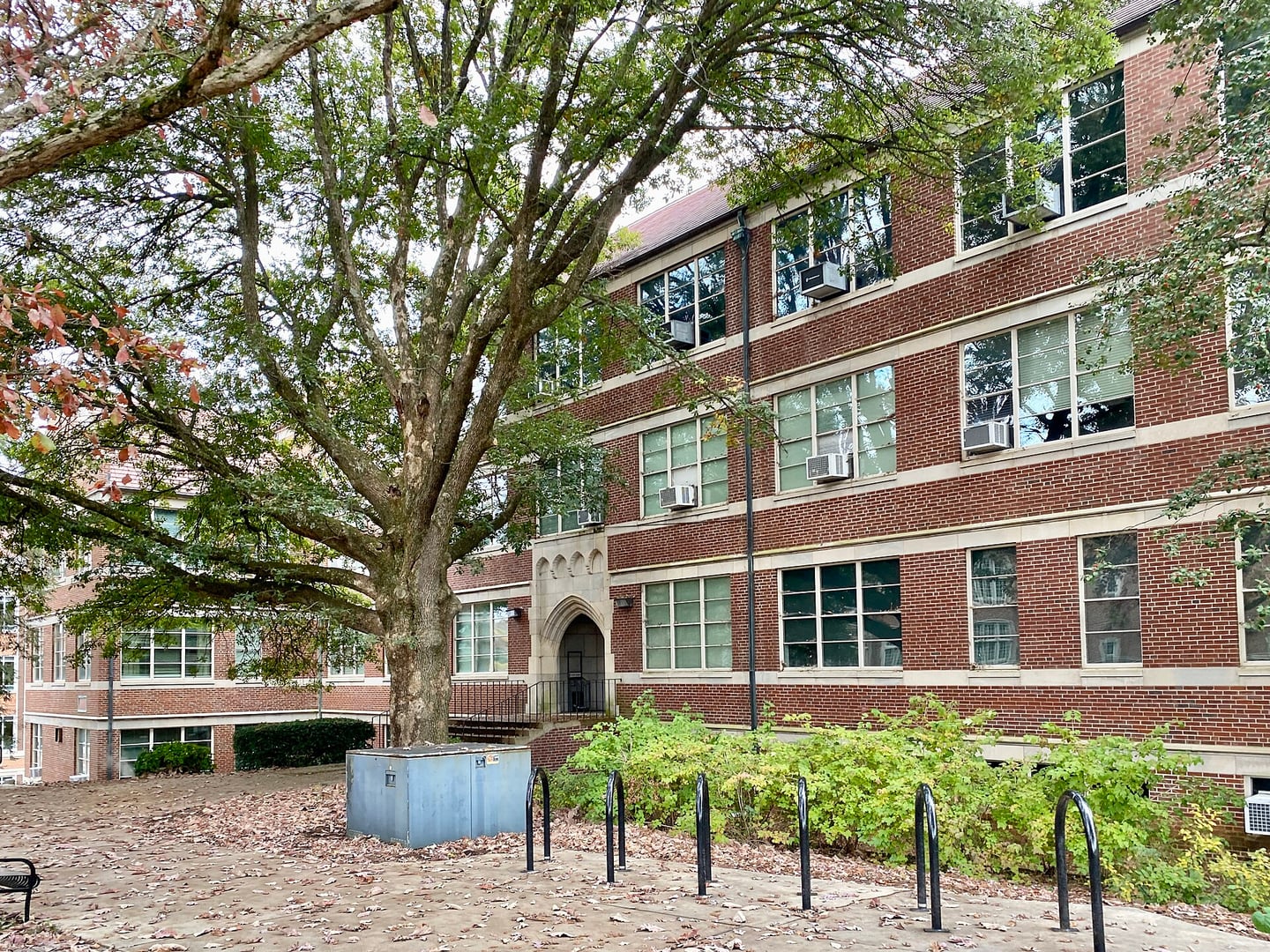
Exterior of the historic Bijou Theatre and Lamar House Hotel on Gay Street in Knoxville Tennessee
Theater / Performance Venue

Bijou Theatre

Knoxville, TN

The Bijou Theatre at 803 South Gay Street in Knoxville occupies a structure dating to 1817, built as a hotel by developer Thomas Humes on land purchased in 1801. The building served as Union General William Sanders' headquarters during the 1863 Siege of Knoxville; Sanders was shot by a Confederate sharpshooter and died in the bridal suite on November 19, 1863. The venue has operated as a performance space since the early 20th century.
$$ All Ages (varies by show) Family: Moderate

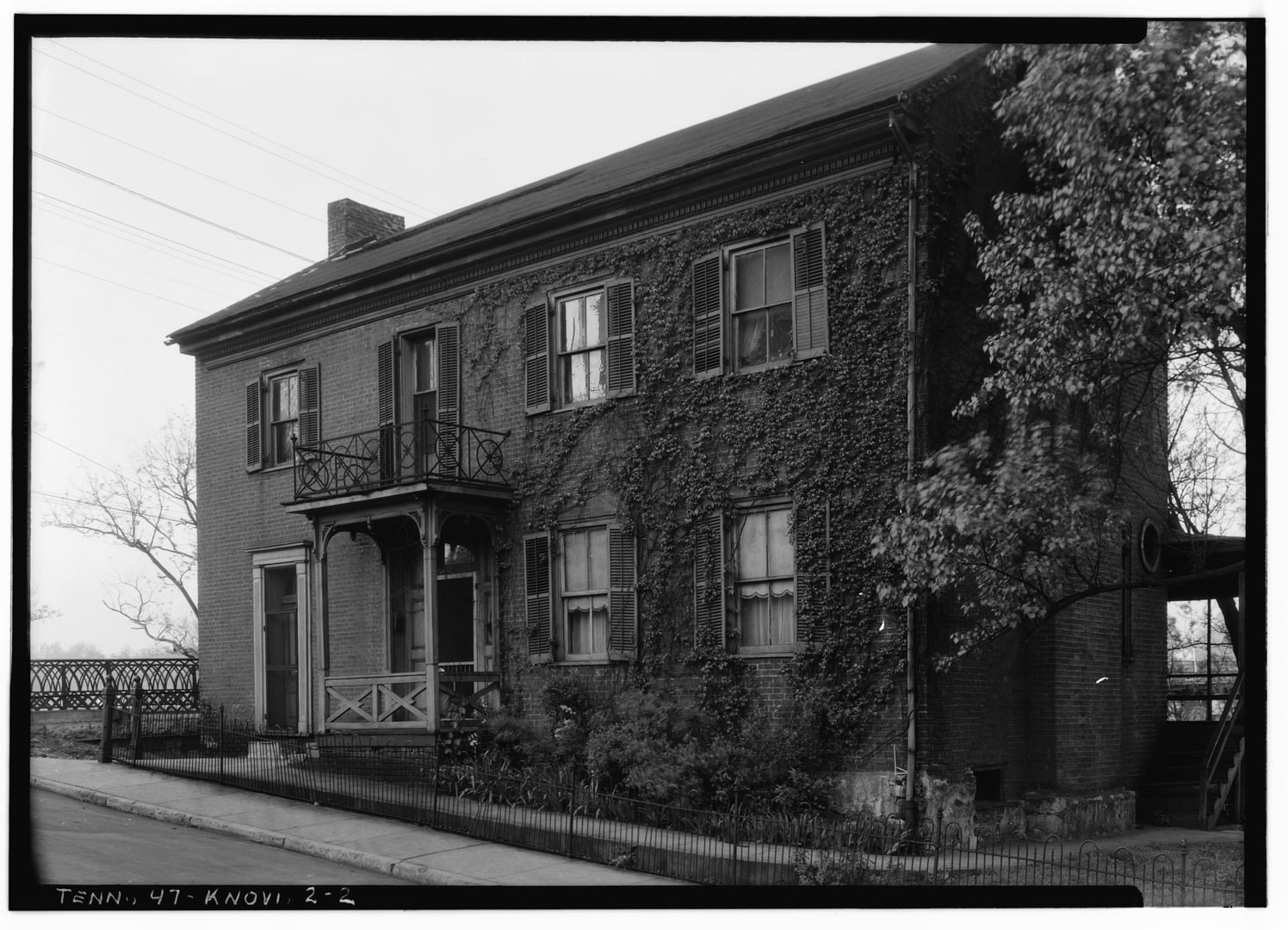
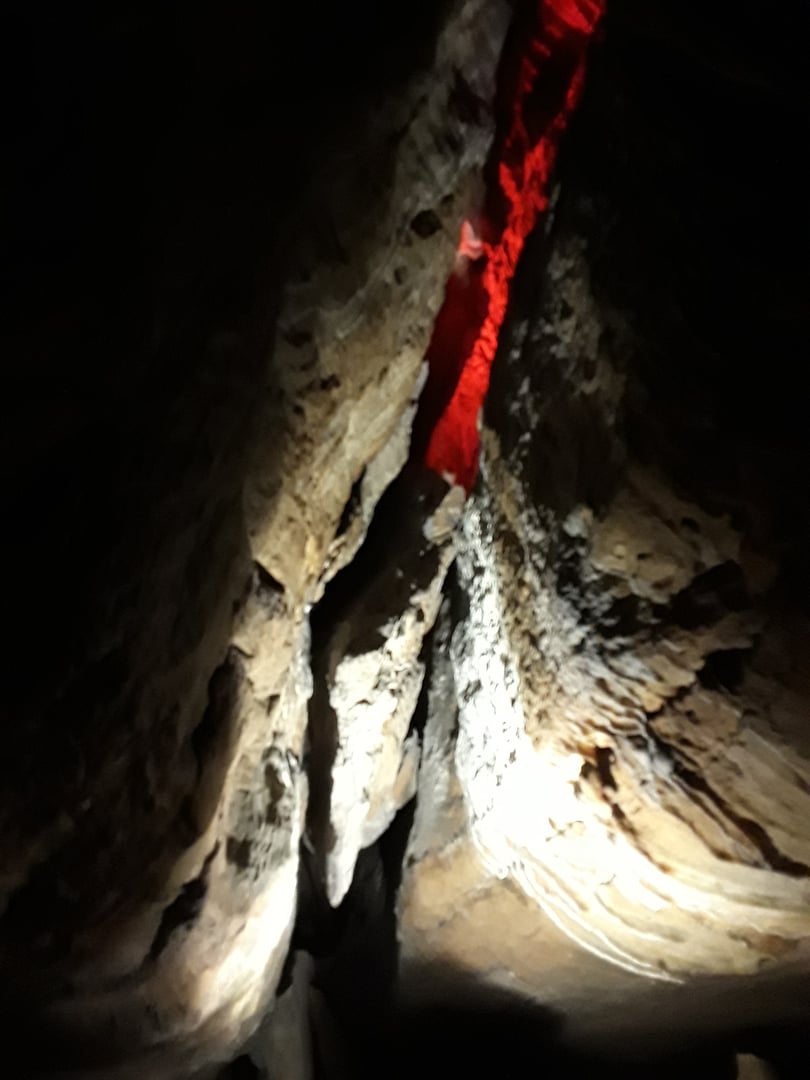
1934 HABS photograph showing the main entrance and south view of the Craighead-Jackson House, an 1818 Federal-style brick residence in downtown Knoxville, Tennessee
Museum / Historical Site
Craighead-Jackson House
Knoxville, TN

Built in 1818 by Knoxville alderman John Craighead, the Craighead-Jackson House is a two-story Federal-style brick residence on State Street in downtown Knoxville. The Jackson family owned the home from the late 1850s until about 1885. The Blount Mansion Association acquired the property in 1962, and it is now operated as part of the adjacent Blount Mansion historic site.

$ All Ages Family: High
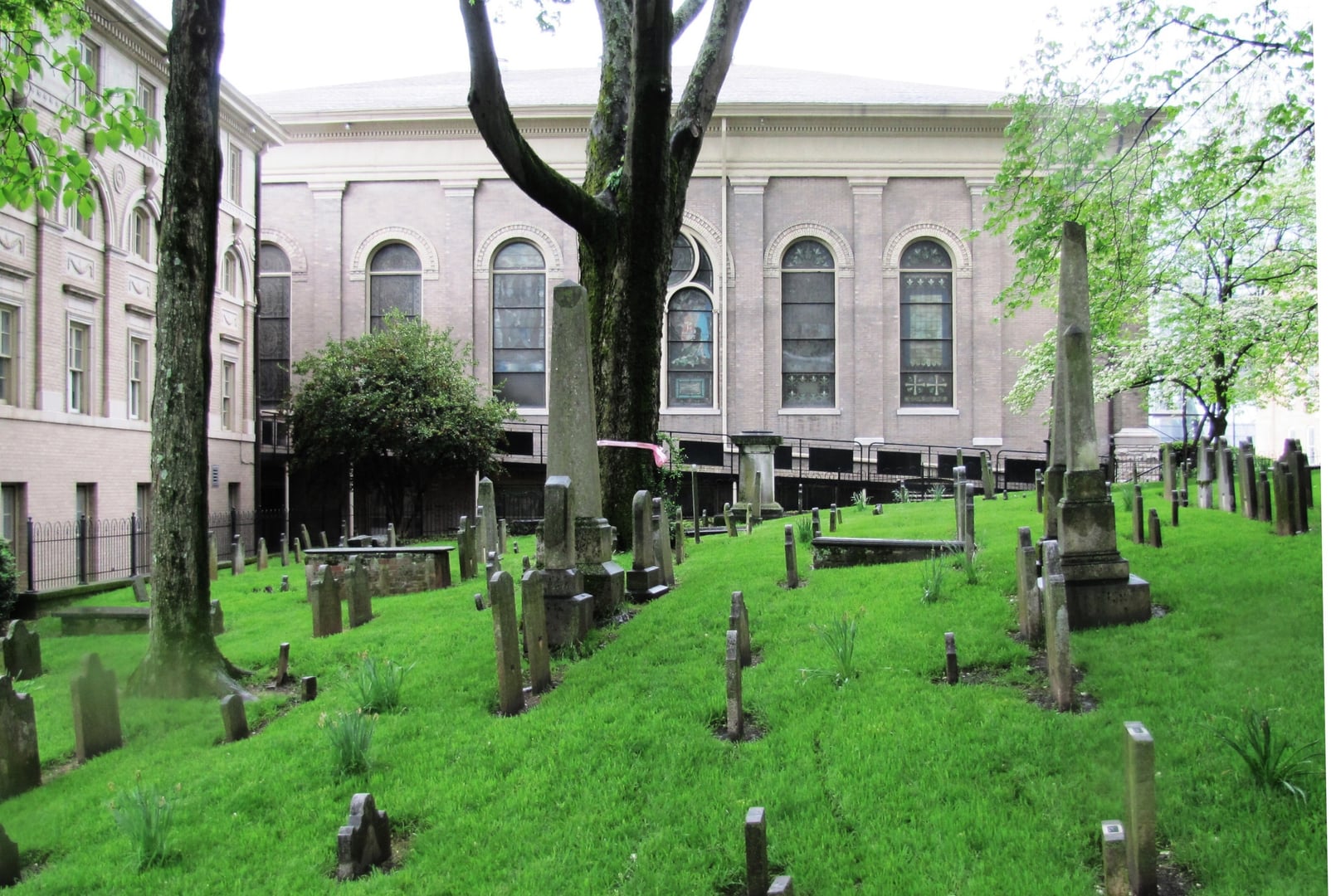
Oldest graveyard in Knoxville (platted 1795), looking south at the First Presbyterian Church behind weathered headstones.
Cemetery / Burial Ground

First Presbyterian Church Cemetery

Knoxville, TN

First Presbyterian Church Cemetery is the oldest graveyard in Knoxville, reserved by city founder James White and surveyor Charles McClung in 1791 and officially platted in 1795. It contains the graves of William Blount, James White, Hugh Lawson White, Samuel Carrick, and other early Knoxville citizens. It was added to the National Register of Historic Places in 1996.

$ All Ages Family: High
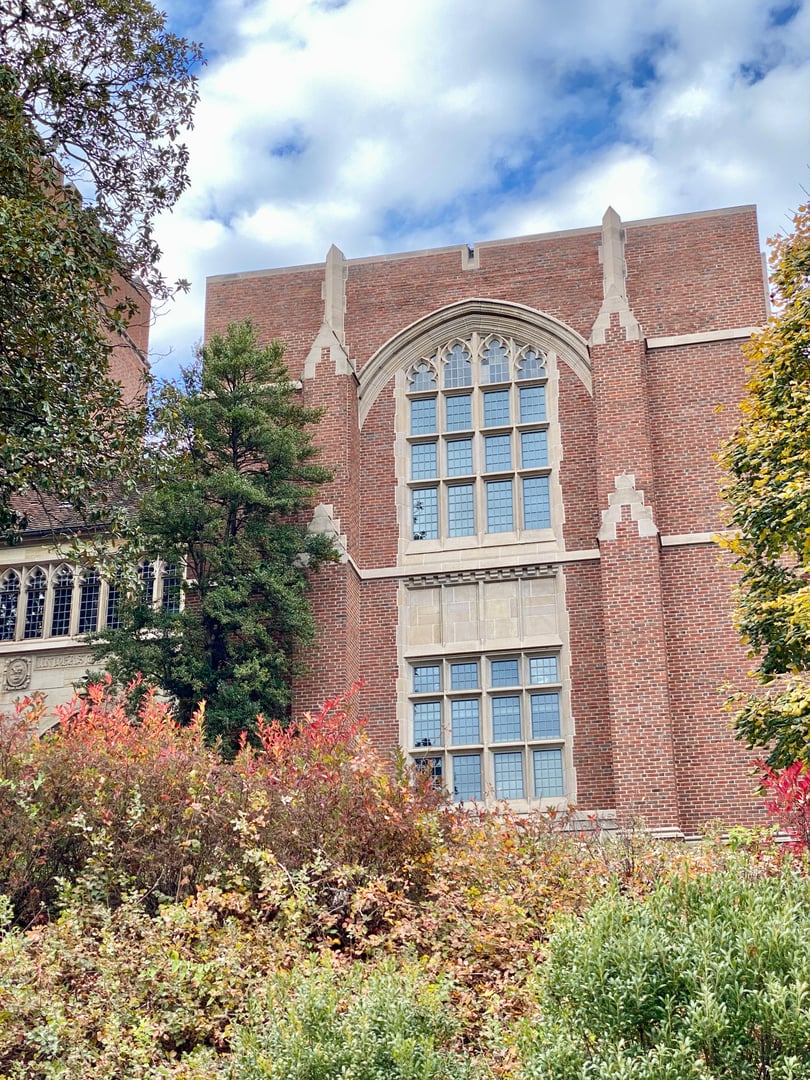
Stone Gothic Revival facade of James D. Hoskins Library on UT Knoxville's historic Hill, photographed 2022.
Museum / Historical Site

Hoskins Library

Knoxville, TN

James D. Hoskins Library opened in 1931 as the main library of the University of Tennessee, Knoxville, on the historic Hill. After the John C. Hodges Library opened in 1987, Hoskins was converted into the home of UT's Special Collections department. The building remains an active research library and academic landmark on Cumberland Avenue.

$ All Ages Family: High
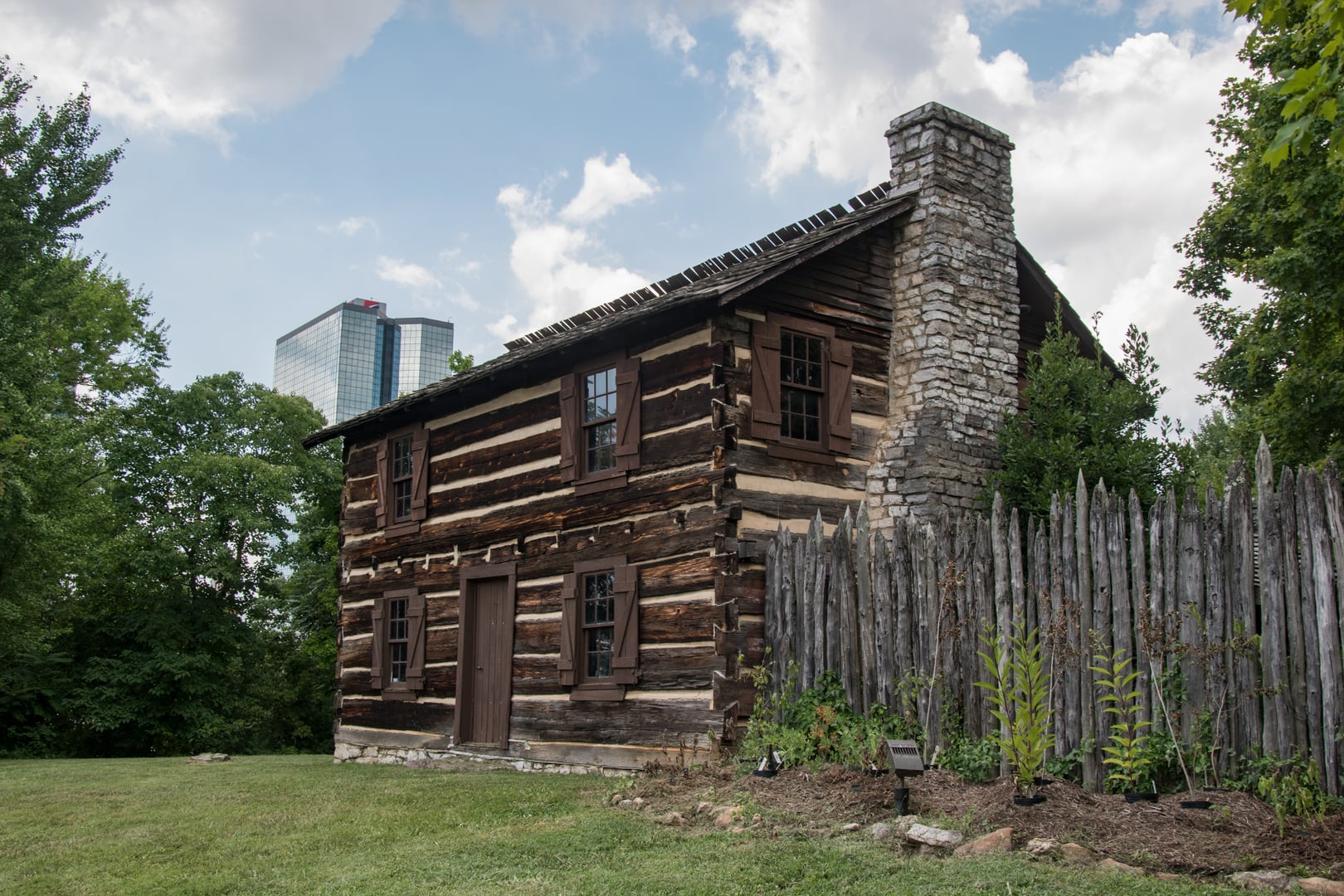
Reconstructed two-story log cabin at James White's Fort (1786), founding site of Knoxville, Tennessee.
Museum / Historical Site

James White's Fort

Knoxville, TN

James White's Fort marks the 1786 founding site of Knoxville, where Revolutionary War veteran James White (1747-1821) built the first permanent two-story log cabin and, by 1788, enclosed it within a stockade. In 1791 William Blount moved the capital of the Southwest Territory here and renamed the settlement Knoxville. The reconstructed fort operates today as an open-air museum.

$ All Ages Family: High
Italianate-Greek Revival Mabry-Hazen House (1858) on a Knoxville, Tennessee hilltop, three-generation Mabry family home.
Haunted House / Historic Home

Mabry-Hazen House

Knoxville, TN

Built in 1858 for Joseph Alexander Mabry II and originally called Pine Hill Cottage, the Mabry-Hazen House combines Italianate and Greek Revival elements. Three generations of the same family lived here, ending with Evelyn Hazen, who died in 1987 after stipulating the property become a museum or be demolished. The home opened to the public as a museum in 1992.

$$ All Ages Family: Moderate
Tall stone obelisk among Victorian-era monuments at Old Gray Cemetery in Knoxville, Tennessee
Cemetery / Burial Ground

Old Gray Cemetery

Knoxville, TN

Old Gray Cemetery in Knoxville, Tennessee, was established in 1850 and named for English poet Thomas Gray, author of "Elegy Written in a Country Churchyard." The thirteen-acre cemetery contains roughly 5,700 graves, including those of a Tennessee governor, U.S. senators, mayors, and Civil War-era figures, and is listed on the National Register of Historic Places.

$ All Ages Family: High
Pink marble Late-Georgian two-story Ramsey House (1797) east of Knoxville, the first stone house in Knox County, Tennessee.
Haunted House / Historic Home

Historic Ramsey House

Knoxville, TN

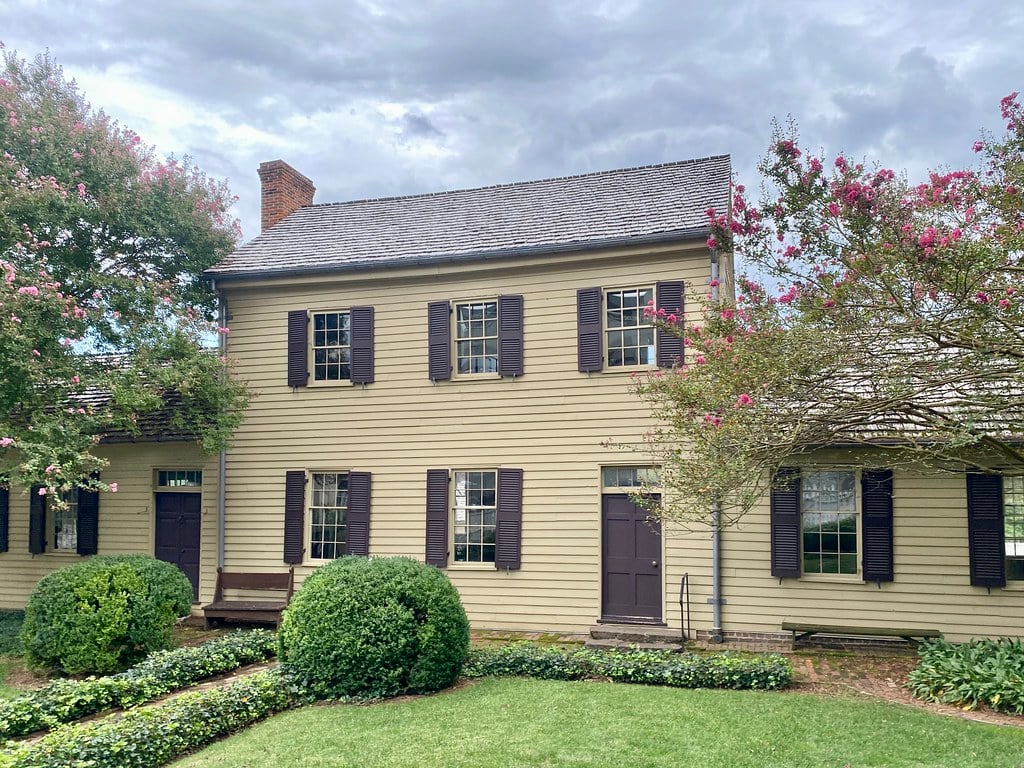
Historic Ramsey House is a 1797 Late-Georgian two-story residence built by London-trained architect Thomas Hope for Francis Alexander Ramsey on the Swan Pond tract east of Knoxville. Constructed primarily of local pink marble with blueish-gray limestone trim, it was the first stone house in Knox County. The Association for the Preservation of Tennessee Antiquities' Knoxville Chapter has operated the property as a museum since 1952.

$ All Ages Family: High
Sophronia Strong Hall at the University of Tennessee, Knoxville
Photo coming soon
Other Dark Tourism Site

Sophronia Strong Hall

Knoxville, TN

Sophronia Strong Hall opened in 1925 as a women's residence hall at the University of Tennessee, Knoxville, funded by a 1915 bequest from Benjamin Rush Strong in memory of his mother Sophronia Marrs Strong (1817-1867). It housed 50 women and the 'Sophie's Place' cafeteria, served as a dormitory until 2008, and reopened in 2011 as an academic building housing biology and science departments.

$ All Ages Family: High
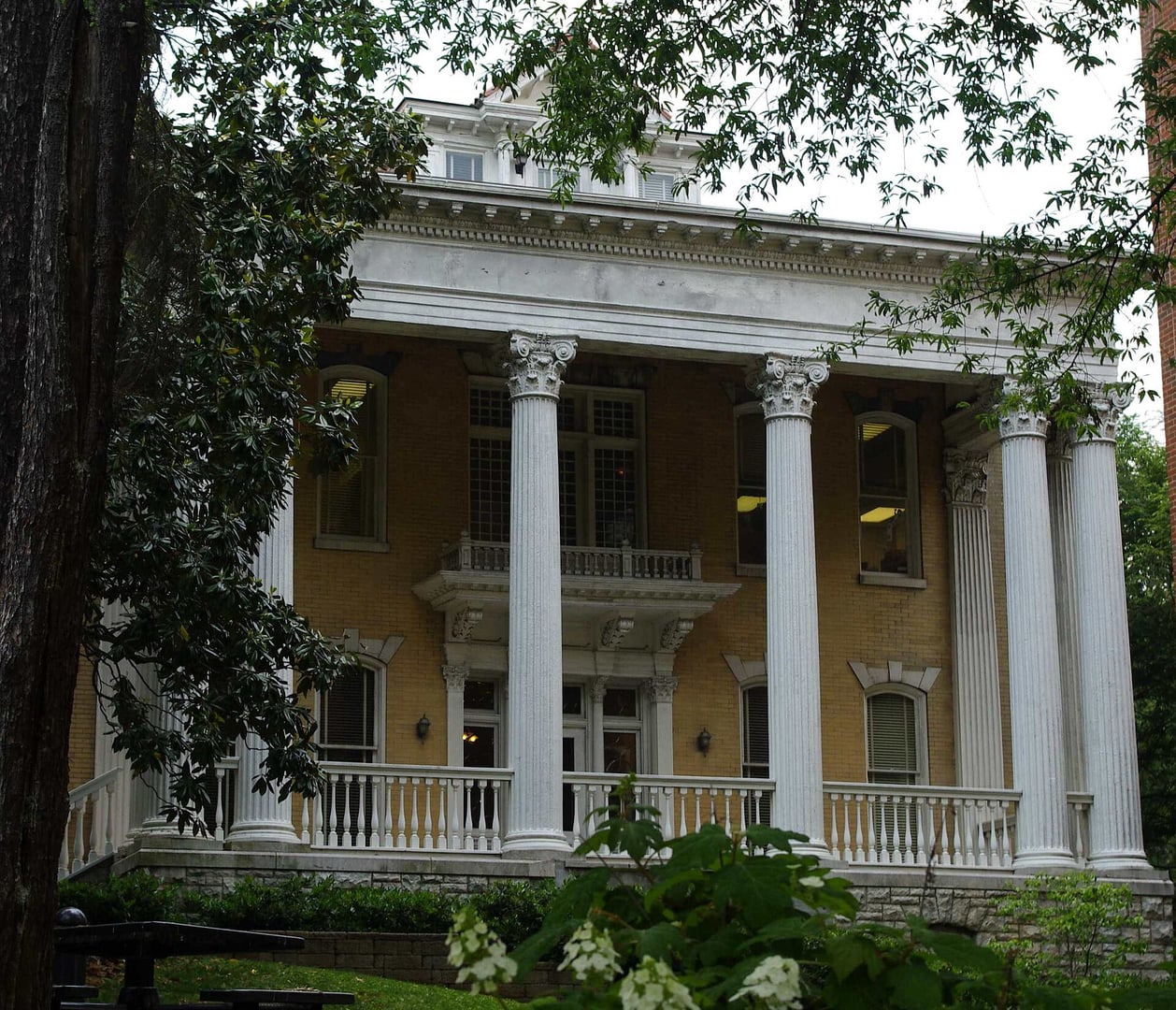
Tyson Alumni House at the University of Tennessee Knoxville, a three-story brick building with large columned portico designed by George Barber
Other Dark Tourism Site

Tyson Alumni Center

Knoxville, TN

Tyson Alumni Center is the former home of WWI Brigadier General and U.S. Senator Lawrence D. Tyson (1861-1929) and his family. Designed by Knoxville architect George Barber in the 'Colonial Classic' style, it was donated to the University of Tennessee and now serves as the UTK Office of Alumni Relations. The yard contains the grave of the Tysons' dog Bonita - the only marked grave on the main campus.

$ All Ages Family: High
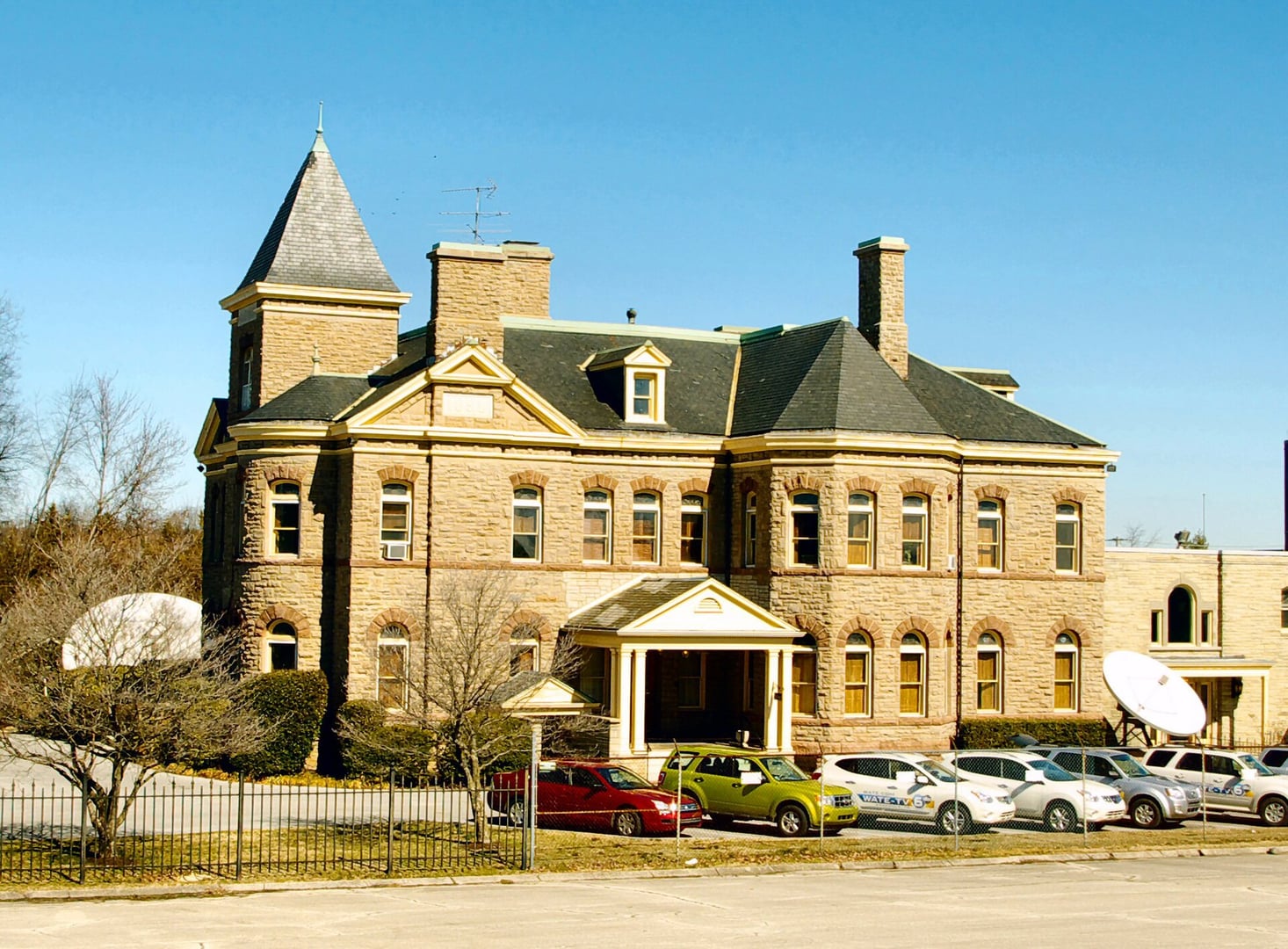
Rusticated limestone Romanesque Revival facade of Greystone (1890), Eldad Cicero Camp's mansion at 1306 Broadway in Knoxville, now WATE-TV studios.
Haunted House / Historic Home

Greystone Mansion

Knoxville, TN

Greystone Mansion at 1306 North Broadway in Knoxville was commissioned by coal tycoon Eldad Cicero Camp (1839-1920) and constructed 1885-1890 to a Richardsonian Romanesque design by architect Alfred B. Mullett. The Camp family occupied the house until 1935; after a period as apartments, WATE-TV purchased it in 1965 for $75,000 and spent $1.5 million restoring it. It was added to the National Register of Historic Places on April 24, 1973.

$ All Ages Family: High
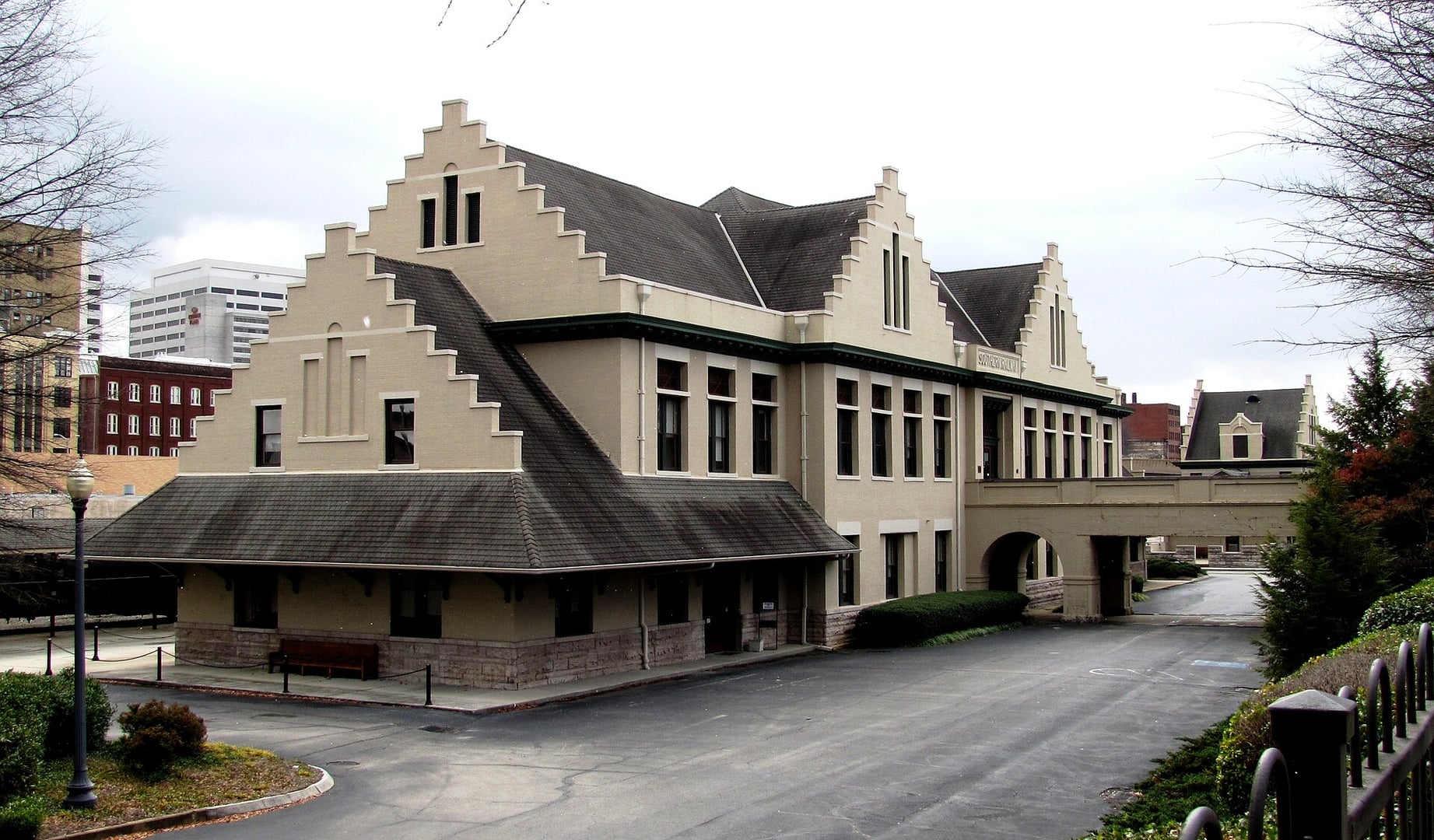
Exterior of the 1903 Historic Southern Railway Station passenger terminal viewed from the northeast along Depot Avenue, Knoxville, Tennessee
Museum / Historical Site

Historic Southern Railway Station

Knoxville, TN

The Historic Southern Railway Station at 306 West Depot Avenue opened in 1903 as a Classical Revival passenger terminal designed by Frank Pierce Milburn, the Southern Railway's company architect. On September 24, 1904, the station received the bodies of 56+ victims of the New Market train wreck — a head-on collision of two Southern Railway trains 23 miles east of Knoxville. The site is on the National Register of Historic Places and today houses Blue Slip Winery, event spaces, and the Old Smoky Railway Museum.

$$ All Ages Family: Moderate
Headstones at the historic Freedmen's Mission Cemetery on the Knoxville College campus
Photo coming soon
Cemetery / Burial Ground

Knoxville College Freedmen's Mission Historic Cemetery

Knoxville, TN

Freedmen's Mission Historic Cemetery is a historic African-American burial ground on the campus of Knoxville College, founded between approximately 1877 and 1900 and associated with the United Presbyterian Church mission that established Knoxville College in 1875 as a school for freed African Americans. The cemetery contains approximately 190 known graves including those of Knoxville's first Black physicians, teachers, civic leaders, and individuals formerly enslaved by U.S. President Andrew Johnson. It was officially renamed Freedmen's Mission Historic Cemetery in May 2012.

$ All Ages Family: Moderate
Collegiate Gothic Revival red brick and limestone facade of Perkins Hall (1949) at the University of Tennessee in Knoxville's Fort Sanders neighborhood.
Other Dark Tourism Site

Perkins Hall (University of Tennessee)

Knoxville, TN

Perkins Hall is an 80,805-square-foot University of Tennessee engineering building completed in December 1949 to a Barber & McMurry design at a construction cost of $994,000. It was dedicated March 6, 1950 and named for Dr. Charles A. Perkins, longtime physics and electricity faculty and the first director of UT's Engineering Experiment Station. It stands adjacent to the former site of Barbara Blount Hall (1900-1979), where eight Union Civil War soldier graves were uncovered during 1900 excavation and reinterred at the Knoxville National Cemetery.

$ All Ages Family: High
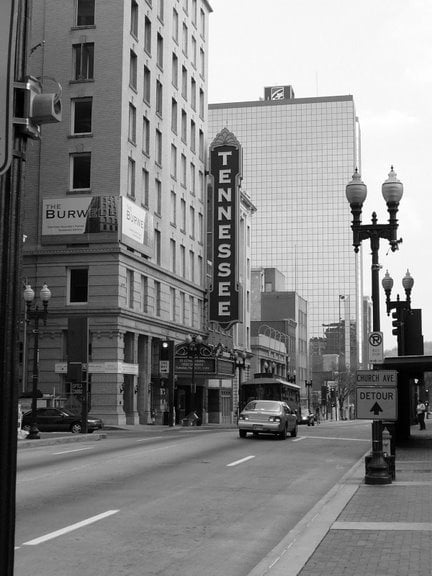
Vertical marquee blade sign and ornate facade of the Tennessee Theatre (1928), a Knoxville movie palace at 604 South Gay Street.
Theater / Performance Venue

Tennessee Theatre

Knoxville, TN

The Tennessee Theatre opened October 1, 1928 at 604 South Gay Street in downtown Knoxville as a 1,645-seat Spanish Moorish movie palace designed by Chicago architects Graven & Mayger and built within the 1908 Burwell Building. Listed on the National Register of Historic Places in 1982, it was designated the Official State Theatre of Tennessee in 1999 and reopened after a $30 million restoration in 2005.

$$ All Ages Family: High

Memphis — 17

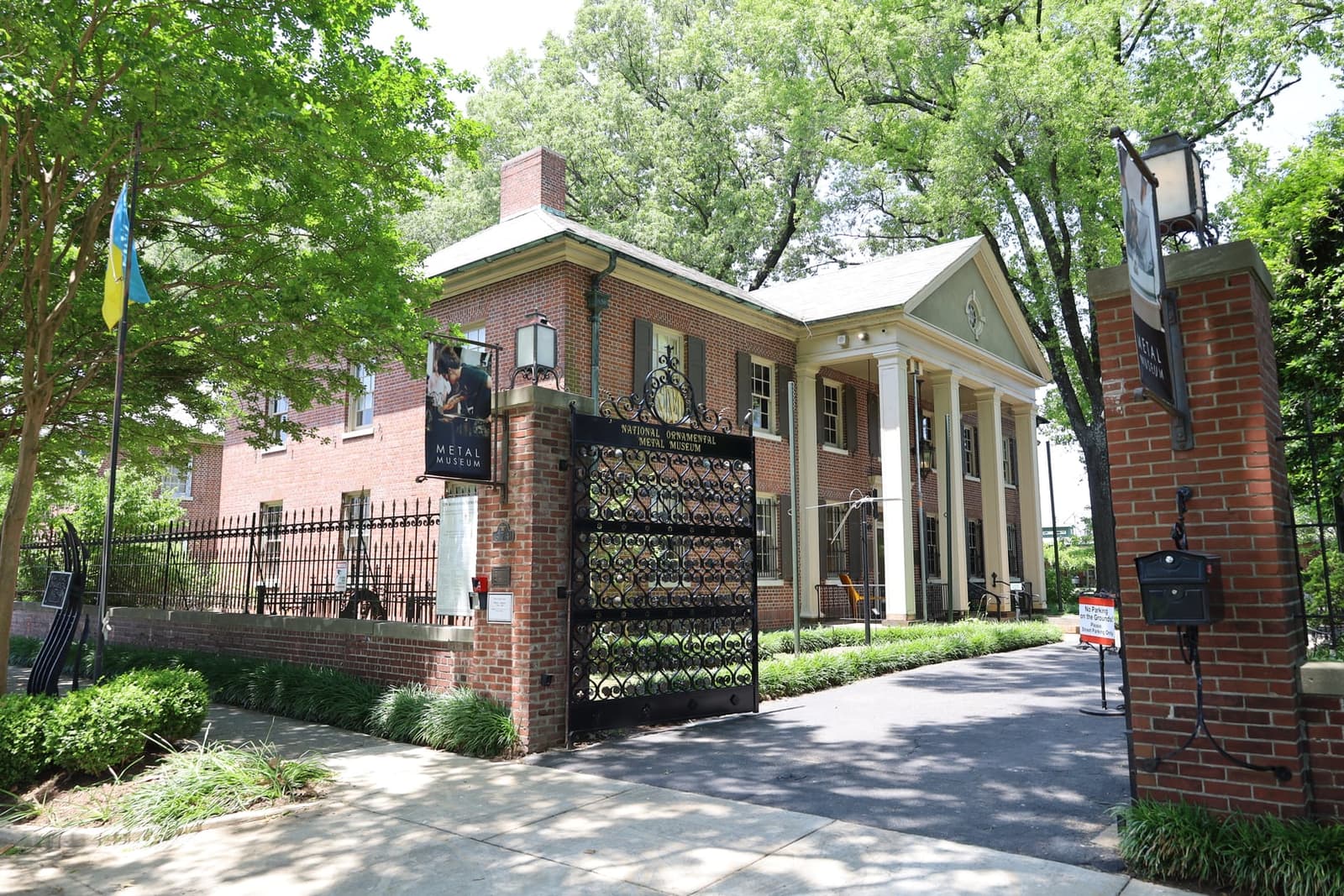
The Metal Museum entrance, housed in the historic former U.S. Marine Hospital staff quarters in Memphis, Tennessee
Museum / Historical Site

Metal Museum (Former U.S. Marine Hospital)

Memphis, TN

The Metal Museum occupies the western half of a former United States Marine Hospital that opened in Memphis in 1884. The campus was created in part to address the yellow fever epidemics that devastated the city in the 1870s and to care for sick and disabled seamen. The museum opened on the grounds in 1979 and is the only U.S. institution devoted exclusively to fine art metalwork.

$$ All Ages Family: High
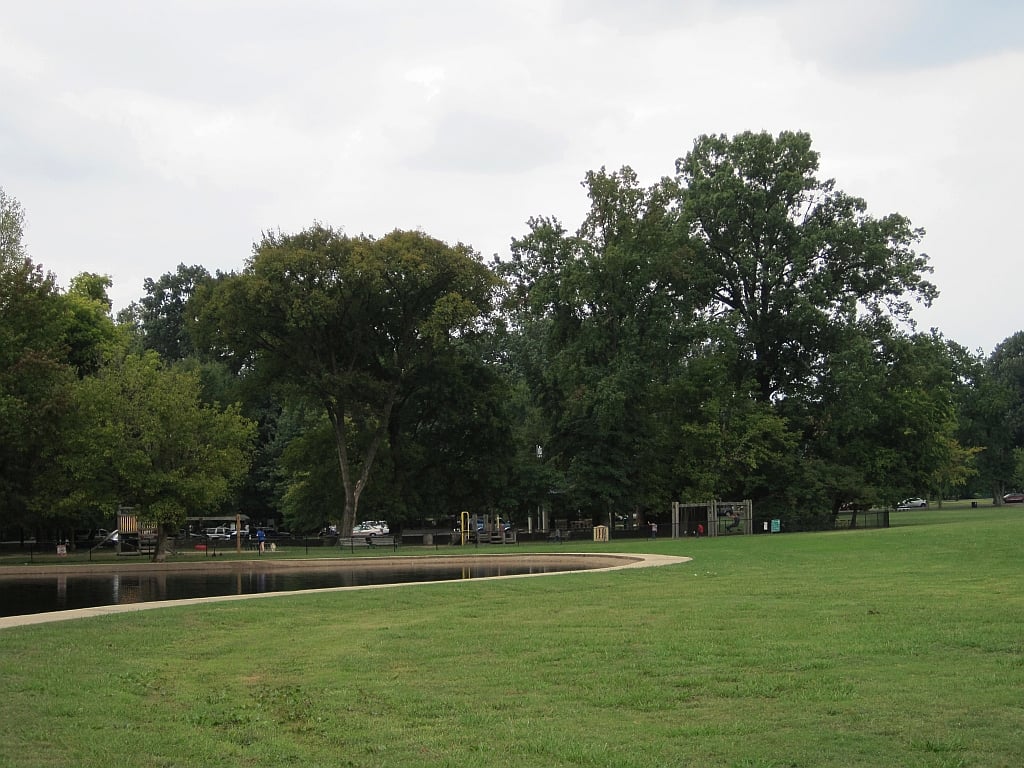
Rainbow Lake in Memphis's Overton Park with playground area visible through trees
Outdoor / Natural Site

Rainbow Lake at Overton Park

Memphis, TN

Rainbow Lake at Overton Park is a 2-acre, concrete-lined lake forming the eastern boundary of the Greensward in Memphis's 342-acre Overton Park. The lake is the only remaining water feature from landscape architect George Kessler's original park plan and is named for the rainbow effect created by 1929 spray-type fountains. The park itself was at the center of the landmark 1971 Supreme Court case Citizens to Preserve Overton Park v. Volpe.

$ All Ages Family: High
The 1871 Woodruff-Fontaine House at 680 Adams Avenue in the Victorian Village of Memphis, Tennessee
Photo coming soon
Museum / Historical Site

Woodruff-Fontaine House

Memphis, TN

Built 1870 for Memphis carriage-maker Amos Woodruff in the French Victorian style on Adams Avenue. Acquired by the Fontaine family in 1883, donated to the city in 1936, and operated since 1962 as a house museum by the Association for the Preservation of Tennessee Antiquities.

$ All Ages Family: High
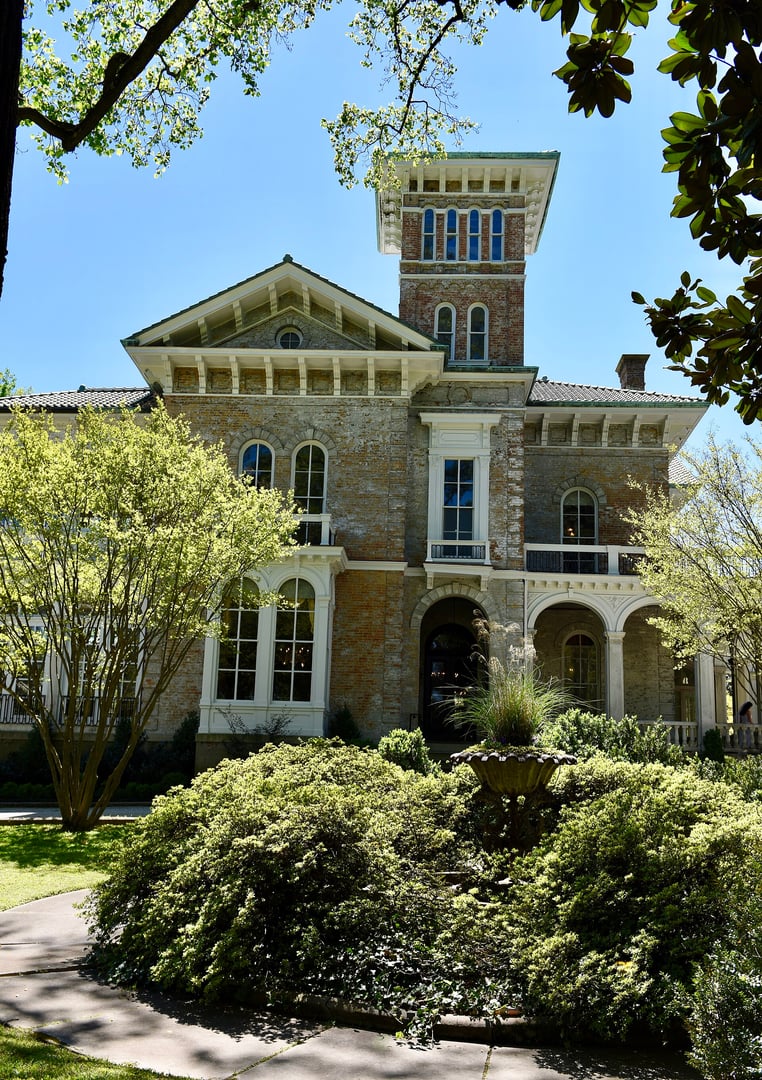
Italian Villa-style brick mansion Annesdale on Lamar Avenue in Memphis
Photo coming soon
Haunted House / Historic Home

Annesdale Mansion

Memphis, TN

Annesdale is a Memphis Italianate-Italian Villa mansion built in 1855 by Dr. Samuel Mansfield on what was then Pigeon Roost Road. Robert Brinkley of the Peabody Hotel purchased the home in 1869 as a wedding gift for his daughter Annie when she married Col. Robert Bogardus Snowden, and the family named the estate in her honor. The home served as a Civil War hospital and remained in the Snowden family for approximately 160 years; it was listed on the National Register of Historic Places in 1980.

$$ All Ages Family: Moderate
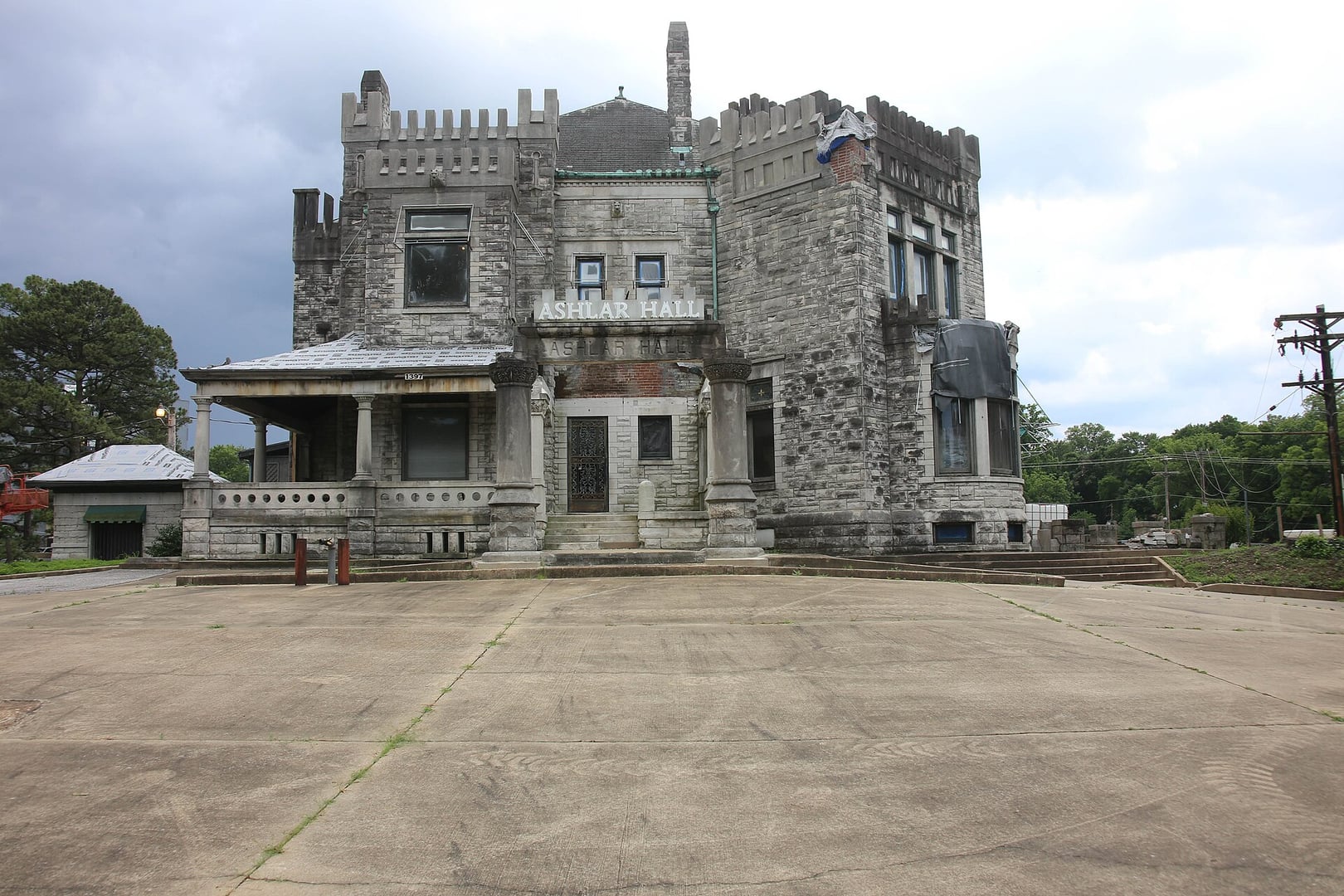
Gothic Revival ashlar-stone 'castle' Ashlar Hall on Central Avenue in Midtown Memphis
Photo coming soon
Haunted House / Historic Home

Ashlar Hall

Memphis, TN

Ashlar Hall is a Gothic Revival 'castle' built in 1896 by Memphis real-estate developer Robert Brinkley Snowden — a Princeton-trained architect and a grandson of Robert Brinkley of the Peabody Hotel. The home is named for its ashlar-cut stone construction, was added to the National Register of Historic Places in 1983, and after decades of decay following its 1990s incarnation as Prince Mongo's Castle nightclub, was fully restored under owner Juan Montoya and listed for sale in 2025.

$ All Ages Family: High
Exterior of Earnestine & Hazel's two-story brick building on South Main Street, Memphis
Photo coming soon
Haunted Dining / Bar

Earnestine & Hazel's

Memphis, TN

Earnestine & Hazel's occupies a building at 531 South Main Street that began as a pharmacy in the late 1930s under Memphis businessman Abe Plough, founder of what became Coppertone. Plough gave the property to two of his hairstylist clients, Earnestine and Hazel, who turned the ground floor into a cafe while the upstairs operated as a brothel into the 1980s. Bud Chittom and Delmer George purchased the property in 1992 and reopened it as the bar that operates today.

$ 21+ Family: Not Recommended
The Carpenter-Gothic Office Cottage and Entry Bridge at Elmwood Cemetery, Memphis
Photo coming soon
Cemetery / Burial Ground

Elmwood Cemetery

Memphis, TN

Elmwood Cemetery was established on August 28, 1852, when fifty prominent Memphians each contributed $500 in stock for the purchase of 40 acres of land — making it one of the first rural garden cemeteries in the American South. It was expanded to 80 acres after the Civil War. More than 75,000 people are buried at Elmwood, with about 15,000 spaces remaining. The Entry Bridge, Carpenter-Gothic Office Cottage, and grounds are on the National Register of Historic Places; the cemetery is also an official arboretum and bird sanctuary.

$ All Ages Family: High
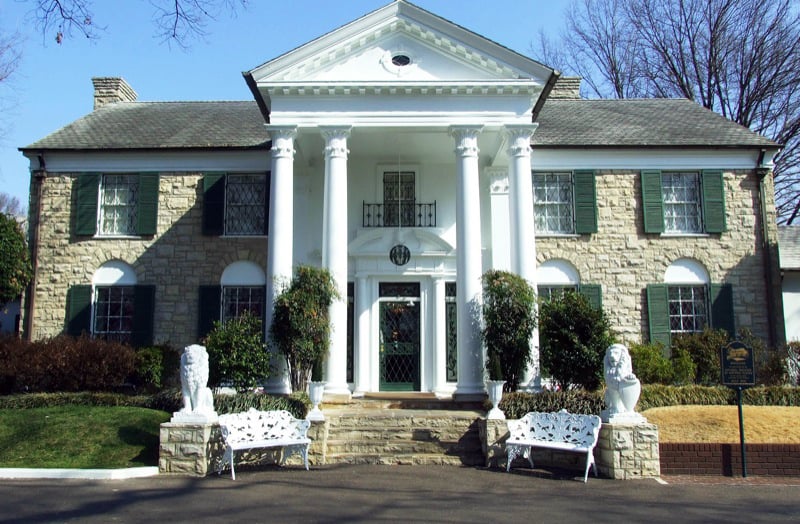
Front facade of Graceland, Elvis Presley's Colonial Revival mansion at 3764 Elvis Presley Boulevard in Memphis, Tennessee
Photo coming soon
Museum / Historical Site

Graceland

Memphis, TN

Graceland is a Colonial Revival mansion built in 1939 on a Memphis-area farm originally owned by the Toof family. Elvis Presley purchased the property in 1957 at age 22 and lived there until his death on August 16, 1977. The mansion opened to the public as a museum in 1982 and was designated a National Historic Landmark in 2006.

$$$ All Ages Family: High
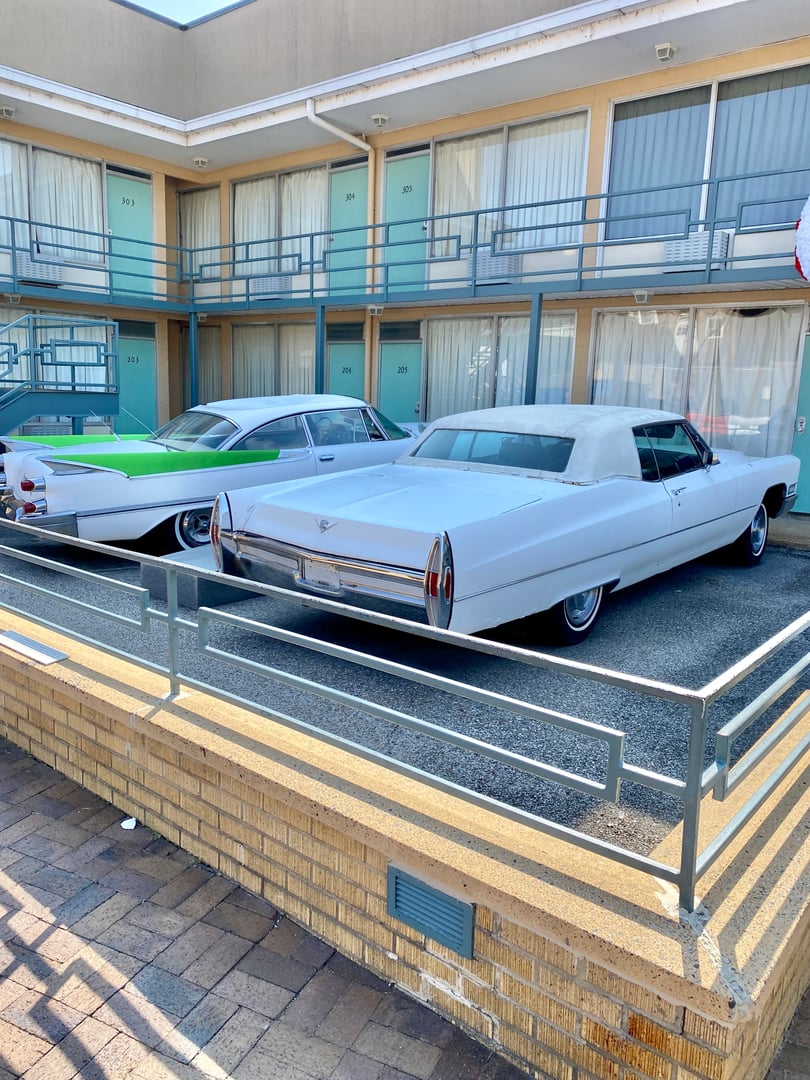
Exterior of the Lorraine Motel and National Civil Rights Museum in Memphis, Tennessee, showing the preserved balcony outside Room 306
Photo coming soon
Museum / Historical Site

Lorraine Motel (National Civil Rights Museum)

Memphis, TN

The Lorraine Motel in downtown Memphis was the site of the April 4, 1968 assassination of Rev. Dr. Martin Luther King, Jr., who was shot on the balcony outside Room 306. The motel closed to guests in 1988 and reopened in 1991 as the National Civil Rights Museum, which preserves Room 306 and the balcony exactly as they were on the day of the assassination.

$$ All Ages Family: Moderate
Three-story Italianate Victorian Mallory-Neely House with tower in Memphis's Victorian Village historic district
Museum / Historical Site

Mallory-Neely House

Memphis, TN

The Mallory-Neely House at 652 Adams Avenue was built circa 1852 by Isaac B. Kirtland in early Victorian Italianate style. James Columbus Neely purchased the home in 1883 and undertook a major 1890s renovation that added a third story and raised tower. Daisy Neely-Mallory bequeathed the property to civic heritage groups in 1969, and it has operated as a house museum since 1973, today under the Memphis Museum of Science & History.

$ All Ages Family: High
Victorian-era mansion at 679 Adams Avenue, Memphis, now operating as the Mollie Fontaine Lounge
Photo coming soon
Haunted Dining / Bar

Mollie Fontaine Lounge

Memphis, TN

The Mollie Fontaine Taylor House at 679 Adams Avenue was built in 1886 as a wedding gift from cotton magnate Noland Fontaine to his daughter Mollie. The home sits across Adams from the Woodruff-Fontaine House in Memphis's Victorian Village historic district and has operated as the Mollie Fontaine Lounge since 2007 — a cocktail lounge with tapas, nightly live piano, and an advertised tagline of '5pm till the spirits go to sleep.'

$$ 21+ Family: Not Recommended
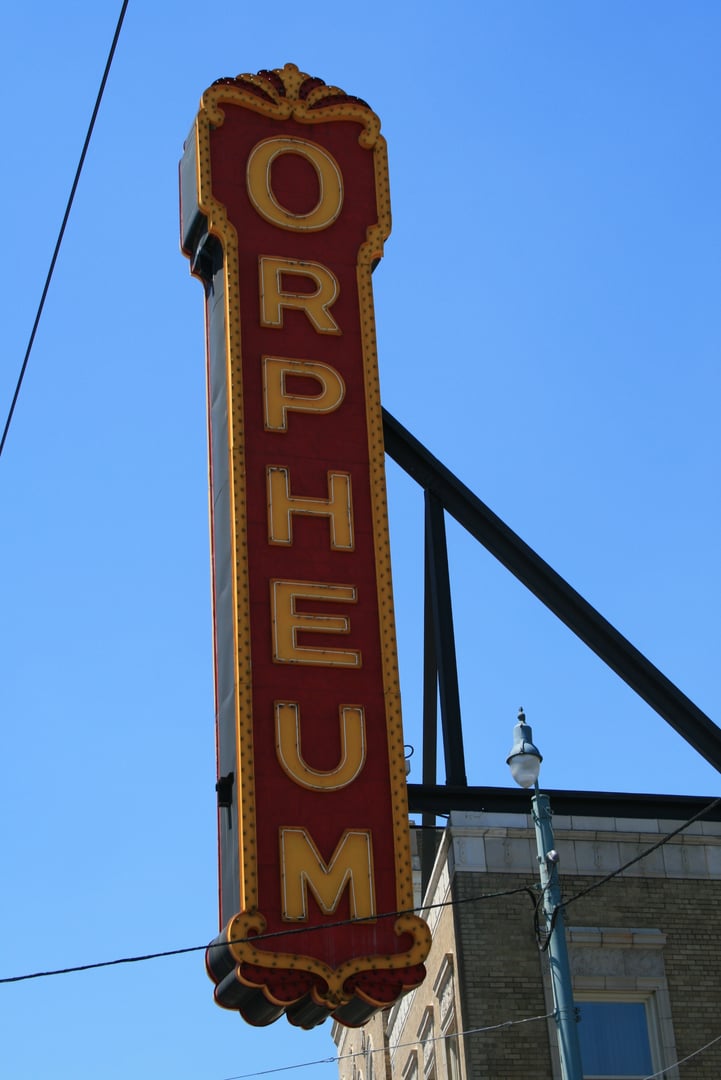
The historic Orpheum Theatre on South Main Street in downtown Memphis, Tennessee, a 1928 vaudeville-era venue
Theater / Performance Venue

Orpheum Theatre

Memphis, TN

The Orpheum Theatre opened November 19, 1928, replacing the Grand Opera House that had stood on the same Main-and-Beale corner since 1890 before burning to the ground in 1923. Designed by Chicago's Rapp and Rapp at a cost of $1.6 million, it served vaudeville, then movies, and today operates as a 2,308-seat Broadway-touring house.

$$ All Ages Family: High
Three-story brick former hotel building on South Front Street in downtown Memphis
Photo coming soon
Haunted Hotel / Inn

Hotel Pontotoc

Memphis, TN

Hotel Pontotoc is a three-story 1906 brick building at 311 South Front Street that operated for roughly two decades as an upscale bordello with Turkish baths catering to railroad and riverboat travelers. The Touliatos family bought the building in 1929 and converted it to a family hotel; it has been a single-family residence since the early 1980s.

$ All Ages Family: Moderate
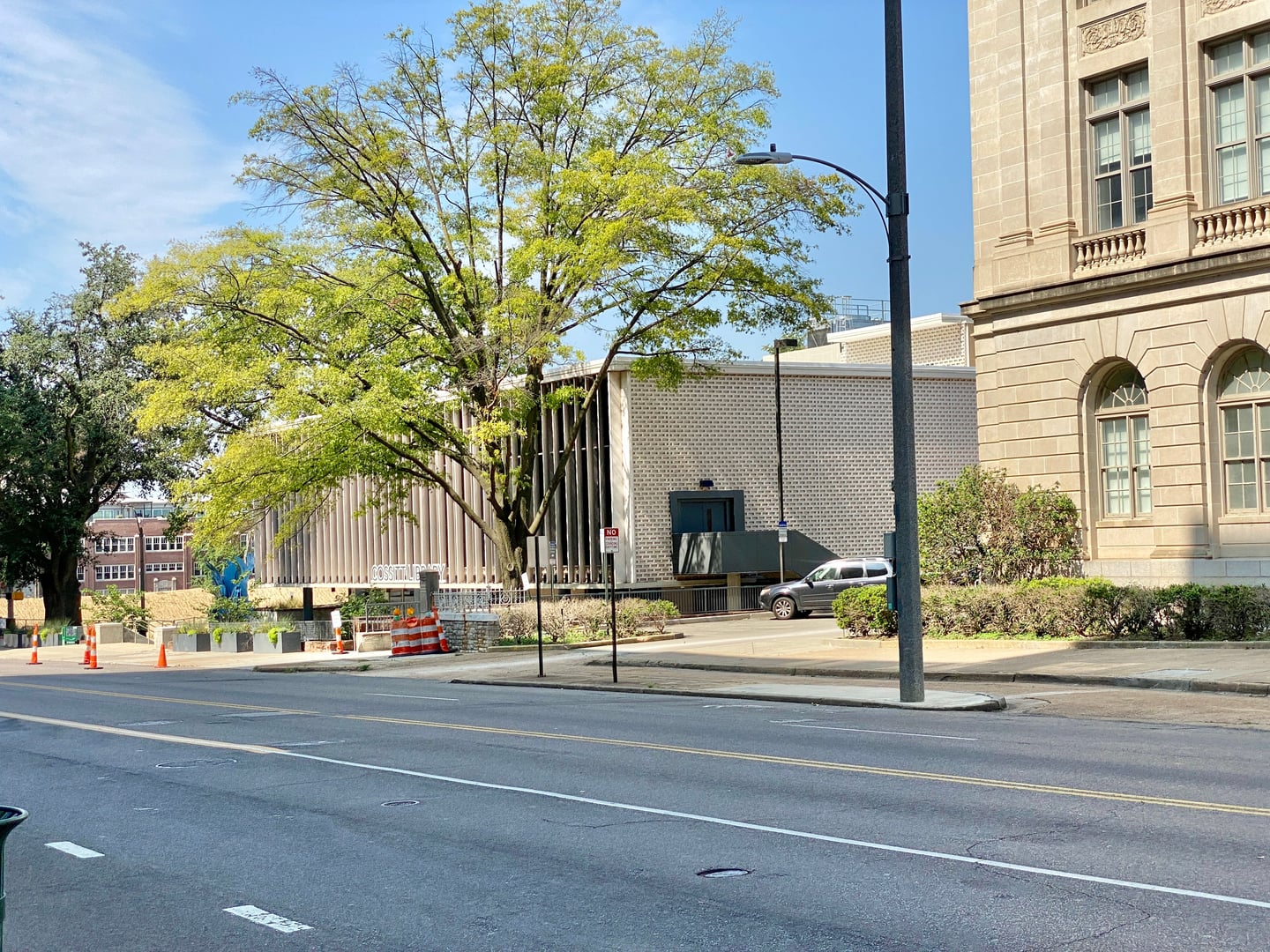
Cossitt Library exterior at 33 S. Front Street, Memphis — mid-century modern facade attached to the 1925 sandstone annex
Photo coming soon
Museum / Historical Site

Cossitt Library

Memphis, TN

Cossitt Library opened in 1893 as Memphis's first public library, endowed by the heirs of the late New York merchant Frederick H. Cossitt — whose three daughters donated the funds for a library in their father's memory. The original red sandstone castle-style building on the Memphis bluff was demolished in 1958 and replaced with a mid-century modern facade attached to the 1925 sandstone annex. After a five-year, ~$7 million renovation, the library reopened in April 2023 with refreshed public spaces, a performance area, and digital podcast studios.

$ All Ages Family: High
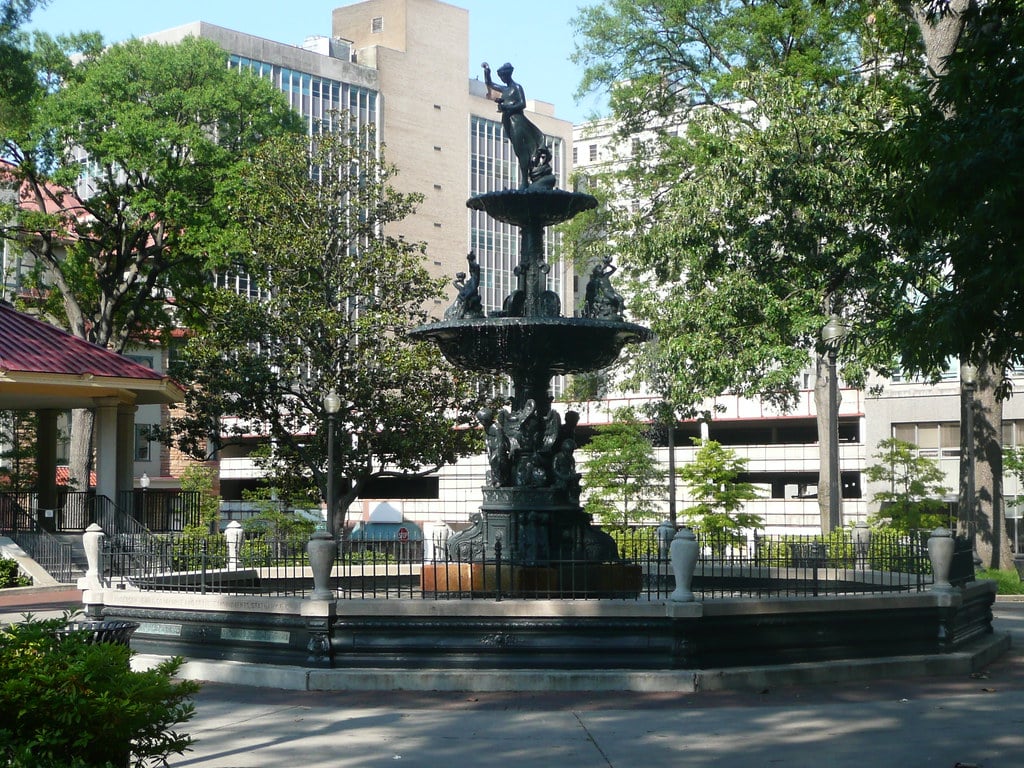
The 1876 Hebe Fountain at Court Square, Memphis — bronze statue of Hebe atop the octagonal basin
Photo coming soon
Outdoor / Natural Site

Court Square (Hebe Fountain)

Memphis, TN

Court Square is Memphis's oldest park, established as part of the original 1819 city plan as one of four public squares. The 1876 Hebe Fountain at the park's center features a bronze statue of the Greek cup-bearer Hebe atop what was originally a six-foot-deep octagonal basin. On August 26, 1884, 10-year-old newsboy Claude Pugh drowned in the deep fountain basin while playing with a toy boat, in an incident widely covered by the Memphis Daily Appeal because bystanders failed to intervene. Pugh, the only son of a widow, was buried in an unmarked grave at Elmwood Cemetery (Find a Grave memorial #30741289).

$ All Ages Family: High
The Green Beetle exterior at 325 South Main Street, Memphis - oldest tavern in the city
Photo coming soon
Haunted Dining / Bar

The Green Beetle

Memphis, TN

The Green Beetle is Memphis's oldest tavern under its current name. The 325 S. Main building dates to 1869, and the Green Beetle name was first established in 1917 in the basement of the original Peabody Hotel (Main & Monroe), built that same year by Hu L. Brinkley. Italian immigrant Frank Liberto revived the Green Beetle name at the SW corner of Main & Vance in 1939 and the tavern eventually settled at 325 S. Main, where it operated until 1971. The current tavern, reopened in 2011 by Liberto's grandson Josh Huckaby, operates under a deed restriction that any establishment at 325 S. Main must be named Green Beetle.

$$ 21+ Family: Moderate
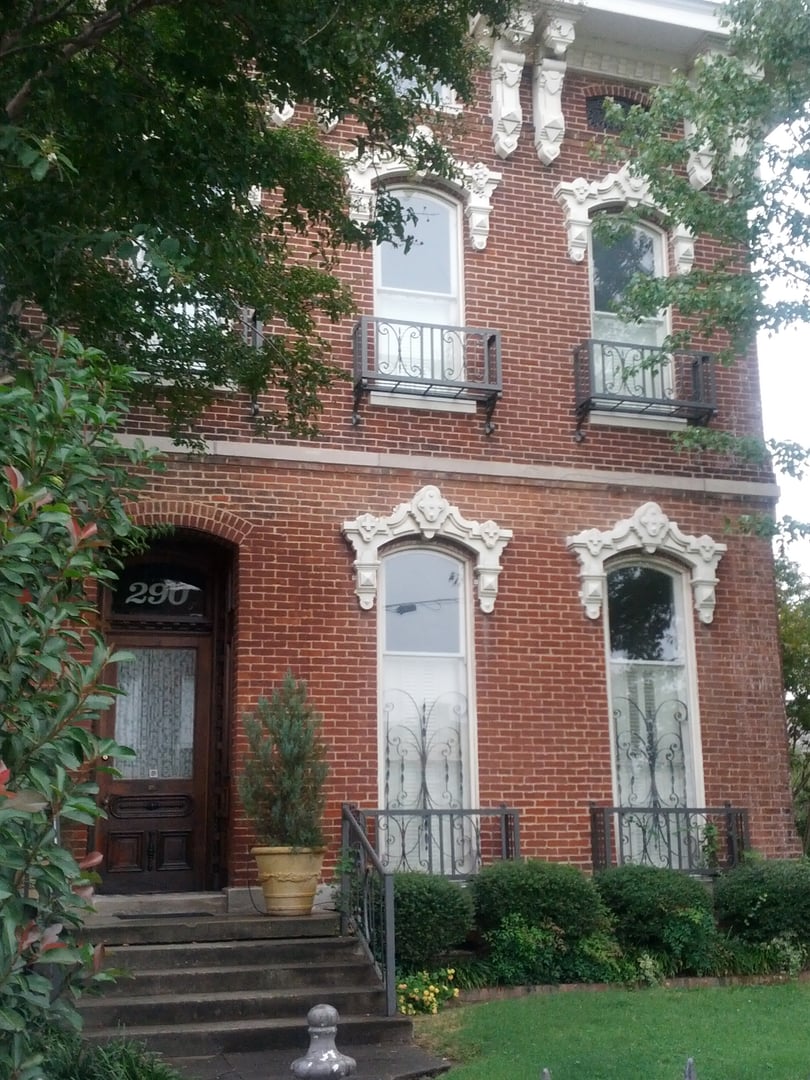
The Italianate brick John Alexander Austin House at 290 S. Front Street, Memphis, Tennessee
Photo coming soon
Haunted House / Historic Home

John Alexander Austin House

Memphis, TN

The John Alexander Austin House is a c. 1876 Italianate-style townhouse at 290 South Front Street in downtown Memphis, the sole surviving Victorian-era residence in what is now the South Bluffs Warehouse Historic District. Built for John Alexander Austin (1842-1906), a Confederate Army veteran and clothing retailer/manufacturer, the brick masonry house was listed on the National Register of Historic Places on July 12, 1984. South Front Street and the surrounding bluff once formed one of Memphis's most fashionable residential neighborhoods before the area transitioned to warehouses and commercial use in the late 19th and 20th centuries.

$ All Ages Family: High

Nashville — 11

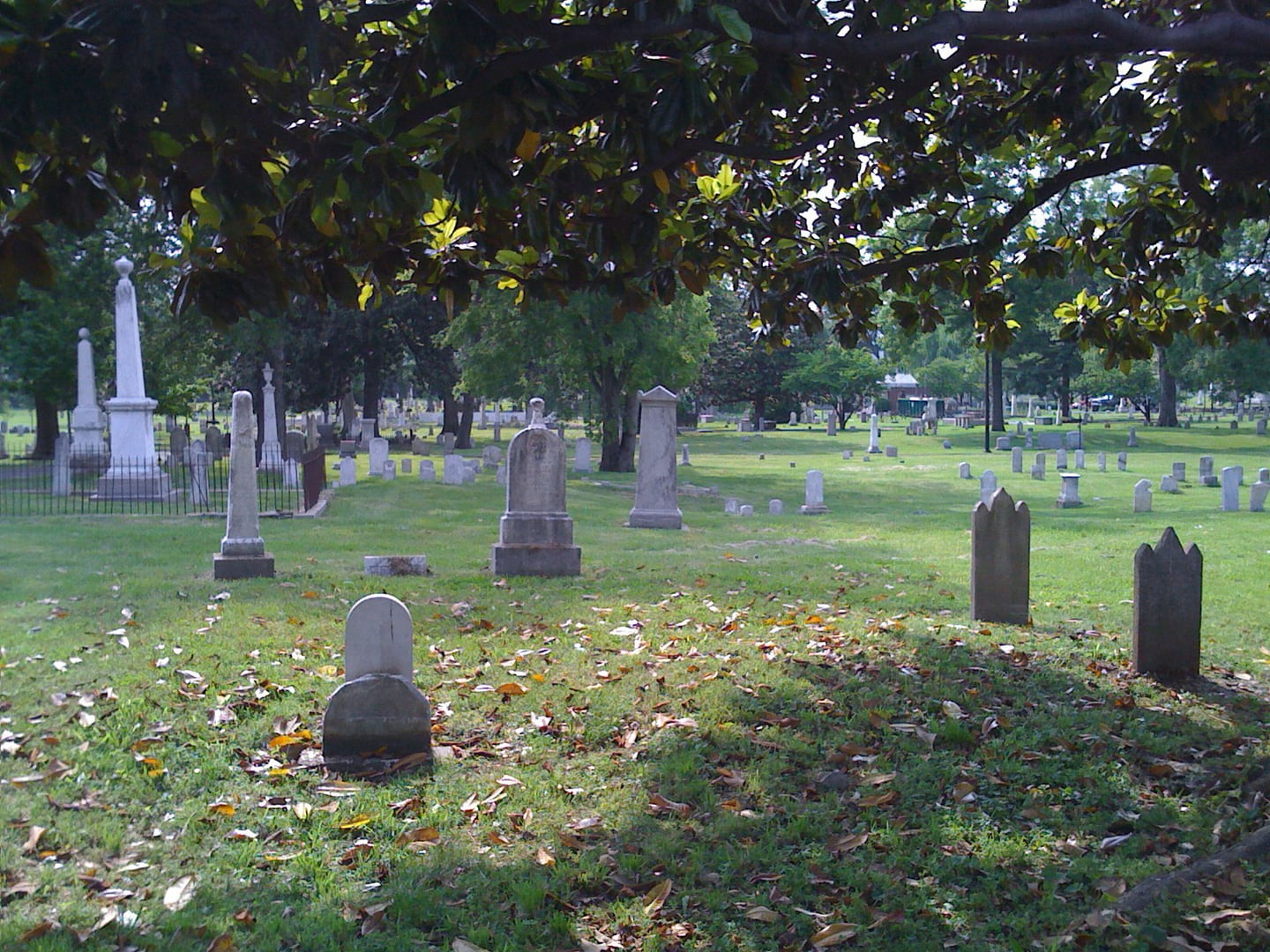
Nashville City Cemetery in Nashville, Tennessee — established 1822, the city's oldest public cemetery
Cemetery / Burial Ground

Nashville City Cemetery

Nashville, TN

Nashville City Cemetery opened on January 1, 1822 on a four-acre site two miles south of downtown Nashville, replacing the flood-prone Sulphur Springs burial ground. Designed by Captain Alpha Kingsley, the cemetery has accumulated more than 20,000 burials, including Nashville founders, four Confederate generals, original Fisk Jubilee Singers, and Captain William Driver, who named the American flag Old Glory.

$ All Ages Family: High
Gaylord Opryland Resort and Convention Center exterior, Nashville Tennessee
Haunted Hotel / Inn

Gaylord Opryland Resort

Nashville, TN

The Gaylord Opryland Resort sits on land that was once part of the McGavock family's plantation, near the Two Rivers Mansion built in 1859 by David and Willie Elizabeth Harding McGavock. The resort opened in 1977 as the Opryland Hotel, anchoring the Opryland USA theme park, and has expanded into a 2,888-room convention destination with extensive indoor gardens.

$$$$ All Ages Family: High
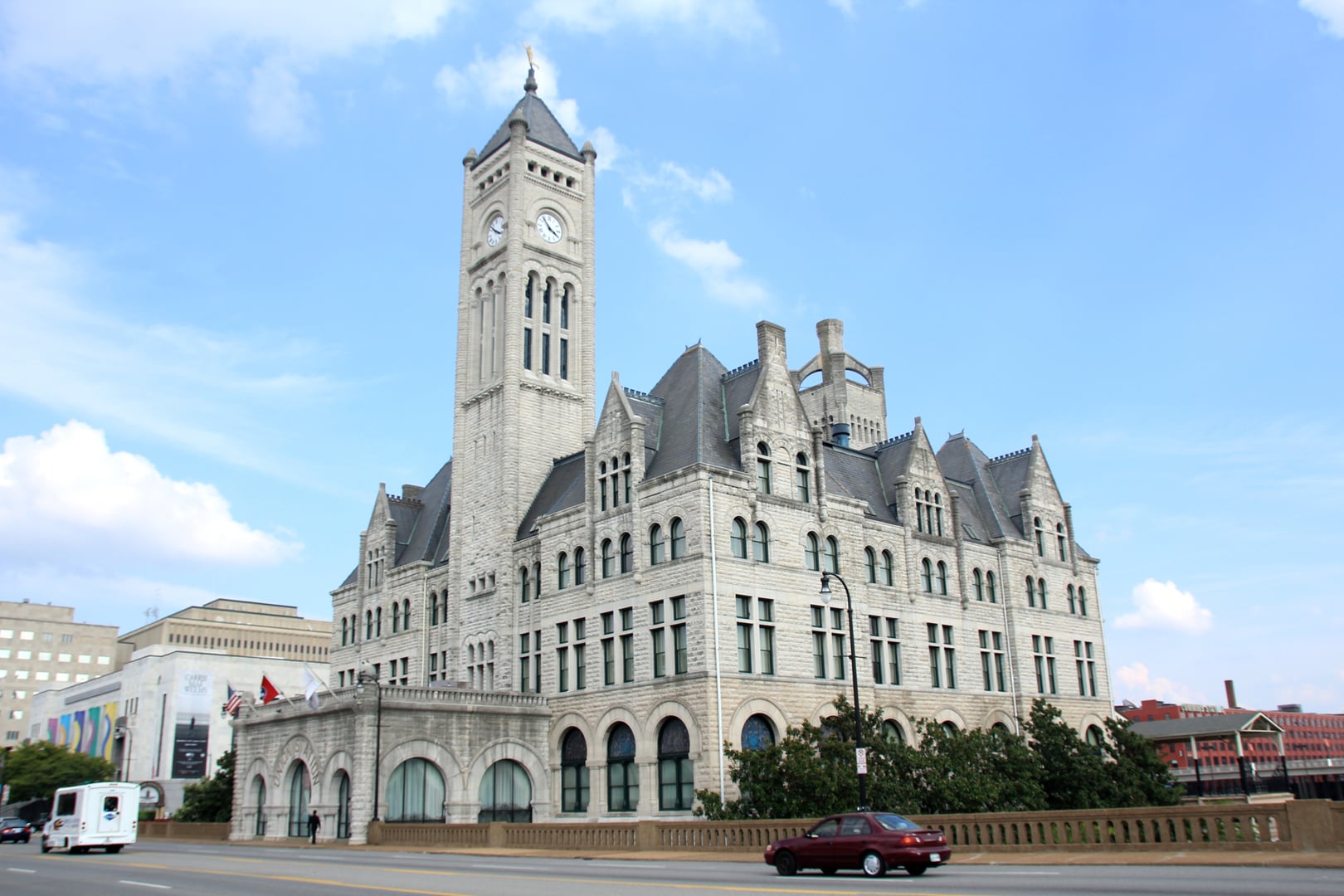
Union Station Nashville historic Romanesque Revival train station and hotel exterior, Nashville, Tennessee
Haunted Hotel / Inn

Union Station Nashville Yards

Nashville, TN

Nashville's Union Station opened in 1900, built by the Louisville & Nashville Railroad to serve the city's growing rail traffic. Designed in Richardsonian Romanesque style with a 65-foot vaulted ceiling in the main hall, the building served as Nashville's primary passenger rail terminal for seven decades before closing in the 1970s. A $20 million renovation converted it to a hotel in 1986.

$$$ All Ages Family: High
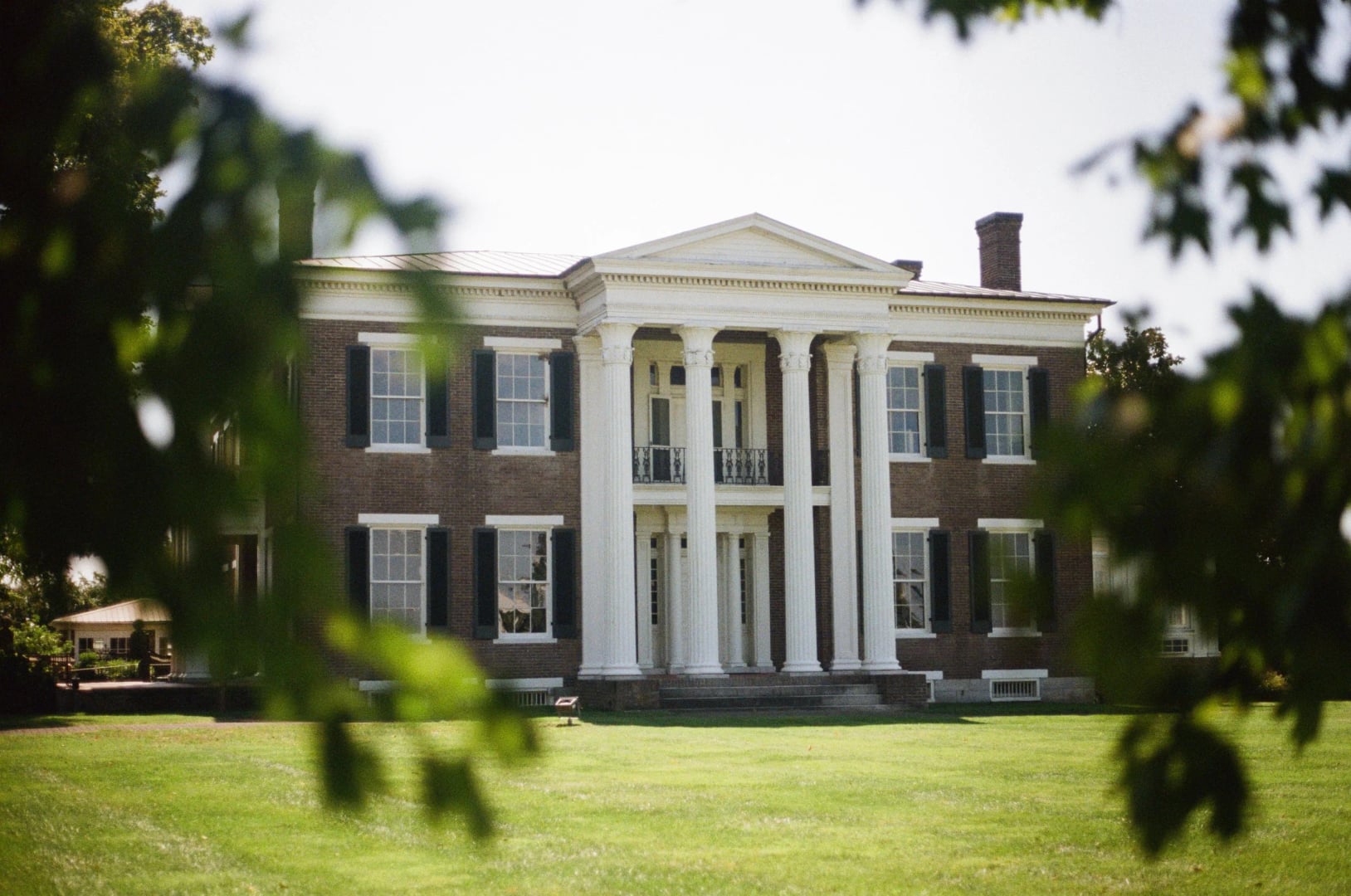
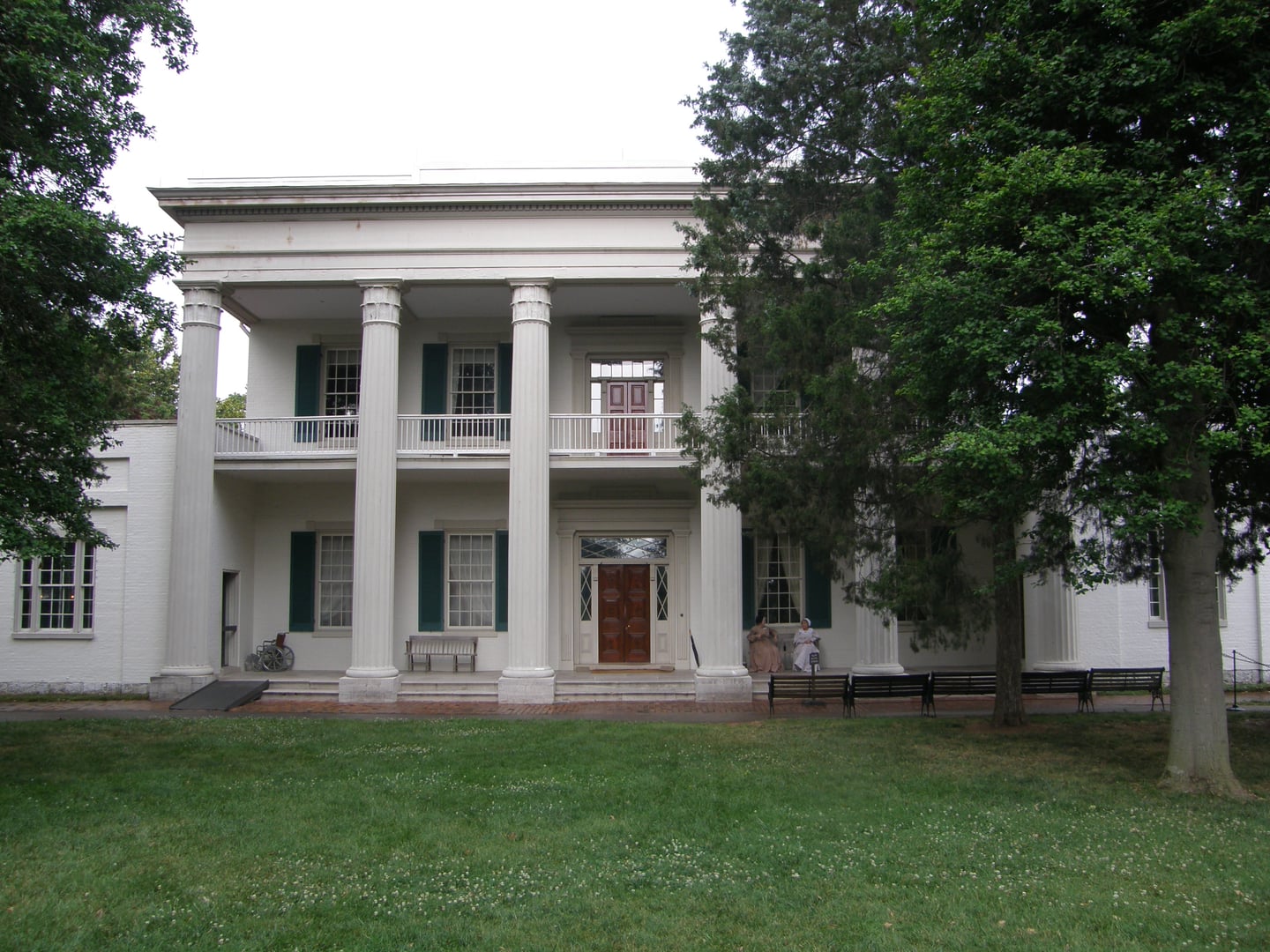
Andrew Jackson's Hermitage Greek Revival mansion exterior with white columned portico framed by trees in Nashville, Tennessee
Haunted House / Historic Home

Andrew Jackson's Hermitage

Nashville, TN

The Hermitage is the 1,120-acre plantation of seventh U.S. president Andrew Jackson (1767–1845), located east of Nashville. Jackson moved to the property in 1804 and built the current Greek Revival mansion in 1819–1821, with later additions through the 1830s. The plantation operated on enslaved labor; at the time of Jackson's death in 1845, about 150 enslaved people lived and worked on the property. Rachel Donelson Jackson (1767–1828), Andrew's wife, died at the Hermitage in December 1828 and is buried in the formal garden. The Hermitage is a National Historic Landmark and one of the most-visited presidential sites in the United States.

$$ All Ages Family: Moderate
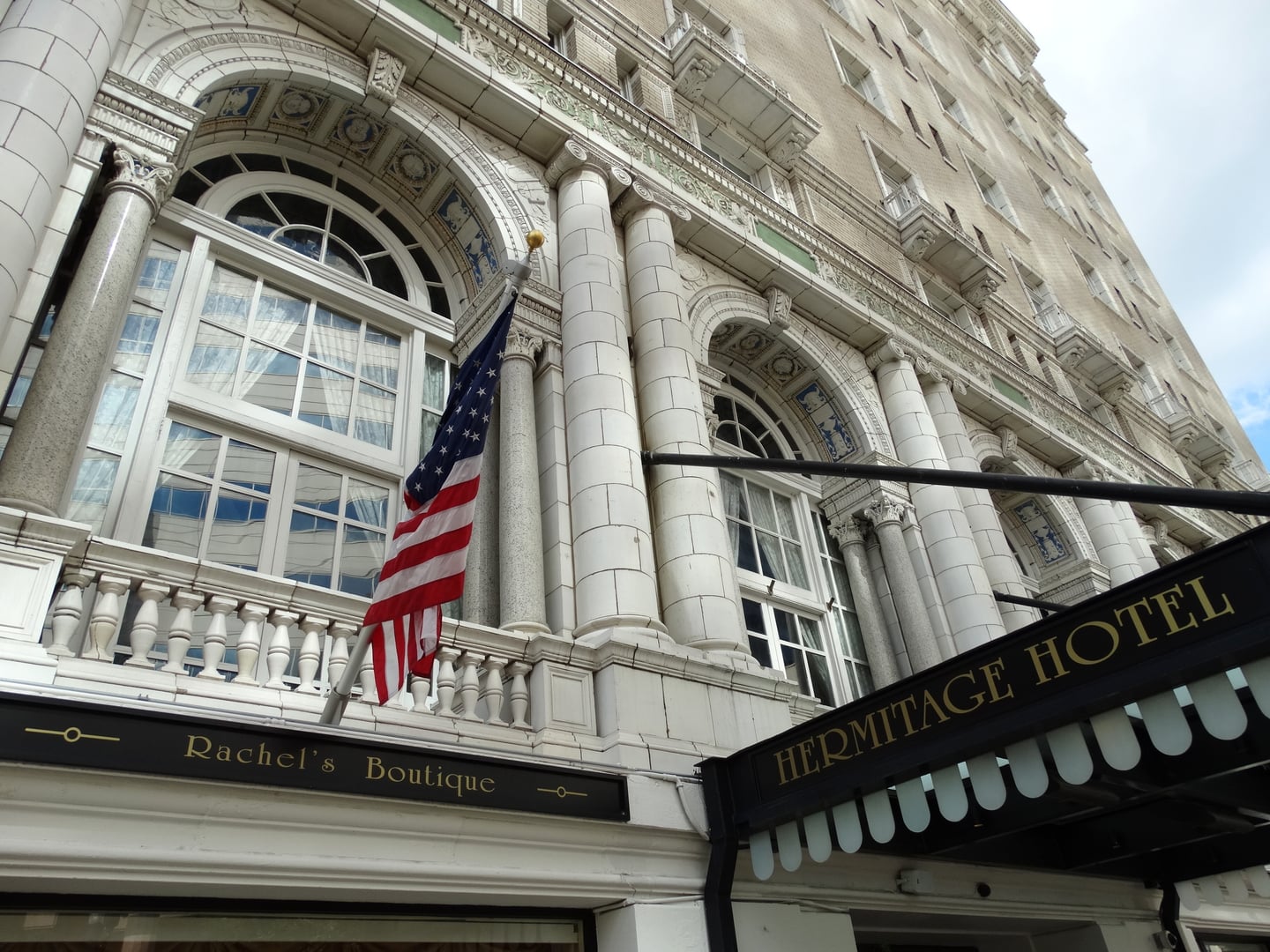
Beaux-Arts limestone facade of the Hermitage Hotel in downtown Nashville
Photo coming soon
Haunted Hotel / Inn

The Hermitage Hotel

Nashville, TN

The Hermitage Hotel opened September 17, 1910 as Nashville's third downtown skyscraper, commissioned in 1908 by 250 local citizens and designed in the Beaux-Arts style by James Edwin Ruthven Carpenter. The hotel served as headquarters for both pro- and anti-suffrage forces during the August 1920 ratification of the 19th Amendment, and was designated a National Historic Landmark on August 28, 2020.

$$$$ All Ages Family: High
Granite Confederate monument at the center of Confederate Circle in Mount Olivet Cemetery, Nashville
Photo coming soon
Cemetery / Burial Ground

Mount Olivet Cemetery

Nashville, TN

Adrian Van Sinderen Lindsley and John Buddeke founded Mount Olivet Cemetery in 1856 along Lebanon Pike, modeling it on Boston's Mount Auburn Cemetery and the rural-cemetery movement of the mid-19th century. The cemetery's Confederate Circle holds approximately 1,500 Confederate reinterments and seven Confederate generals beneath a 45-foot granite monument. The 1870s Gothic Revival chapel by Hugh Cathcart Thompson burned on January 25, 2015.

$ All Ages Family: High
Red-brick Gothic Revival exterior of the Ryman Auditorium in downtown Nashville
Photo coming soon
Theater / Performance Venue

Ryman Auditorium

Nashville, TN

The Ryman Auditorium opened in 1892 as the Union Gospel Tabernacle, financed by Nashville steamboat captain Thomas Ryman after he was converted at a Sam Jones revival in 1885. Renamed for Ryman at his 1904 memorial service, the building hosted the Grand Ole Opry as its home venue from 1943 to 1974 and was designated a National Historic Landmark on June 25, 2001.

$$ All Ages Family: High
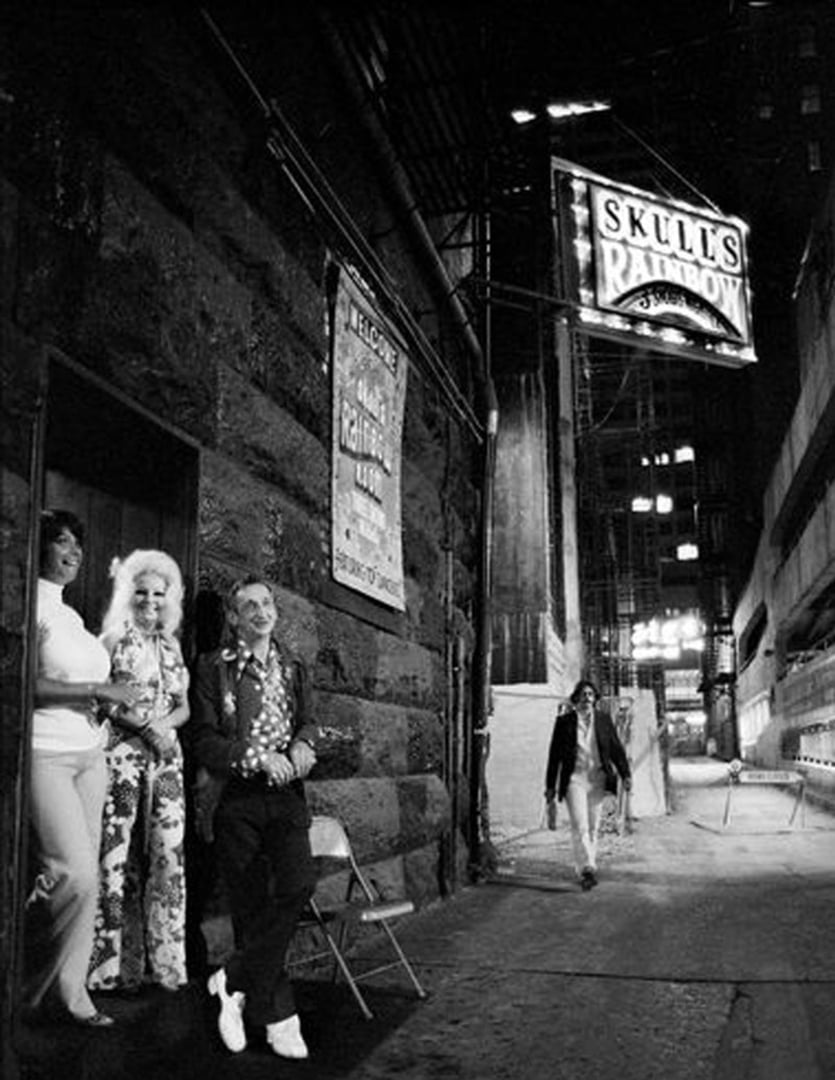
Vintage black-and-white photograph of the Skull's Rainbow Room neon sign in Printers Alley, Nashville, with patrons standing in the historic stone doorway
Haunted Dining / Bar

Skull's Rainbow Room

Nashville, TN

Skull's Rainbow Room is a Printers Alley supper club and burlesque venue opened in 1948 by David 'Skull' Schulman. Schulman — known as the 'Mayor of Printers Alley' and named 'Skull' after an automobile-accident skull fracture — operated the club continuously for nearly 50 years until he was robbed and murdered inside the venue on January 21, 1998, at age 80. The club closed after his death and was restored and reopened in the mid-2010s.

$$$ 21+ Family: Not Recommended
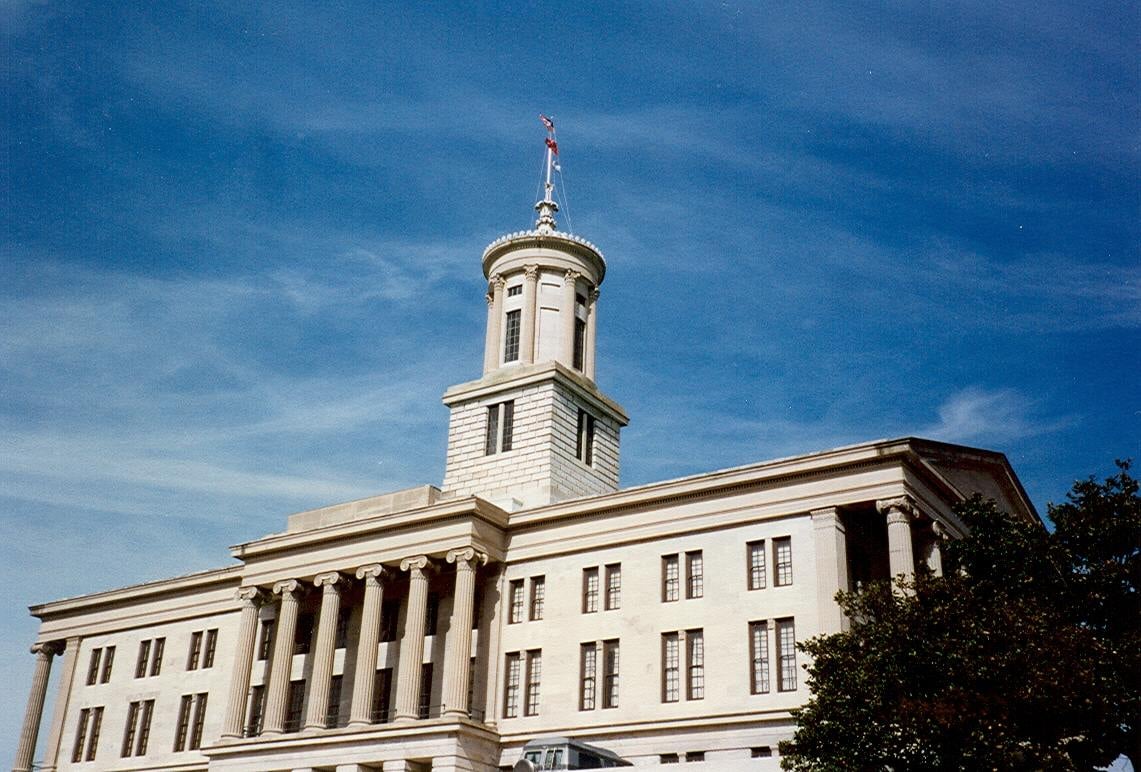
Tennessee State Capitol Greek Revival building designed by William Strickland on its hilltop perch in downtown Nashville
Museum / Historical Site

Tennessee State Capitol

Nashville, TN

The Tennessee State Capitol is a Greek Revival building designed by Philadelphia architect William Strickland, with its cornerstone laid July 4, 1845 and its final stone laid July 21, 1855. Strickland died in 1854 during construction and was interred in the building's northeast vault; building-commission chairman Samuel Dold Morgan died in 1880 and was interred in the southeast vault. The Capitol is a designated National Historic Landmark and is occupied by the Tennessee General Assembly and the governor's office.

$ All Ages Family: High
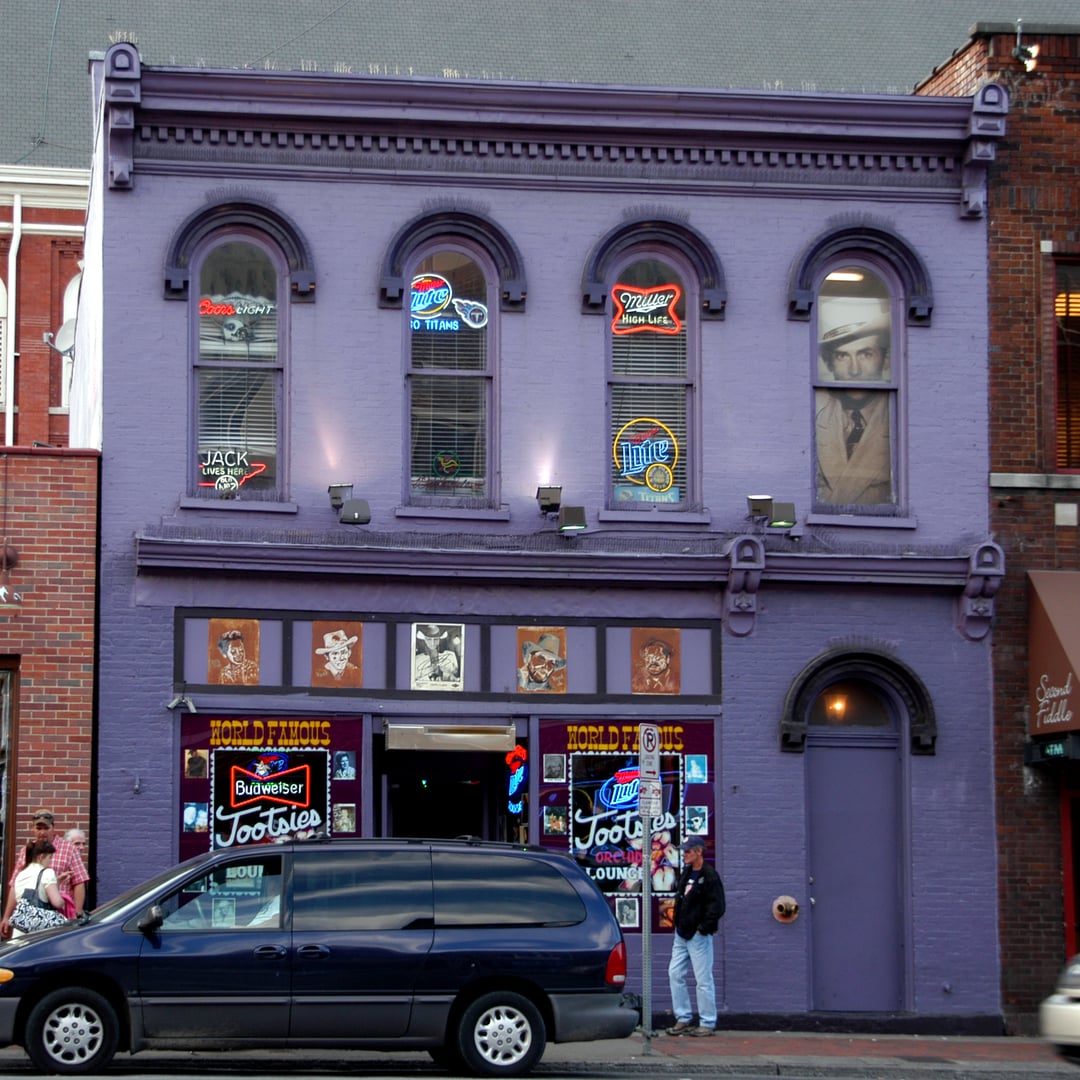
Tootsie's Orchid Lounge orchid-painted Lower Broadway honky-tonk facade, Nashville, Tennessee
Haunted Dining / Bar

Tootsie's Orchid Lounge

Nashville, TN

Tootsie's Orchid Lounge is a Lower Broadway honky-tonk at 422 Broadway in downtown Nashville, immediately behind the Ryman Auditorium. The building dates to the late 1800s as a commercial structure; the bar opened in 1960 under Hattie Louise 'Tootsie' Bess. Tootsie's became famous as a backstage waiting room for struggling country songwriters and Grand Ole Opry performers, who slipped through the alley between the Ryman and the bar. Tootsie Bess died in 1978; the bar remains open today.

$ 21+ Family: Low
Italianate brick facade of Two Rivers Mansion in Nashville, Tennessee
Photo coming soon
Haunted House / Historic Home

Two Rivers Mansion

Nashville, TN

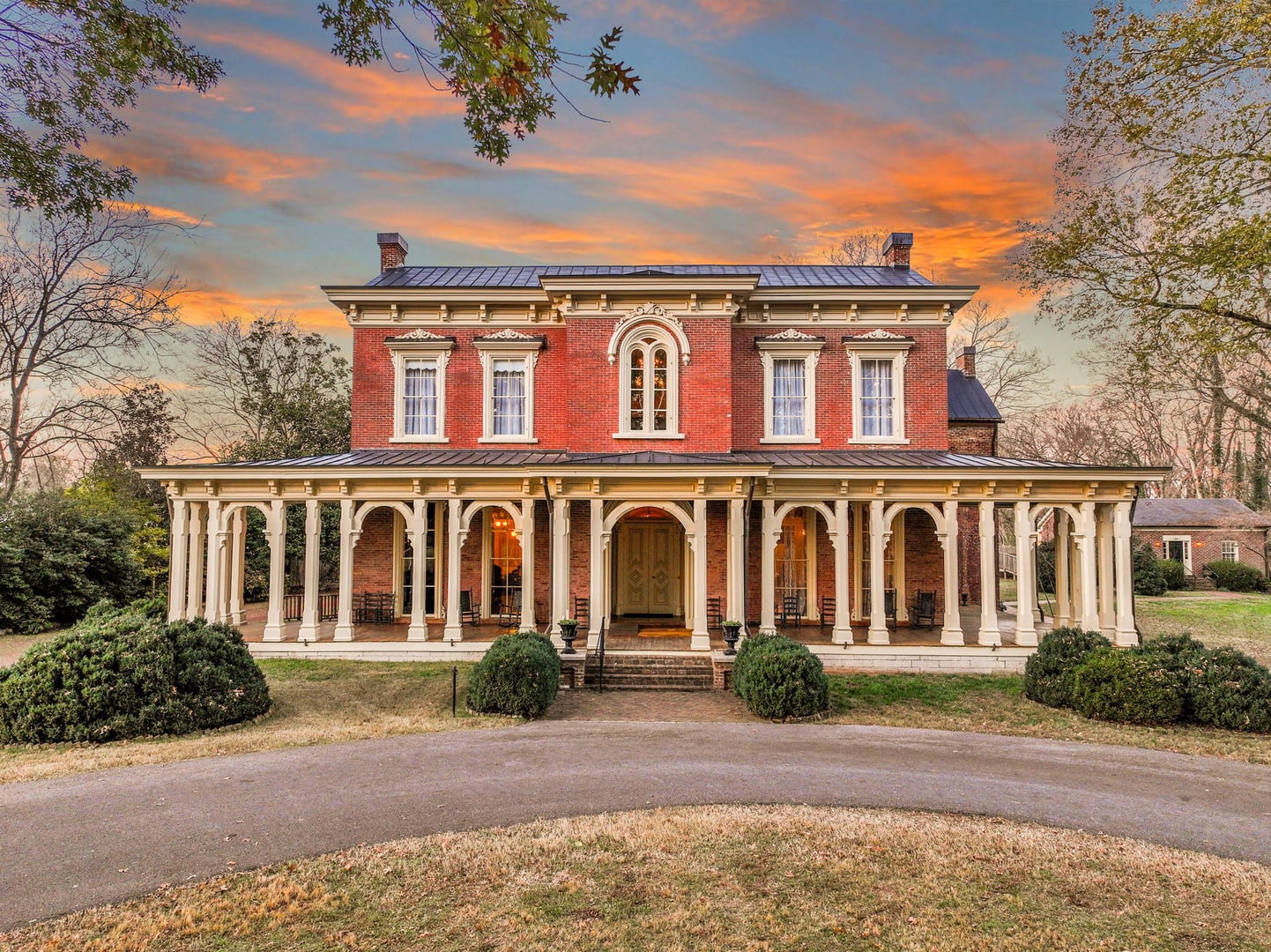
David H. McGavock built Two Rivers between 1859 and the early 1870s for his wife Willie Elizabeth Harding McGavock, sister to the Belle Meade Hardings. The property sat on roughly 1,100 acres between the Stones and Cumberland rivers and was used during the Civil War for emergency burials of Union and Confederate soldiers when Nashville-area cemeteries filled. The McGavock family occupied the house for three generations until selling to Metro Nashville in 1965.

$ All Ages Family: Moderate

Chattanooga — 7

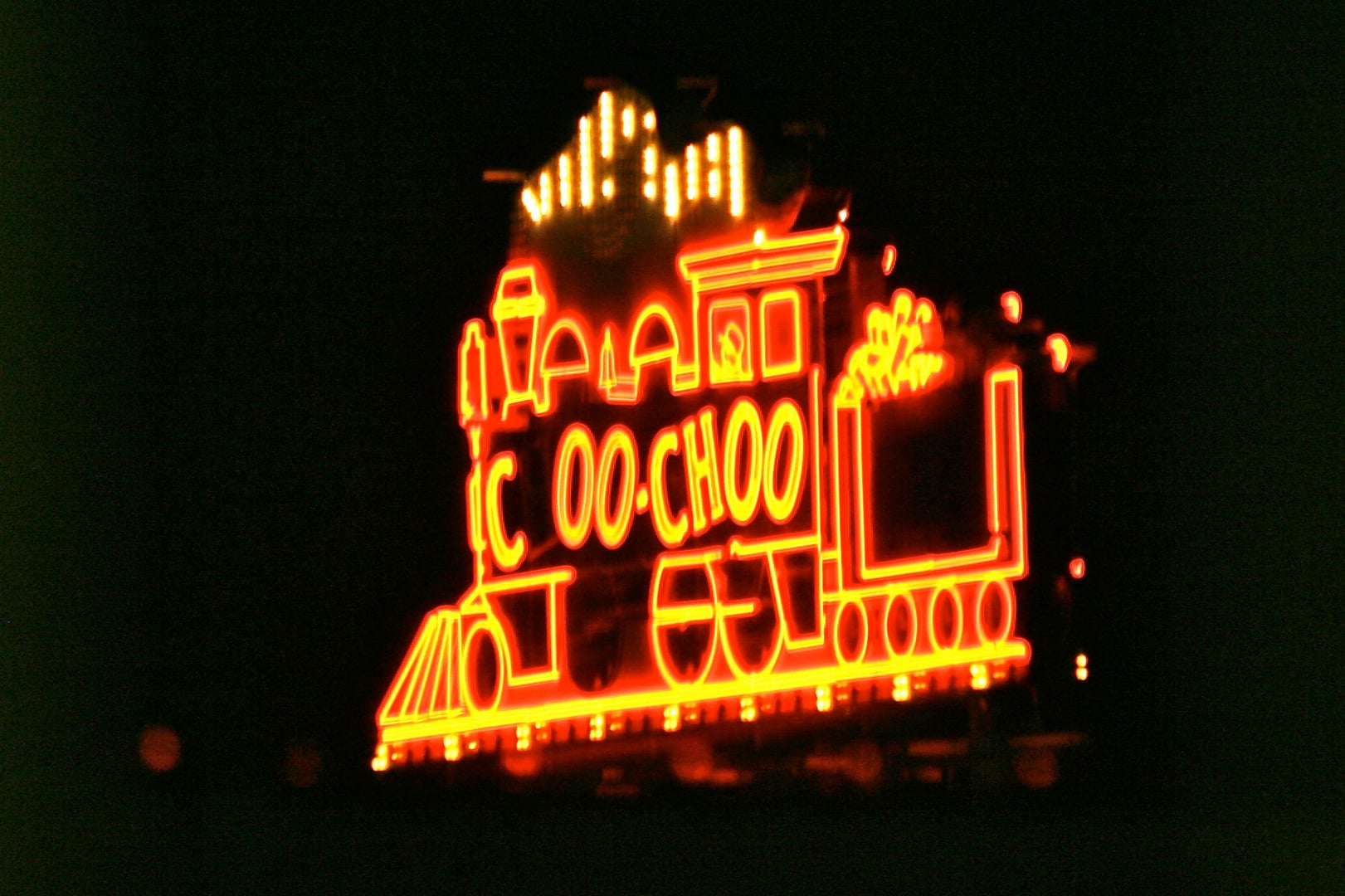
Beaux-Arts facade of the former Terminal Station, now the Chattanooga Choo-Choo Hotel
Photo coming soon
Haunted Hotel / Inn

Chattanooga Choo-Choo Hotel (former Terminal Station)

Chattanooga, TN

Terminal Station, designed by New York architect Donn Barber and opened in 1909, was Chattanooga's main railroad passenger depot for six decades. After passenger rail service ended in 1970 the building was converted in 1973 to the Chattanooga Choo-Choo Hilton and Entertainment Complex, named for the 1941 Glenn Miller song. The property was added to the National Register of Historic Places in 1973 and underwent a 2023 renovation of the hotel building (renamed The Hotel Chalet) under Trestle Studio.

$$ All Ages Family: High
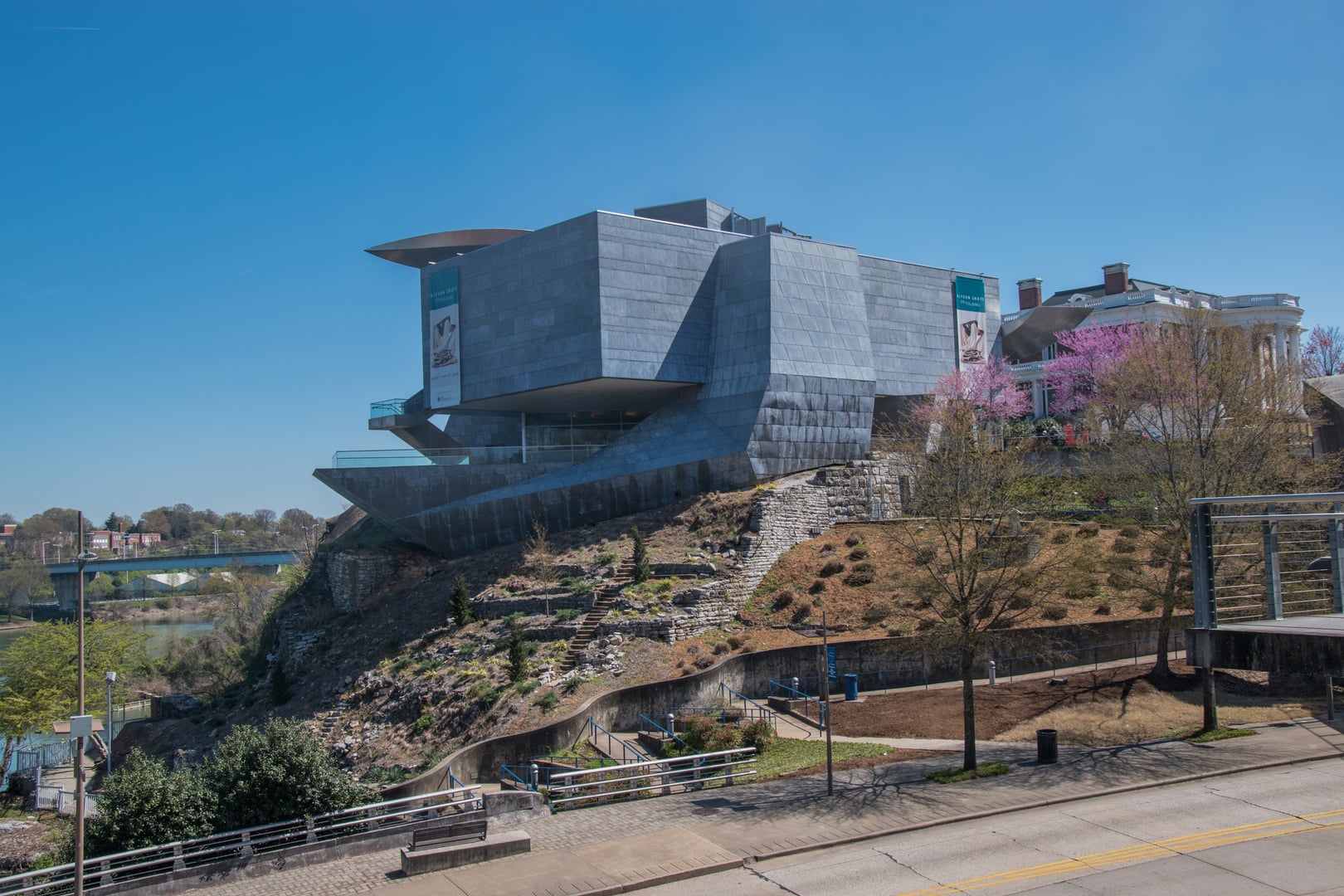
The Hunter Museum of American Art on its bluff overlooking the Tennessee River in Chattanooga
Photo coming soon
Museum / Historical Site

Hunter Museum of American Art

Chattanooga, TN

The Hunter Museum occupies a Neoclassical mansion completed in 1905 for insurance broker Ross Faxon, perched on an 80-foot bluff above the Tennessee River near the historic Ross's Landing area. The mansion was later owned by Coca-Cola bottling magnate George Thomas Hunter, and after his death it became the home of Chattanooga's first art museum, opening as the George Thomas Hunter Gallery of Art on July 12, 1952.

$$ All Ages Family: High
Ross's Landing Riverfront Park beside the Tennessee Aquarium in Chattanooga, with Cherokee-designed pedestrian path
Photo coming soon
Museum / Historical Site

Ross's Landing

Chattanooga, TN

Ross's Landing was established in 1816 by John Ross — later Principal Chief of the Cherokee Nation — as a trading post and ferry on the northern border of Cherokee territory at the Tennessee River. On June 6, 1838, more than 1,500 Cherokee departed from Ross's Landing in steamboats and barges, beginning the forced removal known as the Trail of Tears. The site was added to the National Register of Historic Places in 1974 and was redeveloped in 2005 as Ross's Landing Riverfront Park with Cherokee-designed commemorative installations.

$ All Ages Family: High
Ruby Falls underground waterfall lit dramatically inside Lookout Mountain cave
Photo coming soon
Outdoor / Natural Site

Ruby Falls

Chattanooga, TN

Ruby Falls was discovered in 1928 by chemist and cave explorer Leo Lambert during tunneling intended to reopen the Lookout Mountain cave system as a tourist attraction. Lambert named the underground waterfall — reached after approximately 200 feet of horizontal exploration at the end of an 1,120-foot vertical descent into Lookout Mountain — for his wife Ruby. The attraction opened to the public in 1930 and has operated continuously since.

$$$ All Ages Family: Moderate
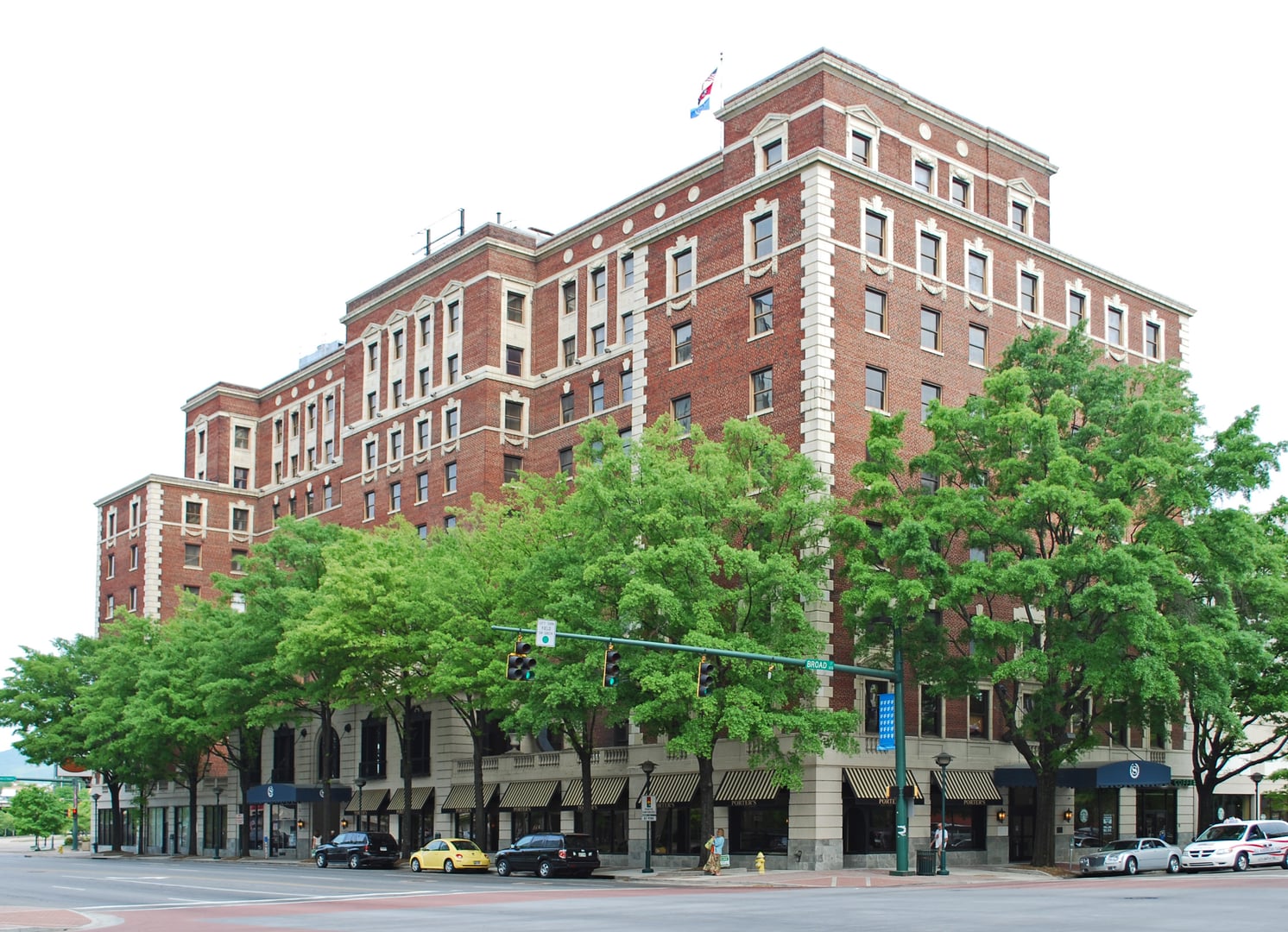
Exterior of the Read House Hotel, a ten-story 1926 Georgian-style hotel in downtown Chattanooga, Tennessee
Photo coming soon
Haunted Hotel / Inn

The Read House Hotel

Chattanooga, TN

The Read House occupies a corner of downtown Chattanooga continuously hosting a hotel since 1847, when the Crutchfield House opened on the site. The present 1926 Georgian-style building was designed by Chicago firm Holabird & Roche. Through its long history the hotel has hosted Civil War officers (after Confederate General Samuel Jones converted the Crutchfield House to a military hospital in 1862) and 20th-century notables including Al Capone, who reportedly stayed in Room 311 during a federal trial.

$$$ All Ages Family: High
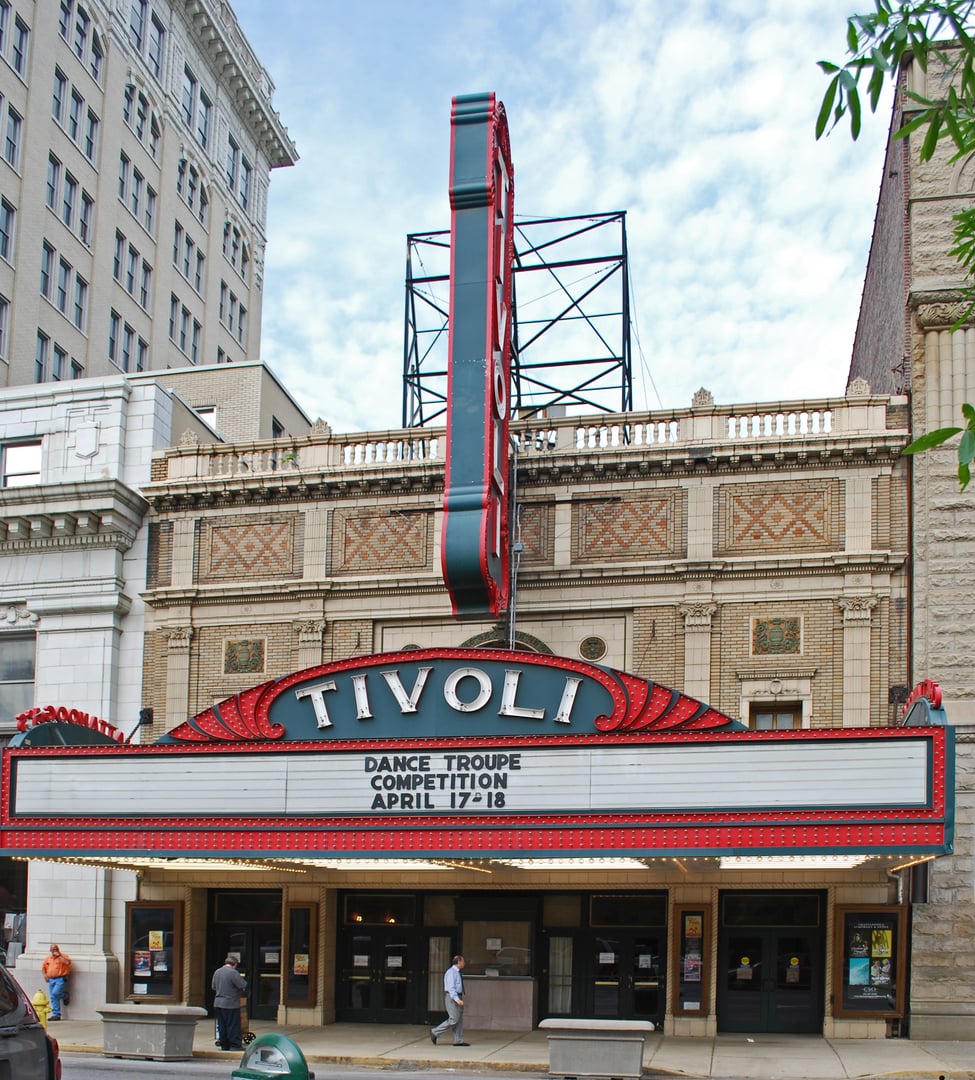
Marquee and Beaux-Arts facade of the Tivoli Theatre on Broad Street in Chattanooga, Tennessee
Photo coming soon
Theater / Performance Venue

Tivoli Theatre

Chattanooga, TN

The Tivoli Theatre opened on March 19, 1921 as a Beaux-Arts movie palace designed by Chicago firm Rapp and Rapp with local architect R. H. Hunt. Seating roughly 1,750, the building was among the first air-conditioned public buildings in the United States. The city of Chattanooga purchased the theater in 1976, and it has been operated since by the city's Department of Education, Arts, and Culture and the Tivoli Foundation.

$$ All Ages Family: High
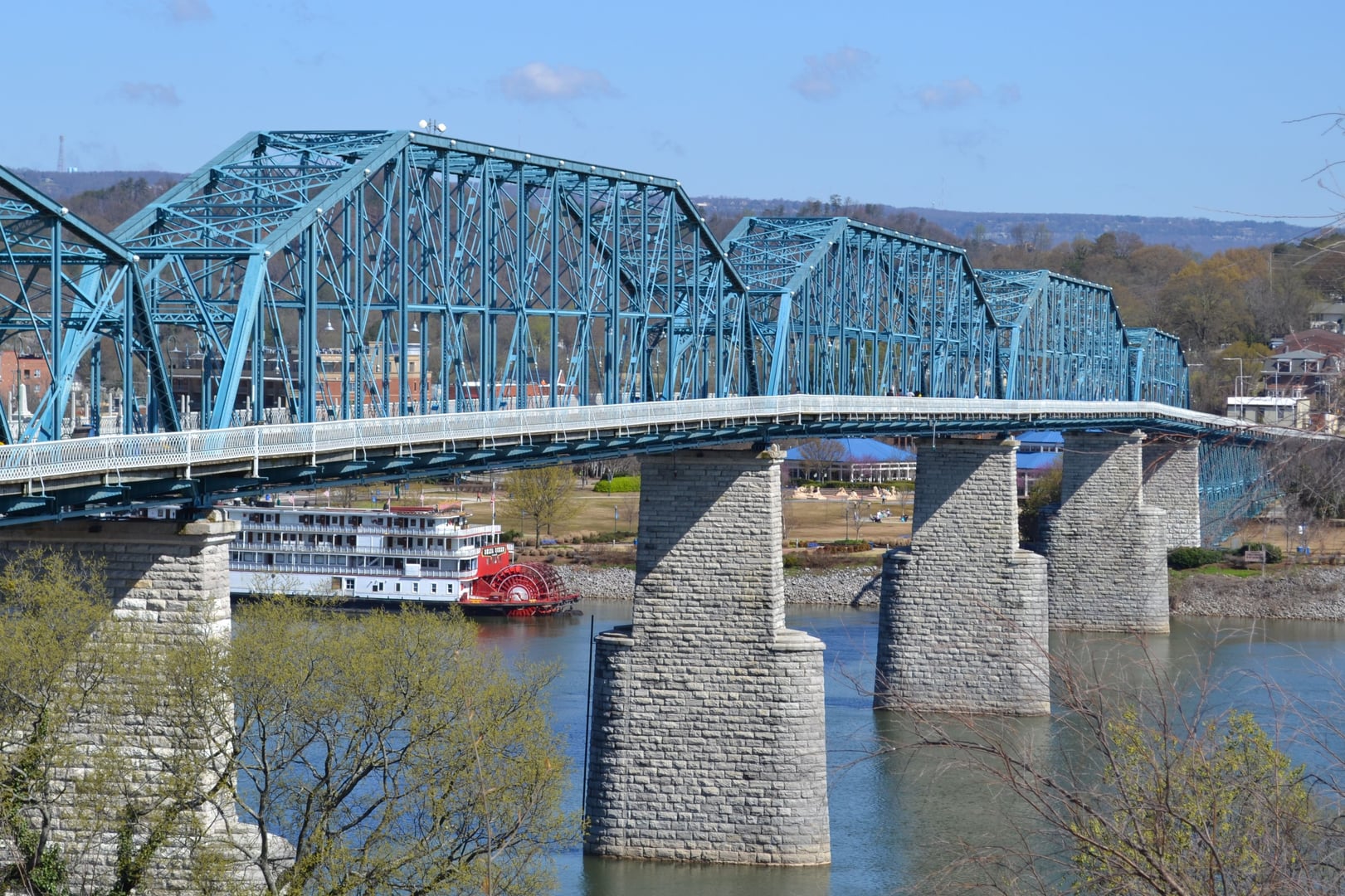
Walnut Street Bridge spanning the Tennessee River in Chattanooga, restored 1890 wrought-iron pedestrian bridge
Photo coming soon
Outdoor / Natural Site

Walnut Street Bridge

Chattanooga, TN

Built in 1890 as a wrought-iron Camelback through-truss bridge, the Walnut Street Bridge was the first non-military highway bridge across the Tennessee River. Closed to vehicles in 1978 and restored as a pedestrian bridge in 1993, it is the site of two documented lynchings — Alfred Blount on February 14, 1893, and Ed Johnson on March 19, 1906 — whose memory and the resulting Supreme Court case United States v. Shipp are commemorated at the Ed Johnson Memorial at the bridge's south foot.

$ All Ages Family: Moderate

Kingsport — 5

Historic cemetery grounds at Bloomingdale, Kingsport, Tennessee
Photo coming soon
Cemetery / Burial Ground

Bloomingdale Cemetery

Kingsport, TN

Bloomingdale Cemetery in Kingsport, Sullivan County, Tennessee contains graves spanning centuries of regional history. Local folklore suggests one burial site contains the remains of a woman persecuted as a witch, buried at the cemetery's edge rather than in consecrated ground, reflecting historical attitudes toward witchcraft accusations.

$ All Ages Family: High
Exterior of Ketron school building in Kingsport, Tennessee
Photo coming soon
Other Dark Tourism Site

Ketron Middle School

Kingsport, TN

Ketron, a school facility in Kingsport, Tennessee, operated as a high school before being converted to elementary and then middle school use over the decades. The building's paranormal reputation centers on the 1966 collapse and death of a student, Barbara Ann Dixon, who died suddenly in the hallway during the school day.

$ All Ages Family: High
Netherland Inn 1808 stagecoach stop facade on Netherland Inn Road in Kingsport, Tennessee
Outdoor / Natural Site

Netherland Inn Road

Kingsport, TN

Netherland Inn Road follows the Holston River through Kingsport, Tennessee, passing the 1808 Netherland Inn historic site and the Rotherwood Bridge. The road takes its name from Richard Netherland, who purchased the inn in 1818 and operated it as a stagecoach stop on the Great Stage Road serving travelers between Knoxville and Abingdon, Virginia.

$ All Ages Family: High
The brick façade of Rotherwood Mansion above the Holston River in Kingsport, Tennessee
Photo coming soon
Haunted House / Historic Home

Rotherwood Mansion

Kingsport, TN

Rotherwood Mansion was built in three phases between 1818 and 1845 by the Reverend Frederick A. Ross, the founder of Rossville, which later merged into Kingsport, Tennessee. Ross sold the house in 1847 to his bookkeeper Joshua Phipps after the failure of his silk-mill enterprise. The mansion overlooks the Holston River at 3401 Netherland Inn Road and remains a private residence today.

$ All Ages Family: High
A narrow single-lane stone tunnel on a rural road in Hawkins County, Tennessee
Photo coming soon
Outdoor / Natural Site

Sensabaugh Tunnel

Kingsport, TN

Sensabaugh Tunnel is a 1920s single-lane stone tunnel on Big Elm Road in Hawkins County, Tennessee, just north of Kingsport. The tunnel was built on land owned by Edward Sensabaugh and was originally constructed to direct creek runoff and provide passage through a steep hillside. The City of Kingsport maintains a brief tourism page acknowledging the site's reputation.

$ All Ages Family: Moderate

Franklin — 3

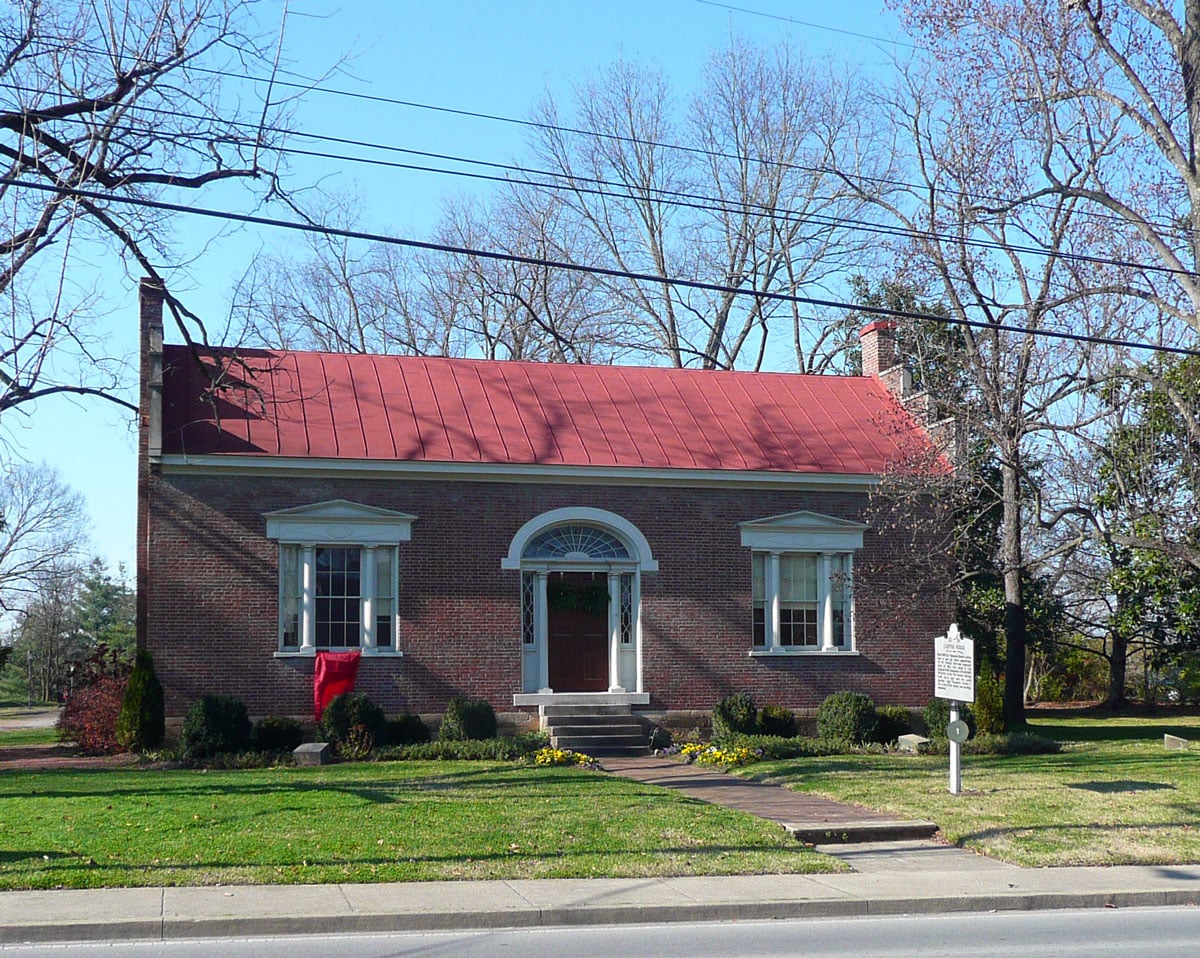
Front exterior of Carnton mansion in Franklin, Tennessee, a Federal-style plantation house
Museum / Historical Site

Carnton Mansion

Franklin, TN

Carnton Mansion, built in 1826 in Franklin, Tennessee, served as the largest temporary Confederate field hospital after the November 30, 1864, Battle of Franklin. Roughly 300 wounded soldiers were treated inside the house in a single night, with four Confederate generals' bodies laid out on the back porch the following morning. This record duplicates the canonical Carnton entry.

$$ All Ages Family: Moderate
Front exterior of Carnton mansion in Franklin, Tennessee, a Federal-style plantation house
Museum / Historical Site

Carnton

Franklin, TN

Carnton, built in 1826 in Franklin, Tennessee, served as the largest temporary Confederate field hospital after the November 30, 1864, Battle of Franklin. Approximately 300 wounded soldiers were treated inside the house in a single night, and four Confederate generals' bodies were laid out on the back porch the following morning. Carrie and John McGavock later donated land for the McGavock Confederate Cemetery on the property — the largest privately owned military cemetery in the United States.

$$ All Ages Family: Moderate
Front facade of Carnton red brick Federal mansion in Franklin Tennessee adjacent McGavock Confederate Cemetery
Cemetery / Burial Ground

McGavock Confederate Cemetery at Carnton

Franklin, TN

Carnton Plantation in Franklin, Tennessee was built in 1826 by Randal McGavock and became one of the most consequential sites of the November 30, 1864 Battle of Franklin. More than 1,750 men died in the battle; Carnton served as the primary Confederate field hospital, with surgeons operating through the night. The McGavock family established the adjacent Confederate cemetery in 1866, and Carrie McGavock personally maintained it and catalogued its 1,500 dead for the rest of her life.

$$ All Ages Family: Moderate

Gatlinburg — 3

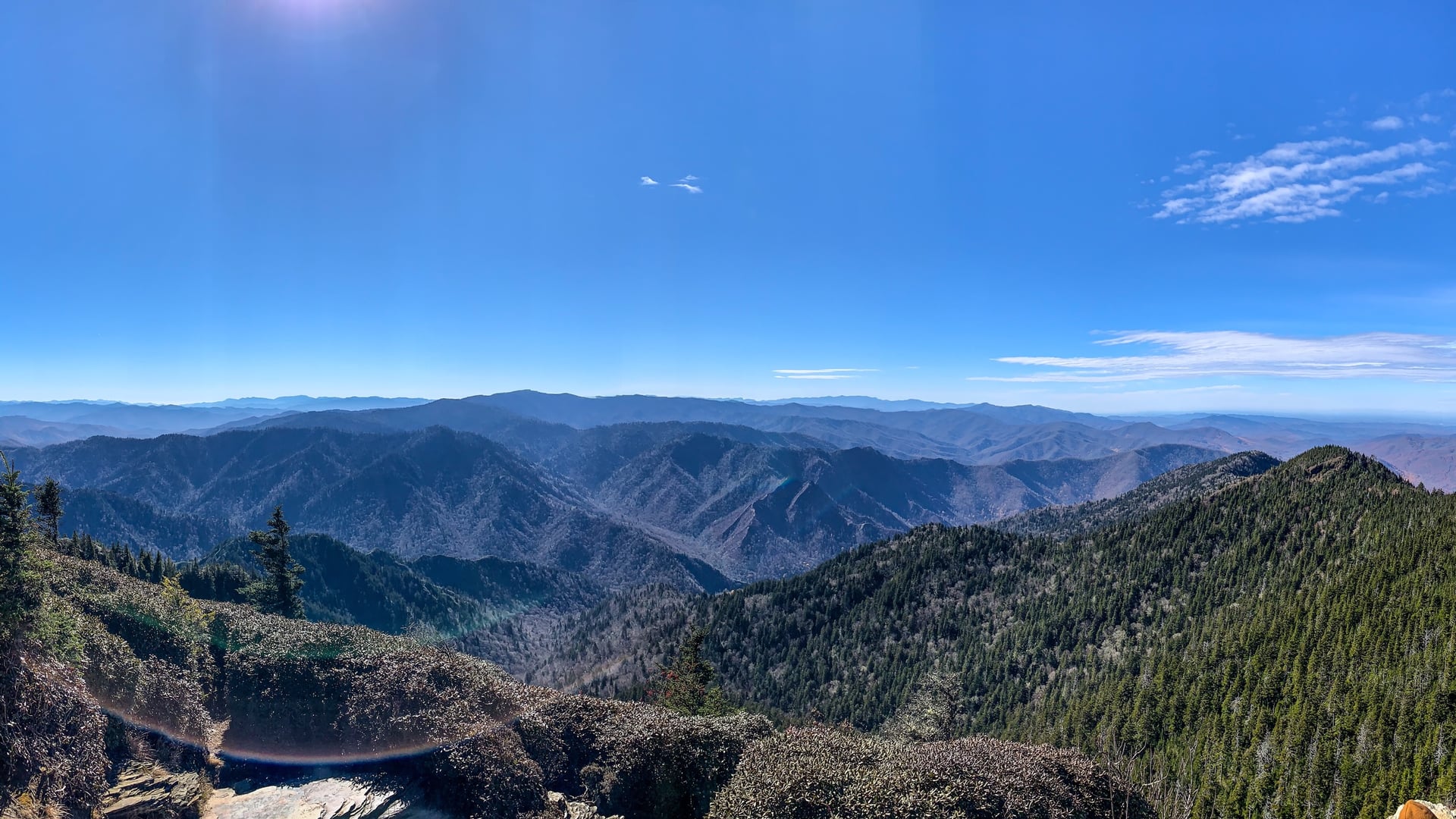
Misty Appalachian ridges viewed from Cliff Tops atop Mount LeConte in Great Smoky Mountains National Park, Tennessee
Outdoor / Natural Site

Great Smoky Mountains National Park

Gatlinburg, TN

Great Smoky Mountains National Park preserves 522,427 acres of southern Appalachian terrain across Tennessee and North Carolina. The land was the heart of the Cherokee Nation before forced removal in 1838 along what became the Trail of Tears, and home to Appalachian Scots-Irish and English settler communities through the early twentieth century. Congress authorized the park in 1926; it was formally dedicated by Franklin D. Roosevelt on September 2, 1940.

$ All Ages Family: High
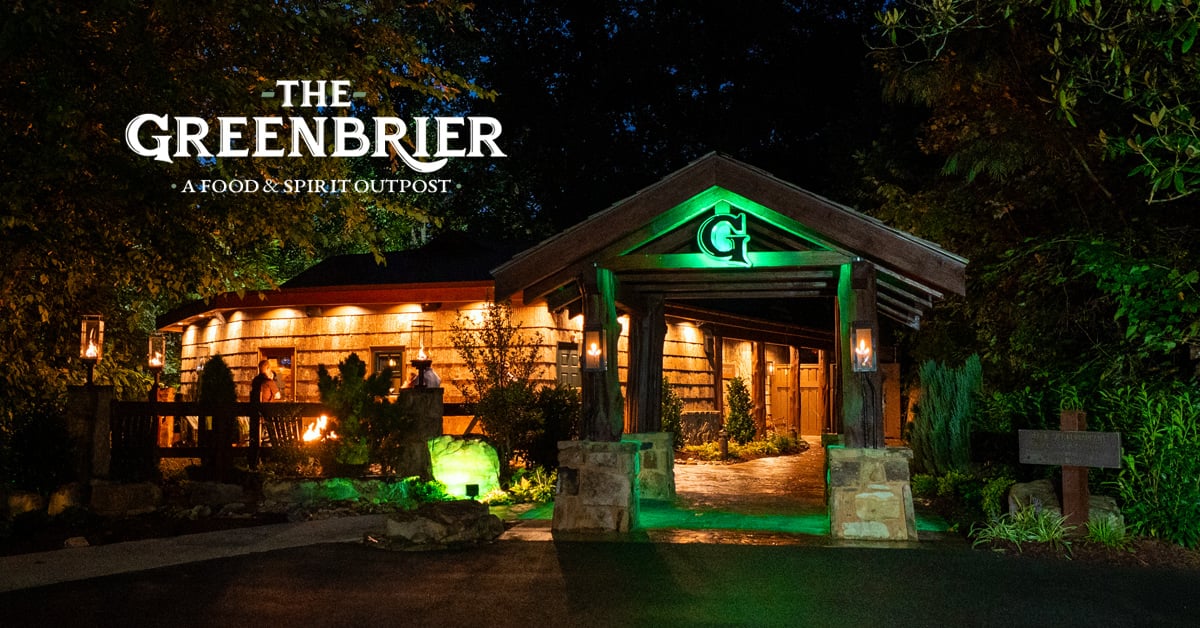
Log and timber exterior of The Greenbrier Restaurant at 370 Newman Road in Gatlinburg, Tennessee, surrounded by Smoky Mountain forest
Haunted Dining / Bar

The Greenbrier Restaurant

Gatlinburg, TN

The Greenbrier Restaurant at 370 Newman Road in Gatlinburg, Tennessee, occupies a log lodge built in the 1930s to accommodate hunters, loggers, and outdoor visitors in the Great Smoky Mountains region. The building's post-and-beam construction is largely original, including the support beam above the bar that is central to the restaurant's most prominent ghost story.

$$$ All Ages Family: Moderate
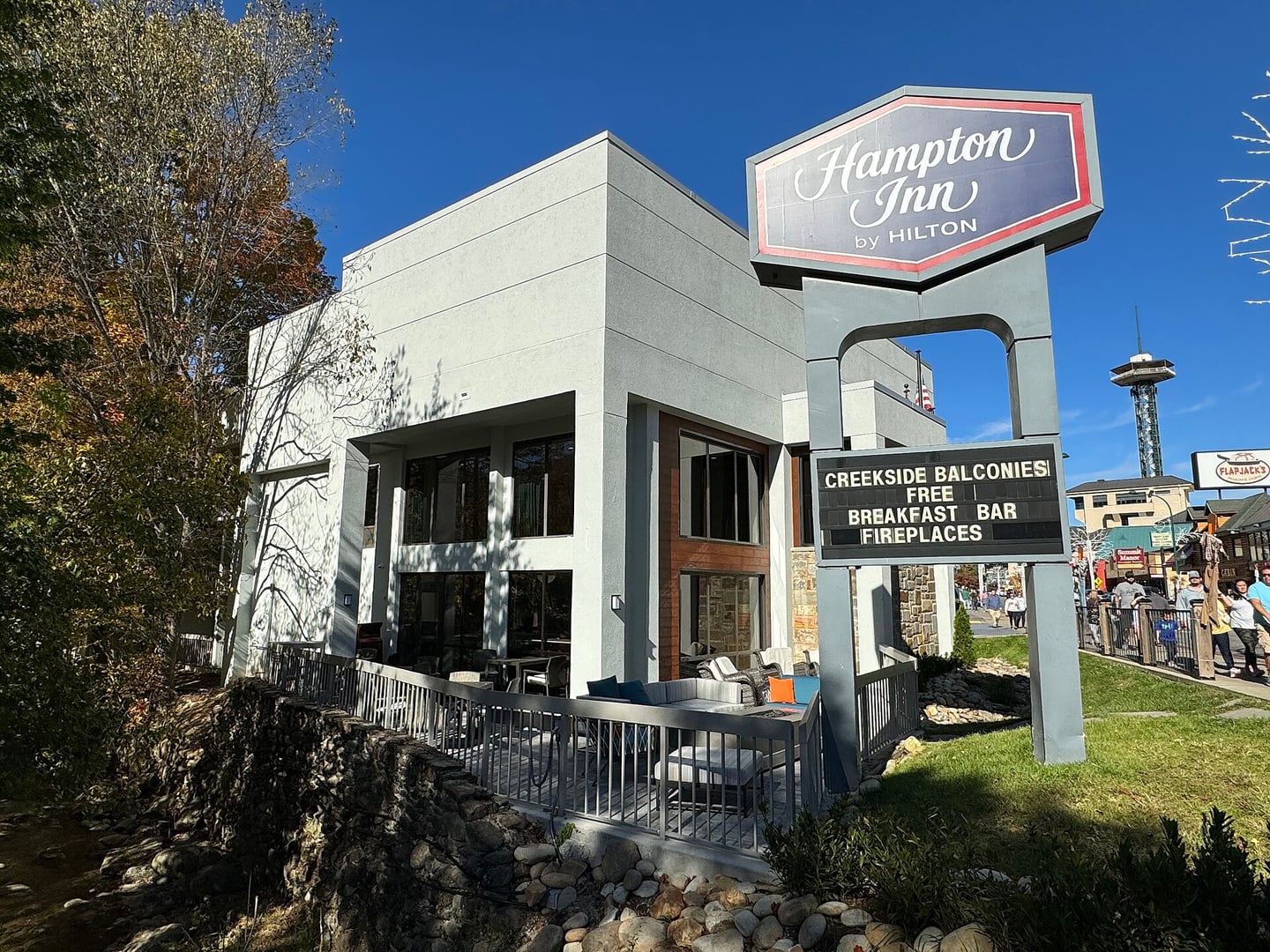
Hampton Inn Gatlinburg Historic Nature Trail hotel exterior at 520 Airport Road, formerly the Holiday Inn SunSpree Resort
Photo coming soon
Haunted Hotel / Inn

Hampton Inn Gatlinburg Historic Nature Trail

Gatlinburg, TN

The property at 520 Airport Road in Gatlinburg opened in 1991 as the Holiday Inn SunSpree Resort. It later operated as the Garden Plaza Hotel before rebranding as the Hampton Inn Gatlinburg Historic Nature Trail, now part of the Hilton portfolio. The 114-room hotel sits along the Little Pigeon River adjacent to the Great Smoky Mountains National Park.

$$$ All Ages Family: High

Rugby — 3

Kingstone Lisle 1884 Victorian historic home in Rugby Tennessee colony
Haunted House / Historic Home

Kingstone Lisle

Rugby, TN

Kingstone Lisle is the 1884 Carpenter Gothic cottage Thomas Hughes built at Historic Rugby, his utopian colony on the Cumberland Plateau of Tennessee. Hughes — British author of Tom Brown's School Days — founded Rugby in 1880 as a settlement for England's landed gentry's younger sons. He intended the cottage for his mother, though she rarely visited.

$ All Ages Family: High
The 1880 Newbury House, original inn of the Historic Rugby colony in Morgan County, Tennessee
Photo coming soon
Haunted Hotel / Inn

1880 Newbury House at Historic Rugby

Rugby, TN

The 1880 Newbury House is the original inn of Historic Rugby, the British-American colony founded that year by Tom Brown's School Days author Thomas Hughes. The Victorian-era building has welcomed guests almost continuously since 1880; its large downstairs parlor was used by Hughes himself to host village dinners. The site is operated by the nonprofit Historic Rugby, Inc.

$$ All Ages Family: High
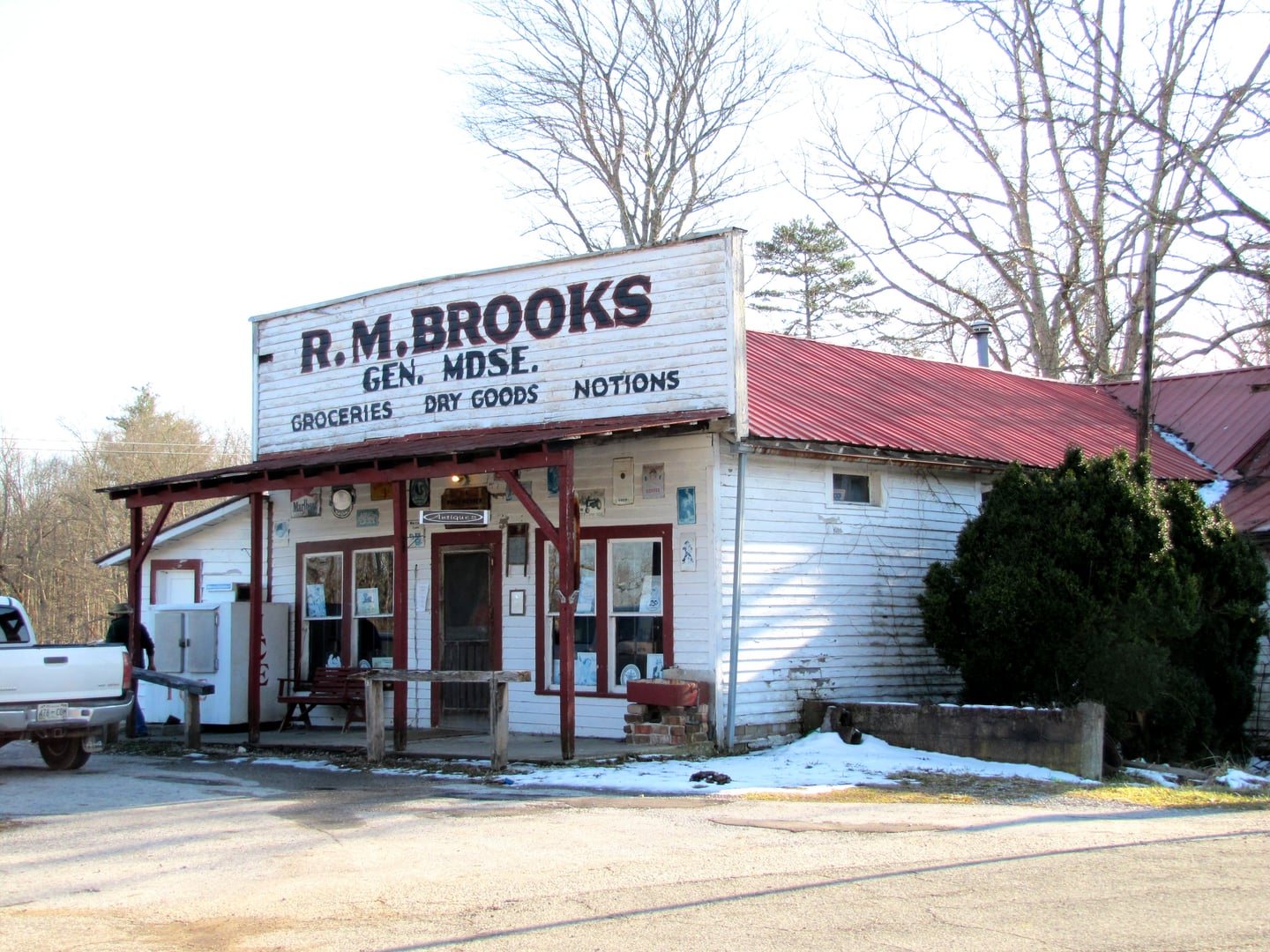
The R.M. Brooks General Store in historic Rugby, Tennessee, an NRHP-listed building in the Big South Fork area
Museum / Historical Site

Big South Fork National River and Recreation Area (Historic Rugby)

Rugby, TN

Big South Fork National River and Recreation Area, established in 1974, protects 125,000 acres of the Cumberland Plateau on the Tennessee-Kentucky border. Inside the park area, Historic Rugby was founded in 1880 by English author Thomas Hughes ('Tom Brown's School Days') as a utopian colony for the younger sons of English gentry. USA Today named Rugby a must-stop destination in 1997.

$ All Ages Family: High

Sevierville — 2

Bluff Mountain scenic overlook, Sevier County, Tennessee
Photo coming soon
Outdoor / Natural Site

Bluff Mountain Old Hotel Site

Sevierville, TN

Bluff Mountain served as a Continental Army lookout post in the 1790s, monitoring the trade route from North Carolina to Franklin (present-day Tennessee) for hostile activity. A rogue band of Cherokee attacked the small military garrison, resulting in significant casualties. The site became popular for outdoor recreation in the 1920s, though few visitors knew of the historic cemetery nearby.

$ All Ages Family: Moderate
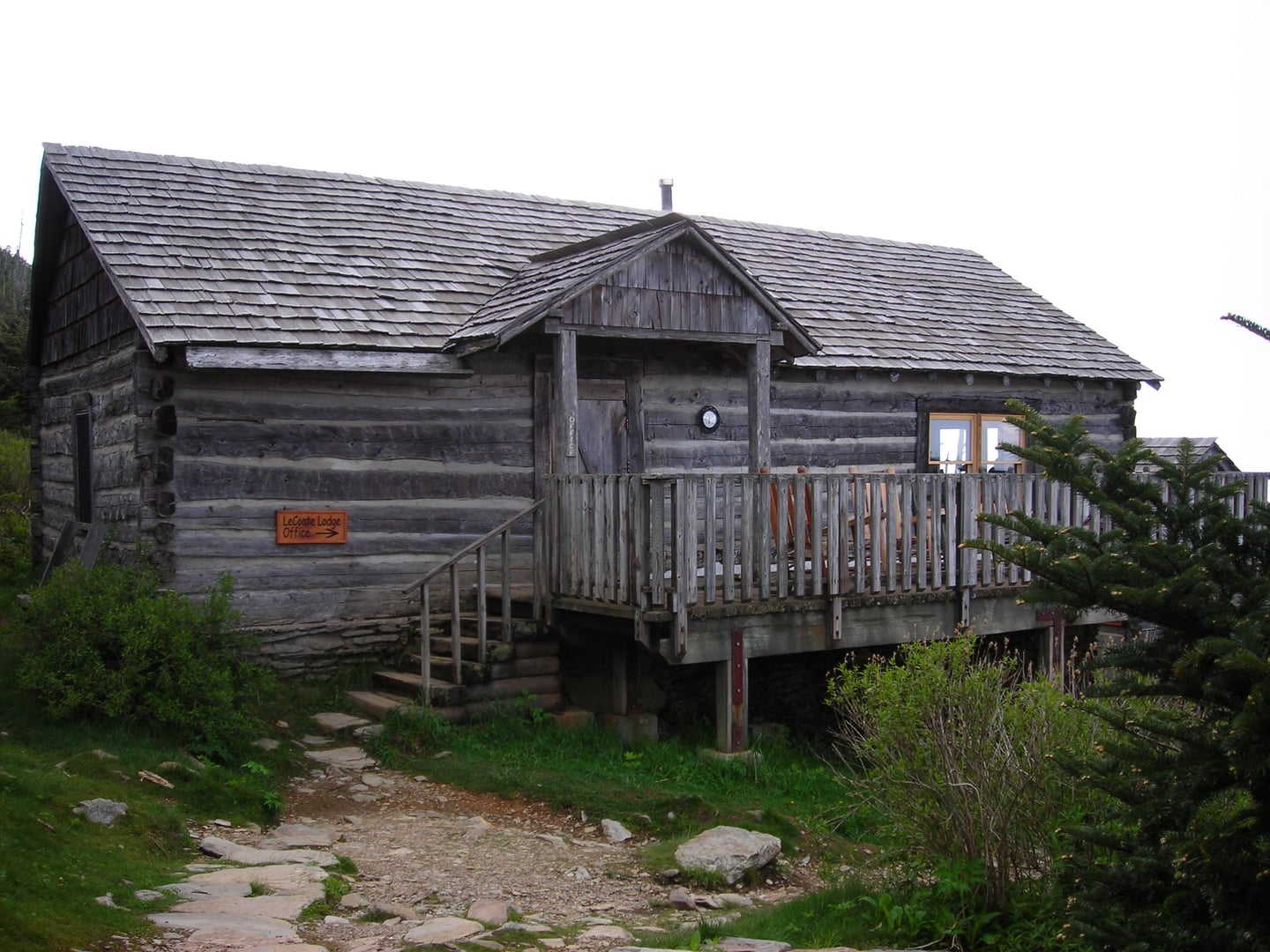
The rustic LeConte Lodge office cabin atop Mount LeConte in Great Smoky Mountains National Park, Tennessee
Haunted Hotel / Inn

LeConte Lodge

Sevierville, TN

LeConte Lodge began as a tent camp established by Paul Adams in 1925 on Mount LeConte, the third-highest peak in the Great Smoky Mountains. The permanent lodge was built in 1926 by Jack Huff, who ran it with his wife Pauline and their family until 1960. The lodge operates within Great Smoky Mountains National Park, the most visited national park in the United States, accessible only by hiking trail.

$$$ All Ages Family: Low

Adams — 1

Bell Witch Cave entrance — legendary haunted cave in Adams, Tennessee
Outdoor / Natural Site

Bell Witch Cave

Adams, TN

The Bell Witch legend originated with the Bell family of Robertson County, Tennessee, beginning in 1817 on John Bell's farm near the Red River. From 1817 to 1821, the family reported an invisible entity capable of physical violence, audible speech, and foreknowledge — accounts that spread to surrounding communities and eventually reached Andrew Jackson, who reportedly visited the farm.

$$$$ 12+ for public investigations; under 16 requires adult supervision; under 16 additional restrictions for private bookings Family: Low

Caryville — 1

Overgrown path leading to Turley Cemetery in the former Red Ash mining community, Campbell County, Tennessee
Photo coming soon
Cemetery / Burial Ground

Red Ash Cemetery (Turley Cemetery)

Caryville, TN

Red Ash was a Tennessee coal-mining company town established in the late 19th century in what is now Campbell County's Royal Blue area. The community grew around the Red Ash coal seam — one of several productive East Tennessee bituminous seams — and operated through the mid-20th century before being abandoned. The Turley Cemetery served the town's residents and is the principal surviving feature.

$ All Ages Family: Moderate

Castalian Springs — 1

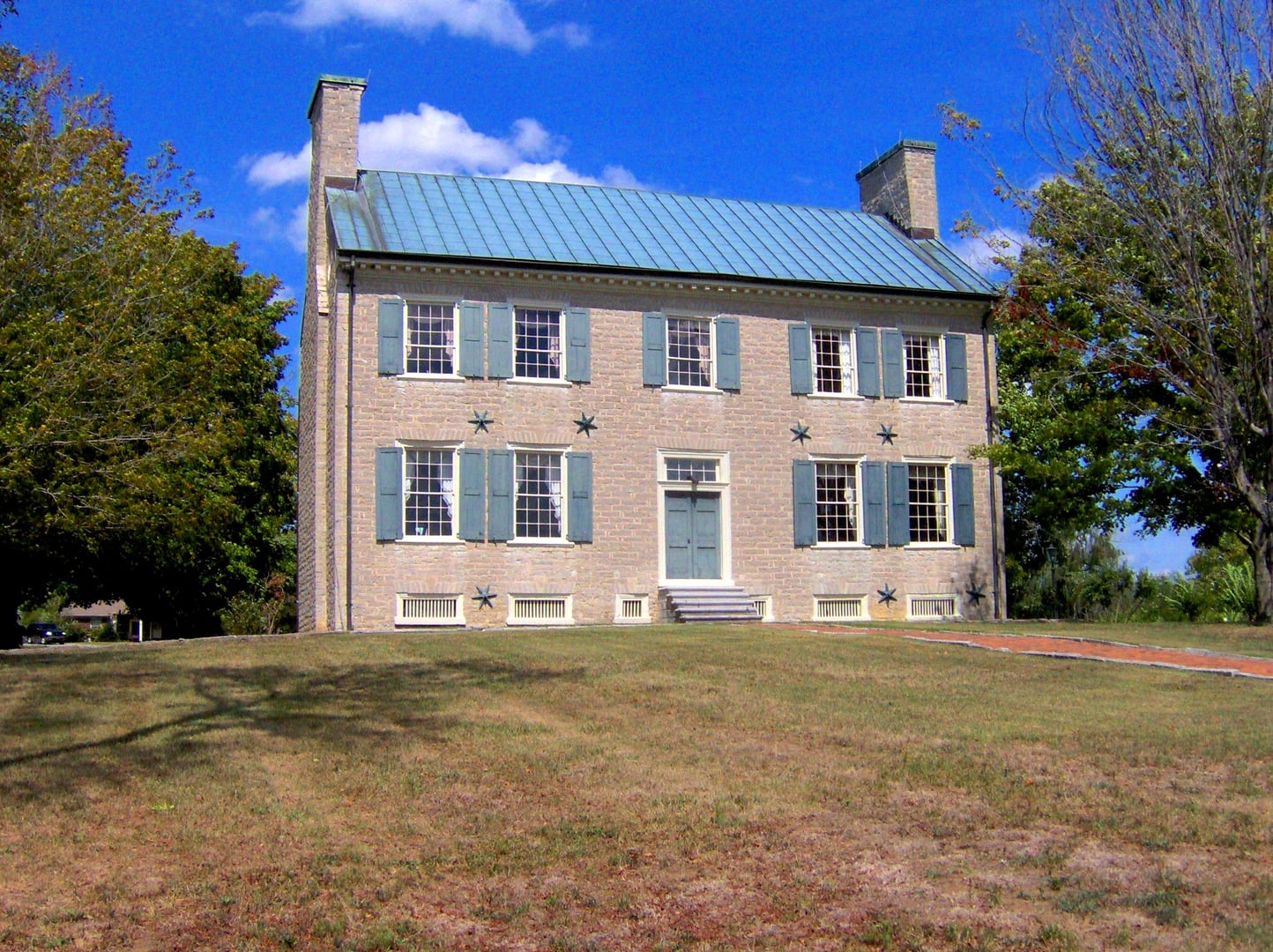
Cragfont, the 1798-1802 stone mansion of General James Winchester in Castalian Springs, Tennessee
Museum / Historical Site

Cragfont (General James Winchester House)

Castalian Springs, TN

Cragfont was begun in 1798 and completed in 1802 by Maryland artisans for General James Winchester, a Revolutionary War officer and one of the founders of Memphis, Tennessee. Located in the hills of Castalian Springs, the stone mansion was the finest home on the Tennessee frontier and typified late-Georgian architecture. Winchester died at Cragfont in 1826 and is buried in the family plot.

$ All Ages Family: High

Chapel Hill — 1

Railroad crossing near Logue Street in Chapel Hill, Tennessee, where the ghost light has been reported since the 1940s
Photo coming soon
Outdoor / Natural Site

Chapel Hill Ghost Light

Chapel Hill, TN

Chapel Hill is a small Marshall County town in Middle Tennessee where an L&N Railroad line passes through near Logue and Depot Streets. The town's connection to the railroad dates to the 19th century, and the crossing became locally notorious after a fatal incident in 1942. The ghost light legend grew through the 1950s and reached peak popularity in the 1960s–1970s.

$ All Ages Family: High

Chinqapin — 1

Haunted Hollow road, Chinqapin, Tennessee
Photo coming soon
Outdoor / Natural Site

Bristol Haunted Hollow

Chinqapin, TN

Bristol/Chinqapin area in Tennessee contains Haunted Hollow, a small road leading to a dead end through rural terrain.

$ All Ages Family: High

Clarksville — 1

Smith-Trahern Mansion, an 1858 antebellum home with a widow's walk overlooking the Cumberland River in Clarksville, Tennessee
Photo coming soon
Haunted House / Historic Home

Smith-Trahern Mansion

Clarksville, TN

The Smith-Trahern Mansion in Clarksville, Tennessee was built in 1858 by tobacco merchant Christopher H. Smith for his bride Lucy. The transitional Greek Revival and Italianate house overlooks the Cumberland River and was added to the National Register of Historic Places in 1988. It is owned by the City of Clarksville.

$ All Ages Family: High

Dandridge — 1

The exterior balcony walkway of the former Tennessee Mountain Inn in Dandridge, Tennessee
Haunted Hotel / Inn

Tennessee Mountain Inn (Now Red Roof Inn Dandridge)

Dandridge, TN

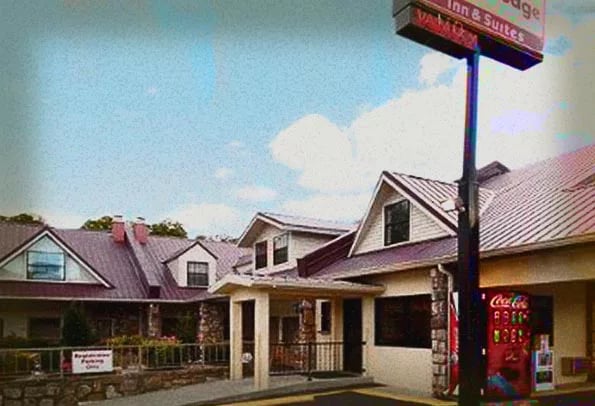
The Tennessee Mountain Inn operated as an independent motel in Dandridge, Tennessee, near Douglas Lake. The property has since rebranded under the Econo Lodge banner. Documented institutional history is limited; published material focuses on its role as a budget lodging stop on the I-40 corridor toward the Smoky Mountains.

$$ All Ages Family: High

Dover — 1

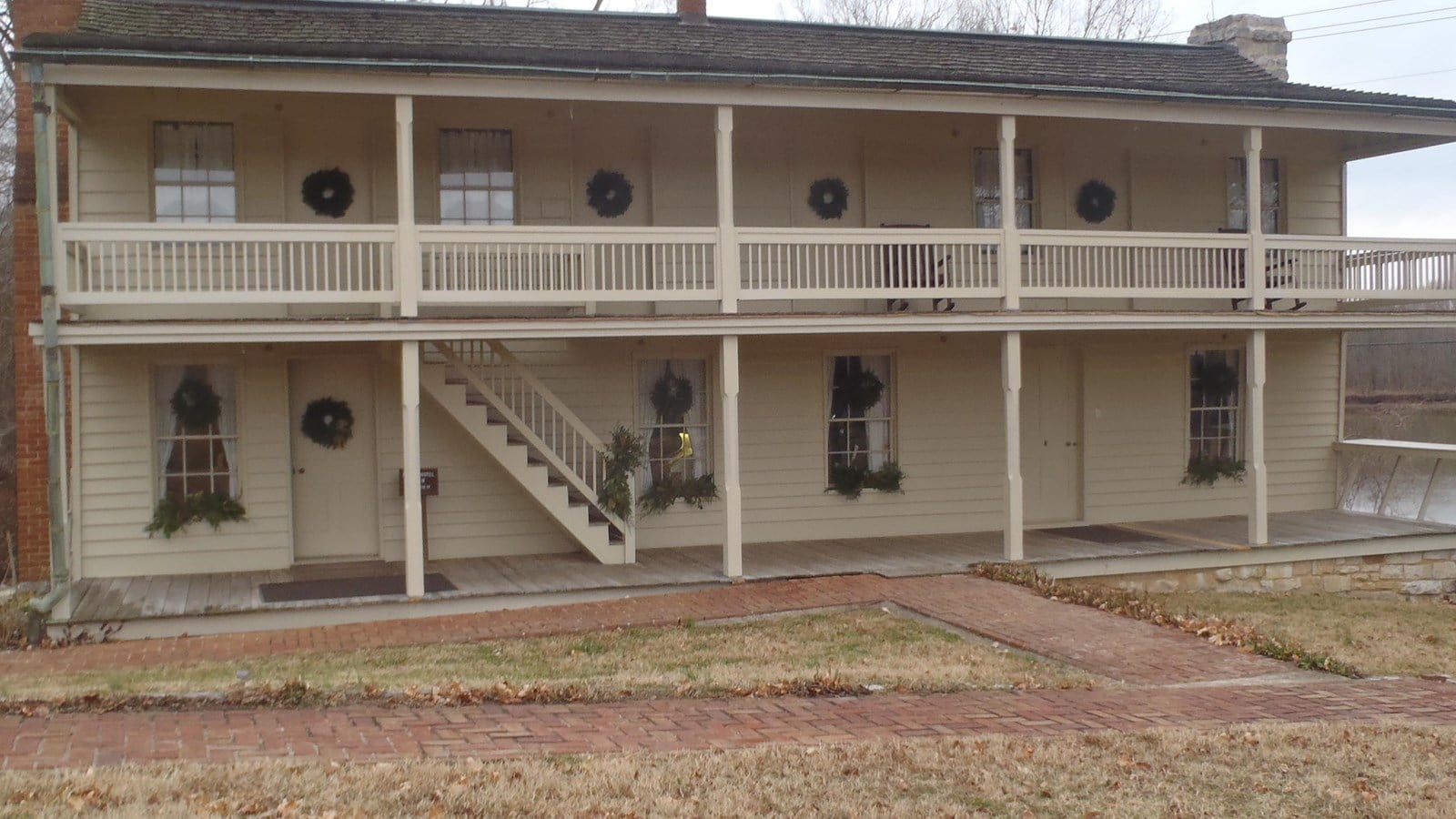
The historic Dover Hotel (Surrender House) on the Cumberland River at Fort Donelson National Battlefield
Battlefield / Military Site

Surrender House / Dover Hotel

Dover, TN

The Dover Hotel (also called the Surrender House) was built between 1851 and 1853 on the banks of the Cumberland River. On February 16, 1862, General Ulysses S. Grant accepted General Simon B. Buckner's surrender of Fort Donelson here, the first major Confederate surrender of the Civil War. The building was donated to Fort Donelson National Battlefield in 1959.

$ All Ages Family: High

Eagleville / Rockvale — 1

A rural cemetery and large cedar tree at the gate of Dyer Cemetery in Rutherford County, Tennessee.
Photo coming soon
Cemetery / Burial Ground

Dyer Cemetery

Eagleville / Rockvale, TN

Dyer Cemetery is a rural family cemetery in Rutherford County, Tennessee, between Eagleville and Rockvale. Despite its strong regional folklore reputation, formal historical documentation of the witch-trial-and-execution narrative attached to the site is not surfaced through accessible historical-society or court records.

$ All Ages Family: Moderate

Elizabethton — 1

The Watauga River crossing at Siam Valley near Elizabethton, Tennessee, site of the demolished 1941 Siam Steel Bridge
Photo coming soon
Outdoor / Natural Site

Siam Steel Bridge Site (Watauga River, Elizabethton)

Elizabethton, TN

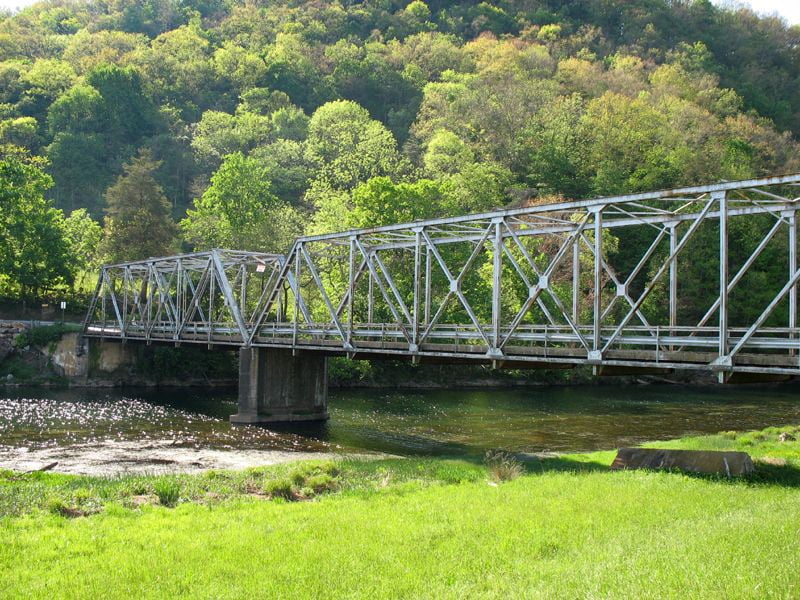
The Siam Steel Bridge was constructed in 1941 as a 692-foot Warren through-truss structure over the Watauga River in the Siam Valley outside Elizabethton, Carter County. It served vehicular traffic until 1977 and the area until it was demolished in 2010 as structurally deficient, replaced by a modern concrete bridge. The secluded area beneath the steel bridge had been a local gathering spot since the 1940s.

$ All Ages Family: Moderate

Gallatin — 1

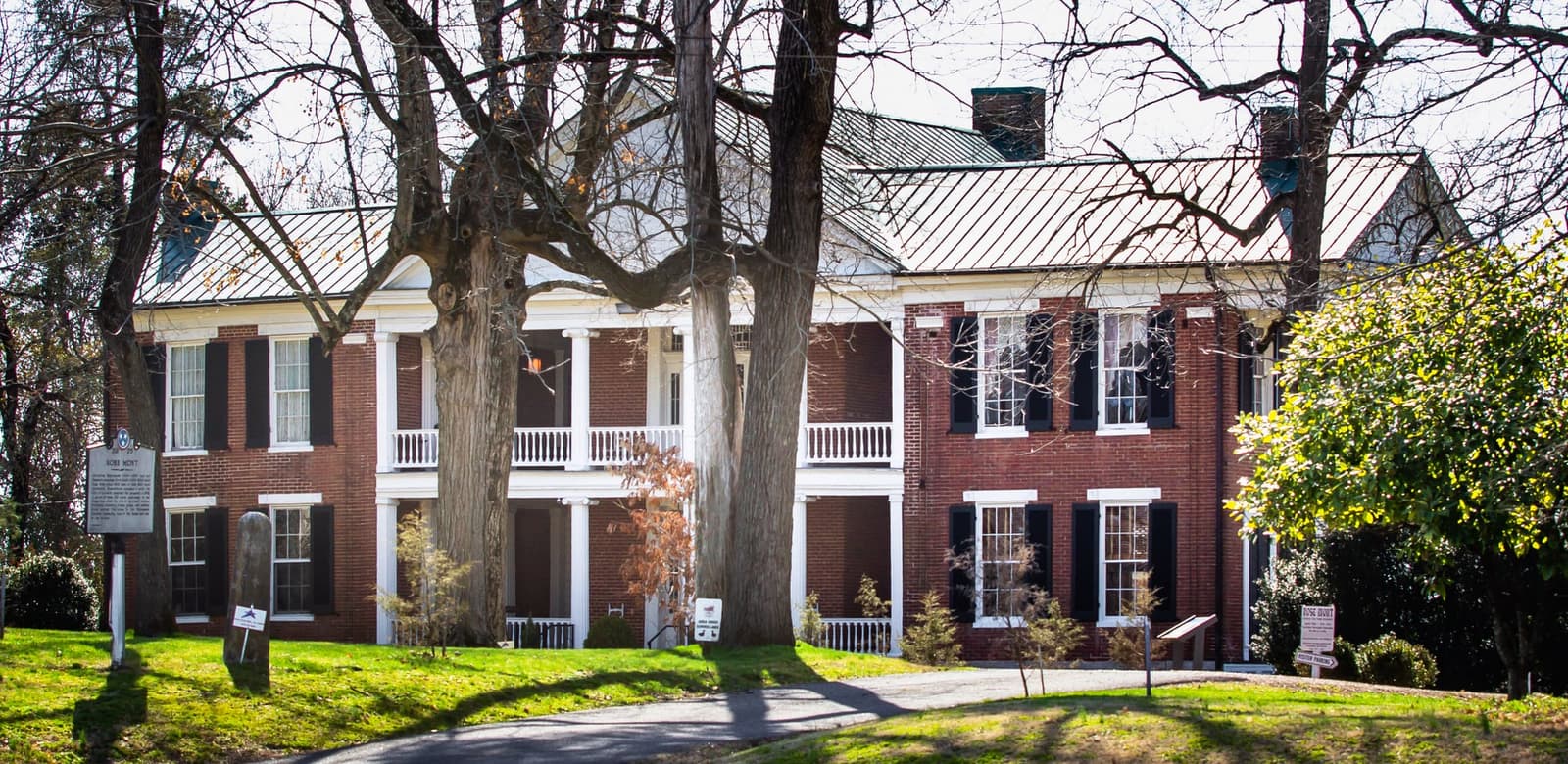
The 1842 Greek Revival Rose Mont mansion in Gallatin Tennessee
Haunted House / Historic Home

Rose Mont

Gallatin, TN

Rose Mont is an 1842 Greek Revival home in Gallatin, Tennessee, built by Judge Josephus Conn Guild. The five-hundred-acre property was the site of one of Middle Tennessee's largest thoroughbred horse operations and was a regular visit destination for President Andrew Jackson. It is listed on the National Register of Historic Places and operates as a historic house museum.

$ All Ages Family: Moderate

Guild — 1

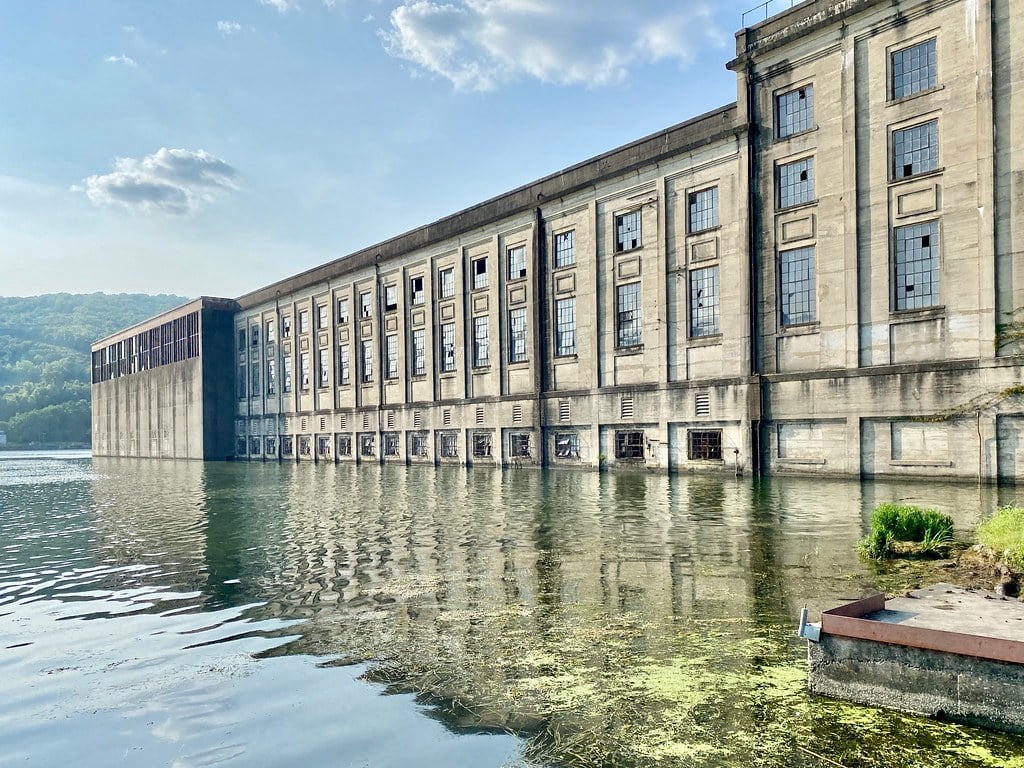
Preserved powerhouse of the former Hales Bar Dam on the Tennessee River near Guild, Tennessee
Photo coming soon
Outdoor / Natural Site

Hales Bar Dam & Marina

Guild, TN

Hales Bar Dam was built on the Tennessee River near Haletown in Marion County, Tennessee between 1905 and 1913 as one of the first major hydroelectric dams in the southeastern United States. Plagued by leaks throughout its operational life, the dam was decommissioned in 1968 and replaced by Nickajack Dam six miles downstream. The main dam was demolished, but the powerhouse was preserved and now anchors a marina, an event venue, and the Dam Whiskey and Moonshine Distillery.

$$ All Ages Family: Moderate

Harriman — 1

Multi-wing brick exterior of Old Historic Harriman Hospital at 401 North Roane Street in Harriman, Tennessee
Asylum / Hospital

Old Historic Harriman Hospital

Harriman, TN

Old Historic Harriman Hospital at 401 North Roane Street in Harriman, Tennessee was built in 1938 and opened in 1939 in a city founded as a temperance community in 1889. The facility expanded through multiple wings over subsequent decades, with 1950s-era operating rooms that remain intact today. Additional wings were added in the 1960s-1990s, culminating in a modern four-story addition in the early 1990s. The hospital closed in 2013 and was purchased in 2022 for preservation and paranormal investigation.

$$$ All Ages for guided tours; 18+ recommended for overnight investigations Family: Moderate

Harrogate — 1

Grant-Lee Hall, a Romanesque Revival residence hall at Lincoln Memorial University in Harrogate, Tennessee
Photo coming soon
Other Dark Tourism Site

Grant-Lee Hall, Lincoln Memorial University

Harrogate, TN

Grant-Lee Hall is a residence hall at Lincoln Memorial University in Harrogate, Tennessee, built in 1917 in the Romanesque Revival style on the limestone foundations of an earlier 1892 structure. That earlier building was the sanatorium wing of the grand Four Seasons Hotel, a 700-room resort that opened in 1892 and closed within a year after the Panic of 1893. The building is listed on the National Register of Historic Places.

$ All Ages Family: Moderate

Huntsville — 1

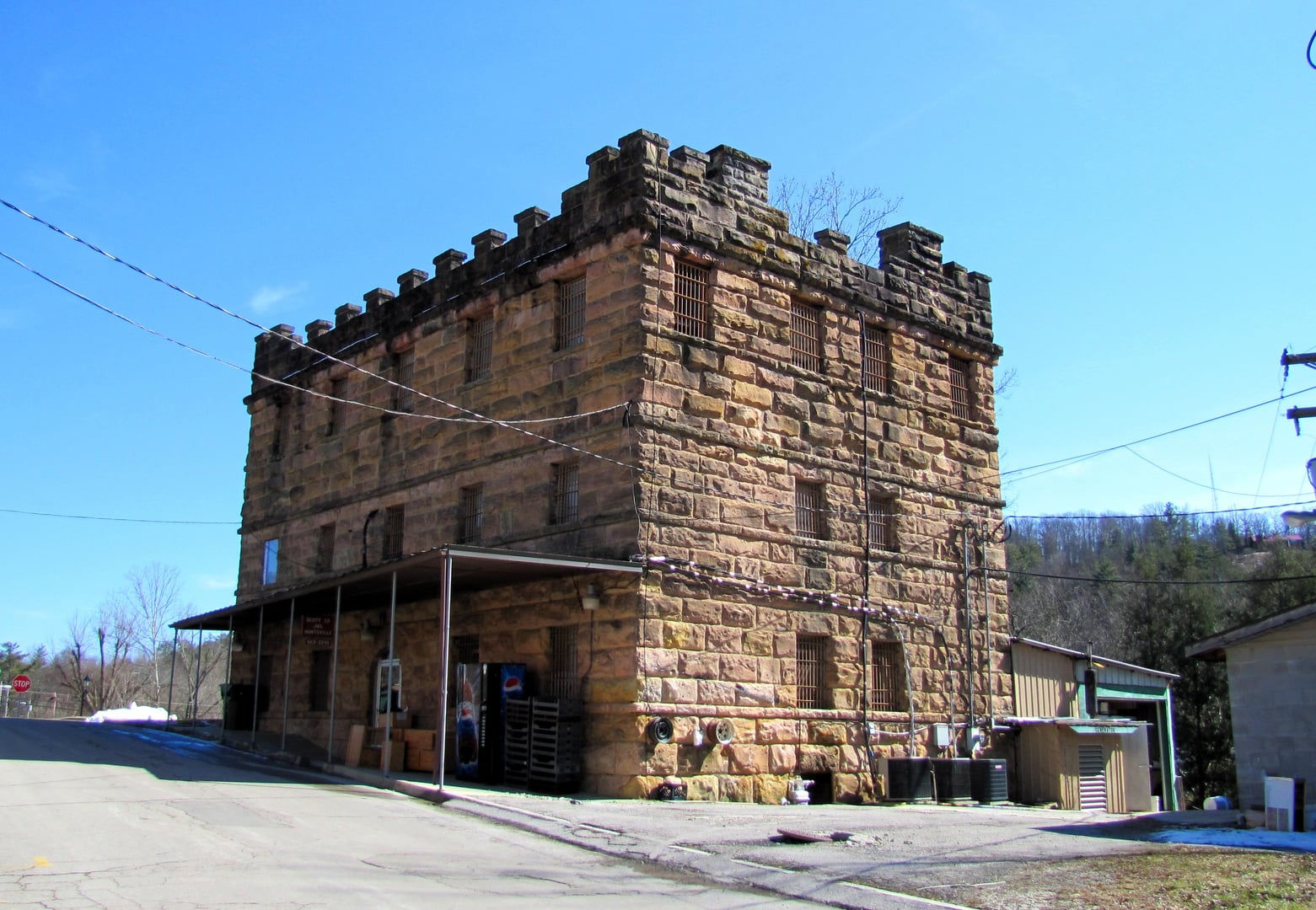
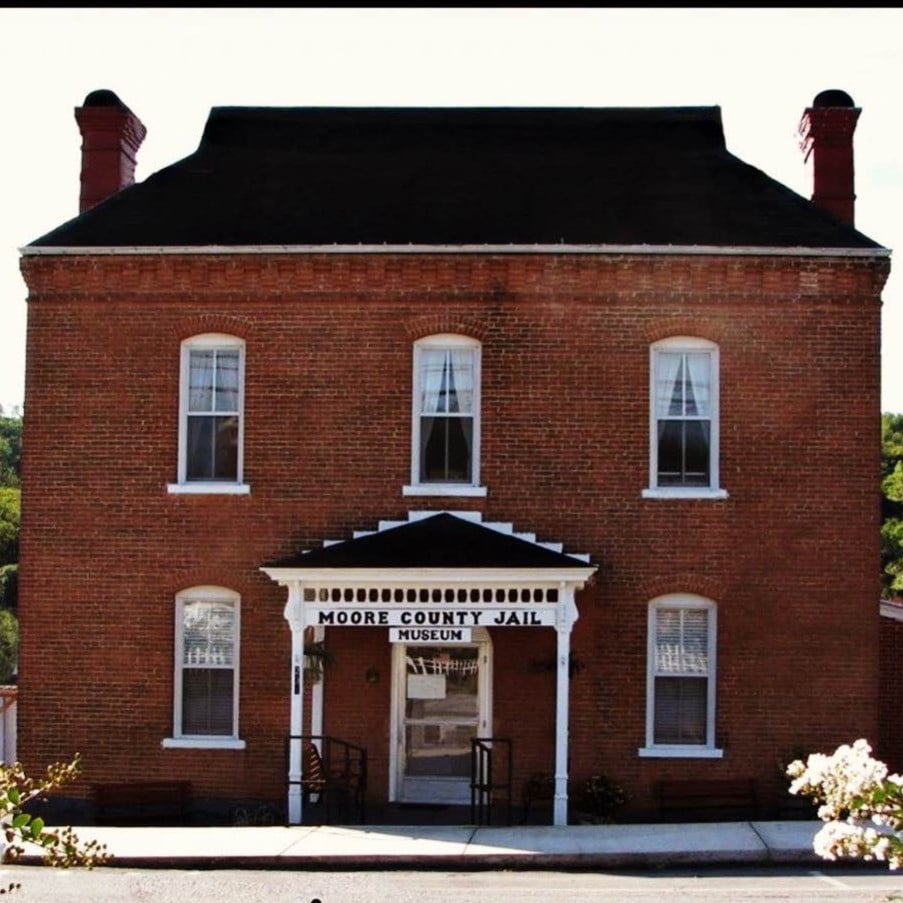
The NRHP-listed Old Scott County Jail, a stone fortress-like building in Huntsville, Tennessee
Prison / Reformatory

Historic Scott County Jail

Huntsville, TN

The Historic Scott County Jail is a 1904 county jail building in Huntsville, Tennessee, on the Cumberland Plateau. The jail operated for slightly over a century until 2005 and reopened as a museum in 2021. It is on the National Register of Historic Places. Two violent episodes — the 1925 ambush killing of Sheriff R.D. Ellis outside the jail and the June 1933 mob lynching of Jerome Boyatt and Harvey Winchester from the third floor — anchor much of its history.

$ All Ages Family: Moderate

Hurricane Mills — 1

The 1870s plantation mansion at Loretta Lynn Ranch in Hurricane Mills, Tennessee, part of the NRHP-listed Hurricane Mills Rural Historic District
Photo coming soon
Haunted House / Historic Home

Loretta Lynn Ranch (Hurricane Mills Plantation)

Hurricane Mills, TN

The plantation mansion at Hurricane Mills was built in the 1870s by the Anderson family and sat vacant for two decades before Loretta Lynn and her husband Oliver 'Mooney' Lynn purchased it — along with 1,450 acres encompassing the entire town of Hurricane Mills — in 1966 for $220,000. The property was listed on the National Register of Historic Places as part of the Hurricane Mills Rural Historic District in 1999. Loretta Lynn lived there until her death in October 2022; the ranch continues to operate as a museum and tourist destination.

$$ All Ages Family: High

Manchester — 1

Tower House in Manchester, Tennessee
Photo coming soon
Haunted House / Historic Home

Historic Tower House (J.P. Adams House)

Manchester, TN

The Tower House in Manchester, Tennessee was built by banker John P. Adams, first president of People's Bank in Coffee County. After serving as the Historic Tower House Inn and a GhostLabs Research Society site, the property is now privately owned and not open to the public.

$ All Ages (exterior viewing only) Family: High

Maryville — 1

Maryville College campus in Maryville, Tennessee, with historic collegiate architecture set among mature trees
Photo coming soon
Other Dark Tourism Site

Maryville College — Wilson Chapel / Former Theatre

Maryville, TN

Maryville College was founded in 1819 by Presbyterian minister Isaac L. Anderson in what was then America's southwestern frontier. Originally chartered as the Southern and Western Theological Seminary, it received its current name from the Tennessee General Assembly in 1842. The Samuel Tyndale Wilson Chapel, the campus's main performance and worship space, was designed by architects Schweikher & Elting and Barber & McMurry; it was demolished in 2007.

$ All Ages Family: High

Medina — 1

The small wooden dollhouse grave marker of Dorothy Marie Harvey at Hope Hill Cemetery in Medina Tennessee
Photo coming soon
Cemetery / Burial Ground

Hope Hill Cemetery

Medina, TN

Dorothy Marie Harvey died at age five on June 1, 1931 and was buried in Hope Hill Cemetery in Medina, Tennessee. Local accounts describe the Harvey family as travelers passing through during the Depression; community members assisted with the burial and built a wooden playhouse over her grave because Dorothy loved her dolls. The dollhouse is one of four such markers documented in the United States.

$ All Ages Family: High

Morristown — 1

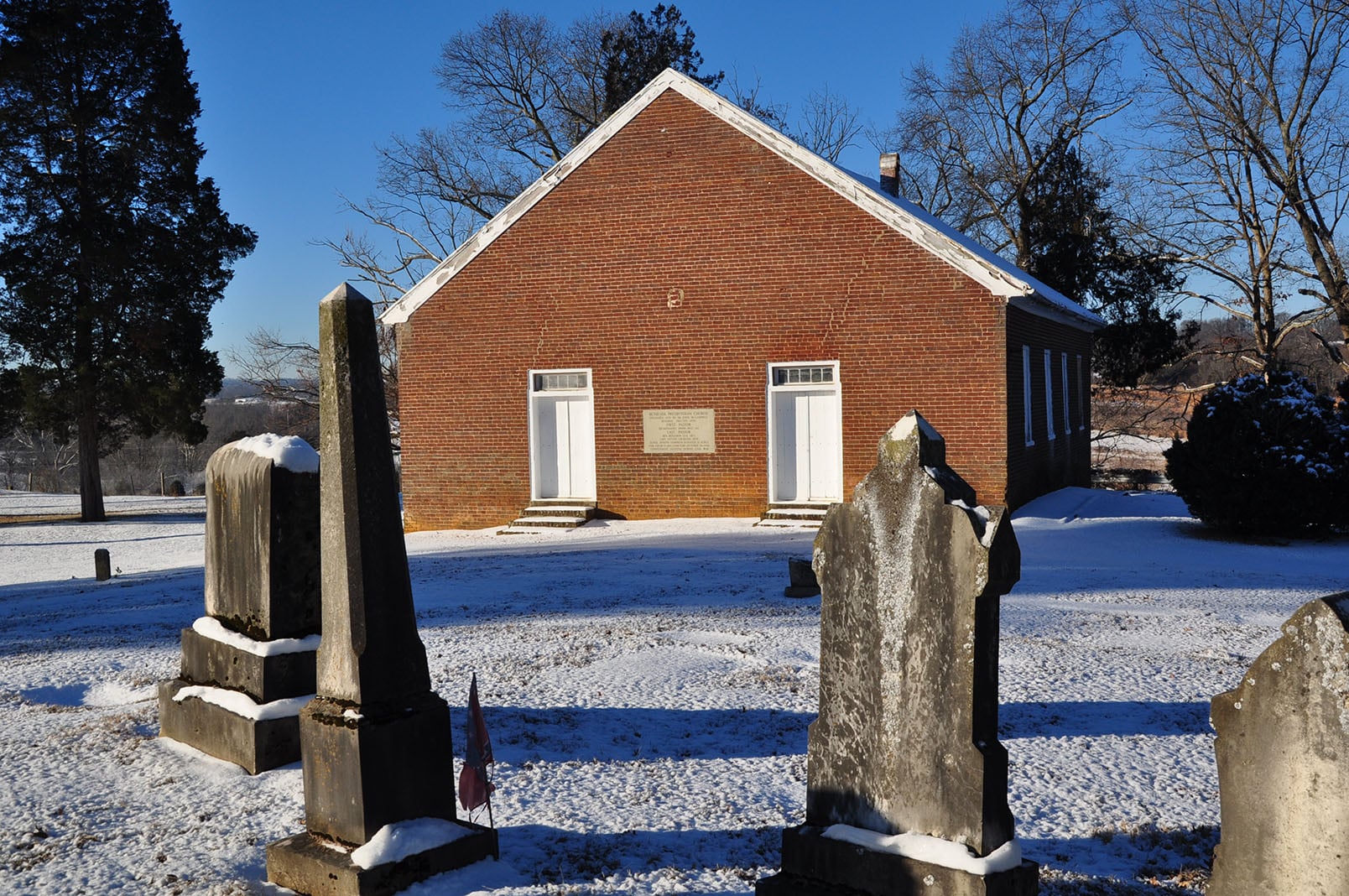
The 1835 brick facade of Bethesda Presbyterian Church in Morristown, Tennessee, with the Civil War-era cemetery visible to the right
Photo coming soon
Cemetery / Burial Ground

Bethesda Church and Cemetery

Morristown, TN

Organized in 1832 by Dr. John McCampbell and members of Hopewell Presbyterian Church, Bethesda Church was constructed in brick in 1835 on Highway 11E east of Morristown. During the Civil War it served as a hospital for both Union and Confederate wounded, including casualties from the Battle of Bean's Station (December 14, 1863), and treated smallpox patients. General James Longstreet's 25,000-man Confederate force wintered on the property from late 1863 through February 1864. Approximately 82 unknown soldiers are buried in the adjacent cemetery.

$ All Ages Family: High

Mountain City — 1

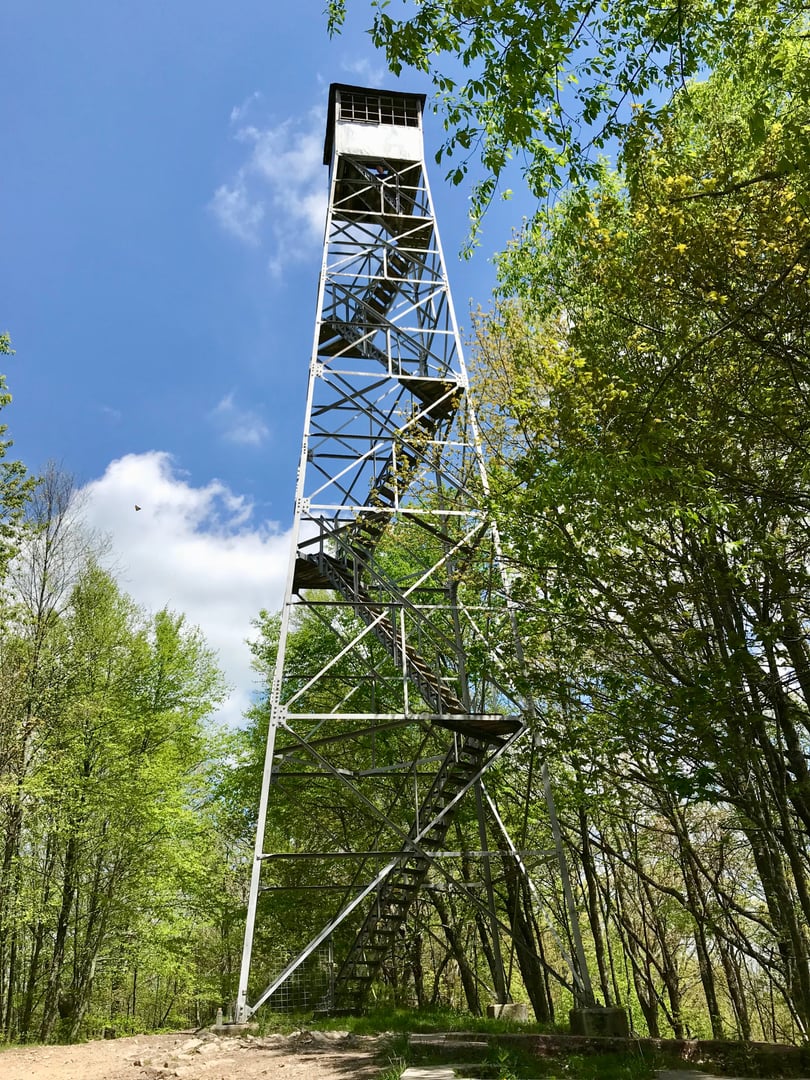
Kettlefoot Fire Lookout Tower atop Doe Mountain in the Doe Mountain Recreation Area, Johnson County, Tennessee
Outdoor / Natural Site

Doe Mountain Recreation Area

Mountain City, TN

Doe Mountain in Johnson County, Tennessee is a protected mountain landscape now managed as Doe Mountain Recreation Area, covering 8,600 acres of Appalachian Highland terrain. The mountain has been part of the Johnson County landscape for centuries, with the surrounding region carrying a long history of Cherokee habitation before European settlement in the 18th and 19th centuries.

$ All Ages Family: Moderate

Murfreesboro — 1

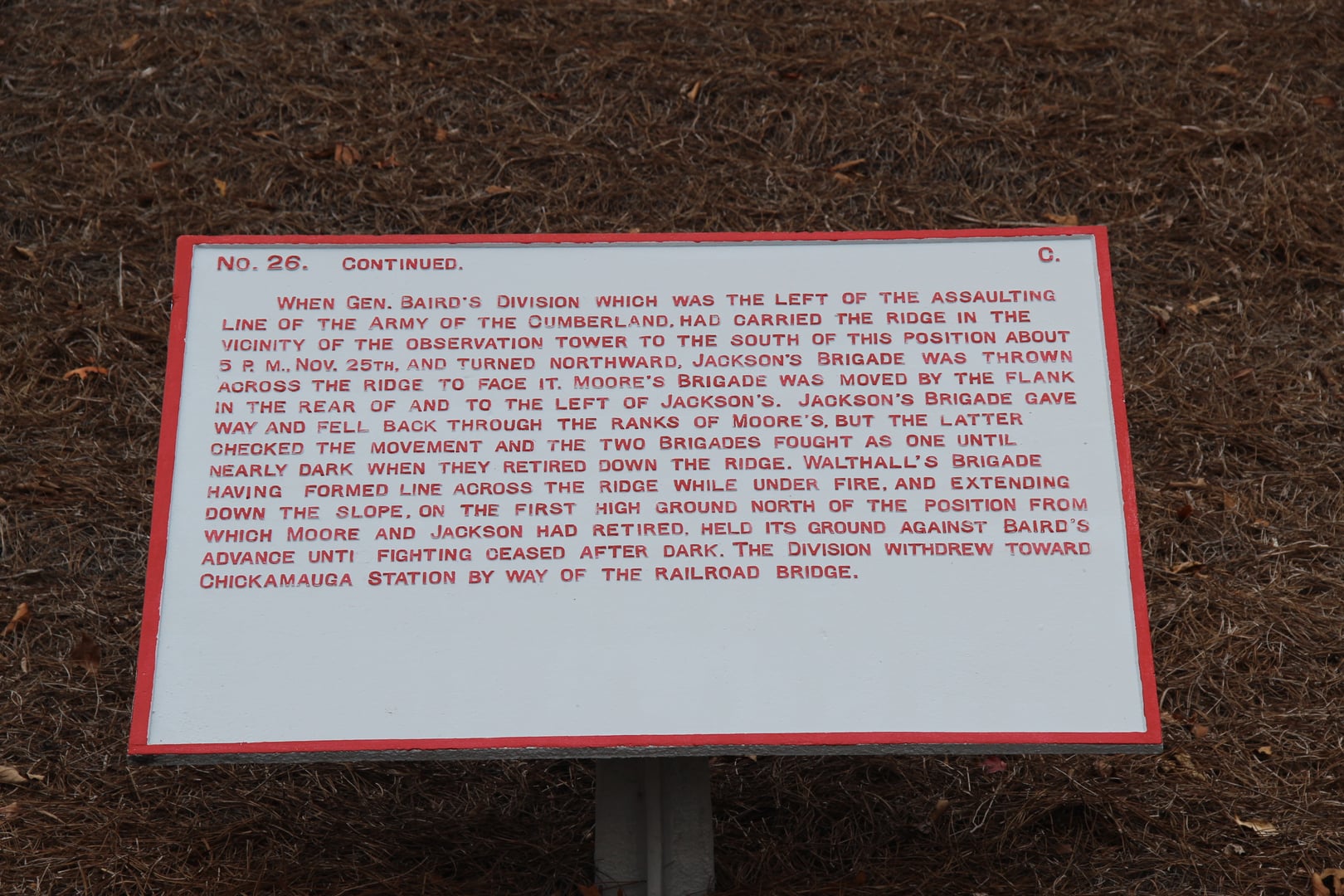
The Hazen Brigade Monument, the oldest intact Civil War monument, at Stones River National Battlefield in Murfreesboro, Tennessee
Battlefield / Military Site

Stones River National Battlefield

Murfreesboro, TN

Stones River National Battlefield preserves 570 acres of the December 1862 to January 1863 battlefield three miles northwest of Murfreesboro, Tennessee. The Battle of Stones River produced the highest percentage of casualties of any major Civil War engagement and secured Nashville as a Union supply base for the remainder of the war.

$ All Ages Family: High

Oak Ridge — 1

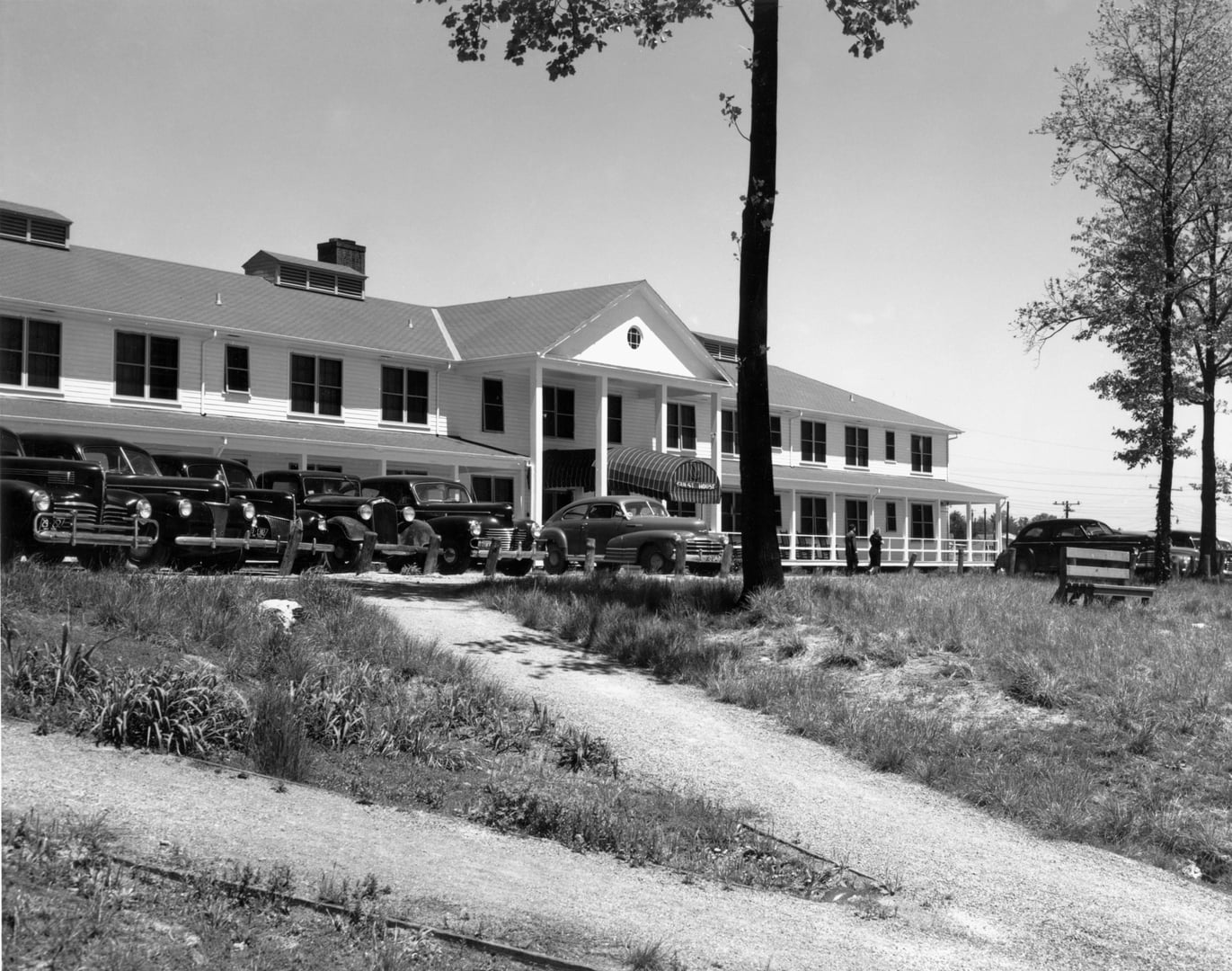
The Oak Ridge Guest House (later renamed the Alexander Inn) in 1947, the wood-framed Manhattan Project lodging in Oak Ridge, Tennessee.
Museum / Historical Site

Alexander Inn

Oak Ridge, TN

The Alexander Inn opened in 1943 as the Guest House for the secret federal city of Oak Ridge, Tennessee, lodging Manhattan Project scientists and military officials including Robert Oppenheimer, Enrico Fermi, and General Leslie Groves. Renamed in 1950, it operated as a hotel until the mid-1990s, sat derelict for two decades, and reopened in 2015 as the Alexander Guest House senior living community.

$ Active senior living community; not a public attraction Family: High

Oliver Springs — 1

Harvey's Furniture on Main Street in Oliver Springs, Tennessee, built on the site of the former Richards Mansion
Photo coming soon
True Crime Site

Harvey's Furniture (Richards Mansion Site)

Oliver Springs, TN

Harvey's Furniture in downtown Oliver Springs, Tennessee, stands on the former site of the Richards Mansion, where on February 5, 1940, sisters Margaret and Ann Richards and a 16-year-old errand boy, Leonard 'Powder' Brown, were found shot to death. The triple murder was never solved, and the mansion was later destroyed by fire and replaced by the store.

$ All Ages Family: Moderate

Petros — 1

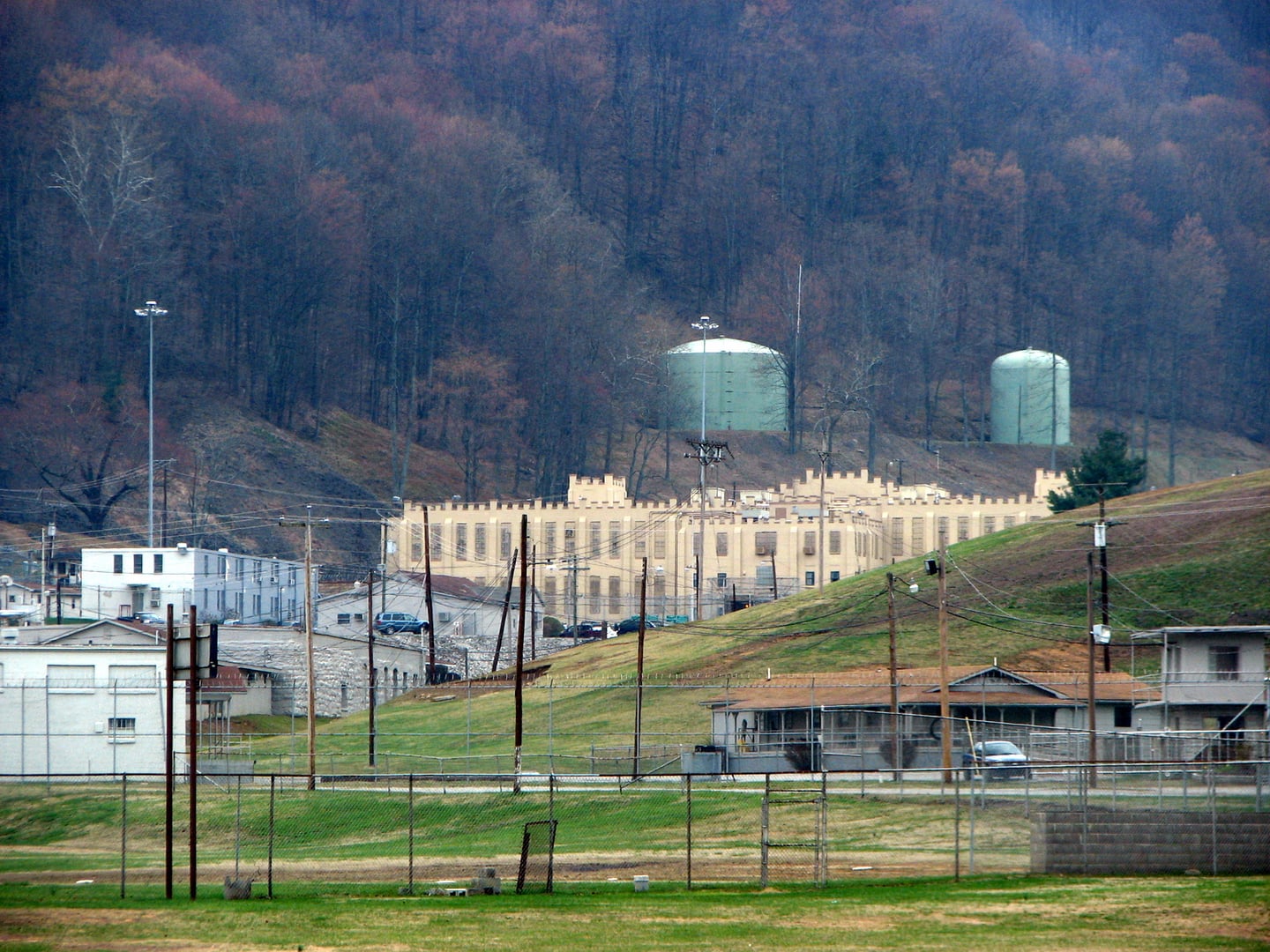
Brushy Mountain State Penitentiary stone walls and guard tower in Petros Tennessee
Prison / Reformatory

Brushy Mountain State Penitentiary

Petros, TN

Brushy Mountain State Penitentiary opened in 1896 in the aftermath of Tennessee's Coal Creek War, built in part by the convicts who would subsequently mine coal on the same grounds. The prison operated for 113 years before closing in 2009, housing notable inmates including James Earl Ray — the convicted assassin of Martin Luther King Jr. — who made a 1977 escape using a pipe ladder and was recaptured after 54 hours.

$$$ 18+ for paranormal tours (16-17 with parent/guardian) Family: Not Recommended

Red Boiling Springs — 1

White weatherboard facade of the Thomas House Hotel with multi-level verandas in Red Boiling Springs, Tennessee
Haunted Hotel / Inn

Thomas House Hotel

Red Boiling Springs, TN

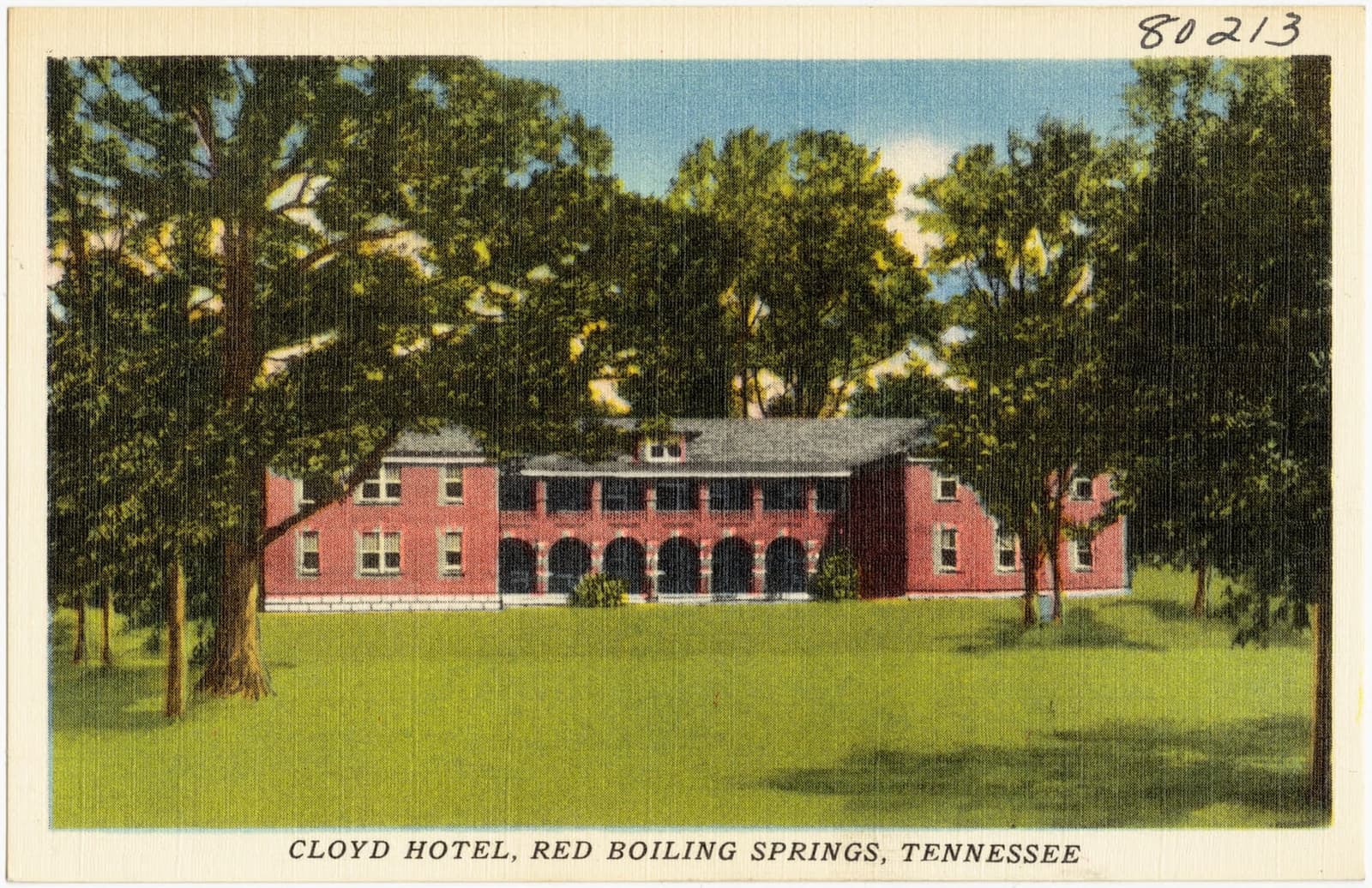
The Thomas House Hotel in Red Boiling Springs, Tennessee began as the Cloyd Hotel, built in 1890 during the town's mineral spring resort boom. Red Boiling Springs attracted visitors claiming therapeutic benefits from its sulfur springs, and the hotel served that clientele through multiple ownership changes before the springs fell from commercial favor. The building has experienced at least three fires, numerous deaths, and a brief period of reported cult activity in the late 1980s.

$$ All Ages for hotel/dining; 16+ with adult supervision for Ghost Hunt Weekends investigation events (18+ as independent adult) Family: Low

Shiloh — 1

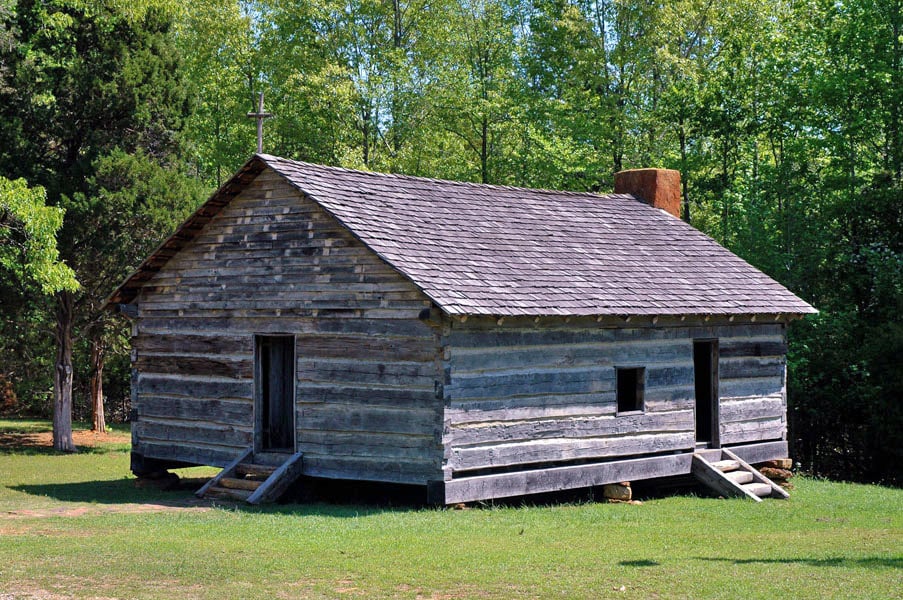
Replica of the historic Shiloh Church at Shiloh National Military Park, Tennessee, site of the 1862 Civil War battle
Battlefield / Military Site

Shiloh National Military Park

Shiloh, TN

The Battle of Shiloh on April 6 and 7, 1862, was the bloodiest engagement in American history to that point, producing 23,746 combined casualties. Congress established the battlefield as one of the first four national military parks in 1894; the National Park Service has administered it since 1933.

$ All Ages Family: High

South Pittsburg — 1

Multi-story former community hospital building in South Pittsburg, Tennessee
Asylum / Hospital

Old South Pittsburg Hospital

South Pittsburg, TN

The Old South Pittsburg Hospital opened in 1959, founded by four physicians to serve this small Tennessee community near the Alabama border. The 68,000-square-foot facility operated for nearly four decades before closing in 1998. The property has deeper historical roots: Union soldiers occupied the land during the Civil War in 1863, and the area was inhabited by Native Americans dating back to at least 1778.

$$$ 18+ with valid ID required for all events Family: Not Recommended

Surgoinsville — 1

Stone graves and church building at New Providence Presbyterian Cemetery on a hilltop in Surgoinsville Tennessee
Photo coming soon
Cemetery / Burial Ground

New Providence Presbyterian Church, Academy & Cemetery

Surgoinsville, TN

New Providence Presbyterian Church was established in 1780 by settlers from Virginia's Carter Valley and became one of the earliest congregations in East Tennessee. The associated cemetery, now part of an 18-acre National Register of Historic Places property, holds Revolutionary War soldiers including Colonel George Maxwell, a Battle of Kings Mountain veteran. Maxwell Academy, named in his honor and established in the 1850s, once served as the community's primary educational institution.

$ All Ages Family: High

Sweetwater — 1

Open Graph image from www.thelostsea.com
Museum / Historical Site

The Lost Sea Adventure

Sweetwater, TN

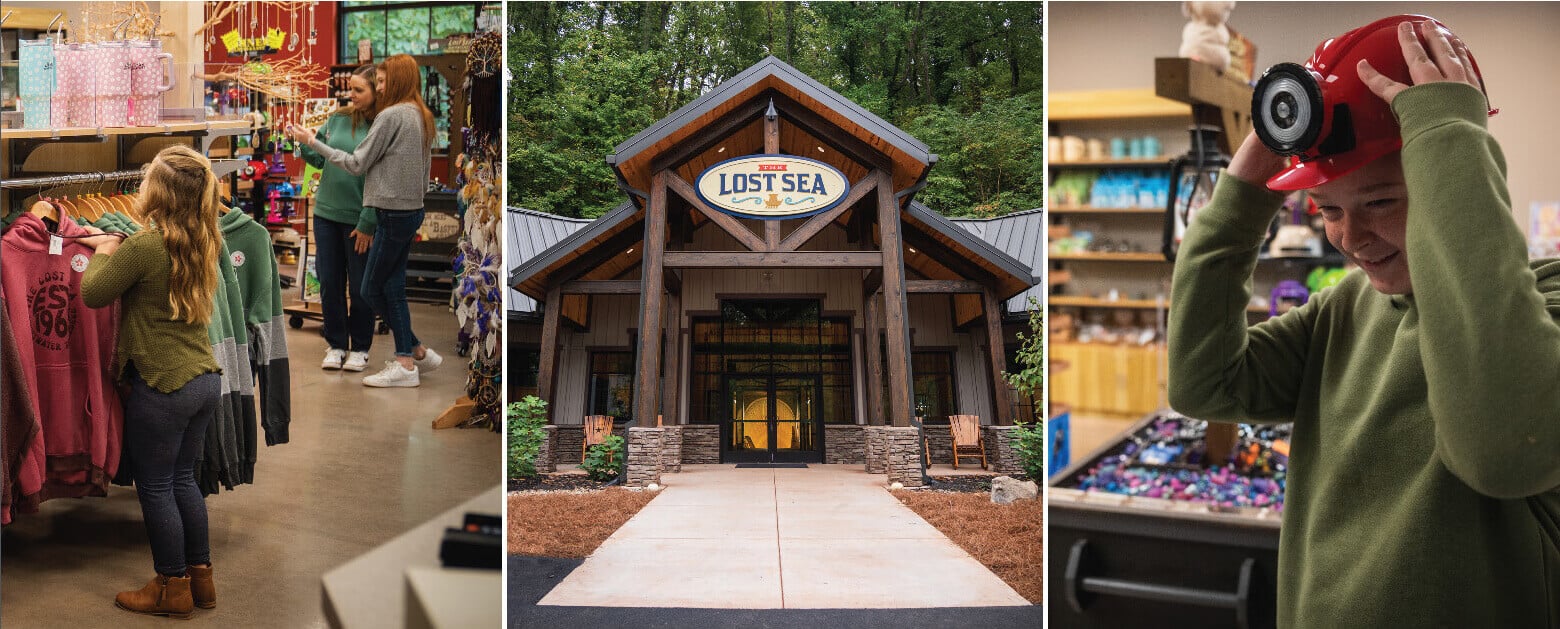
Craighead Caverns in Sweetwater, Tennessee, has been continuously used for roughly 10,000 years — by Cherokee peoples, European settlers who cooled food in its constant 58-degree chambers, and Confederate soldiers who mined its saltpeter deposits for gunpowder during the Civil War. The underground lake itself remained unknown to outsiders until 1905, when Ben Sands, a local teenager, discovered it.

$$ All Ages Family: High

Wartrace — 1

Three-story brick Walking Horse Hotel facade in downtown Wartrace Tennessee
Photo coming soon
Haunted Hotel / Inn

Walking Horse Hotel

Wartrace, TN

Built in 1917 as Hotel Overall, this Bedford County landmark was purchased in 1933 by Floyd and Olive Carothers, whose horse-training operation led directly to the founding of the Tennessee Walking Horse National Celebration in 1939. First-champion Strolling Jim, trained by Floyd Carothers, is buried behind the hotel. Listed on the National Register of Historic Places, the hotel was restored and reopened in 2007 by current owner Joe Peters.

$$ All Ages Family: Moderate

By type