Est. 1850 · National Register of Historic Places (1996) · Mid-Nineteenth-Century Rural Cemetery Movement · Victorian Funerary Sculpture · Burial of Tennessee Governor William G. Brownlow
Old Gray Cemetery was incorporated in 1850 and consecrated the following year. The cemetery's founders chose the name in tribute to English poet Thomas Gray, whose 1751 "Elegy Written in a Country Churchyard" was one of the most-quoted poems in nineteenth-century American funerary culture. Old Gray was Knoxville's second cemetery, after the colonial-era First Presbyterian burying ground, and was laid out as a rural cemetery in the mid-century landscape design movement.
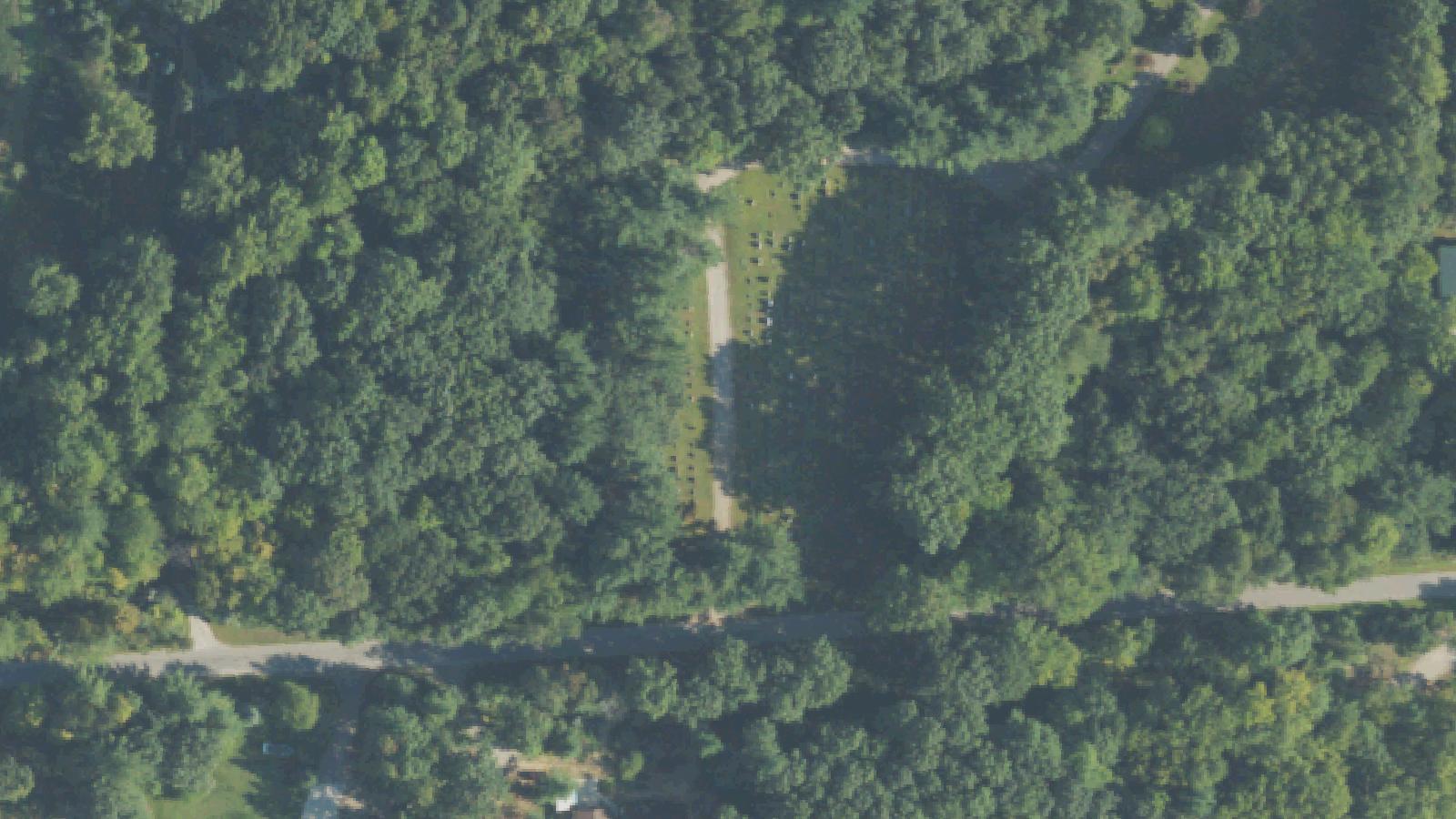
The thirteen-acre site contains approximately 5,700 graves. Notable burials include Governor William G. "Parson" Brownlow (Tennessee governor 1865–1869 and U.S. senator), several Knoxville mayors, and Confederate and Union Civil War veterans (Knoxville was contested ground during the war; the city changed hands in late 1863). The cemetery is regularly cited by funerary historians for its concentration of Victorian-era stone carving and monumental sculpture.
Old Gray was added to the National Register of Historic Places in 1996 and is maintained by the Old Gray Cemetery Association.
Sources
- https://www.onlyinyourstate.com/experiences/tennessee/beautiful-and-haunted-cemetery-tn
- https://frightfind.com/the-old-gray-cemetery/
- https://hauntedoldgray.wordpress.com/2010/07/24/hello-world/
- https://en.wikipedia.org/wiki/Old_Gray_Cemetery
Shadow figuresApparitionsPhantom voices
The Dark Aggie tradition is Old Gray's signature local legend. Knoxville oral tradition describes the figure as a male form clothed in black, sometimes appearing as a shadowed apparition and sometimes as a more distinct figure floating slightly above the ground. Several variants attribute to Dark Aggie the ability to call a visitor by name; the figure is said to whisper the visitor's name from behind, only to be absent when the visitor turns.
The origin of the Dark Aggie name is undocumented; some accounts derive it from "Black Agnes," a generic name used in cemetery lore across the American South and Mid-Atlantic for unidentified statuary or apparitions. The figure is unrelated to the specific Black Aggie statue at Druid Ridge Cemetery in Baltimore, although the names are often confused.
Reports of Dark Aggie circulate through Knoxville paranormal interest groups, regional ghost-tour operators, and online state-tourism listings. None of the accounts have been corroborated by independent investigation, and no person buried in the cemetery is traditionally identified with the figure.
The cemetery has not been the subject of major televised paranormal programming. Its dark-tourism appeal sits at the intersection of nineteenth-century funerary culture, Civil War-era Knoxville history, and the persistent local lore around Dark Aggie.
Notable Entities
Dark Aggie