Est. 1943 · Manhattan Project · World War II Federal City · Atomic Heritage
Oak Ridge did not exist before 1942. The federal government built the entire city behind a fence to enrich uranium for the Manhattan Project, and the Guest House was designed in 1943 to lodge the scientists, generals, and contractors who passed through the secret installation. The roster of overnight visitors during the war years included J. Robert Oppenheimer, Enrico Fermi, and General Leslie Groves.
A 44-room addition was completed in 1949 to meet civilian demand as Oak Ridge transitioned from a closed military reservation to an open city. The building was renamed the Alexander Inn in September 1950 and operated as a commercial hotel for the next four decades. It hosted weddings, professional conferences, and the social functions of a town whose population had ballooned around national laboratory work.
The inn ceased hotel operations in the mid-1990s. For nearly twenty years the structure deteriorated under a series of failed redevelopment plans. Asbestos, water damage, and broken windows marked the most photographed period of its history, when urban explorers and amateur paranormal investigators routinely trespassed on the property.
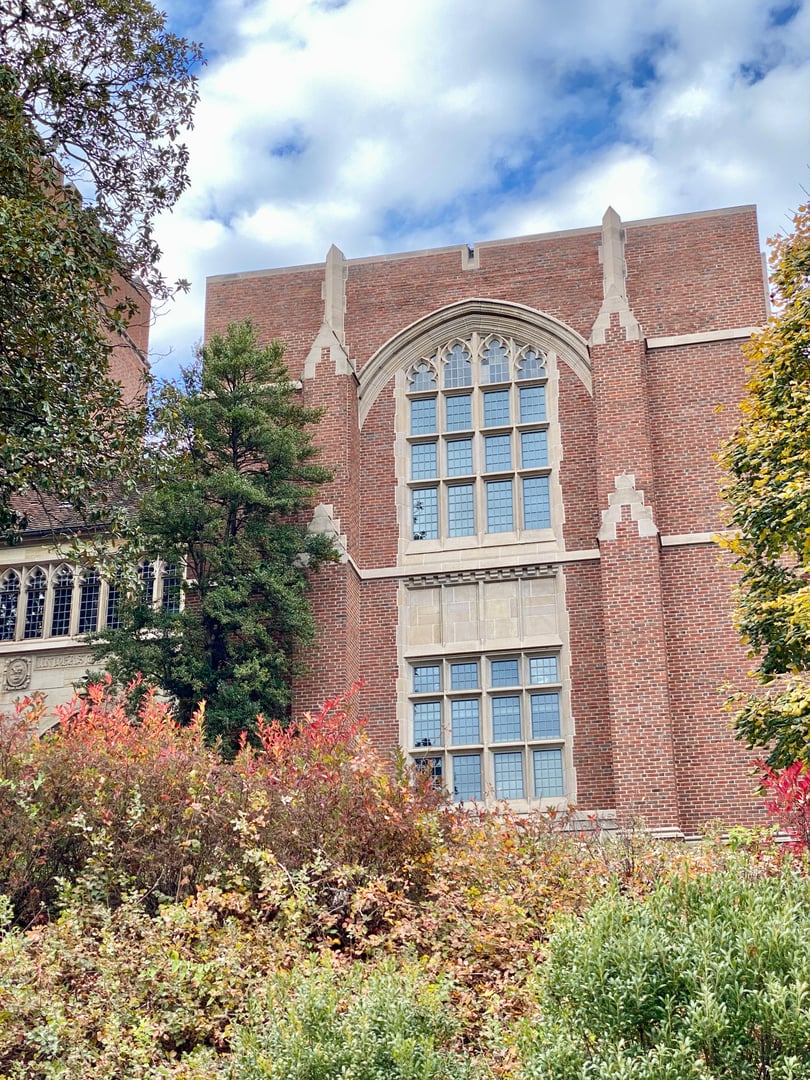
In November 2015, the inn reopened after an $8 million renovation as the Alexander Guest House, a 64-unit assisted living and memory care community operated by Senior Solutions Management Group. The exterior was restored to its 1943 lines, and interior signage references the building's role in atomic-age history. The property is private residential housing today; visitors are welcome to view the exterior from the public sidewalk.
Sources
- https://en.wikipedia.org/wiki/Alexander_Inn
- https://ssmgrp.com/communities/alexander-guest-house/
- https://www.atlasobscura.com/places/alexander-inn
Phantom footstepsPhantom smellsApparitionsShadow figures
The paranormal reputation of the Alexander Inn took shape during the long period of abandonment between roughly 1995 and 2015. Trespassers and urban-exploration photographers were the primary witnesses, and accounts published on regional haunted-places sites describe phantom footsteps ascending the main staircase, the smell of cigarette smoke in rooms whose furniture had been removed, and a silhouette observed from outside watching through curtains that had not been drawn.
No named ghosts attach to the property. The reports cluster around generic mid-century tropes - a woman in 1940s dress, a uniformed military figure - that align with the building's wartime use. Historians of the Manhattan Project have not documented any deaths, suicides, or violent incidents at the Guest House during its operational decades.
Since the 2015 reopening as senior living, the haunted reputation has receded from active reporting. The Alexander Guest House does not market or acknowledge paranormal activity, and current residents and staff are not interview subjects for paranormal investigation. Most online accounts that still circulate were generated during the abandonment era and describe a building that no longer exists in the form they encountered.