Guided Tour
Mabry-Hazen House Museum Tour
Docent-led tour of the 1858 Italianate residence, featuring more than 2,000 original family artifacts.
- Duration:
- 1 hr
HauntBound archive · catalog record
Reported phenomena, as catalogued
1858 Italianate-and-Greek-Revival house museum in Knoxville lived in by three generations of the Mabry-Hazen family, connected to the 1882 Mabry-O'Connor Gay Street gunfight chronicled by Mark Twain, and home to an annual Victorian Seance Experience.
1711 Dandridge Avenue, Knoxville, TN 37915
Research updated September 2026
Age
Museum tours admit children under 13 free; the Victorian Séance requires guests to be age 10 or older.
Cost
$$
Regular guided tours are $10 for adults, $8 for students with ID, and free for children under 13; adult groups of 15 or more are $8 per person. The Victorian Séance is ticketed separately.
Access
Limited Access
Two-story historic house with stairs
Equipment
Photos OK
Est. 1858 · Italianate-and-Greek-Revival house lived in by three generations of one family · Connected to the 1882 Mabry-O'Connor triple-homicide gunfight on Gay Street · Documented by Mark Twain in 'Life on the Mississippi' (1883) · Last resident Evelyn Hazen was a practicing Spiritualist · Listed on the National Register of Historic Places (1989)
Joseph Alexander Mabry II built the house in 1858 on what was then the eastern edge of Knoxville, naming it Pine Hill Cottage. The residence was significantly expanded in 1886 and combines Italianate and Greek Revival architectural elements. Mabry was a wealthy businessman and a polarizing public figure in Reconstruction-era Knoxville.
In 1882 a violent confrontation between the Mabry and O'Connor families on Gay Street ended in a triple homicide: Joseph A. Mabry II, his son Joseph III, and Thomas O'Connor were all killed. Mark Twain wrote about the incident in his 1883 book 'Life on the Mississippi,' citing it as an example of the persistence of Southern frontier violence and quoting the local newspaper account.
The house then passed to Joseph II's daughter Alice Evelyn Mabry, who married Rush Strong Hazen. Their youngest daughter, Evelyn Hazen, was the last family resident. Evelyn lived in the house with numerous pets until her death in 1987 and was a practicing Spiritualist. Her will required that the property either become a museum or be demolished; the Mabry-Hazen House Museum opened in 1992.
The house was added to the National Register of Historic Places on November 13, 1989. It retains its original furniture and family collections, with more than 2,000 original artifacts on display, including antique china and crystal. The museum hosts an annual 'A Victorian Seance Experience' during Halloween that draws on Evelyn's spiritualist practices and the home's documented domestic lore.
Sources
The principal documented haunting at Mabry-Hazen House centers on Evelyn Hazen herself. According to VisitKnoxville, Evelyn (the last family resident, a practicing Spiritualist) reported that the apparition of her former companion Jack McKnight appeared in her bedroom for several weeks after his death; she ultimately moved to a different bedroom as a result. The lore is unusual in that it traces to a named family member's own testimony rather than third-party tour-guide claim.
The house's broader emotional weight is shaped by the 1882 Mabry-O'Connor gunfight, in which the home's builder Joseph Mabry II and his son Joseph III were both killed, leaving the family with significant trauma that persisted through generations. The University of Tennessee Daily Beacon characterizes the home as 'a historic home with a violent story.'
The Mabry-Hazen House formalizes its paranormal identity through 'A Victorian Seance Experience,' an annual Halloween-season program advertised on the museum's official website. The program reenacts 19th-century spiritualist seance practices in keeping with Evelyn Hazen's documented beliefs. Outside of Evelyn's first-person account and ghost-tour stops, public eyewitness reports are limited, but the named-witness Spiritualist lineage makes this site stronger than typical single-source haunted-home material.
Notable Entities
Media Appearances
Docent-led tour of the 1858 Italianate residence, featuring more than 2,000 original family artifacts.
Annual Halloween-season seance reenactment exploring the spiritualist practices of last resident Evelyn Hazen.
Some links on this page may earn HauntBound a small commission when you book, at no extra cost to you. Our editorial picks are independent. Full disclosure
Every HauntBound history is researched from documented sources. We clearly separate verified historical fact from paranormal folklore.
Free Guide
11 verified stops, rated for families, mapped in order. Free.
One email to confirm, then the guide link. Unsubscribe anytime.
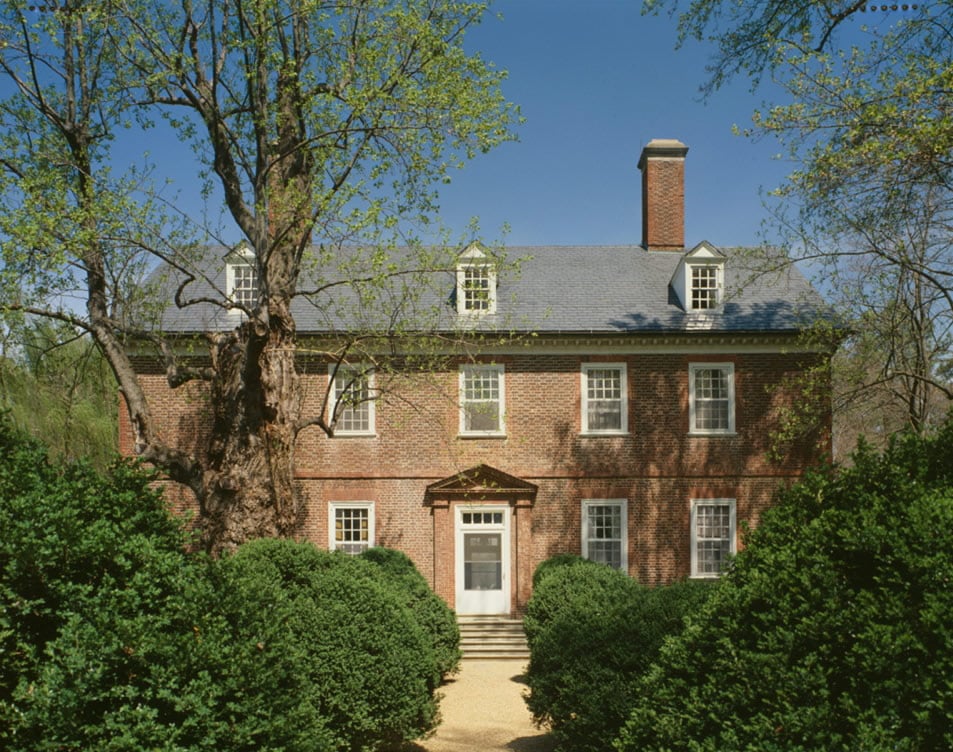
Charles City, VA
Benjamin Harrison IV built the current mansion at Berkeley Plantation in 1726, making it one of the oldest three-story brick houses in Virginia. The plantation became the birthplace of President William Henry Harrison in 1773 and the ancestral seat of a family that produced a signer of the Declaration of Independence and two U.S. Presidents. During the Civil War, General McClellan used the mansion as his headquarters and the cellar held Confederate prisoners.
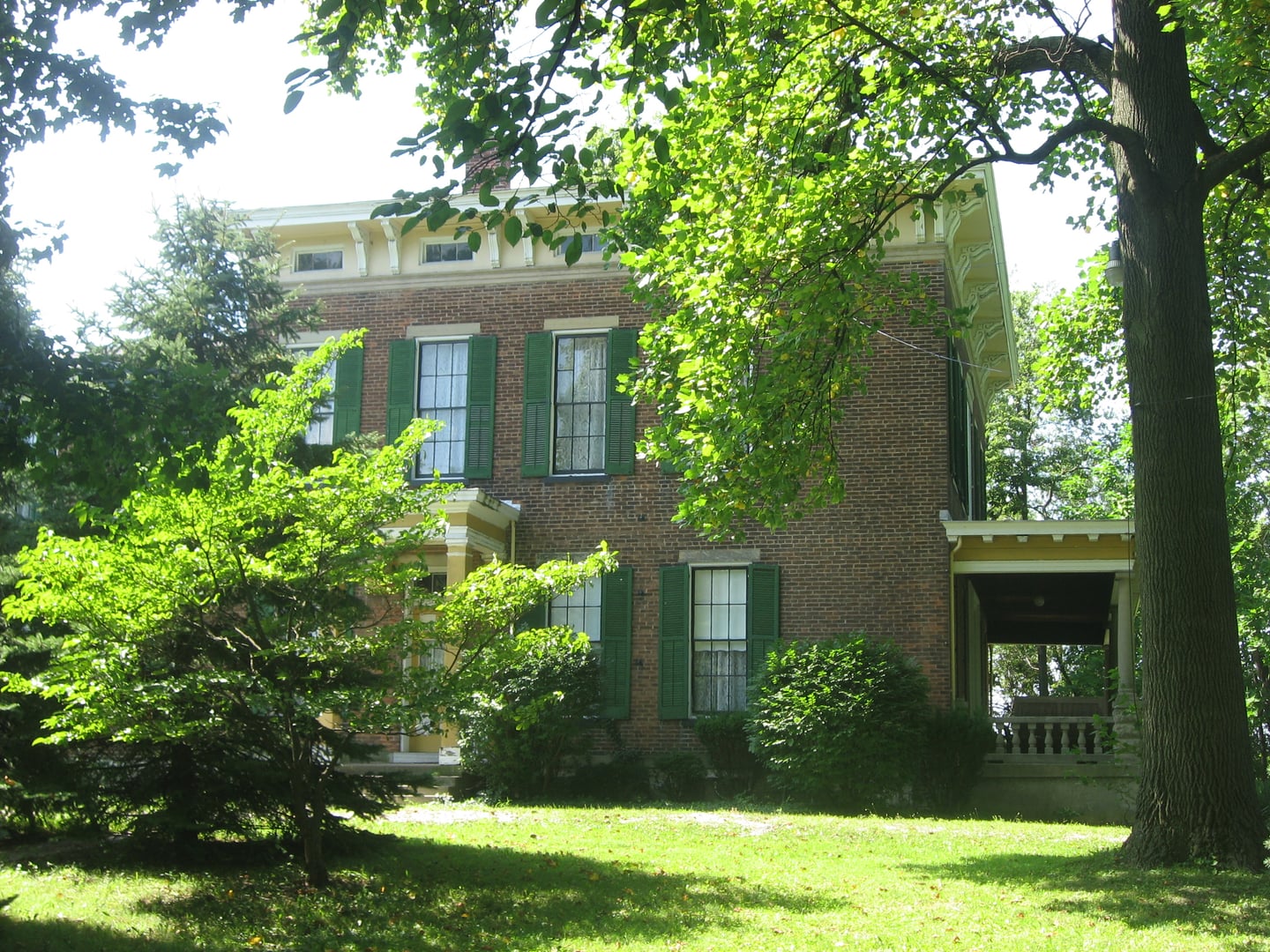
Indianapolis, IN
Hannah House is an 1858 Italianate mansion at 3801 Madison Avenue on the south side of Indianapolis, built by Alexander Hannah, an Indiana businessman who returned wealthy from the California Gold Rush. The property is listed on the National Register of Historic Places.
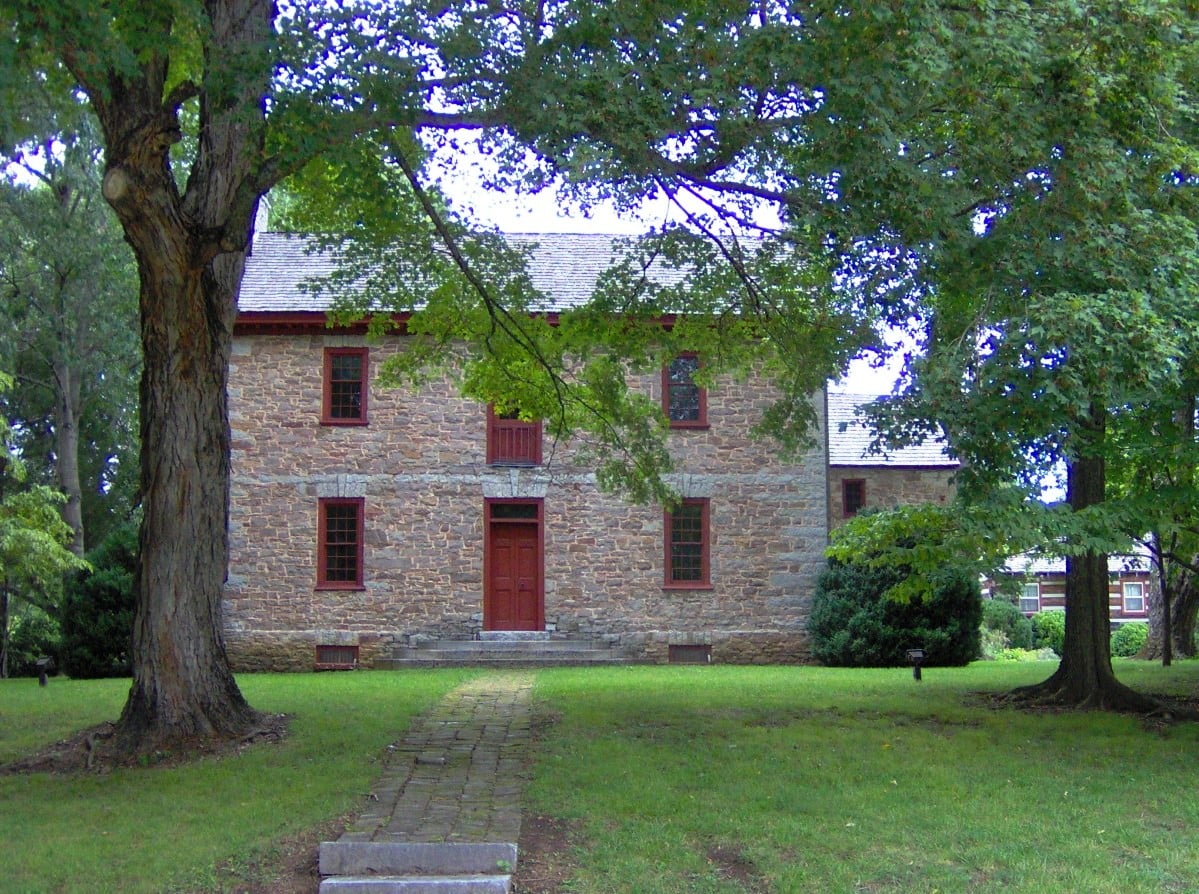
Knoxville, TN
Historic Ramsey House is a 1797 Late-Georgian two-story residence built by London-trained architect Thomas Hope for Francis Alexander Ramsey on the Swan Pond tract east of Knoxville. Constructed primarily of local pink marble with blueish-gray limestone trim, it was the first stone house in Knox County. The Association for the Preservation of Tennessee Antiquities' Knoxville Chapter has operated the property as a museum since 1952.