Self-Guided Visit
Historic Square Self-Guided Visit
The 1859 courthouse anchors the Murfreesboro public square. The exterior, cupola, and surrounding historic district are freely accessible during daylight hours.
- Duration:
- 30 min
HauntBound archive · catalog record
Reported phenomena, as catalogued
An 1859 courthouse that held Confederate prisoners and Union wounded — and a ghost story that outlasted both.
1 S Public Square, Murfreesboro, TN 37130
Research updated August 2026
Age
All Ages
Cost
$
Murfreesboro Ghost Tours include this location; see Nashville Ghosts for tour pricing.
Access
Limited Access
Historic multi-story courthouse; upper floors accessed by original stairways.
Equipment
Photos OK
Est. 1859 · Antebellum Courthouse Architecture · Civil War Confederate Prison · Civil War Union Field Hospital · Battle of Stones River Aftermath
The current Rutherford County Courthouse was completed in 1859, replacing an earlier structure on the same central-square site that has served as the county seat since 1811. The Italianate design with its distinctive cupola became a landmark of downtown Murfreesboro in the years just before the Civil War transformed the city into an active theater of operations.
When Confederate forces under General Braxton Bragg held Murfreesboro through 1862, the courthouse functioned as an administrative and detention facility, housing Union prisoners in its upper floors and jail section. After the Battle of Stones River (December 31, 1862–January 2, 1863), Union forces under General William Rosecrans occupied the town, and the building shifted roles to serve as an overflow field hospital for the thousands of casualties sustained in one of the war's bloodiest engagements — nearly 25,000 total casualties across both sides.
The third-floor jail cells reportedly witnessed at least one prisoner suicide by hanging during the Civil War period, an event documented in local historical accounts. In 1923, the building was the site of a separate tragedy: a stuntman known locally as the 'Human Fly' attempted a rooftop climbing exhibition that ended fatally, a story preserved in period Murfreesboro newspaper accounts and retold in regional ghost lore. The Rutherford County Historical Society has maintained archives of the building's history and paranormal reputation.
Sources
The most persistent paranormal account at the Rutherford County Courthouse centers on the third-floor jail cells. Multiple sources, including the Rutherford County Historical Society, document reports of cold drafts in the closed cellblock, unexplained knocking from within locked rooms, and the vague outline of a figure near the cell where a prisoner is said to have hanged himself during the war years. No specific name has been attached to this figure in primary sources, and the dignity of the account is best preserved by not speculating further.
A distinct and more locally colorful legend involves the 1923 stunt death of the so-called 'Human Fly' — a performer who climbed building exteriors as a traveling attraction. According to period newspaper accounts cited in Nashville Ghosts tour materials, the man lost his grip on the courthouse cupola and fell to his death. Local witnesses over the decades have reported seeing a figure clinging to the roofline during storms, reenacting the climb before vanishing. The story is well-embedded in Murfreesboro oral history.
The Nashville Ghosts walking tour treats both legends as distinct narrative threads, and the courthouse stop is one of the most-cited in visitor reviews of the Murfreesboro route.
Notable Entities
The 1859 courthouse anchors the Murfreesboro public square. The exterior, cupola, and surrounding historic district are freely accessible during daylight hours.
Some links on this page may earn HauntBound a small commission when you book, at no extra cost to you. Our editorial picks are independent. Full disclosure
Every HauntBound history is researched from documented sources. We clearly separate verified historical fact from paranormal folklore.
Free Guide
11 verified stops, rated for families, mapped in order. Free.
One email to confirm, then the guide link. Unsubscribe anytime.
Franklin, TN
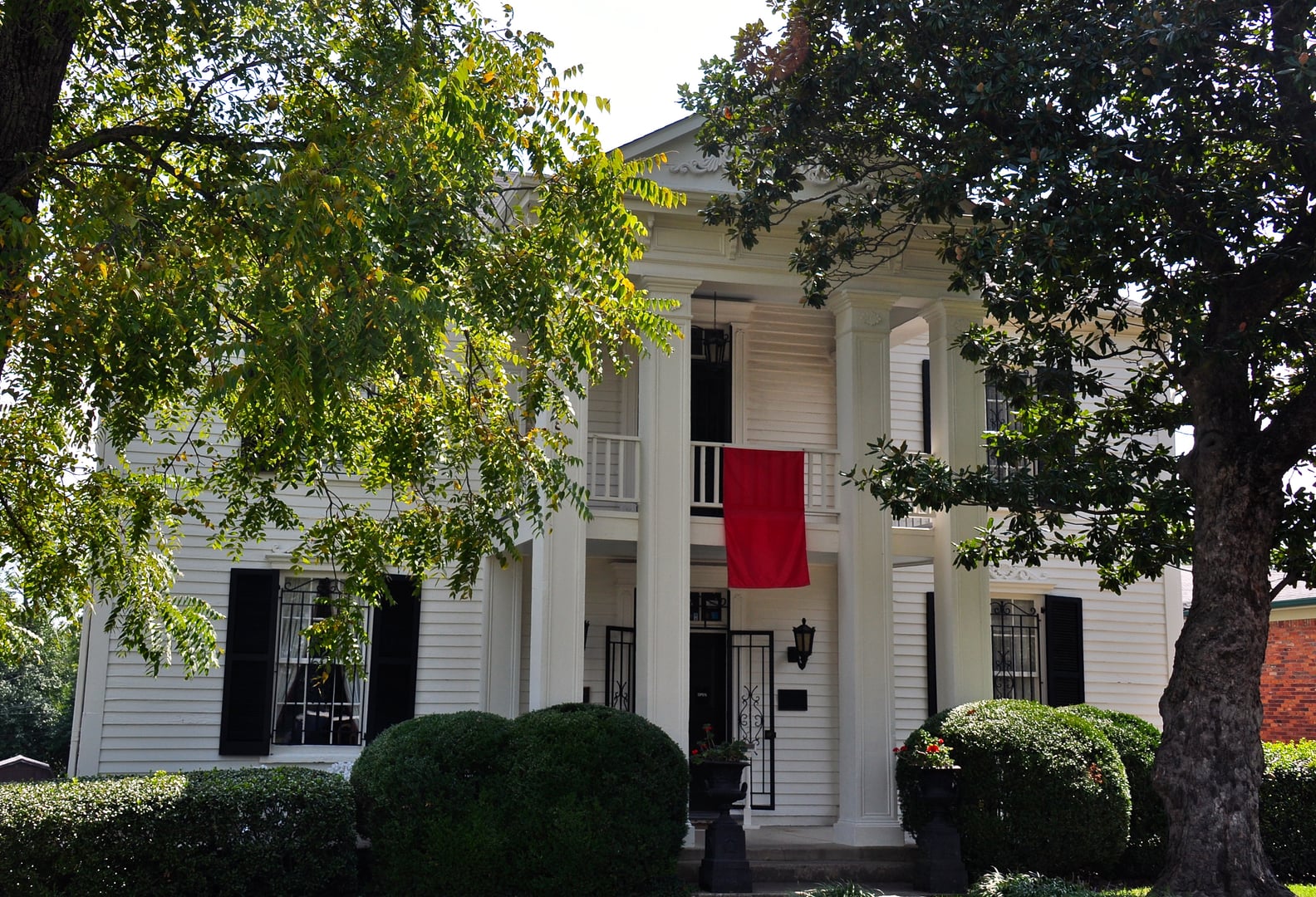
The Lotz House was built in 1858 by Johann Albert Lotz, a German immigrant furniture maker and piano craftsman from Württemberg. On November 30, 1864, the house stood directly in the path of the Confederate assault at the Battle of Franklin and absorbed cannonball damage that is still visible. After the battle it was converted into a hospital for both Confederate and Union wounded. The property has operated as a Civil War museum since the early 2000s.
Fayetteville, AR
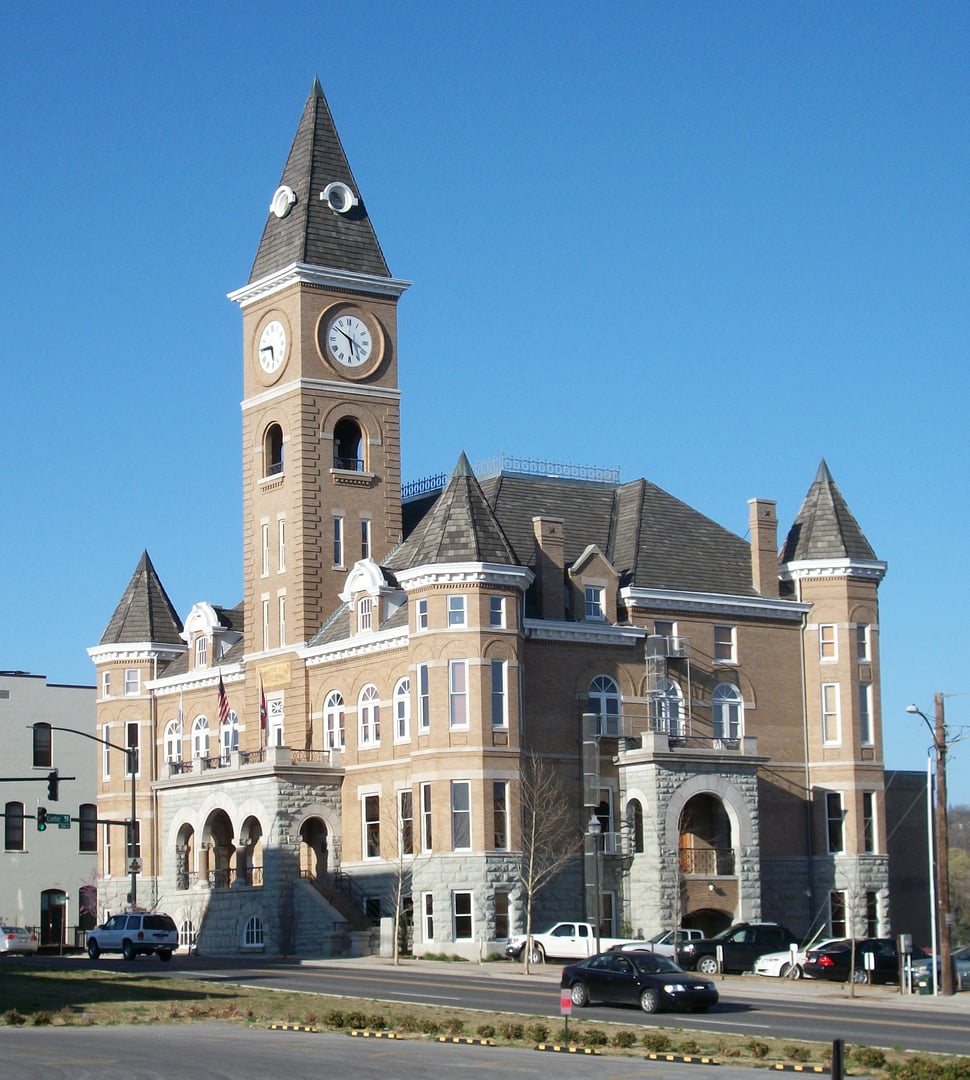
The Washington County Courthouse in Fayetteville was the seat of capital justice for the region in the late 19th century, with death sentences handed down inside and public hangings carried out on the courthouse grounds. The building's Wikipedia entry documents its history as a significant civic structure in Fayetteville.

Washington, DC
The United States Capitol was completed in its original form in 1800 and has been the seat of Congress ever since, surviving British torching in 1814 and dramatic expansion under Thomas U. Walter in the 1850s–1860s. During the Civil War, the building served as a barracks and hospital, with more than 1,500 cots placed in Statuary Hall and other spaces. The current cast-iron dome was completed in 1866 during the war.