Est. 1891 · Surviving example of a Tennessee coal company-town burial ground · Part of the documented Campbell County coal-mining landscape, among the most significant in East Tennessee · Graves relocated under the 1934 TVA Norris Dam Grave Relocation Project
Red Ash was established as a company town to serve coal-extraction operations along the Red Ash seam, one of the productive bituminous coal beds that drove Campbell County's late-19th-century industrial expansion. During the 1880s, Tennessee's coal production increased fivefold, and employment in the region's mines and surface operations reached thousands of workers. British investors acquired extensive landholdings in Campbell County and adjacent Kentucky by the 1890s, accelerating the development of company towns like Red Ash along what is now Old Highway 63.
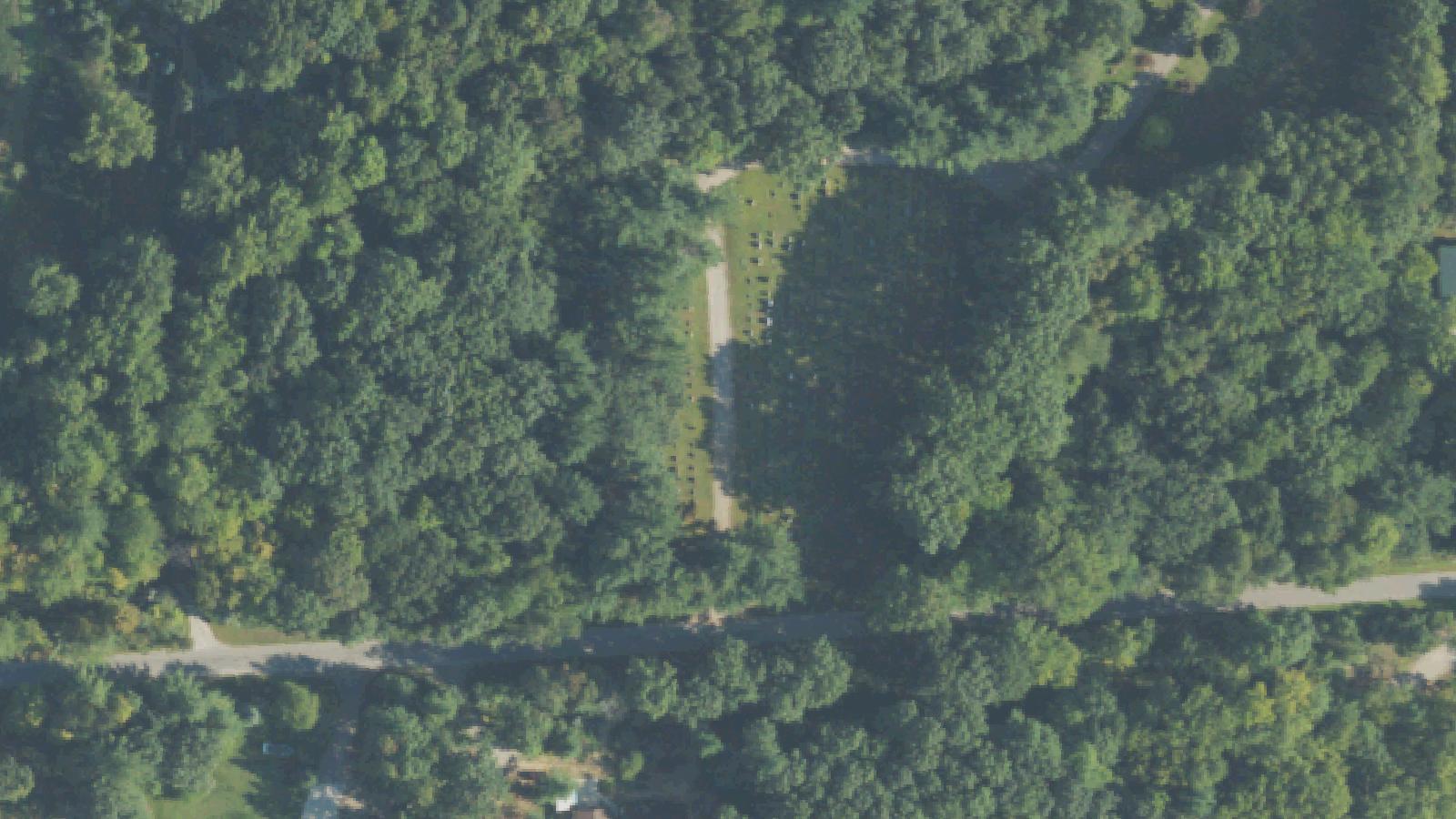
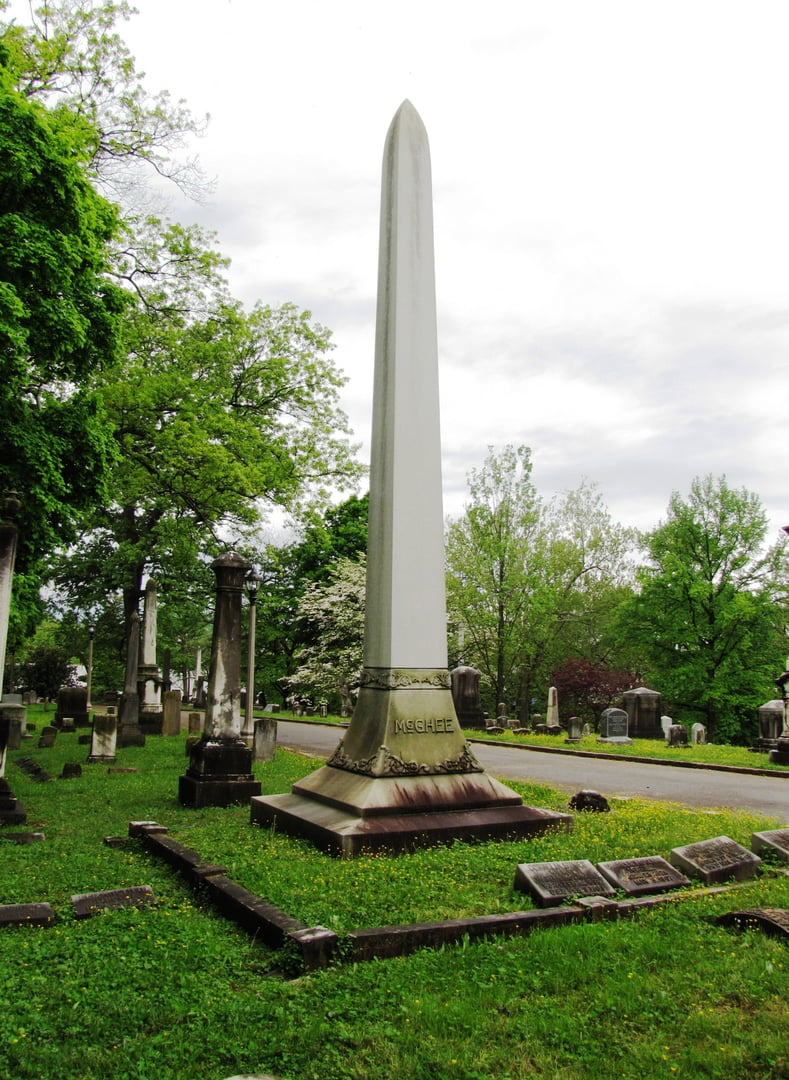
The community's burial ground — officially recorded as Turley Cemetery — accepted the town's dead for decades. When the Tennessee Valley Authority undertook the Norris Dam Grave Relocation Project in 1934, several graves from the broader area were relocated; records held at the Tennessee State Library and Archives document the project's scope across Campbell and surrounding counties.
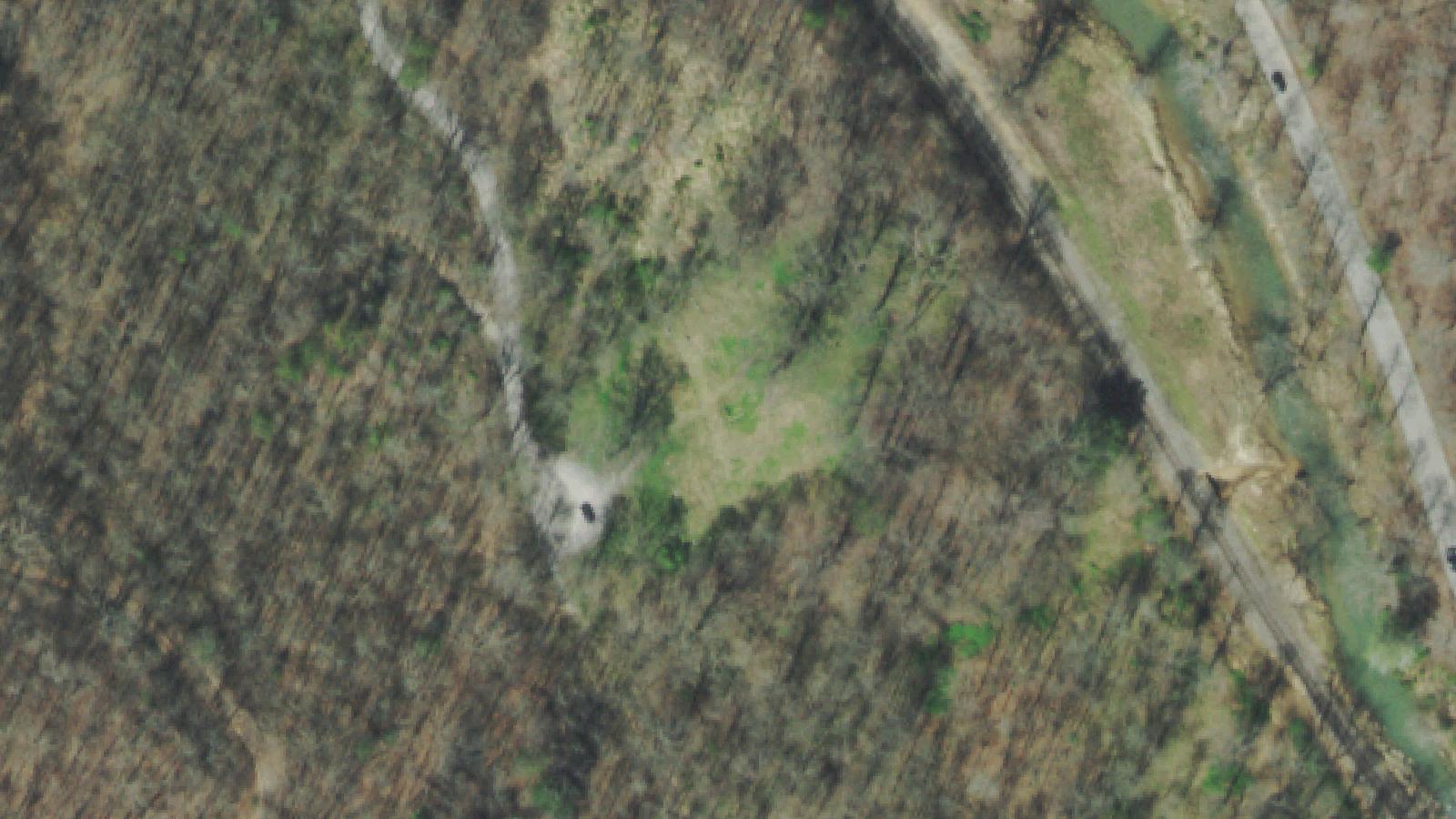
By the mid-20th century, as the most accessible seams were exhausted, Red Ash — like dozens of similar company towns in the Cumberland Plateau — was abandoned. The structures were demolished or left to decay. Today the site lies within the Royal Blue Wildlife Management Area administered by the Tennessee Wildlife Resources Agency. The old mine corridor along Old Highway 63 retains stone piers, railroad bed traces, and the Turley Cemetery as its most legible remnants. The sign directing visitors to the cemetery was removed in a deliberate effort to limit trespass.
Sources
- https://www.tngenweb.org/campbell/history/coalmines.html
- https://hauntedredash.wordpress.com/2010/05/02/haunted-red-ash-coal-towers-caryville-tn/
- https://www.findagrave.com/cemetery/2129756/turley-cemetery
- https://caretakerproj.wordpress.com/2021/03/05/haunted-red-ash/
- https://coalcampusa.com/tennessee-coal-mines/tennessee-coal-mines.htm
Orb lights and blue hovering lights near railroad tracksDisembodied voices and crying sounds near the creekShadow figures near coal-tower ruins and cemetery perimeterSensation of being followed or watched in the corridor
The haunted reputation of the Red Ash area has been documented in multiple independent sources since at least 2010, when a dedicated investigation blog (hauntedredash.wordpress.com) catalogued witness accounts from the 8–10-mile Old Highway 63 corridor. Reported phenomena span the cemetery, railroad right-of-way, coal-tower ruins, creek, and old depot foundation.
The most commonly reported experiences include mysterious lights described as orbs or hovering blue illumination near the former railroad tracks — consistent in size and behavior across accounts separated by years. Investigators and casual visitors alike report unexplained sounds in the creek drainage in the early-morning hours: wailing, crying, and indistinct voices. The old depot foundation and coal-tower stone piers are associated with reports of moving shadows and the sensation of being watched.
The cemetery itself is the focus of the most enduring local legend: a creature described in classic rural Tennessee folklore terms as large, dark, and capable of driving away intruders. Folklorists and skeptical investigators have noted that this creature description is a recurring motif in rural cemetery lore across the Southern Appalachian region and likely reflects the fear response associated with isolation and trespass rather than any documented encounter. The CARETAKER paranormal blog (2021) specifically criticized the sensationalized 'most haunted in the world' framing applied to Turley Cemetery, arguing that the site deserves respect as a genuine burial ground rather than an entertainment destination.
Author Tammy J. Poore documented investigation experiences at Red Ash in her regional paranormal book, noting that some of the site's previously accessible features have since been destroyed or closed to the public.