Self-Guided Visit
Self-Guided Cemetery Walk
Wander the city's oldest cemetery to find the graves of James White, William Blount, Hugh Lawson White, and other early Knoxvillians.
- Duration:
- 45 min
HauntBound archive · catalog record
Reported phenomena, as catalogued
Knoxville's oldest cemetery (platted 1795, with burials likely from the early 1790s) holding the graves of city founder James White and territorial governor William Blount; long believed locally to be haunted.
620 State Street, Knoxville, TN 37902
Research updated May 2026
Age
All Ages
Cost
Free
Free public cemetery; donations to First Presbyterian welcome
Access
Limited Access
Historic cemetery with uneven ground and stone steps
Equipment
Photos OK
Est. 1795 · Oldest cemetery in Knoxville, platted 1795 with earlier burials · Burial site of William Blount, James White, Hugh Lawson White, and Samuel Carrick · Roughly one-tenth of marked graves date to the 1838 yellow fever epidemic · Final burial 1879; cemetery preserved by First Presbyterian Church · Listed on the National Register of Historic Places (1996)
James White, Knoxville's founder, worked with surveyor Charles McClung in 1791 to plat the new town and reserve space for a church and cemetery. While the cemetery was not officially platted until 1795, burials likely occurred earlier, and many graves were already in place by 1799. The cemetery sits adjacent to 620 State Street in downtown Knoxville next to First Presbyterian Church.
Notable burials include territorial governor William Blount, James White himself, U.S. senator and 1836 presidential candidate Hugh Lawson White, church founder and first Blount College president Samuel Carrick, and U.S. senator John Williams. The 1838 yellow fever epidemic proved particularly deadly: approximately one-tenth of marked graves date to that single year.
The cemetery formally operated until 1857, though the final burial occurred in 1879. After that, it was preserved as a historic graveyard rather than an active burying ground. The site is now maintained by First Presbyterian Church and is open to the public during daylight hours.
First Presbyterian Church Cemetery was added to the National Register of Historic Places on December 4, 1996, and is widely considered one of Knoxville's most important historic-preservation properties.
Sources
First Presbyterian Church Cemetery has held a haunted reputation in Knoxville for more than a century. The most frequently cited piece of evidence is a young Adolph S. Ochs (later publisher of the New York Times) who worked as a printer's devil at the Knoxville Chronicle in the 1870s. According to multiple regional histories, Ochs preferred to remain at the print shop until daylight rather than walk past First Presbyterian Cemetery after dark; this extended overnight presence reportedly helped him master the printing trades early in his career.
The cemetery is a stop on multiple downtown Knoxville ghost walking tours, including the US Ghost Adventures Knoxville Ghost Tour, and is sometimes associated with the spirit of Abner Baker. Visitor reports collected by ghost-tour operators describe a general feeling of being watched, unexplained cold spots, and occasional shadow figures among the headstones.
Because the cemetery contains the graves of so many of Knoxville's founding families and a substantial cluster of 1838 yellow-fever victims, ghost-tour material commonly anchors the haunted reputation to the unusual concentration of early Knoxville deaths. Specific named-witness modern paranormal accounts are limited in published sources, but the Ochs anecdote and the cemetery's continued role in Knoxville ghost tourism make this one of the city's most enduring spirits-of-place locations.
Notable Entities
Wander the city's oldest cemetery to find the graves of James White, William Blount, Hugh Lawson White, and other early Knoxvillians.
Some links on this page may earn HauntBound a small commission when you book, at no extra cost to you. Our editorial picks are independent. Full disclosure
This Knoxville tour includes First Presbyterian Church Cemetery on its route.
Every HauntBound history is researched from documented sources. We clearly separate verified historical fact from paranormal folklore.
Free Guide
11 verified stops, rated for families, mapped in order. Free.
One email to confirm, then the guide link. Unsubscribe anytime.
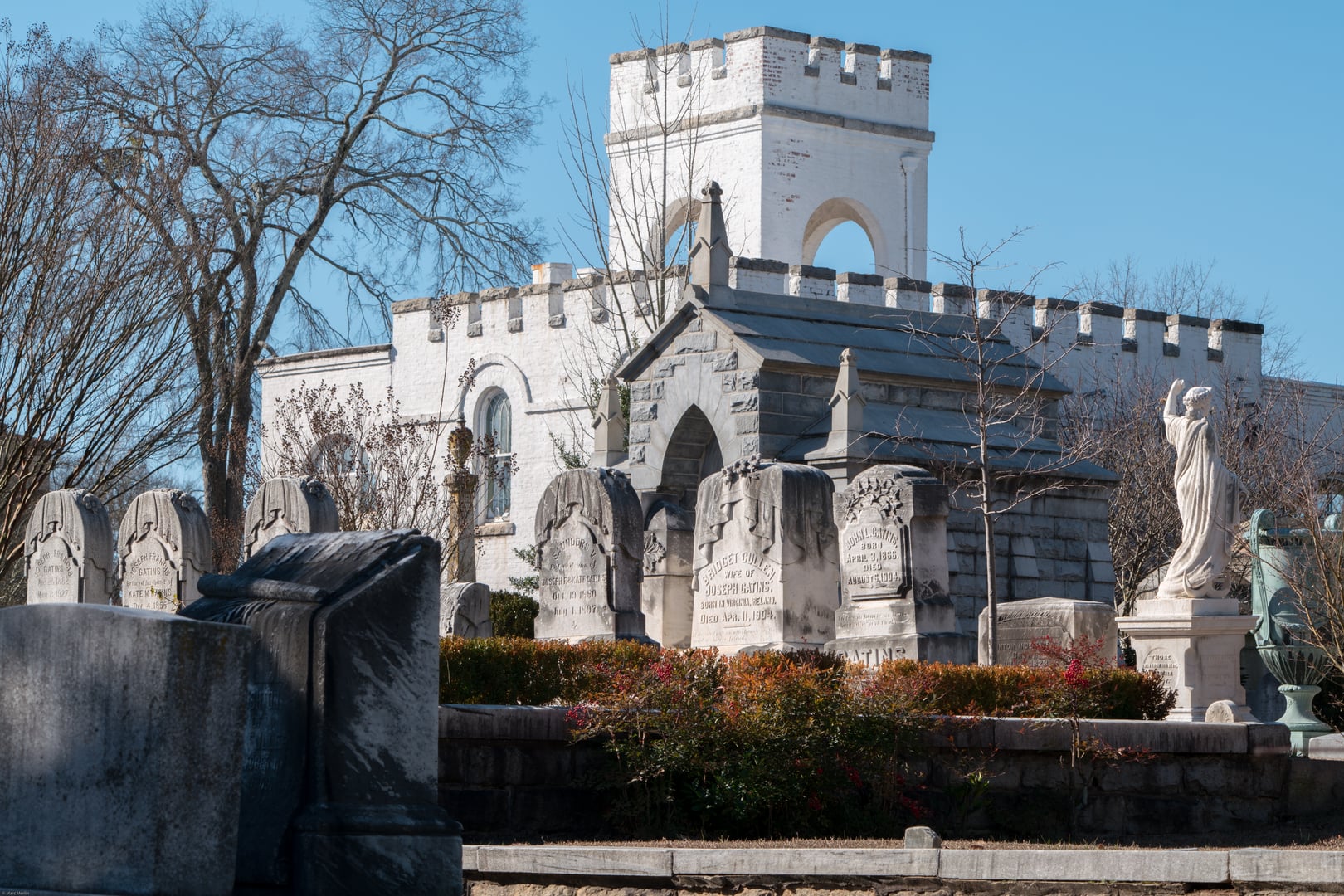
Atlanta, GA
Historic Oakland Cemetery was chartered in 1850 as the six-acre 'Atlanta Cemetery,' renamed Oakland in 1872, and expanded to 48 acres. Approximately 70,000 people are interred, including roughly 6,900 Confederate soldiers (3,000 unidentified), four Confederate generals, six Georgia governors, 27 Atlanta mayors, Margaret Mitchell, golfer Bobby Jones, and Maynard Jackson, Atlanta's first African American mayor. The cemetery was listed on the National Register of Historic Places on April 28, 1976.
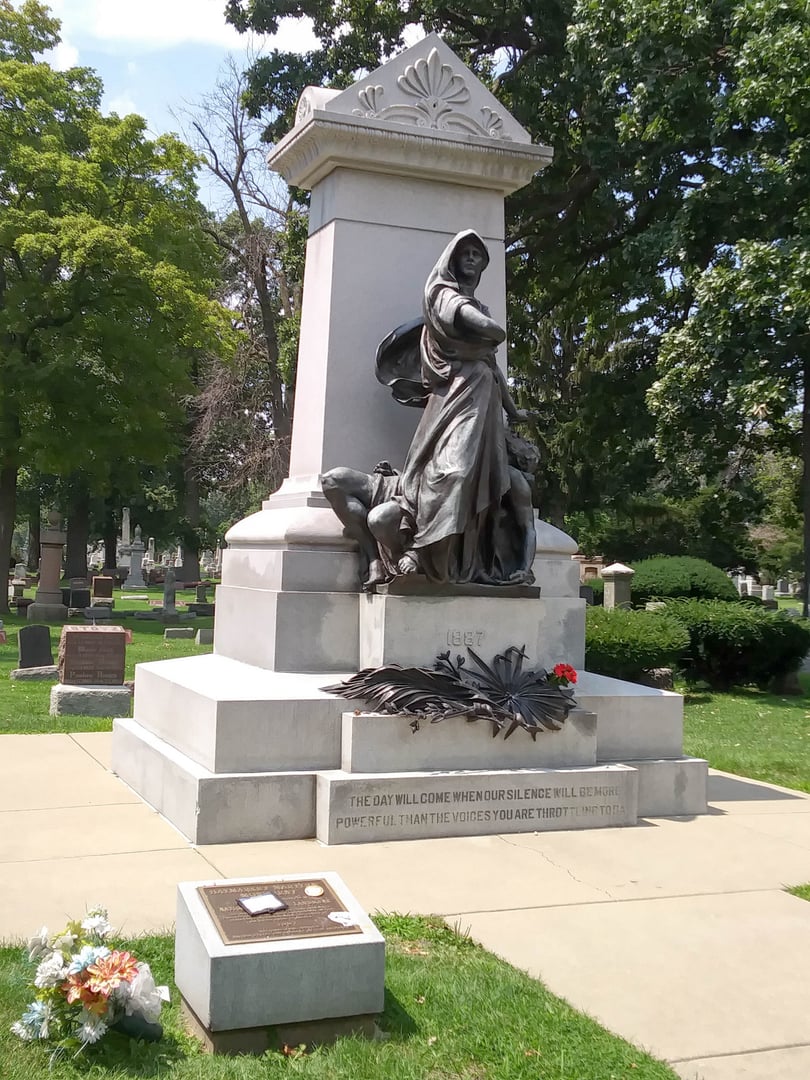
Forest Park, IL
Forest Home Cemetery in Forest Park, Illinois, grew from two adjacent cemeteries — German Waldheim (established 1873) and Forest Home (1876) — which merged in February 1969. The 220-acre site was chosen as a non-denominational burial ground, a policy that made it the only Chicago-area cemetery willing to accept the bodies of the Haymarket defendants in 1887.
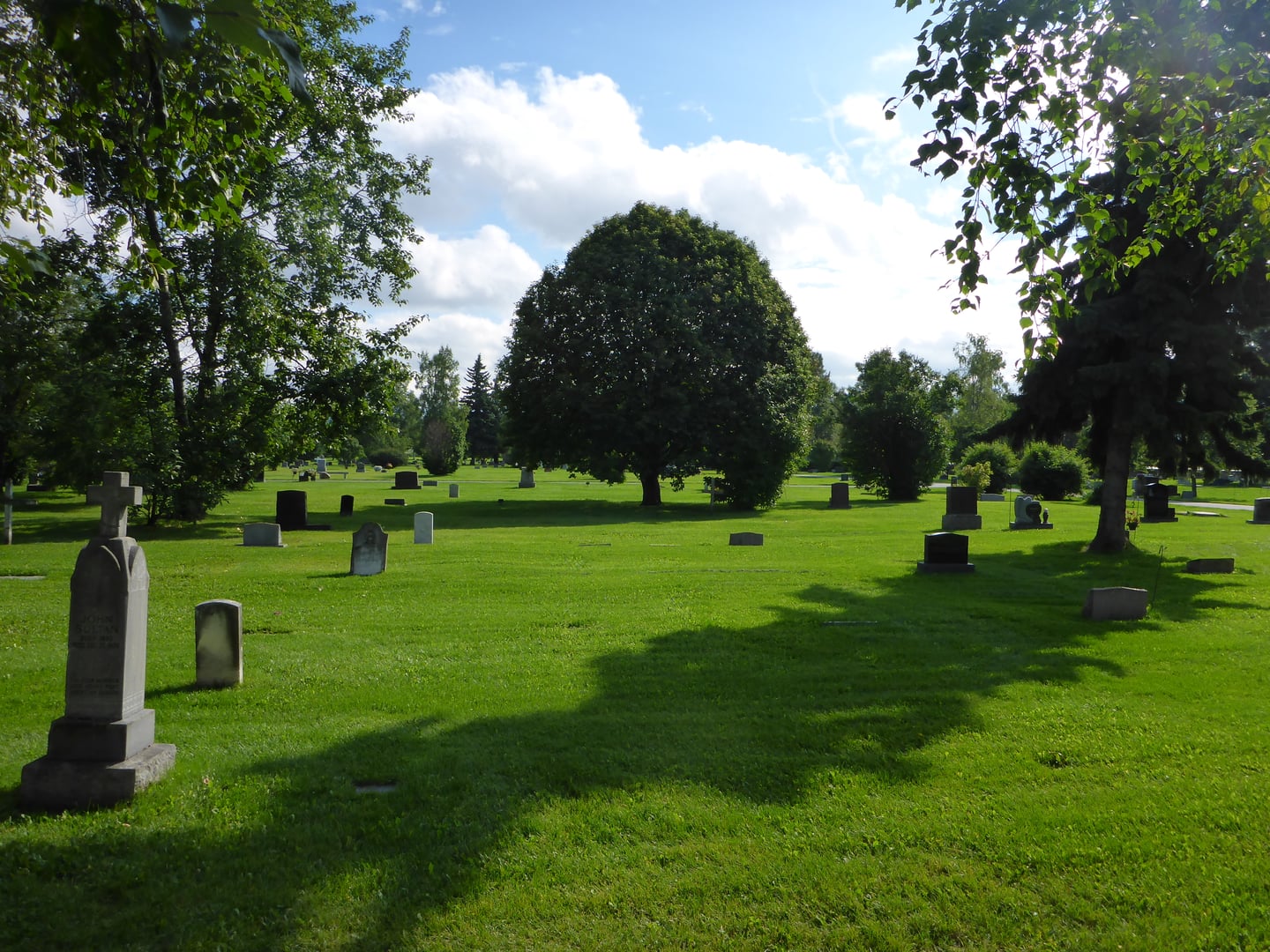
Anchorage, AK
Anchorage Memorial Park Cemetery was established as a Cemetery Reserve by President Woodrow Wilson in Executive Order 2242 of August 31, 1915, the same year the federal government laid out the Anchorage townsite. The first recorded burial was Francis Amestoy on July 6, 1915. The Municipality of Anchorage became the managing agency in 1979, and the cemetery was added to the National Register of Historic Places on April 26, 1993.