Guided Tour
Historic Guided Tour
Docent-led tours of the Gothic-Moorish rectory and grounds, covering the Columbia Female Institute history, the Smith family, and the building's National Register significance.
- Duration:
- 1 hr
- Age:
- All Ages
HauntBound archive · catalog record
Reported phenomena, as catalogued
An 1837 Columbia rectory called the most haunted place in Middle Tennessee — Rev. Franklin Smith still walks its halls
808 Athenaeum St, Columbia, TN 38401
Research updated August 2026
Age
All Ages
Cost
$
Admission fee for tours; check website for current rates
Access
Limited Access
Historic 1837 building; period construction may limit accessibility
Equipment
Photos OK
Est. 1837 · Columbia Female Institute (est. 1852) · Gothic-Moorish architecture in Tennessee · National Register of Historic Places · Antebellum female education
The Athenaeum Rectory was constructed in 1837 in a distinctive Gothic-Moorish architectural style, serving as the home and private chapel of the Reverend Franklin Smith, who founded and led the Columbia Female Institute. The school, which opened on the property in 1852 under Smith's direction, became one of the most admired female academies in the antebellum South, drawing students from across Tennessee and the broader region.
Reverend Smith's vision for the institute combined rigorous classical education with religious instruction. The rectory building anchored the campus physically and symbolically. Smith's son, also named Franklin Smith, was closely associated with the property through adulthood, and it is this younger Franklin whose spirit is reported to linger.
The Civil War disrupted the institute's operations, and the school eventually closed. The building was preserved through local preservation efforts and is now administered as a museum. The Tennessee Historical Commission and local preservation groups have maintained the structure, which was added to the National Register of Historic Places in recognition of its architectural and educational significance.
Sources
The Athenaeum Rectory's reputation as the most haunted location in Middle Tennessee rests on a documented record of paranormal investigations conducted over multiple years. Investigators have reported measurable temperature changes in specific rooms, electronic voice phenomena captured on audio equipment, and what one account describes as footprints audible on video recording during otherwise silent sessions.
The ghost most commonly associated with the building is identified as Rev. Franklin Smith, son of the institute's founder, whose life was bound to the property. His apparition has been reported by staff and visitors over multiple decades. In 2018, the Travel Channel's Haunted Live featured the rectory in an episode that brought national attention to the site's paranormal claims.
The building's age, the density of human experience concentrated there across two centuries, and the physical isolation of the Gothic structure on its manicured grounds all contribute to the atmosphere. Local researchers treat the Athenaeum as a serious investigation site rather than a tourist novelty.
Notable Entities
Media Appearances
Docent-led tours of the Gothic-Moorish rectory and grounds, covering the Columbia Female Institute history, the Smith family, and the building's National Register significance.
Some links on this page may earn HauntBound a small commission when you book, at no extra cost to you. Our editorial picks are independent. Full disclosure
Every HauntBound history is researched from documented sources. We clearly separate verified historical fact from paranormal folklore.
Free Guide
11 verified stops, rated for families, mapped in order. Free.
One email to confirm, then the guide link. Unsubscribe anytime.
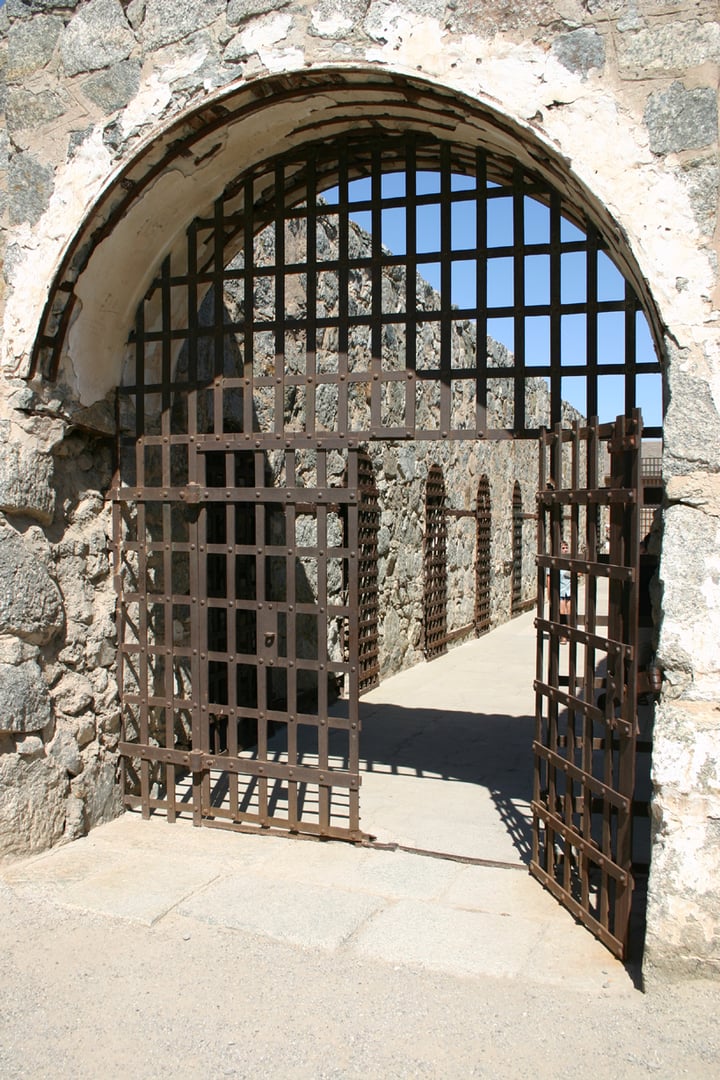
Yuma, AZ
Yuma Territorial Prison operated from 1876 to 1909 on a bluff overlooking the Colorado River in Yuma, Arizona. It held 3,069 prisoners during its 33-year operation, including 29 women. The facility became a state historic park and has been voted by USA Today readers as the Best Haunted Destination in the nation.
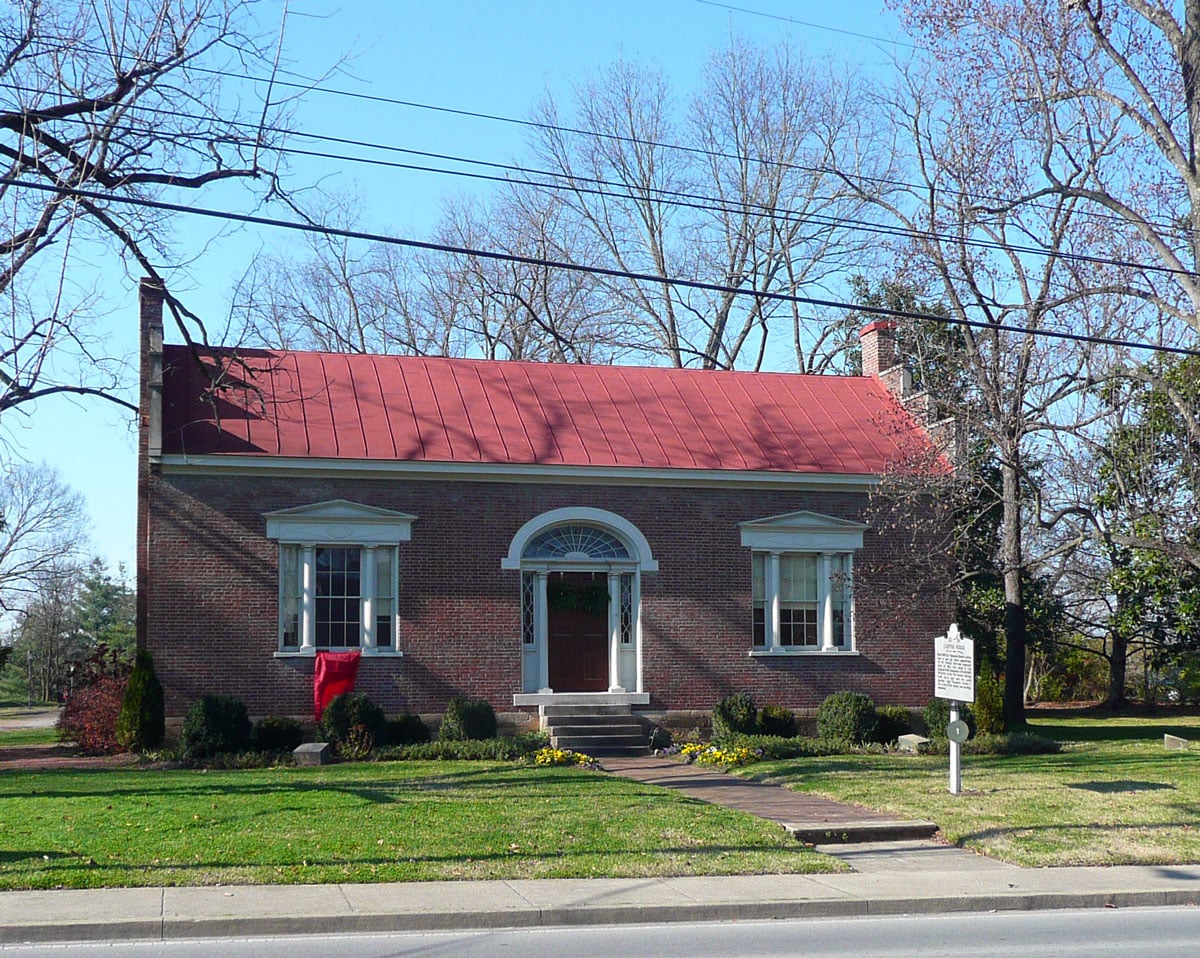
Franklin, TN
The Carter House in Franklin, Tennessee, was built in 1830 by Fountain Branch Carter. On November 30, 1864, it served as the command post for Union Brigadier General Jacob Cox during the Battle of Franklin while the Carter family sheltered in the basement. The house and outbuildings absorbed more than 1,000 bullet impacts that night — one of the highest concentrations of Civil War bullet damage on any standing structure. Carter's son Tod, a Confederate captain, was mortally wounded in the battle and died in the house two days later.
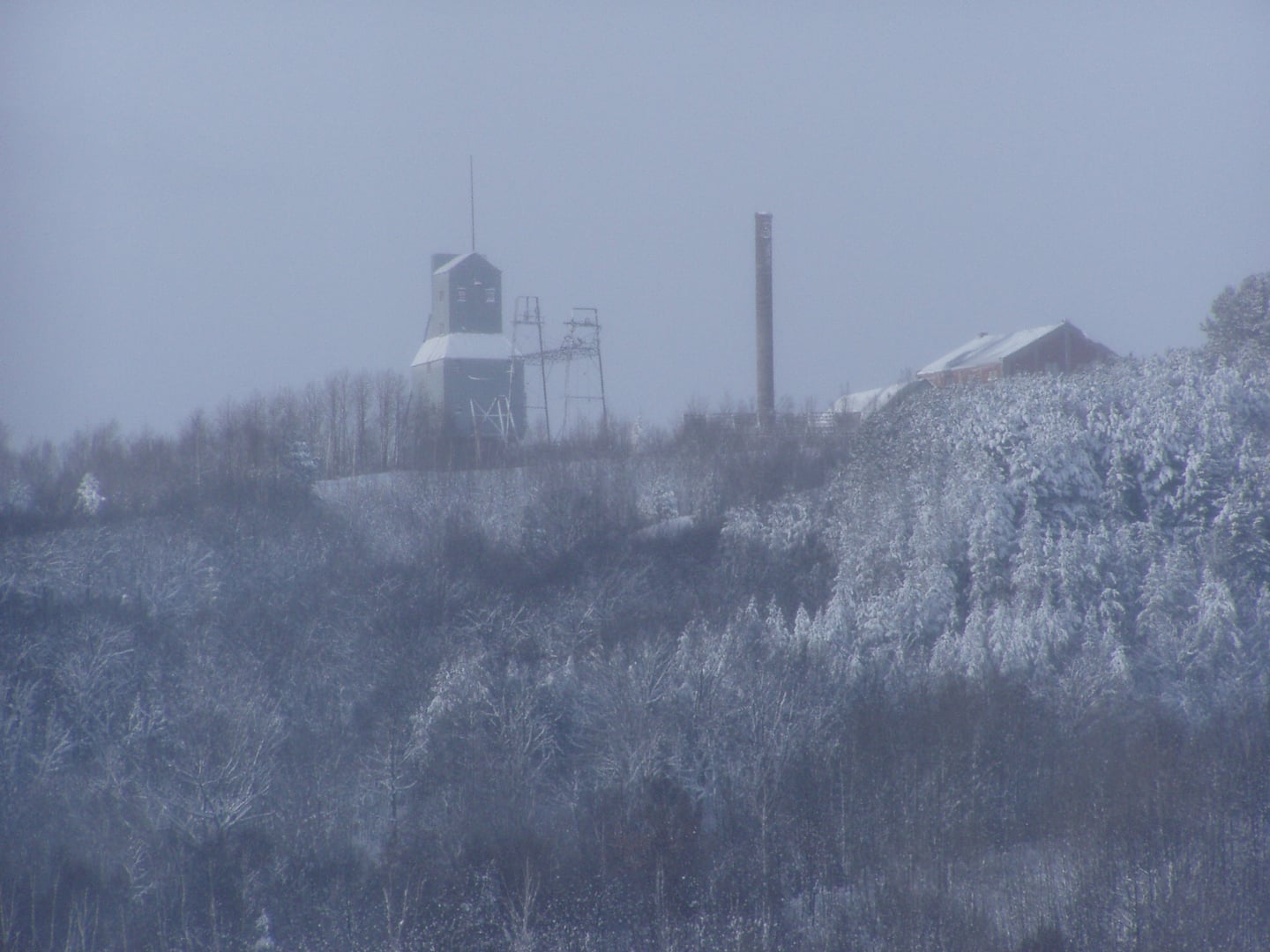
Hancock, MI
The Quincy Mining Company began extracting copper from the Keweenaw Peninsula in 1846 and operated continuously until 1945, producing nearly a billion pounds of copper. During that period, 253 workers died in documented underground accidents. At its deepest, the mine reached 9,000 feet — the deepest copper mine in the world at the time — and its No. 2 shaft hoist house is a National Historic Landmark.