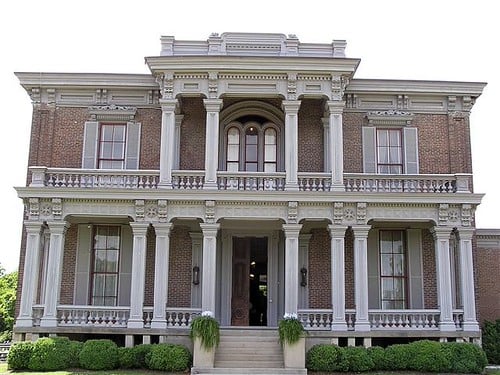
Est. 1862 · Civil War-Era Domestic Architecture · Polk Family History · Bills-McNeal Historic District · Fresco Interior Decoration
McNeal Place was constructed around 1862 by Ezekiel K. Polk, a member of the Polk family with connections to President James K. Polk, on land near Polk Cemetery in the Bills-McNeal Historic District of Bolivar. The construction date places it near the outbreak of the Civil War, and the home's substantial architectural features—exterior walls approximately three feet thick and interior rooms decorated with fresco painting—mark it as a property of some ambition for the period and location.
The home takes its name from a subsequent owner or family associated with the McNeal line in the district. The Polk family had significant roots in Bolivar and Hardeman County, and the proximity of the house to Polk Cemetery reflects the family's long presence in the area. Ann Polk, associated with the family, is the figure at the center of the home's ghostly reputation.
The Bills-McNeal Historic District, which includes McNeal Place along with The Pillars and several other antebellum and Civil War-era structures, was recognized for its architectural significance. The district represents one of the more concentrated collections of mid-nineteenth-century domestic architecture in West Tennessee.
Sources
- https://tnhauntings.wordpress.com/2008/04/26/mcneal-house-bolivar-tn/
- https://ckc4me.wordpress.com/2013/10/30/the-great-west-tennessee-haunt-hunt-bolivar-tennessee/
- https://en.wikipedia.org/wiki/Colonel_McNeal_House
Window apparitionShadow figure
The haunting associated with McNeal Place centers on Ann Polk, whose apparition is reportedly seen in the second-story bedroom window, gazing in the direction of Polk Cemetery. The account, documented by West Tennessee paranormal researchers, ties the sighting specifically to the days when, during the Civil War occupation, Union lines prevented Ann Polk from crossing to visit the burial site of her daughter Priscilla, who had died in 1854.
Multiple paranormal researchers visiting Bolivar have included McNeal Place in their documentation of the Bills-McNeal Historic District's reputation. The 2013 haunt-hunt blog account describes visitor reports of the window apparition and corroborates the family history details from the 2008 tnhauntings.wordpress.com account. The combination of grief, military restriction, and an unresolved need to reach a grave provides the emotional logic that makes the legend coherent to those who've reported the sighting.