Est. 1884 · Victorian Architecture · Utopian Colony · British Literary History · Tennessee Heritage
Thomas Hughes arrived in Morgan County, Tennessee, in 1880 with a vision he had been nurturing for years: a self-sustaining colony where England's surplus younger sons — barred by tradition from inheriting family estates — could own land, farm, and build dignified lives free from the rigid class structures of late Victorian Britain. The money to fund this experiment came largely from Hughes's own earnings as the author of Tom Brown's School Days, published in 1857, which drew on his years at the original Rugby School in Warwickshire.
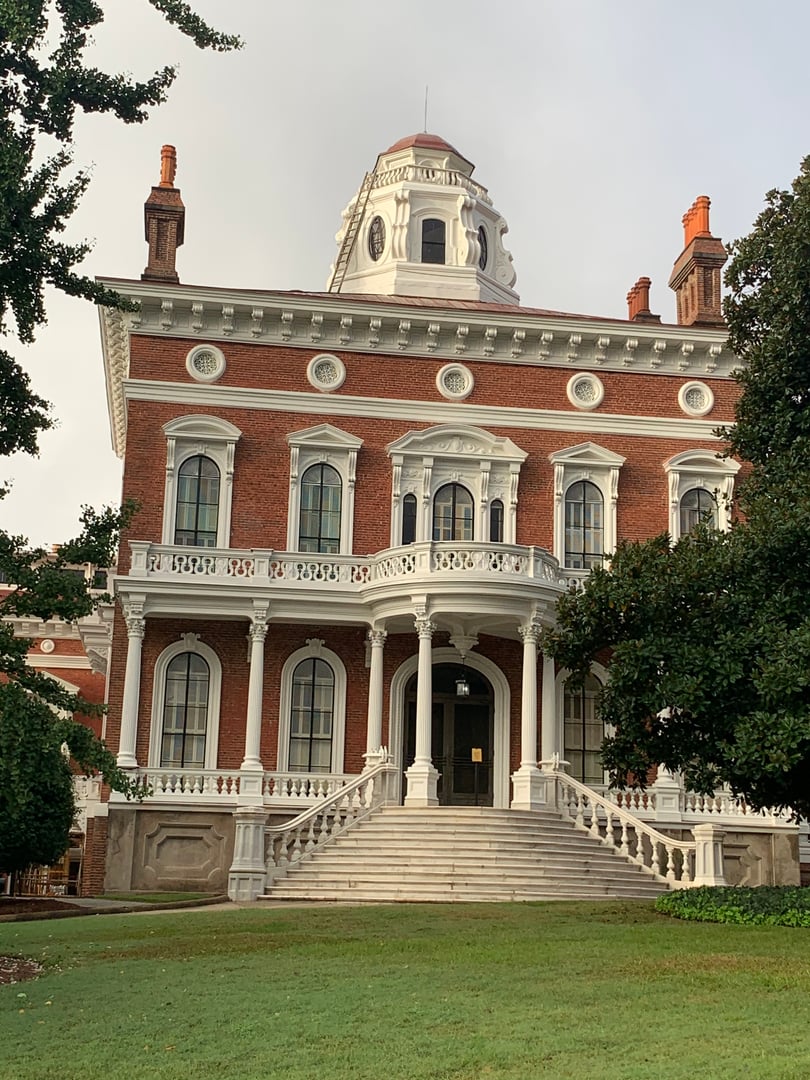
The colony he established on the Cumberland Plateau, seated at roughly 1,700 feet elevation in the Big South Fork region, took its name from that English school. At its peak in the early 1880s, Rugby housed several hundred settlers in a cluster of Victorian frame buildings that rose with surprising sophistication in this remote landscape. Hughes commissioned structures that would have been at home in an English market town: a Gothic Revival library stocked with 7,000 volumes, a clapboard Anglican church, a commissary, a cooperative farm, and Kingstone Lisle itself.
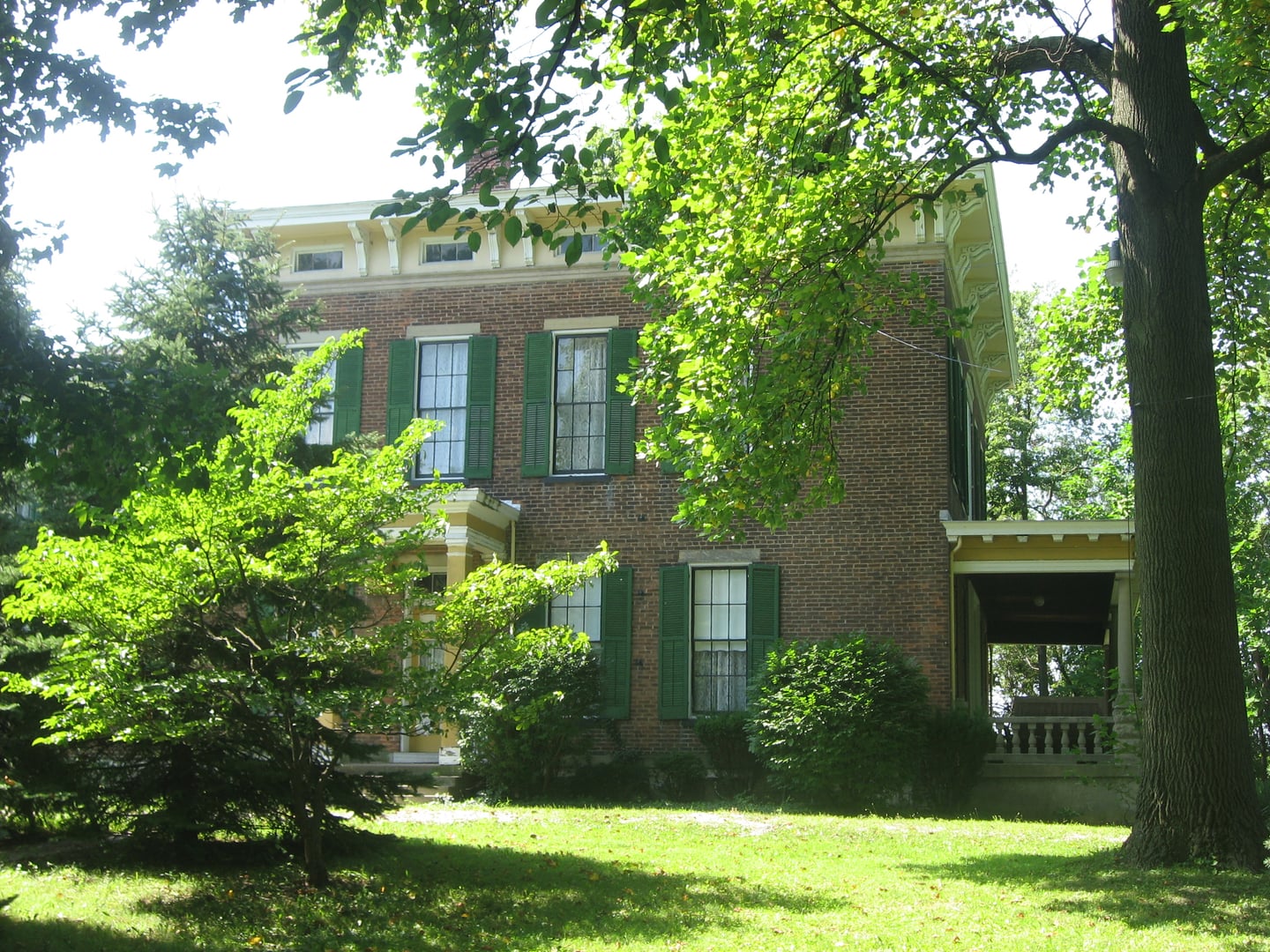
The cottage, completed in 1884 in a style sometimes described as Carpenter Gothic, was built for Hughes's mother. The name derives from Kingston Lisle, a village in Oxfordshire near Hughes's own family estate. Despite the affectionate gesture, his mother made few extended visits to the Tennessee mountains. Hughes himself spent time at Rugby intermittently through the late 1880s, but the colony ultimately struggled — typhoid outbreaks, difficult soil, and financial mismanagement depleted the population. By the 1890s, Rugby had contracted to a fraction of its original ambition.
What survived is remarkable: nineteen of the original Victorian structures still stand, making Historic Rugby one of the most intact Victorian-era settlements remaining in the American South. The National Trust for Historic Preservation has recognized the site's significance, and Historic Rugby Inc. — the nonprofit that manages the village — maintains guided tours and overnight accommodations year-round.
Sources
- https://historicrugby.org/
- https://savingplaces.org/places/historic-rugby
- https://www.wate.com/haunted-tennessee/step-back-in-time-perhaps-see-spirits-in-1880-victorian-village-historic-rugby/
Phantom soundsTouching/pushingResidual haunting
Staff at Historic Rugby have described two distinct figures reported at Kingstone Lisle. The first is understood to be the spirit of Hughes's mother — a quiet, observational presence. The second is more interactive.
The Snoring Ghost, as documented in visitor accounts and repeated in local reporting including a 2020 feature in the Kingsport Times News, operates with a specific routine. Visitors admitted during the guided walking tour or the evening lantern tours have reported the sensation of bed linens being drawn back by an unseen hand. Shortly afterward, an audible snoring sound fills the room from a source that cannot be located. When visitors investigate the sound, they find the adjoining space vacant.
The identity of the snoring presence is generally attributed to Thomas Hughes, though no written record from his lifetime documents a connection between Hughes and the specific cottage's bedchamber. The attribution appears to have grown organically through the oral tradition of the site.
The phenomena have been consistent enough that the cottage carries this reputation among staff, repeat visitors, and paranormal investigation groups who have visited the site. The lantern tours offered through the History Highways Haunts partnership include Kingstone Lisle as one of the village's primary points of paranormal interest.
Notable Entities
The Snoring GhostMrs. Hughes