Est. 1821 · Federal-style antebellum architecture · Civil War officers' quarters · Death site of Confederate General John Hunt Morgan · HABS-documented historic structure
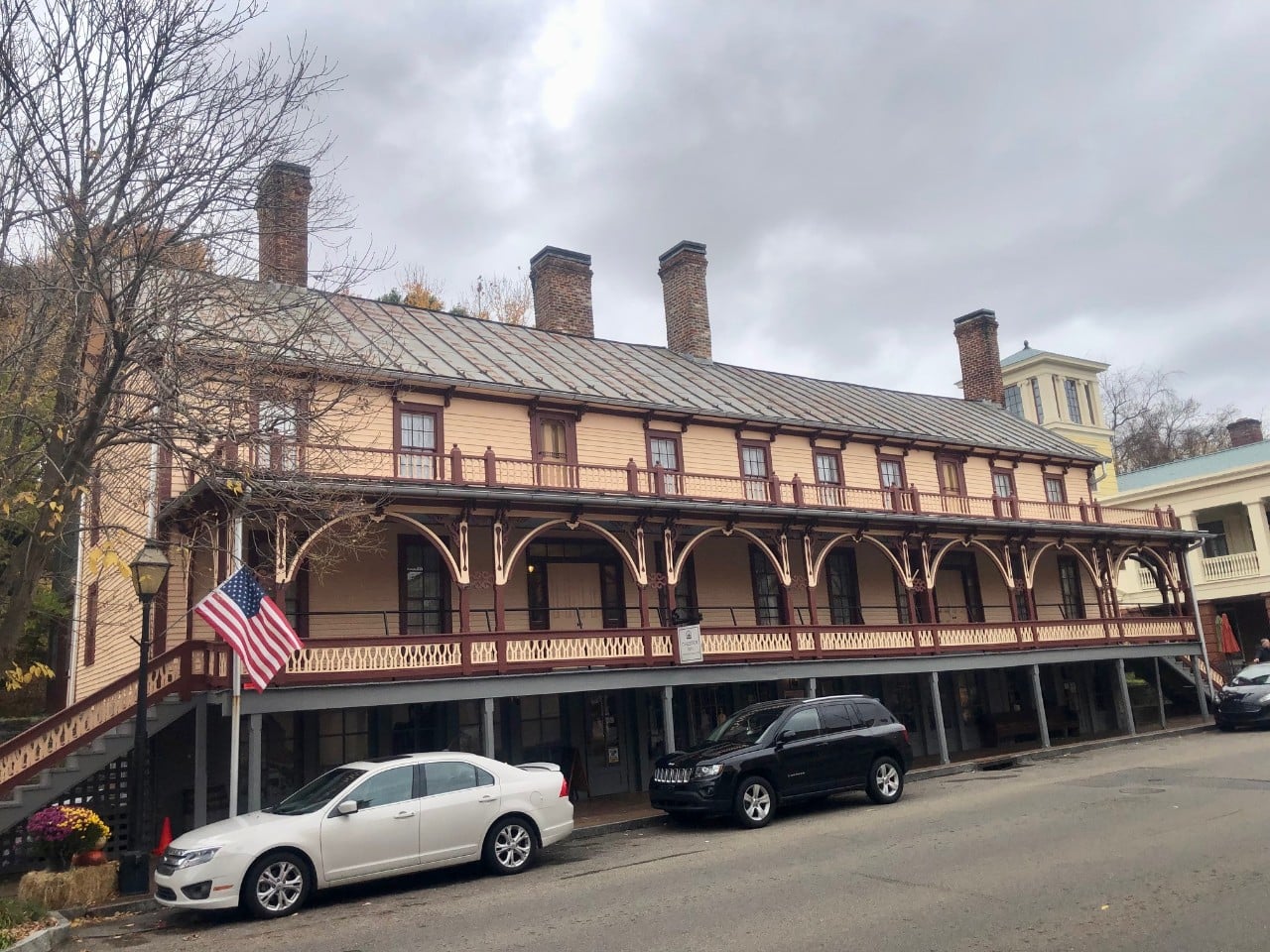
The Dickson-Williams Mansion was constructed in 1821 by William Dickson, Greeneville's first postmaster, and stands as one of the finest Federal-style houses in upper East Tennessee. The two-story brick structure was documented by the Historic American Buildings Survey and is listed in the Library of Congress HABS records (TN-52), confirming its architectural significance.
During the Civil War, the mansion's position in Greeneville made it a natural billet for officers on both sides. Confederate troops used it as headquarters at various points, and Union forces occupied it as well. On the morning of September 4, 1864, Union cavalry under General Alvan Gillem conducted a surprise raid on Greeneville hunting Confederate General John Hunt Morgan, who had been sleeping in a nearby house. Morgan fled into the garden behind the Dickson-Williams Mansion, where he was shot and killed by Union soldiers.
His body was subsequently carried into the mansion's parlor and laid in state—a funeral honor extended by Union commanders despite the raid's military character. The American Battlefield Trust now documents the site as a heritage property associated with Morgan's death. Morgan, one of the Confederacy's most celebrated cavalry commanders, was 39 years old at the time of his death. His remains were later interred in Lexington, Kentucky.
Sources
- https://www.battlefields.org/visit/heritage-sites/dickson-williams-mansion
- https://www.loc.gov/pictures/item/tn0052/
Unexplained footstepsMultiple presences reported by investigatorsDisembodied sounds
In coverage by the Greeneville Sun, a ghost hunter who conducted an investigation at the Dickson-Williams Mansion reported capturing audio recordings of unexplained footsteps moving through rooms with no occupants. The investigator counted what he described as 27 separate presences and attributed the activity to the building's history as a field hospital and officers' quarters during the Civil War.
The mansion's association with Morgan's death gives it a specific narrative anchor that paranormal enthusiasts have latched onto: a famous Confederate general, shot in the yard and brought inside to die, in a building that served men of both armies across four years of conflict. Whether the footsteps have a prosaic explanation or not, the building's documented history is substantial enough to carry any visit on its own terms.
Notable Entities
General John Hunt Morgan (Confederate cavalry commander, killed 1864)