Est. 1861 · Site of the 1864 Fort Pillow massacre of surrendering US Colored Troops · Subject of formal Congressional investigation into Confederate conduct · Rallying cry 'Remember Fort Pillow' transformed Union Army policy and USCT combat culture · One of the most thoroughly documented Civil War atrocities
Fort Pillow was originally constructed by Confederate forces in 1861 on a commanding bluff above the Mississippi River. Union forces captured and occupied it in 1862. By April 1864, its garrison consisted of roughly 557 men: approximately 292 soldiers of the 6th US Heavy Artillery (Colored) and 285 soldiers of the 13th Tennessee Cavalry (Union), a Tennessee Unionist white unit.
On the morning of April 12, 1864, a Confederate force under Major General Nathan Bedford Forrest attacked the fort. After hours of fighting, Forrest's command overran the outer defenses and demanded surrender. What followed the fall of the fort became one of the defining atrocities of the Civil War: instead of accepting the surrender of the USCT soldiers, Confederate troops killed 229 of the 262 Black soldiers in the garrison. Numerous survivor accounts, compiled in subsequent Congressional investigations, described soldiers being killed after they had laid down arms or thrown up their hands. Reports also described wounded Black soldiers being placed in burning buildings.
The Confederate conduct at Fort Pillow became the subject of a formal Joint Congressional Committee on the Conduct of the War investigation in 1864. The massacre transformed Union Army policy: Black soldiers subsequently fought under the understanding that surrender was not an option, and the slogan 'Remember Fort Pillow' became a rallying cry for USCT units throughout the remaining year of the war.
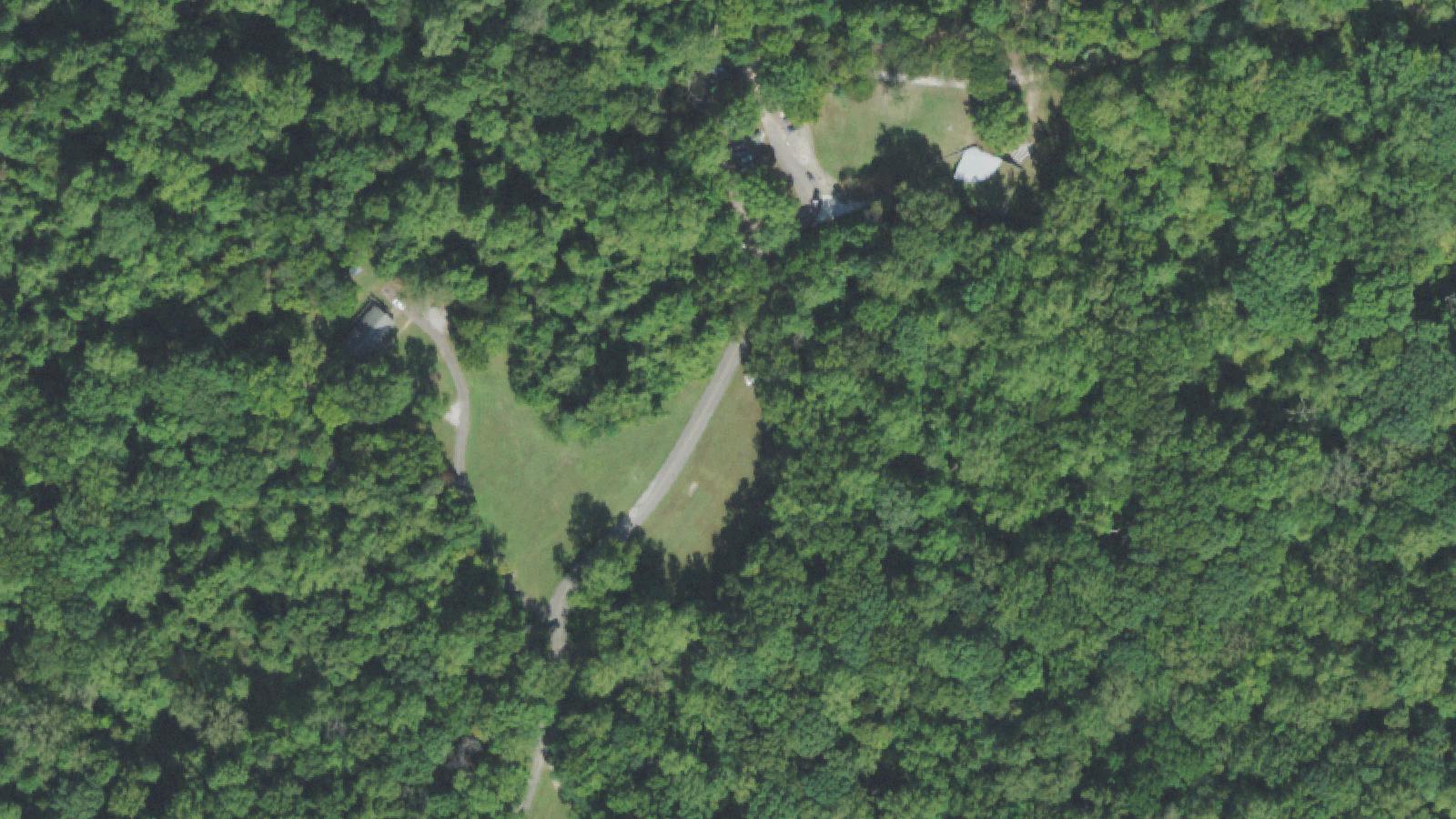
The 1,642-acre Tennessee State Park preserves the earthworks, a reconstructed inner fort, a museum, and a cemetery. The American Battlefield Trust has recognized Fort Pillow as a priority Civil War battlefield.
Sources
- https://tnstateparks.com/parks/history/fort-pillow
- https://www.battlefields.org/visit/heritage-sites/fort-pillow-state-historic-park
- https://en.wikipedia.org/wiki/Battle_of_Fort_Pillow
Temperature drops near cemeteryMoaning sounds near earthworksPhantom drum fireOppressive sensation of being unwelcome
The paranormal accounts at Fort Pillow are documented in Civil War enthusiast forums, primarily by individuals who have camped or done overnight research at the site. The accounts share consistent elements: temperature drops specifically in the area of the cemetery and near where historians believe wounded soldiers were killed or placed in burning buildings; moaning sounds reported at night in the earthworks; phantom drum fire that stops abruptly when investigated.
A number of accounts use the phrase 'feeling unwelcome' or describe an oppressive atmospheric presence that does not match other battlefield sites visited by the same reporters. This characterization — sensation-based, non-visual, localized to the most historically violent areas of the park — is consistent across multiple independent accounts.
No named apparitions are documented. It would be inappropriate to assign specific paranormal identities to the soldiers who died here, many of whom were killed after surrender in circumstances the historical record makes clear. The accounts are presented as environmental phenomena reported by people who knew the site's history before visiting.
The forum sourcing is community-level documentation rather than formal investigation, and stronger independent corroboration has not surfaced.
Where this legend is told