Est. 1775 · Site of the 1781 Battle of Groton Heights massacre of surrendering defenders · Colonel William Ledyard killed with his own sword after handing it hilt-first to a British officer · Led by Benedict Arnold raiding his home state of Connecticut · Groton Monument (1830) among the first Revolutionary War memorials in America
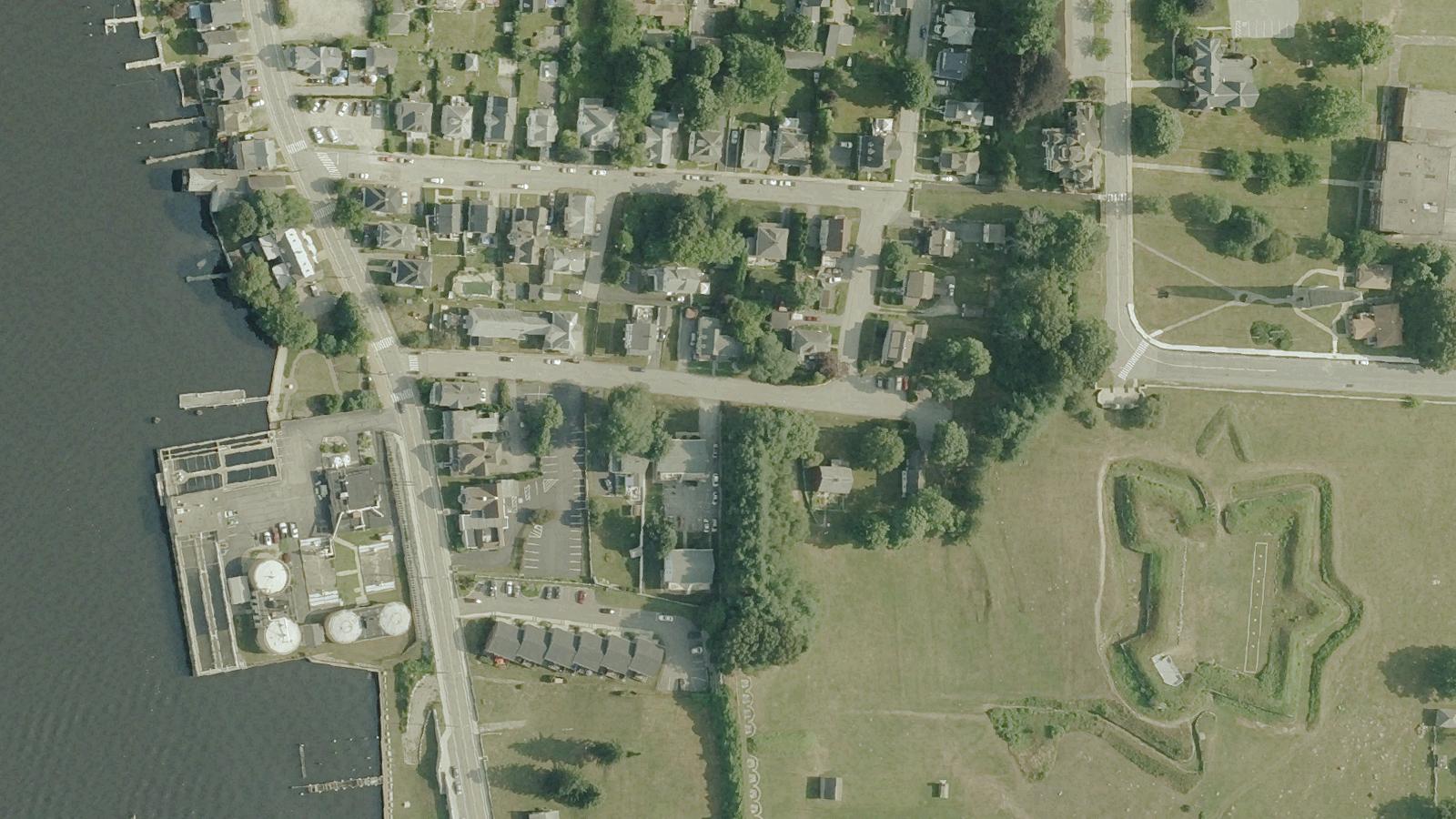
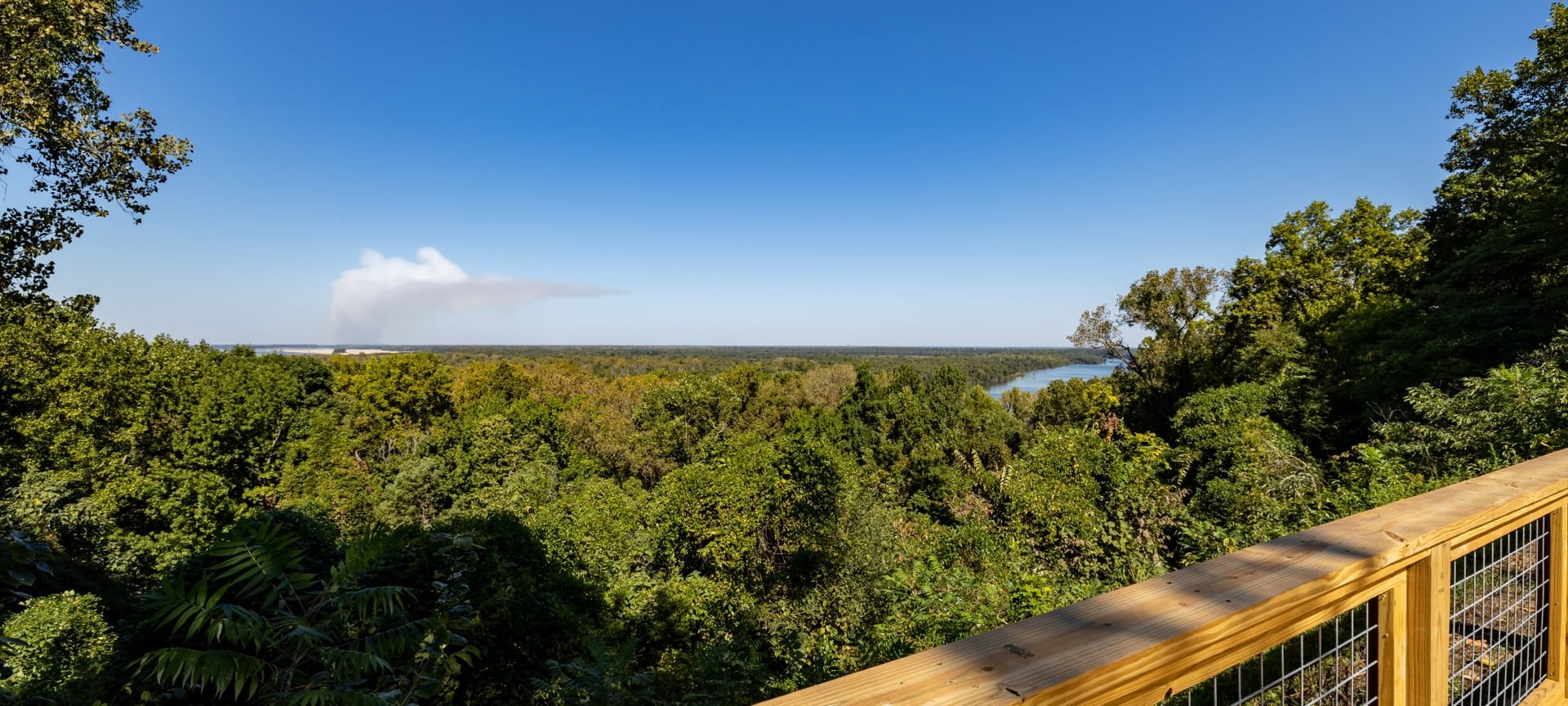
Fort Griswold occupied a high point on the Groton side of the Thames River, positioned to protect New London Harbor. On September 6, 1781, a British raiding force of approximately 1,800 men under Brigadier General Benedict Arnold — the American general who had defected to the British the previous year and was now commanding a raid against his home state — crossed the Thames and attacked both New London and the fort at Groton Heights.
The garrison of roughly 165 Connecticut militia held the fort for over an hour against a much larger force. When the British breached the walls, the Americans attempted to surrender. What followed became one of the most controversial episodes of the American Revolution: British and Hessian troops, having suffered significant casualties in the assault, killed the majority of the surrendering defenders in what survivors and contemporaneous accounts described as a massacre.
Among the dead was Fort Griswold's commander, Colonel William Ledyard. Multiple accounts agree on the circumstances of his death: Ledyard handed his sword hilt-first to a British officer as a gesture of surrender, and the officer killed him with it. The battle killed or wounded approximately 81 of the fort's 165 defenders, along with roughly 48 British and Hessian troops.
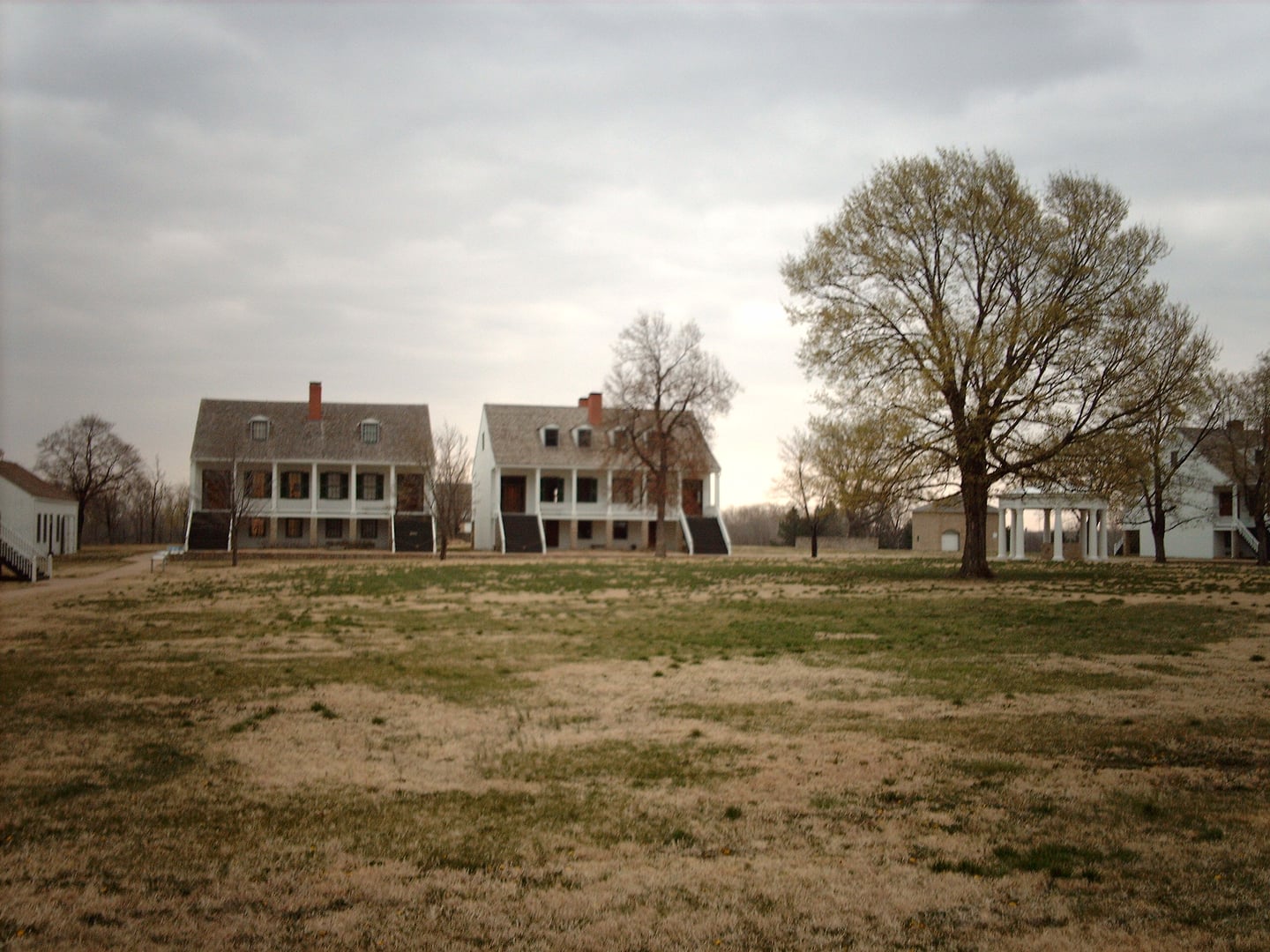
The Groton Monument, a 134-foot granite obelisk, was erected in 1830 as one of the first Revolutionary War monuments in America. The restored Ebenezer Avery House on the grounds sheltered wounded survivors after the battle. The site is maintained by Connecticut DEEP as a free state park.
Sources
- https://en.wikipedia.org/wiki/Fort_Griswold
- https://portal.ct.gov/DEEP/State-Parks/Parks/Fort-Griswold-Battlefield-State-Park
Cold spots near earthworksSensation of being watched from fort wallsSound of marching soldiers
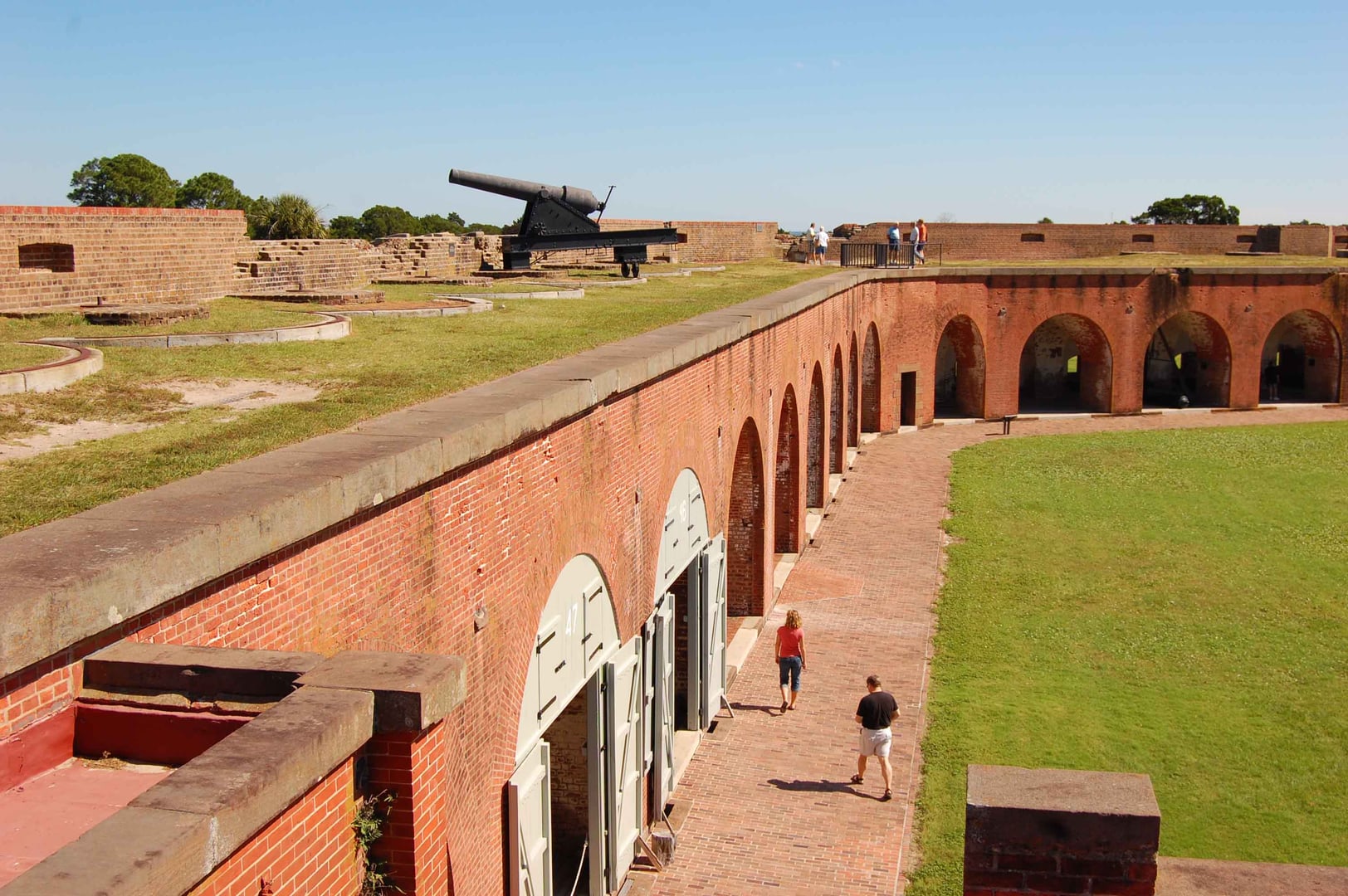
Fort Griswold's paranormal reputation has developed in Connecticut regional coverage, most thoroughly in an account published by I-95 Rock's local feature on Connecticut's Revolutionary War ghosts. The accounts center on three consistent phenomena: localized cold spots reported by visitors within and near the main earthwork walls; a persistent sensation of being watched, specifically described as coming from the direction of the old fort walls; and auditory accounts of marching or footstep sounds when no other visitors are on the grounds.
No specific named apparitions are reported, and the accounts do not attempt to identify specific soldiers. The connection to the fort's history — a mass killing of men who had surrendered, in an era when the rules of war were well understood and the killing was recognized as atrocity at the time — provides a historically grounded basis for the atmospheric accounts.
The Groton Monument on the grounds, erected in 1830 as one of the first Revolutionary War memorials in the country, has a separate tradition associated with it: some accounts describe unease at the base of the monument during quiet nighttime visits. The Ebenezer Avery House, where the wounded sheltered after the massacre, has not generated independent paranormal accounts in the available sourcing.
The regional news coverage provides independent documentation of the lore beyond purely aggregator sourcing. A second independent line of corroboration has not yet surfaced.
Where this legend is told