Est. 1880 · Thomas Hughes Utopian Colony · Cumberland Plateau Settlement History · Big South Fork National River and Recreation Area · USA Today 1997 Recognition
Big South Fork National River and Recreation Area was established in 1974 and protects approximately 125,000 acres of the Cumberland Plateau on the Tennessee-Kentucky border. The park preserves the Big South Fork of the Cumberland River and the surrounding river gorges, sandstone bluffs, and second-growth eastern hardwood forests.
Historic Rugby was founded in 1880 by English author Thomas Hughes, best known for the novel 'Tom Brown's School Days.' Hughes used proceeds from the novel to purchase land on the Cumberland Plateau and to establish an experimental utopian colony for younger sons of the English gentry who, under English primogeniture, could not inherit land at home. The colony was meant to be a classless society built on hard work, education, and cooperation.
The Rugby experiment did not succeed as Hughes envisioned. The colony was hit by typhoid fever and never achieved its planned population. From the 1960s onward, residents, friends, and descendants of the original Rugby settlers began restoring surviving structures and reconstructing others, and Historic Rugby now operates several Victorian-period buildings as a working historic village. USA Today recognized Rugby as a must-stop destination in 1997.
Sources
- https://en.wikipedia.org/wiki/Rugby,_Tennessee
- https://historicrugby.org/about-us/
- https://www.timesnews.net/living/outdoors/haunted-and-historic-rugby/article_598d08f0-1d3e-11eb-8b5d-c3e0a313e05f.html
Apparitions in upstairs hallway (Newbury House)Apparition of Charles Oldfield
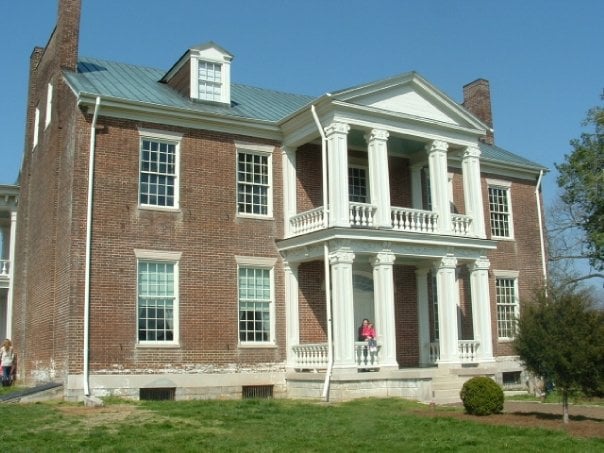
Regional Tennessee ghost-tour writing treats Historic Rugby as one of the most-told haunted villages in the state. The most-cited story is associated with the Newbury House, where local tradition holds that a man killed his wife after suspecting her of an affair and then killed himself. Their figures are said to be seen in the upstairs hallway.
A second figure is Charles Oldfield, identified in regional retellings as a London businessman who died in one of the village rooms more than a century ago. Oldfield is described as a continuing presence in the building where he died.
The original Shadowlands description mentions a USA Today 1997 feature on a house haunted by the ghost of a land agent who died waiting for his son to arrive — this specific detail appears in regional retellings of the village's history but is not documented in published USA Today archives accessible from current web sources, so it is held here as local-tradition framing rather than verified citation.
Historic Rugby is a working historic village within Big South Fork National River and Recreation Area, and these accounts are integrated into village-tour offerings.
Notable Entities
Newbury House figuresCharles Oldfield (London businessman)
Media Appearances
- Times-News — Haunted and Historic Rugby
- WATE — Step Back in Time, Perhaps See Spirits in 1880 Victorian Village