Est. 1900 · Burial site of formerly enslaved African Americans · Knoxville College HBCU campus heritage · Burial site of formerly enslaved by President Andrew Johnson · Early Knoxville Black professional and civic leadership · Visit Knoxville Major Black Cemeteries Driving Tour
Knoxville College was founded in 1875 by the United Presbyterian Church of North America, growing out of a mission school established in Knoxville in 1864 by R.J. Creswell to educate the city's free and formerly enslaved Black population. The college is one of the oldest historically Black colleges and universities (HBCUs) in the South and was a member of the United Negro College Fund. By the late nineteenth century the college occupied a 39-acre campus in West Knoxville.
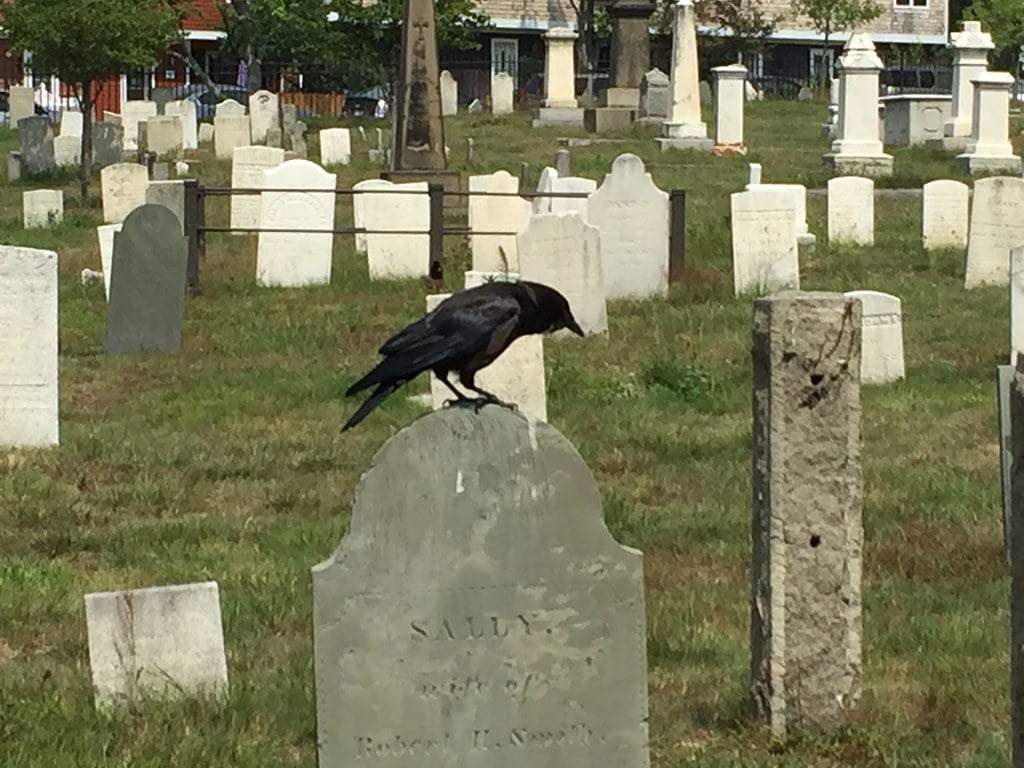
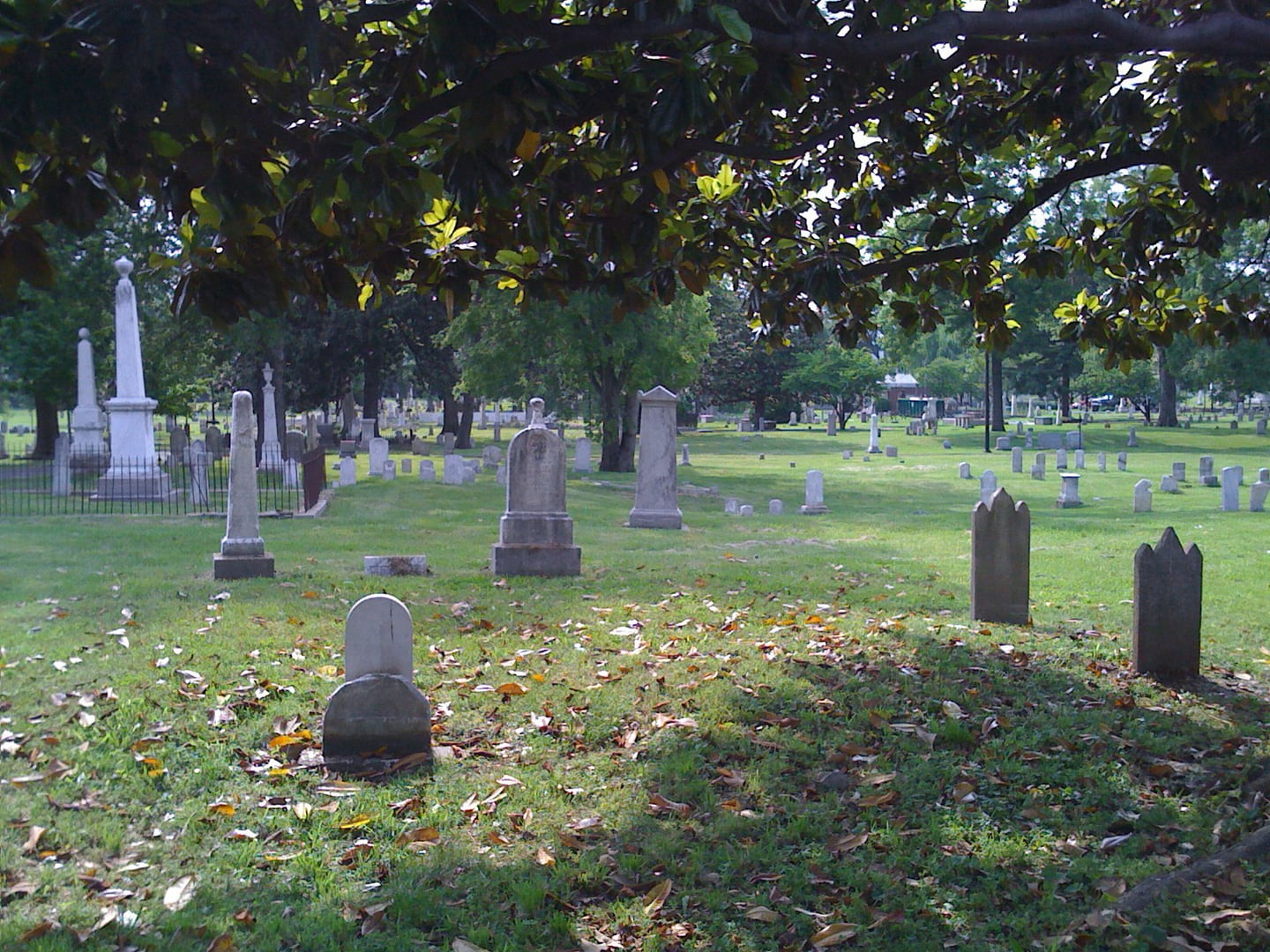
The cemetery now known as Freedmen's Mission Historic Cemetery sits at the corner of Booker and College on the Knoxville College campus and was associated with the college's surrounding Black community from its earliest decades. Its exact founding date is uncertain — Wikipedia gives a range of 1877 to 1900 — but the oldest currently marked headstone dates to 1904. The cemetery has also been known historically as Knoxville College Cemetery, College Street Cemetery, and First United Presbyterian Church Cemetery; the present 'Freedmen's Mission Historic Cemetery' designation was adopted in May 2012.
The cemetery contains approximately 190 known graves. Notable interments include several of Knoxville's early Black professionals — among them the town's first Black physicians; physician and alderman Henry M. Green; James, Tennessee's first Black postal clerk and a founder of the local NAACP; and members of the Casler, Beck, and Green families. The cemetery is also one of the documented resting places of several individuals who had been formerly enslaved by Andrew Johnson, the 17th U.S. President and a Tennessean before and after his presidency.
By the early twenty-first century the cemetery had suffered from decades of neglect and vandalism as descendants of those buried there moved away from Knoxville. Preservation efforts including documentation by Laura Still and other local historians have worked to recover the inscriptions and stories of those interred. The cemetery is featured on Knoxville's Major Black Cemeteries driving tour through Visit Knoxville.
Sources
- https://en.wikipedia.org/wiki/Freedmen's_Mission_Historic_Cemetery
- https://en.wikipedia.org/wiki/Knoxville_College
- https://www.visitknoxville.com/blog/post/knoxvilles-major-black-cemeteries-a-driving-tour/
- https://utdailybeacon.com/109453/countycity-news/6-haunted-places-to-visit-around-knoxville/
- http://knoxvillewalkingtours.com/book/
Sound of a disembodied young girl crying
Local historian Laura Still — a longtime Knoxville author and walking-tour operator whose 2014 book 'A Haunted History of Knoxville' is a regional bestseller — investigated the persistent reports of a child's crying voice in the Freedmen's Mission cemetery. Working with Knoxville College Director of Communications Robert Booker and other collaborators (including a researcher named Minchey credited in the UT Daily Beacon coverage), Still located near the center of the dilapidated cemetery a stone marking the grave of six-year-old Mamie Hampton, who died in 1902 — predating the cemetery's other documented headstones and consistent with Still's research finding that a body had been interred there before the cemetery officially opened.
According to Still's reporting, Mamie Hampton was an African-American girl visiting Knoxville with her mother when she died suddenly. She was buried at what would become the Freedmen's Mission Cemetery as its first occupant. The lore associated with the cemetery — the cry of a disembodied girl, sometimes heard by visitors and walking-tour participants — is thus uniquely anchored to a documented child's burial whose details Still has reconstructed from on-site research and historical records.
This is an unusual kind of haunting story: the named, documented anchor is not a famous person attached after the fact but a forgotten child whose grave Still helped recover. It is also a sensitive narrative — the death of a six-year-old in 1902, in a cemetery whose existence emerged from the post-Civil War mission to educate freed African Americans. The story should be received and shared as an act of historical recovery and respect for Mamie Hampton and the broader Black Knoxville community buried at the site, not as entertainment.
Notable Entities
Mamie Hampton (1896-1902), the cemetery's first burial
Media Appearances
- Laura Still, 'A Haunted History of Knoxville' (2014)
- Knoxville Walking Tours guided cemetery visits
- UT Daily Beacon 6 haunted places to visit around Knoxville