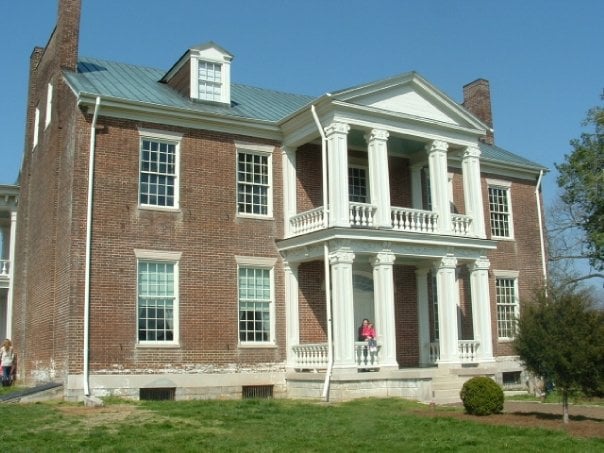
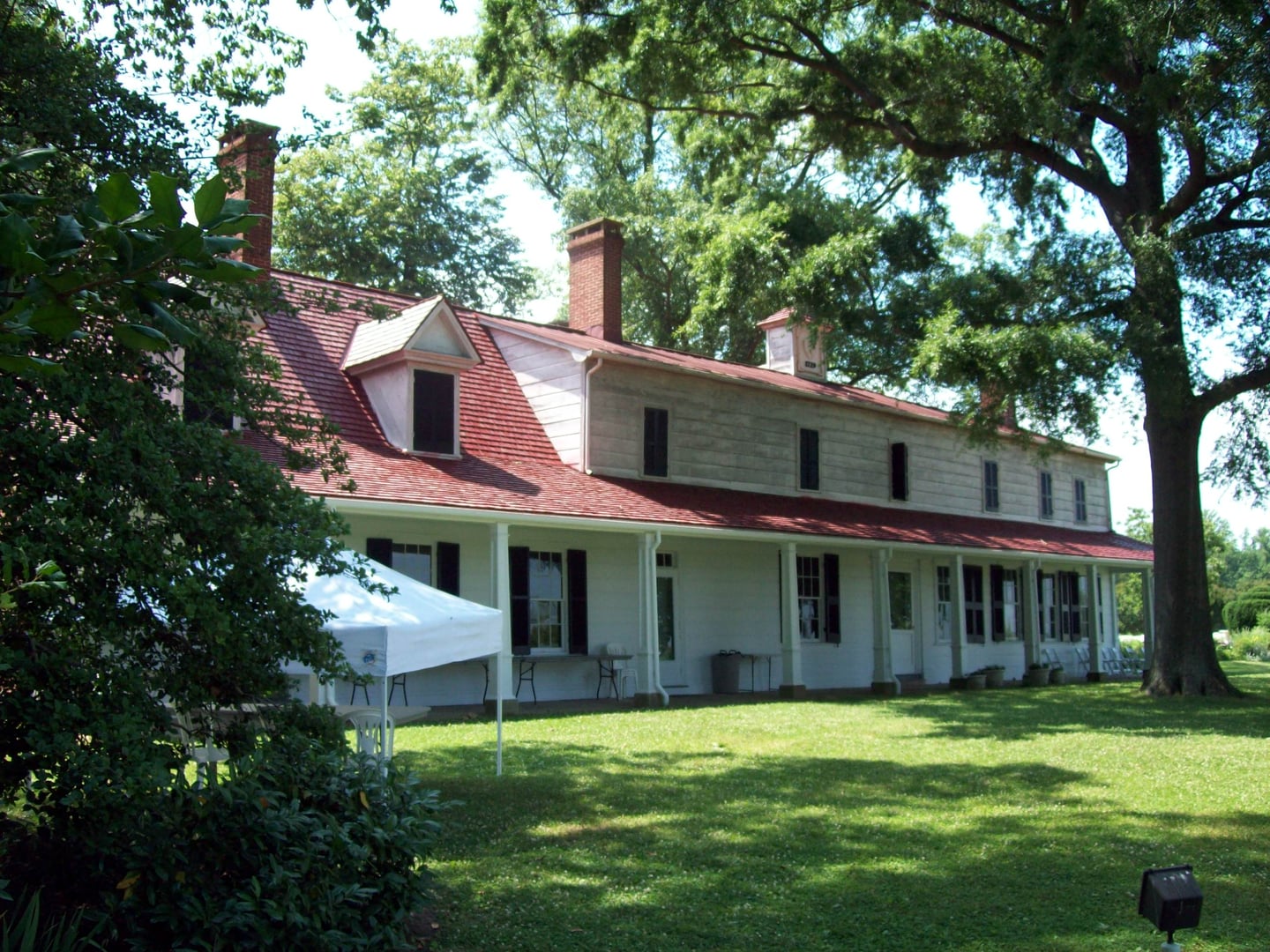
Est. 1826 · National Register of Historic Places · Battle of Franklin · Largest Privately Owned US Military Cemetery · Confederate Field Hospital
Randal McGavock began construction of Carnton in 1826 on inherited land north of Franklin. The 1,420-acre plantation was named after the McGavock family's ancestral home in County Antrim, Ireland. The McGavocks held approximately 39 enslaved men, women, and children who worked the property.
When the Confederate Army of Tennessee, approximately 19,000 men under General John Bell Hood, engaged Union forces south of Franklin on November 30, 1864, the resulting battle produced roughly 9,500 casualties in five hours — 2,000 dead, 6,500 wounded, and 1,000 missing. Carnton was pressed into service as a field hospital for Confederate General William W. Loring's division. By midnight, an estimated 300 wounded soldiers crowded the interior; approximately 150 died inside the house that first night.
On the morning of December 1, 1864, the bodies of Confederate generals Patrick Cleburne, Hiram Granbury, John Adams, and Otho Strahl were laid out on Carnton's back porch. Carrie McGavock subsequently committed the family to the protection of the dead. In 1866, the McGavocks designated two acres of the property as a permanent military cemetery; Carrie kept a manuscript record of approximately 1,500 names, units, and burial locations.
The property passed through private ownership in the early 20th century before the Battle of Franklin Trust acquired and restored it. Today the trust operates Carnton alongside the Carter House and Lotz House.
Sources
- https://en.wikipedia.org/wiki/Carnton
- https://boft.org/carnton
- https://tennesseeencyclopedia.net/entries/carnton-plantation/
ApparitionsPhantom footstepsPhantom smellsCold spotsPhantom voicesResidual haunting
The upstairs rooms of Carnton, where the most acute field-hospital activity occurred on the night of the Battle of Franklin, generate the densest concentration of paranormal reports. Phantom footsteps on the original hardwood floors are the most frequently cited phenomenon, followed by the unexplained smell of blood, ether, and antiseptic above the original bloodstained floorboards.
A woman in 19th-century dress is reported in the hallways and on the staircase, observed by both visitors and overnight security. The descriptions match surviving photographs of Carrie McGavock and her documented role in the aftermath of the battle. The Battle of Franklin Trust does not officially identify the figure as Carrie McGavock.
The McGavock Confederate Cemetery itself, organized by state of origin with approximately 1,500 markers, produces reports of indistinct voices, the smell of pipe tobacco, and cold spots near specific markers. None of these accounts has been formally documented by the trust, which presents the property primarily through its battlefield and slavery history.
Notable Entities
A woman in 19th-century dress (associated locally with Carrie McGavock)