Guided Tour Booking Required
Performance at the Tivoli
Catch a performance in the restored 1921 'Jewel of the South' movie palace — operatic concerts, touring shows, and the Chattanooga Symphony all use the venue.
- Duration:
- 2 hr
HauntBound archive · catalog record
Reported phenomena, as catalogued
1921 Beaux-Arts movie palace nicknamed 'the Jewel of the South,' with local tour lore crediting three resident spirits — a musician, a dancer, and an old stagehand.
709 Broad St, Chattanooga, TN 37402
Research updated June 2026
Age
All Ages
Cost
$$
Ticket prices vary by event; tours by arrangement through Tivoli Foundation.
Access
Wheelchair OK
Renovated 1921 theater with ADA-accessible orchestra seating and restrooms
Equipment
No Photos
Est. 1921 · National Register of Historic Places (1973) · Designed by Rapp and Rapp · Among the first air-conditioned public buildings in the US · Chattanooga's flagship performing-arts venue
The Tivoli Theatre opened on March 19, 1921 as one of Chattanooga's grand entertainment venues during the silent-film and vaudeville era. Designed by the prolific Chicago theater firm Rapp and Rapp in collaboration with local Chattanooga architect Reuben Harrison Hunt, the building combined a Beaux-Arts limestone facade on Broad Street with an ornate Renaissance Revival interior featuring a domed auditorium and richly decorated lobby spaces.
The theater seated more than 1,750 across a tiered configuration — 1,012 in the orchestra, 312 each in the upper and lower balconies, 78 in the loge, 48 in upper boxes, and 104 in the removable orchestra pit. The Tivoli was distinguished by being among the first air-conditioned public buildings in the United States, an attraction in itself in the pre-air-conditioned South.
Through the 1920s, '30s, and '40s the Tivoli operated as a first-run movie palace and live-entertainment venue. As suburban multiplexes drew away movie audiences in the postwar era, the Tivoli's fortunes declined, and by the mid-1970s its future was uncertain.
The city of Chattanooga purchased the building in 1976 and undertook a major restoration. The Tivoli was added to the National Register of Historic Places on April 11, 1973. Today the theater is jointly managed by the city's Department of Education, Arts, and Culture and the Tivoli Foundation, hosting touring Broadway, the Chattanooga Symphony Orchestra, and concert acts. The theater is nicknamed 'the Jewel of the South.'
Sources
The Tivoli Theatre's haunted reputation is primarily carried by local ghost-tour operators rather than the venue itself. According to tour materials referenced by Chattanooga Rydables and recurring features in Chattanooga seasonal coverage, three recurring spirits are described:
The Musician — a former performer reportedly heard or glimpsed near the orchestra pit and balcony, sometimes associated with brief unexplained snatches of music or audible cues during rehearsals.
The Dancer — a female figure said to appear backstage and in dressing-room mirrors, particularly during dance performances and rehearsals.
The Stagehand — described as an older male figure who 'never left the building,' seen near the fly system and back-of-house catwalks. Crew accounts describe brief sightings followed by an empty corridor.
None of these stories has been independently documented by historians or in newspaper archives examined for this entry — they trace primarily to local oral tradition and ghost-tour narratives, and theater management does not officially endorse the reports. The entity claims rest on a single tradition.
Notable Entities
Catch a performance in the restored 1921 'Jewel of the South' movie palace — operatic concerts, touring shows, and the Chattanooga Symphony all use the venue.
Some links on this page may earn HauntBound a small commission when you book, at no extra cost to you. Our editorial picks are independent. Full disclosure
Every HauntBound history is researched from documented sources. We clearly separate verified historical fact from paranormal folklore.
Free Guide
11 verified stops, rated for families, mapped in order. Free.
One email to confirm, then the guide link. Unsubscribe anytime.
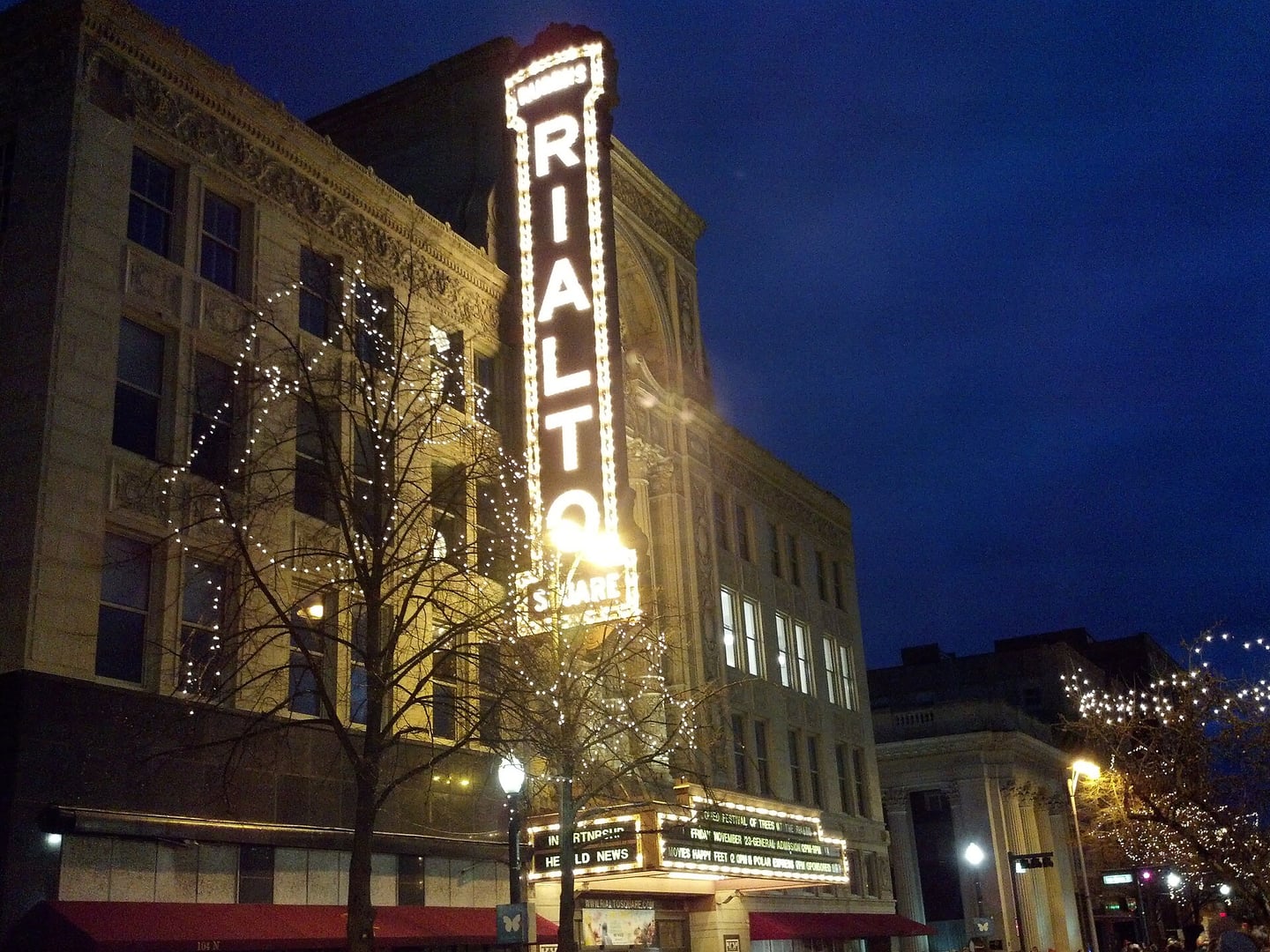
Joliet, IL
The Rialto Square Theatre opened May 24, 1926, designed by Chicago firm Rapp & Rapp for the six Rubens brothers. Its Neo-Baroque interior — modeled in part on the Hall of Mirrors at Versailles — earned it a place on the American Institute of Architects's '150 Great Places in Illinois' and a listing on the National Register of Historic Places.
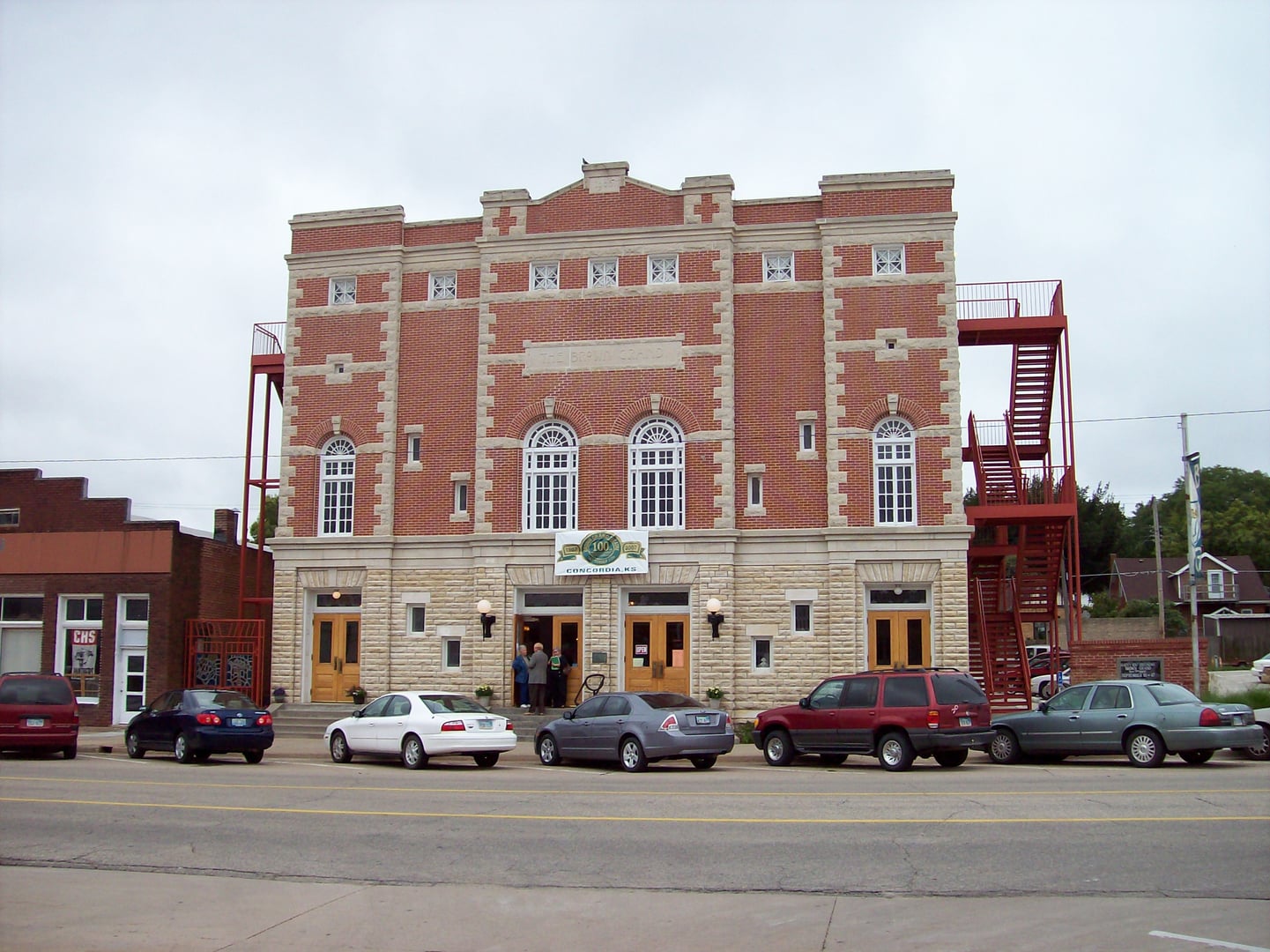
Concordia, KS
Colonel Napoleon Bonaparte Brown, a Concordia banker, broke ground on the theater in April 1906 and hired Kansas City architect Carl Boller to design it. His son, Earl Van Dorn Brown, supervised construction after touring more than thirty opera houses for ideas. The theater opened September 17, 1907. Brown died in 1910; Earl died about four months later. Listed on the National Register of Historic Places in 1973, the building was restored to its original appearance and reopened in 1980.
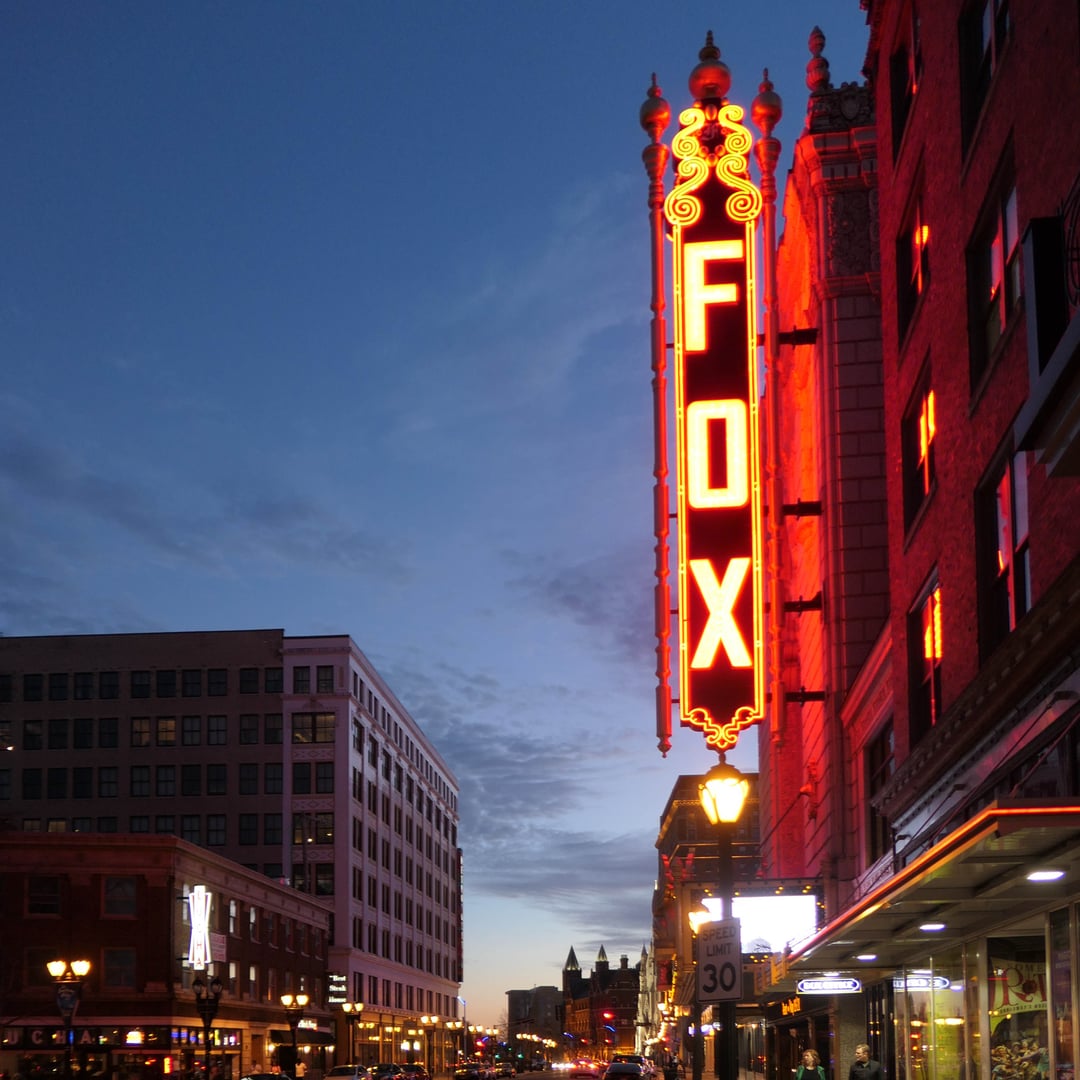
St. Louis, MO
The Fabulous Fox Theatre opened in January 1929 as one of five 'Fox' picture palaces commissioned by film magnate William Fox. Designed by C. Howard Crane in a 'Siamese Byzantine' style, the 4,500-seat auditorium was the second-largest in the United States at its opening. After decades of decline the theatre closed in 1978 and was restored by the Fox Associates beginning in 1981, reopening in 1982 as the centerpiece of Grand Center.