One of Tennessee's best-documented ghost light traditions, continuously reported since the 1940s · Subject of a 1977 vinyl recording — one of the earliest folk-song memorials to a ghost-light phenomenon in the state · Featured in Kathryn Tucker Wyndham's Thirteen Tennessee Ghosts and Jeffrey, the foundational regional paranormal reference work
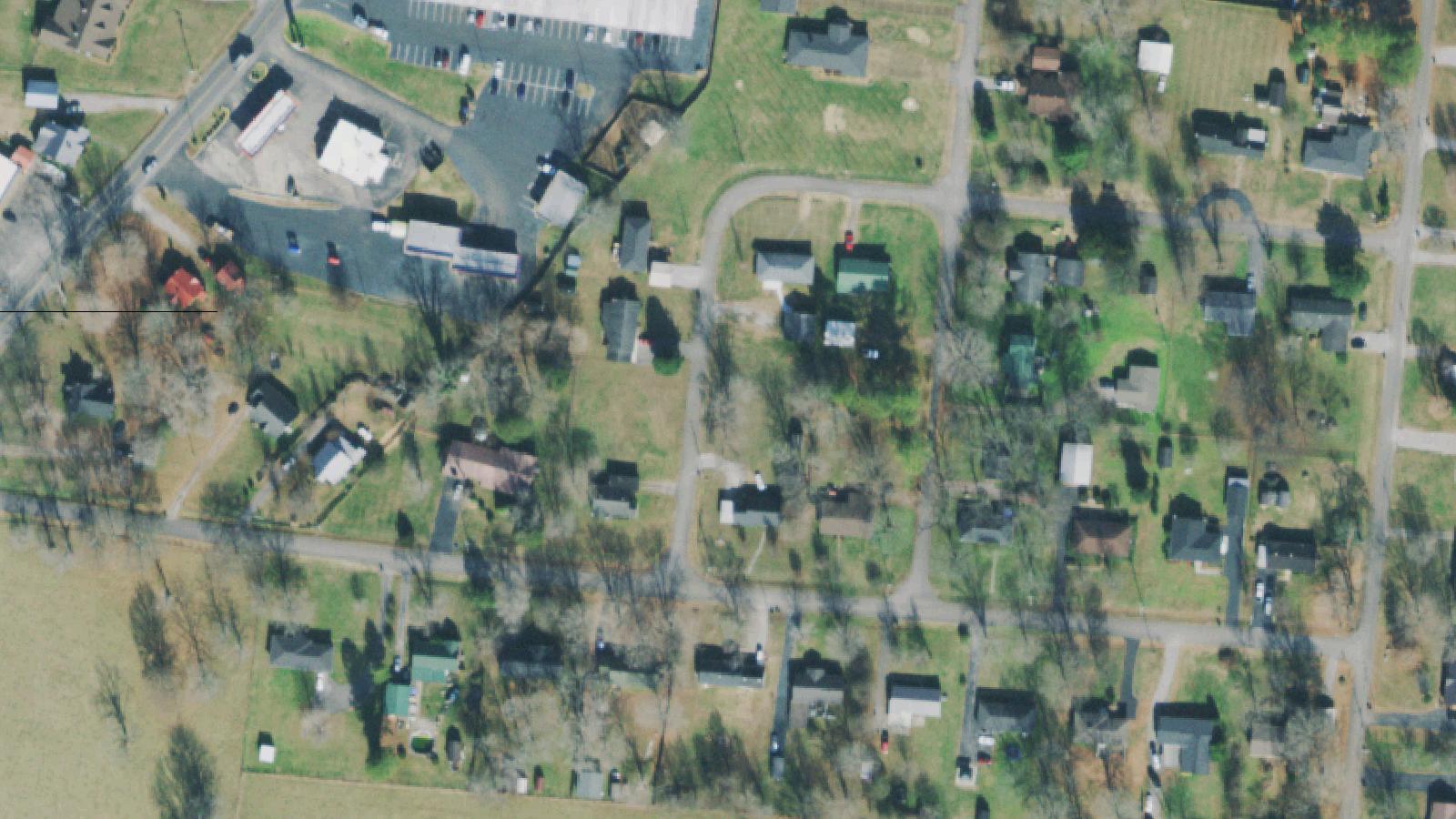
Chapel Hill, Tennessee, sits in Marshall County in the central part of the state, approximately 60 miles south of Nashville. The Louisville and Nashville Railroad (L&N) ran a line through the area that served as a vital link for agricultural and industrial shipments in Middle Tennessee throughout the 19th and early 20th centuries.
The event most commonly associated with the ghost light is the death of a local man, identified in community accounts and a 1977 recording as 'Skip Adjent,' who was fatally struck by a train on June 8, 1942, while walking on the tracks near the crossing. His death was documented in local records and his memory preserved in song: Chapel Hill resident John Rickman composed 'Chapel Hill Ghost Light,' recorded on vinyl in 1977 by the group Us Two and Him, one of the earliest documented folk-song responses to a ghost-light tradition in Tennessee.
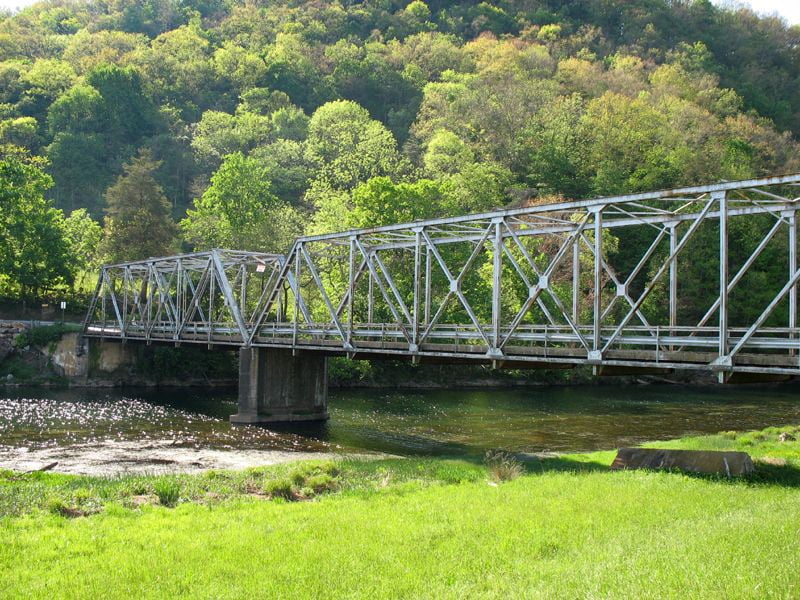
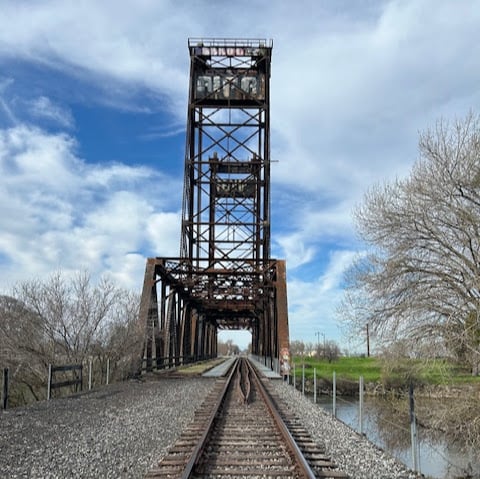
The broader legend also incorporates an unnamed L&N signalman allegedly killed while warning a train of washed-out track fill near the Duck River trestle — a more dramatic origin story that circulates in parallel with the Adjent account. Folklorist and historian Lyle S. Russell documented both versions in his 2022 Tennessee Ghosts and Legends research, noting that the signalman legend may be a later narrative overlay. Author Kathryn Tucker Wyndham included the Chapel Hill light in her foundational regional paranormal collection, Thirteen Tennessee Ghosts and Jeffrey.
Sightings reports escalated through the 1960s and 1970s, with groups gathering at the tracks to watch for the light. A 1977 incident involving a named Bedford County resident who was struck by a train while watching for the light underscores the real danger of the active crossing — a cautionary dimension to the tradition that locals have long acknowledged.
Sources
- https://lylerussell.net/2022/09/25/tn-gl-episode-2-the-headless-signalman-and-the-chapel-hill-ghost-light/
- https://www.wkrn.com/special-reports/haunted-tennessee/mysterious-light-haunts-chapel-hill-railroad/
- https://www.wkrn.com/special-reports/haunted-tennessee/ghost-light-haunts-chapel-hills-railroad-tracks/
- https://www.thenightskyii.org/spook44.html
- https://nashvilleghosts.com/the-legend-of-the-headless-signalman/
- https://www.hillbillyslang.com/folklore/chapel-hill-ghost-light/
- https://digital-release.wkrn.com/special-reports/haunted-tennessee/mysterious-light-haunts-chapel-hill-railroad/
Swinging lantern-like light visible down the track corridor after darkLight advances toward observers then vanishesLight color shifts from white to redGround vibrations through railroad ties accompanying light appearancesUnexplained vehicle paint damage reported in one 1977 incident
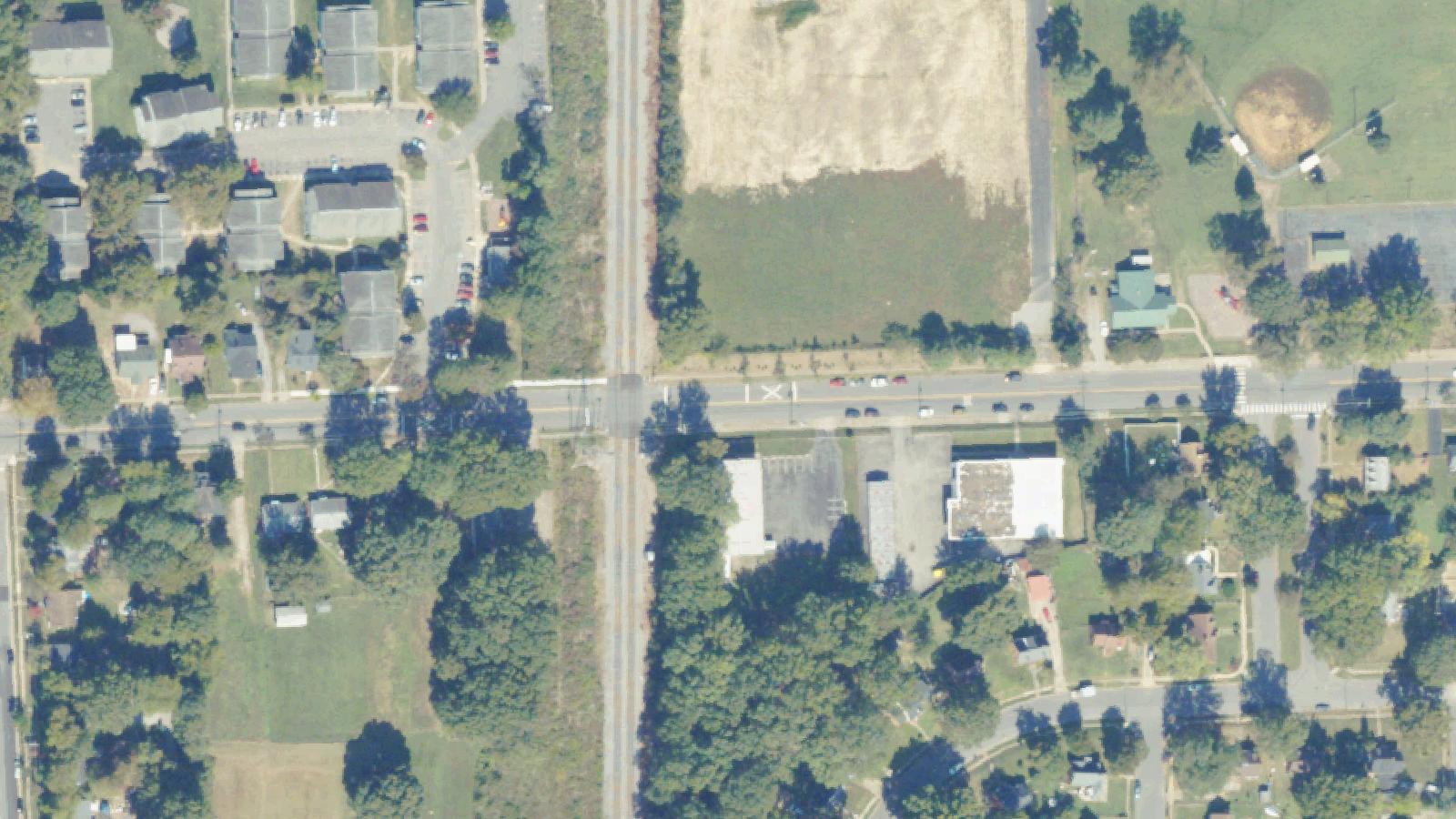
The Chapel Hill Ghost Light has been observed by residents and visitors along the railroad right-of-way near Logue Street for more than 80 years. Witnesses consistently describe a bobbing, swinging light that resembles a railroad lantern — sometimes white, sometimes shifting to red — visible down the dark track corridor before advancing toward observers and then vanishing.
The most widely circulated origin legend involves Skip Adjent, who was fatally struck by a train on June 8, 1942. According to multiple independent accounts, the light began appearing after his death, and locals interpreted it as his spirit continuing to walk the tracks. This account inspired John Rickman's 1977 composition 'Chapel Hill Ghost Light,' released on vinyl as 'Us Two and Him' — an unusual piece of documented cultural evidence for how quickly the legend had calcified into community identity by the late 1970s.
A parallel legend describes an L&N signalman dispatched on a rainy night to warn an approaching freight train of washed-out track fill near the Duck River trestle. According to this version, the signalman slipped on wet rails and was struck by the train, decapitated; the light is said to be his lantern swinging as he searches for his head — a narrative structure common to railroad ghost lights across the American South. Researcher Lyle S. Russell, writing in 2022, notes this version may be a secondary elaboration applied to the earlier Adjent-based tradition.
A number of well-attested witness accounts from the 1950s through the 1980s describe specific physical details: the light accelerating toward observers, causing ground vibrations detectable through railroad ties, and in one 1977 incident, leaving unexplained scratches in a car's paint after the vehicle appeared to 'collide' with the light. The Chapel Hill Ghost Light is included in Kathryn Tucker Wyndham's Thirteen Tennessee Ghosts and Jeffrey, the canonical reference work for Tennessee paranormal tradition, further cementing its status as one of the state's most documented mystery-light phenomena.
Notable Entities
The Headless Signalman (unnamed L&N railroad worker, legend figure)Skip Adjent (local man killed on the tracks, June 8, 1942 — the historical anchor of the tradition)
Media Appearances
- Kathryn Tucker Wyndham, Thirteen Tennessee Ghosts and Jeffrey (1977)
- Us Two and Him, 'Chapel Hill Ghost Light' vinyl recording (1977)
- WKRN Nashville multiple Haunted Tennessee special reports
- Lyle S. Russell, Tennessee Ghosts and Legends podcast/blog (2022)