Self-Guided Visit
Historic Cemetery Walk
Walk the 18-acre grounds to find Revolutionary War veteran graves including Colonel George Maxwell's stone, the Maxwell Academy ruins, and historic markers.
- Duration:
- 45 min
HauntBound archive · catalog record
Reported phenomena, as catalogued
A National Register hilltop cemetery in Hawkins County sheltering Revolutionary War veterans, where a spectral black dog is said to guard the grave of Colonel George Maxwell.
Stoney Point Road, Surgoinsville, TN 37873
Research updated June 2026
Age
All Ages
Cost
Free
Free to visit; public cemetery
Access
Limited Access
Hillside cemetery with uneven ground; gravel path access
Equipment
Photos OK
Est. 1780 · National Register of Historic Places (NRHP #78002600, listed 1978) · Home to Revolutionary War veteran Colonel George Maxwell, Battle of Kings Mountain · Site of Maxwell Academy, one of earliest schools in Hawkins County · One of oldest continuously operating congregations in East Tennessee
The New Providence congregation was founded in 1780 at the home of William Armstrong II in Carter's Valley, with founding ministers Reverend Samuel Doak and Reverend Charles Cummins presiding. These early settlers had belonged to a congregation of the same name in Virginia and transplanted its name to their Tennessee frontier community. Until 1816 the congregation depended on circuit-riding ministers, and was sometimes referred to as 'Armstrong Settlement.'
Colonel George Maxwell was among the most notable early members of the community. A veteran of the American Revolution who served with the Sycamore Shoals Mountain Men and fought at the Battle of Kings Mountain in 1780, Maxwell died in 1822 and was interred in the cemetery. His grave is marked and recognized by the Sons of the American Revolution, which has held SAR ceremonies there honoring his service.
The congregation established a school at the church as early as 1816. A dedicated school building constructed in the early 1850s was renamed Maxwell Academy in the 1870s to honor George Maxwell's legacy. After the original building burned, a two-story brick replacement was completed in 1901. The present Gothic-style church structure was completed in 1892–93 with a later 1940s addition.
The property—encompassing the church, academy, and cemetery on 18 acres—was added to the National Register of Historic Places on December 1, 1978 (NRHP #78002600). The cemetery holds Revolutionary War soldiers, 26 documented Civil War soldiers, Vietnam War veterans, and members of the African American community.
Sources
The black dog legend of Surgoinsville is one of East Tennessee's more enduring supernatural traditions. According to local lore documented by folklorist Justin H. Guess in 'Weird Tri-Cities: Hawkins County, Tennessee' (2012) and by the Southern Spirit Guide, a large black dog appears near Colonel George Maxwell's grave and disappears almost immediately upon being sighted. Whether this apparition represents the spirit of a former companion animal or a guardian entity attracted to the military veteran's remains has never been resolved in the oral tradition.
The Southern Spirit Guide article on the 'curious canines of Surgoinsville' draws on John Norris Brown's 'Ghosts and Spirits of Tennessee' and the 1976 National Register nomination form prepared by Blanche Grigsby as historical anchors. Phantom footsteps following visitors in the leaves at night have also been reported in the vicinity of the Revolutionary War soldiers' graves, with witnesses describing the sensation of being accompanied by an unseen presence that matches their pace. The Shadowlands submission notes that birds erupt suddenly if a visitor approaches within a few feet of the soldiers' graves at night—a phenomenon that may have natural explanations given roosting behavior, but which has contributed to the cemetery's local reputation.
The black dog motif is widespread in British and Appalachian folklore as a protective or ominous omen, and its attachment specifically to a grave site is not uncommon in the southern mountain tradition.
Notable Entities
Walk the 18-acre grounds to find Revolutionary War veteran graves including Colonel George Maxwell's stone, the Maxwell Academy ruins, and historic markers.
Some links on this page may earn HauntBound a small commission when you book, at no extra cost to you. Our editorial picks are independent. Full disclosure
Every HauntBound history is researched from documented sources. We clearly separate verified historical fact from paranormal folklore.
Free Guide
11 verified stops, rated for families, mapped in order. Free.
One email to confirm, then the guide link. Unsubscribe anytime.
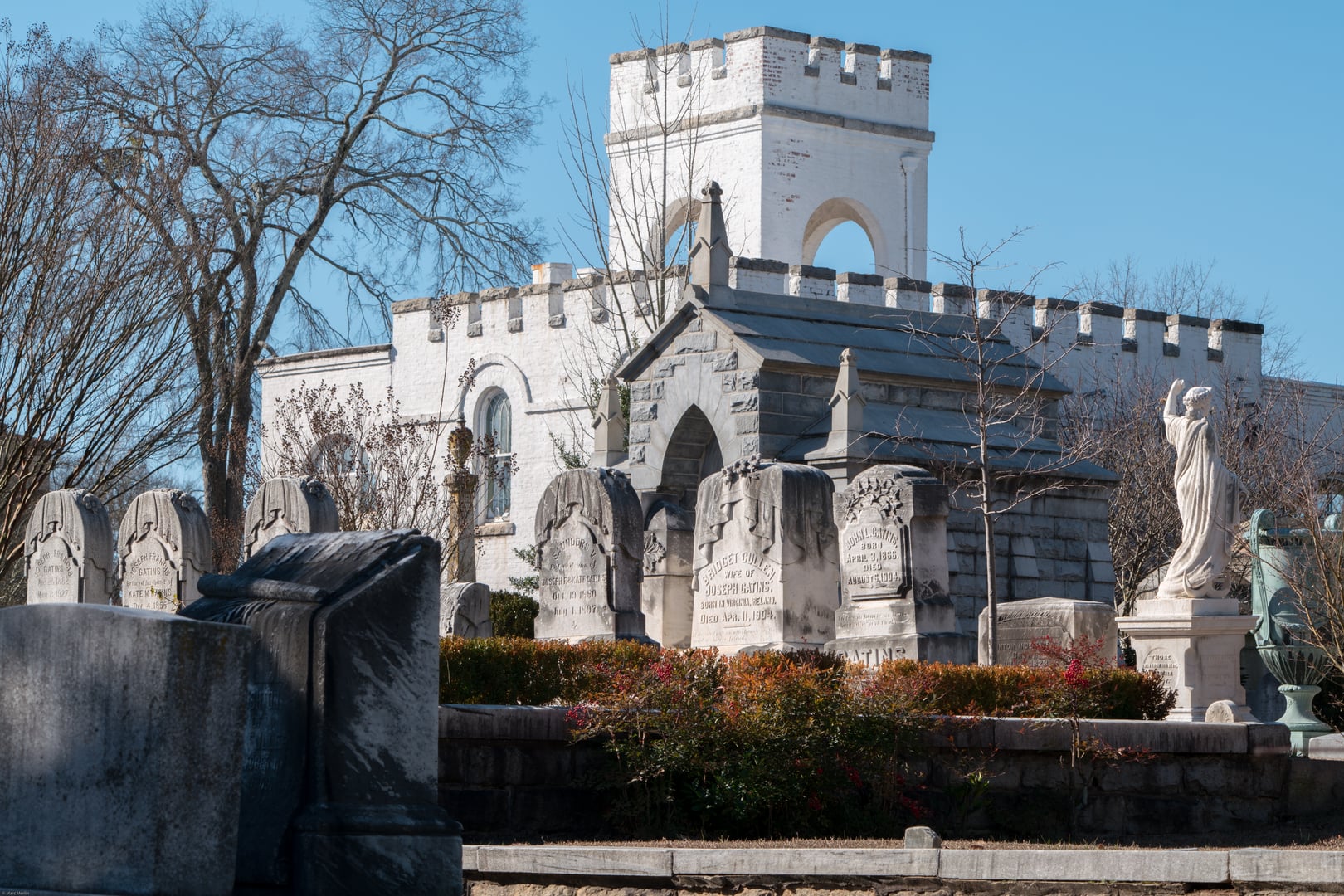
Atlanta, GA
Historic Oakland Cemetery was chartered in 1850 as the six-acre 'Atlanta Cemetery,' renamed Oakland in 1872, and expanded to 48 acres. Approximately 70,000 people are interred, including roughly 6,900 Confederate soldiers (3,000 unidentified), four Confederate generals, six Georgia governors, 27 Atlanta mayors, Margaret Mitchell, golfer Bobby Jones, and Maynard Jackson, Atlanta's first African American mayor. The cemetery was listed on the National Register of Historic Places on April 28, 1976.
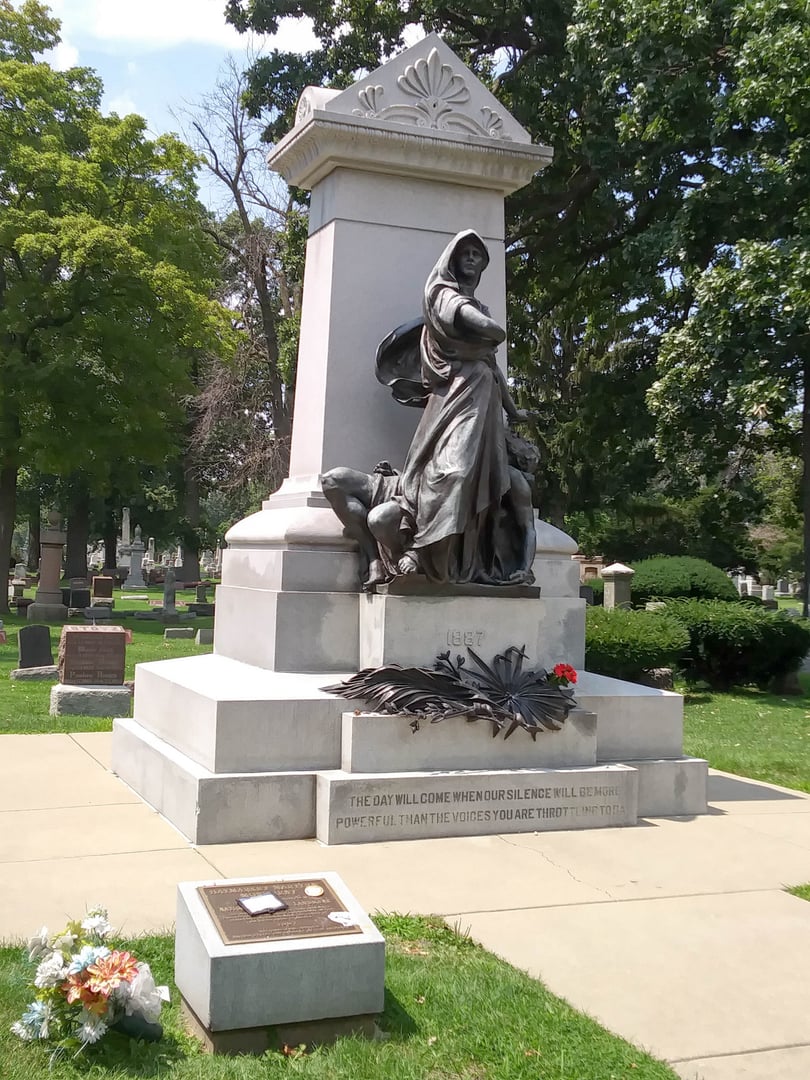
Forest Park, IL
Forest Home Cemetery in Forest Park, Illinois, grew from two adjacent cemeteries — German Waldheim (established 1873) and Forest Home (1876) — which merged in February 1969. The 220-acre site was chosen as a non-denominational burial ground, a policy that made it the only Chicago-area cemetery willing to accept the bodies of the Haymarket defendants in 1887.
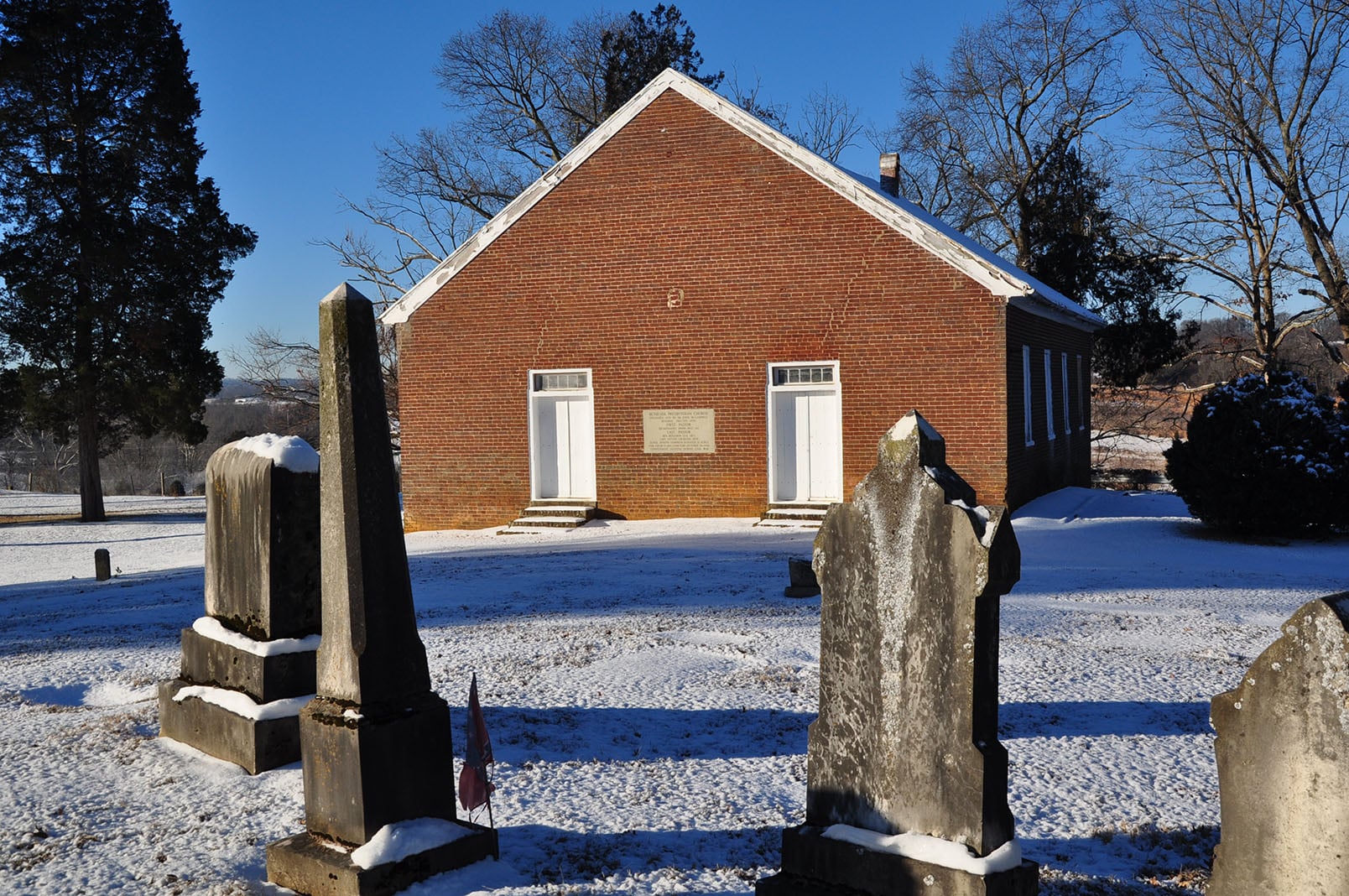
Morristown, TN
Organized in 1832 by Dr. John McCampbell and members of Hopewell Presbyterian Church, Bethesda Church was constructed in brick in 1835 on Highway 11E east of Morristown. During the Civil War it served as a hospital for both Union and Confederate wounded, including casualties from the Battle of Bean's Station (December 14, 1863), and treated smallpox patients. General James Longstreet's 25,000-man Confederate force wintered on the property from late 1863 through February 1864. Approximately 82 unknown soldiers are buried in the adjacent cemetery.