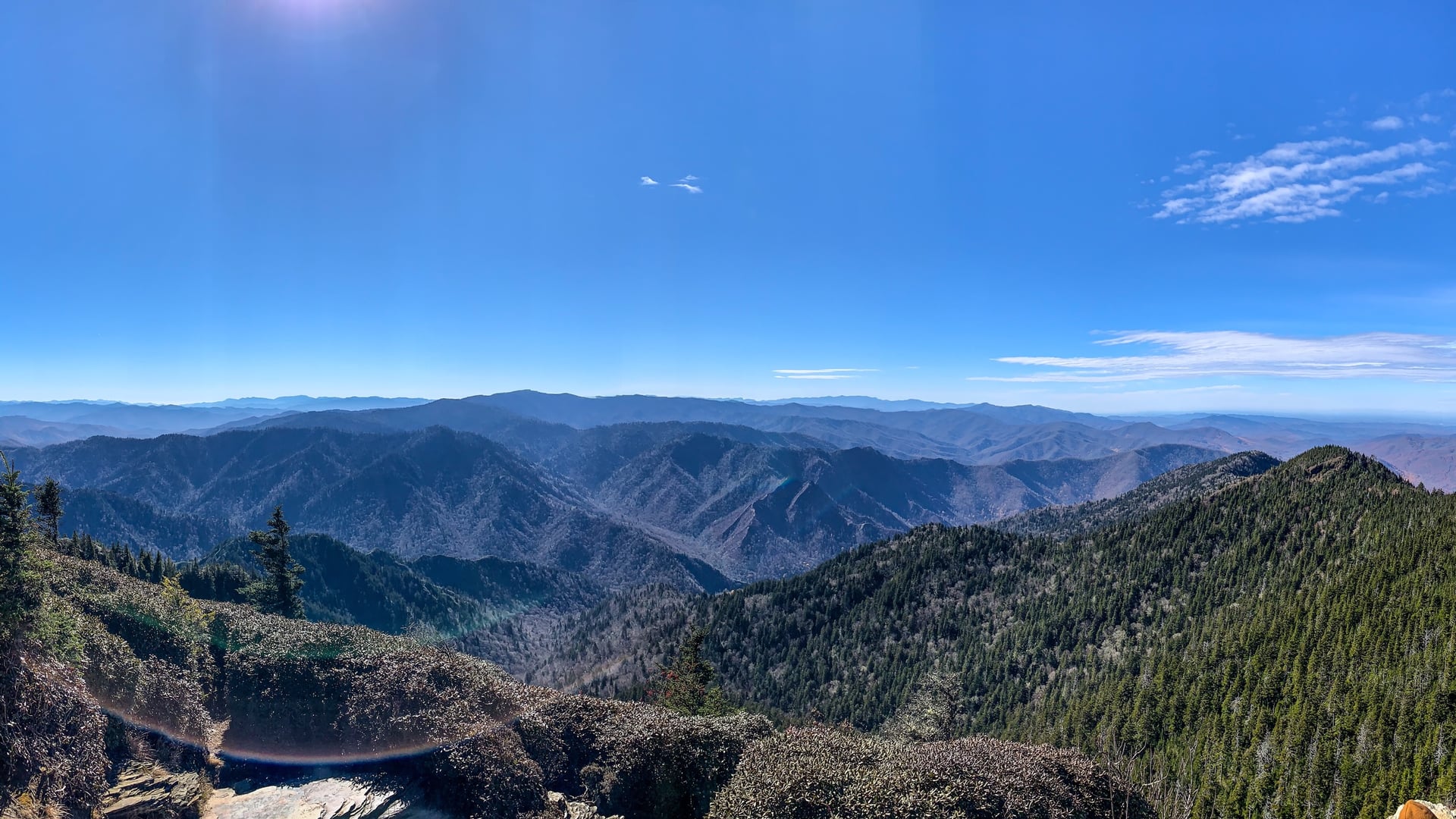
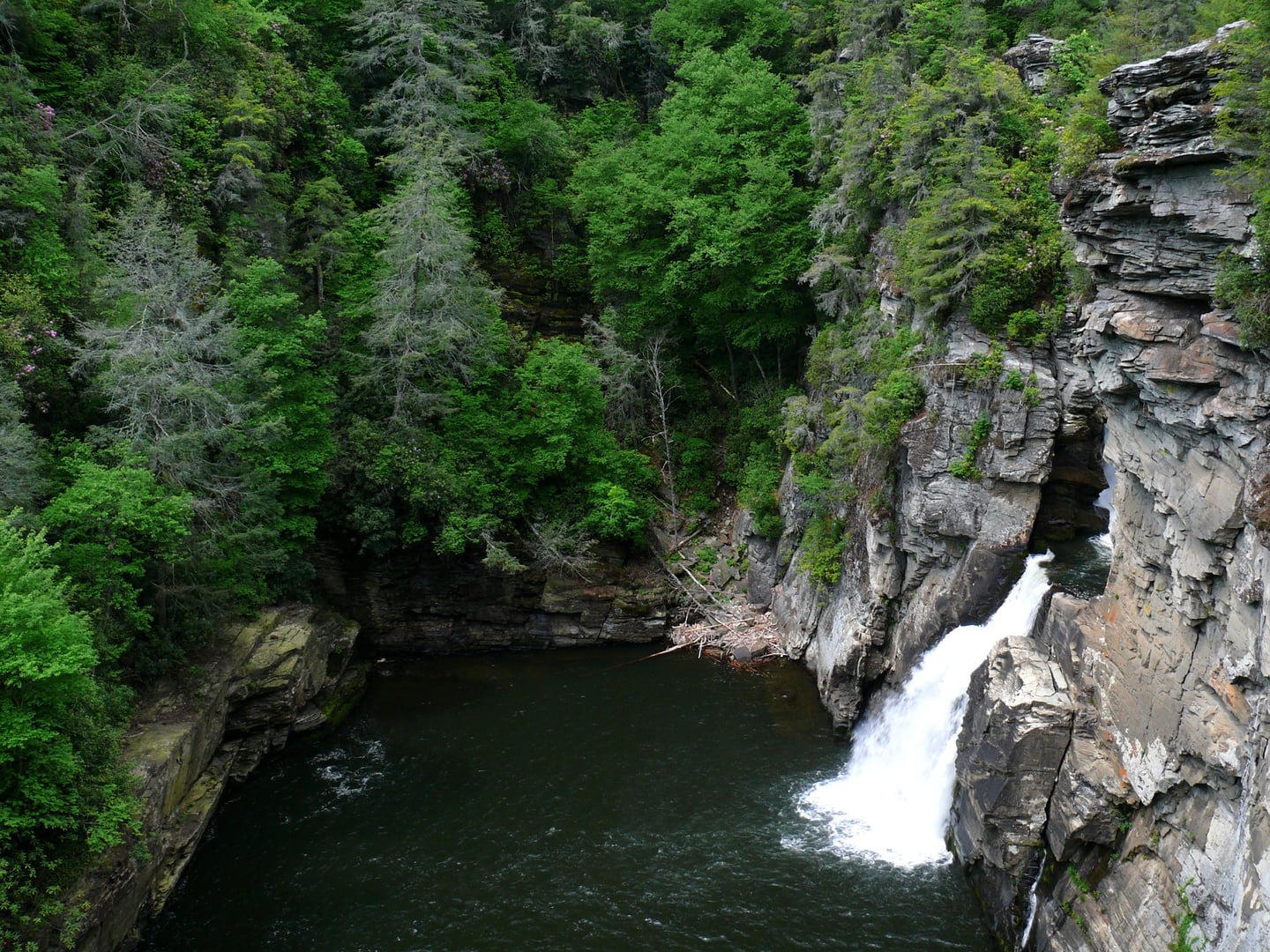
Doe Mountain occupies a substantial footprint in Johnson County in the extreme northeastern corner of Tennessee, near the Virginia border. The surrounding Appalachian highlands were part of the traditional territory of the Cherokee Nation before Euro-American settlement pushed into the region during the 18th century. The mountain takes its name from the deer — doe — that historically roamed its slopes in large numbers.
The area was managed as timber and agricultural land for most of the 19th and 20th centuries before conservation interests coalesced around the site. Doe Mountain Recreation Area, governed as a public recreational entity with the dmra.gov domain, now manages 8,600 acres of protected terrain with a trail network designed for hiking, mountain biking, and off-highway vehicle use.
Johnson County is one of the most rural counties in Tennessee, with Mountain City as its county seat. The mountain and its surrounding landscape have a dense tradition of Appalachian folklore, and the fireball legend is one of a category of luminous phenomena reported from remote mountain terrain throughout the Southern Appalachians.
Sources
- https://dmra.gov/
- https://www.nature.org/en-us/get-involved/how-to-help/places-we-protect/doe-mountain/
- https://www.johnsoncountytnchamber.org/area-info/doe-mountain-adventure-trails/
OrbsResidual haunting
The Doe Mountain Fireball is not a fixed-point phenomenon. Unlike many mountain ghost lights, which appear at a specific overlook or stretch of road, the Fireball has been reported at different locations on the mountain, at varying times, in a range of weather conditions. Witnesses describe a sphere of orange-white light that rolls along the terrain, varying in size from roughly the diameter of a bowling ball to about three feet across.
The detail that distinguishes it from atmospheric light effects is the dry-leaf behavior: multiple accounts specify that the Fireball rolls across leaf litter that is dry and would normally be ignitable, yet the leaves do not catch. This detail — the contradiction between a visible fire-form and the absence of combustion — is the core of what makes the phenomenon resistant to easy explanation.
Southern Appalachian ghost lights have a long regional tradition. The Brown Mountain Lights in neighboring North Carolina are among the most thoroughly investigated examples. Explanations for such phenomena have included swamp gas (where topography permits), bioluminescence from decaying organic matter (foxfire), refracted car headlights, and ball lightning. None of these accounts fully address the rolling directional movement and size variation described in Doe Mountain reports. The Tennessee Department of Tourism has cited haunted destinations in the area as part of regional heritage interpretation.