State guide · 360 documented locations
Haunted New York
New York has 360 documented haunted locations in the HauntBound index. 319 are rated family-friendly, 141 take bookings, and 16 ghost-tour operators work the state.
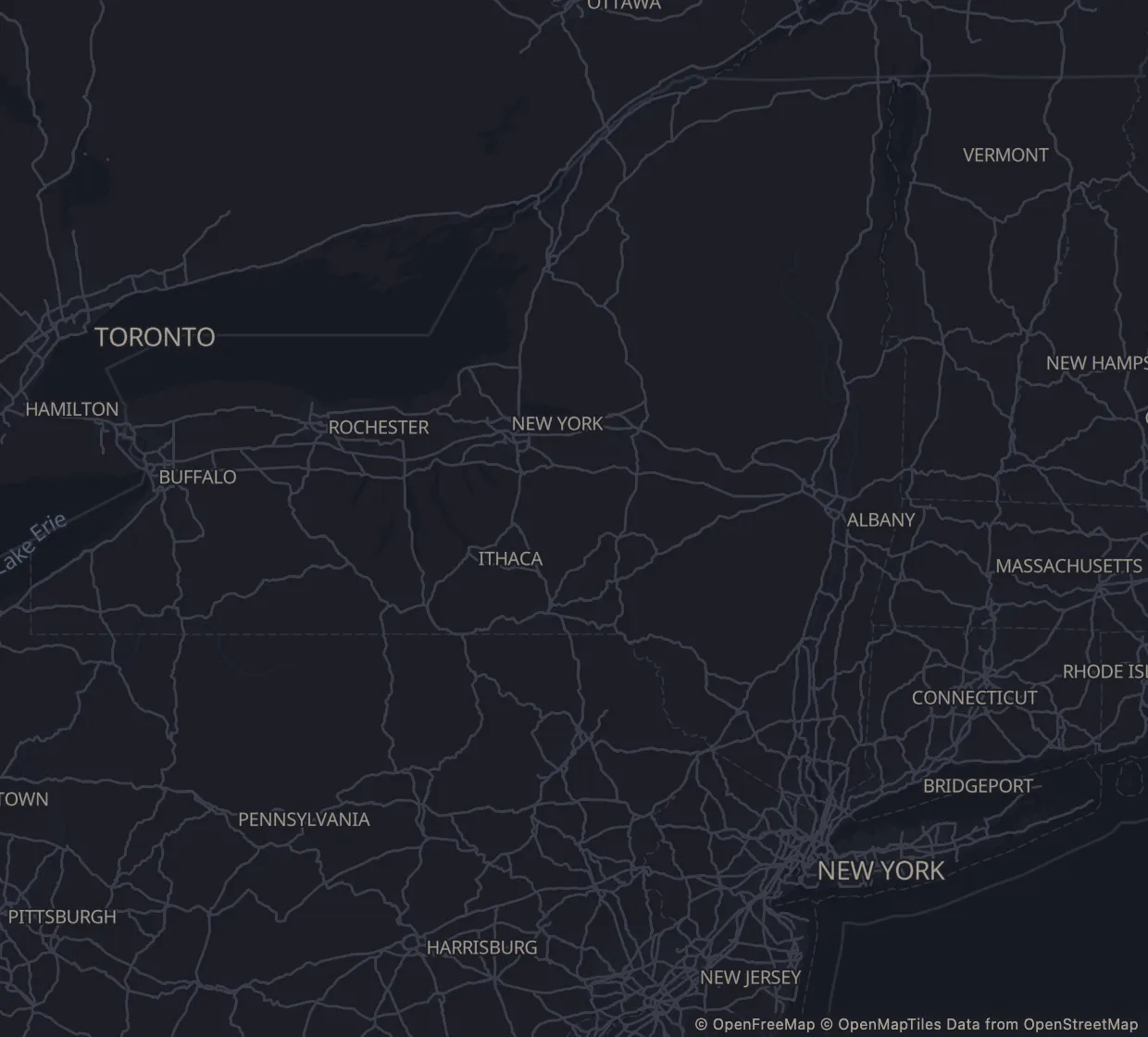
New York's haunted map runs the length of the state, from lighthouses on Long Island Sound to backroads in the Catskills where locals still won't drive after dark. Manhattan alone holds a colonial tavern with a documented basement crime and Broadway houses with their own resident ghosts. Upstate cities add old asylums and a library built over a buried millrace. More than three hundred stops make up the network. The Hudson Valley loop below pulls one week's worth of that map into a single weekend drive, built for a family with two days and a full tank of gas.
Best season. Late September through October is this route at its best, when Hudson Valley foliage peaks along the river roads and the season's programming overlaps: Sunnyside's costumed Legendary Tours, the Music Hall's ghost tours, and Old Dutch Church's Sunday tours all run at once. Plan around one hard constraint: Rondout Lighthouse only operates boat tours May through October, with its own Haunted Rondout program running in October only, so the first stop on this route is simply unavailable the rest of the year.
Ranked by depth of evidence
The most haunted places in New York
Independent sources, documented history, how far back the reports go. Not legend, and never a commission.
- Merchant's House Museum New York · Museum / Historical Site
- Rolling Hills Asylum (Genesee County Home and Infirmary) East Bethany · Asylum / Hospital
- Yaddo Saratoga Springs · Haunted House / Historic Home
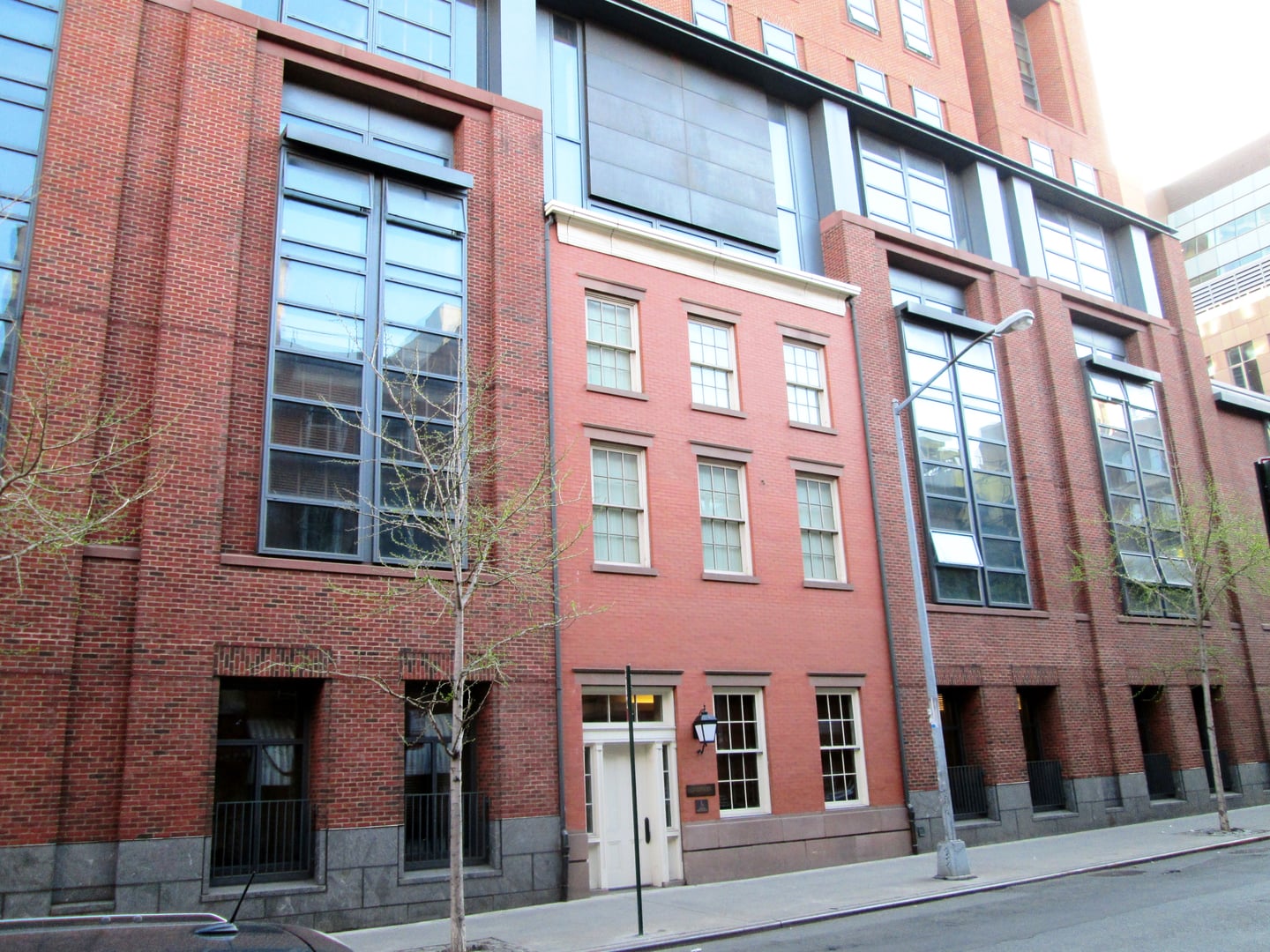
- Manhattan Well (129 Spring Street) New York · Haunted House / Historic Home
- Canfield Casino Saratoga Springs · Museum / Historical Site
All 360, in one place
Browse New York by region
Pick a region, city or type and the list and the map narrow together.
City
73Collapse
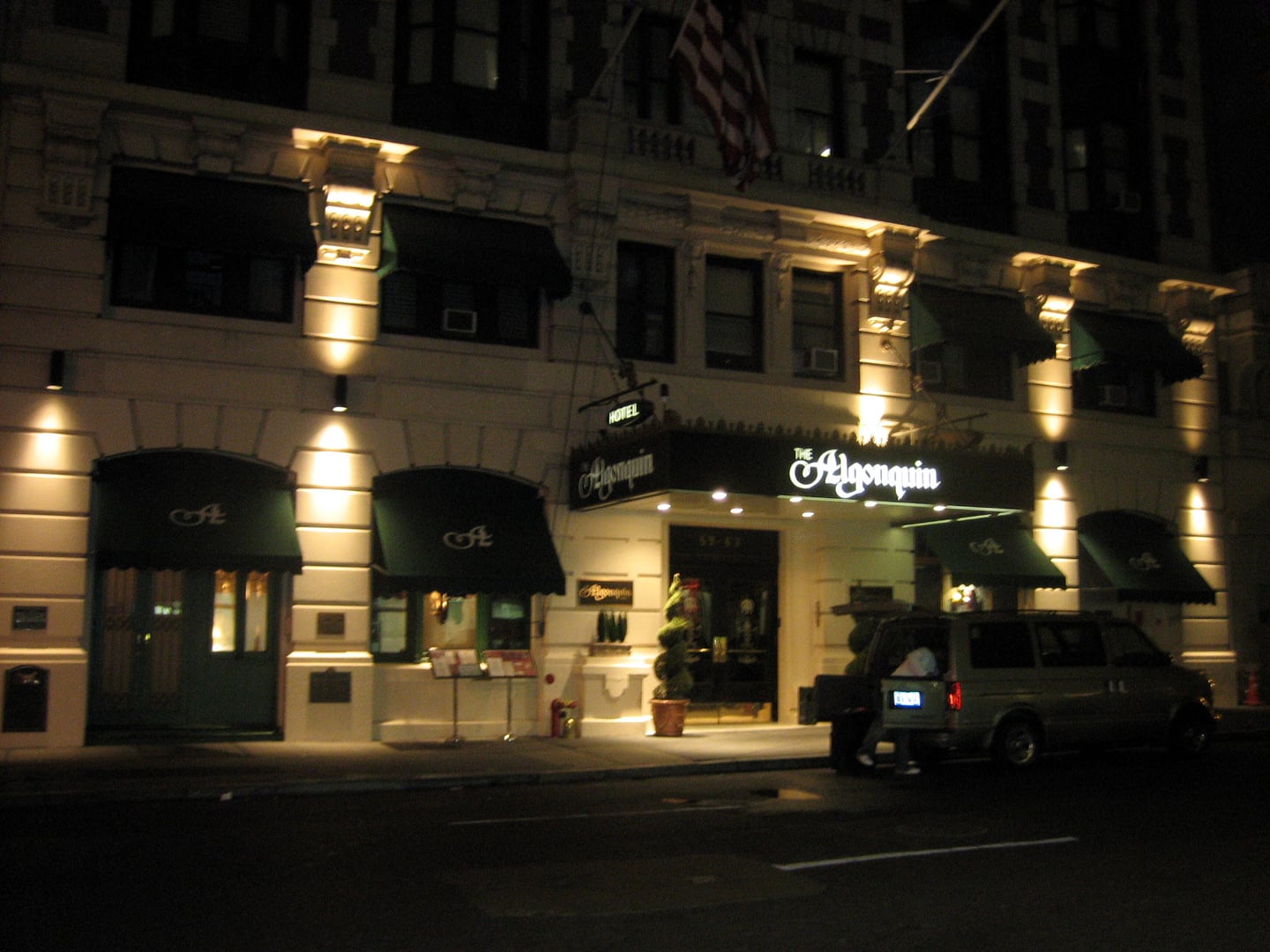
- Algonquin HotelNew York · Haunted Hotel / InnModerate
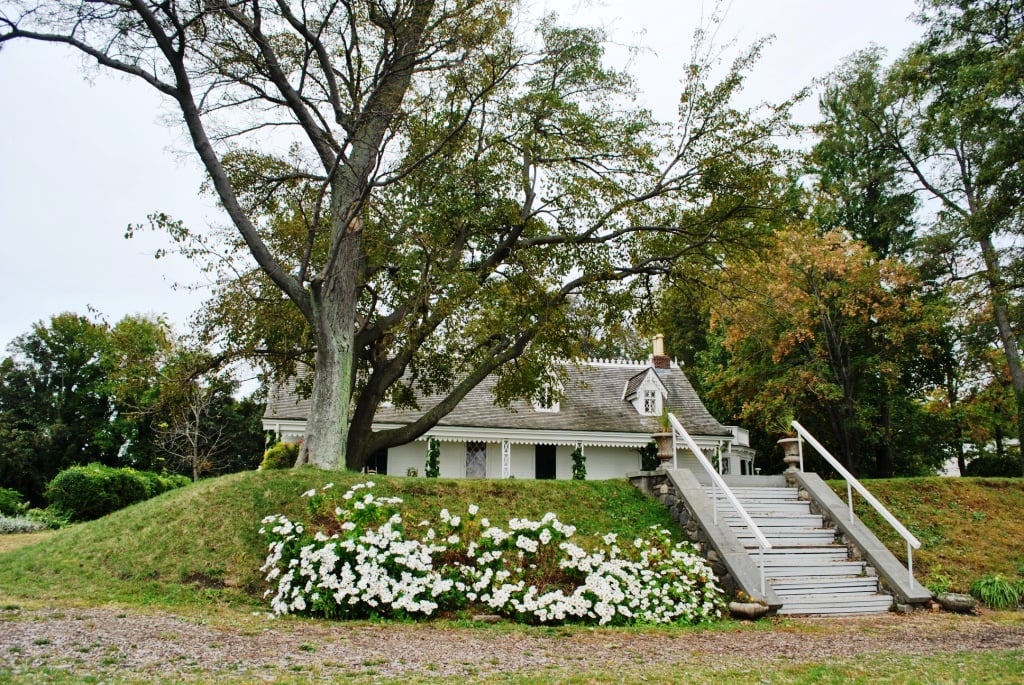
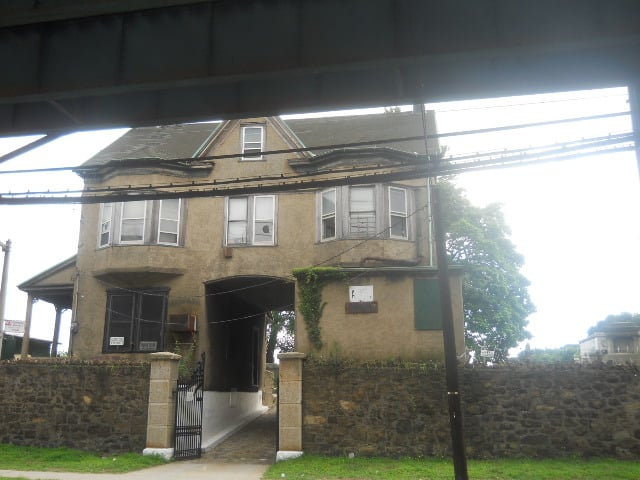
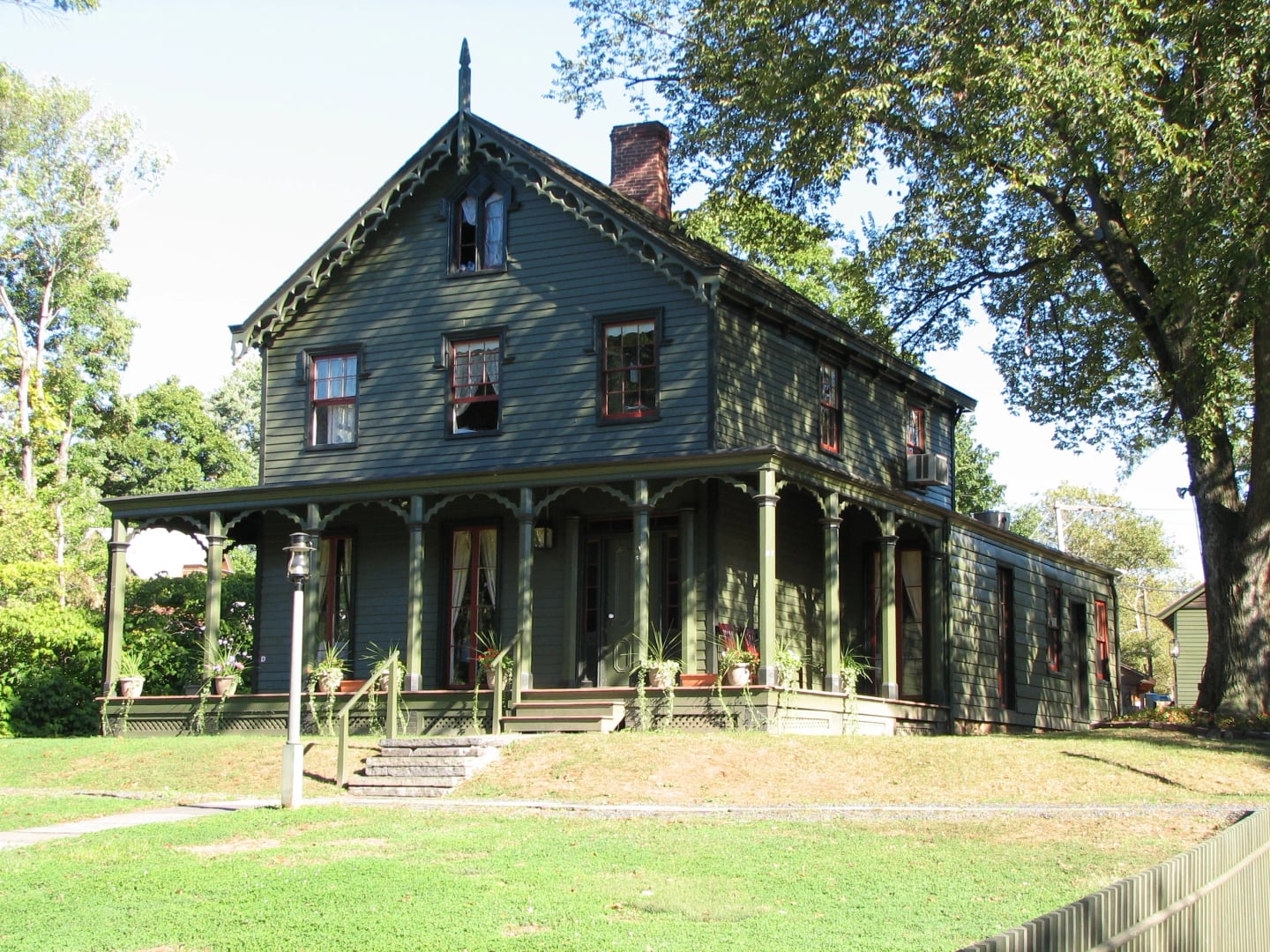
- Alice Austen House (Clear Comfort)Staten Island · Museum / Historical SiteHigh
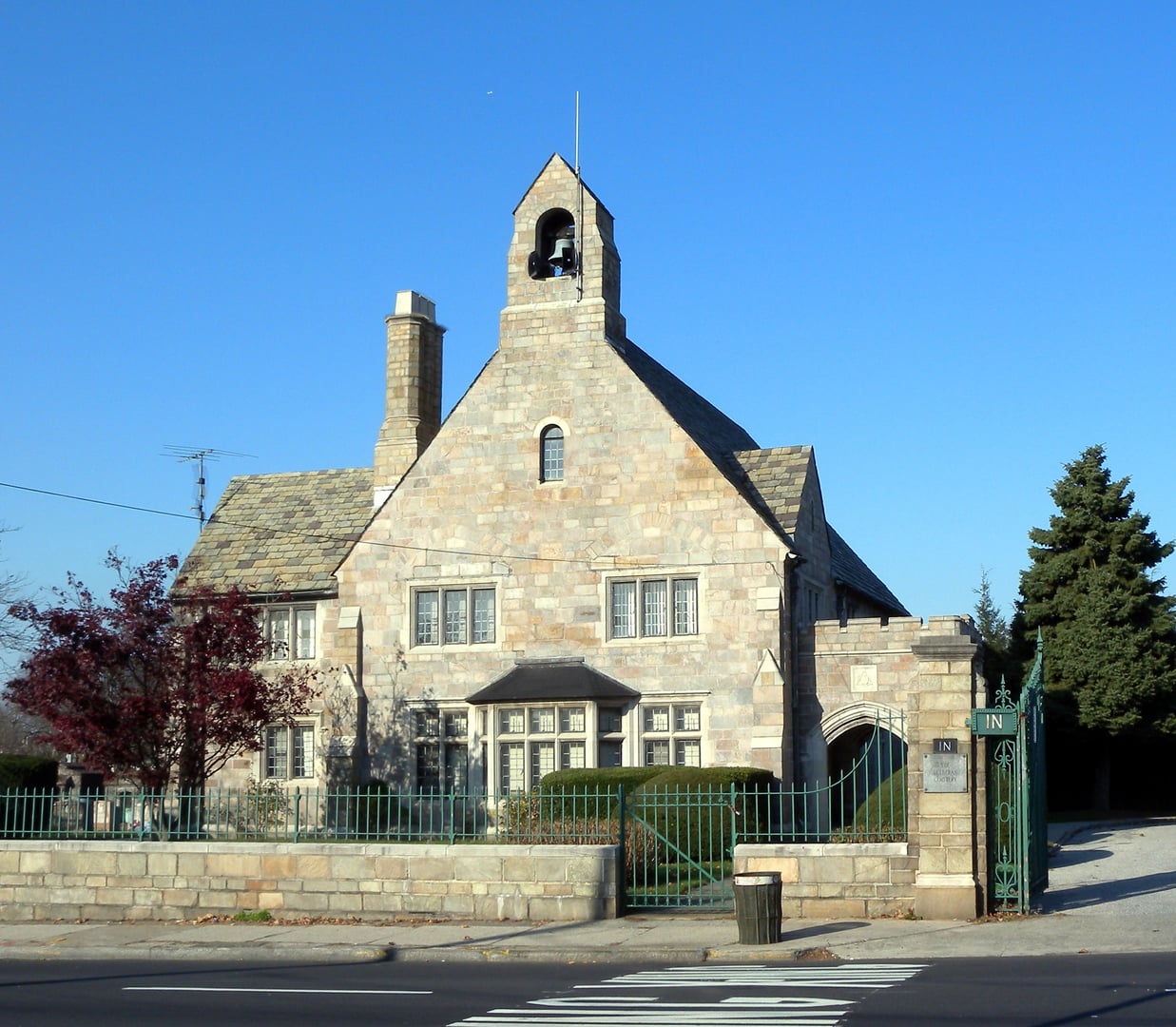
- All Faiths Cemetery (General Slocum Mass Memorial)Middle Village · Cemetery / Burial GroundHigh
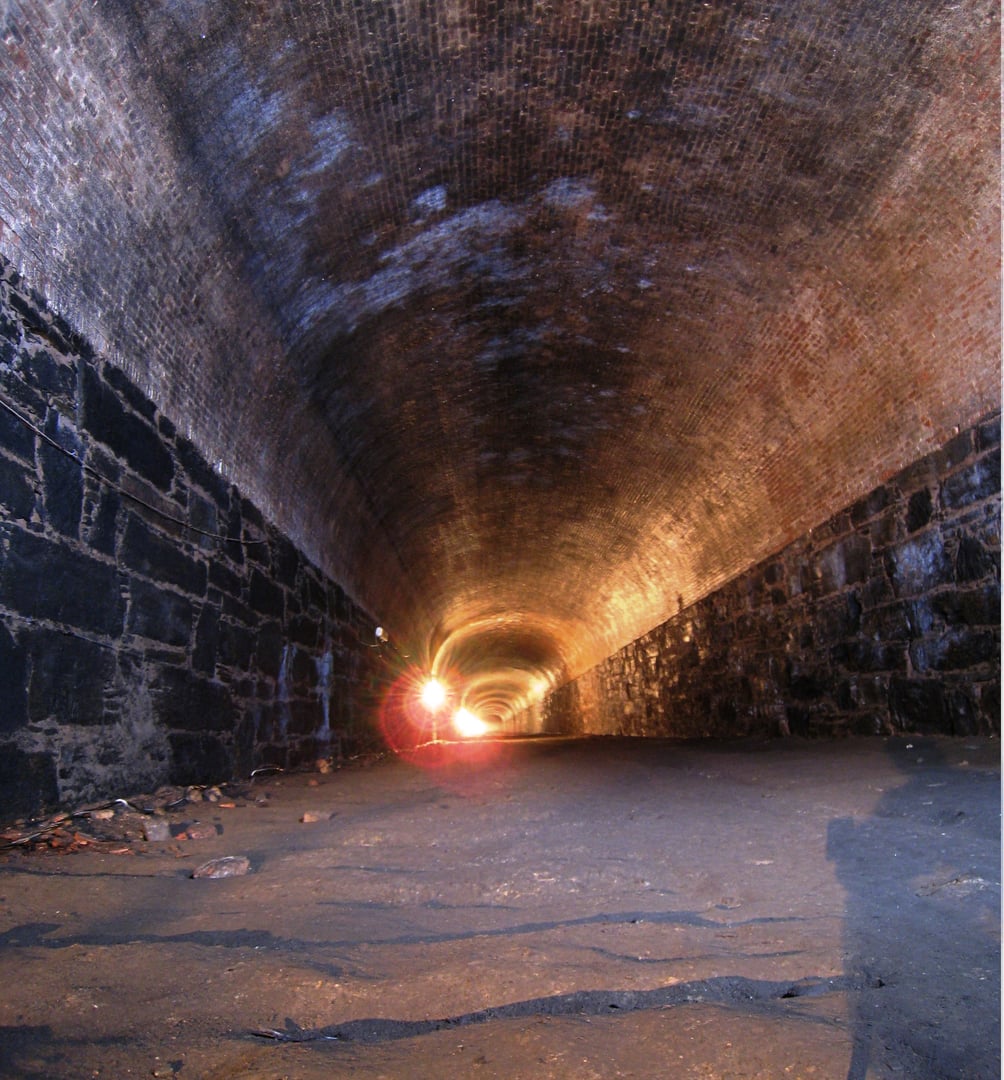
- Atlantic Avenue Tunnel (Cobble Hill Tunnel)Brooklyn · Other Dark Tourism SiteHigh
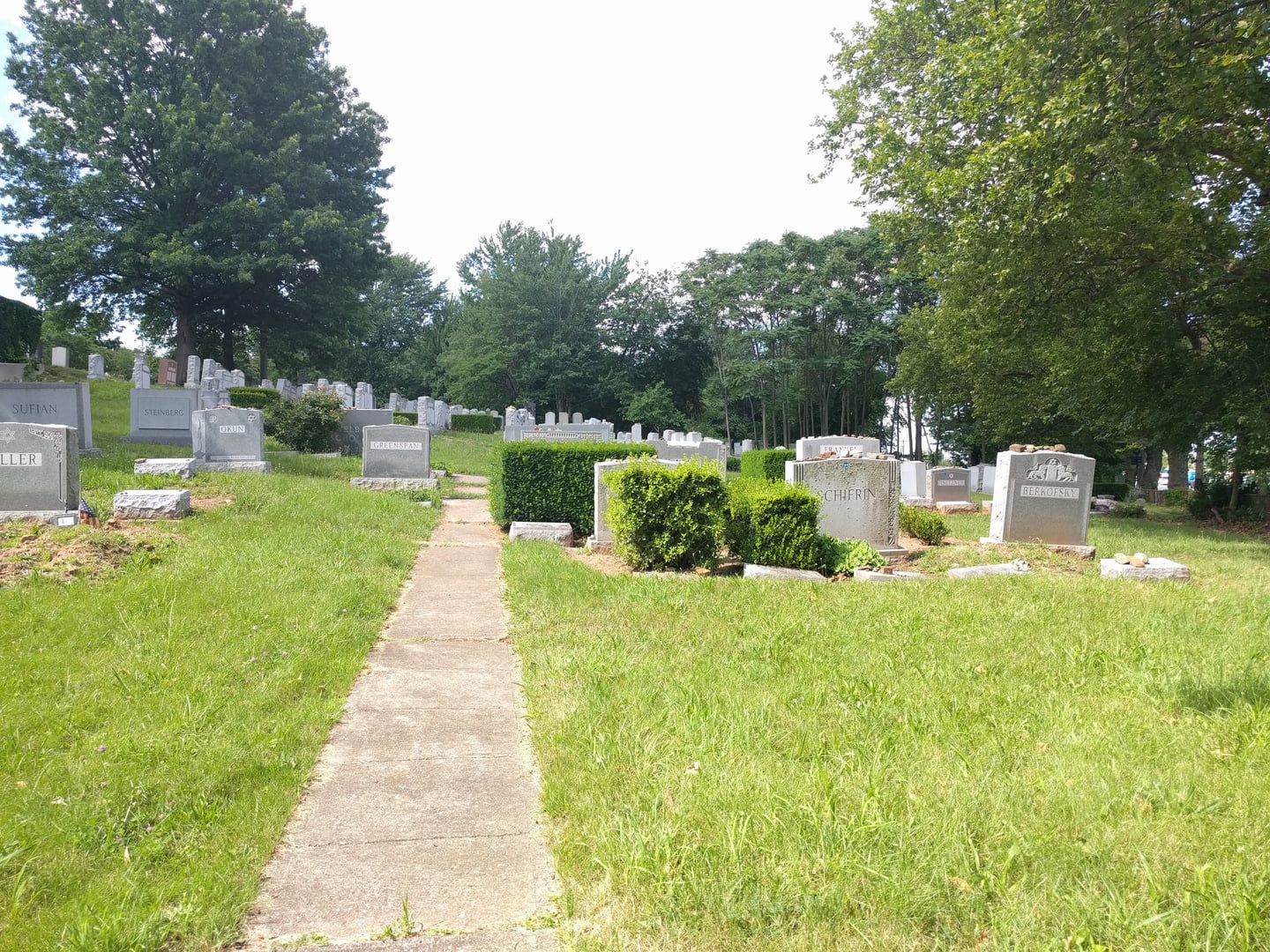
- Baron Hirsch CemeteryStaten Island · Cemetery / Burial GroundHigh
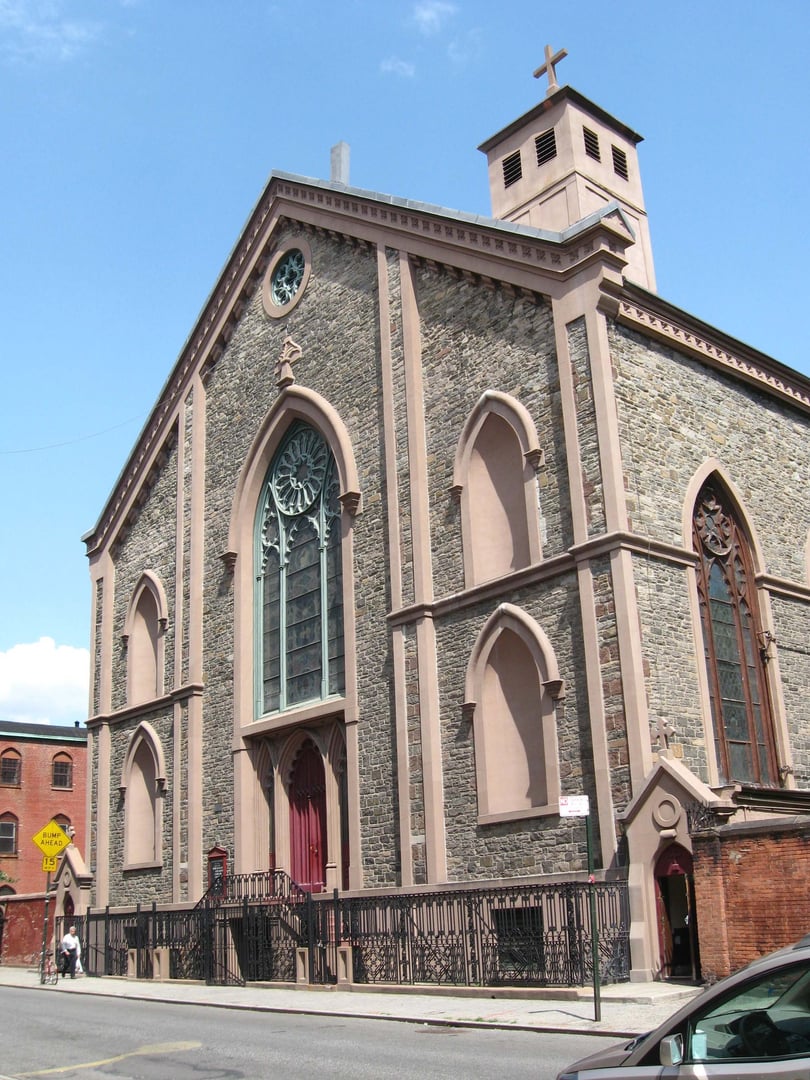
- Basilica of St. Patrick's Old CathedralNew York · Other Dark Tourism SiteModerate
- Bayside CemeteryOzone Park · Cemetery / Burial GroundModerate
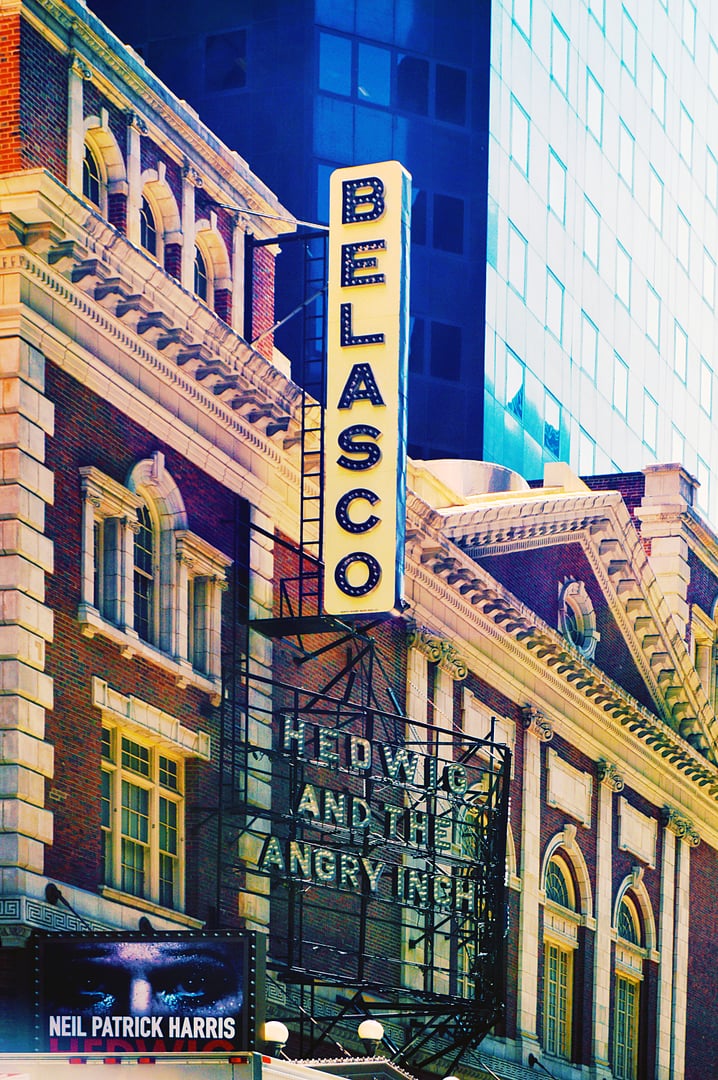
- Belasco TheatreNew York · Theater / Performance VenueHigh
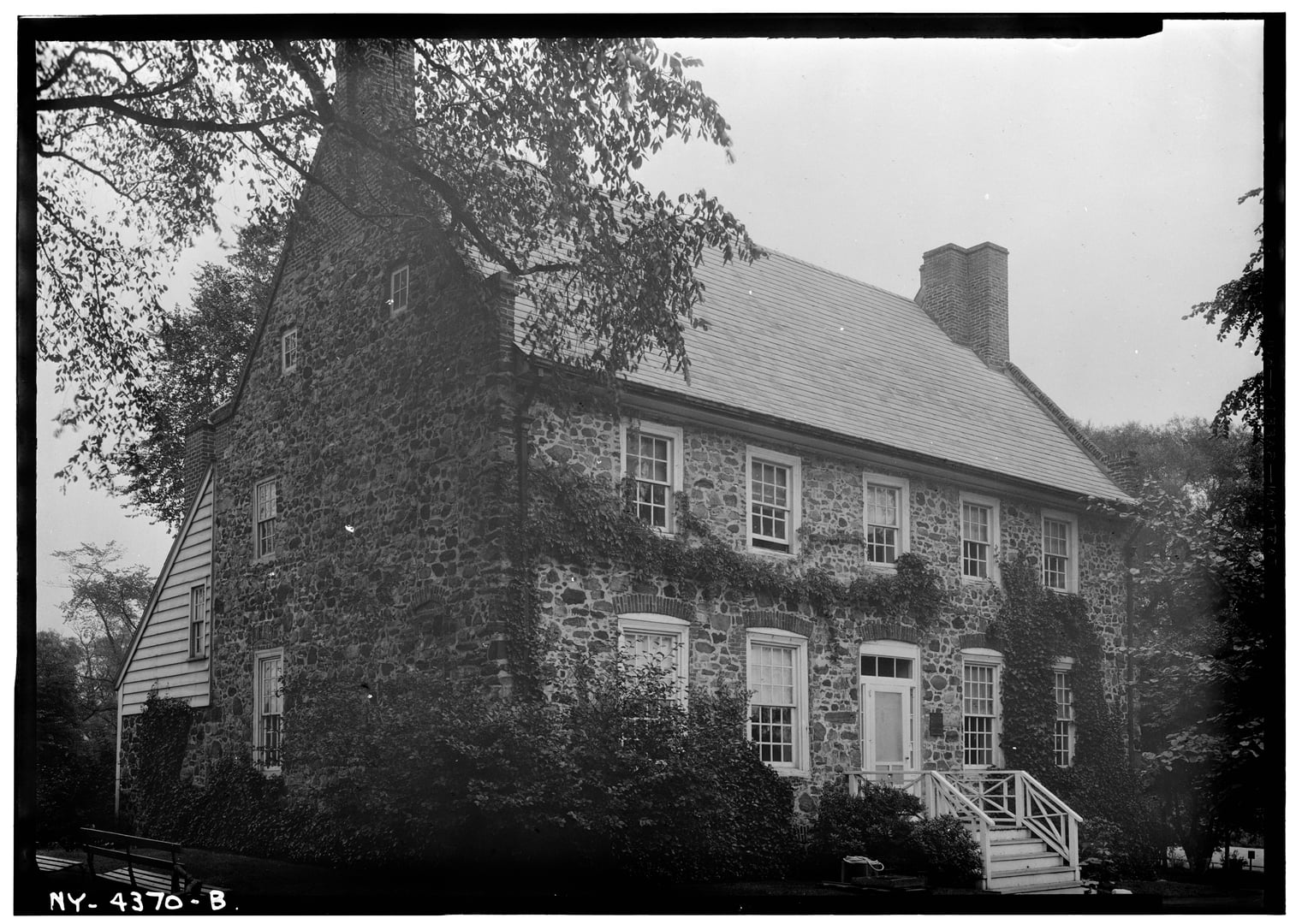
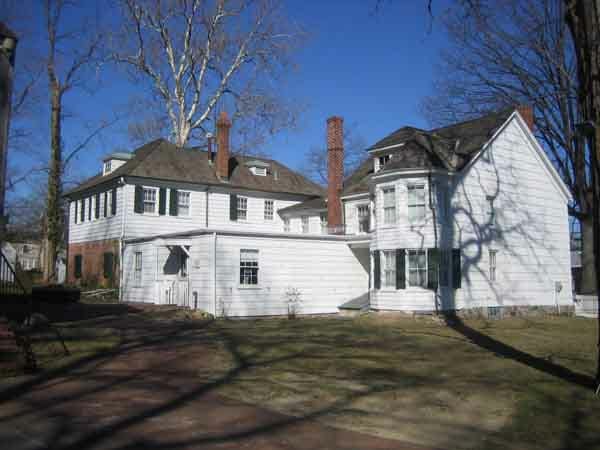
- Billop HouseStaten Island · Haunted House / Historic HomeHigh
- Brooklyn Theatre Fire Site (Cadman Plaza)Brooklyn · True Crime SiteModerate
- Brown Building (Triangle Shirtwaist Factory)New York · True Crime SiteModerate
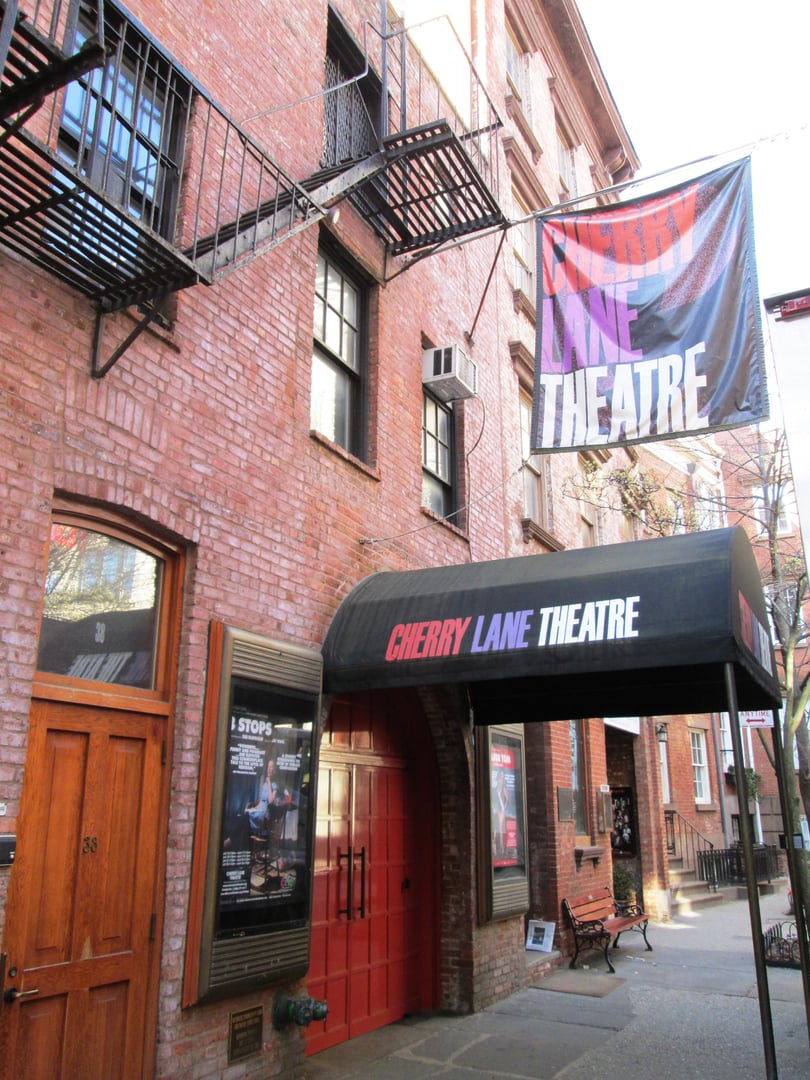
- Cherry Lane TheatreNew York · Theater / Performance VenueModerate
- Chumley's (86 Bedford Street)New York · Haunted Dining / BarModerate
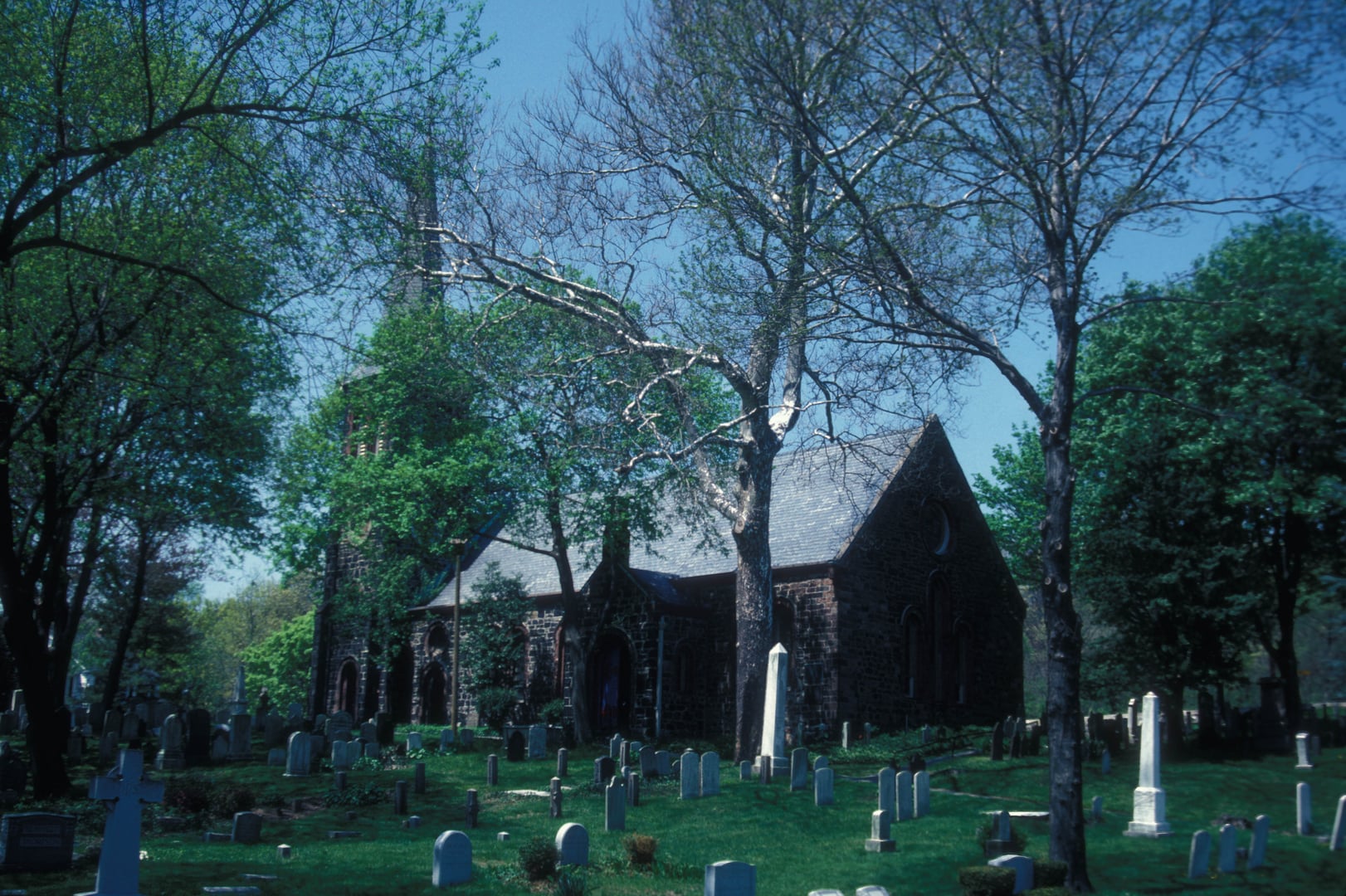
- Church of St. AndrewStaten Island · Museum / Historical SiteHigh
- Conference House (Billopp House)Staten Island · Museum / Historical SiteModerate
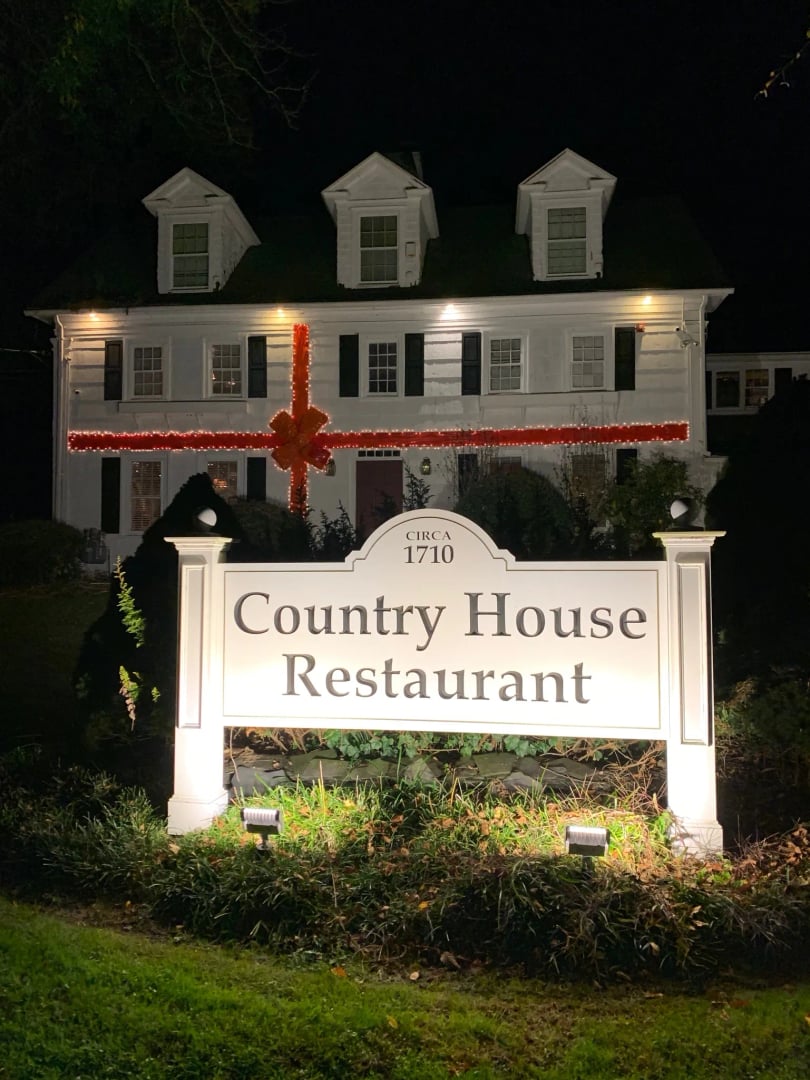
- Country House RestaurantStony Brook · Haunted Dining / BarModerate
- Cypress Hills CemeteryBrooklyn · Cemetery / Burial GroundHigh
- Empire State Building Observation DeckNew York · True Crime SiteHigh
- Fire Island LighthouseFire Island · Museum / Historical SiteModerate
- First Shearith Israel Graveyard (Chatham Square Cemetery)New York · Cemetery / Burial GroundHigh
- Five Points Ghost Tour (Columbus Park site)New York · Ghost Tour / Walking TourModerate
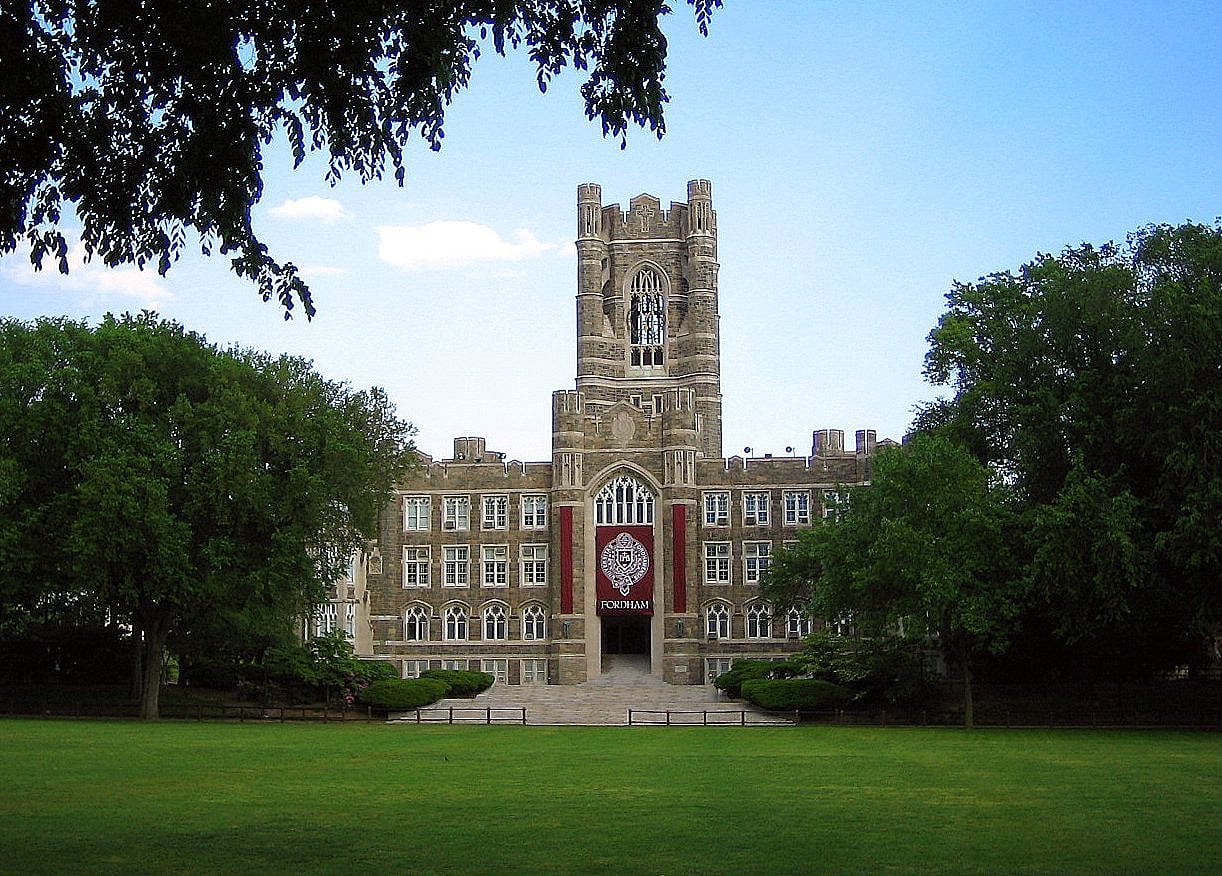
- Fordham University (Rose Hill Campus)Bronx · Other Dark Tourism SiteHigh
- Fort TottenBayside · Battlefield / Military SiteHigh
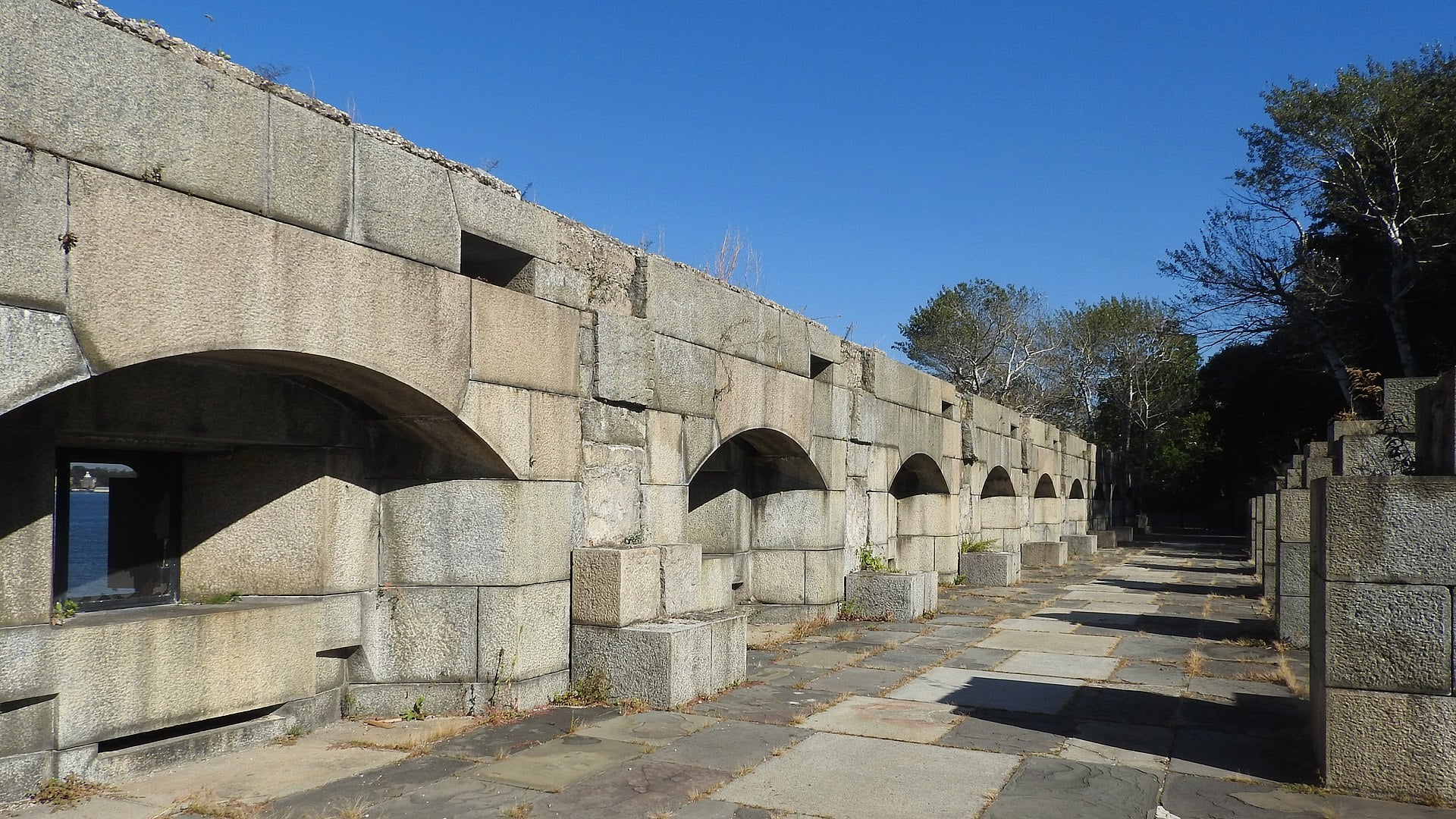
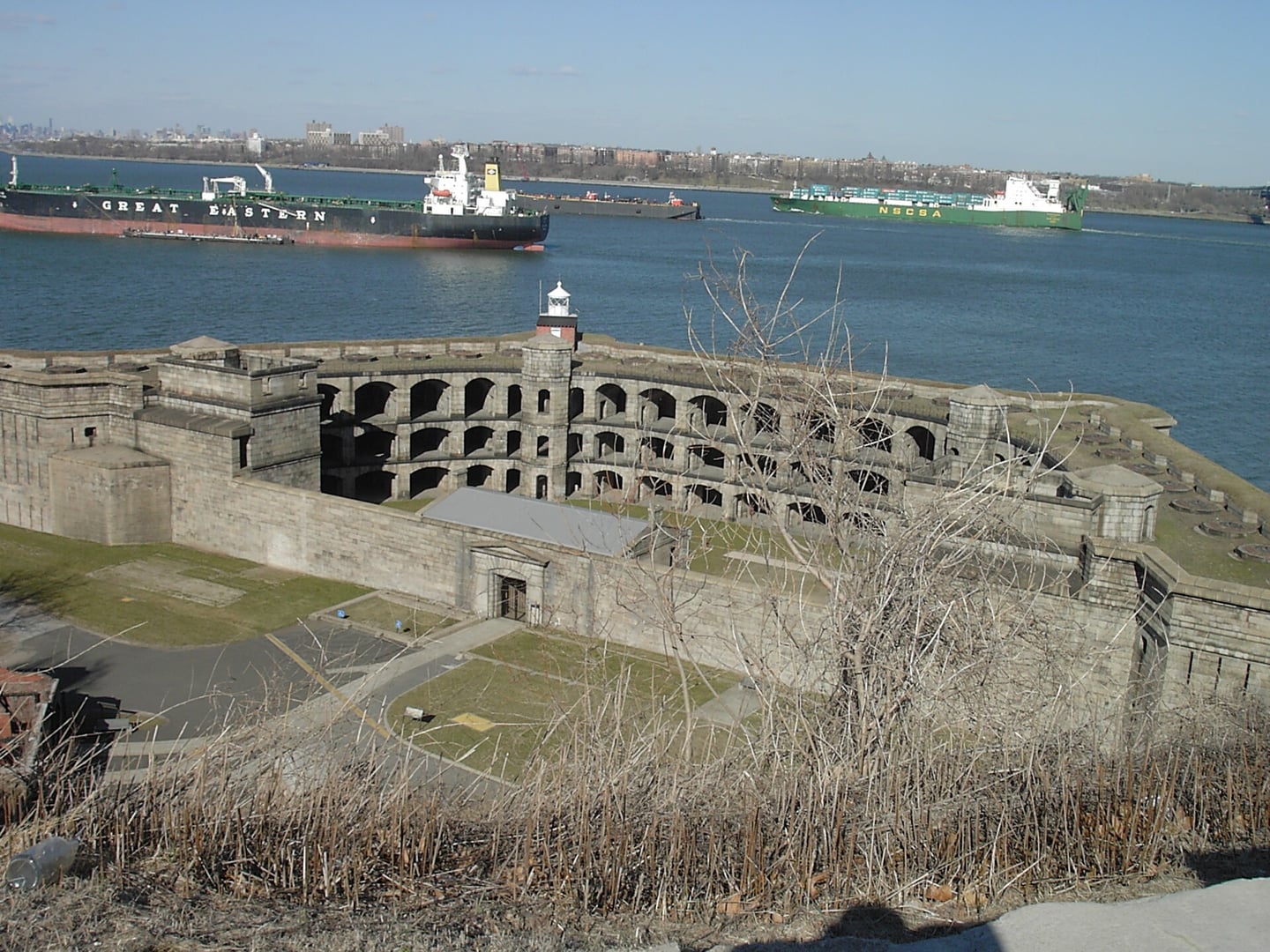
- Fort WadsworthStaten Island · Battlefield / Military SiteHigh
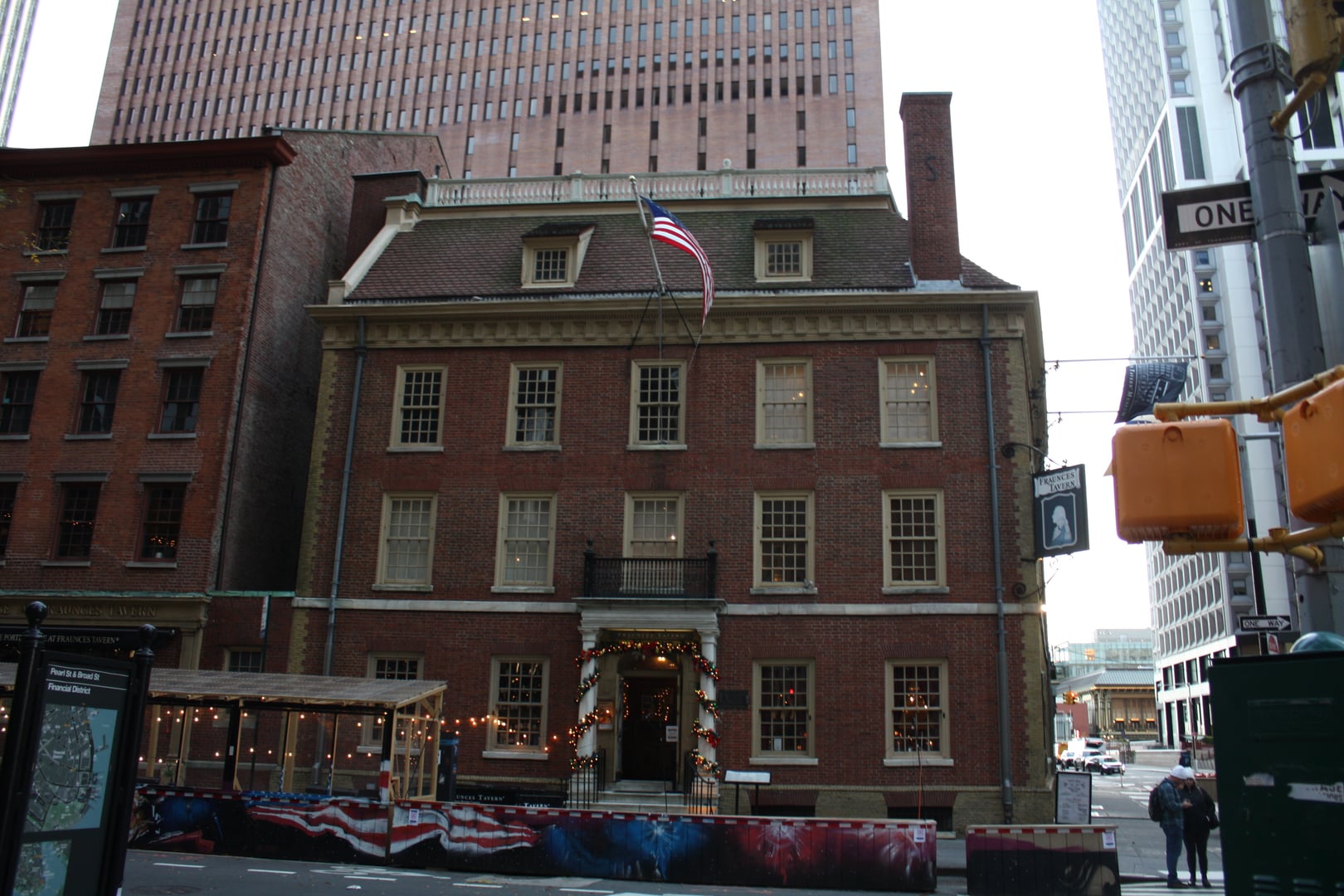
- Fraunces TavernNew York · Haunted Dining / BarHigh
- Fraunces Tavern MuseumNew York · Haunted Dining / BarHigh
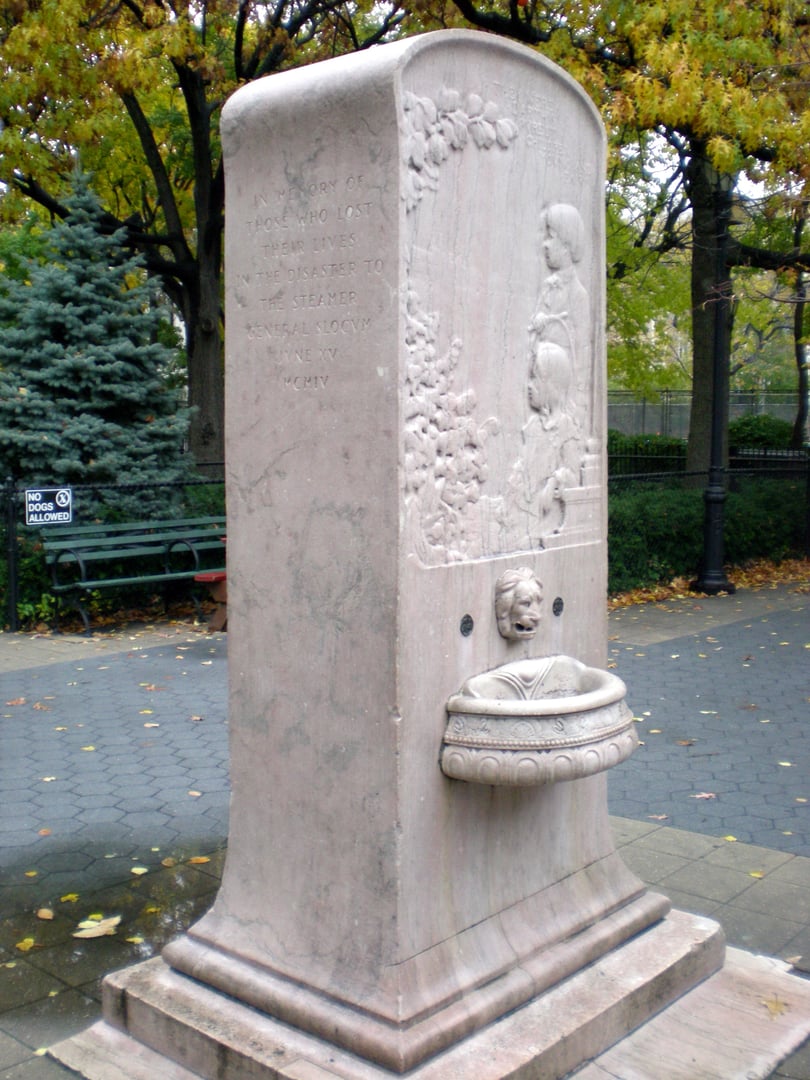
- General Slocum Disaster Memorial (Tompkins Square Park)New York · Other Dark Tourism SiteHigh
- Ghost City Tours — Greenwich VillageNew York · Ghost Tour / Walking TourModerate
- Gracie MansionNew York · Haunted House / Historic HomeHigh
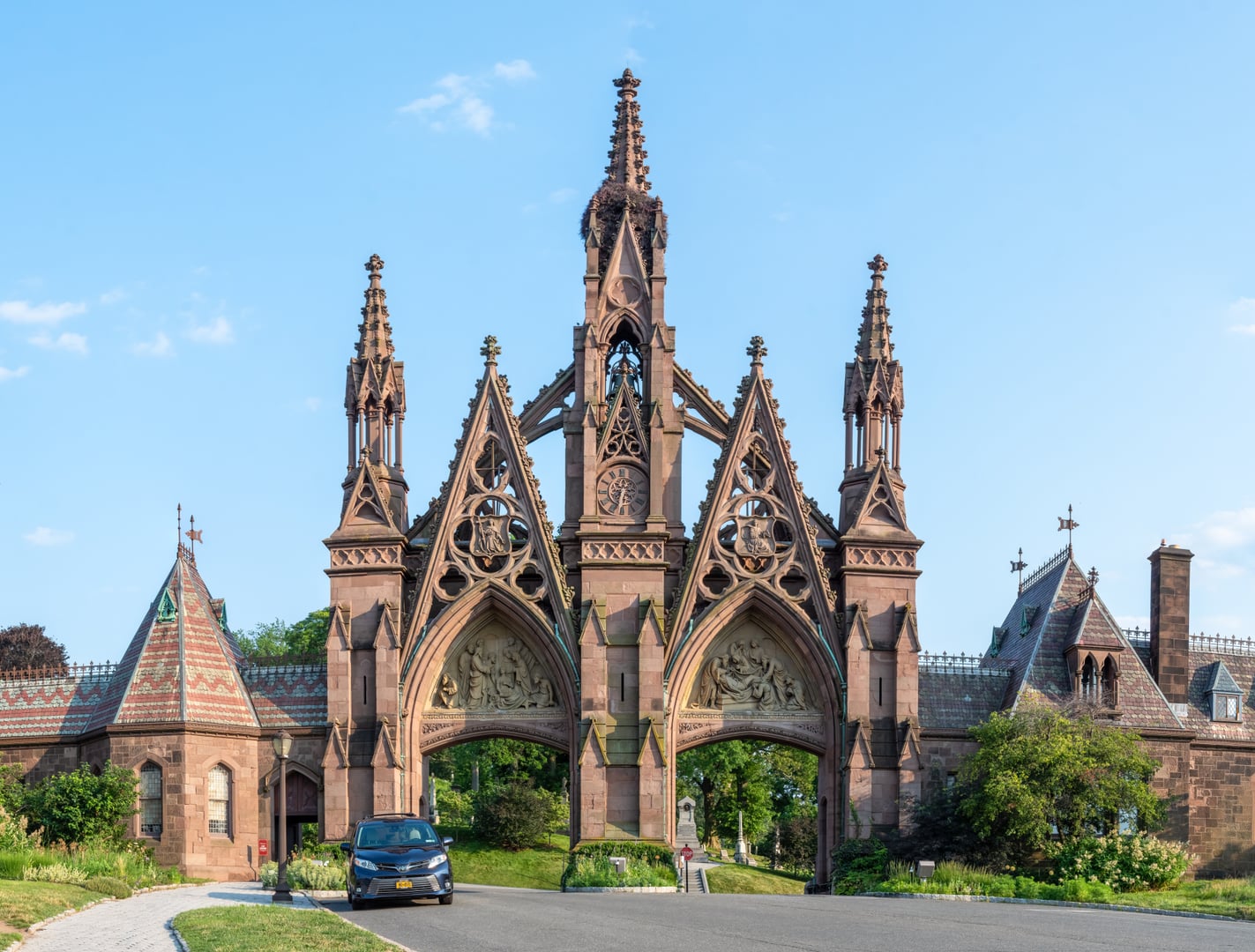
- Green-Wood CemeteryBrooklyn · Cemetery / Burial GroundHigh
- H.P. Lovecraft Residence (169 Clinton Street)Brooklyn · True Crime SiteHigh
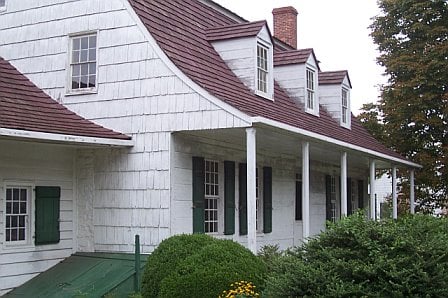
- Historic Richmond Town (Guyon-Lake-Tysen House)Staten Island · Museum / Historical SiteModerate
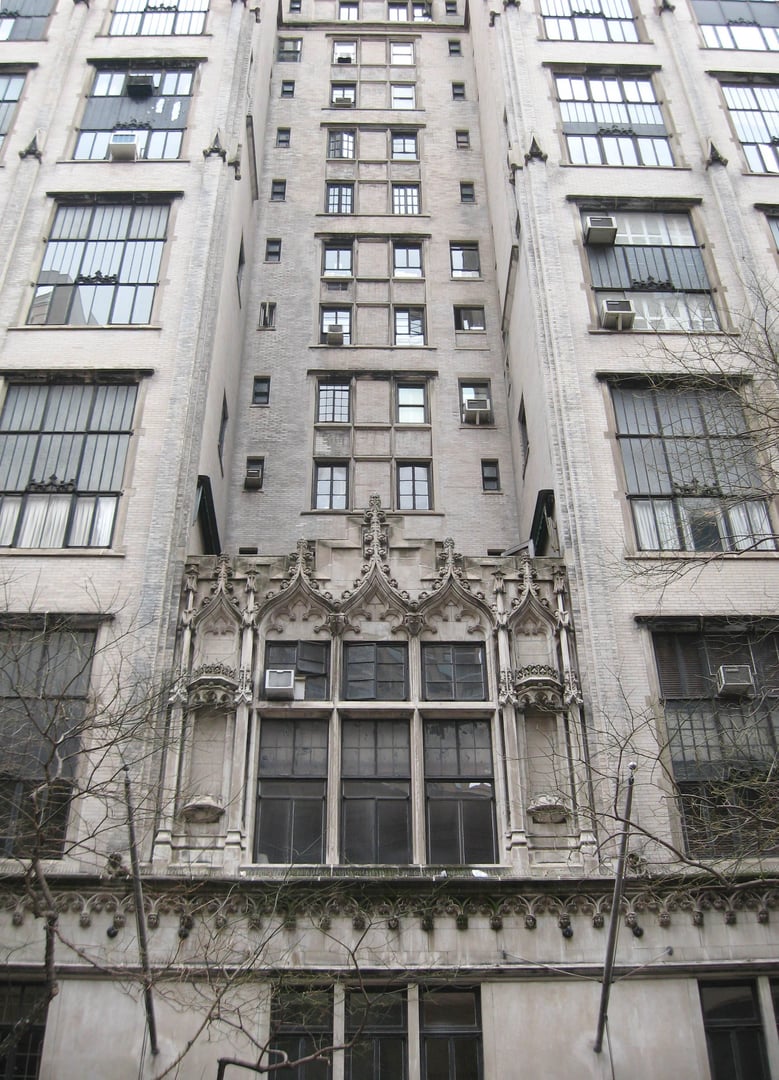
- Hotel des ArtistesNew York · Haunted House / Historic HomeHigh
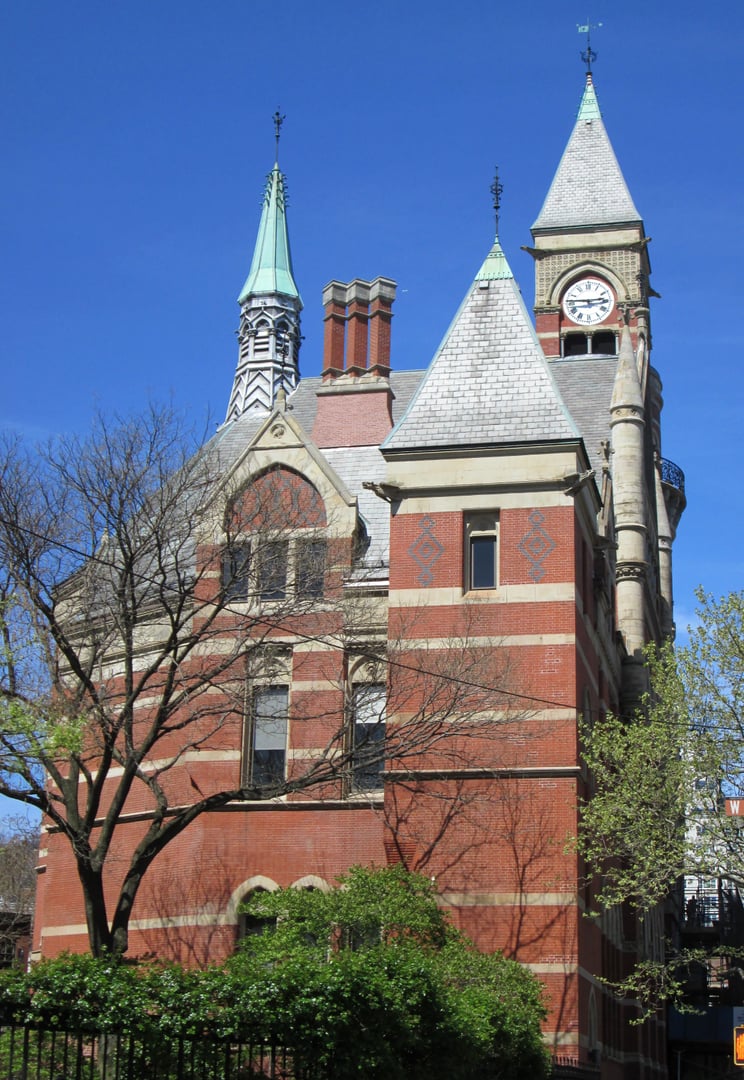
- Jefferson Market LibraryNew York · Museum / Historical SiteHigh
- Joseph Rodman Drake Park and Enslaved People's Burial GroundBronx · Cemetery / Burial GroundHigh
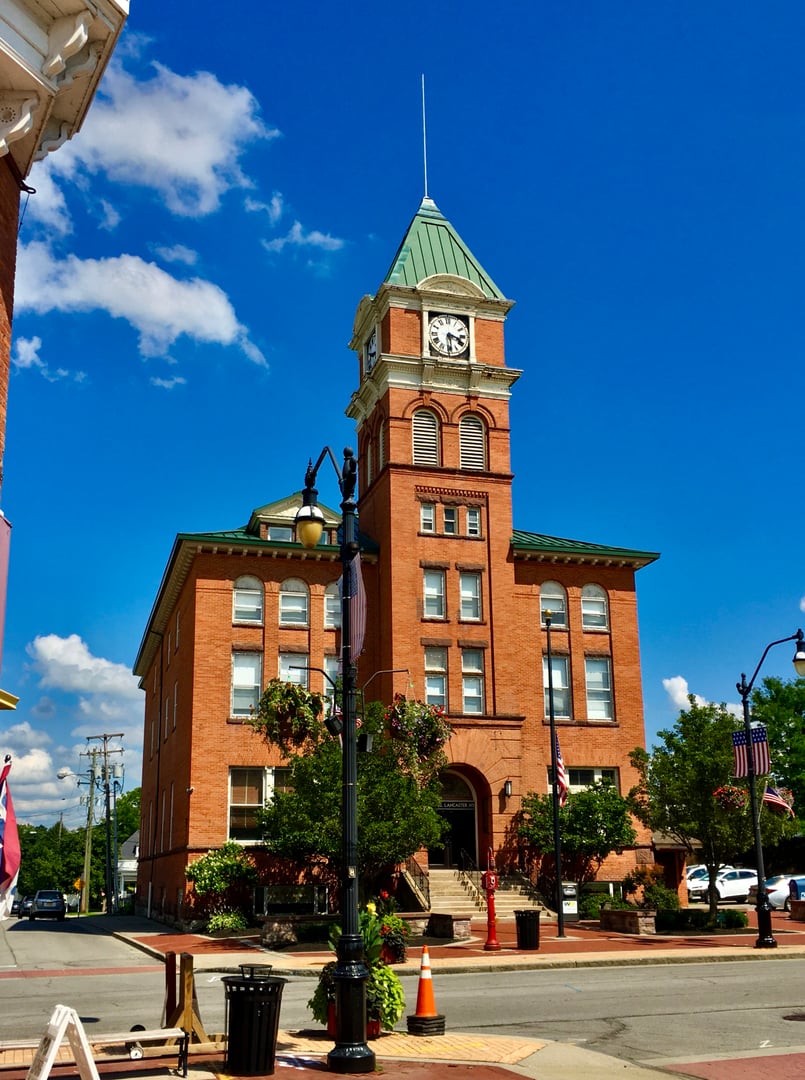
- Lancaster Opera HouseLancaster · Theater / Performance VenueModerate
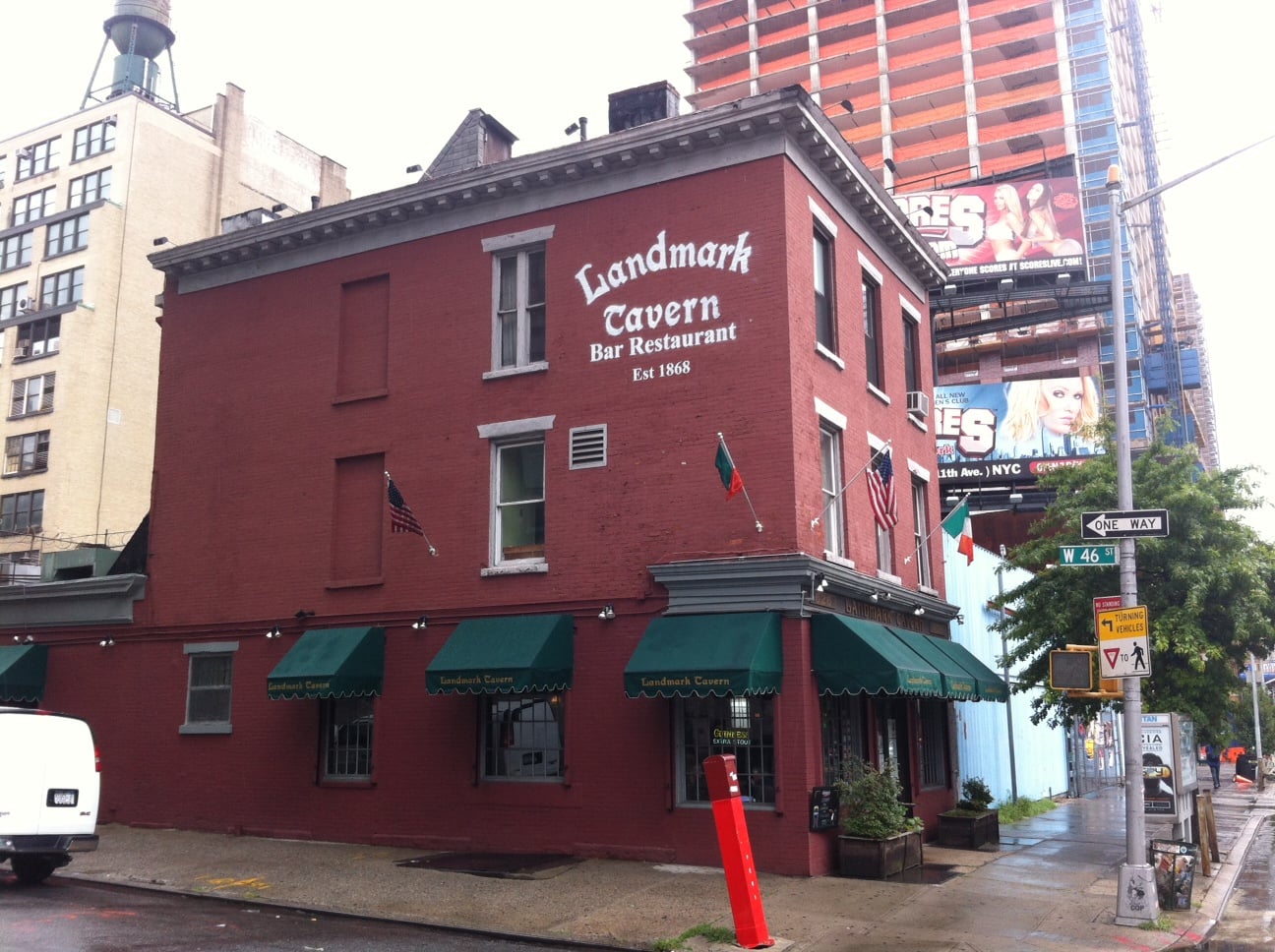
- Landmark TavernNew York · Haunted Dining / BarModerate
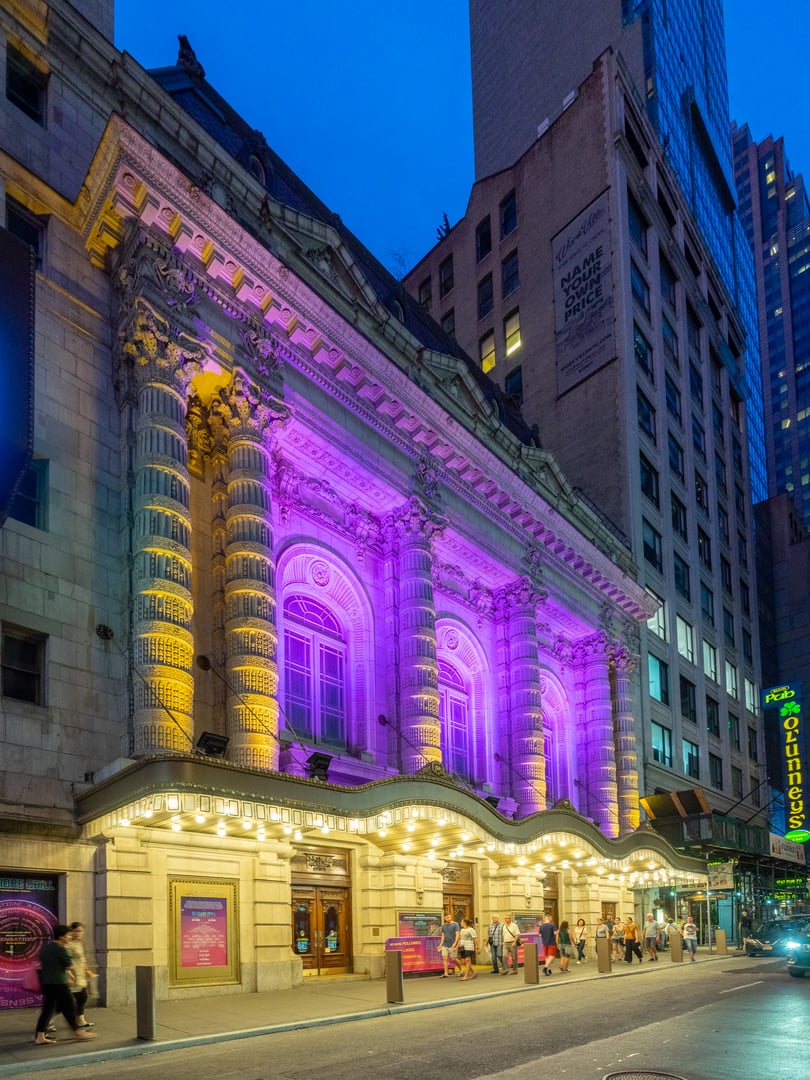
- Lyceum TheatreNew York · Theater / Performance VenueHigh
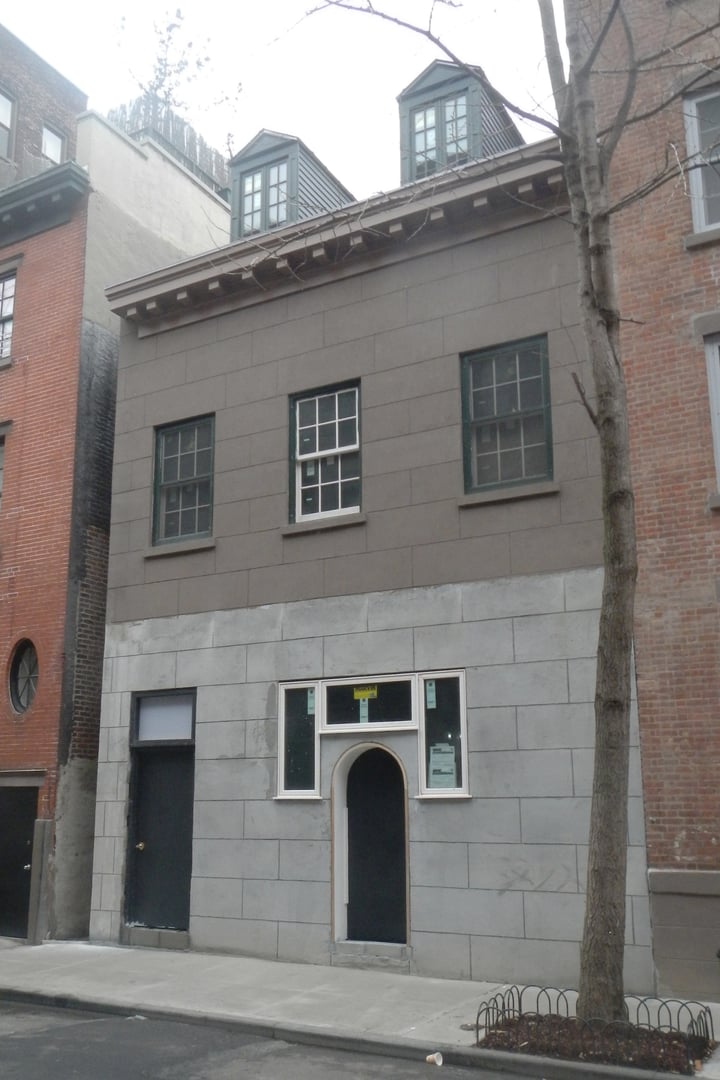
- Manhattan Well (129 Spring Street)New York · Haunted House / Historic HomeHigh
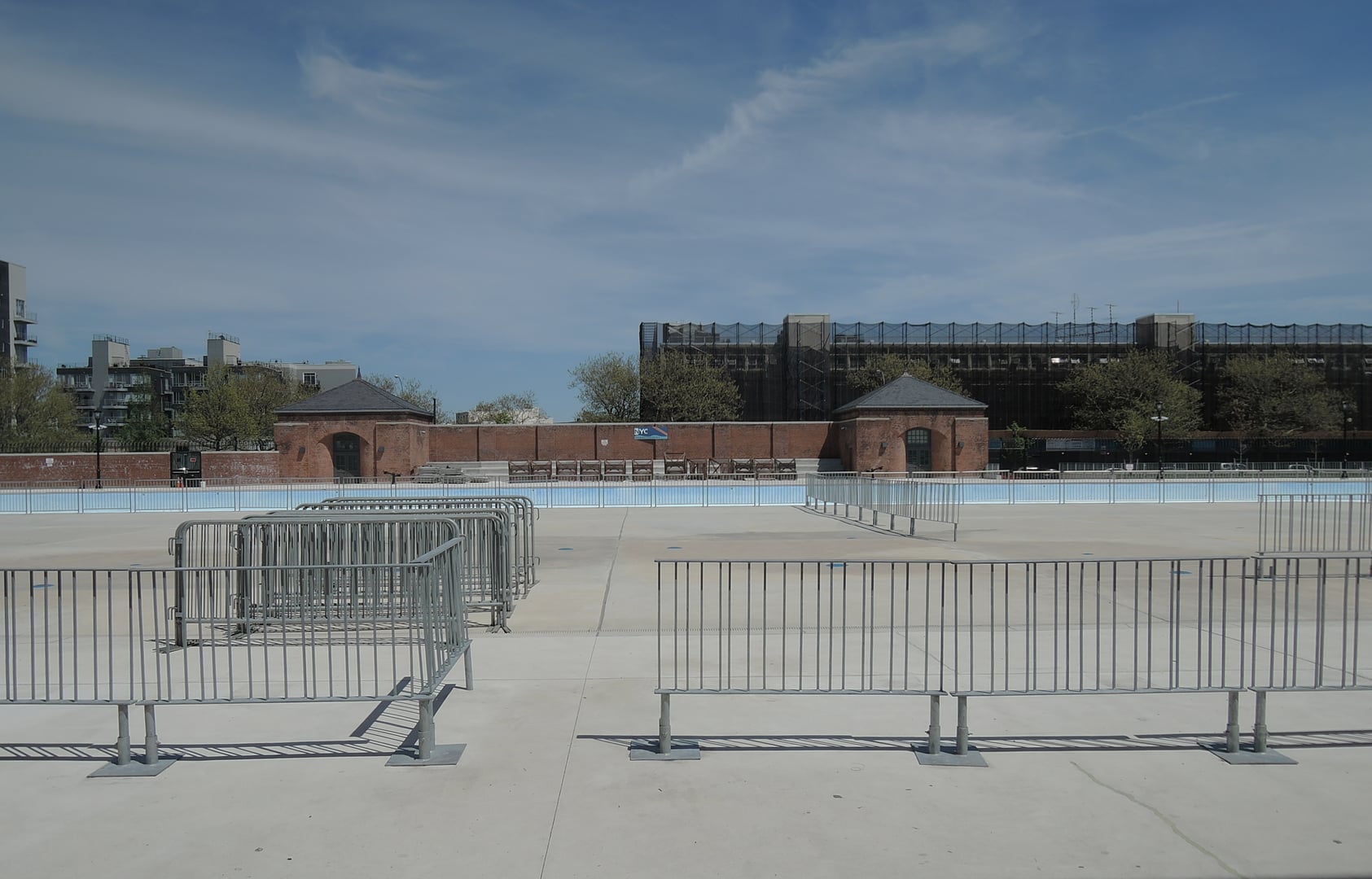
- McCarren Park PoolBrooklyn · Other Dark Tourism SiteHigh
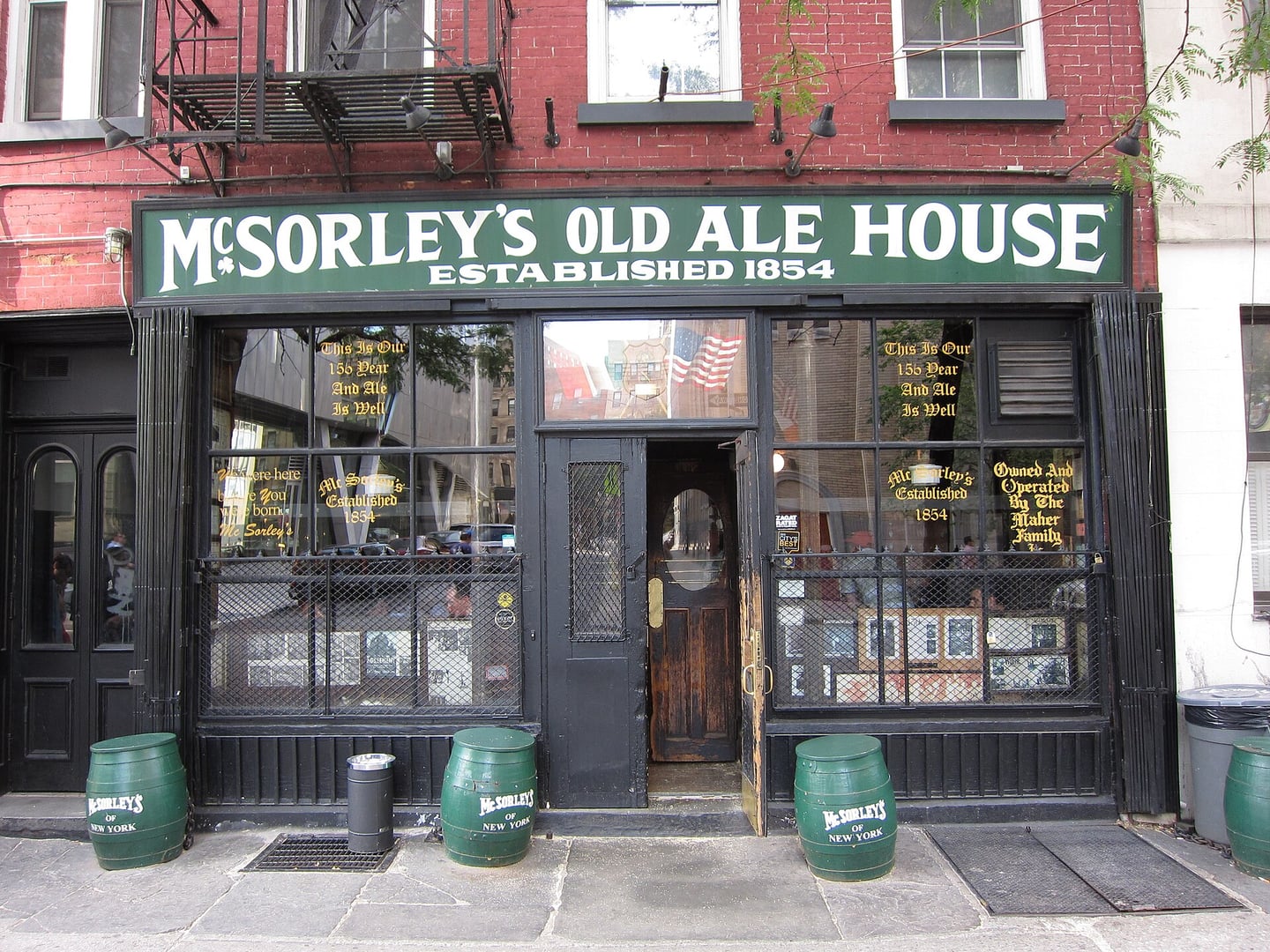
- McSorley's Old Ale HouseNew York · Haunted Dining / BarN/R
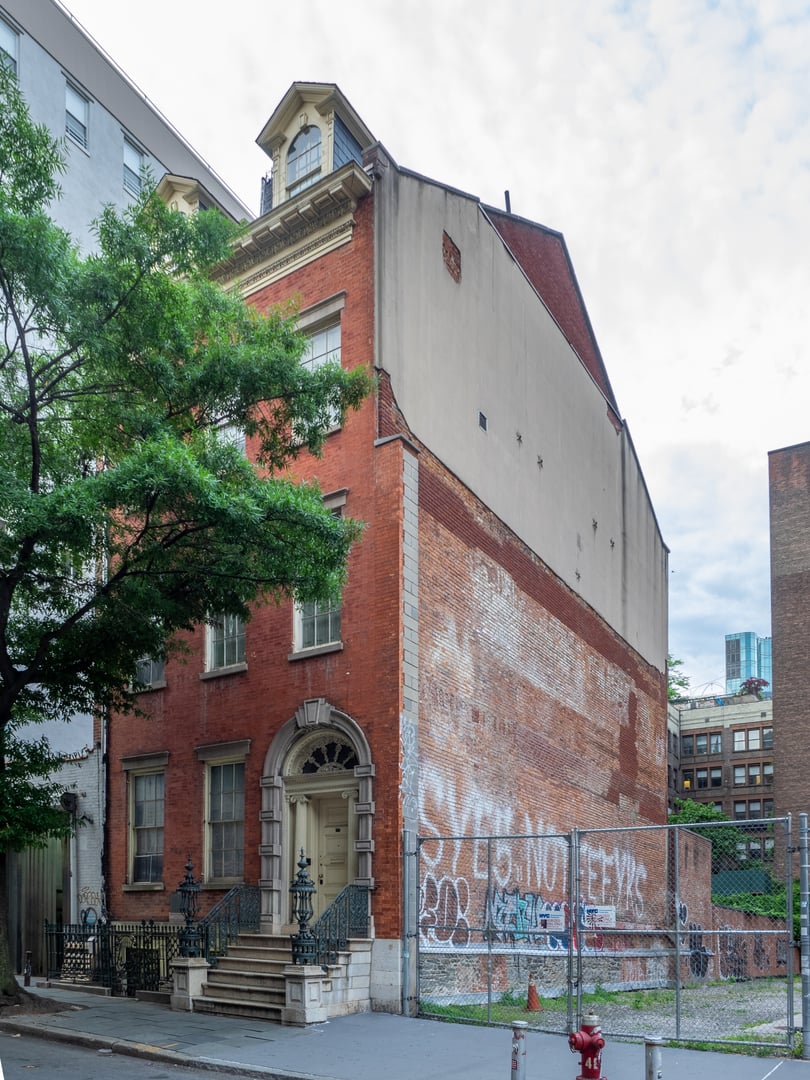
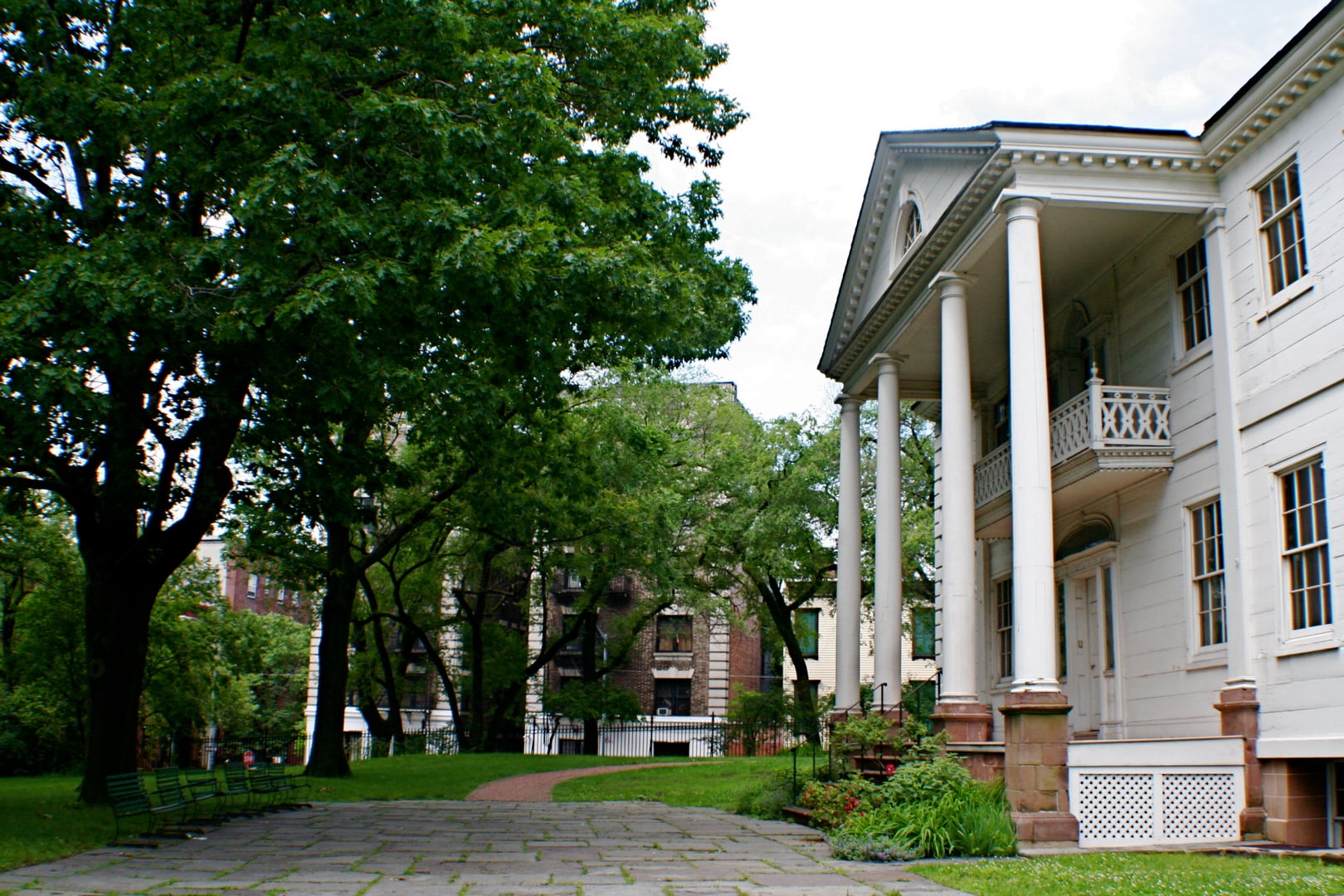
- Merchant's House MuseumNew York · Museum / Historical SiteHigh
- Moravian CemeteryStaten Island · Cemetery / Burial GroundHigh
- Morris-Jumel MansionNew York · Museum / Historical SiteHigh
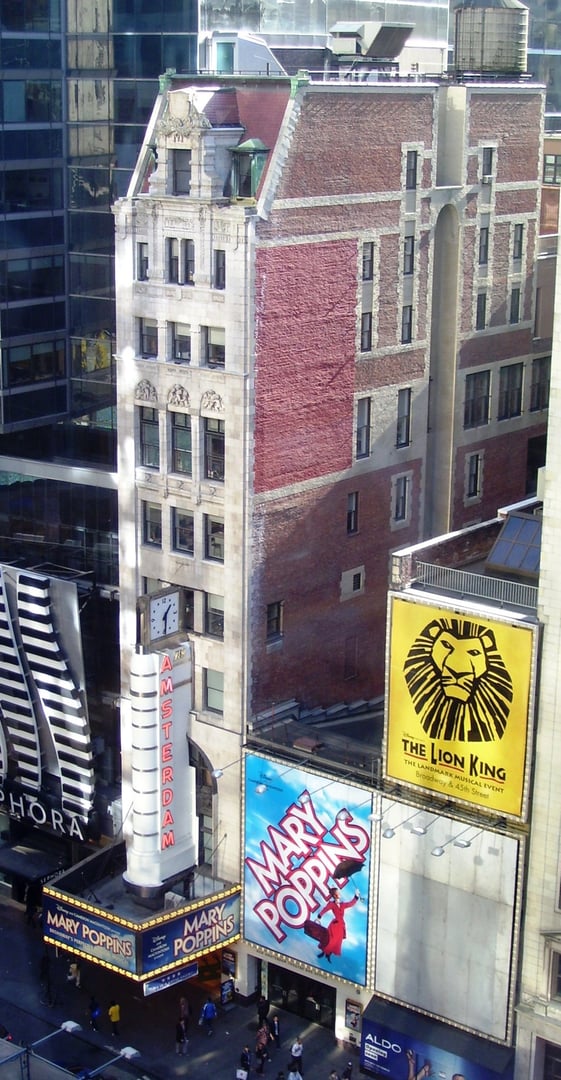
- New Amsterdam TheatreNew York City · Theater / Performance VenueHigh
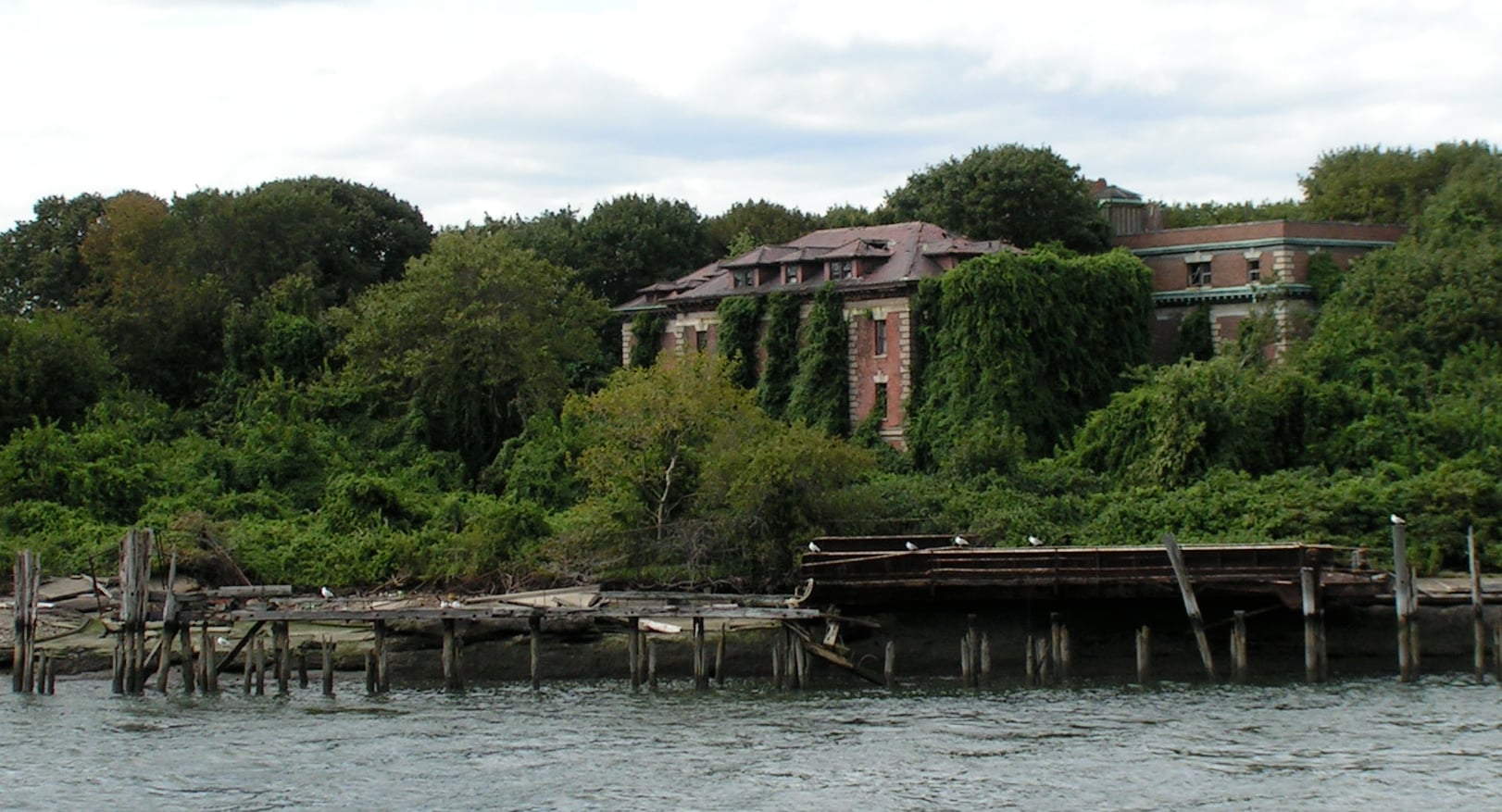
- North Brother Island and Riverside HospitalBronx · Asylum / HospitalLow
- NYU Brittany Residence HallNew York City · Other Dark Tourism SiteHigh
- NYU Furman Hall Banister (Edgar Allan Poe Site)New York · Other Dark Tourism SiteHigh
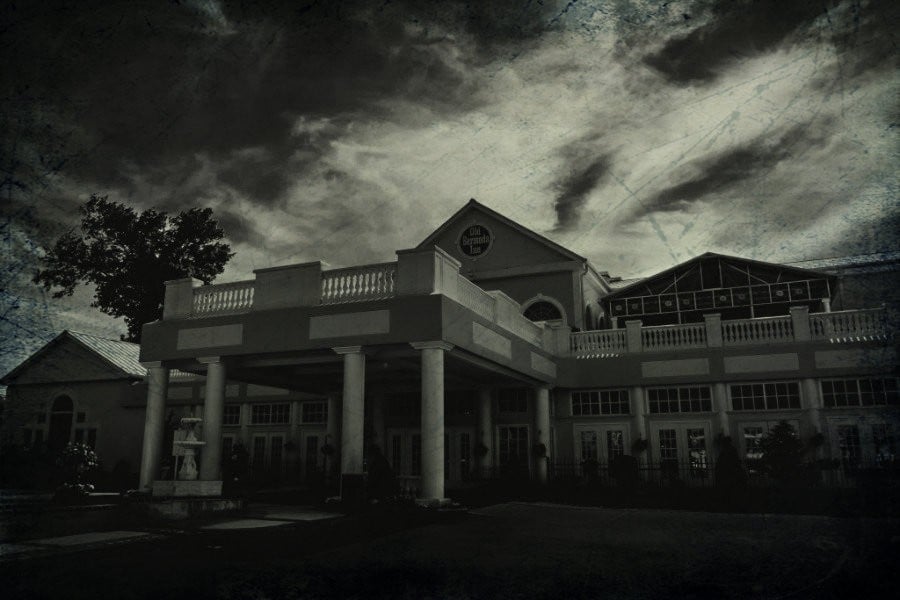
- Old Bermuda InnStaten Island · Haunted Dining / BarModerate
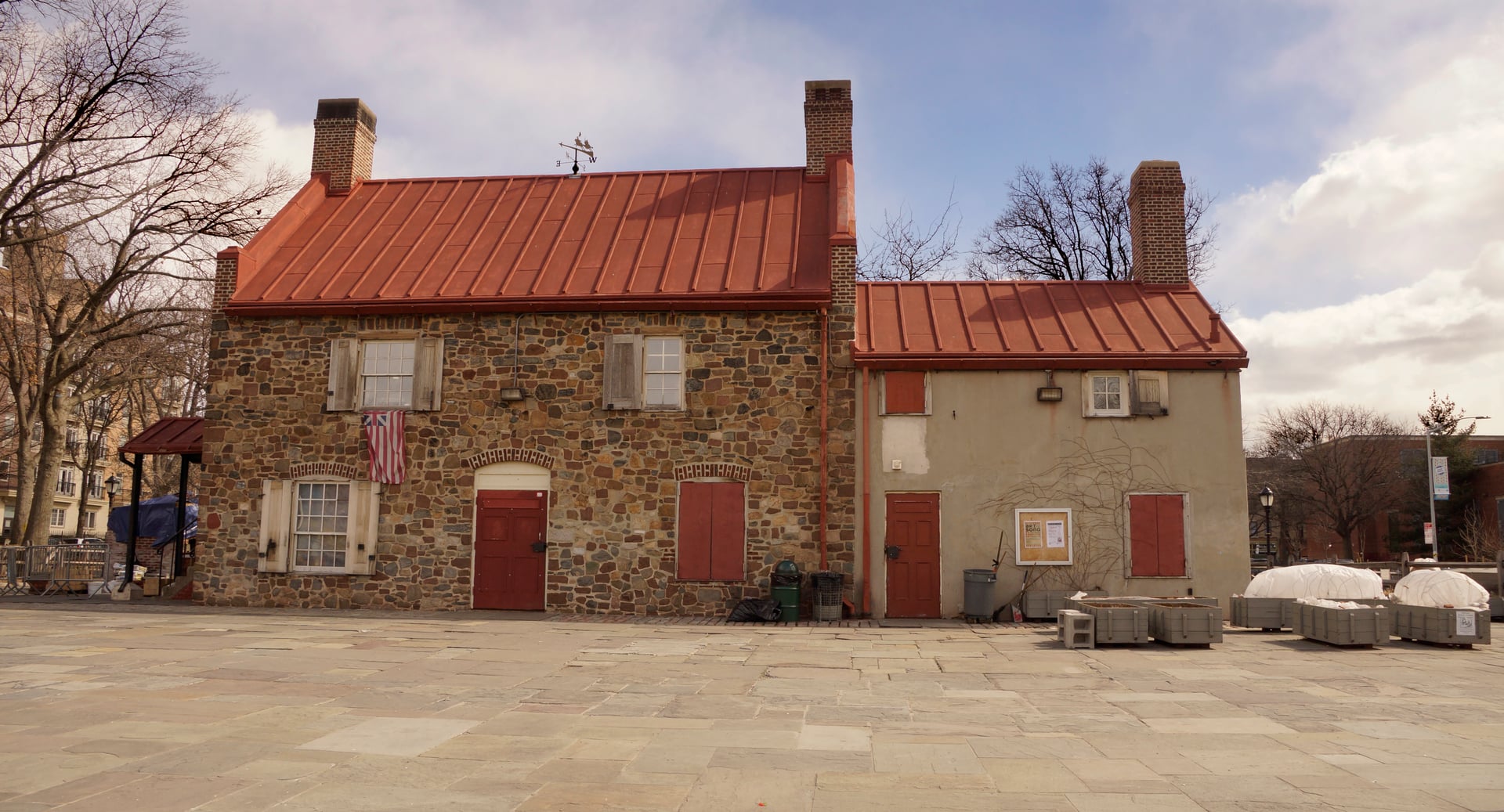
- Old Stone House (Vechte-Cortelyou House)Brooklyn · Museum / Historical SiteHigh
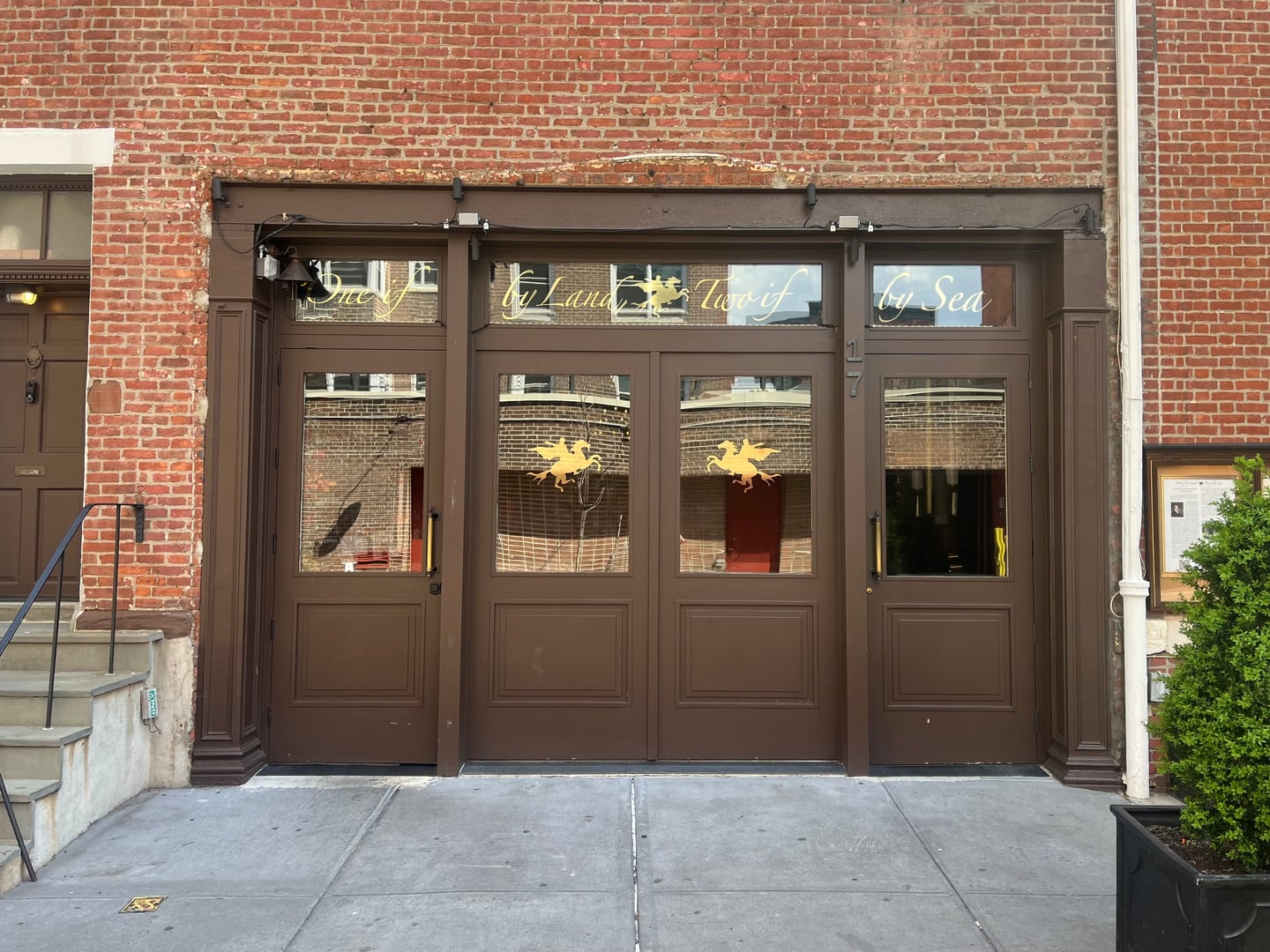
- One If by Land, Two If by SeaNew York · Haunted Dining / BarModerate
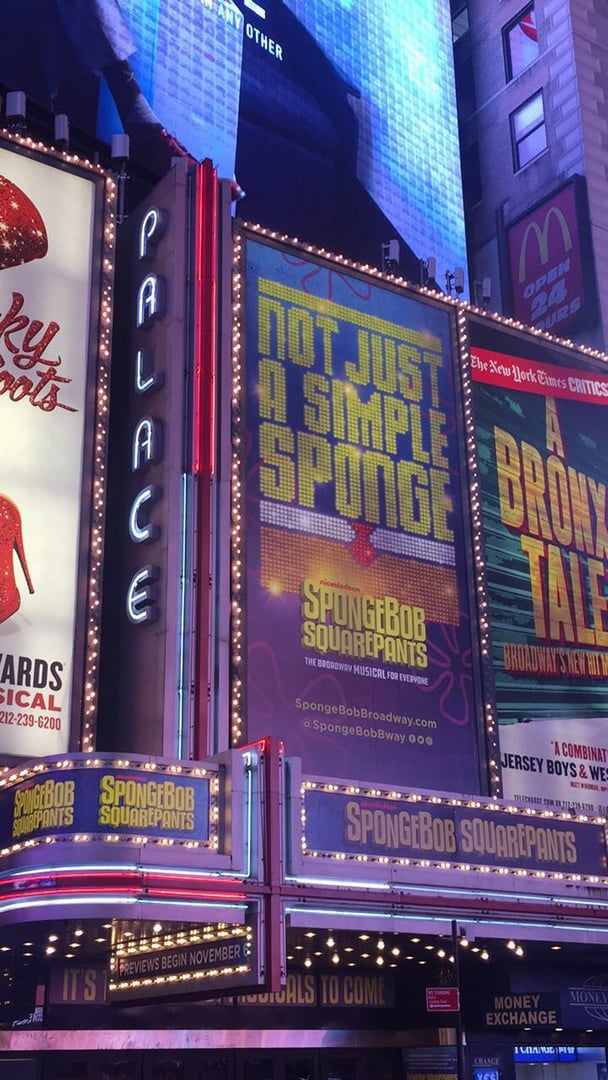
- Palace TheatreNew York · Theater / Performance VenueHigh
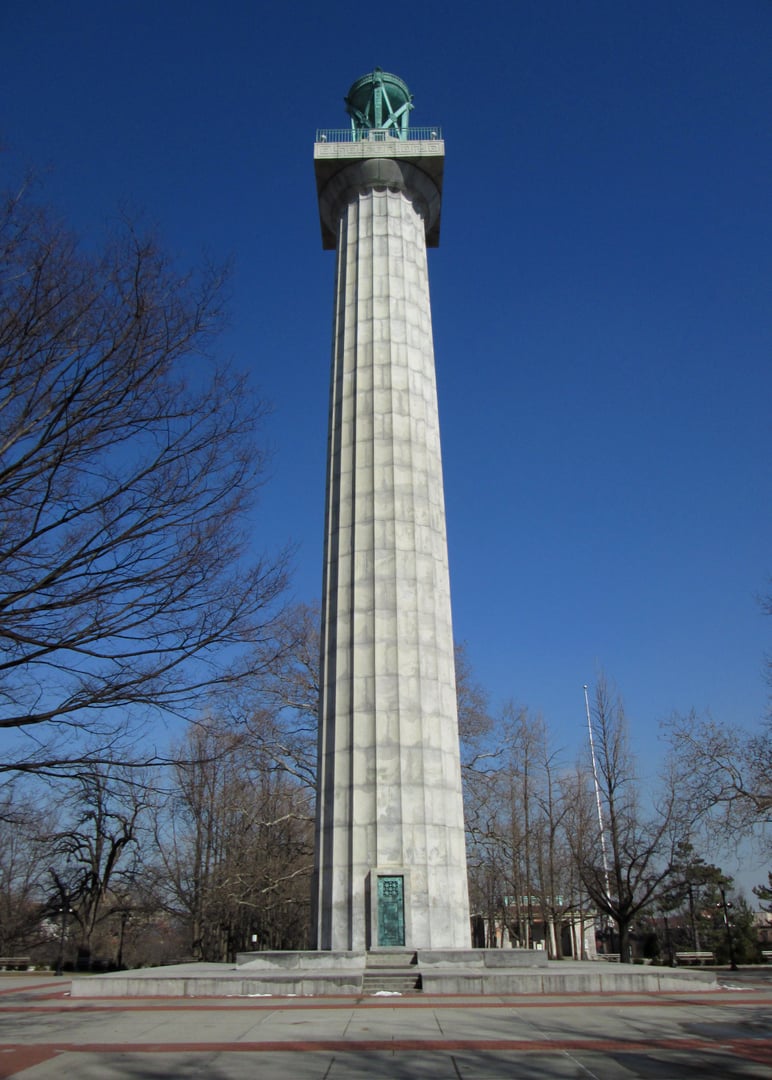
- Prison Ship Martyrs' Monument (Fort Greene Park)Brooklyn · Battlefield / Military SiteModerate
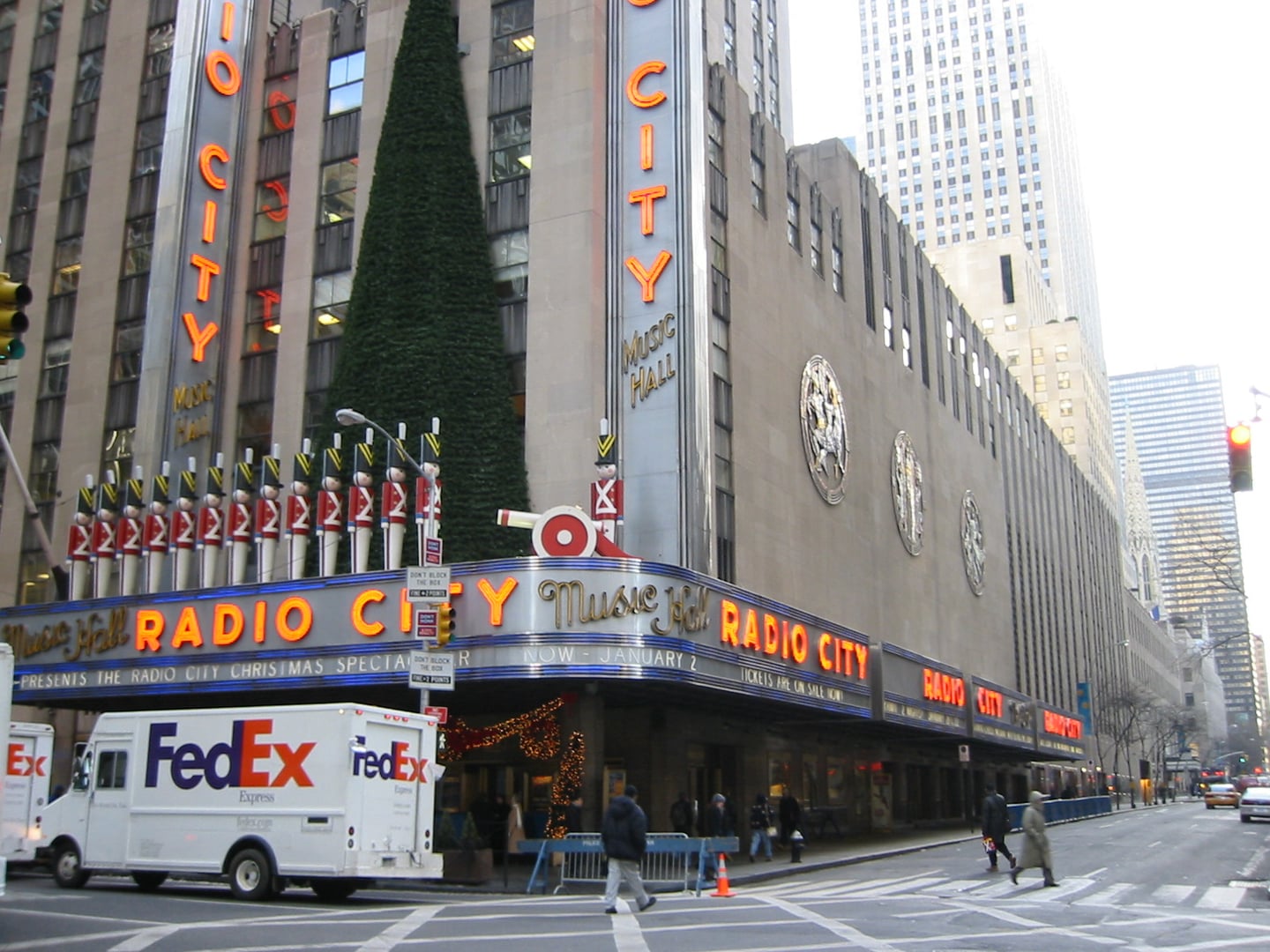
- Radio City Music HallNew York · Theater / Performance VenueHigh
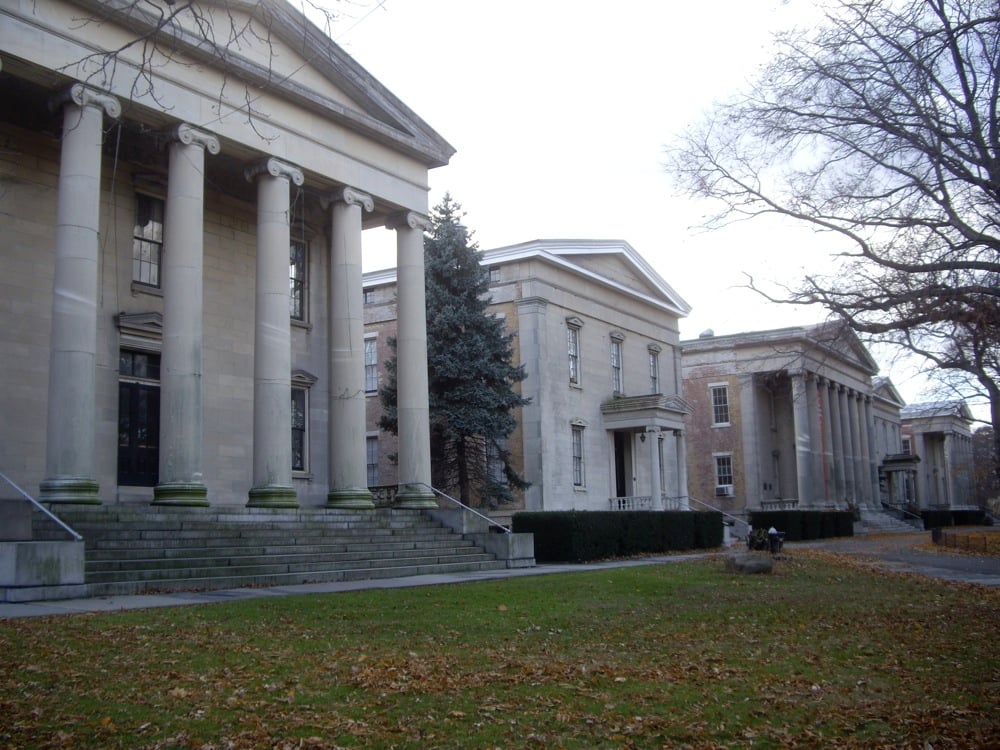
- Sailors' Snug HarborStaten Island · Museum / Historical SiteHigh
- Sea View Hospital (Old)Staten Island · Asylum / HospitalModerate
- Snug Harbor Cultural Center Music HallStaten Island · Theater / Performance VenueHigh
- South Street Seaport Museum Sinister Secrets TourNew York · Ghost Tour / Walking TourModerate
- St. Mark's Church-in-the-BoweryNew York · Museum / Historical SiteHigh
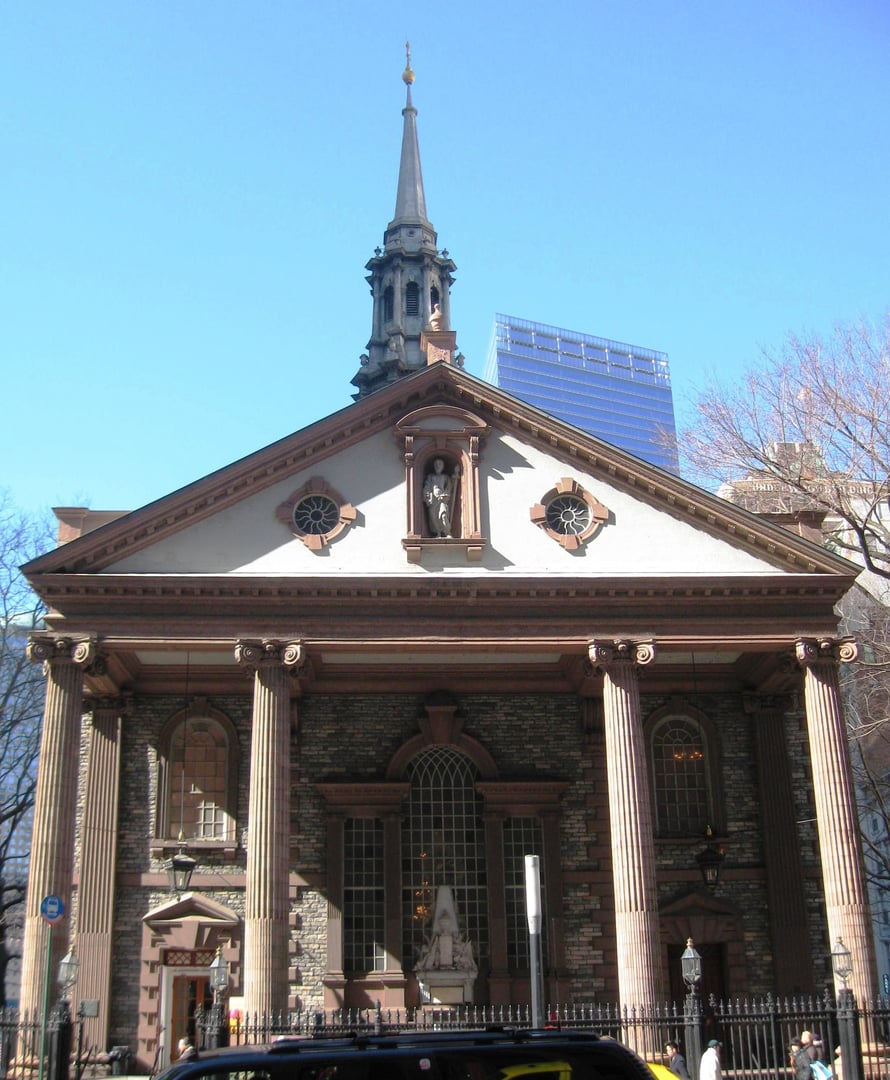
- St. Paul's ChapelNew York · Museum / Historical SiteHigh
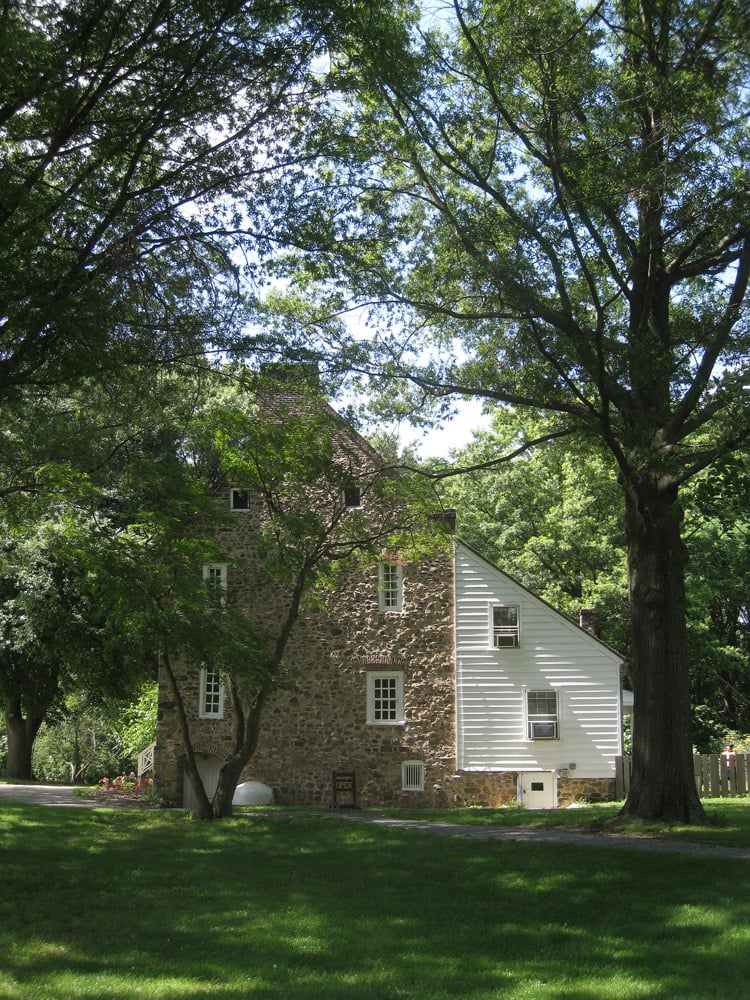
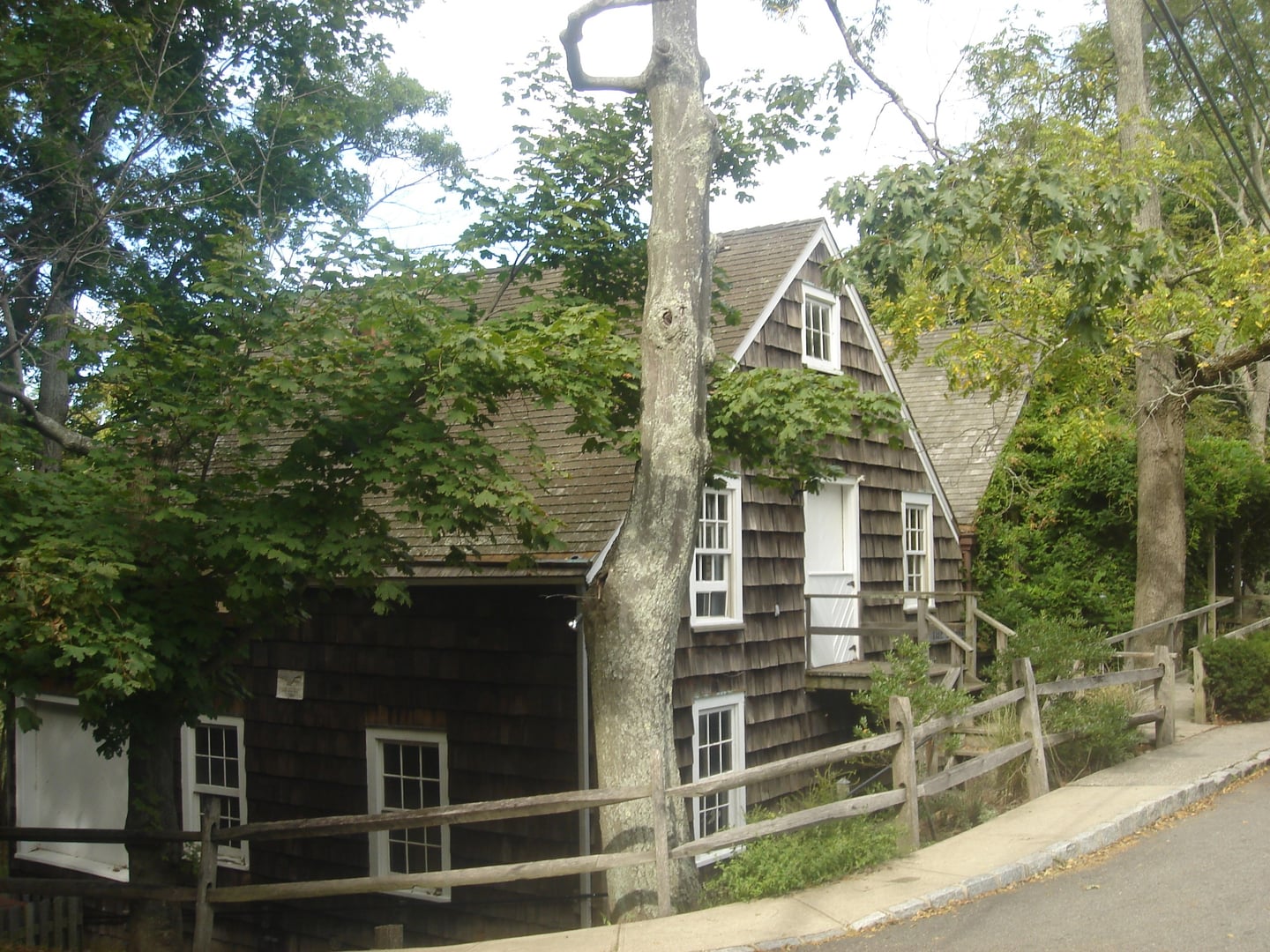
- Stony Brook Grist MillStony Brook · Museum / Historical SiteHigh
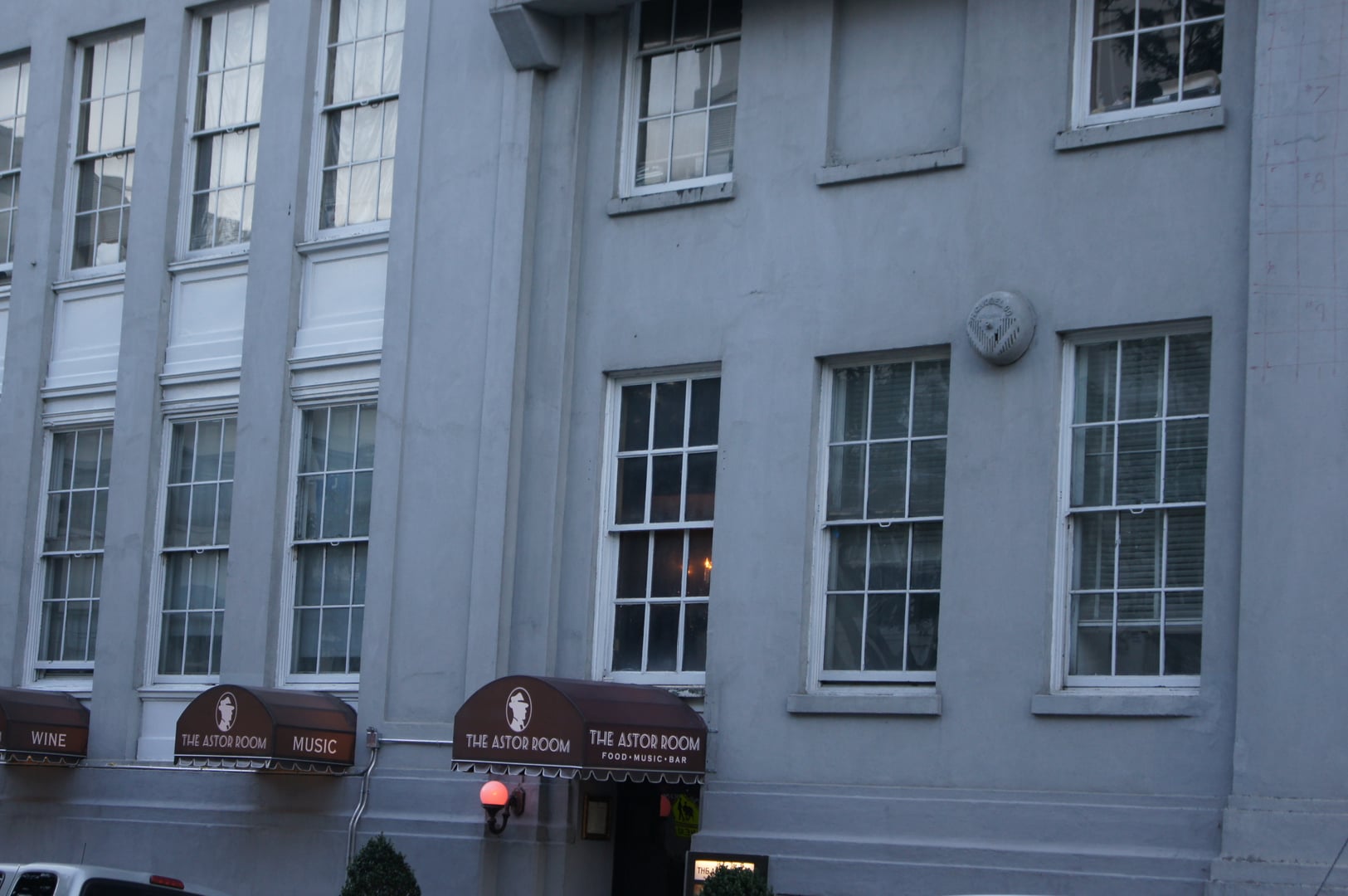
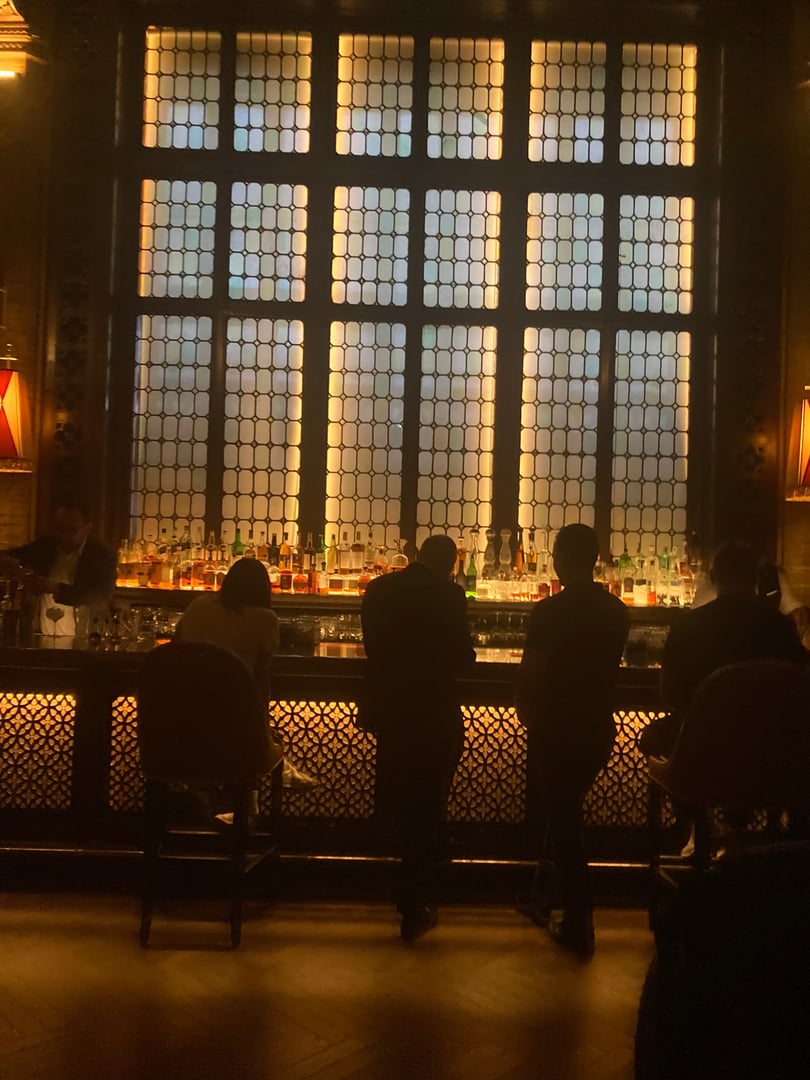
- The Astor Room at Kaufman Astoria StudiosAstoria · Haunted Dining / BarHigh
- The Campbell Bar (Grand Central Terminal)New York · Haunted Dining / BarModerate
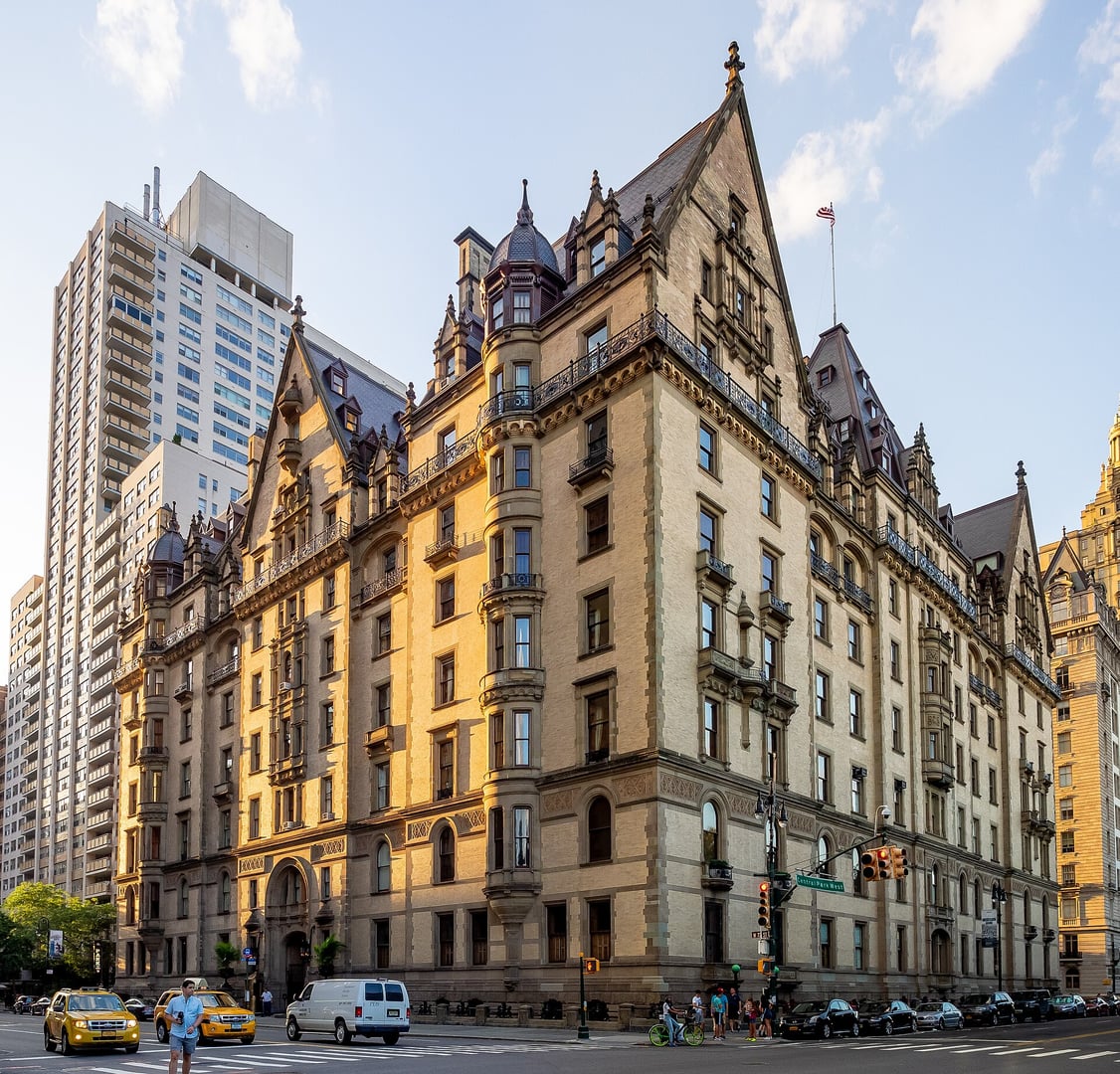
- The DakotaNew York · Haunted House / Historic HomeHigh
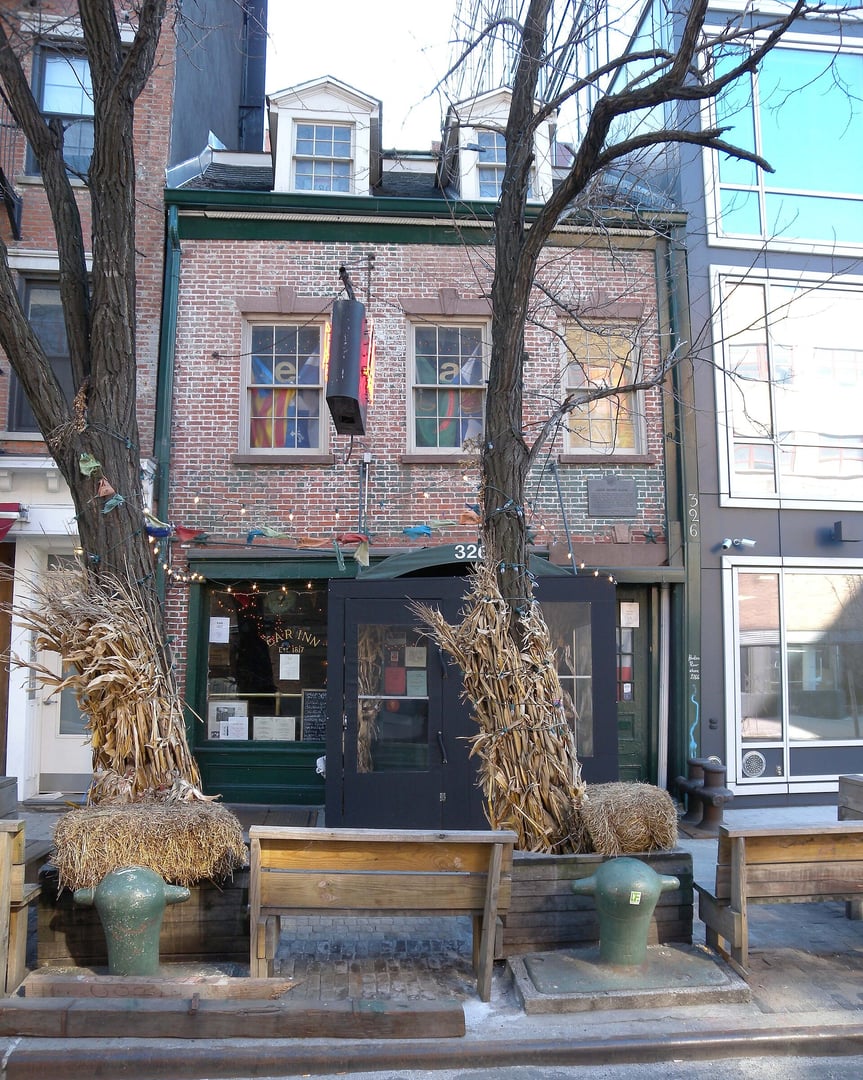
- The Ear Inn (James Brown House)New York · Haunted Dining / BarModerate
- The Parsonage at Historic Richmond TownStaten Island · Haunted Dining / BarHigh
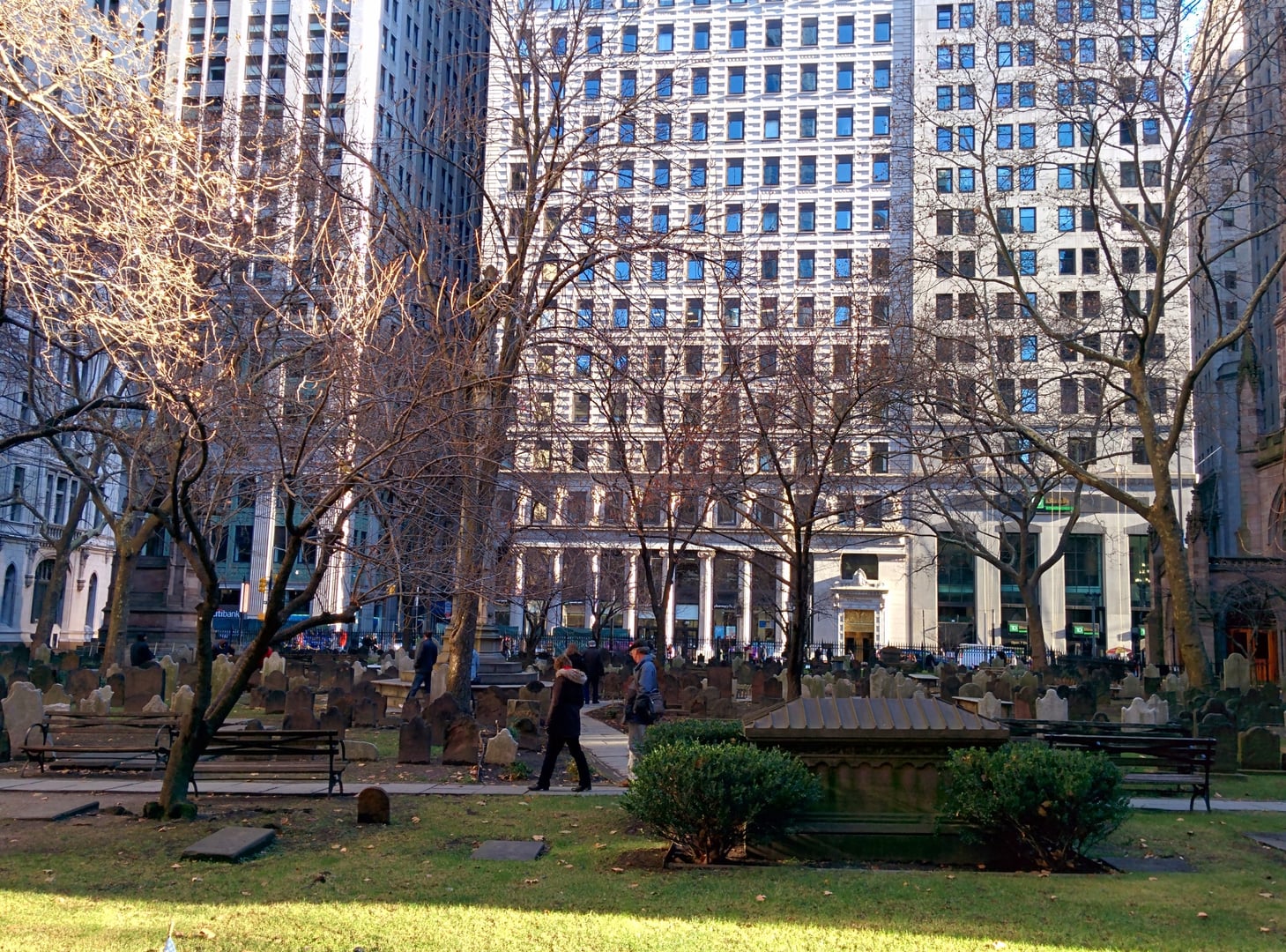
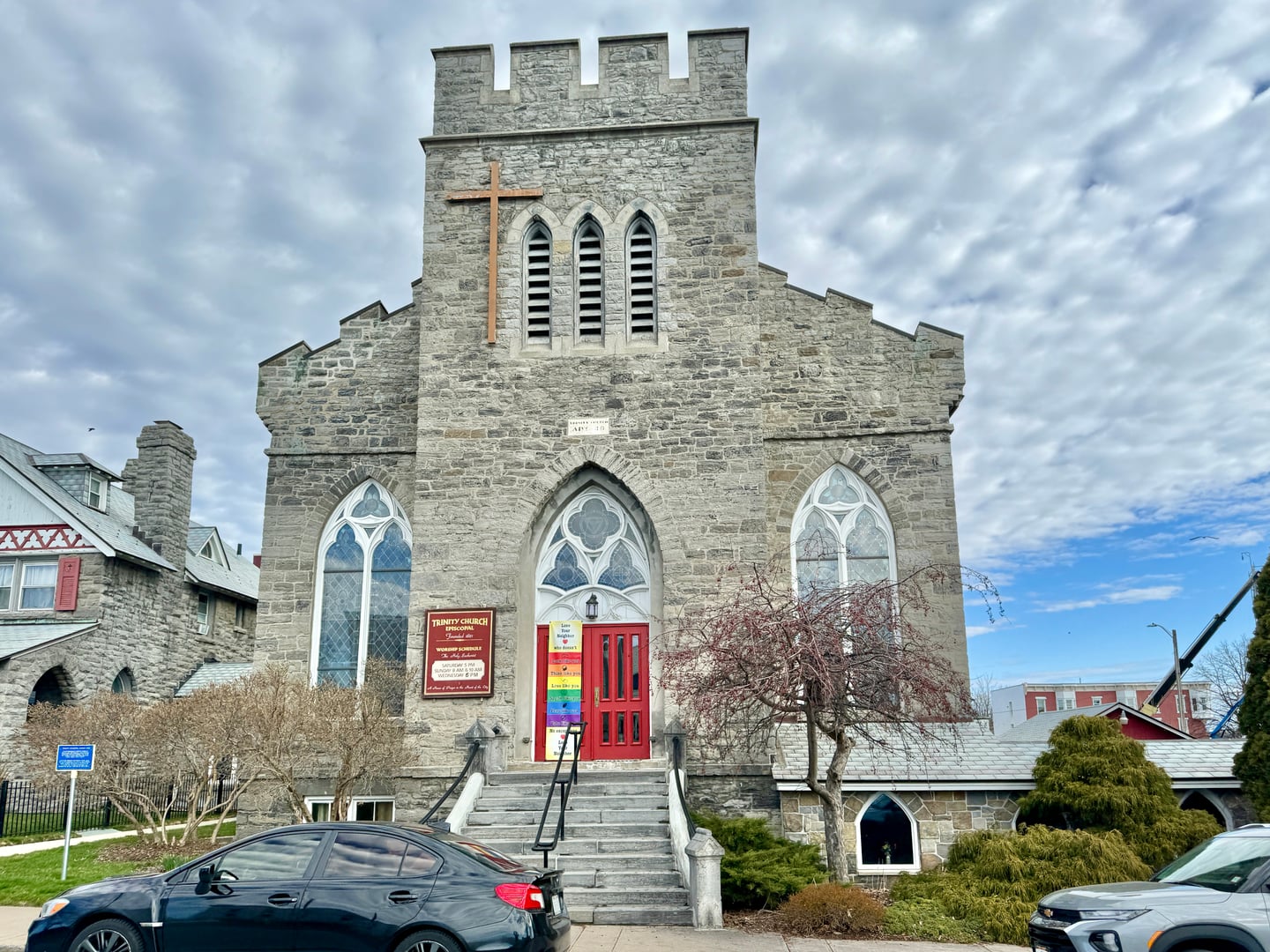
- Trinity Church and ChurchyardNew York · Other Dark Tourism SiteHigh
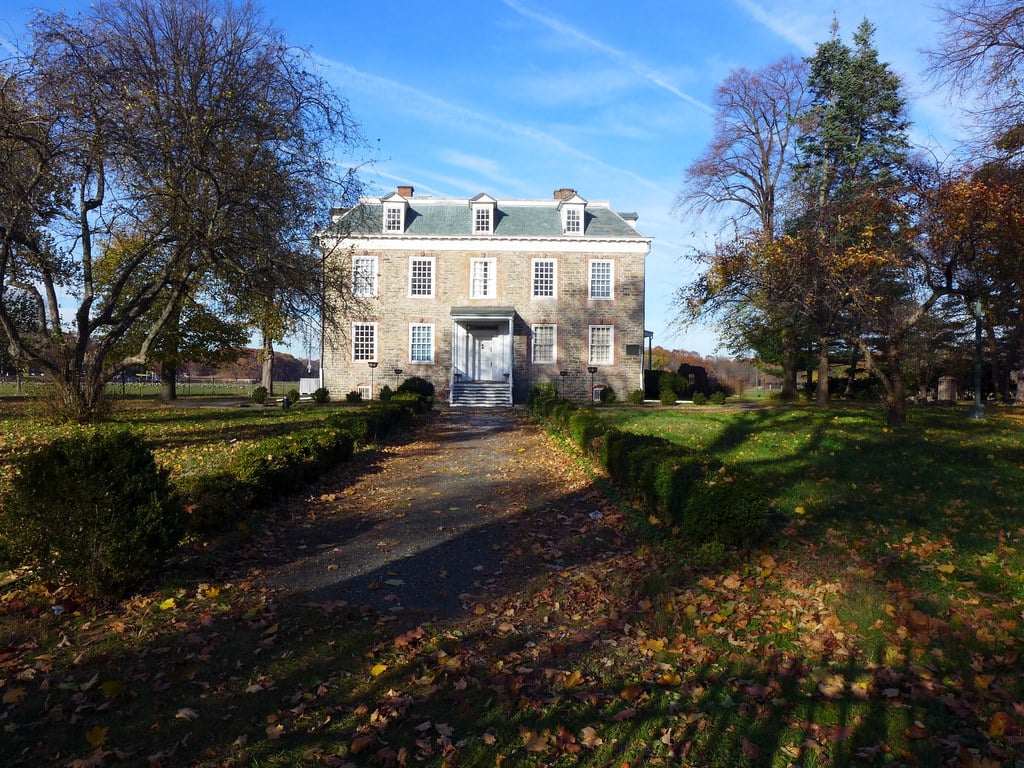
- Van Cortlandt House MuseumBronx · Haunted House / Historic HomeHigh
- Van Cortlandt Park (Indian Field Burial Ground)Bronx · Battlefield / Military SiteModerate
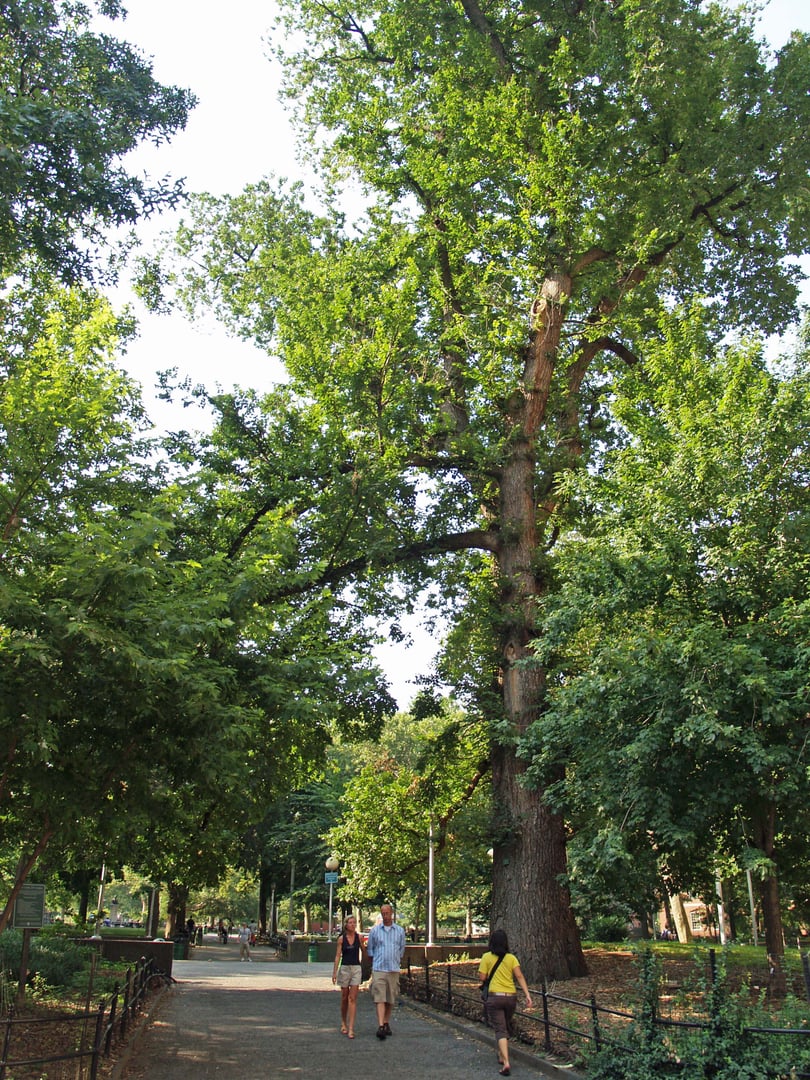
- Washington Square Park (Hangman's Elm & Potter's Field)New York · Outdoor / Natural SiteHigh
- Waverly Inn (16 Bank Street)New York · Haunted Dining / BarModerate
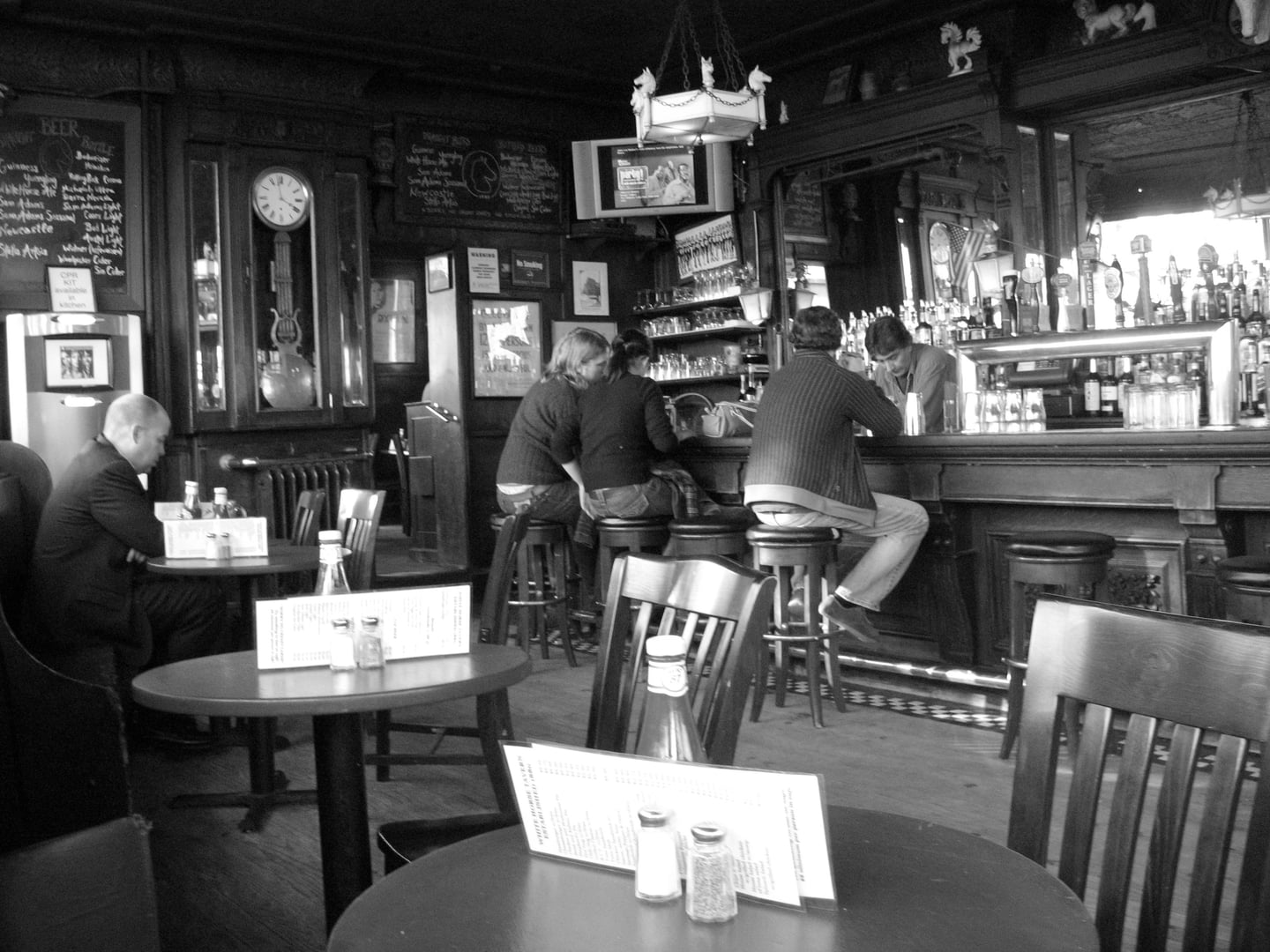
- White Horse TavernNew York · Haunted Dining / BarLow
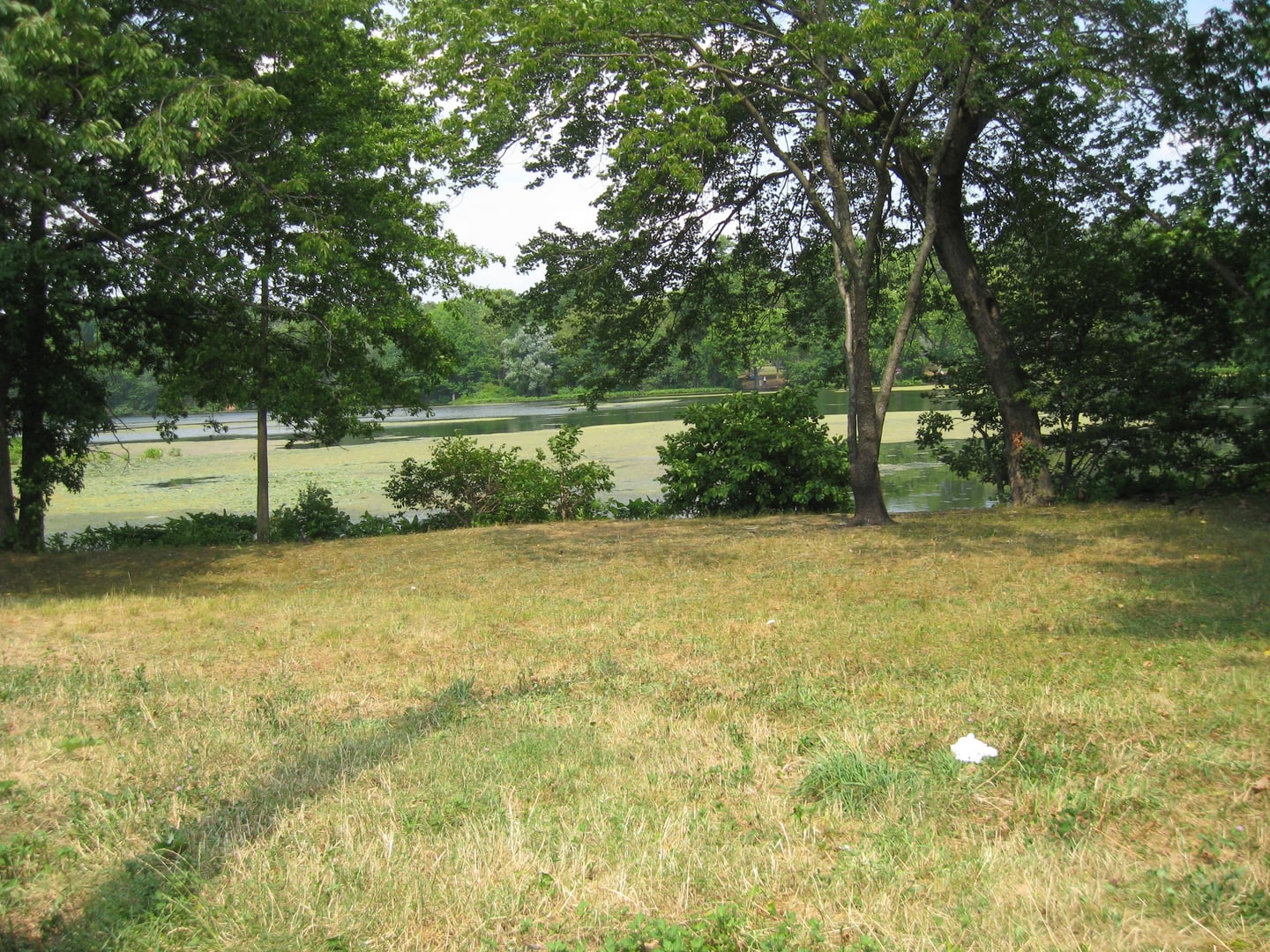
- Wolfe's Pond ParkStaten Island · Outdoor / Natural SiteHigh
Hudson Valley
63Collapse
- Ackley House (1 LaVeta Place) — The Legally Haunted HouseNyack · Haunted House / Historic HomeHigh
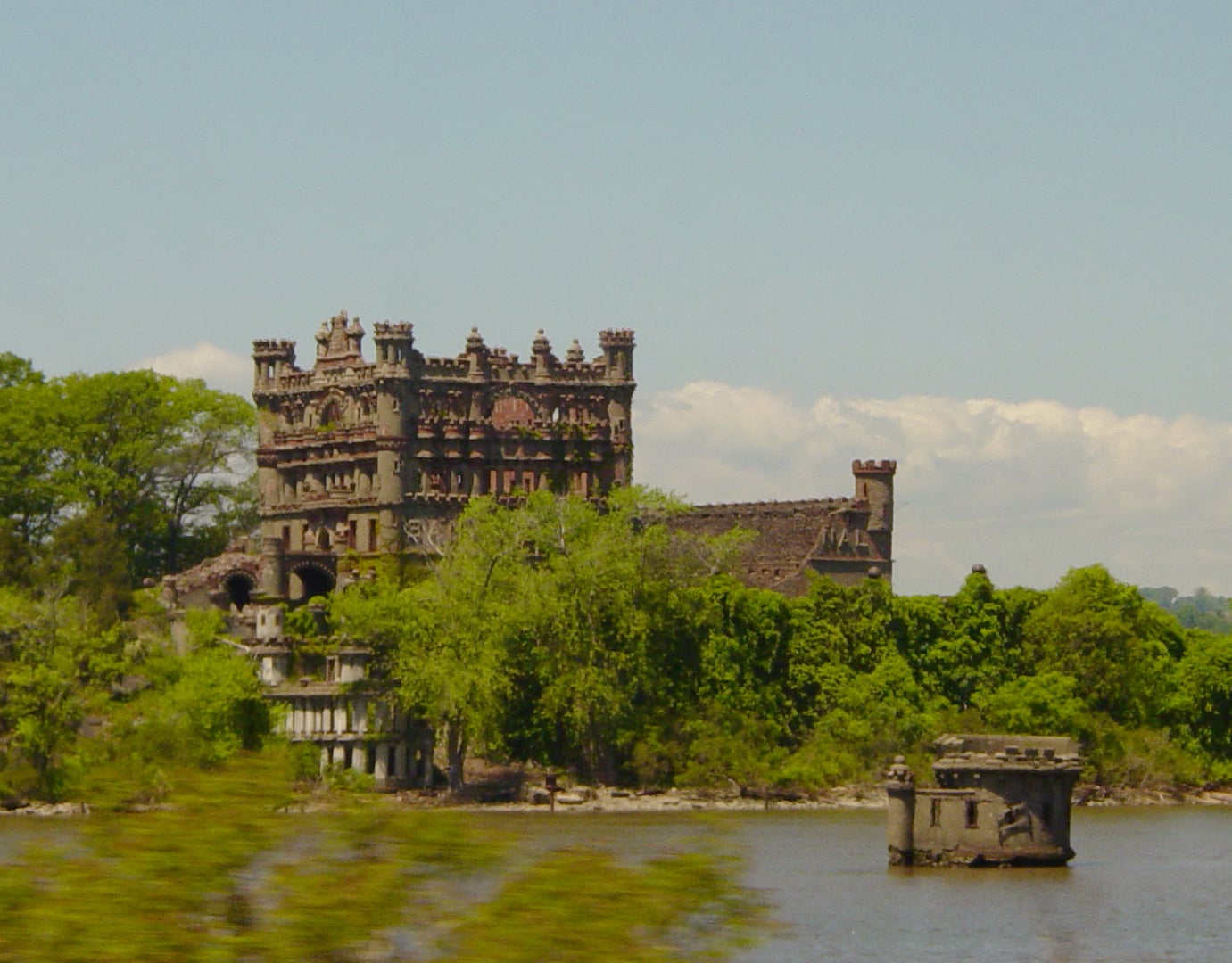
- Bannerman Castle (Pollepel Island)Beacon · Outdoor / Natural SiteModerate
- Bard CollegeAnnandale-on-Hudson · Haunted House / Historic HomeModerate
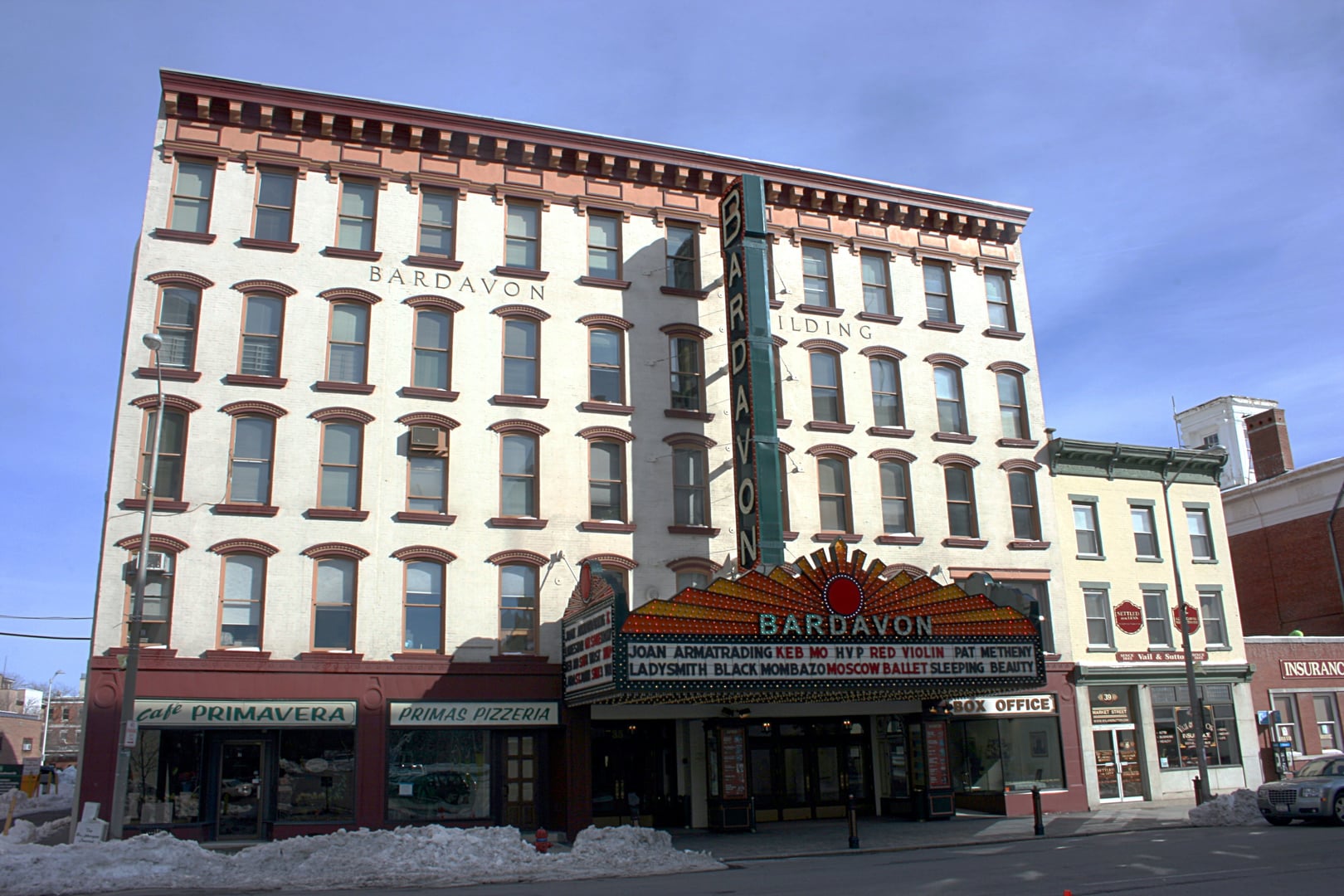
- Bardavon 1869 Opera HousePoughkeepsie · Theater / Performance VenueHigh
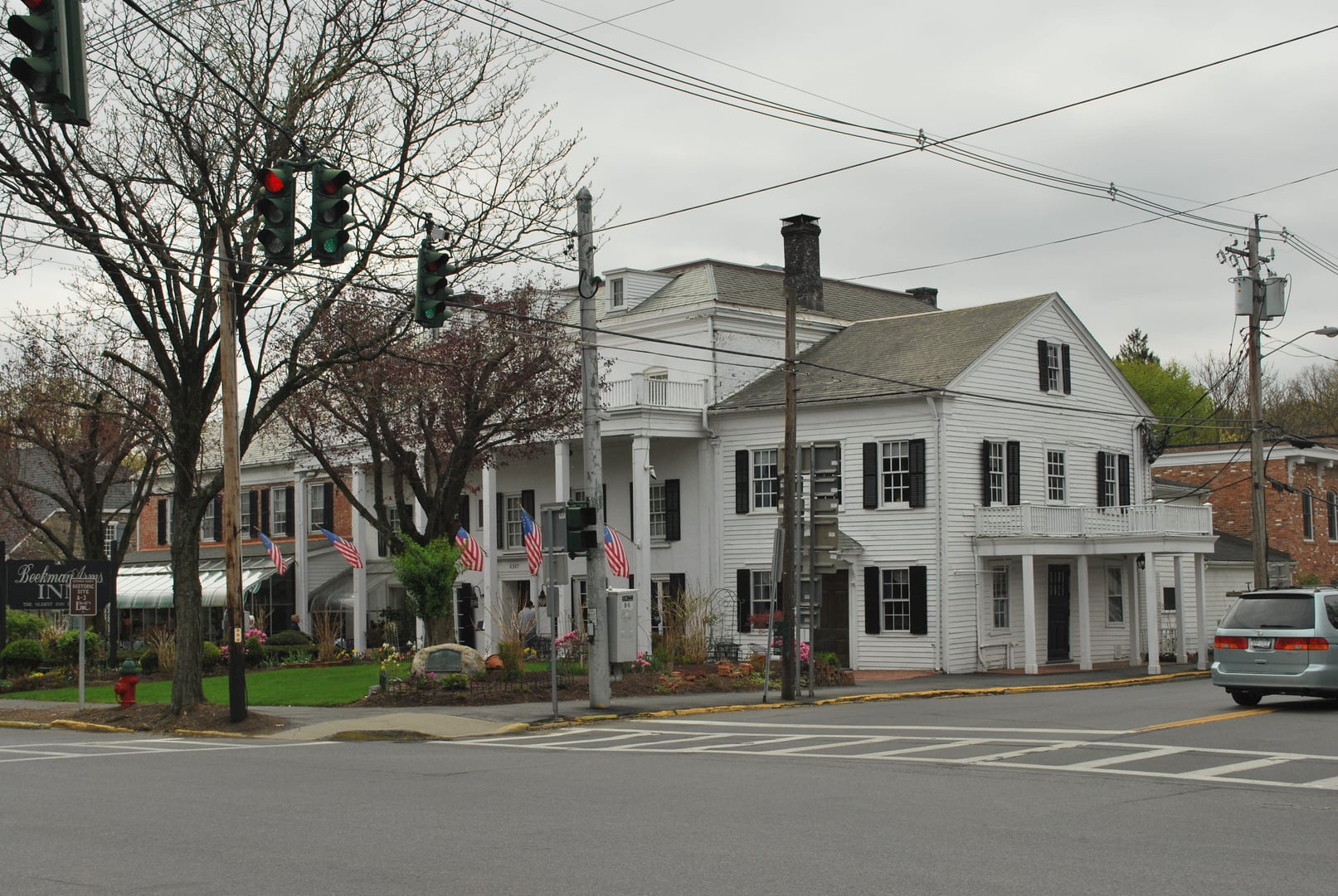
- Beekman Arms & Delamater InnRhinebeck · Haunted Hotel / InnModerate
- Big Moose LakeEagle Bay · Outdoor / Natural SiteModerate
- Big Moose Lakeside (formerly Big Moose Inn)Eagle Bay · True Crime SiteModerate
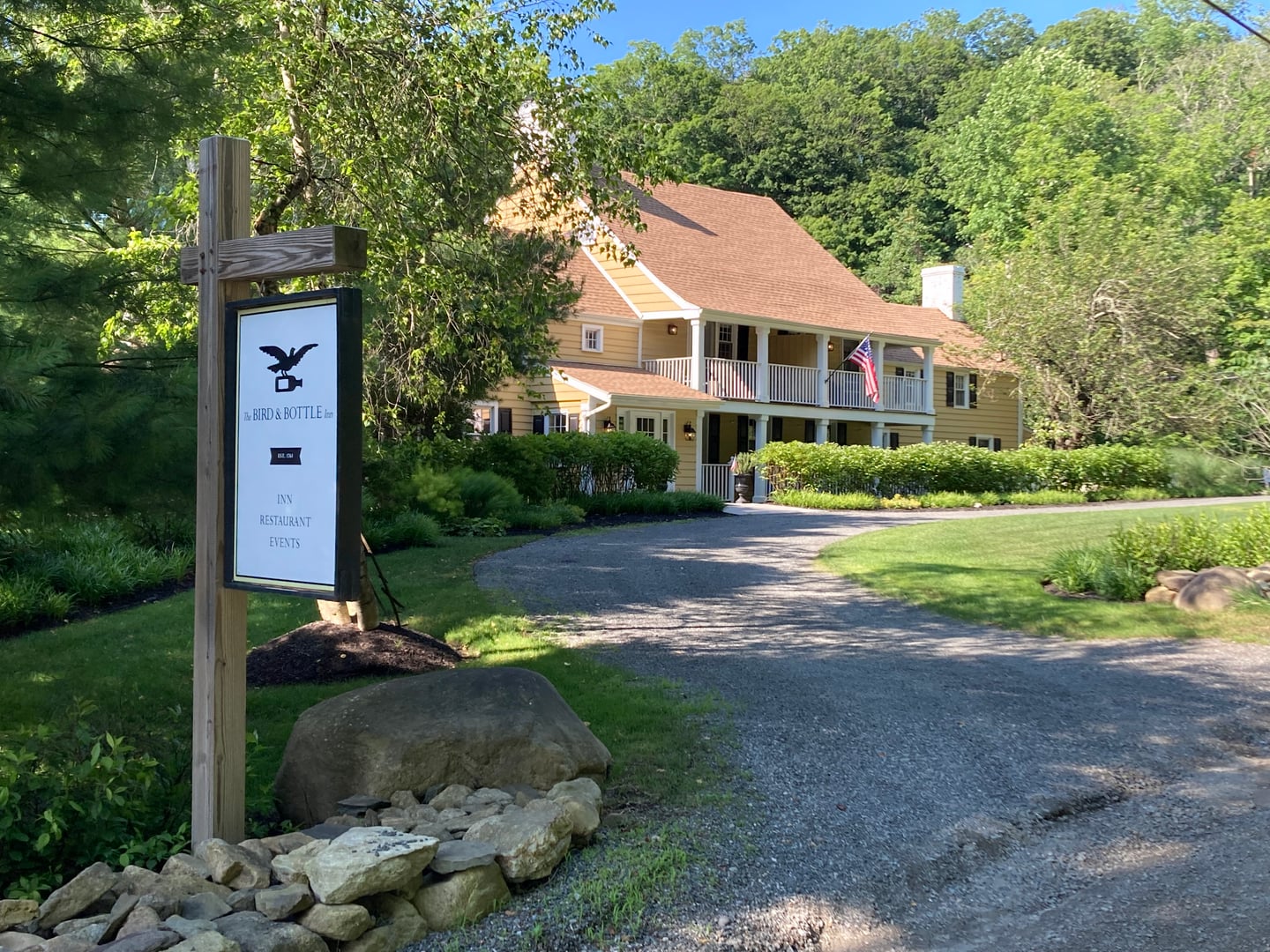
- Bird and Bottle InnGarrison · Haunted Hotel / InnHigh
- Brightside HotelRaquette Lake · Haunted Hotel / InnN/R
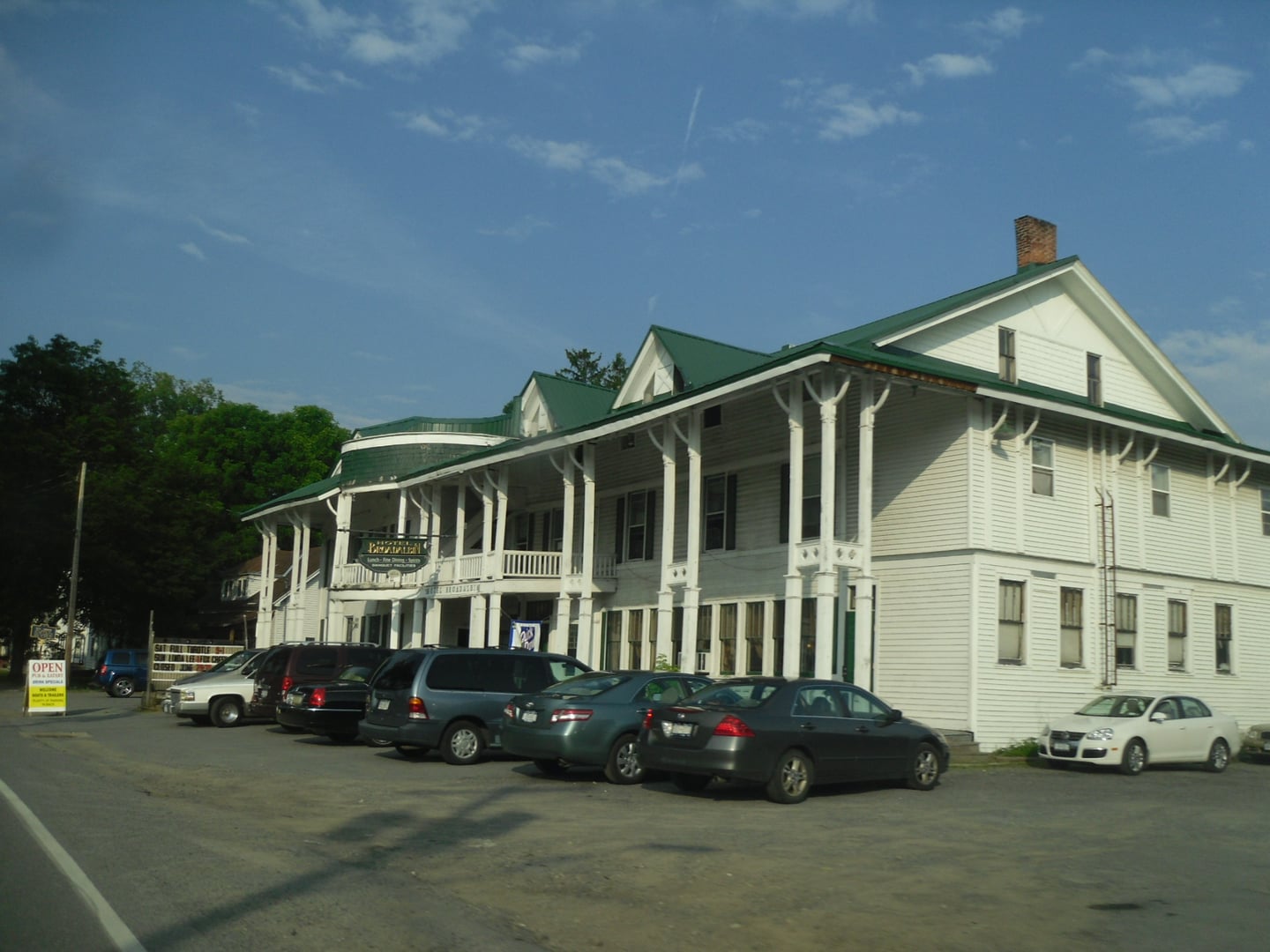
- Broadalbin HotelBroadalbin · Haunted Hotel / InnHigh
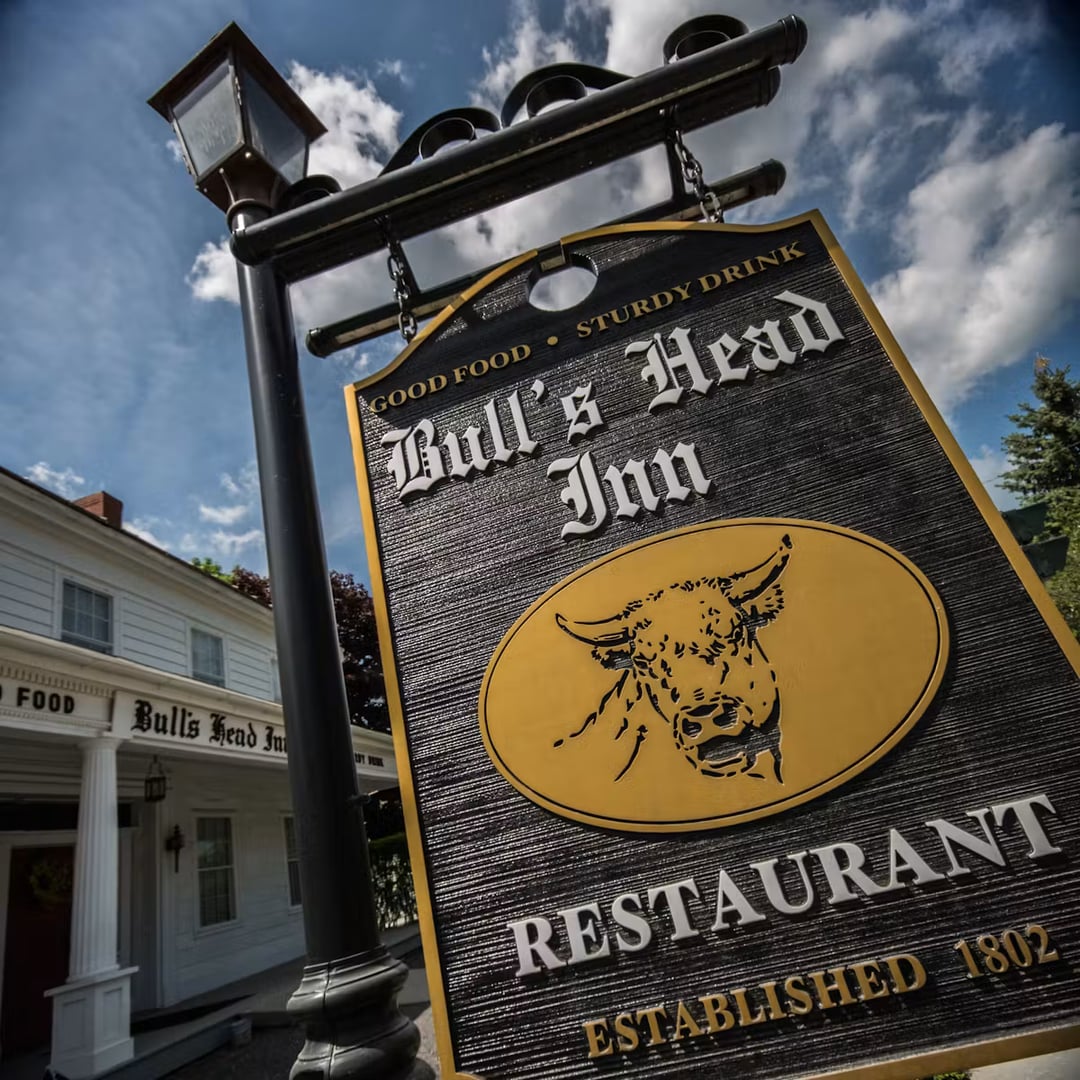
- Bull's Head InnCobleskill · Haunted Dining / BarHigh
- Burn Brae MansionGlen Spey · Haunted Hotel / InnModerate
- Christ Episcopal ChurchPoughkeepsie · Other Dark Tourism SiteHigh
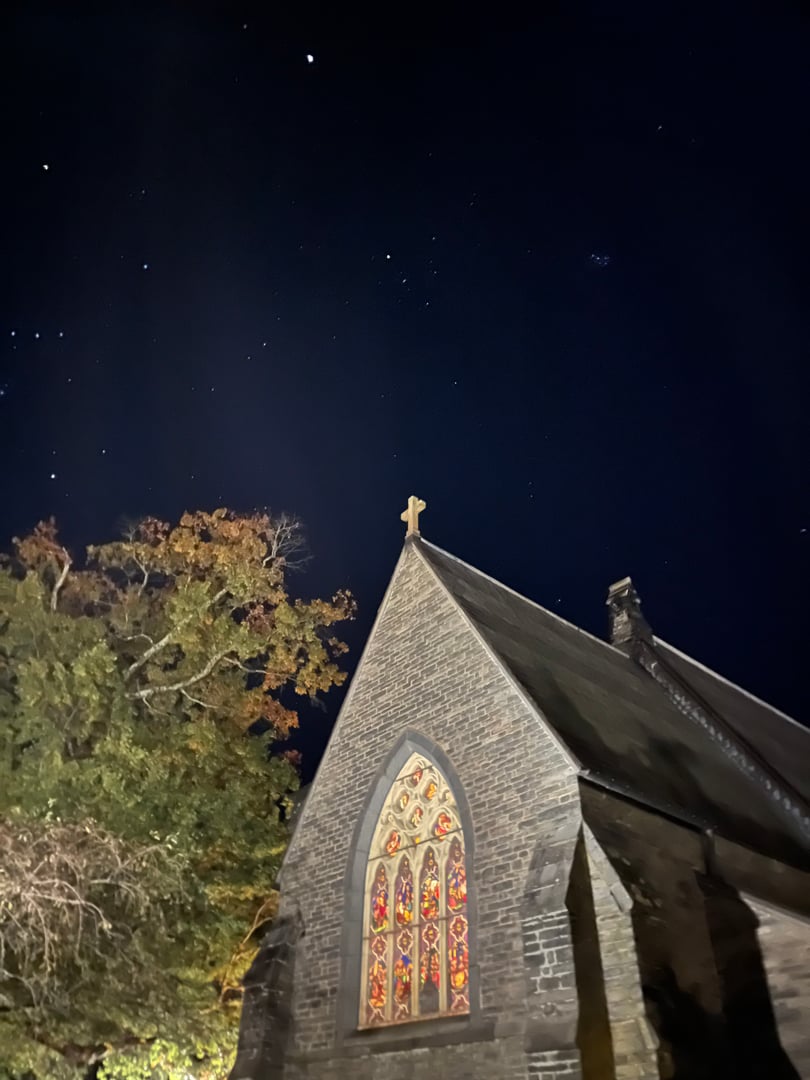
- Church of St. BarnabasIrvington · Other Dark Tourism SiteHigh
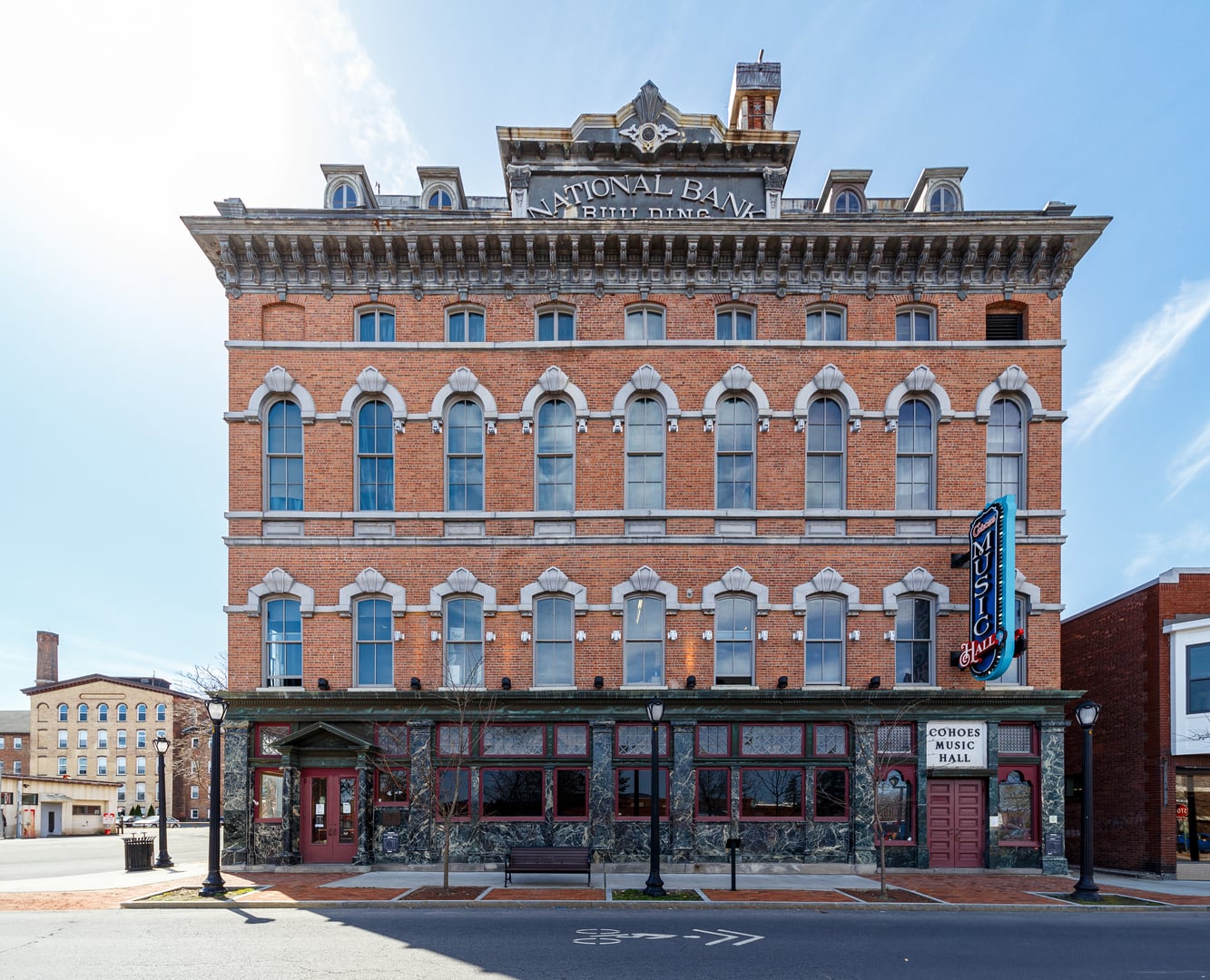
- Cohoes Music HallCohoes · Theater / Performance VenueHigh
- Demarest Building (Former National Hotel)Warwick · Haunted Dining / BarHigh
- Downing ParkNewburgh · Outdoor / Natural SiteHigh
- Dutch's Spirits at Harvest Homestead FarmPine Plains · True Crime SiteHigh
- Elmlawn Memorial ParkTonawanda · Cemetery / Burial GroundHigh
- Federal Hill RoadBrewster · Outdoor / Natural SiteModerate
- Fiddlers Bridge RoadClinton Corners · Outdoor / Natural SiteModerate
- Goosehill CemeteryStrykersville · Cemetery / Burial GroundLow
- Henry Hudson ParkGlenmont · Outdoor / Natural SiteHigh
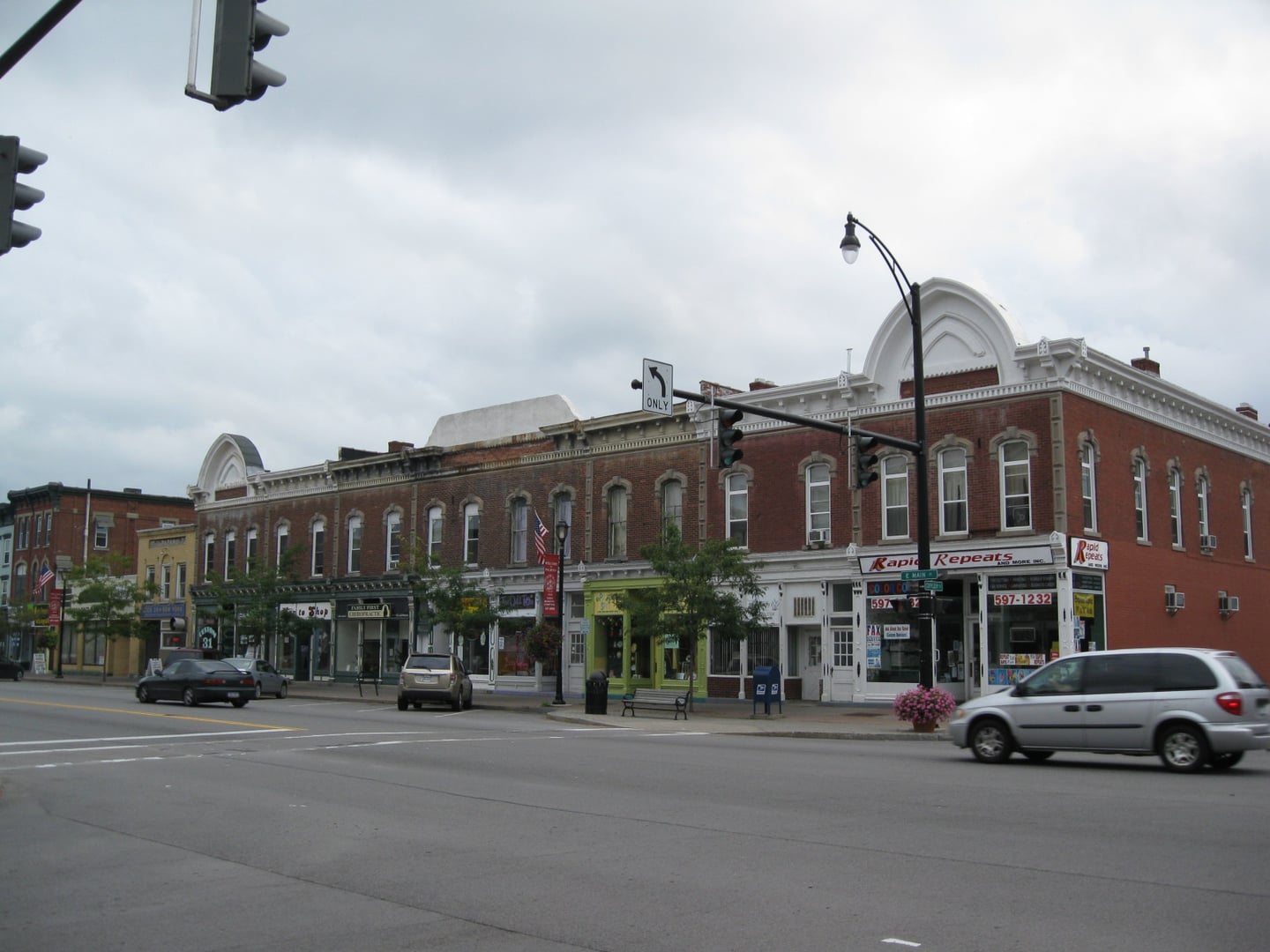
- Historic Huguenot StreetNew Paltz · Museum / Historical SiteHigh
- Historic PalmyraPalmyra · Museum / Historical SiteModerate
- Hobart and William Smith CollegesGeneva · Museum / Historical SiteHigh
- Hollen Beck CemeteryJamestown · Cemetery / Burial GroundLow
- Hudson River Maritime Museum — Haunted Rondout Boat TourKingston · Museum / Historical SiteModerate
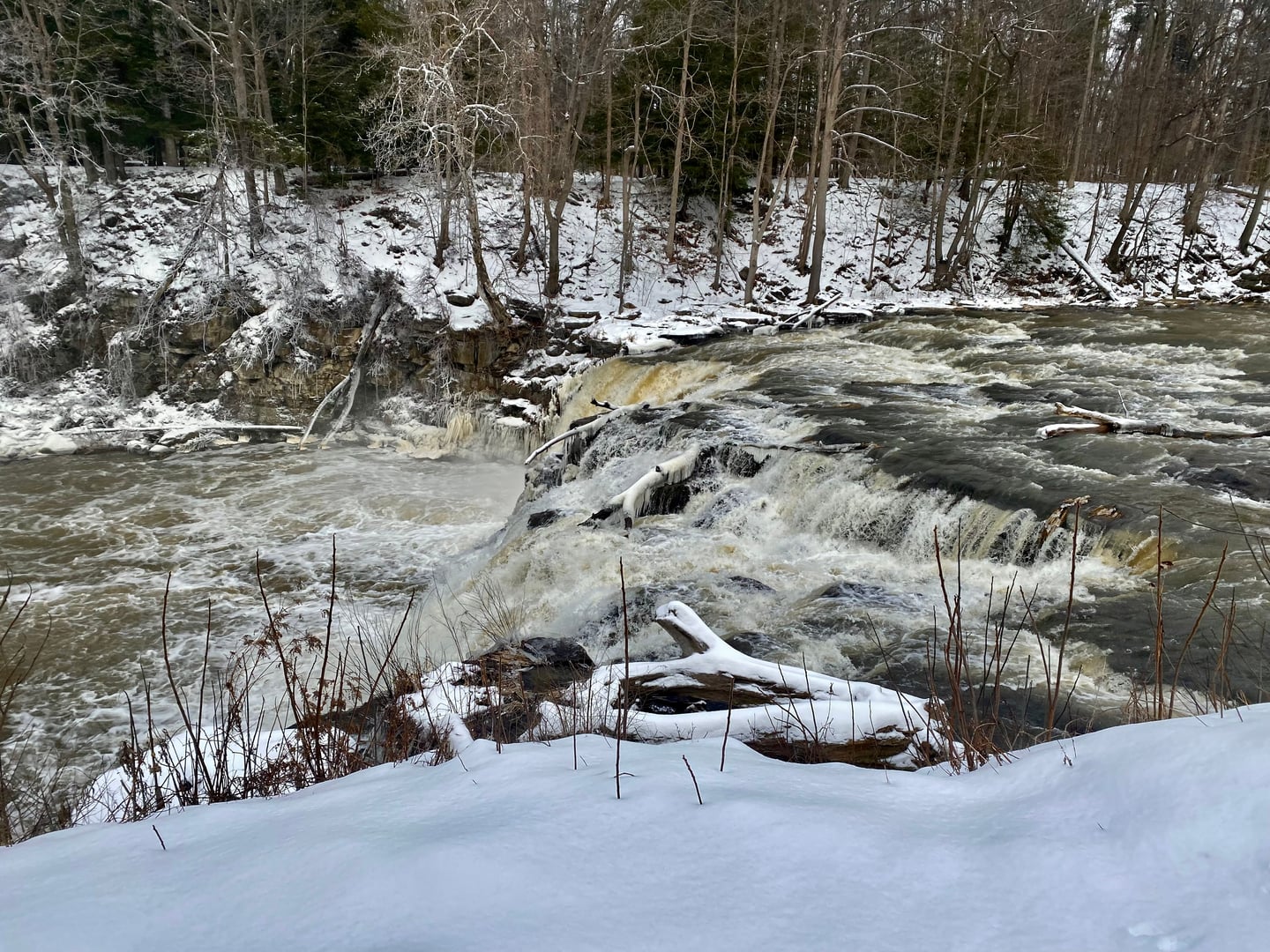
- Indian FallsCorfu · Outdoor / Natural SiteModerate
- John Burroughs GravesiteRoxbury · Cemetery / Burial GroundHigh
- Keuka College — Ball HallKeuka Park · Other Dark Tourism SiteHigh
- King House Mansion at Tarrytown House EstateTarrytown · Haunted Hotel / InnModerate
- Letchworth VillageThiells · Asylum / HospitalModerate
- Long Island CampgroundLake George · Outdoor / Natural SiteModerate
- Matteawan State Hospital CemeteryBeacon · Cemetery / Burial GroundModerate
- Mid Orange Correctional FacilityWarwick · Prison / ReformatoryN/R
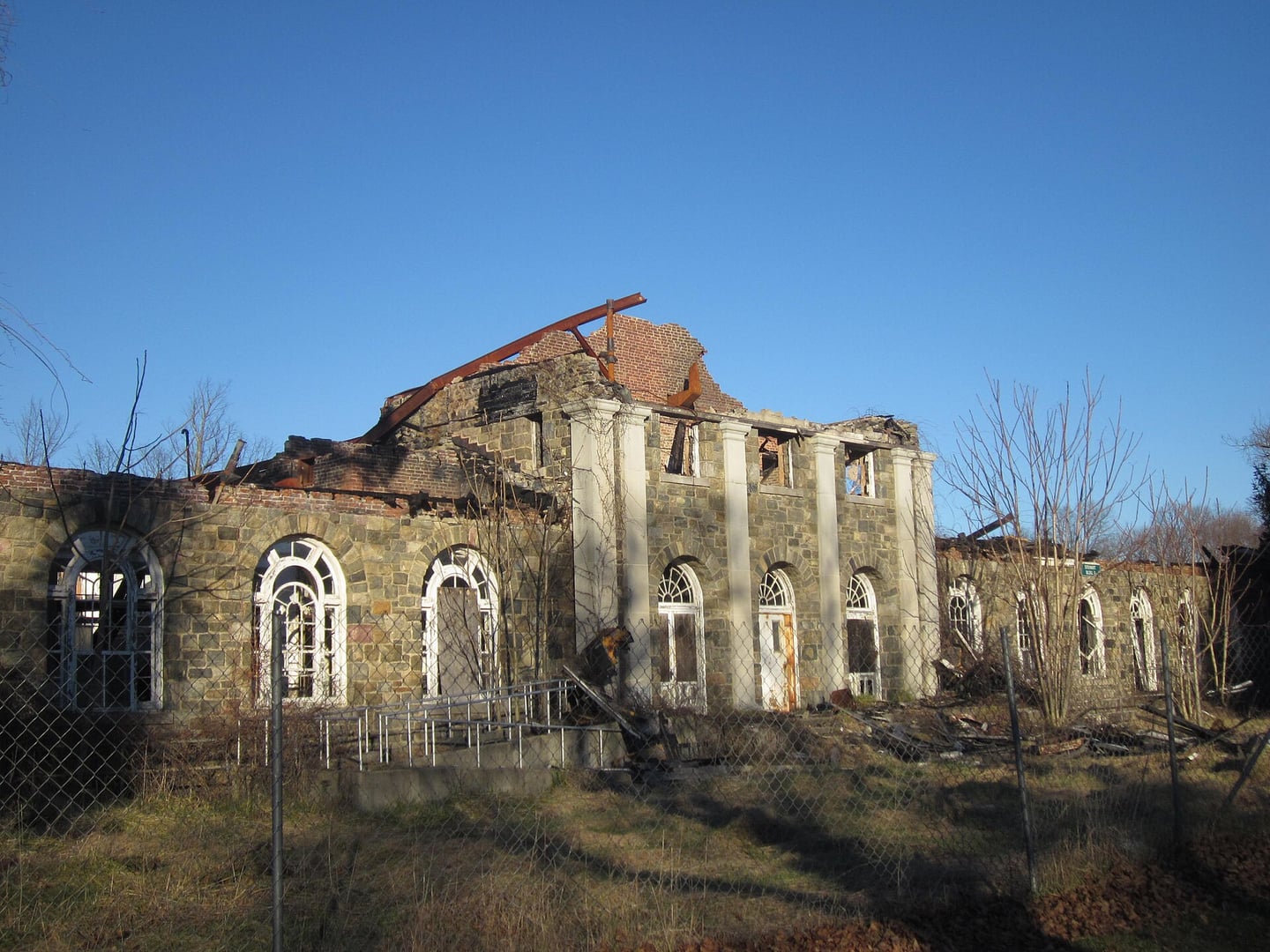
- Middletown State Homeopathic HospitalMiddletown · Asylum / HospitalHigh
- Mirbeau Inn & Spa BeaconBeacon · Haunted Hotel / InnModerate
- Old Dutch Church Cemetery (Kingston)Kingston · Cemetery / Burial GroundHigh
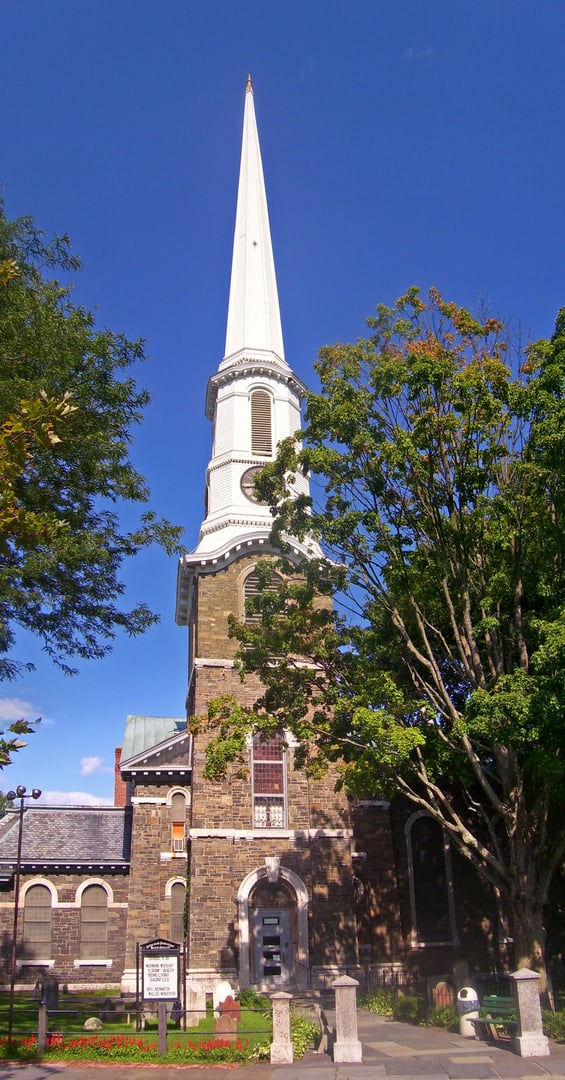
- Old Dutch Church of Sleepy Hollow and Burial GroundSleepy Hollow · Cemetery / Burial GroundHigh
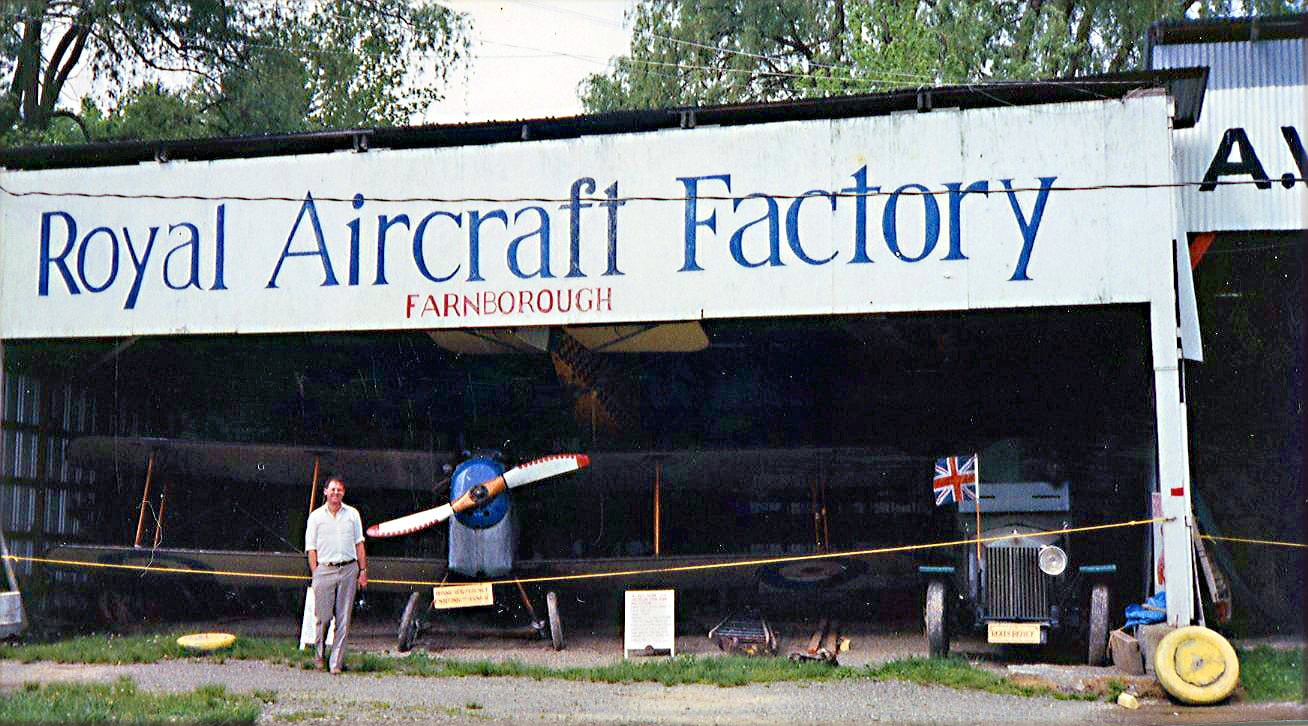
- Old Rhinebeck AerodromeRed Hook · Museum / Historical SiteHigh
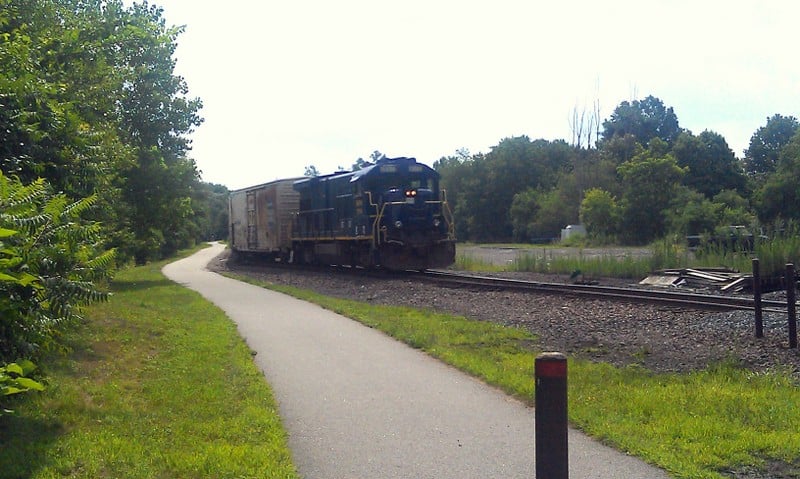
- Orange Heritage Trail (Chester Section)Chester · Outdoor / Natural SiteHigh
- Orchard HallSauquoit · Haunted Dining / BarModerate
- Patriot's Park (André Capture Site)Tarrytown · Battlefield / Military SiteHigh
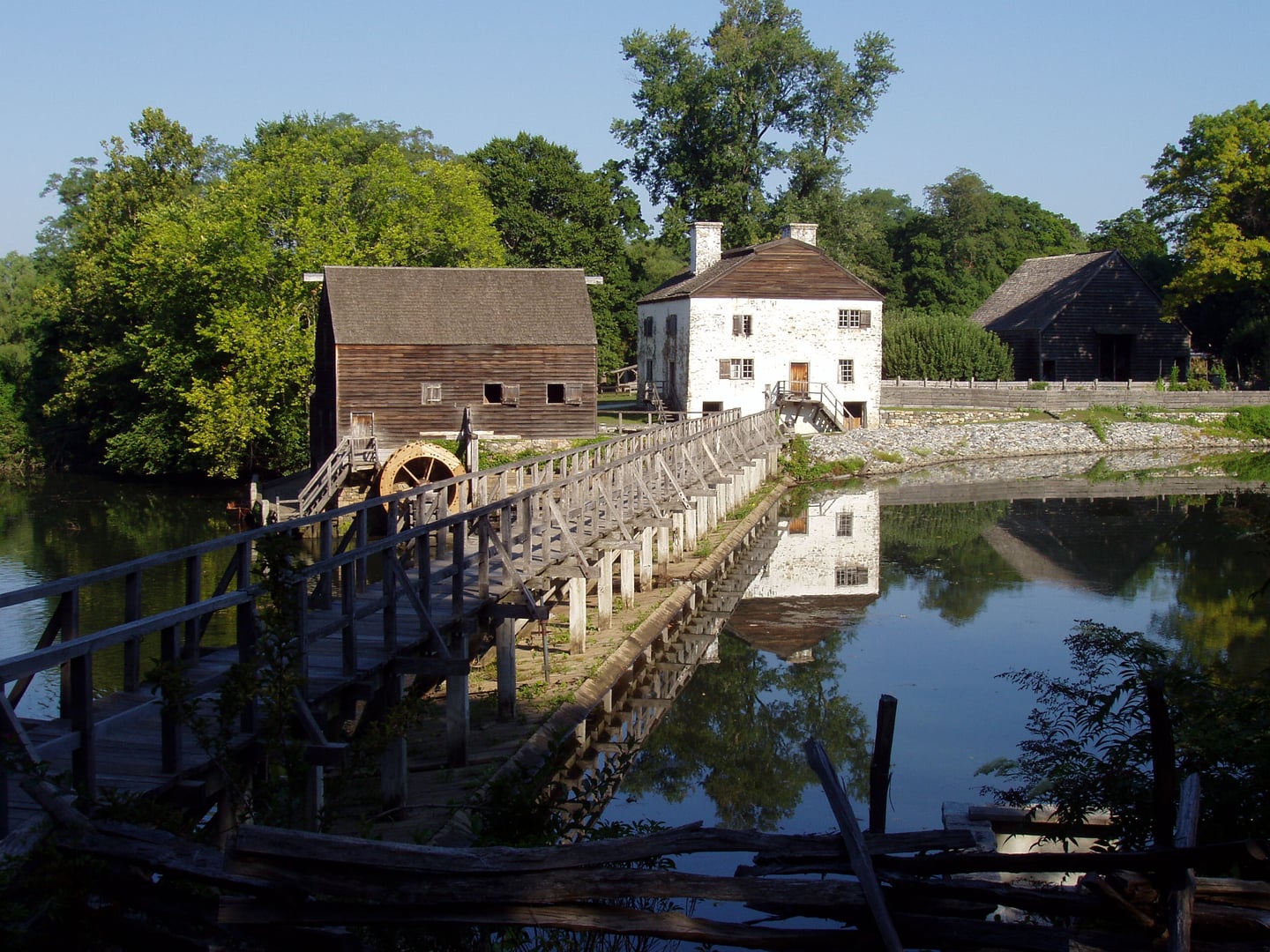
- Philipsburg ManorSleepy Hollow · Museum / Historical SiteHigh
- Rolling Hills AsylumEast Bethany · Asylum / HospitalN/R
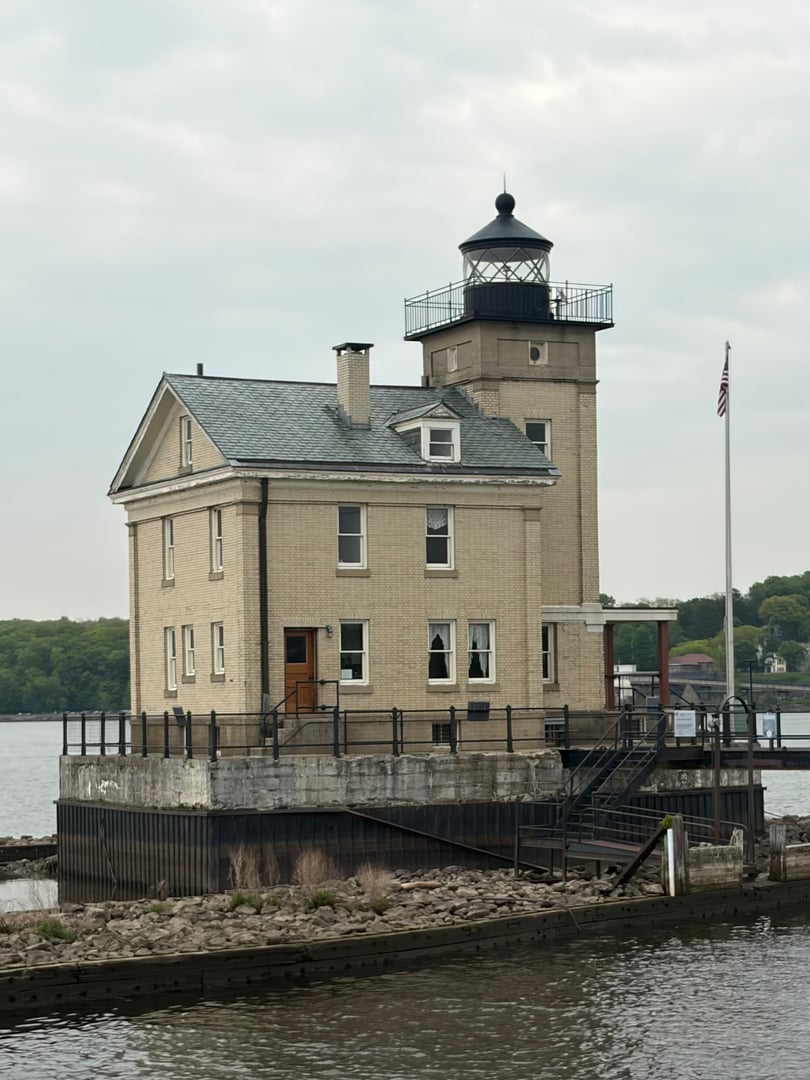
- Rondout LighthouseKingston · Other Dark Tourism SiteModerate
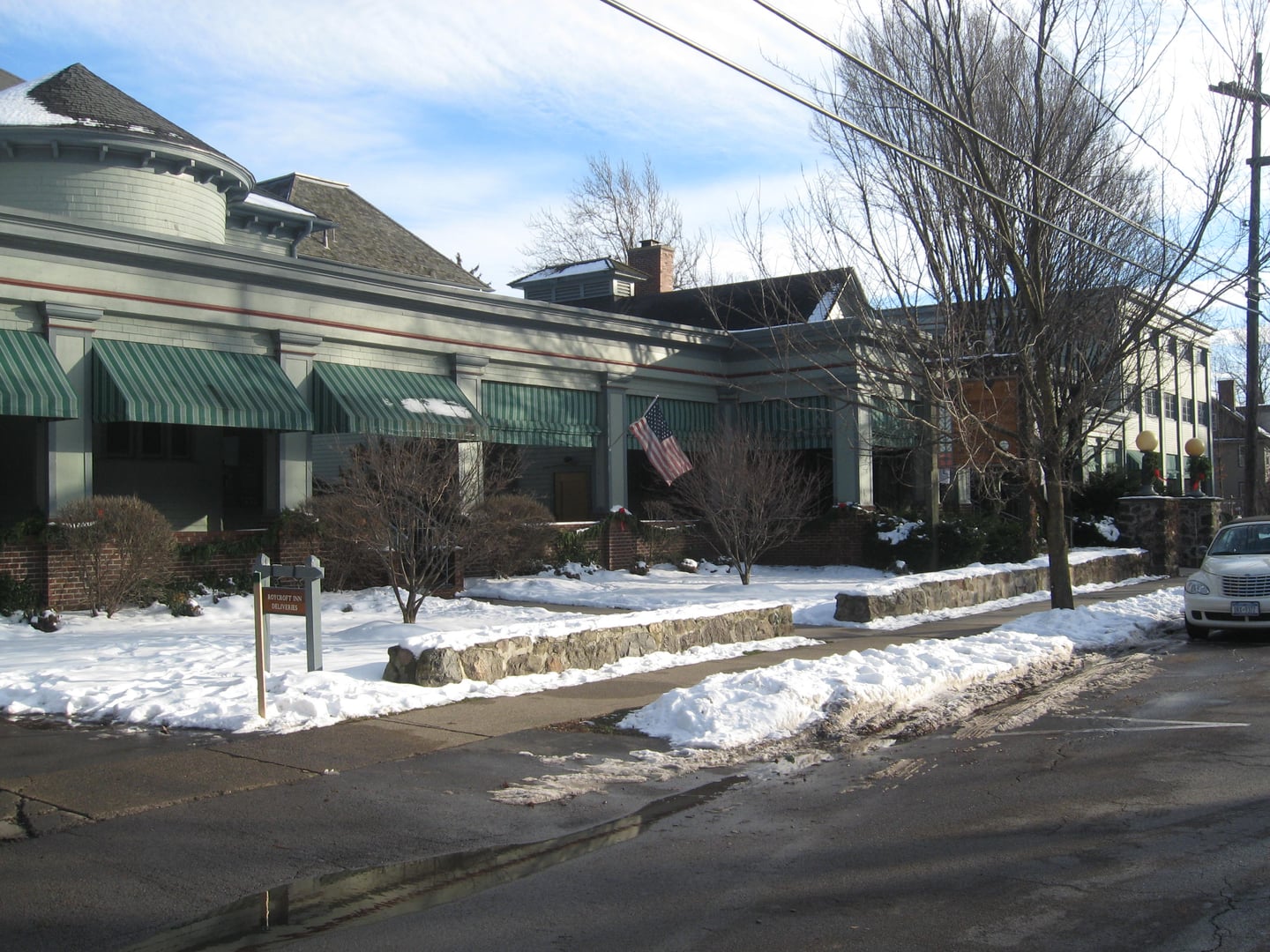
- Roycroft InnEast Aurora · Haunted Hotel / InnModerate
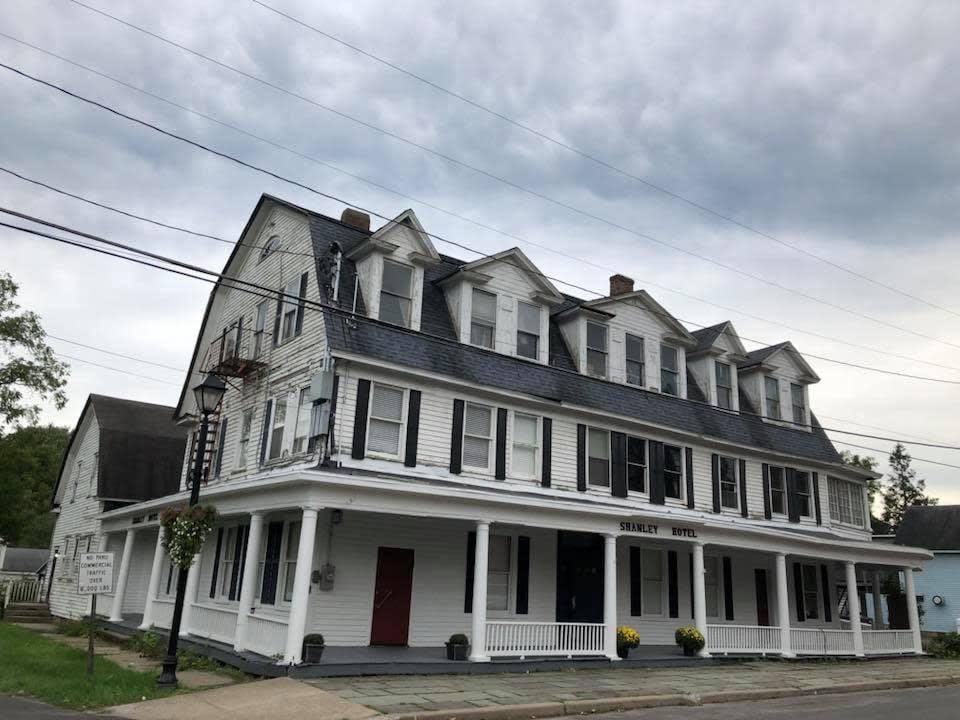
- Shanley HotelNapanoch · Haunted Hotel / InnLow
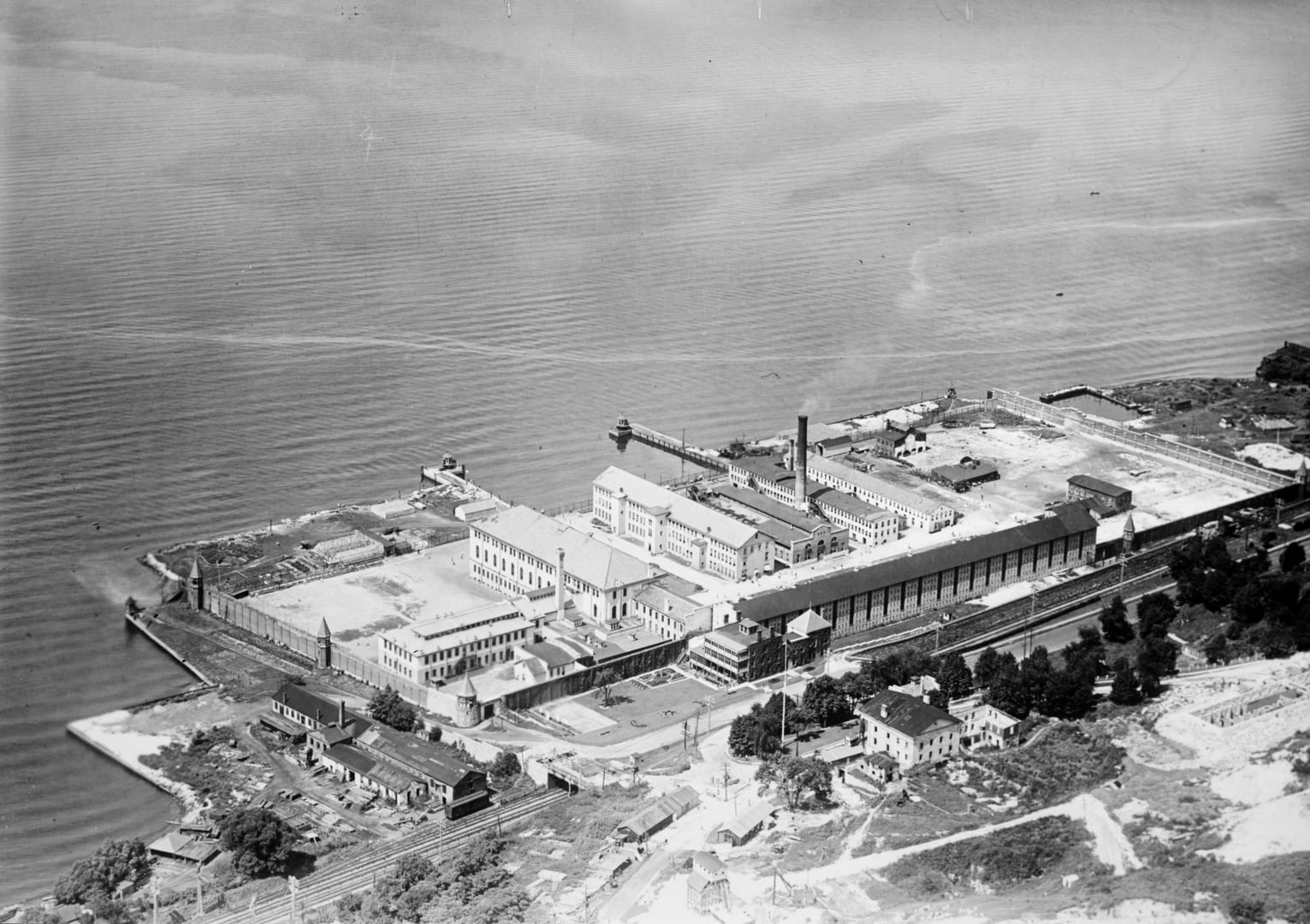
- Sing Sing Prison MuseumOssining · Museum / Historical SiteModerate
- Sleepy Hollow CemeterySleepy Hollow · Cemetery / Burial GroundHigh
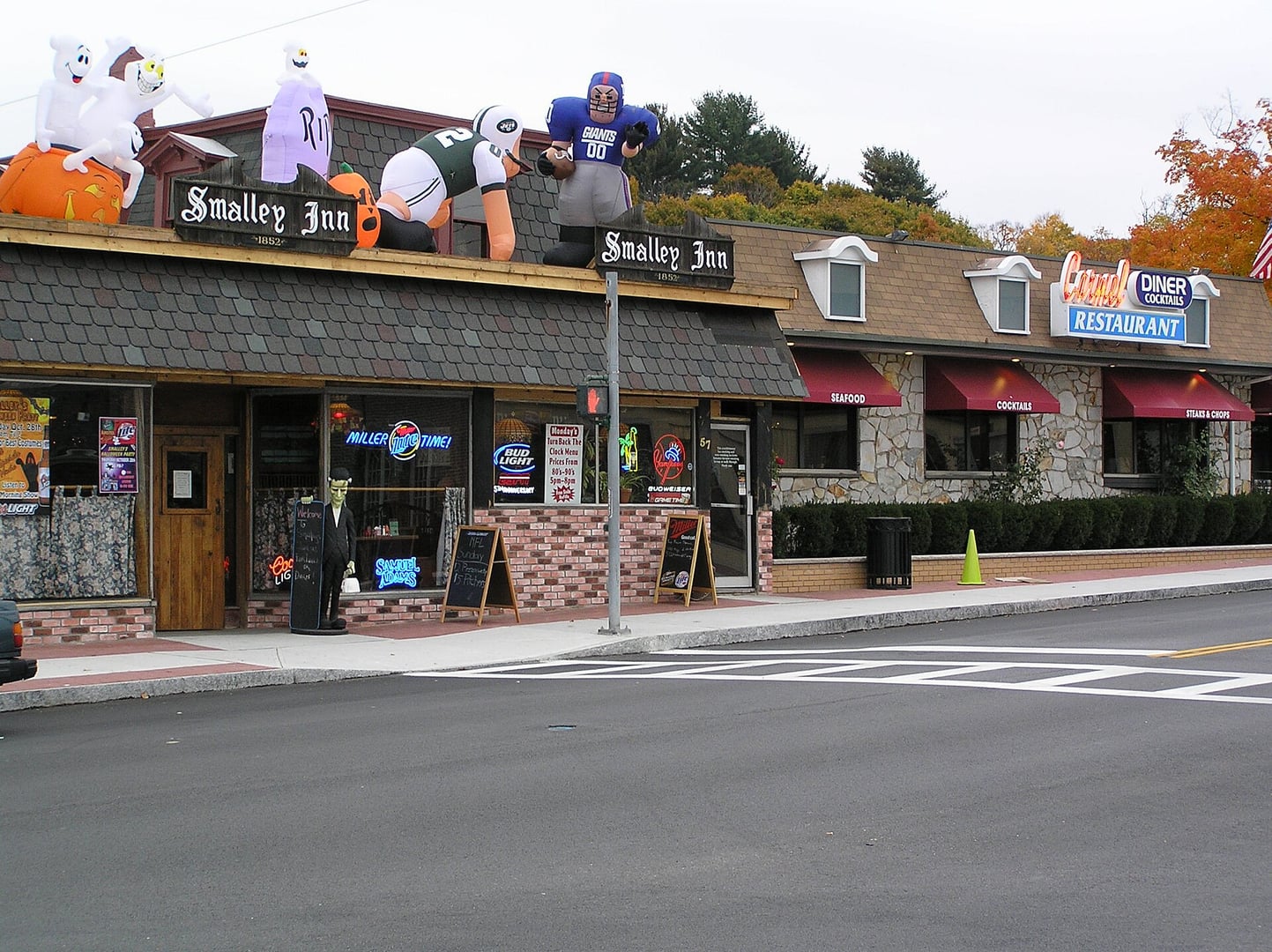
- Smalley's Inn & RestaurantCarmel · Haunted Dining / BarModerate
- Spook Rock RoadMontebello · Outdoor / Natural SiteModerate
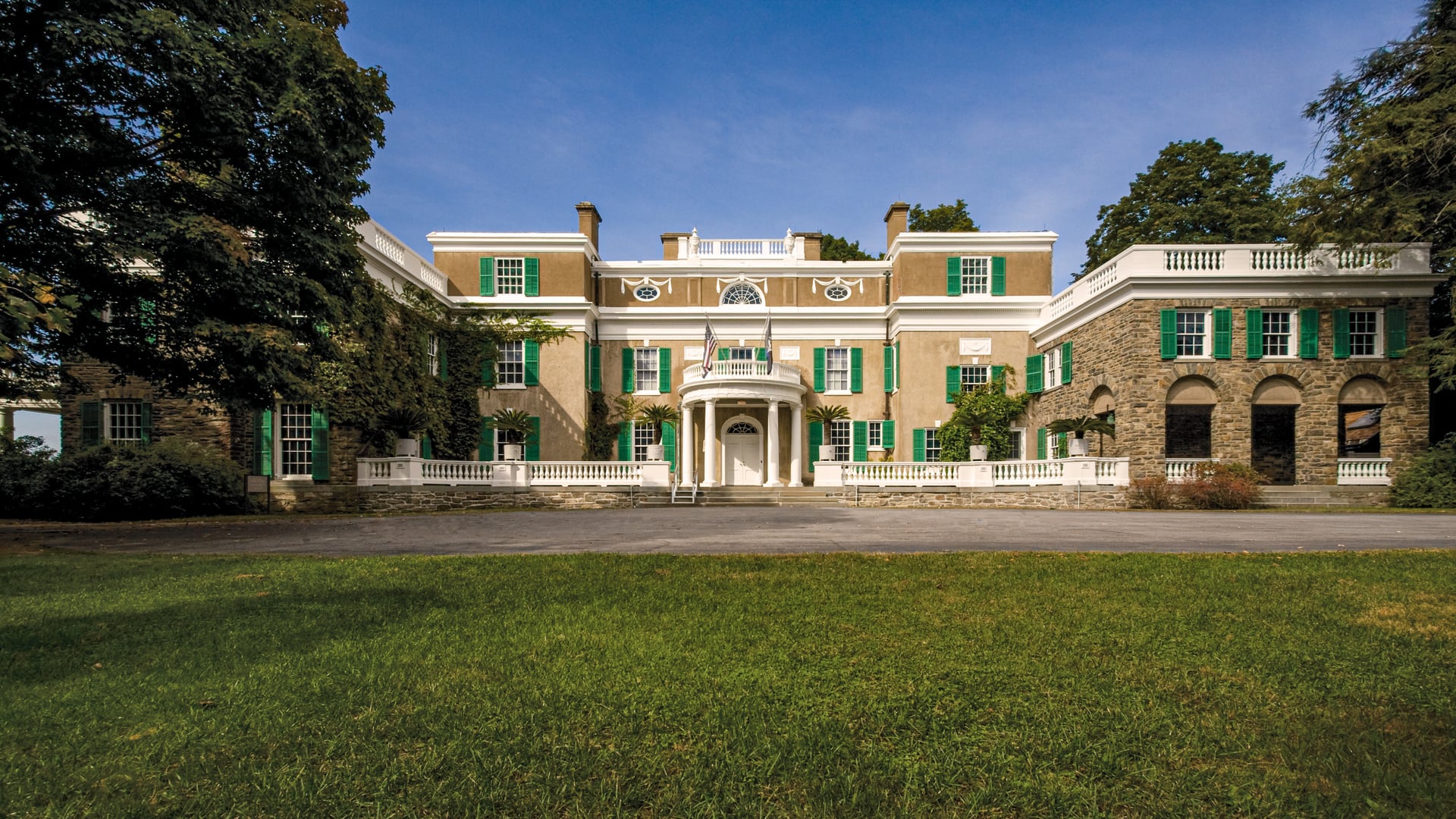
- Springwood (Home of Franklin D. Roosevelt National Historic Site)Hyde Park · Museum / Historical SiteHigh
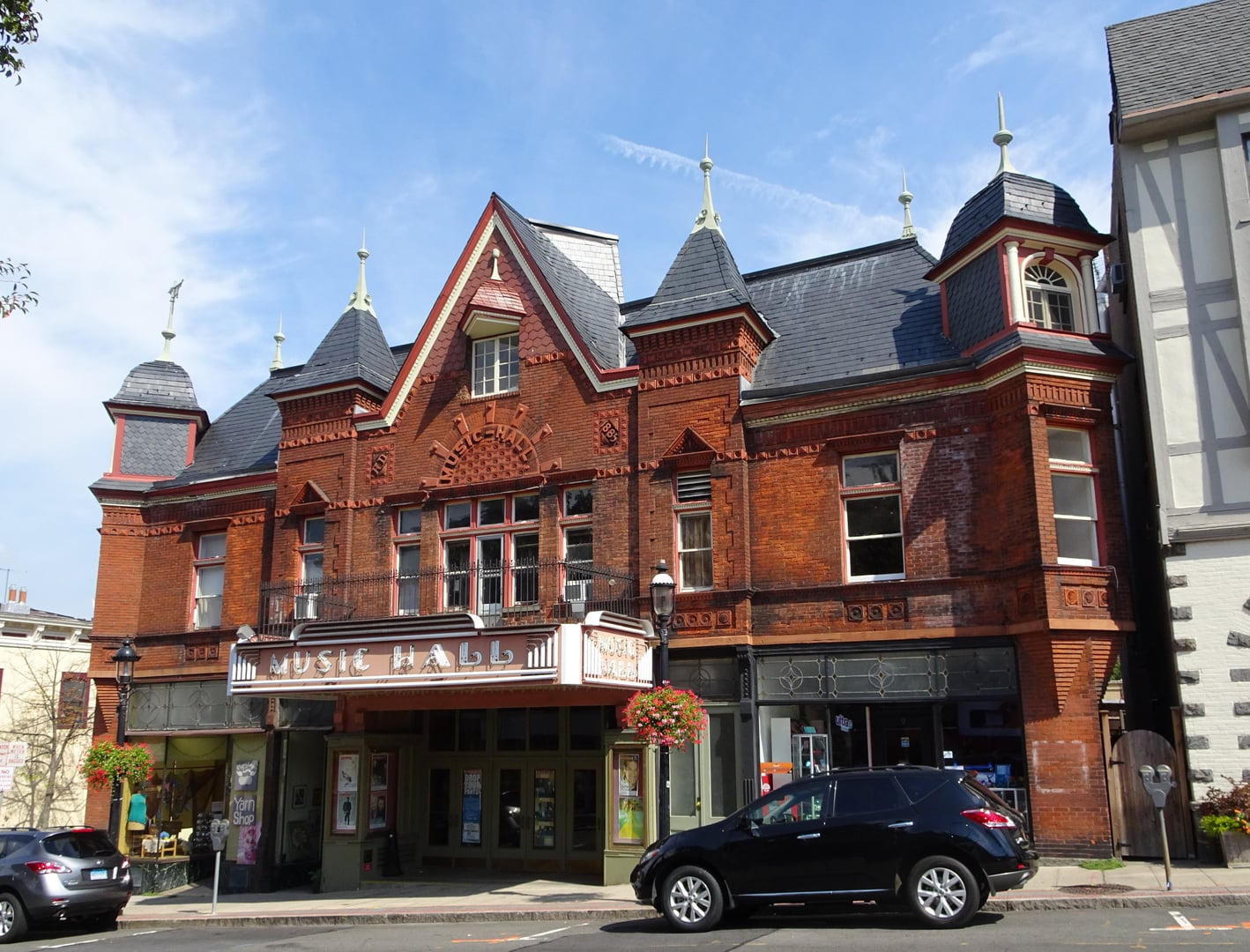
- Tarrytown Music HallTarrytown · Theater / Performance VenueModerate
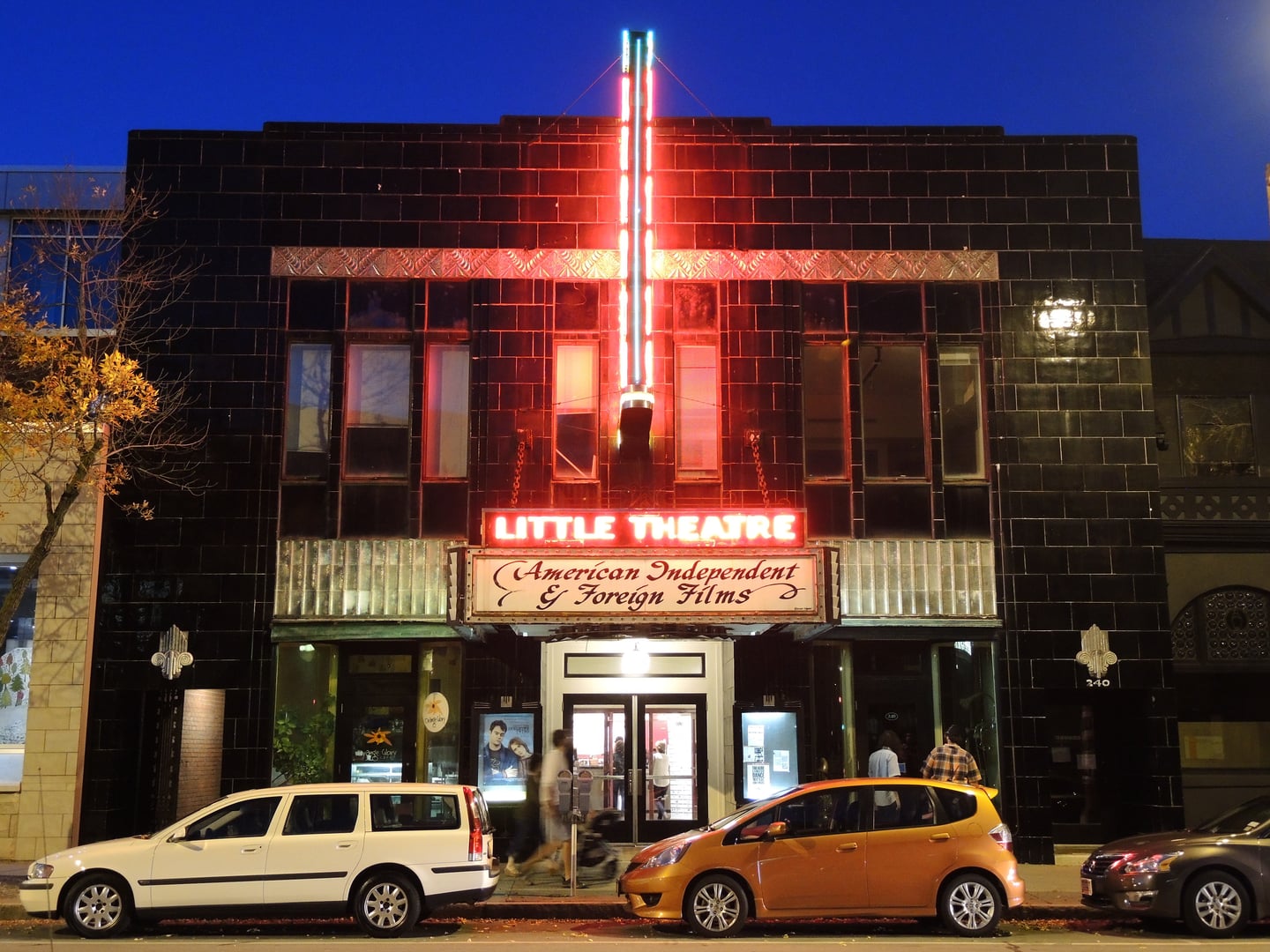
- The Little TheatreRochester · Theater / Performance VenueHigh
- The McGarrah Stagecoach Tavern InnMonroe · Museum / Historical SiteHigh
- US Ghost Adventures Hyde ParkHyde Park · Ghost Tour / Walking TourHigh
- Van Horn MansionBurt · Haunted House / Historic HomeModerate
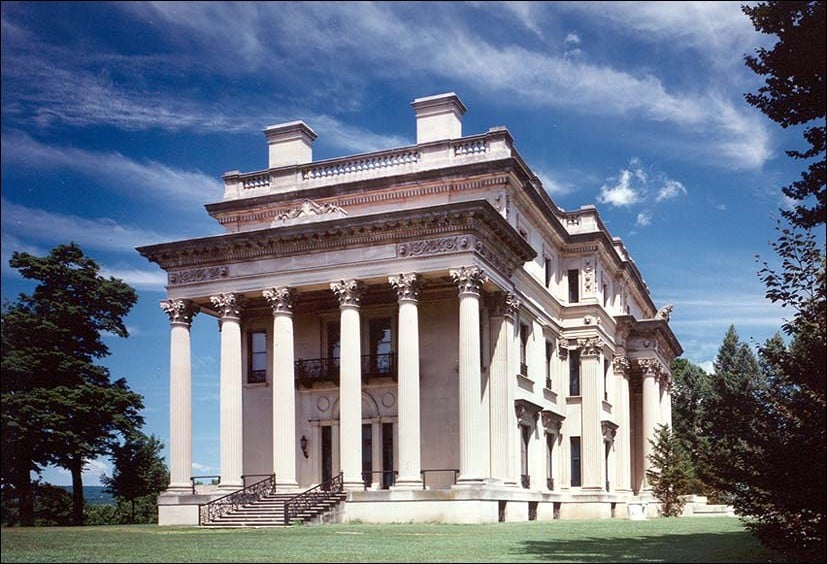
- Vanderbilt Mansion National Historic SiteHyde Park · Haunted House / Historic HomeHigh
- Vassar College — Main BuildingPoughkeepsie · Museum / Historical SiteHigh
- Washington Cemetery, North Chodikee Lake RoadHighland · Cemetery / Burial GroundModerate
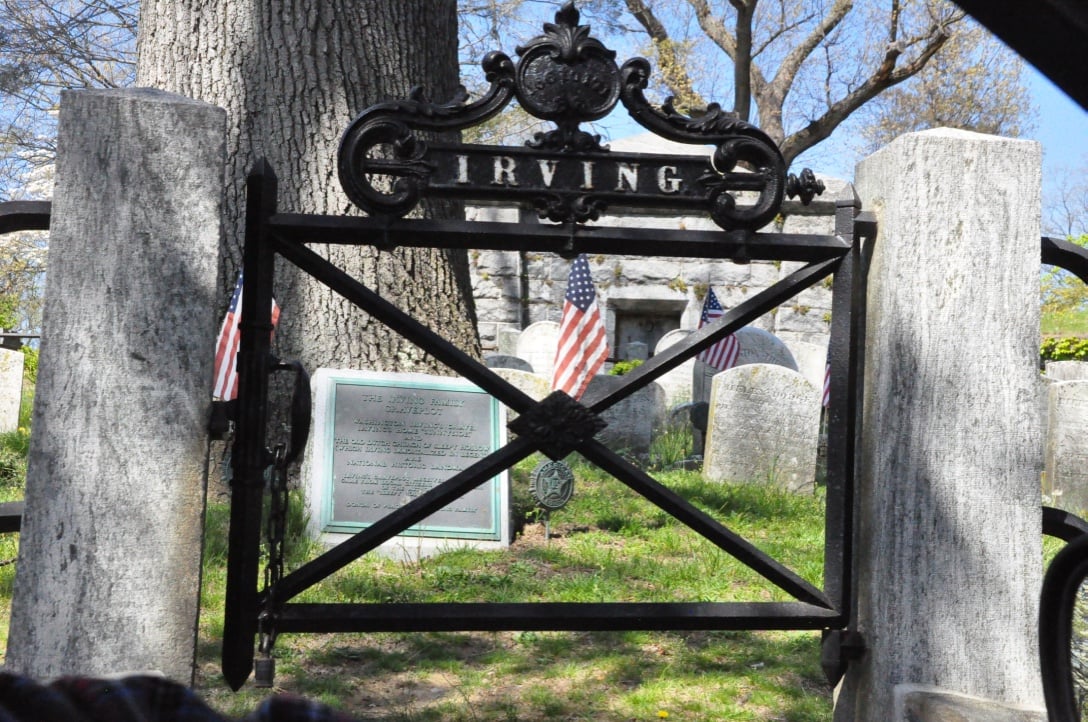
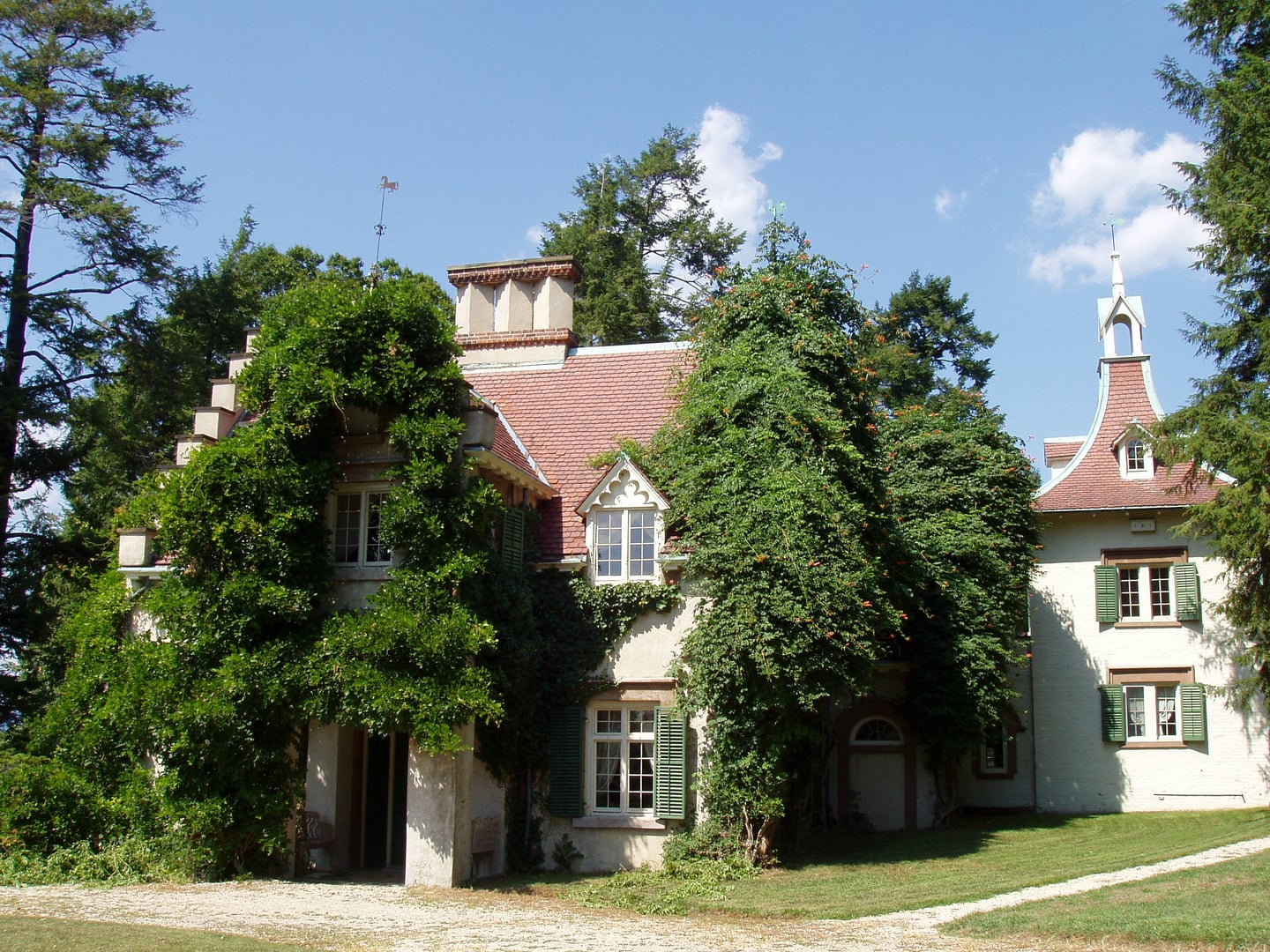
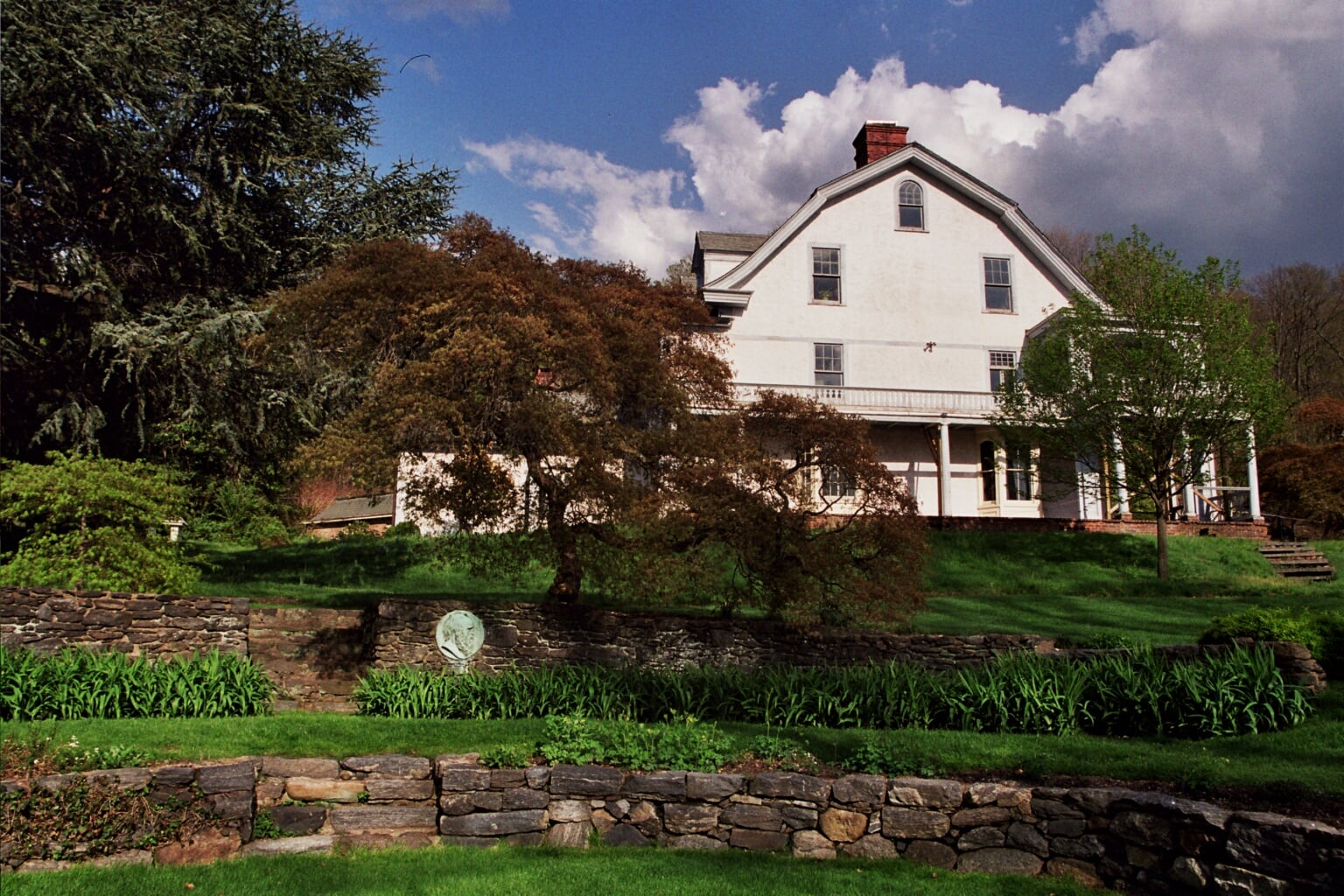
- Washington Irving's SunnysideIrvington · Haunted House / Historic HomeHigh

Western
53Expand
- Boughton Hill ParkVictor · Outdoor / Natural SiteHigh
- Buffalo Central TerminalBuffalo · Museum / Historical SiteModerate
- Buffalo History ToursBuffalo · Ghost Tour / Walking TourModerate
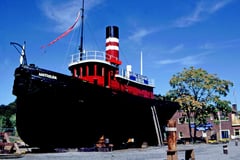
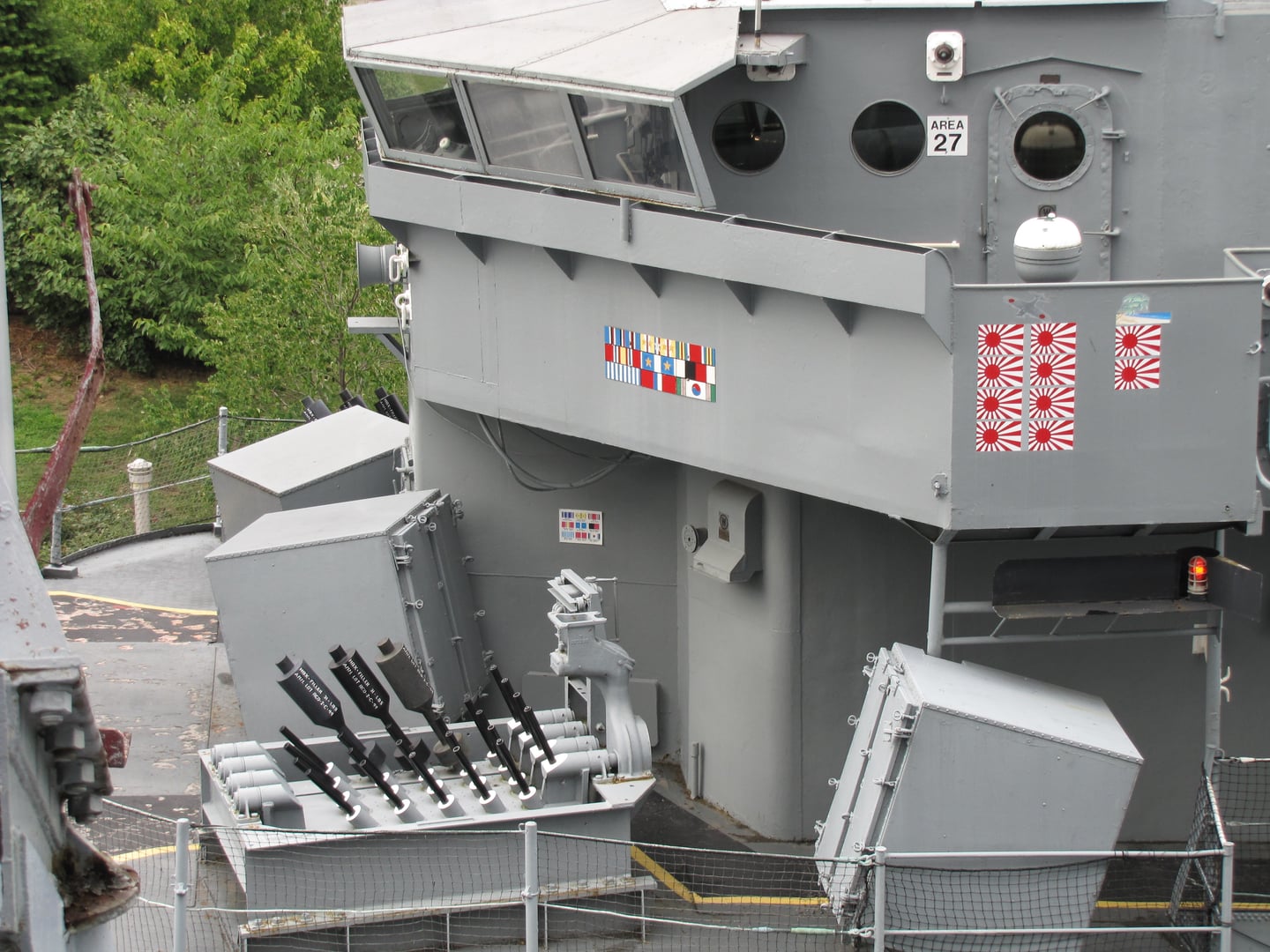
- Buffalo Naval ParkBuffalo · Museum / Historical SiteModerate
- Buffalo Psychiatric CenterBuffalo · Asylum / HospitalLow
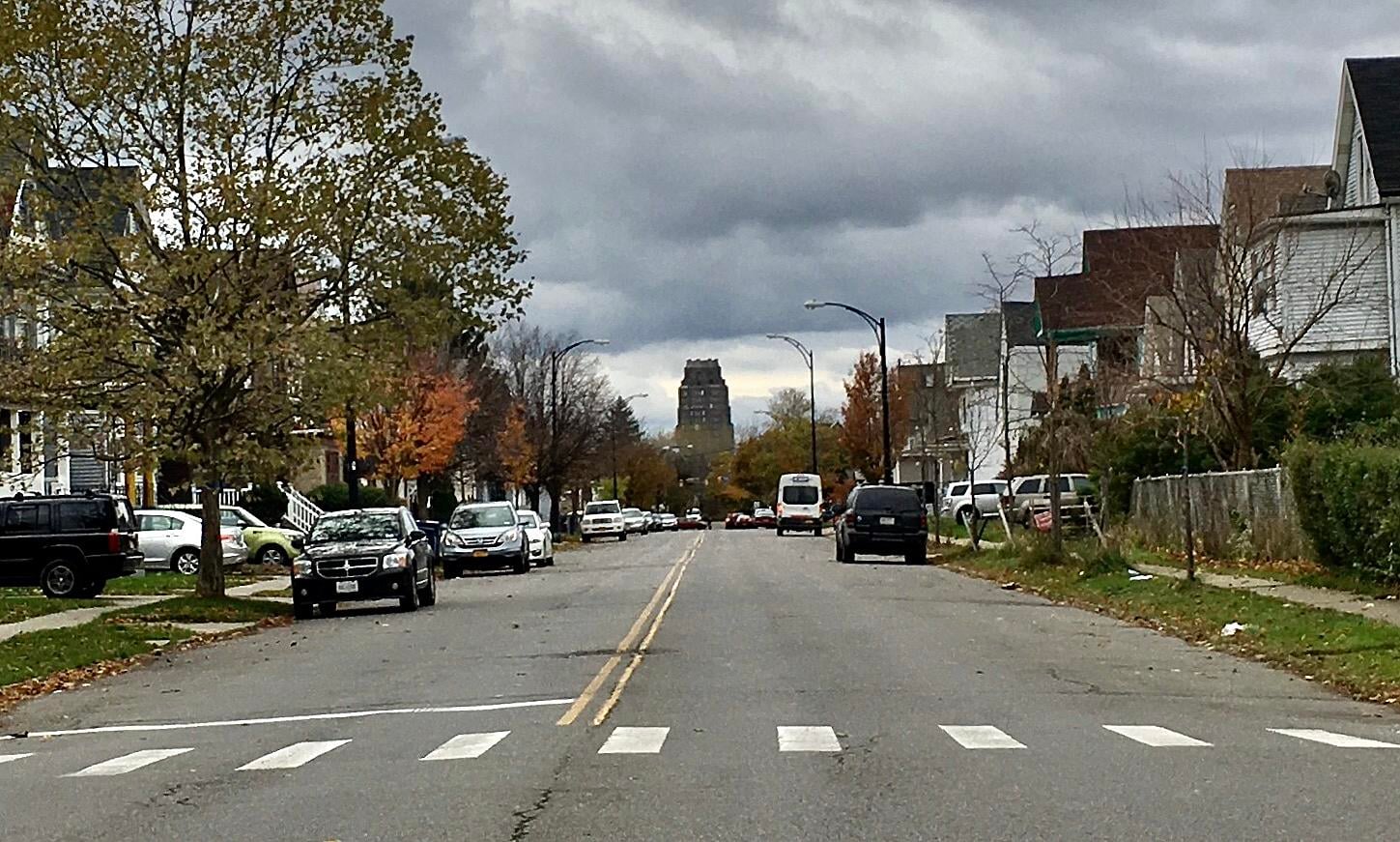
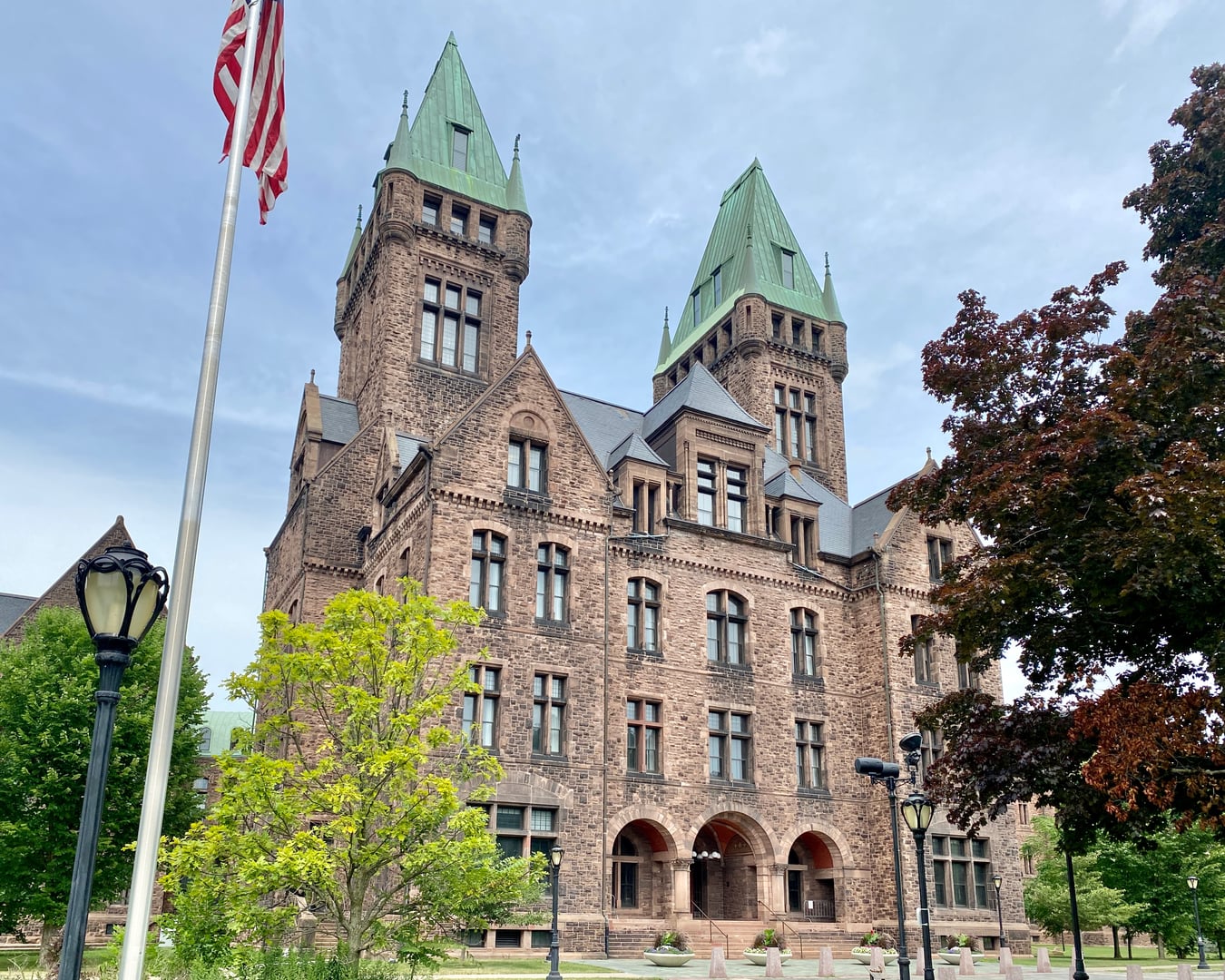
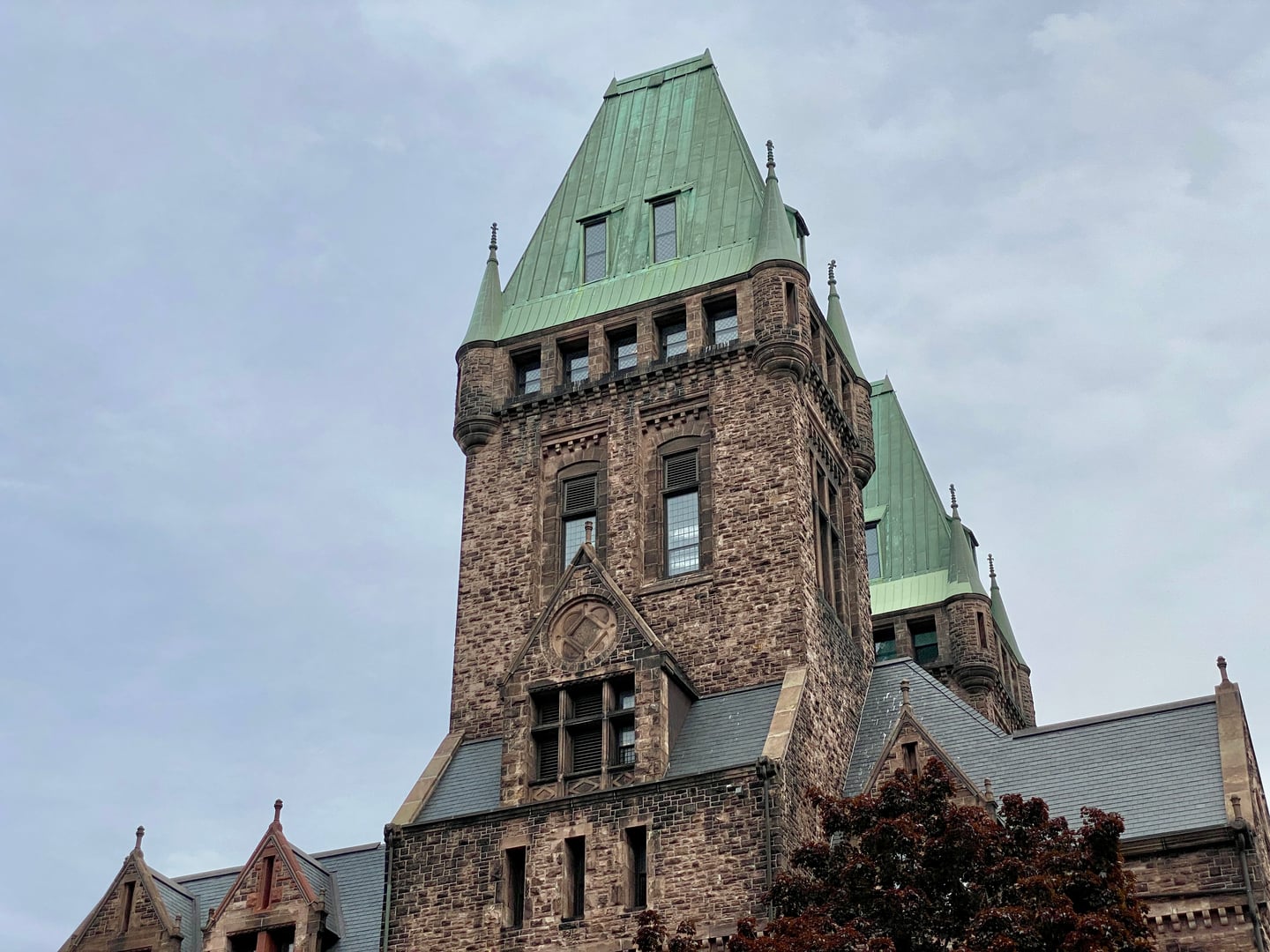
- Buffalo State Asylum / Richardson Olmsted CampusBuffalo · Museum / Historical SiteHigh
- Cold Springs CemeteryLockport · Cemetery / Burial GroundModerate
- Delaware RoadClarence Center · Outdoor / Natural SiteHigh
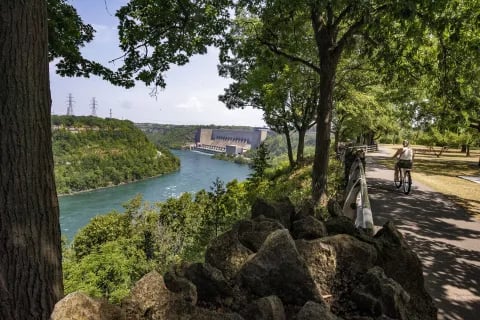
- Devil's Hole State Park (Battle of Devil's Hole Site)Niagara Falls · Battlefield / Military SiteModerate
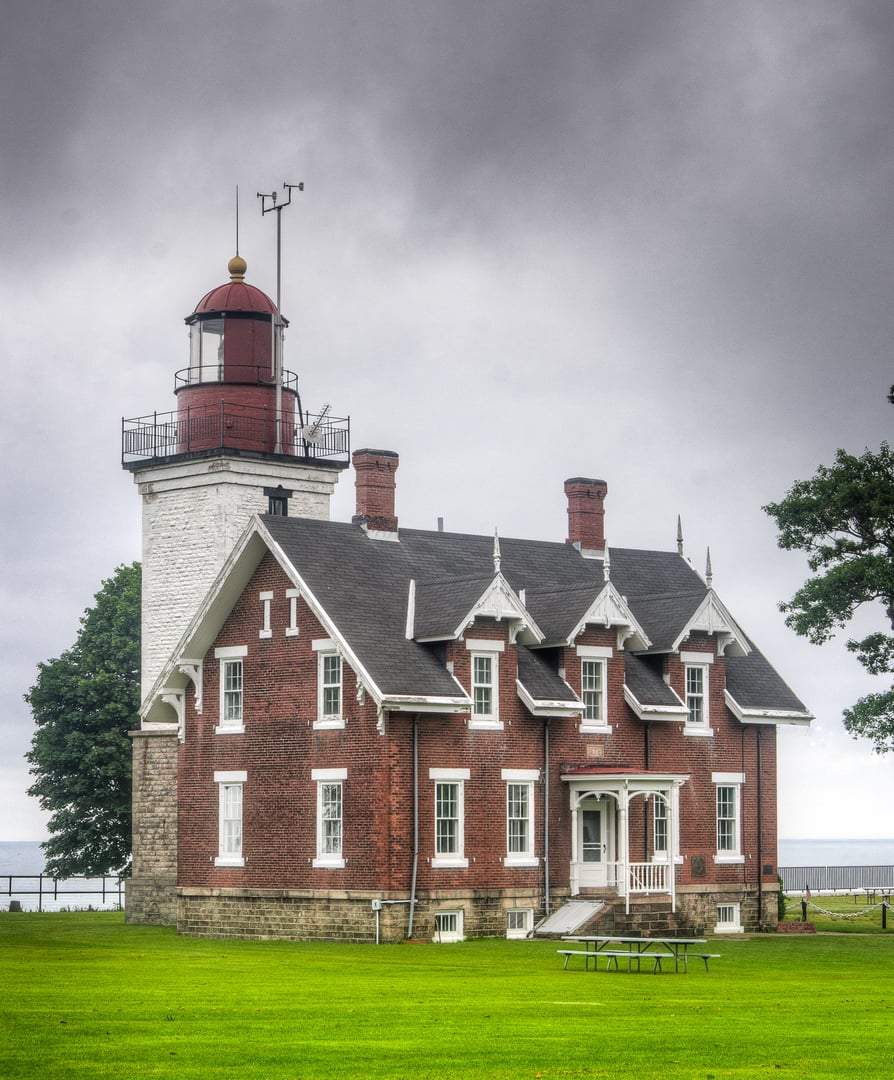
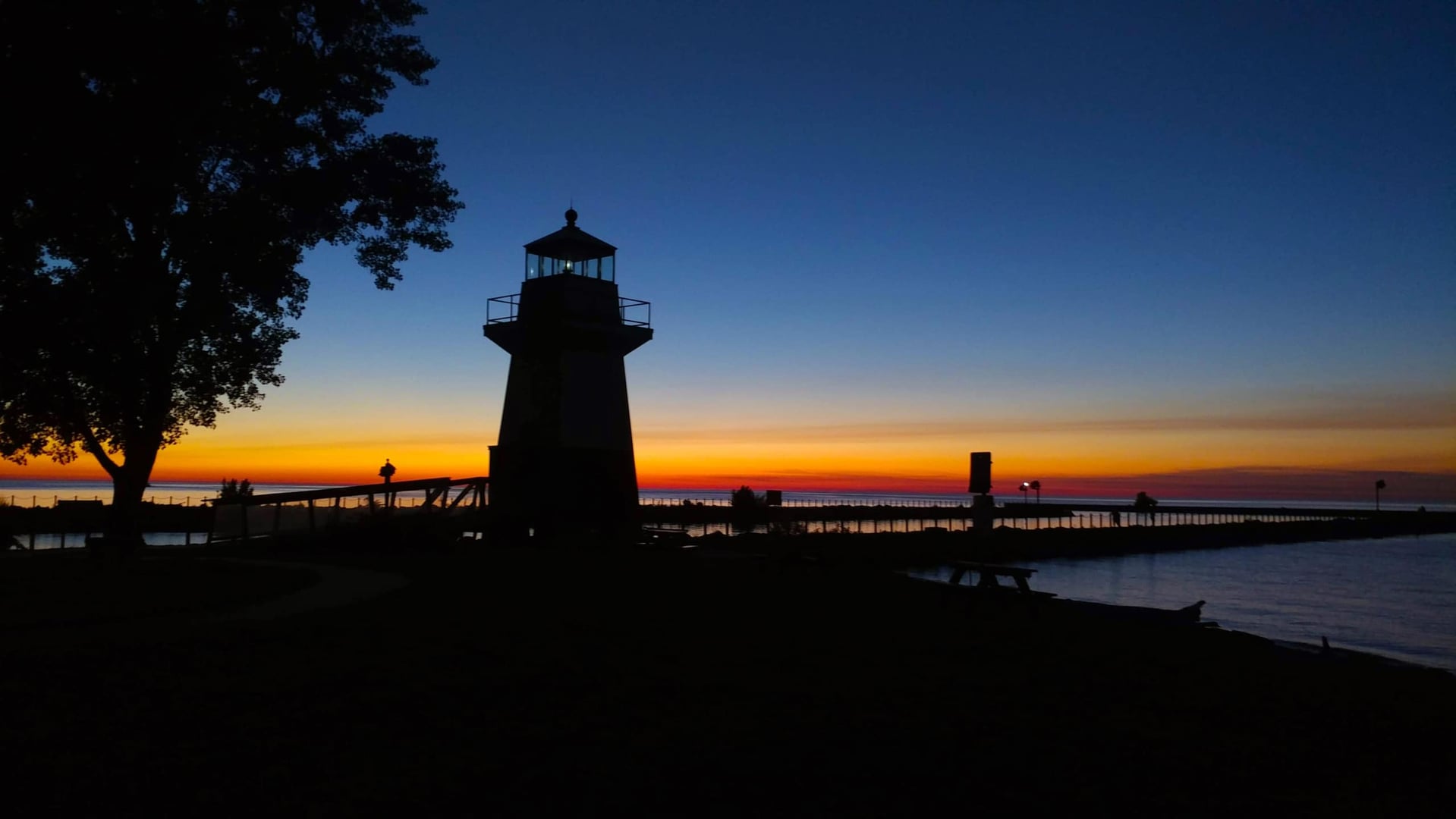
- Dunkirk Historical Lighthouse & Veterans Park MuseumDunkirk · Museum / Historical SiteHigh
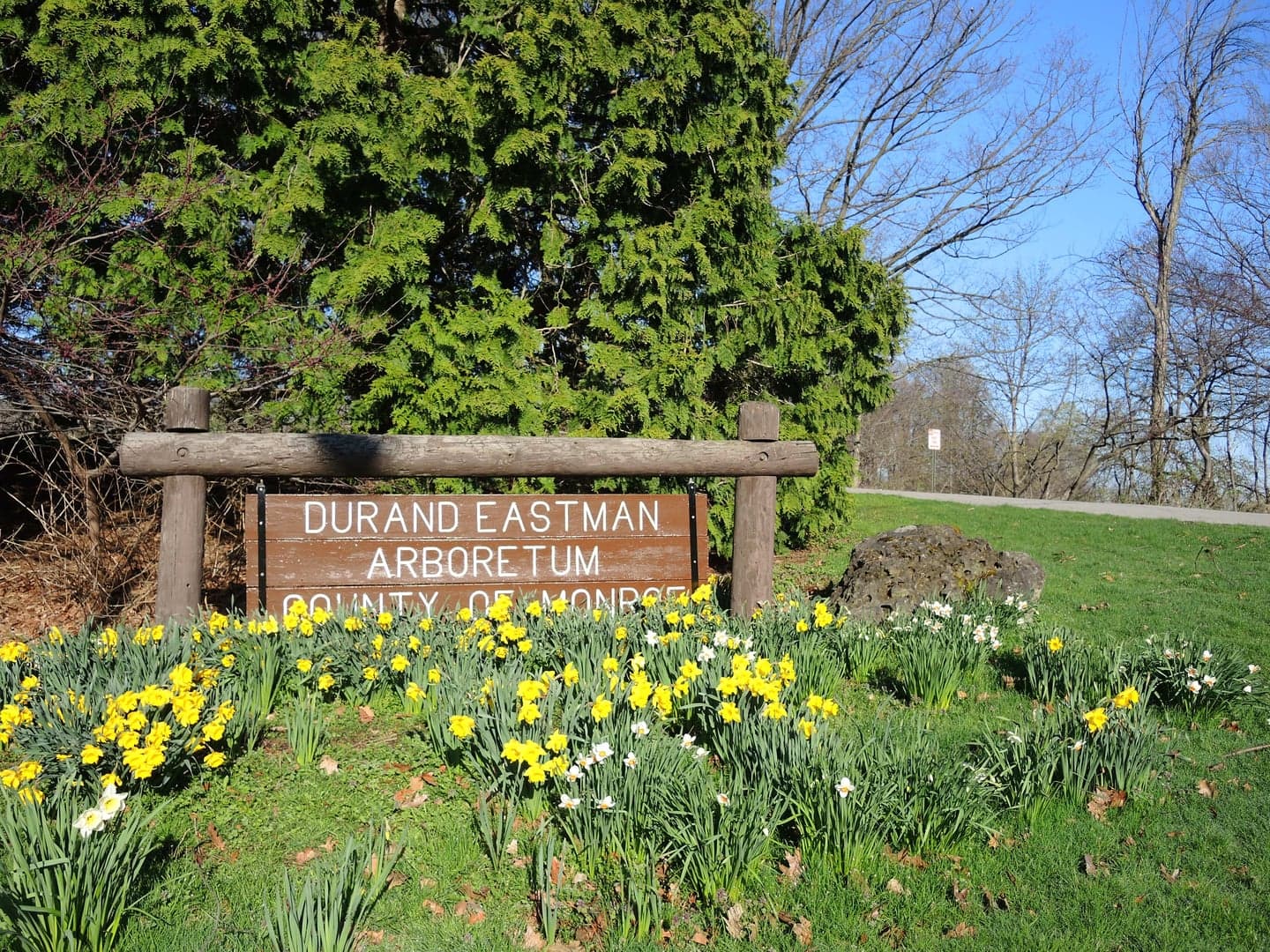
- Durand Eastman ParkRochester · Outdoor / Natural SiteHigh
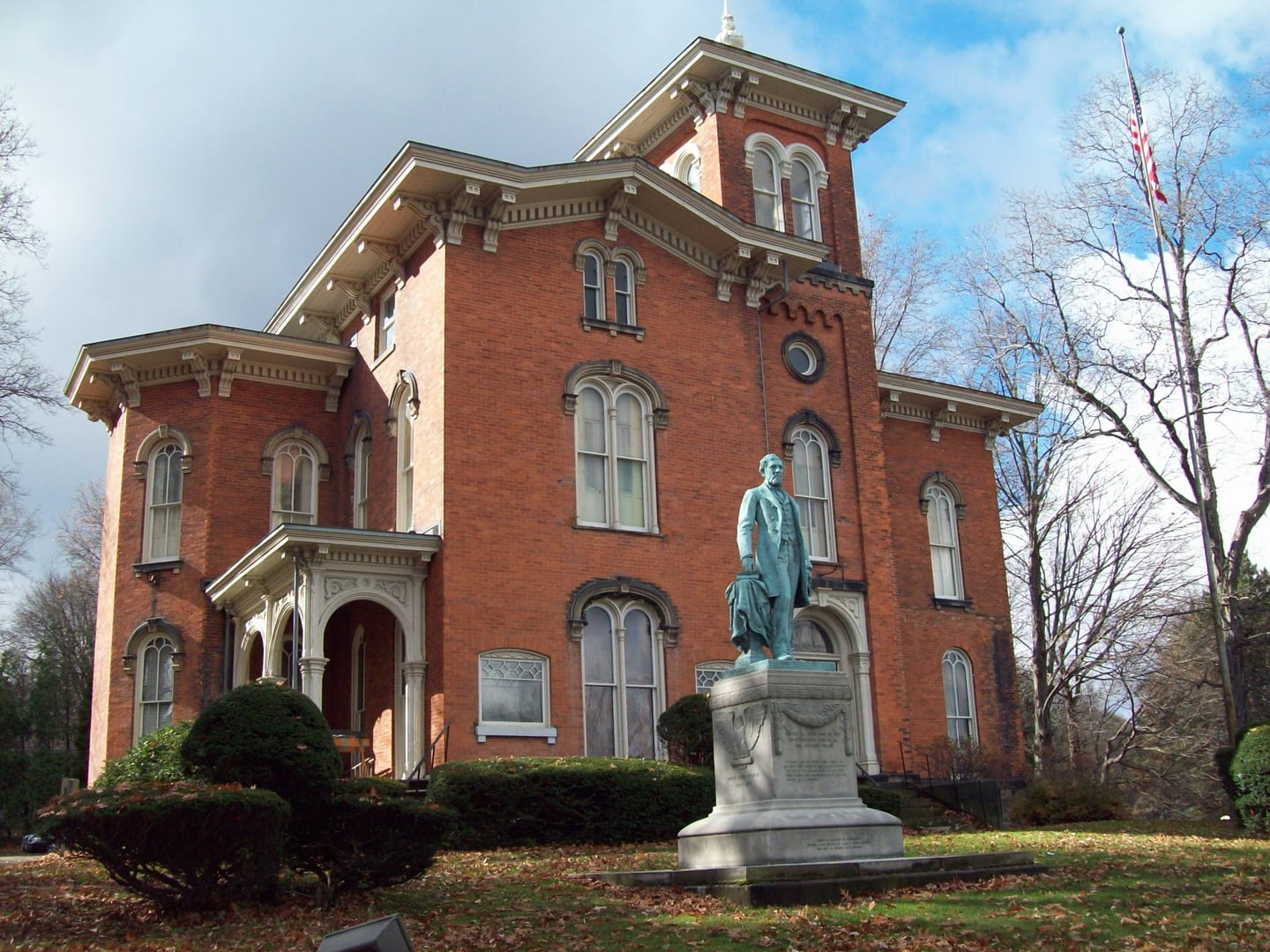
- Fenton History Center (Gov. Reuben Fenton Mansion)Jamestown · Museum / Historical SiteModerate
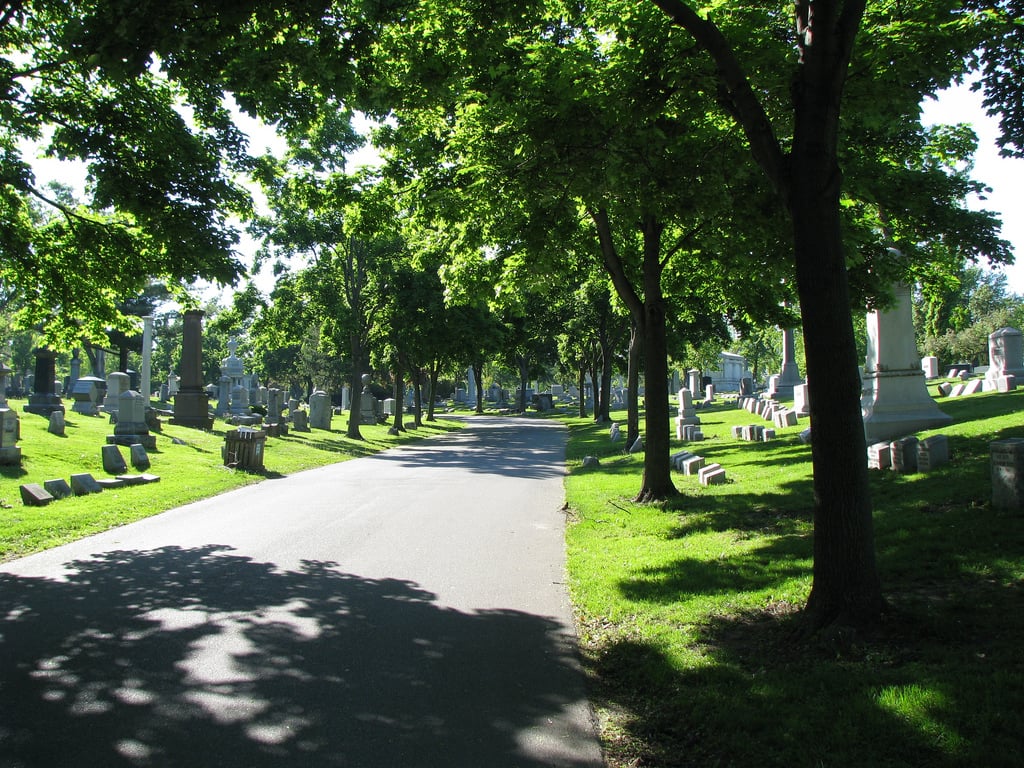
- Forest Lawn Cemetery (Buffalo)Buffalo · Cemetery / Burial GroundHigh
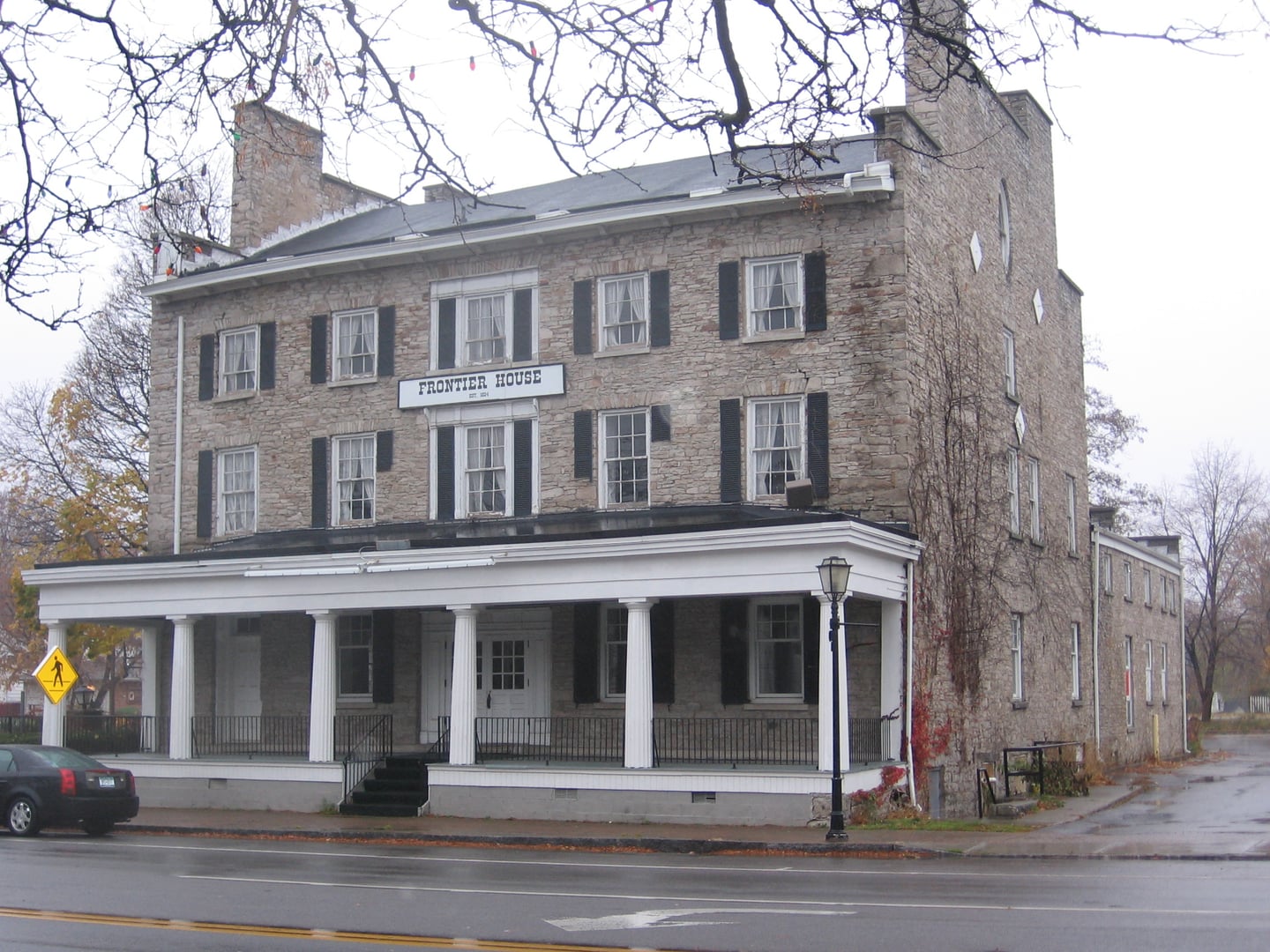
- Frontier HouseLewiston · Haunted Hotel / InnModerate
- Goodleburg CemeterySouth Wales · Cemetery / Burial GroundModerate
- Graestone Manor Bed & BreakfastGasport · Haunted Hotel / InnModerate
- Green Lantern Inn (Henry DeLand House)Fairport · Haunted Dining / BarHigh
- Gurnsey Hollow CemeteryFrewsburg · Cemetery / Burial GroundLow
- Hencoop Schoolhouse and CemeteryEllicottville · Other Dark Tourism SiteModerate
- Historic Batavia CemeteryBatavia · Cemetery / Burial GroundHigh
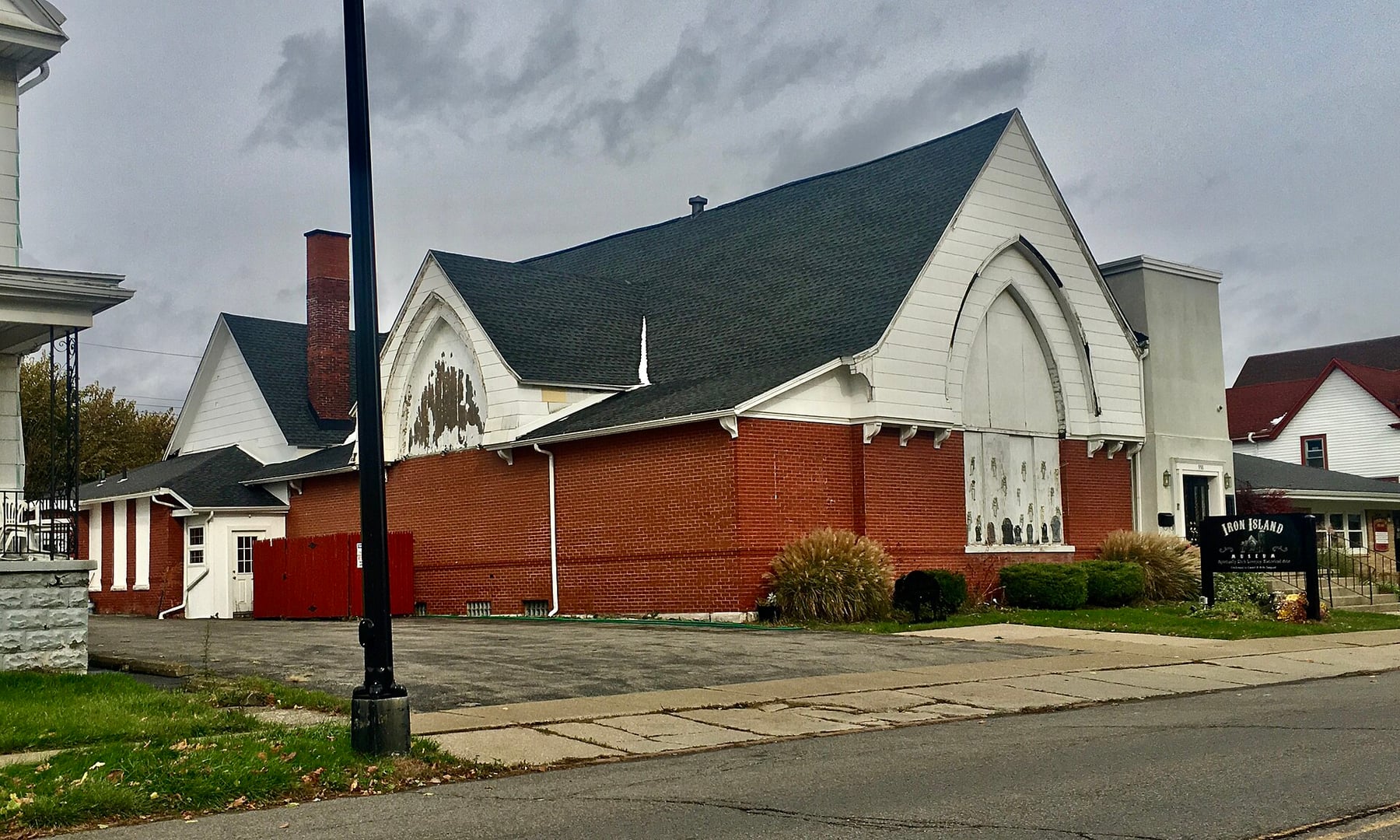
- Iron Island MuseumBuffalo · Museum / Historical SiteModerate
- Ivy League Psychic Academy (Rhodes House)Dunkirk · Other Dark Tourism SiteModerate
- Kenan Center & Kenan HouseLockport · Haunted House / Historic HomeHigh
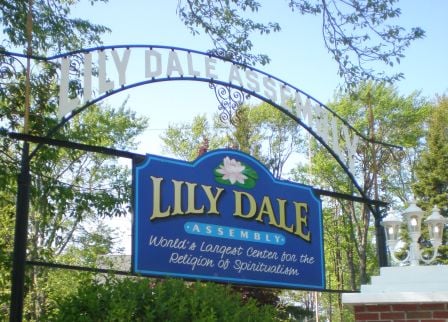
- Lily Dale AssemblyLily Dale · Other Dark Tourism SiteHigh
- Lockport Paranormal Walks (Ghost Walk of Lockport)Lockport · Ghost Tour / Walking TourModerate
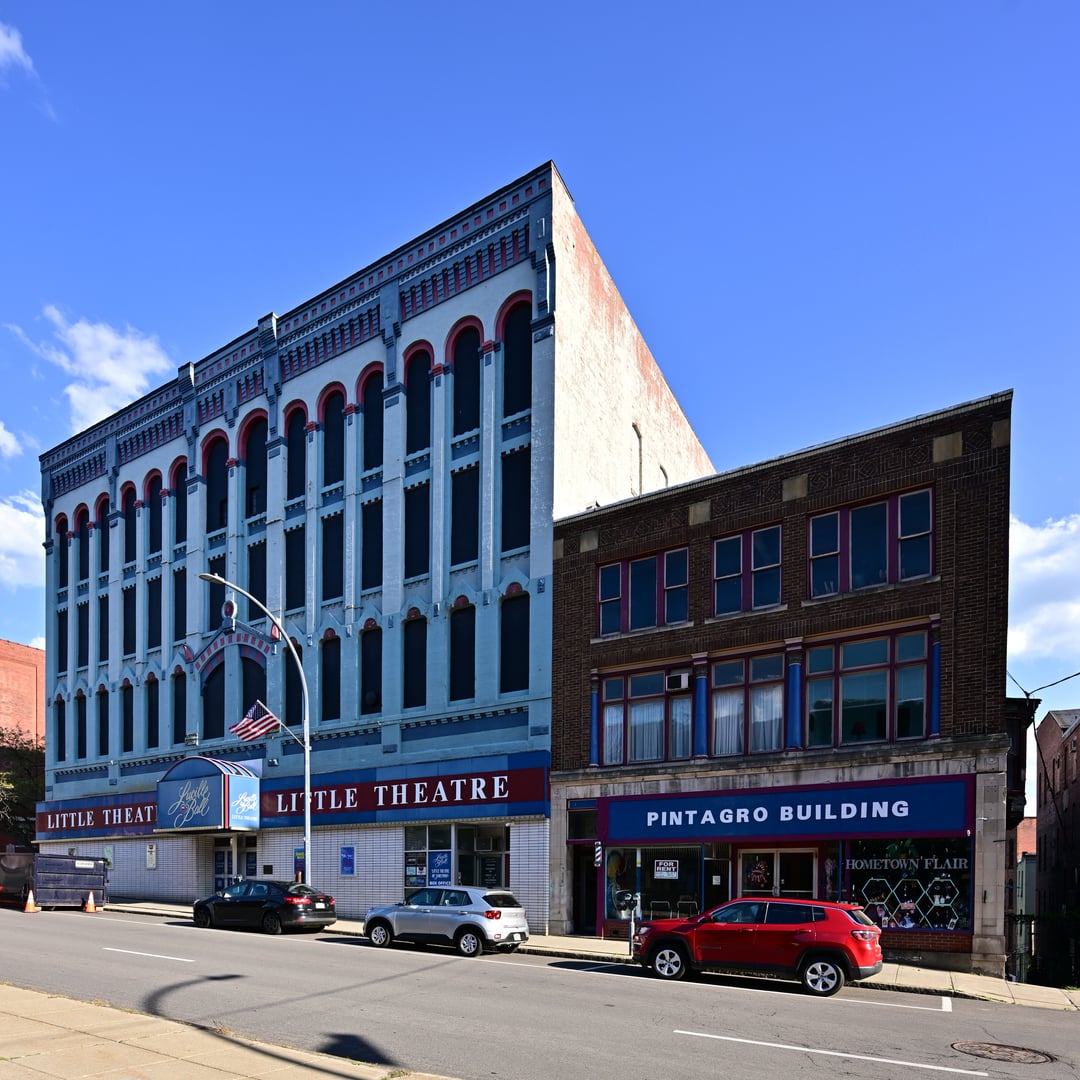
- Lucille Ball Little Theatre (Allen's Opera House)Jamestown · Theater / Performance VenueHigh
- Maplewood HotelLily Dale · Haunted Hotel / InnHigh
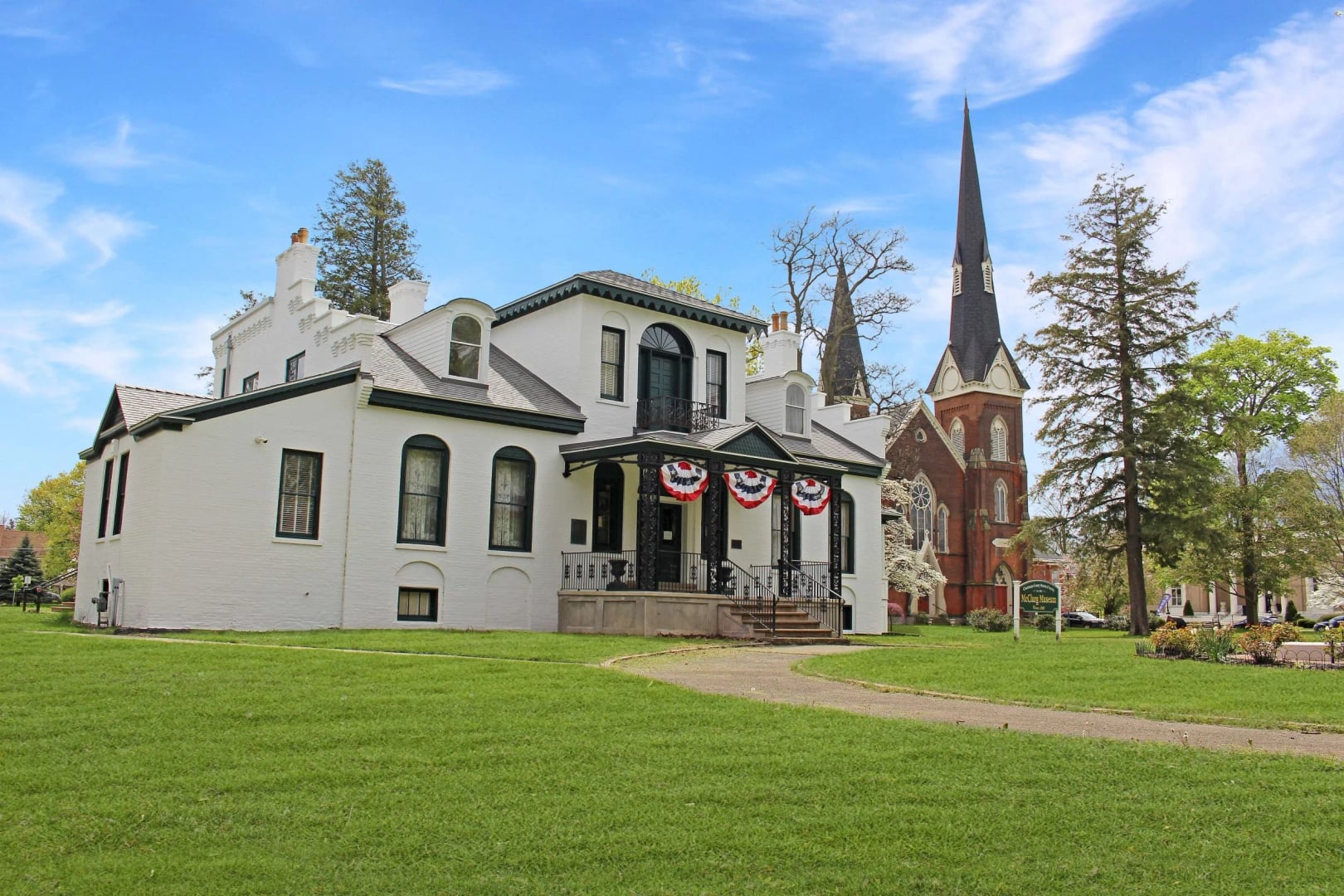
- McClurg MuseumWestfield · Museum / Historical SiteHigh
- Myers Steakhouse & InnSalamanca · Haunted Dining / BarHigh
- Oak Orchard Lighthouse MuseumKent · Museum / Historical SiteModerate
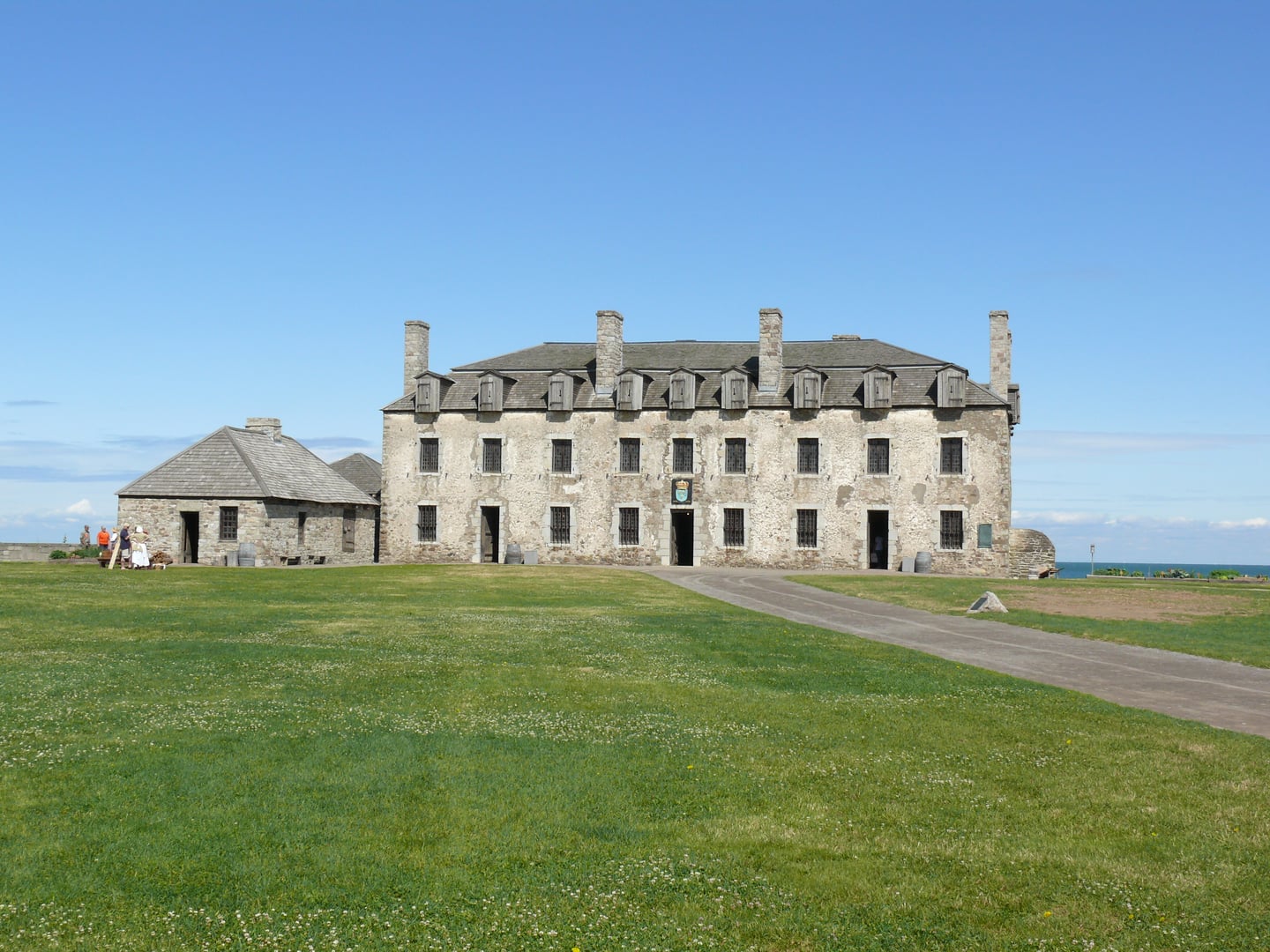
- Old Fort NiagaraYoungstown · Battlefield / Military SiteHigh
- ParaNiagara at The Western BlockLockport · Other Dark Tourism SiteModerate
- Pratt Event Center (Grand Opera House)Albion · Theater / Performance VenueModerate
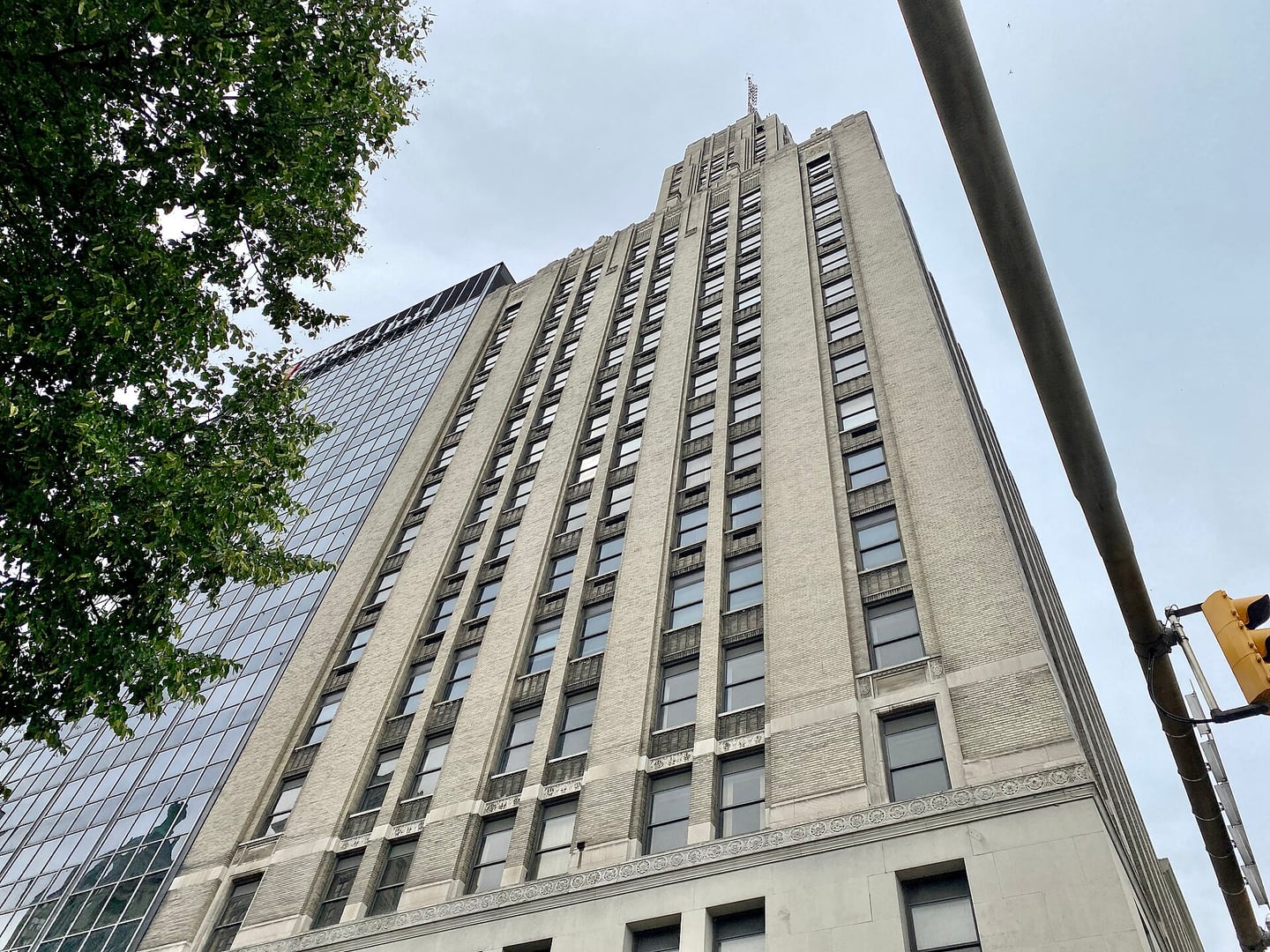
- Rand BuildingBuffalo · Museum / Historical SiteHigh
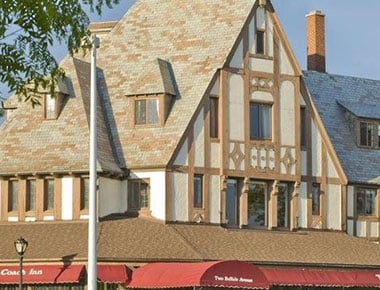
- Red Coach InnNiagara Falls · Haunted Hotel / InnModerate
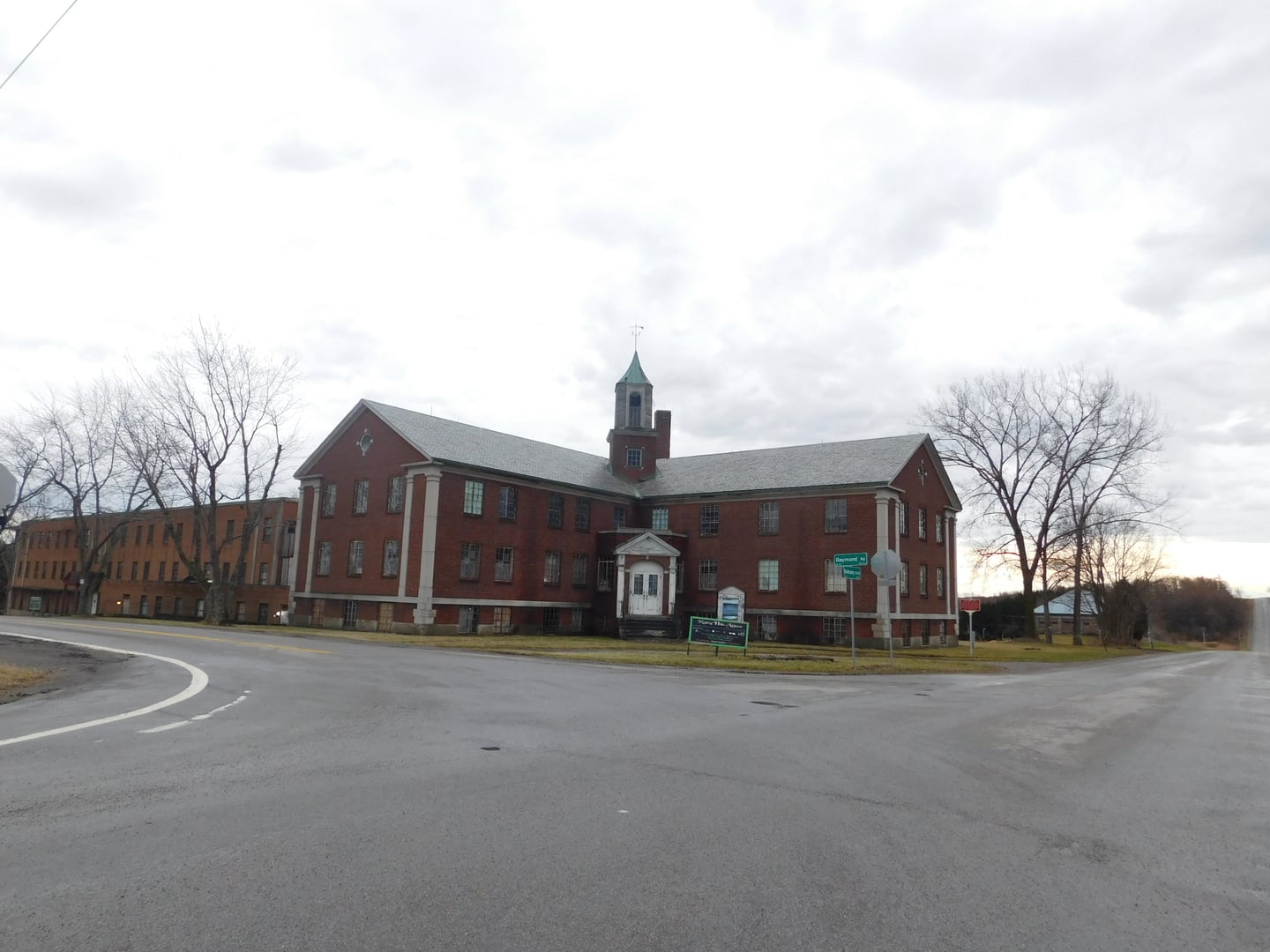
- Rolling Hills Asylum (Genesee County Home and Infirmary)East Bethany · Asylum / HospitalLow
- Salamanca Area Historical Society & MuseumSalamanca · Museum / Historical SiteHigh
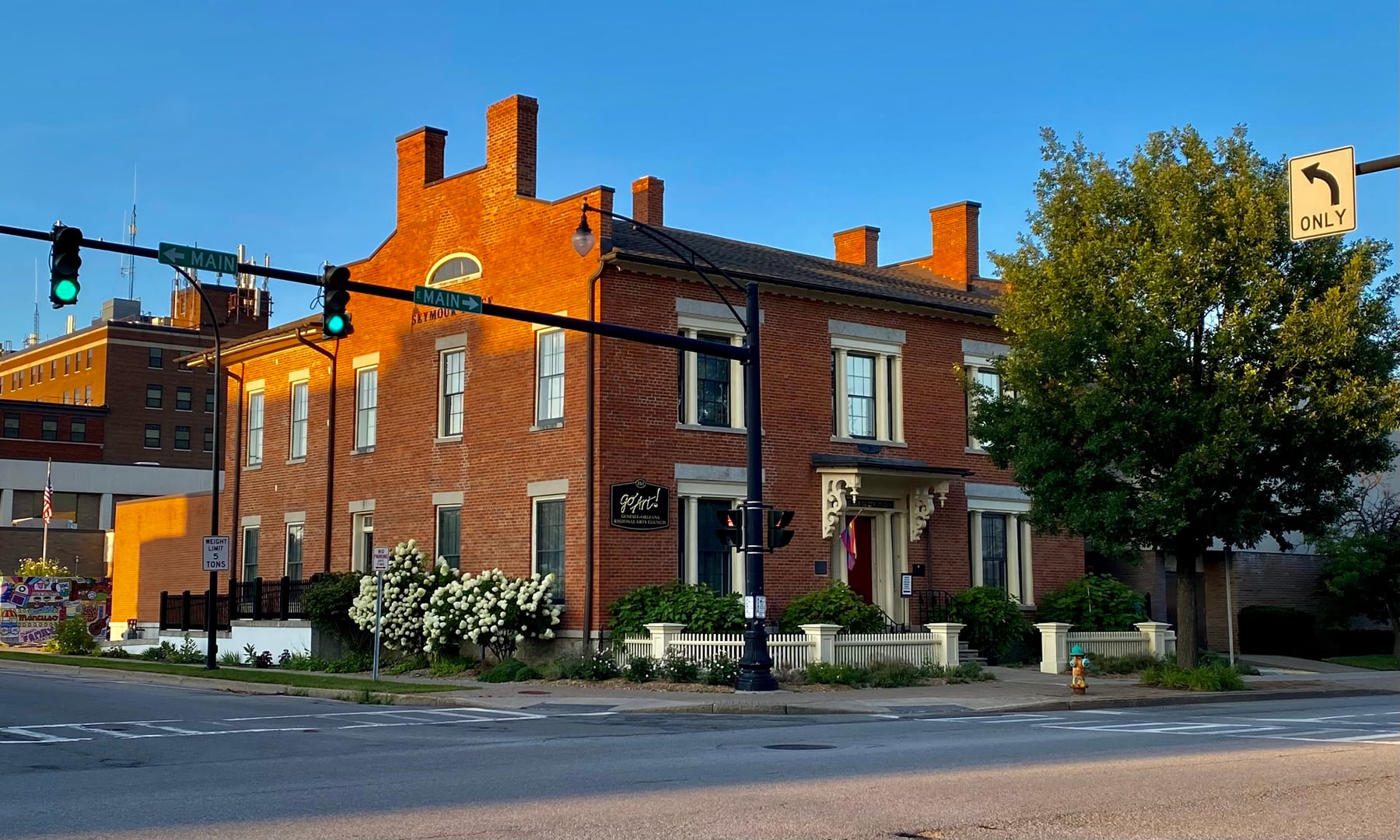
- Seymour Place (GO ART! Building)Batavia · Museum / Historical SiteModerate
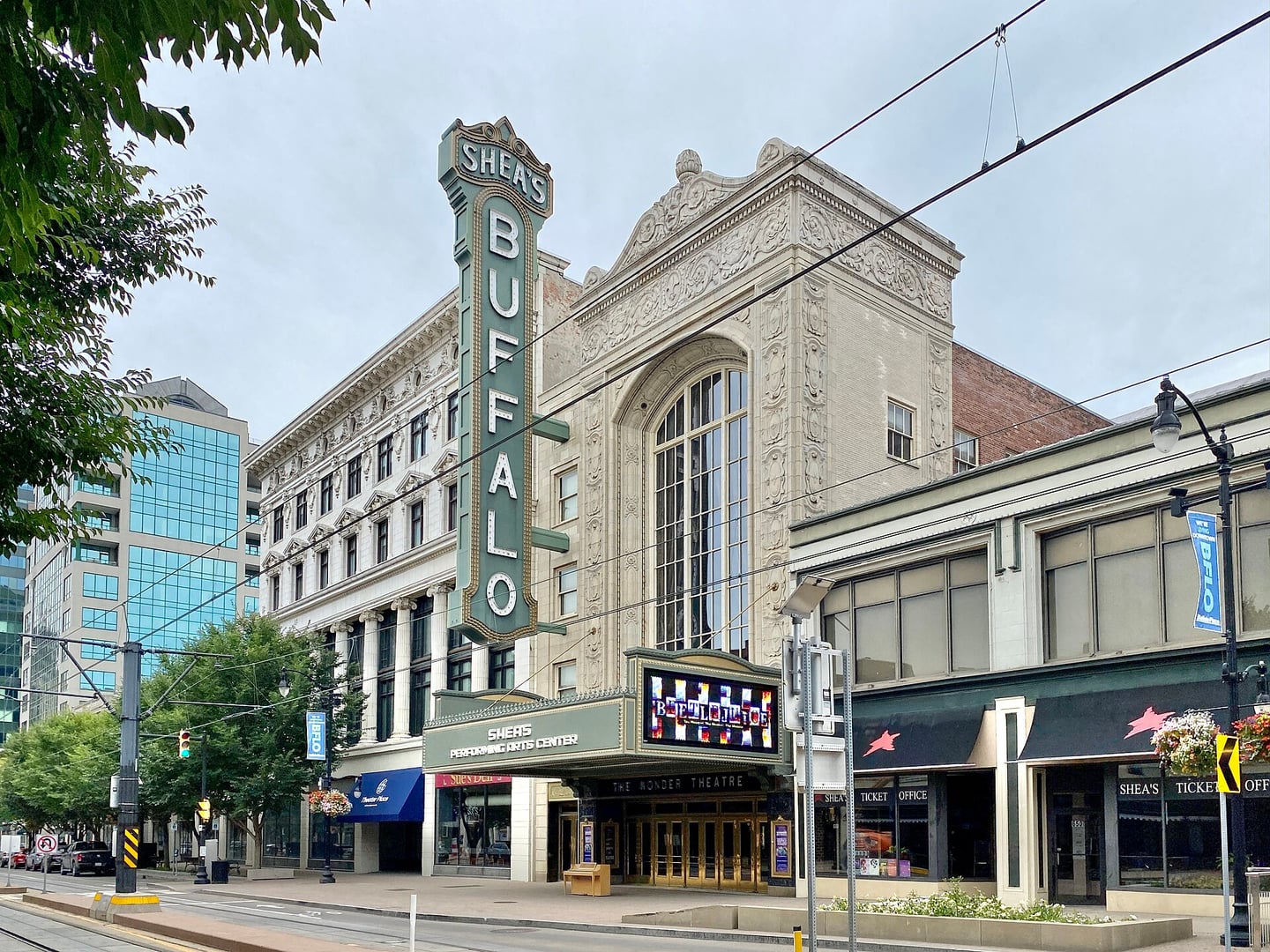
- Shea's Buffalo TheatreBuffalo · Theater / Performance VenueHigh
- St. Bonaventure University (Devereux Hall)St. Bonaventure · Haunted House / Historic HomeHigh
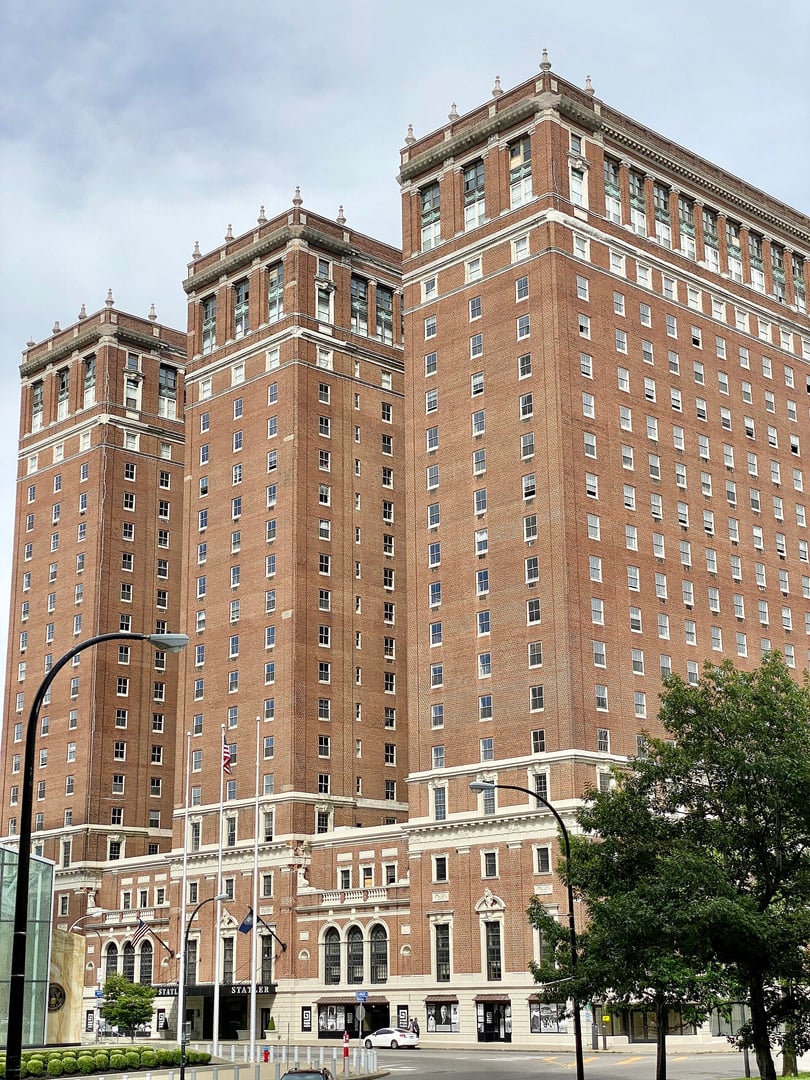
- Statler Hotel (Statler City)Buffalo · Haunted Hotel / InnModerate
- The Bergen HouseBergen · Haunted House / Historic HomeModerate
- The Ghostlight TheatreNorth Tonawanda · Theater / Performance VenueHigh
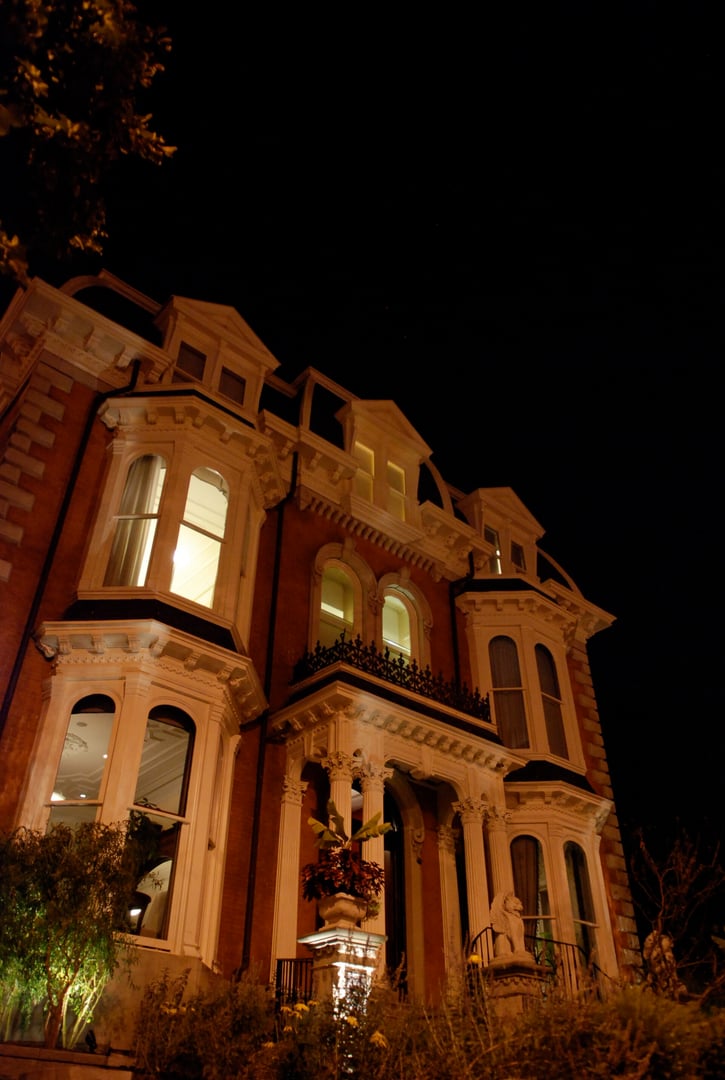
- The Mansion on Delaware Avenue (Sternberg House)Buffalo · Haunted Hotel / InnModerate
- The Rapids TheatreNiagara Falls · Theater / Performance VenueModerate
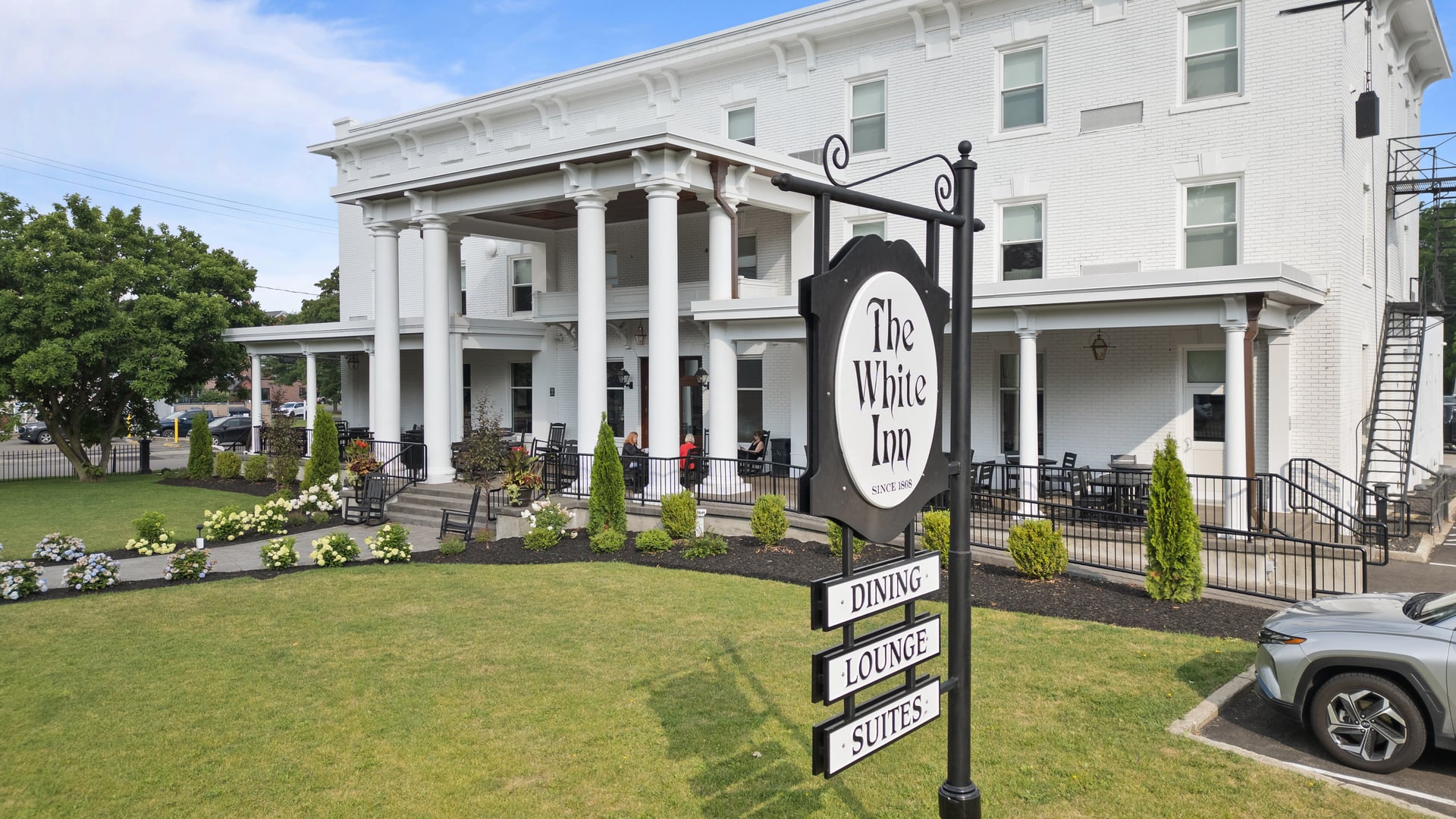
- The White InnFredonia · Haunted Hotel / InnModerate
- Tonawanda Creekside North (Old Pioneer Cemetery Site)Batavia · Outdoor / Natural SiteModerate
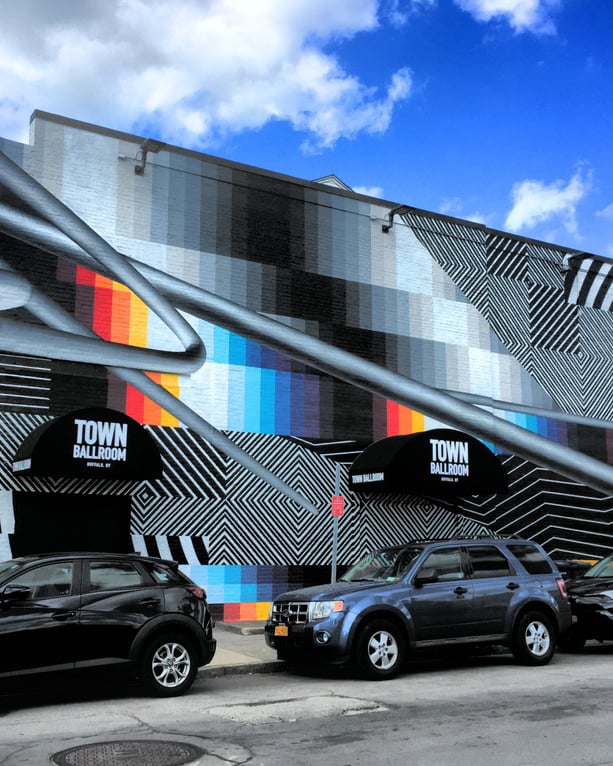
- Town Ballroom (former Town Casino)Buffalo · Haunted Dining / BarLow
- US Ghost Adventures BuffaloBuffalo · Ghost Tour / Walking TourHigh
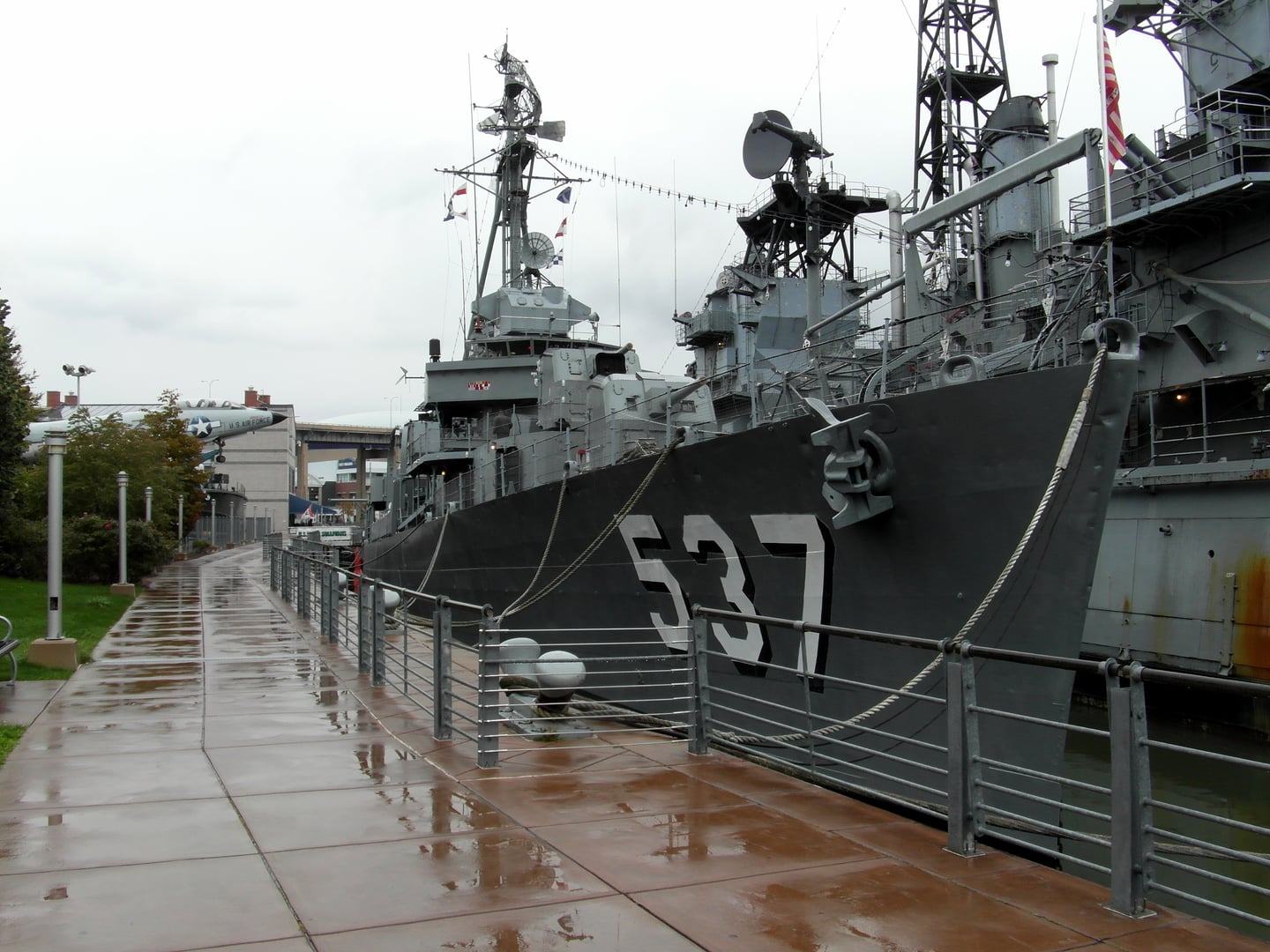
- USS The Sullivans (DD-537) — Buffalo Naval ParkBuffalo · Battlefield / Military SiteLow
- Whitehaven CemeteryGrand Island · Cemetery / Burial GroundModerate
- Wildwood SanitariumSalamanca · Asylum / HospitalModerate
- Winery at Marjim ManorAppleton · Haunted Dining / BarModerate
Long Island
36Expand
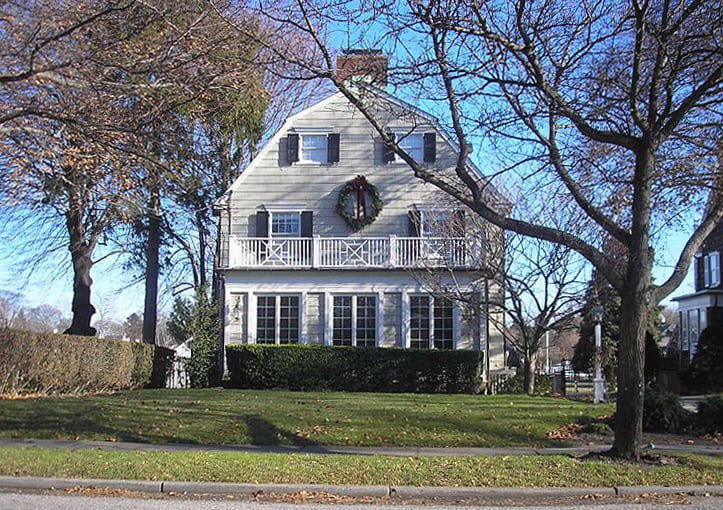
- Amityville Horror HouseAmityville · Haunted House / Historic HomeLow
- Amityville Horror House (112 Ocean Avenue)Amityville · Haunted House / Historic HomeLow
- Blydenburgh Park Historic District (Blydenburgh Grist Mill)Smithtown · Outdoor / Natural SiteModerate
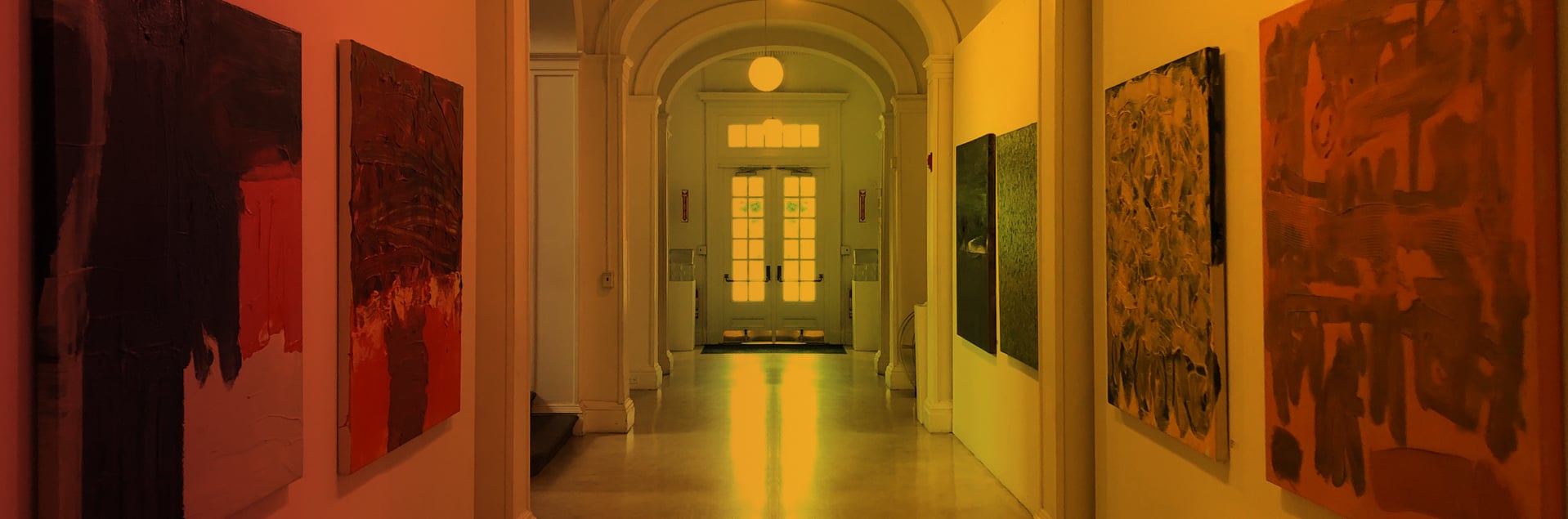
- Brookwood Hall (Islip Art Museum)East Islip · Museum / Historical SiteHigh
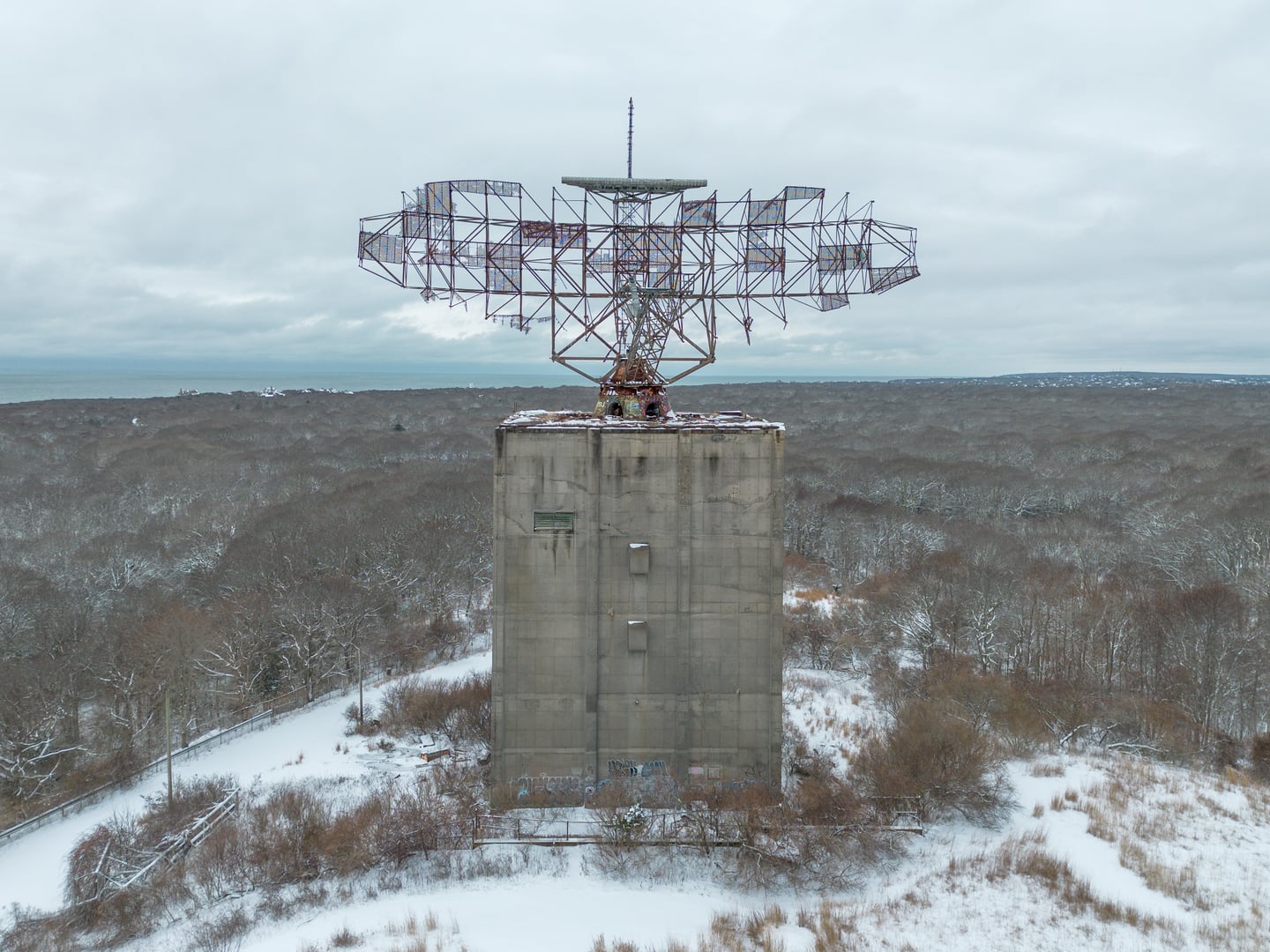
- Camp Hero State ParkMontauk · Outdoor / Natural SiteLow
- Cedarmere (William Cullen Bryant Estate)Roslyn Harbor · Museum / Historical SiteHigh
- Chandler Estate (Satan's Trails)Mount Sinai · Outdoor / Natural SiteModerate
- Conklin Farmhouse MuseumHuntington · Museum / Historical SiteHigh
- Deepwells Farm MansionSt. James · Museum / Historical SiteModerate
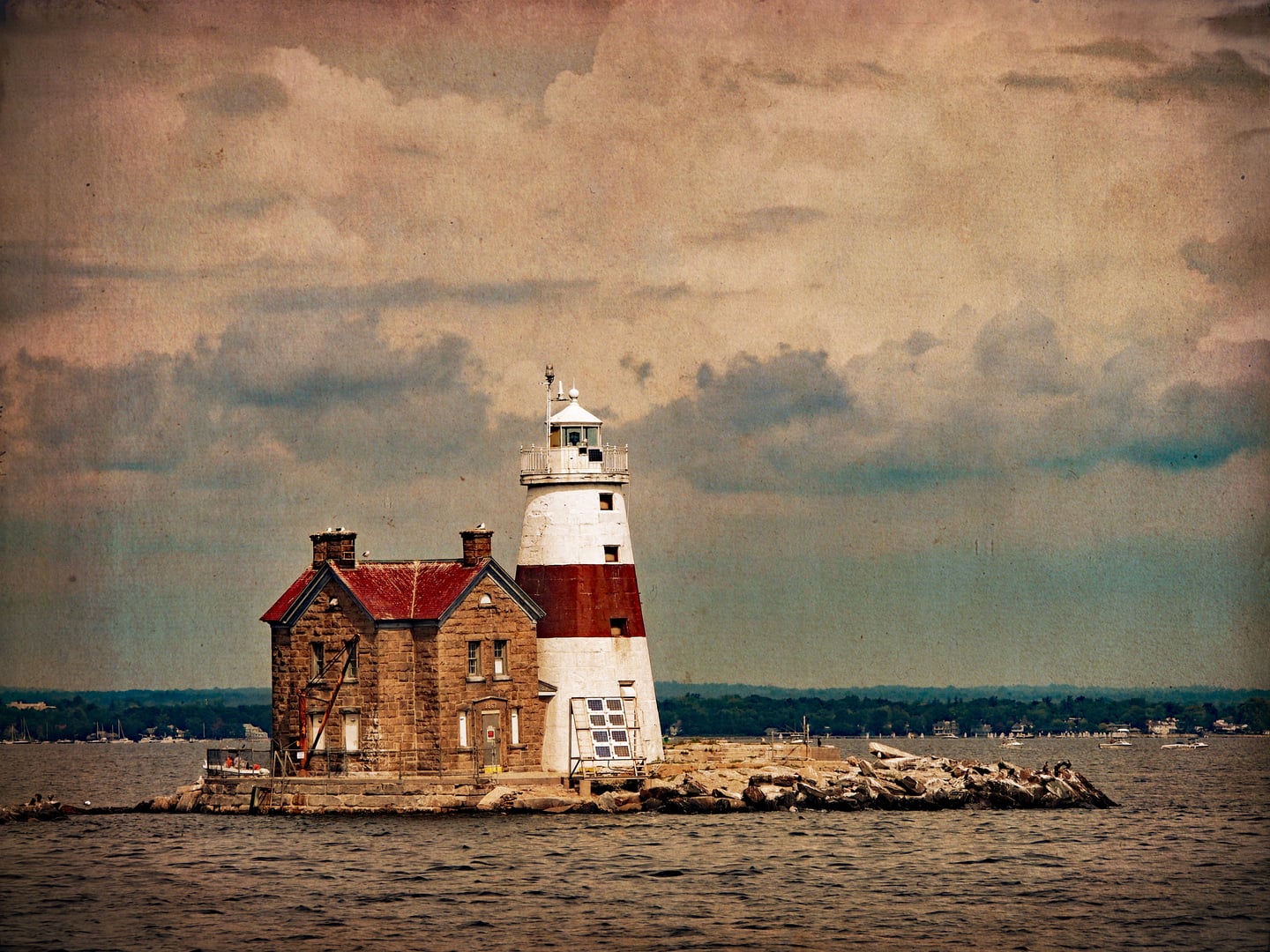
- Execution Rocks LighthouseSands Point · Museum / Historical SiteModerate
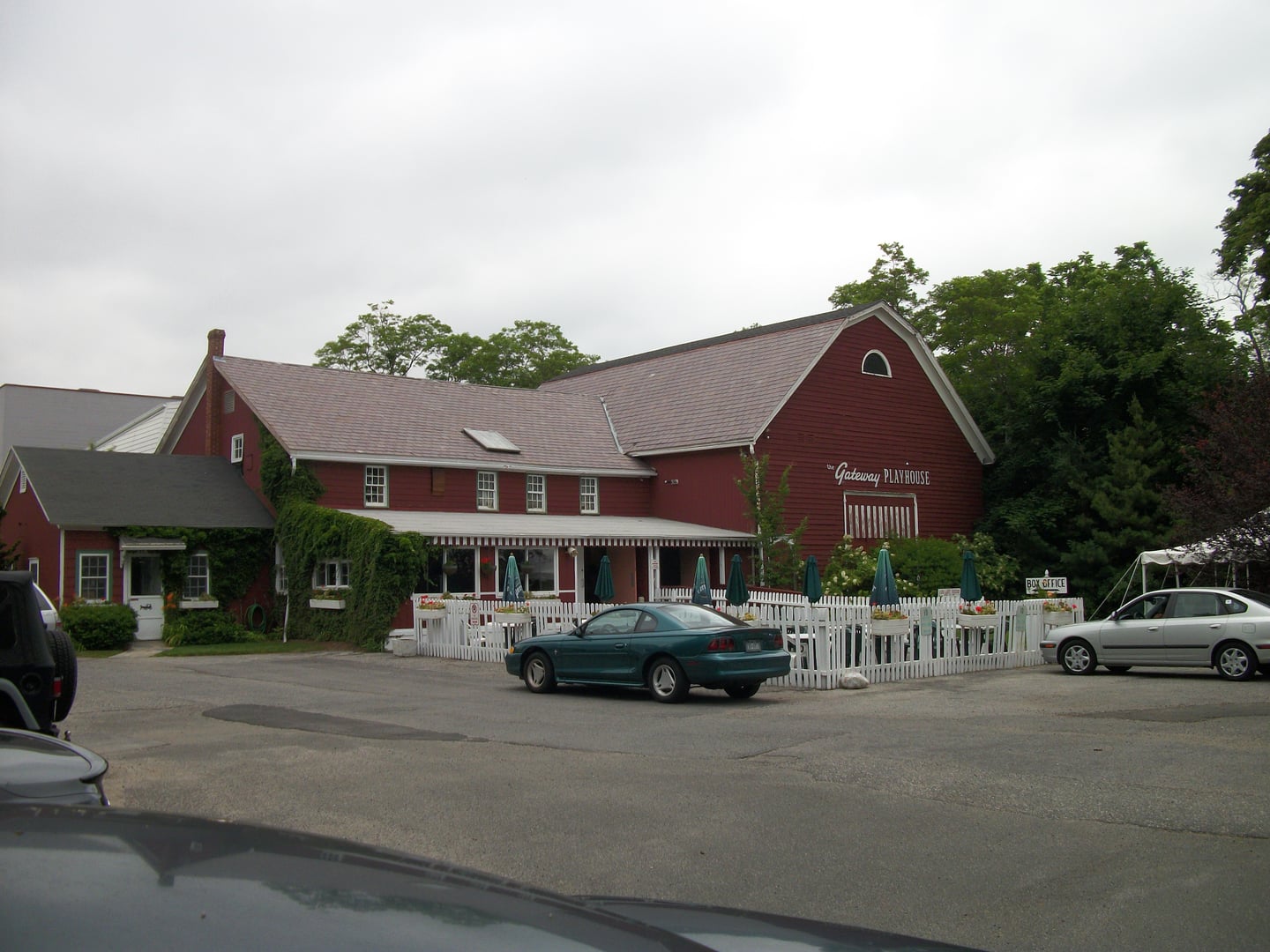
- Gateway's Haunted Playhouse (Gateway Playhouse)Bellport · Theatrical Haunted AttractionModerate
- Glen Cove Mansion Hotel and Conference Center (The Manor)Glen Cove · Haunted Hotel / InnHigh
- Jamesport Manor Inn (The Dimon Estate)Jamesport · Haunted Dining / BarModerate
- Katie's of SmithtownSmithtown · Haunted Dining / BarLow
- Ketcham Inn (Terry-Ketcham Inn)Center Moriches · Museum / Historical SiteHigh
- Kings Park Psychiatric CenterKings Park · Asylum / HospitalModerate
- Lake RonkonkomaLake Ronkonkoma · Outdoor / Natural SiteHigh
- Maine Maid InnJericho · Haunted Hotel / InnHigh
- Mary's Grave (Long Island)Saint James · Outdoor / Natural SiteModerate
- Milleridge InnJericho · Haunted Dining / BarHigh
- Montauk ManorMontauk · Haunted Hotel / InnHigh
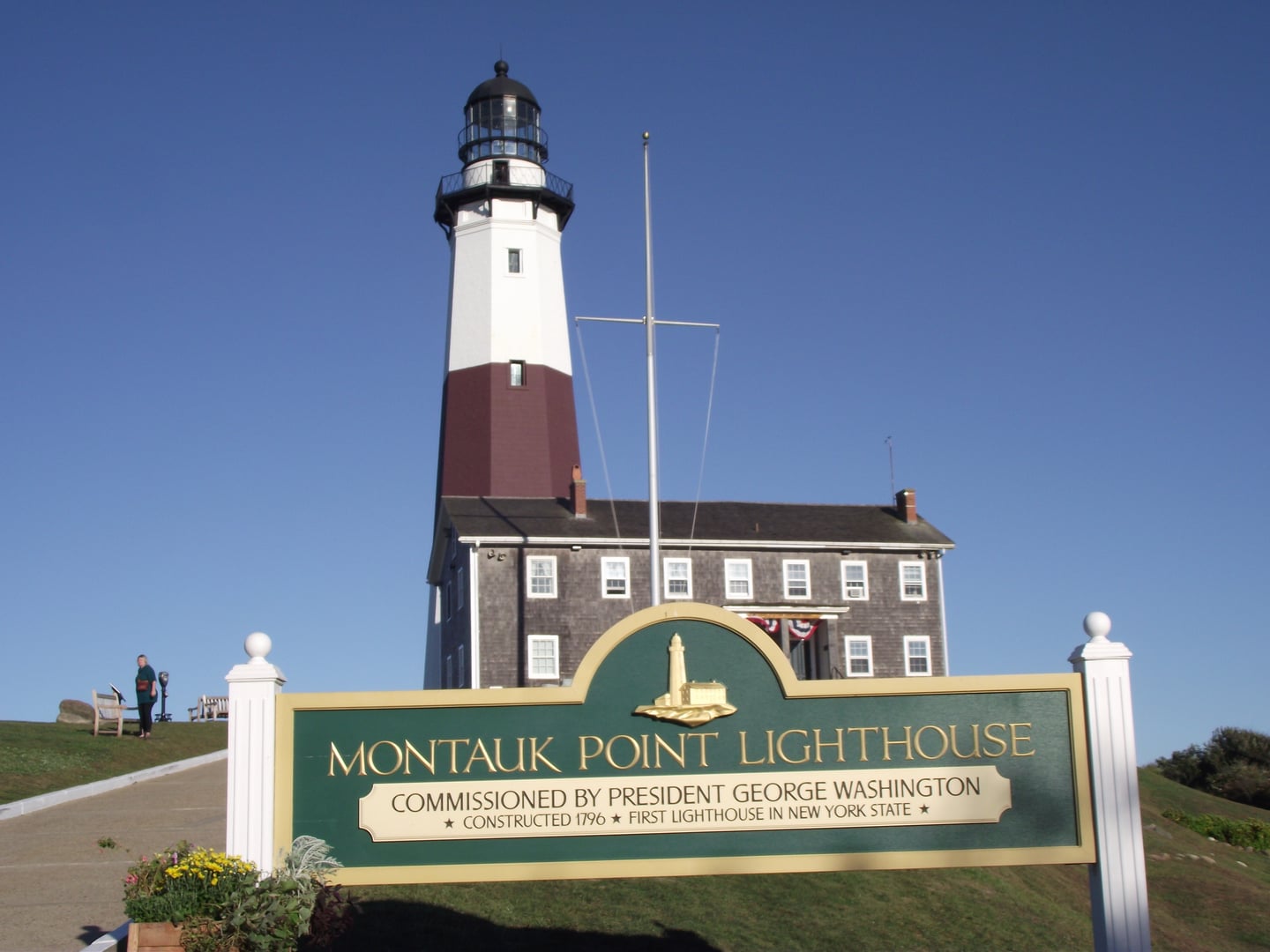
- Montauk Point Lighthouse MuseumMontauk · Museum / Historical SiteModerate
- Oheka CastleHuntington · Haunted Hotel / InnHigh
- Old Bethpage Village RestorationOld Bethpage · Museum / Historical SiteHigh
- Old Burial Hill Cemetery (Fort Golgotha)Huntington · Cemetery / Burial GroundHigh
- Pilgrim Psychiatric Center (Long Island Psychiatric Museum)Brentwood · Asylum / HospitalModerate
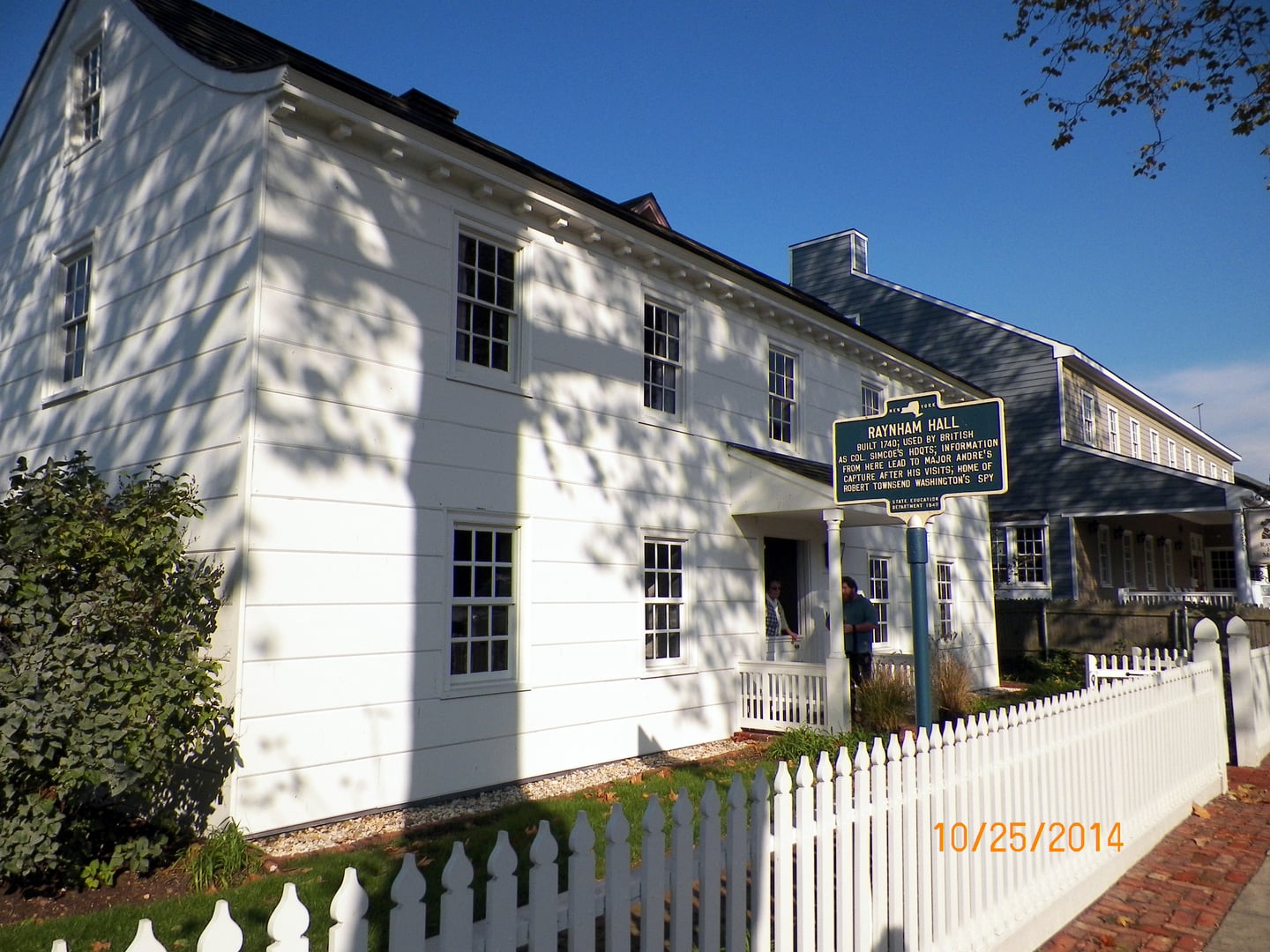
- Raynham HallOyster Bay · Museum / Historical SiteHigh
- Sagtikos ManorWest Bay Shore · Museum / Historical SiteHigh
- Southampton History Museum (Rogers Mansion and Halsey House)Southampton · Museum / Historical SiteHigh
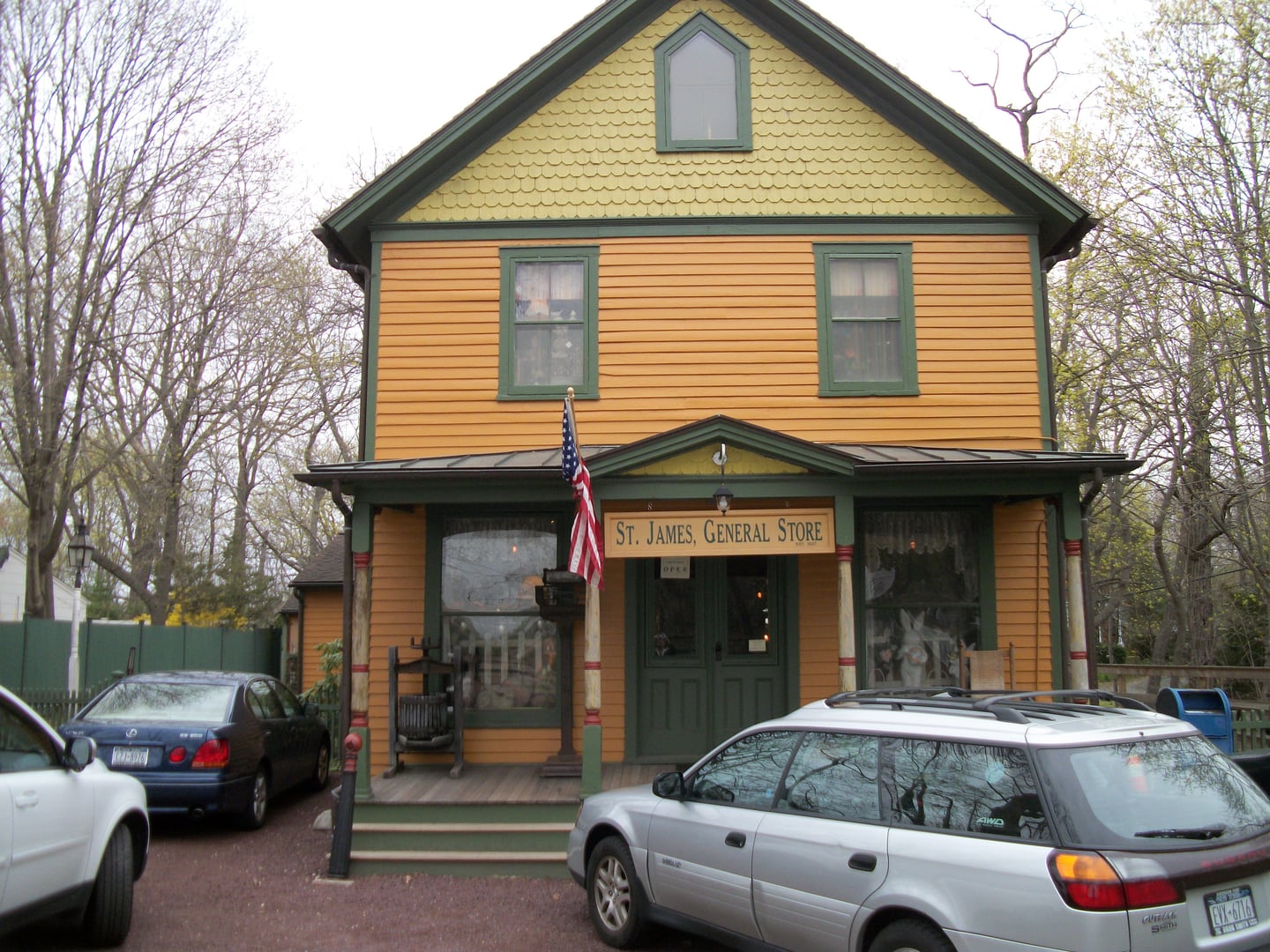
- St. James General StoreSt. James · Museum / Historical SiteHigh
- Stony Brook University Southampton Campus WindmillSouthampton · Museum / Historical SiteHigh
- Sweet Hollow RoadWest Hills · Outdoor / Natural SiteModerate
- Townsend Manor InnGreenport · Haunted Hotel / InnHigh
- West Hills County Park (Mount Misery)Huntington · Outdoor / Natural SiteHigh
- Wickham FarmhouseCutchogue · True Crime SiteModerate
- Winfield Hall (Woolworth Estate)Glen Cove · Haunted House / Historic HomeHigh
Central
31Expand
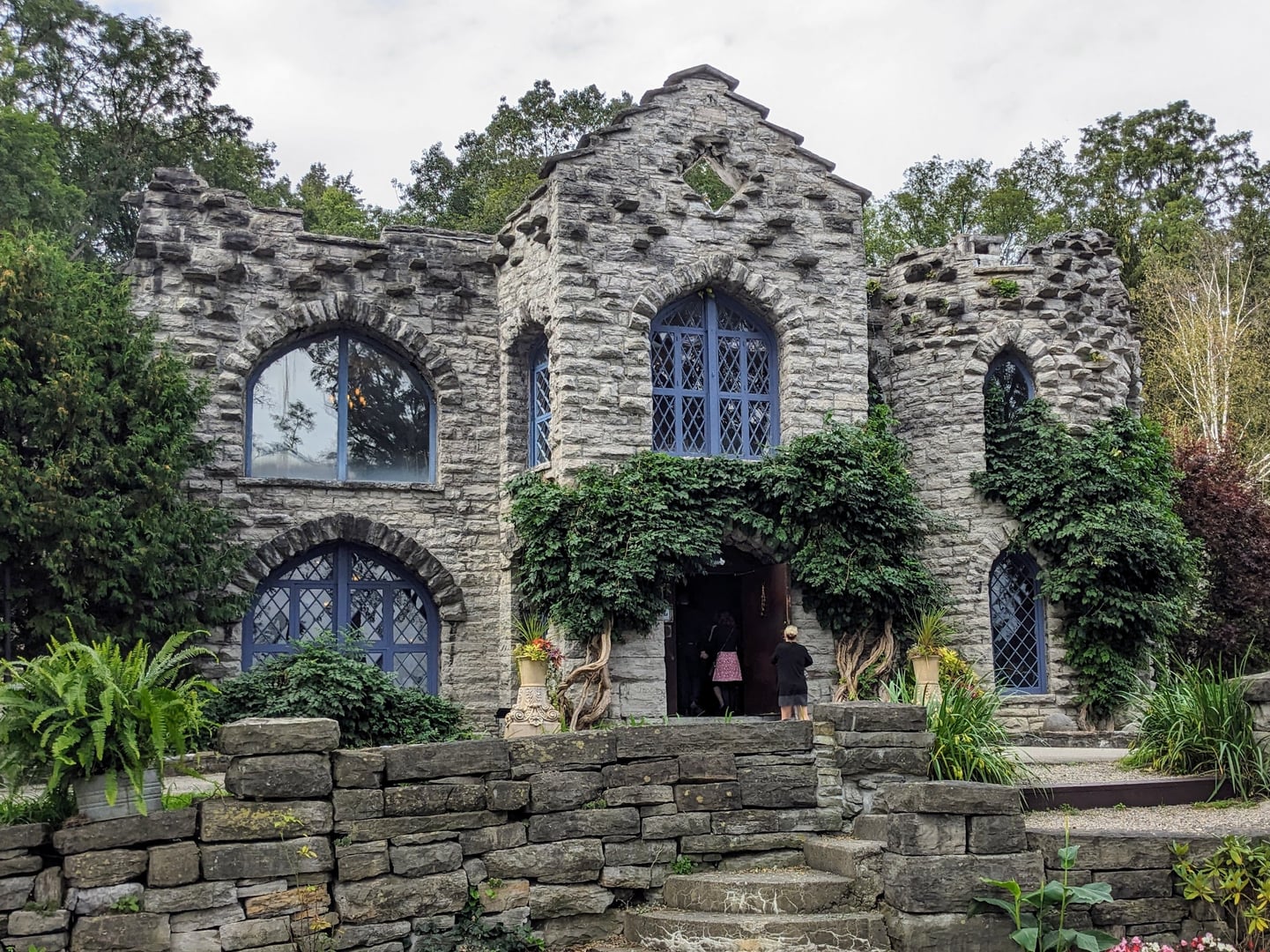
- Beardslee CastleLittle Falls · Haunted Dining / BarHigh
- Cooperstown Candlelight Ghost ToursCooperstown · Ghost Tour / Walking TourHigh
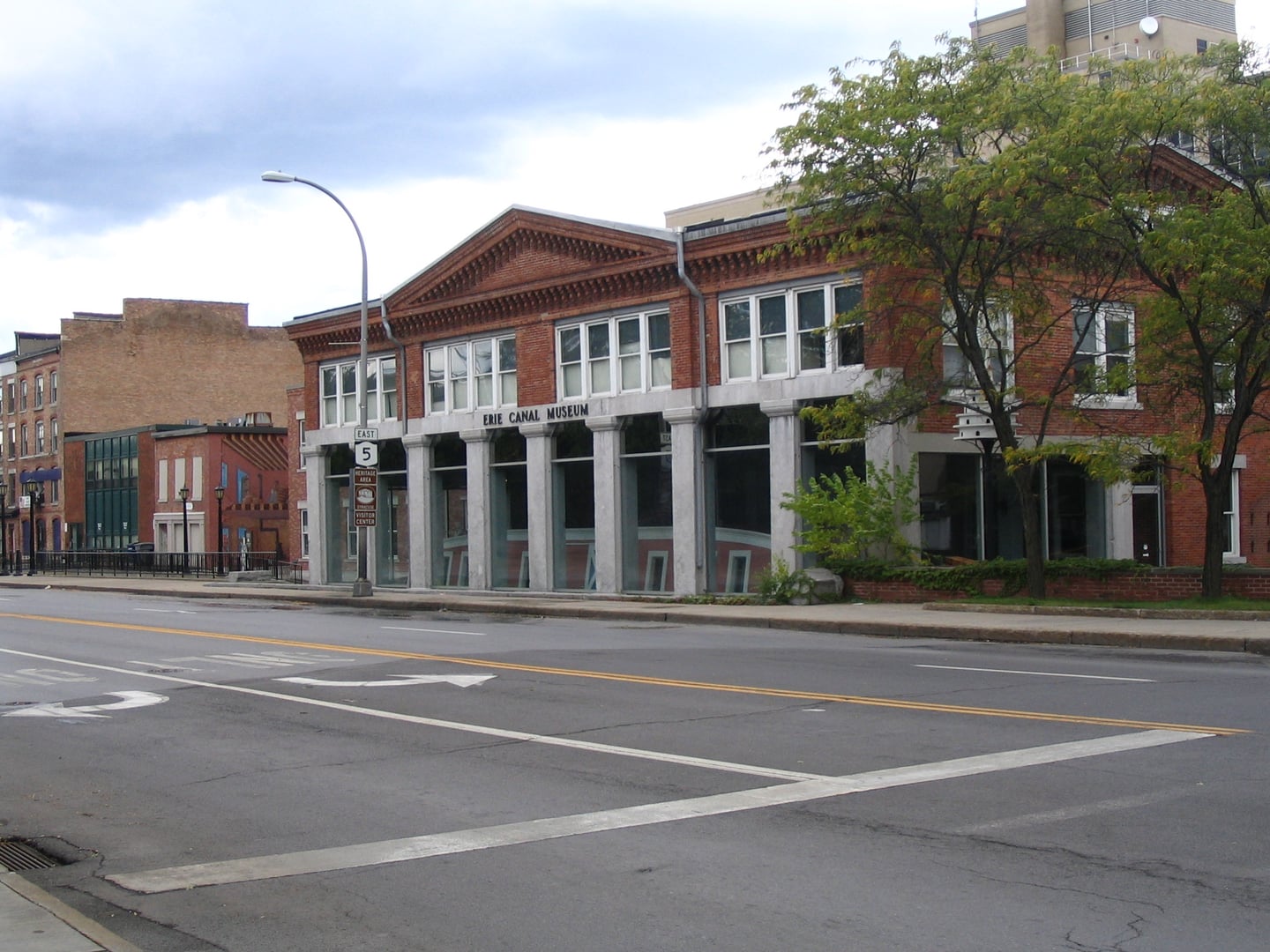
- Erie Canal MuseumSyracuse · Museum / Historical SiteHigh
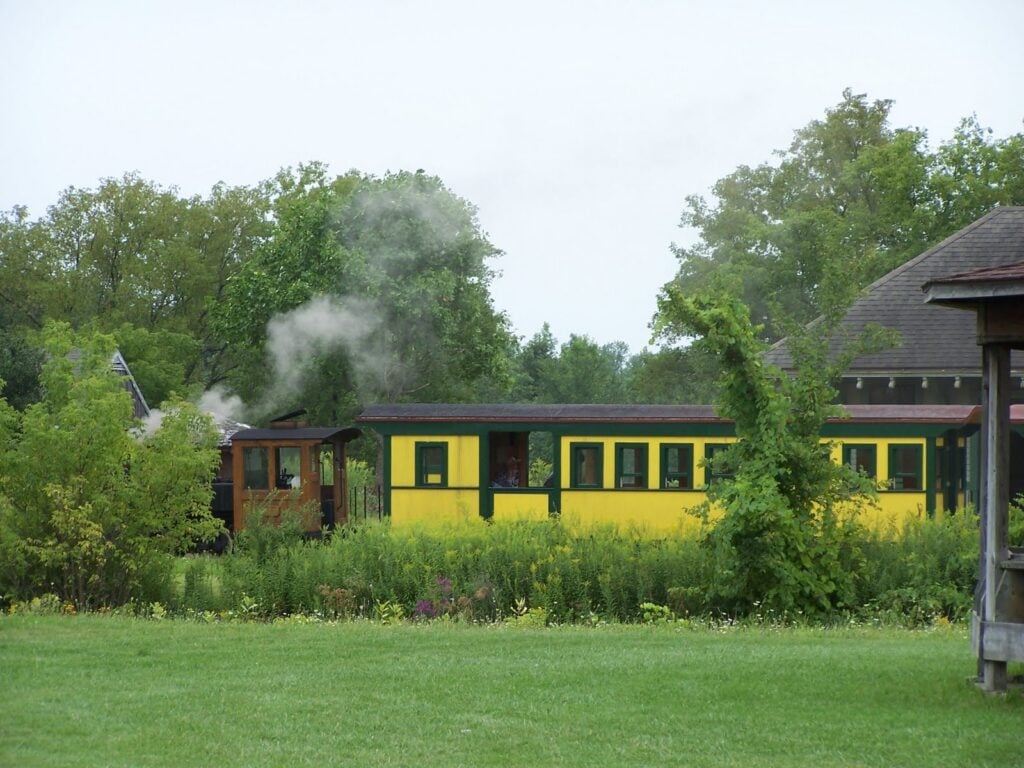
- Erie Canal VillageRome · Museum / Historical SiteModerate
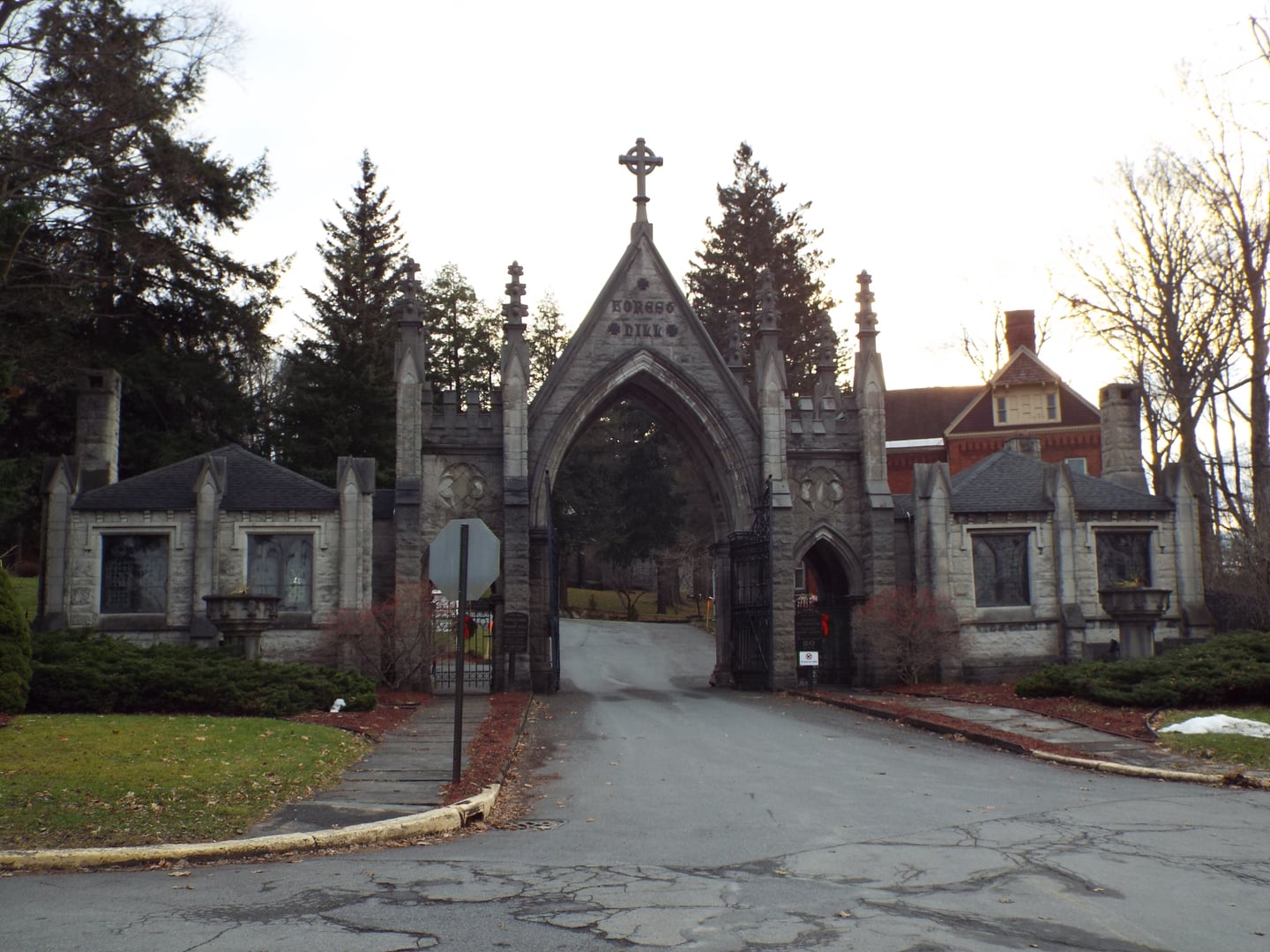
- Forest Hill CemeteryUtica · Cemetery / Burial GroundHigh
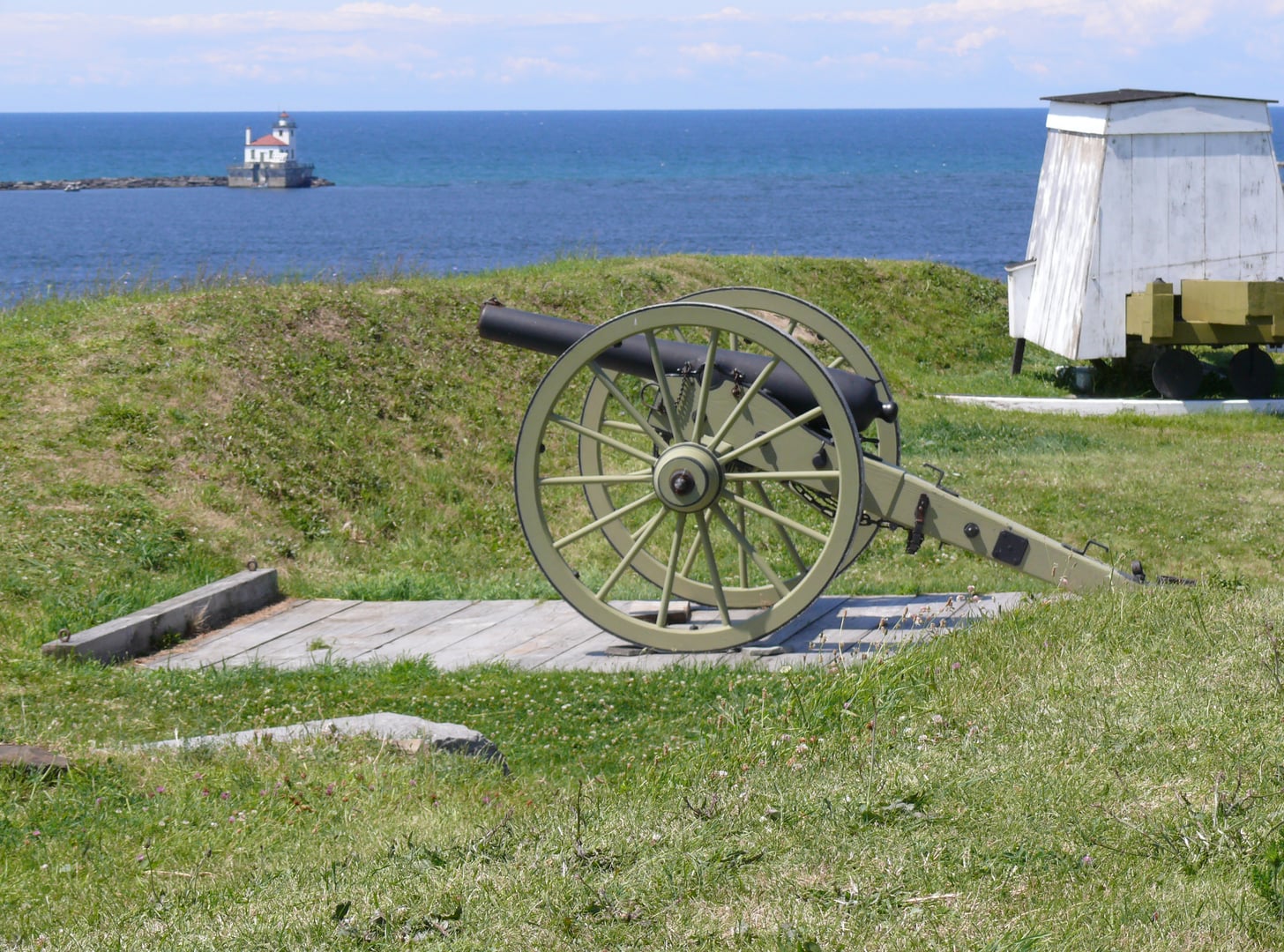
- Fort Ontario State Historic SiteOswego · Museum / Historical SiteModerate
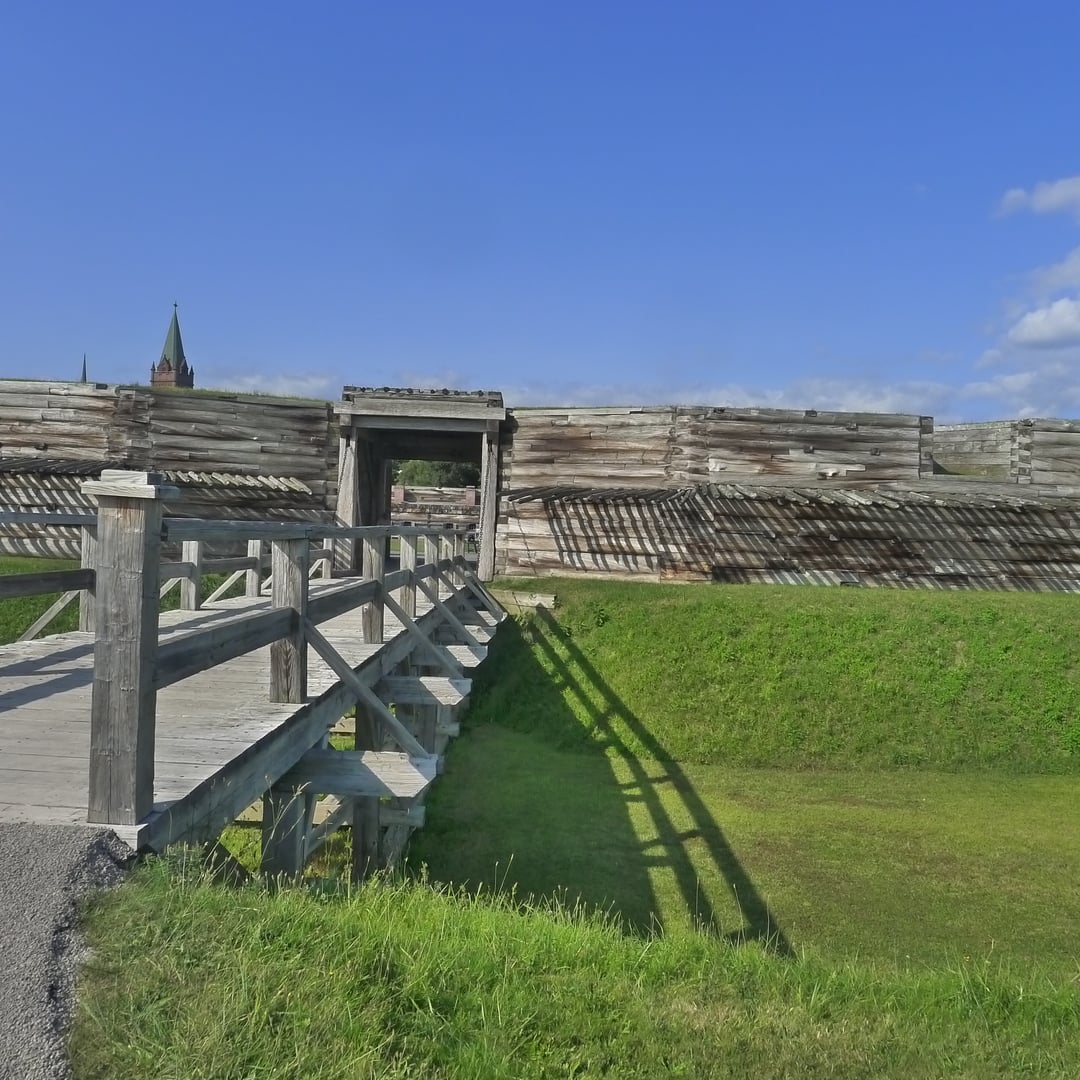
- Fort StanwixRome · Battlefield / Military SiteHigh
- Hotel Utica (DoubleTree by Hilton)Utica · Haunted Hotel / InnModerate
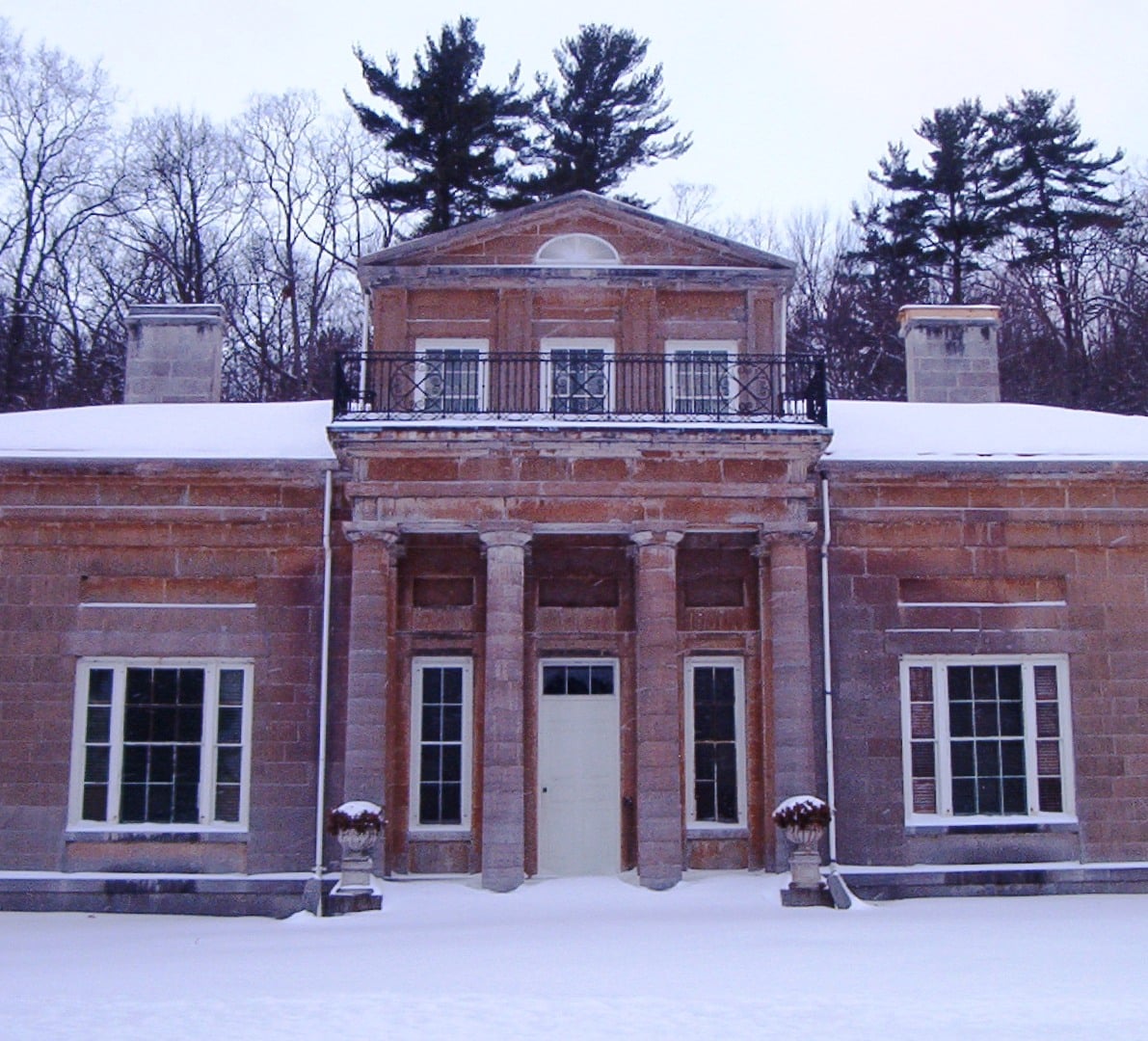
- Hyde HallCooperstown · Haunted House / Historic HomeModerate
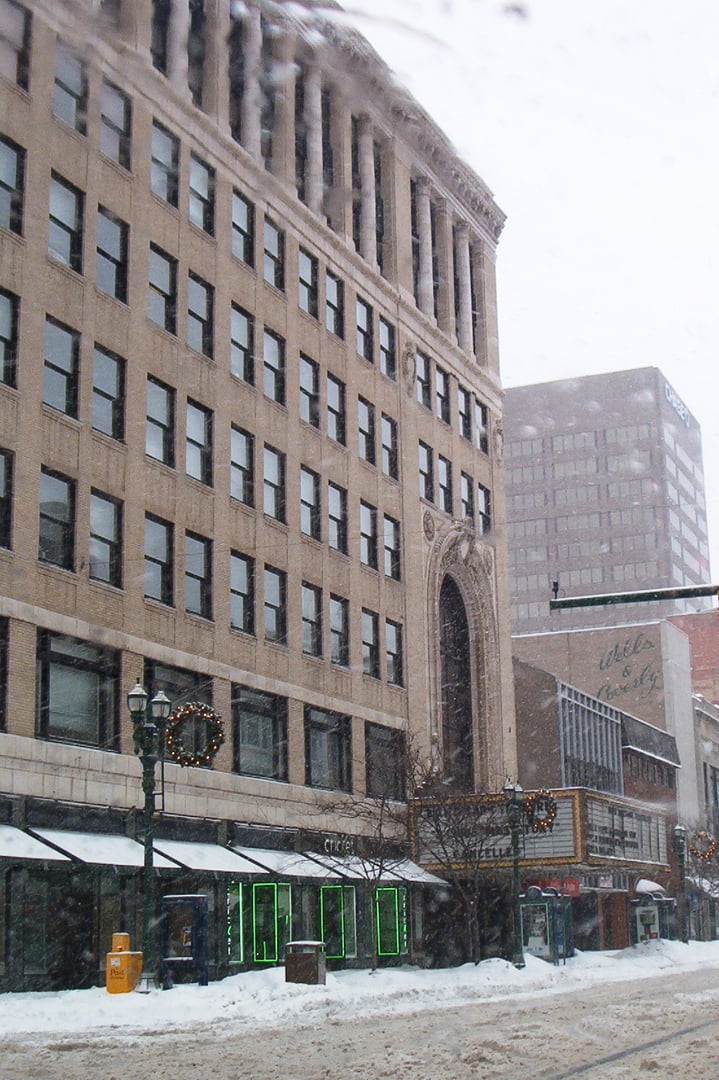
- Landmark TheatreSyracuse · Theater / Performance VenueHigh
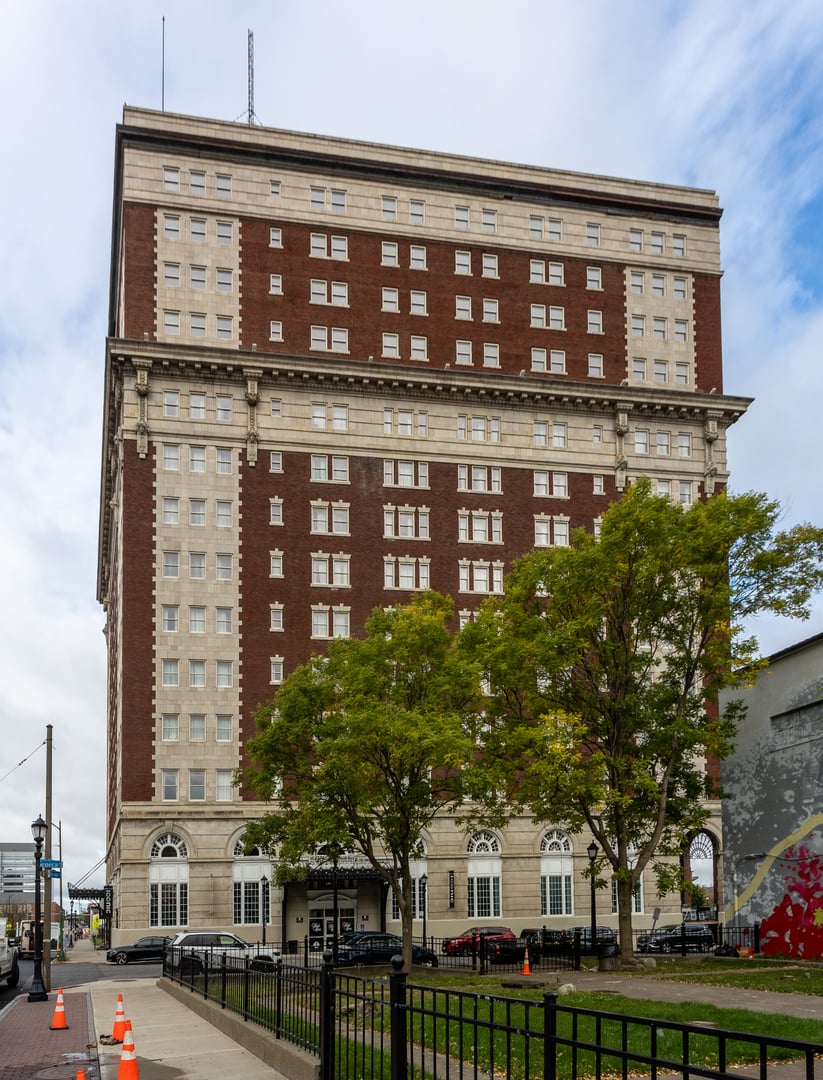
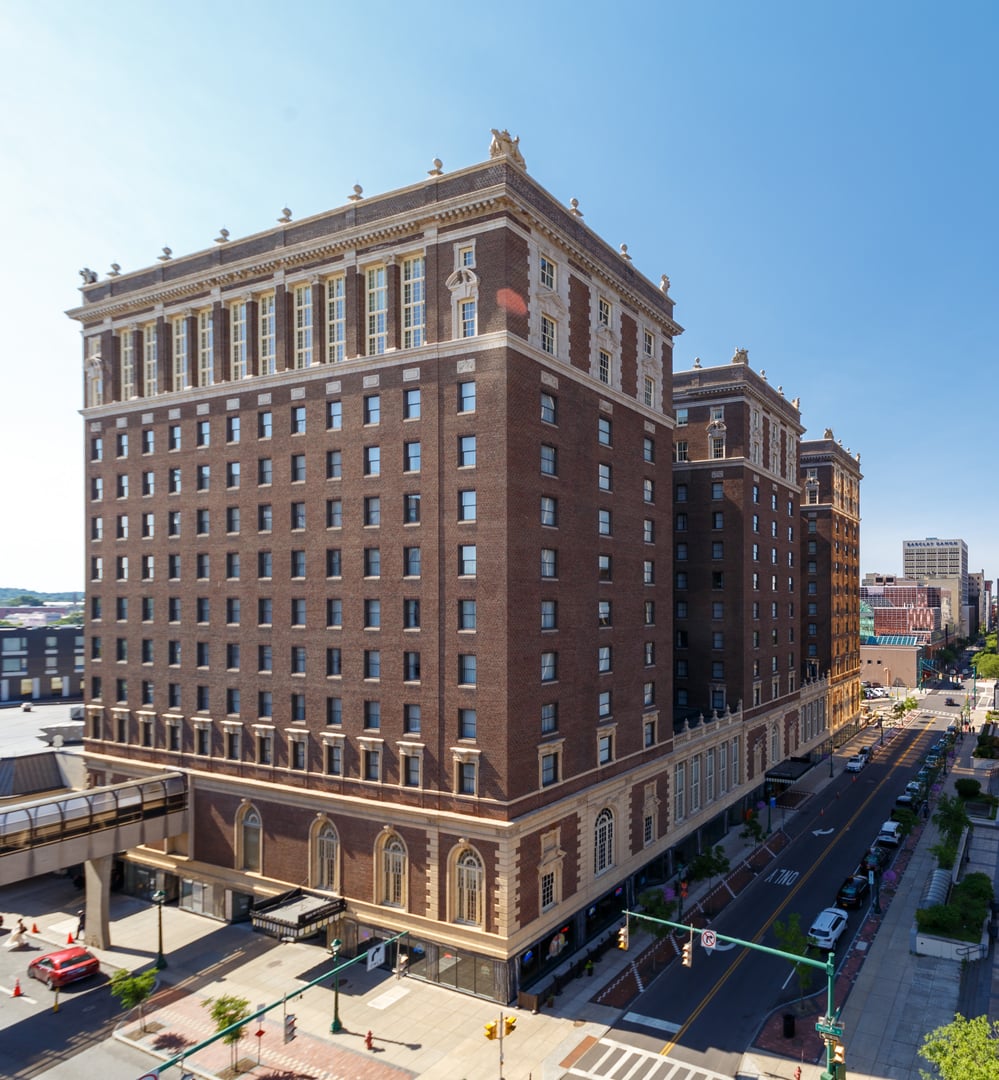
- Marriott Syracuse Downtown (Hotel Syracuse)Syracuse · Haunted Hotel / InnHigh
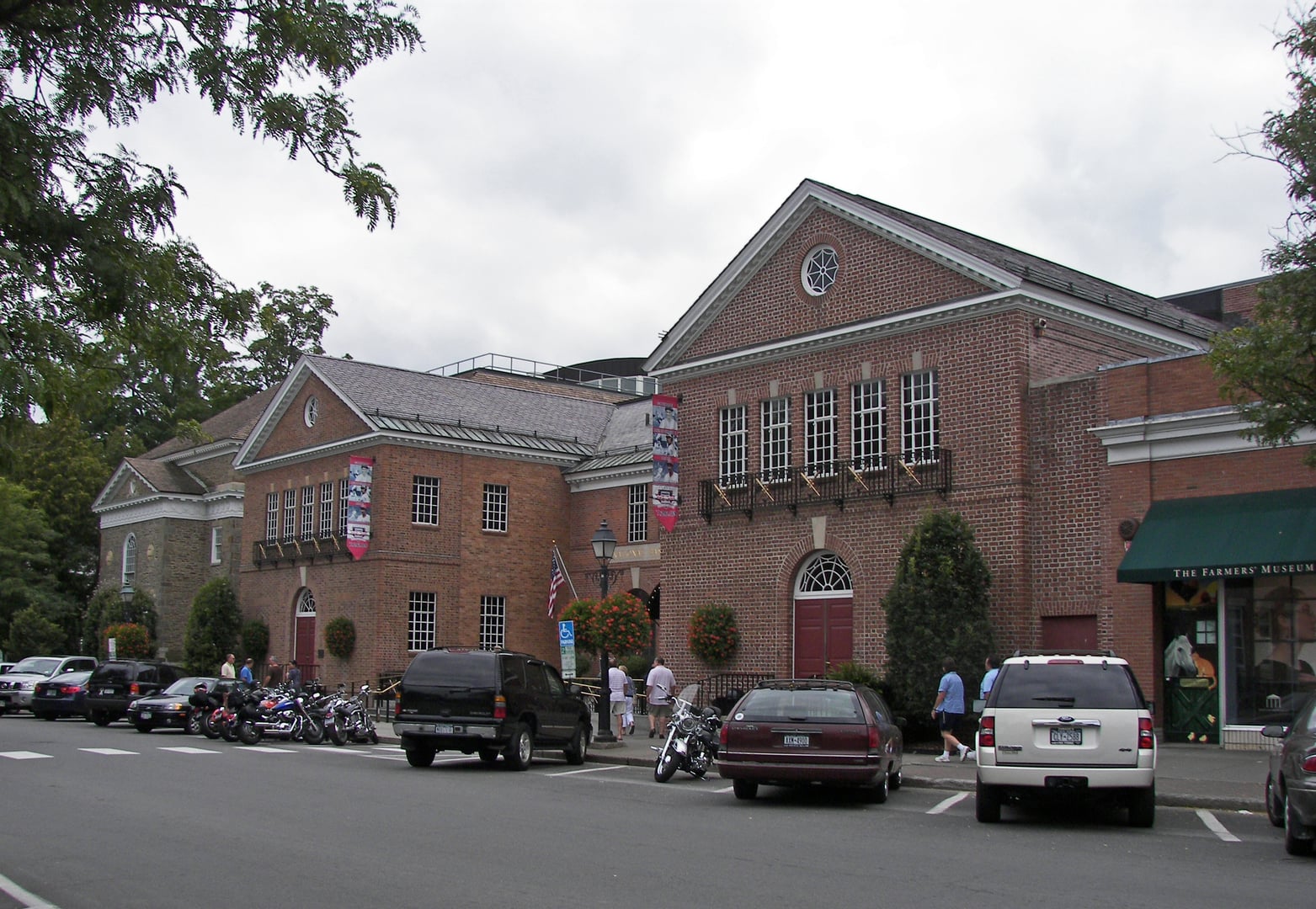
- National Baseball Hall of FameCooperstown · Museum / Historical SiteHigh
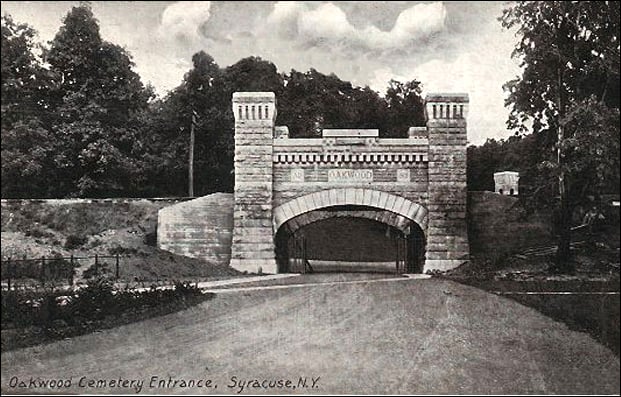
- Oakwood CemeterySyracuse · Cemetery / Burial GroundHigh
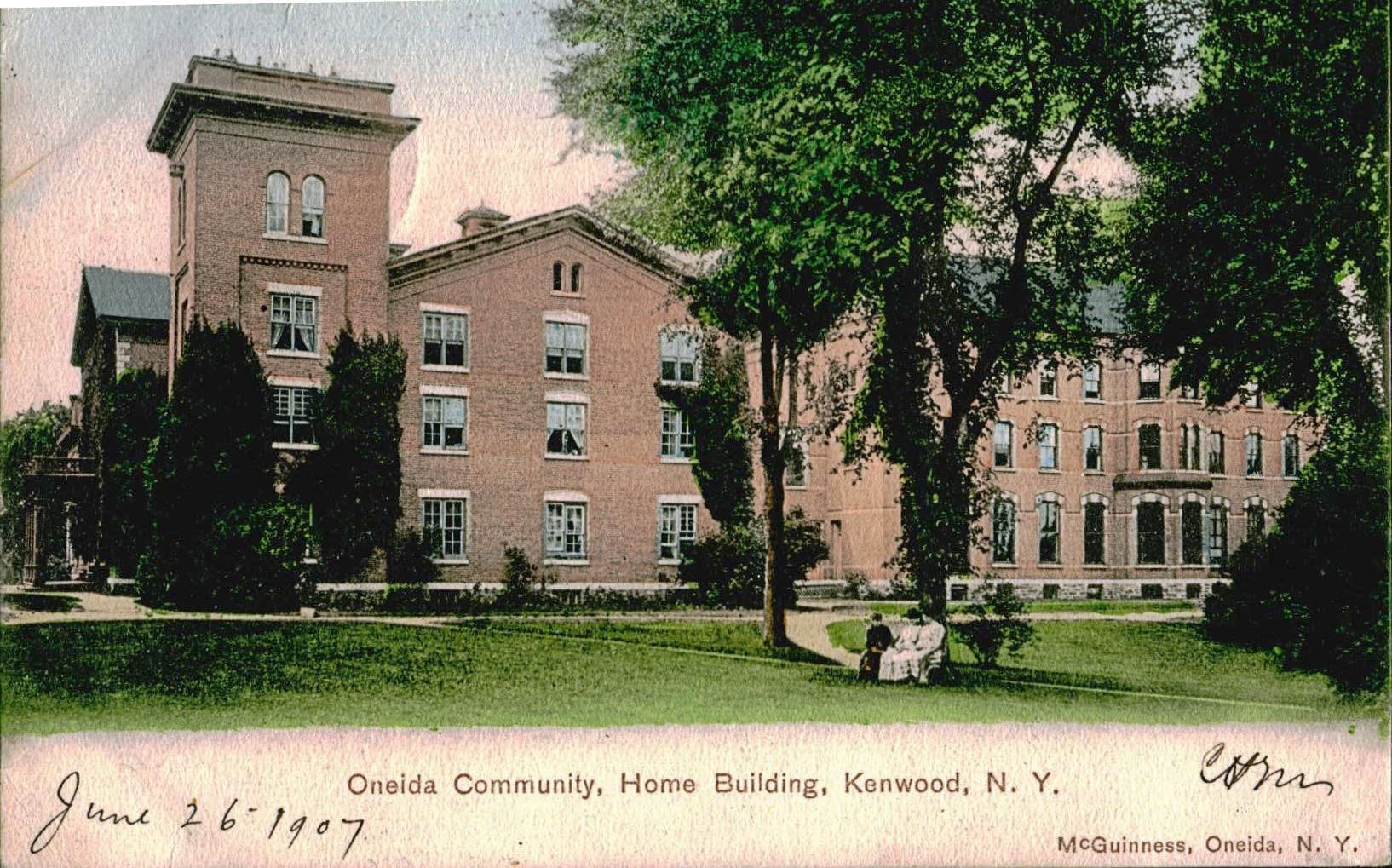
- Oneida Community Mansion HouseOneida · Haunted Hotel / InnHigh
- Oriskany Battlefield State Historic SiteOriskany · Battlefield / Military SiteModerate
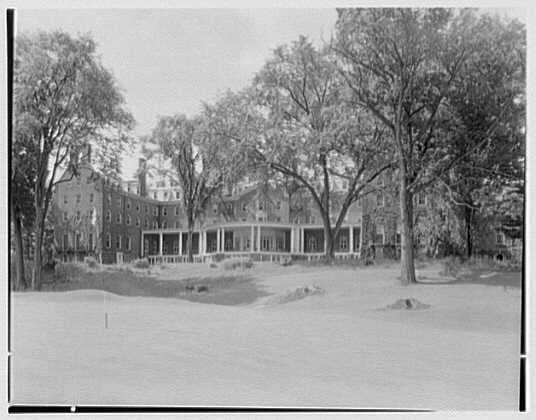
- Otesaga HotelCooperstown · Haunted Hotel / InnHigh
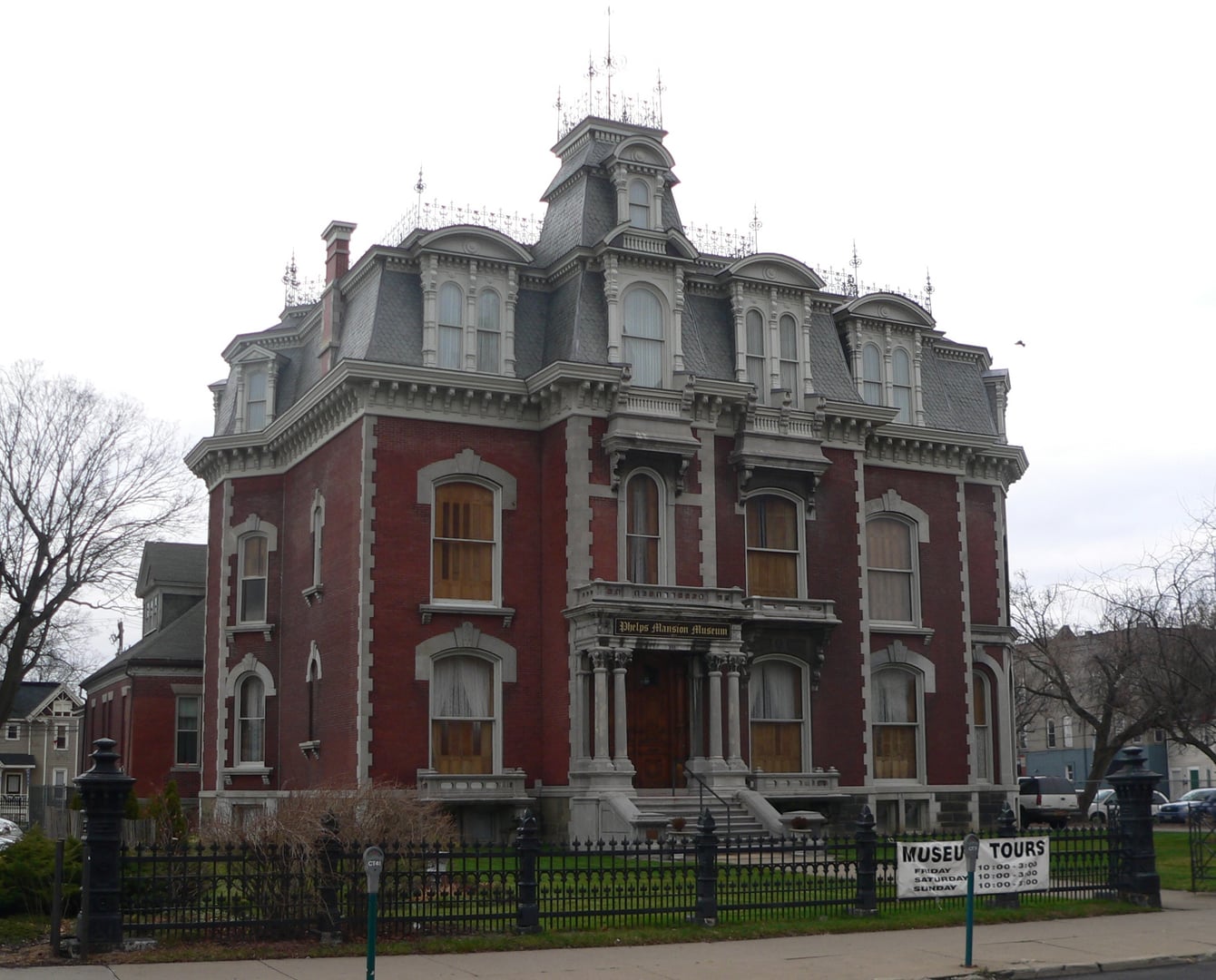
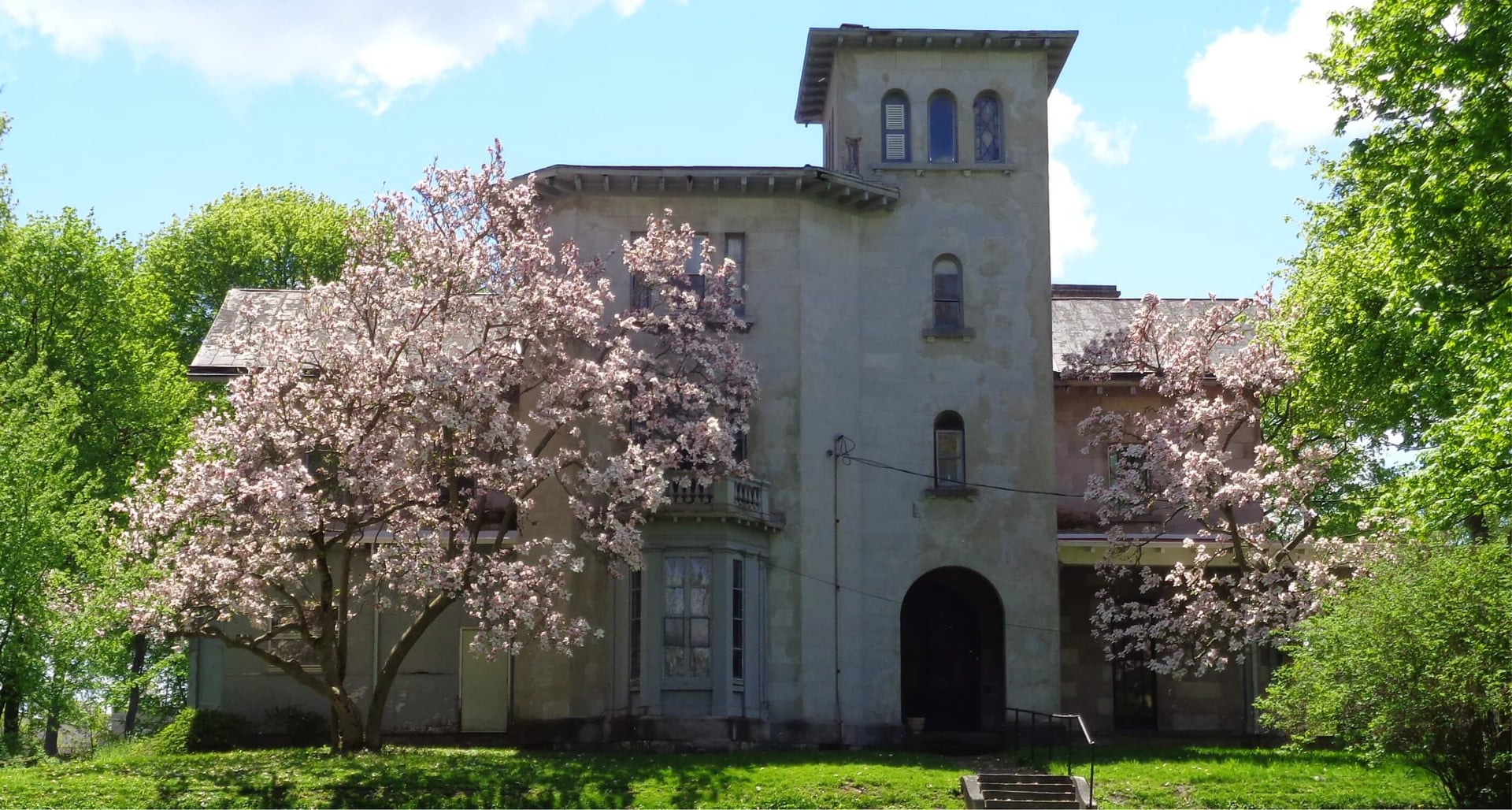
- Phelps Mansion MuseumBinghamton · Haunted House / Historic HomeModerate
- Railroad Tracks Behind Fort OntarioOswego · Outdoor / Natural SiteHigh
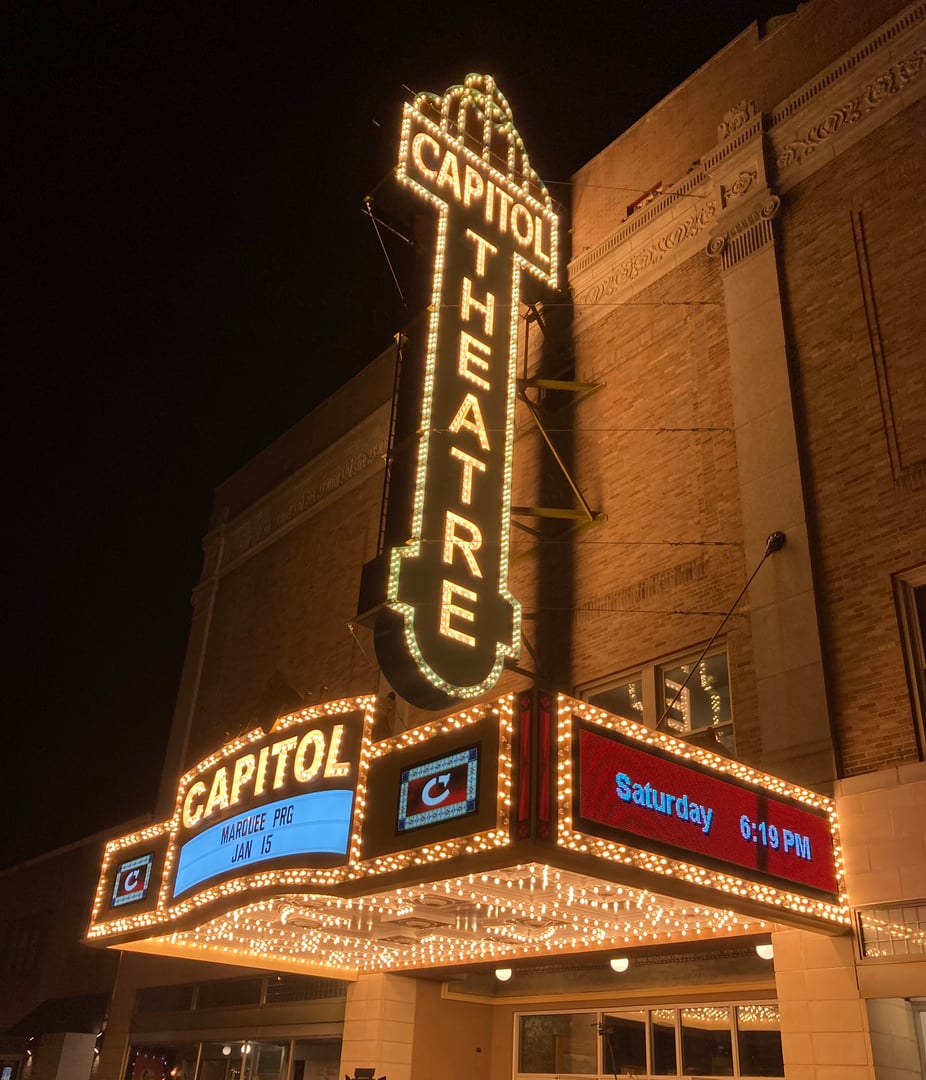
- Rome Capitol TheatreRome · Theater / Performance VenueHigh
- Rutger Park Mansions (Munn's Castle & Miller-Conkling-Kernan House)Utica · Haunted House / Historic HomeModerate
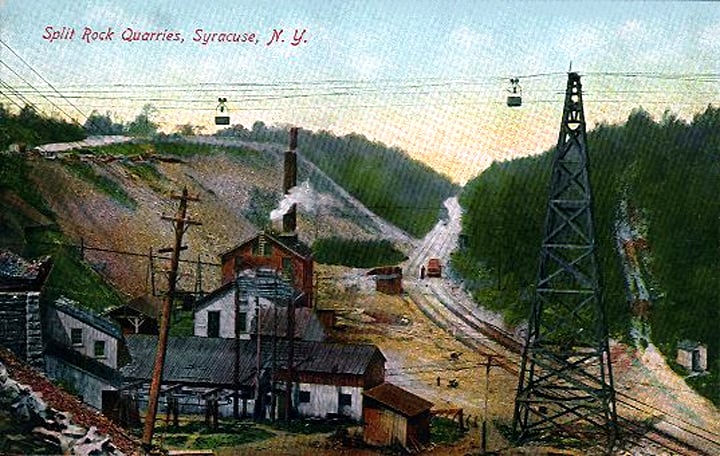
- Split Rock QuarryCamillus · Outdoor / Natural SiteModerate
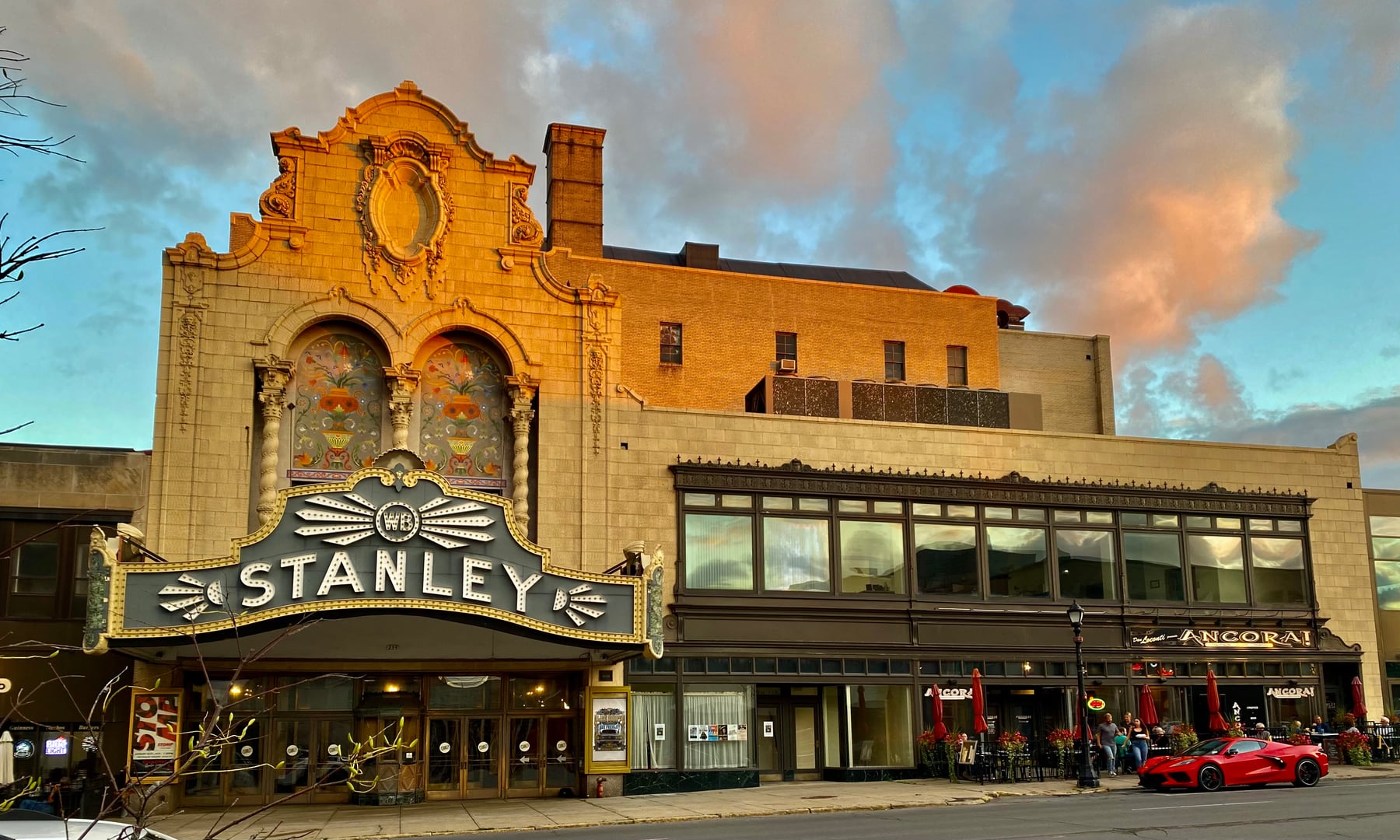
- Stanley Center for the Arts (Stanley Theatre)Utica · Theater / Performance VenueHigh
- Sylvan Beach Amusement ParkSylvan Beach · Outdoor / Natural SiteHigh
- The 1890 House Museum (Wickwire Mansion)Cortland · Museum / Historical SiteHigh
- The Brae Loch InnCazenovia · Haunted Hotel / InnHigh
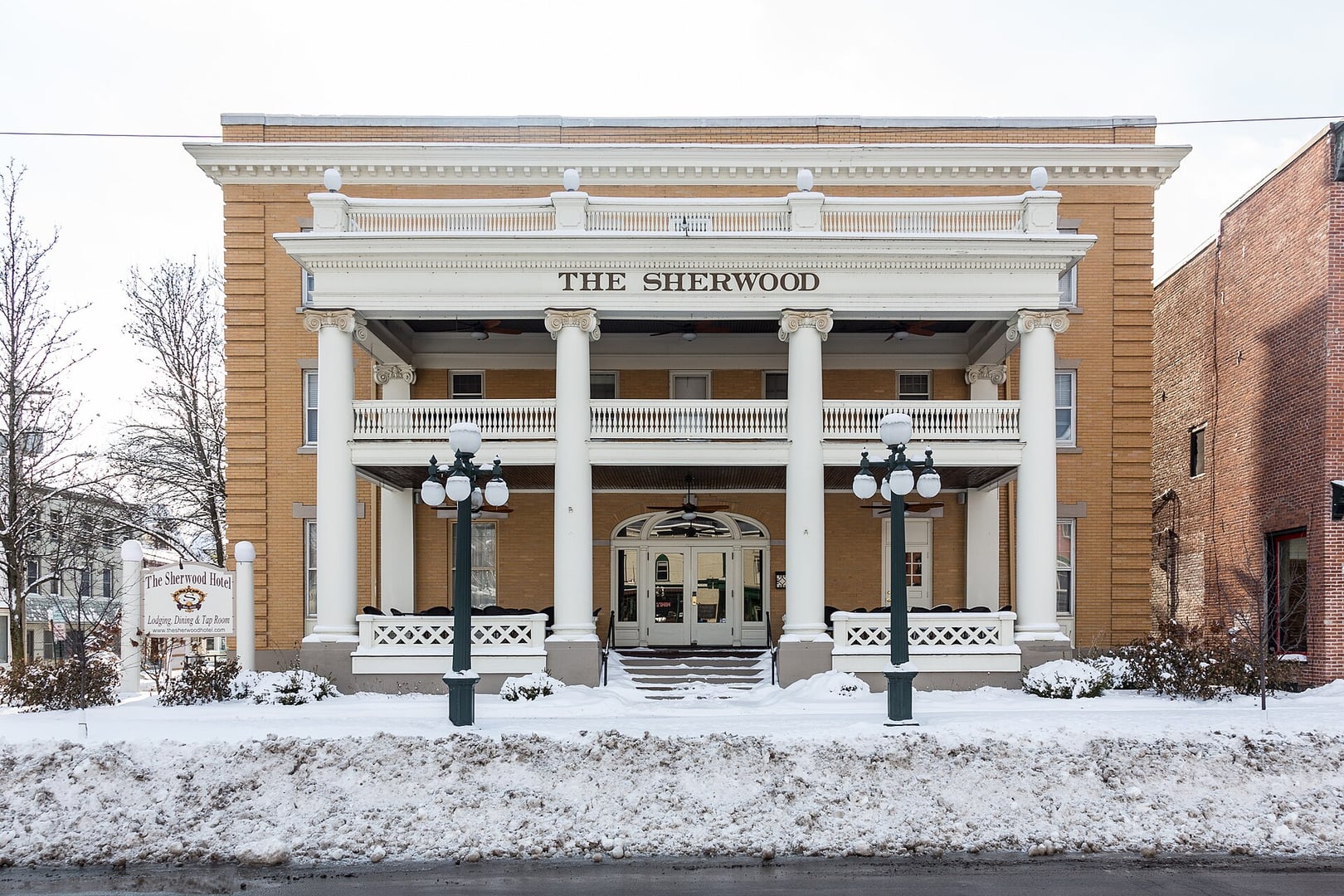
- The Sherwood HotelGreene · Haunted Hotel / InnModerate
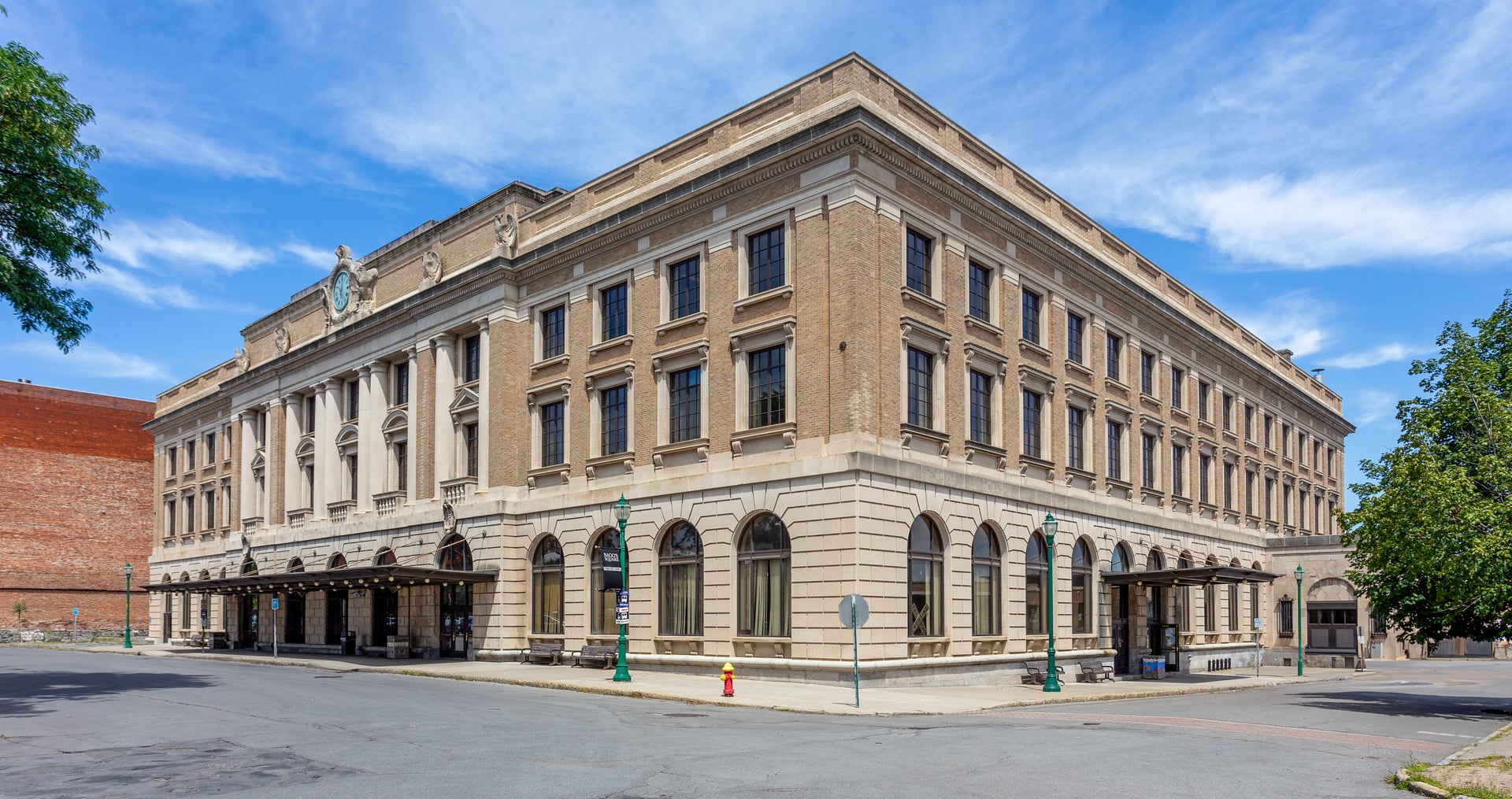
- Union Station (Utica Union Station)Utica · Museum / Historical SiteHigh
- Utica State Hospital (Old Main)Utica · Asylum / HospitalModerate
- Wayside Irish Pub (Former Webber's Wayside Inn)Elbridge · Haunted Dining / BarModerate
- Whiskey Hollow RoadBaldwinsville · Outdoor / Natural SiteModerate
- Woodlawn CemeterySyracuse · Cemetery / Burial GroundModerate
Capital Region
23Expand
- Albany Rural CemeteryMenands · Cemetery / Burial GroundModerate
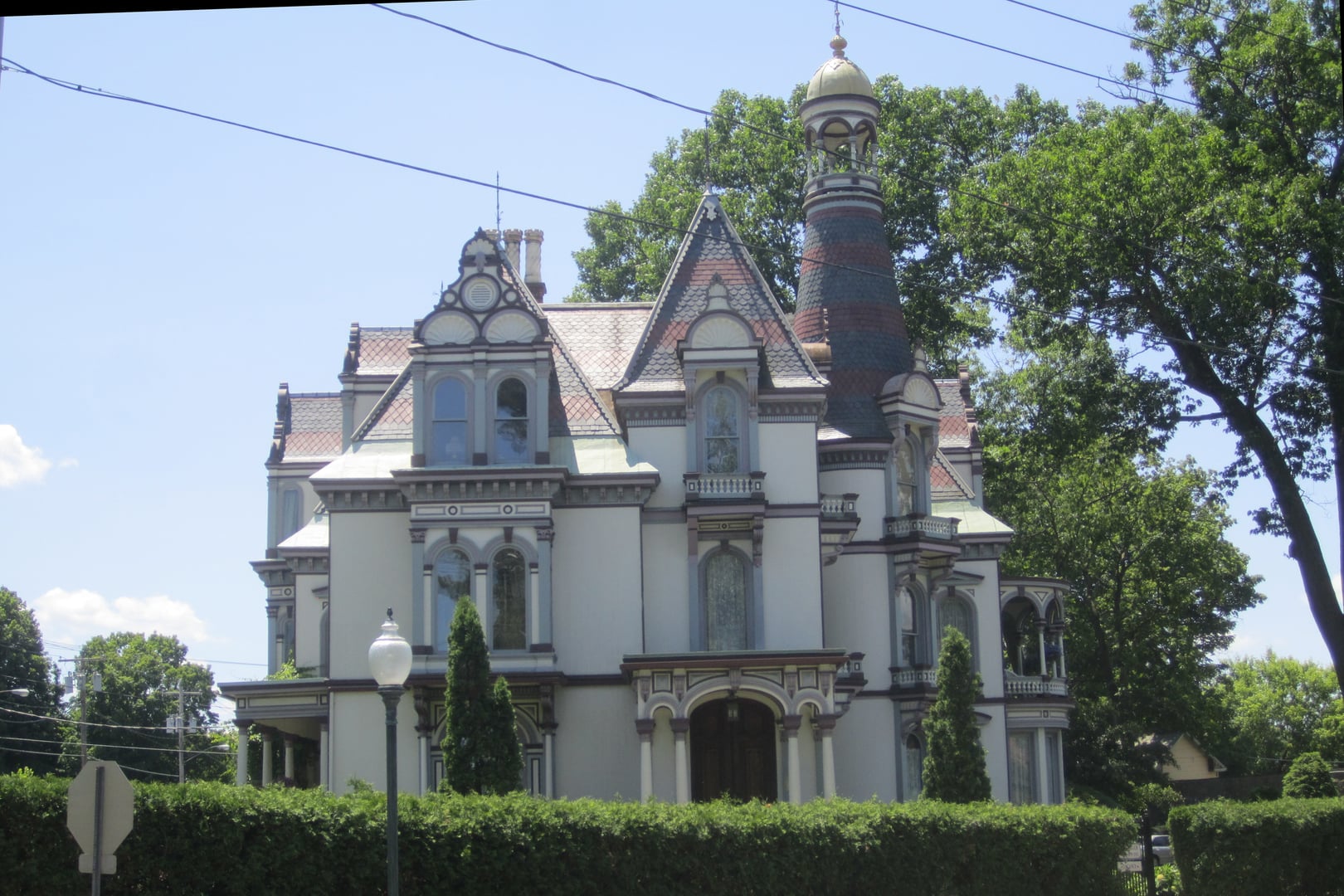
- Batcheller Mansion InnSaratoga Springs · Haunted Hotel / InnModerate
- Canfield CasinoSaratoga Springs · Museum / Historical SiteModerate
- Forest Park Cemetery (Pinewoods Cemetery)Brunswick · Cemetery / Burial GroundLow
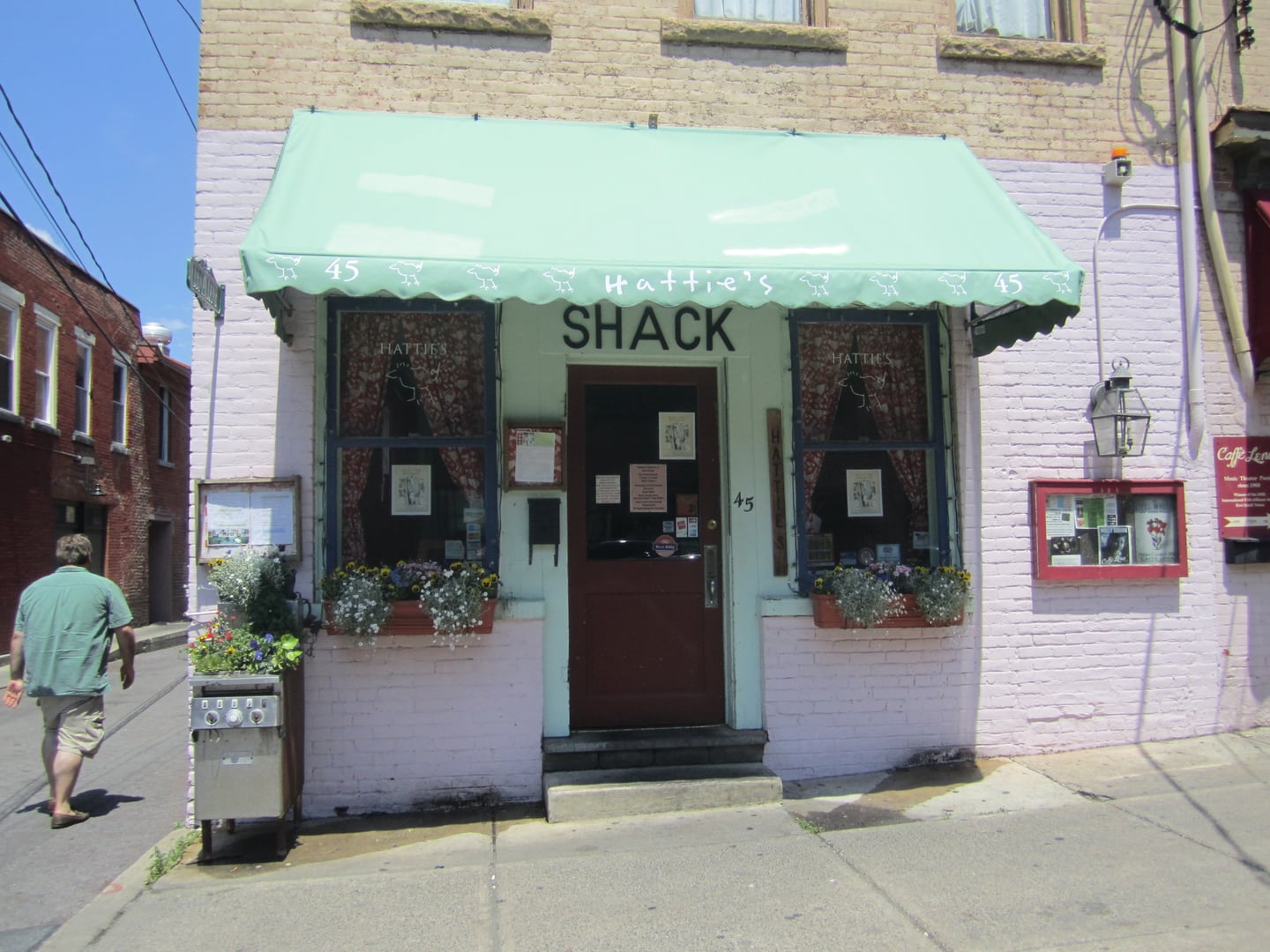
- Hattie's RestaurantSaratoga Springs · Haunted Dining / BarHigh
- Haunted Saratoga Ghost ToursSaratoga Springs · Ghost Tour / Walking TourHigh
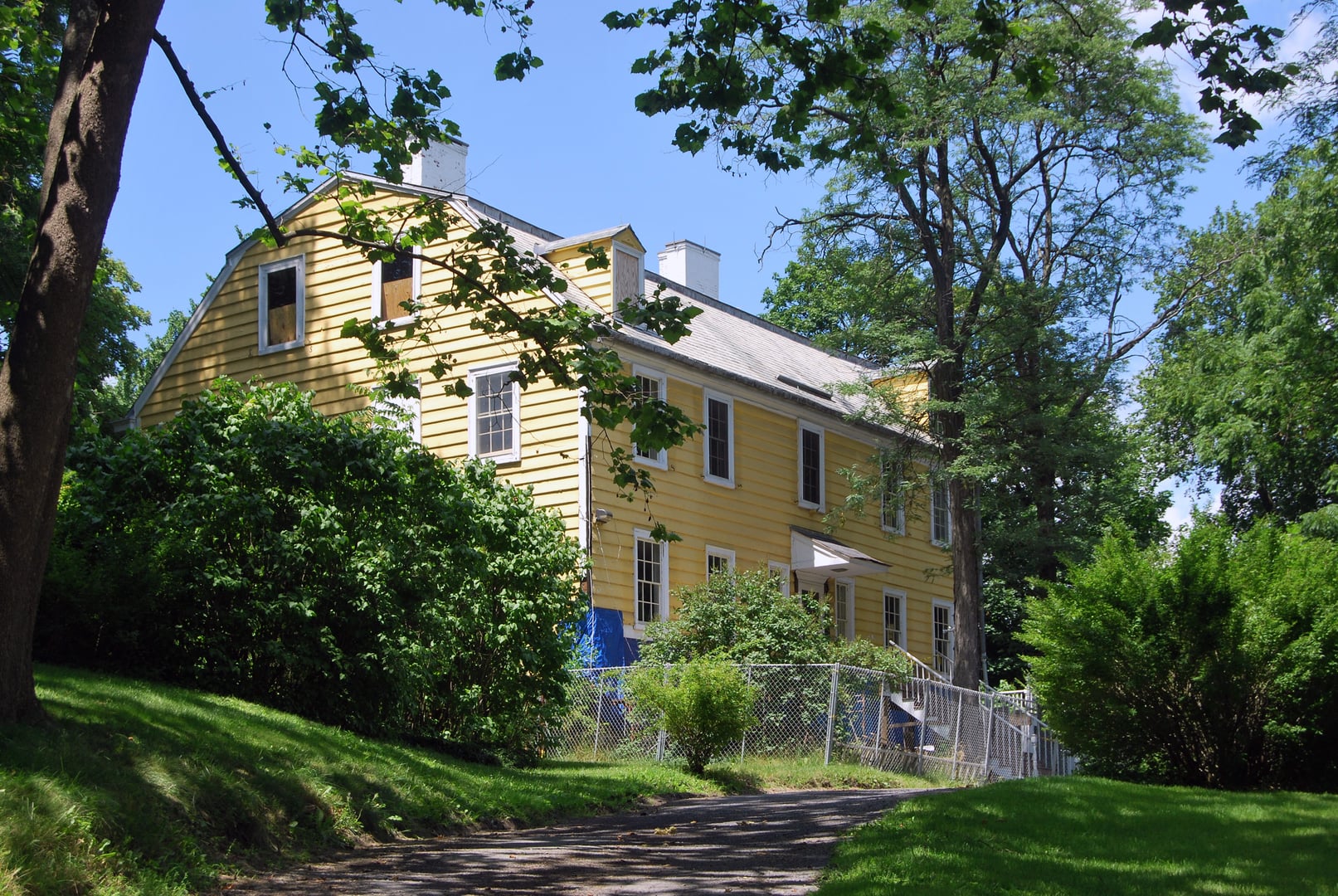
- Historic Cherry HillAlbany · Haunted House / Historic HomeModerate
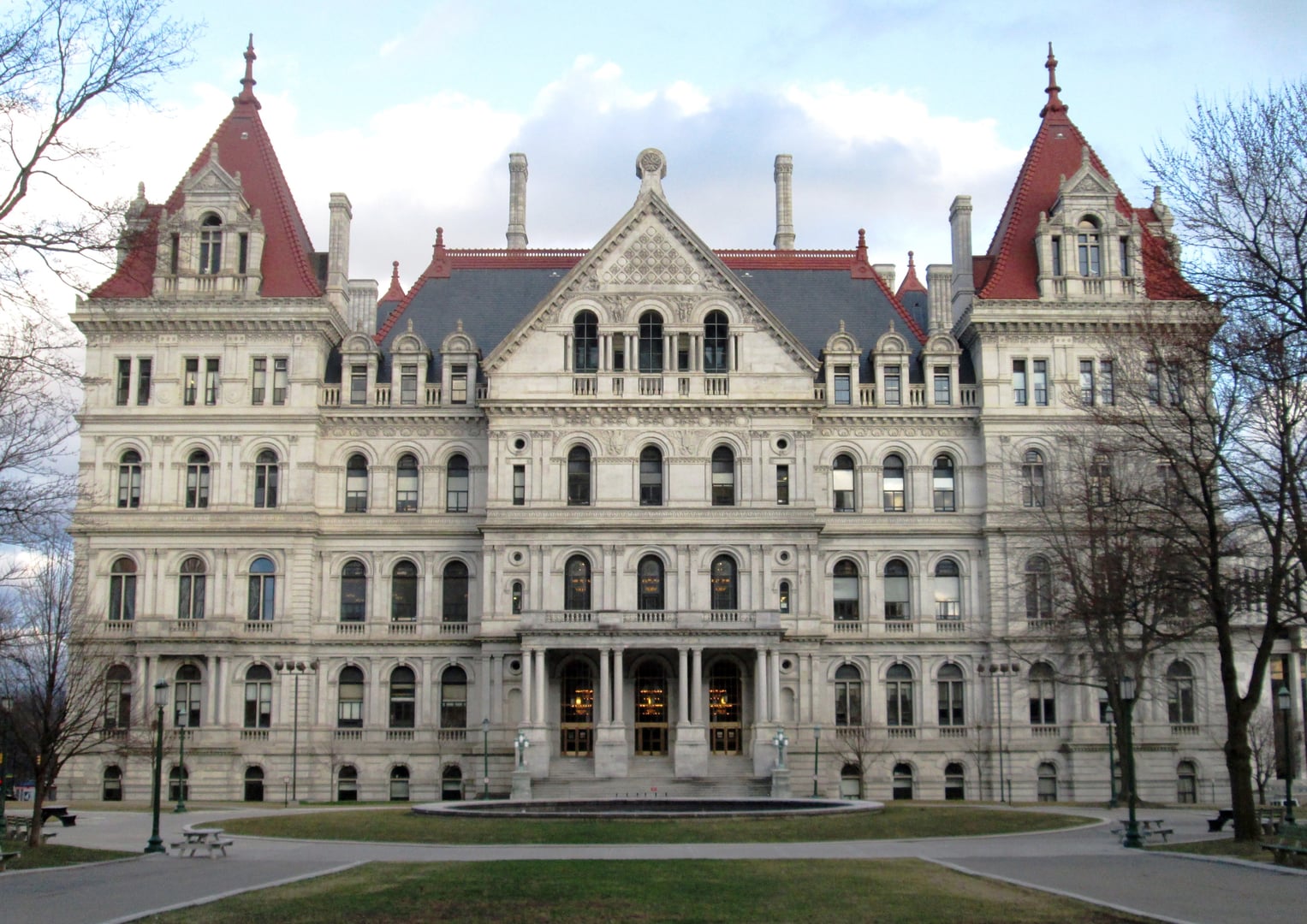
- New York State CapitolAlbany · Museum / Historical SiteHigh
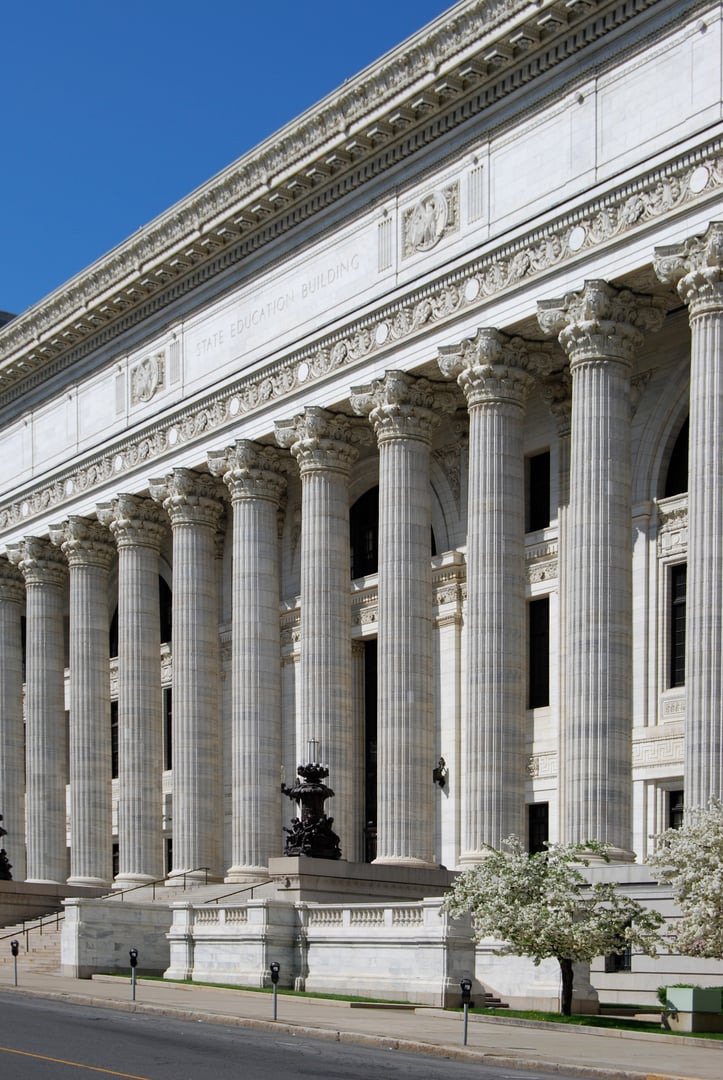
- New York State Education BuildingAlbany · Other Dark Tourism SiteHigh
- Olde Bryan InnSaratoga Springs · Haunted Dining / BarHigh
- Saratoga County Homestead (Homestead Sanitarium)Providence · Asylum / HospitalLow
- Schenectady Historic Stockade DistrictSchenectady · Ghost Tour / Walking TourHigh
- Schuyler Mansion State Historic SiteAlbany · Haunted House / Historic HomeHigh
- Ten Broeck MansionAlbany · Museum / Historical SiteHigh
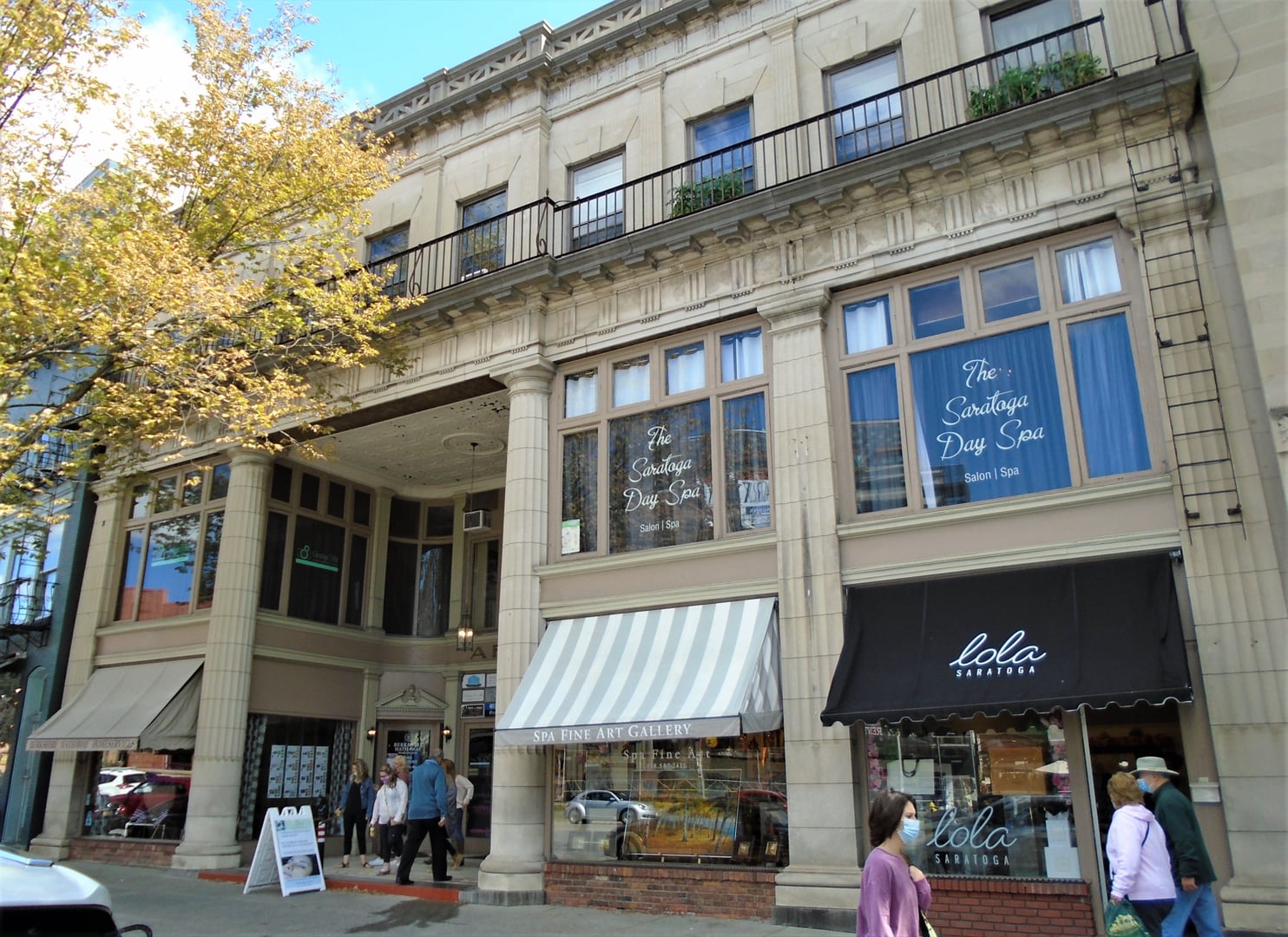
- The Arcade BuildingSaratoga Springs · Other Dark Tourism SiteModerate
- The Enslin HouseTroy · Haunted House / Historic HomeLow
- The Gideon PutnamSaratoga Springs · Haunted Hotel / InnHigh
- The Olde English Pub (Quackenbush House)Albany · Haunted Dining / BarHigh
- The Parting GlassSaratoga Springs · Haunted Dining / BarLow
- US Ghost Adventures AlbanyAlbany · Ghost Tour / Walking TourHigh
- Vale CemeterySchenectady · Cemetery / Burial GroundModerate
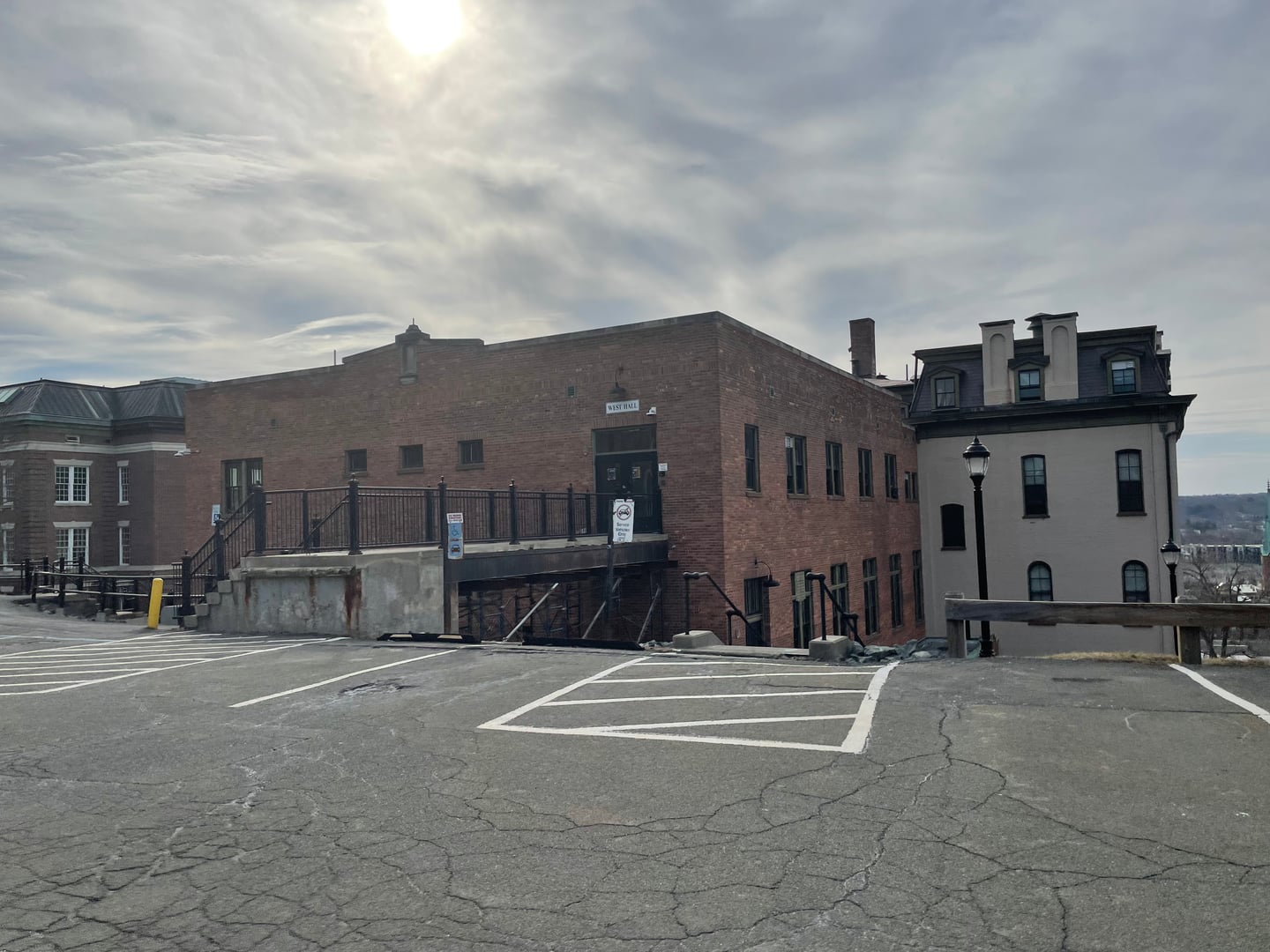
- West Hall (Rensselaer Polytechnic Institute)Troy · Other Dark Tourism SiteModerate
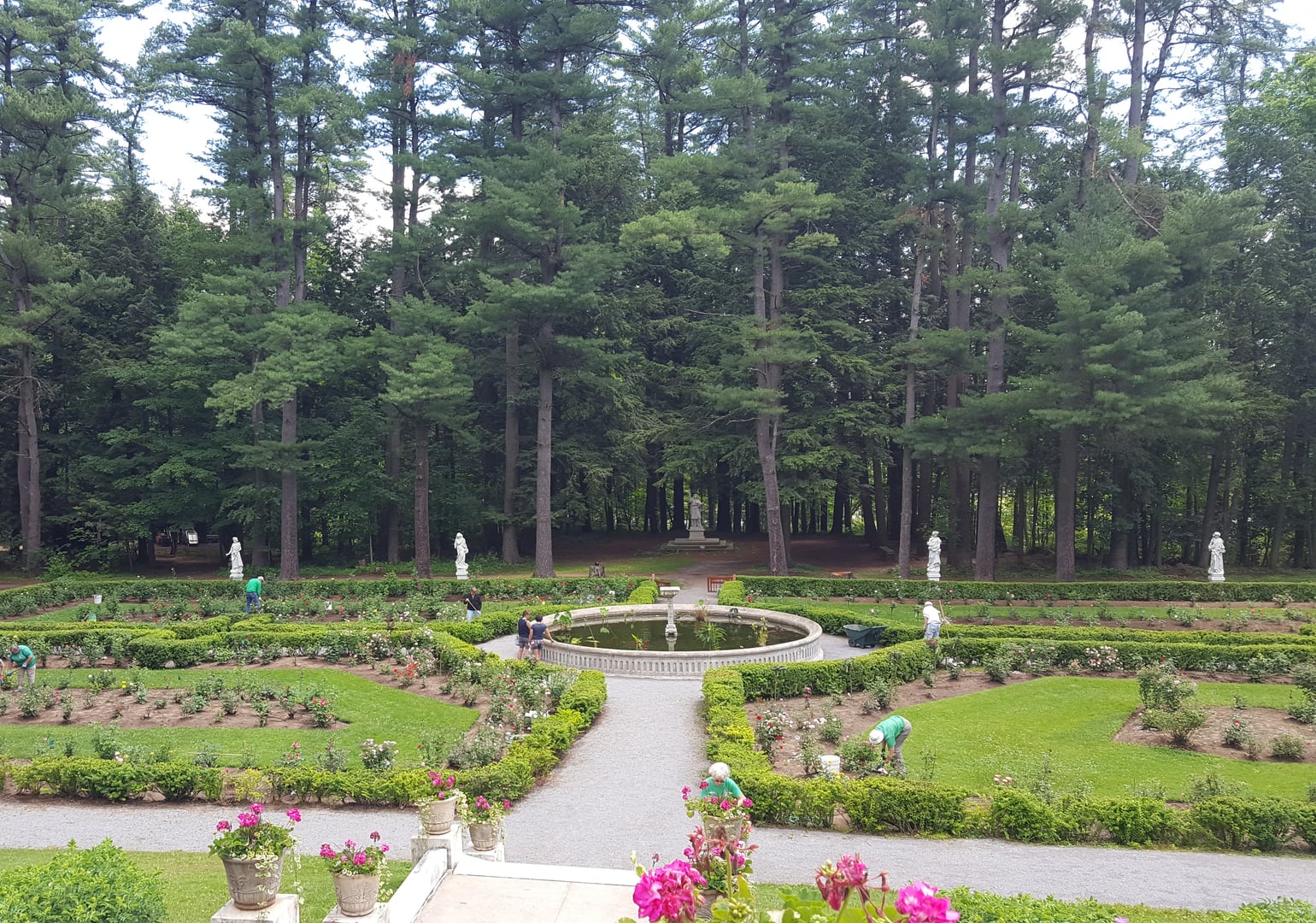
- YaddoSaratoga Springs · Haunted House / Historic HomeHigh
Adirondack Region
18Expand
- Anvil Inn RestaurantFort Edward · Haunted Dining / BarHigh
- Barkeater ChocolatesNorth Creek · Other Dark Tourism SiteHigh
- Bloody PondLake George · Outdoor / Natural SiteHigh
- Caldwell CemeteryLake George · Cemetery / Burial GroundHigh
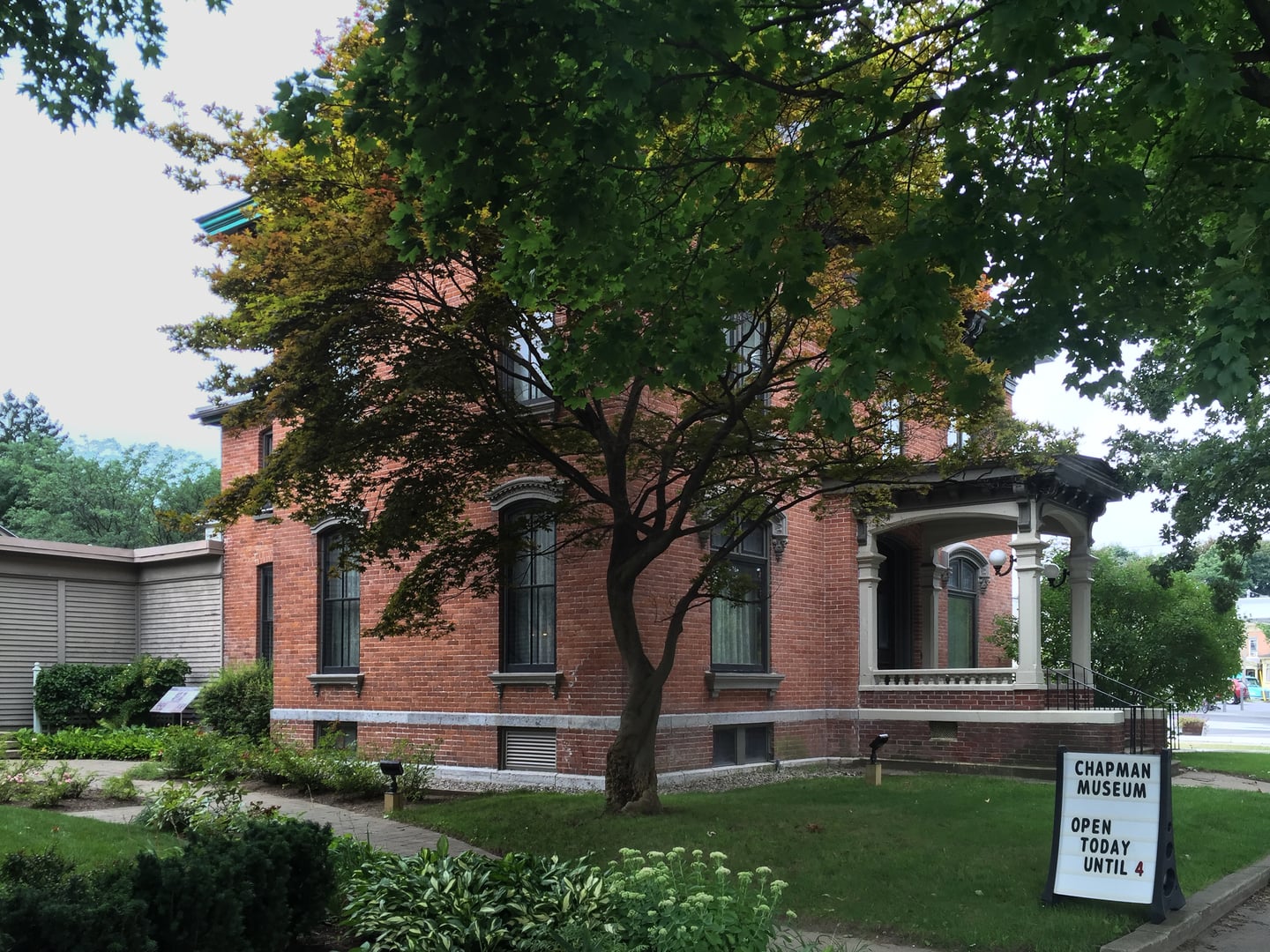
- Chapman Historical MuseumGlens Falls · Museum / Historical SiteHigh
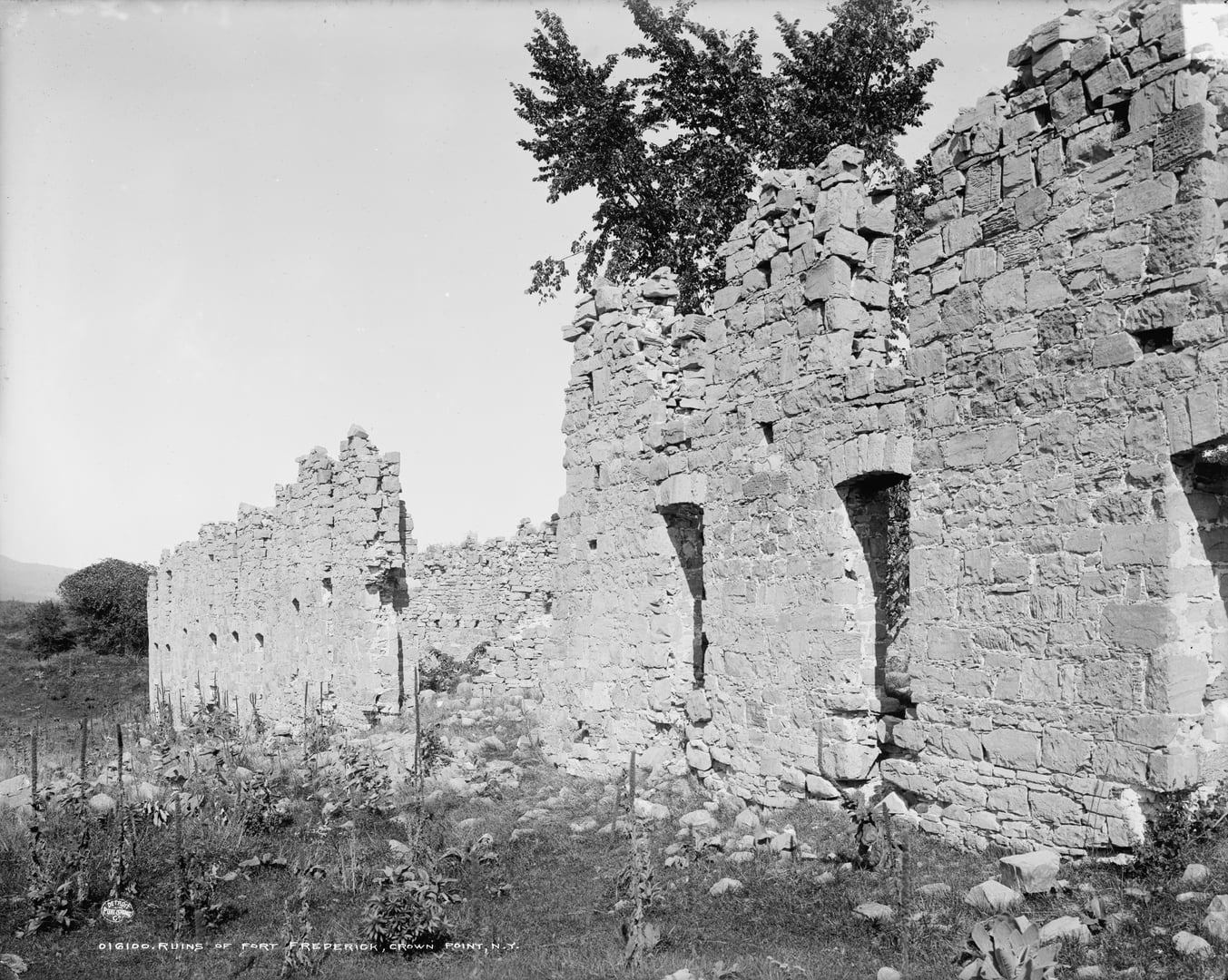
- Crown Point State Historic SiteCrown Point · Battlefield / Military SiteHigh
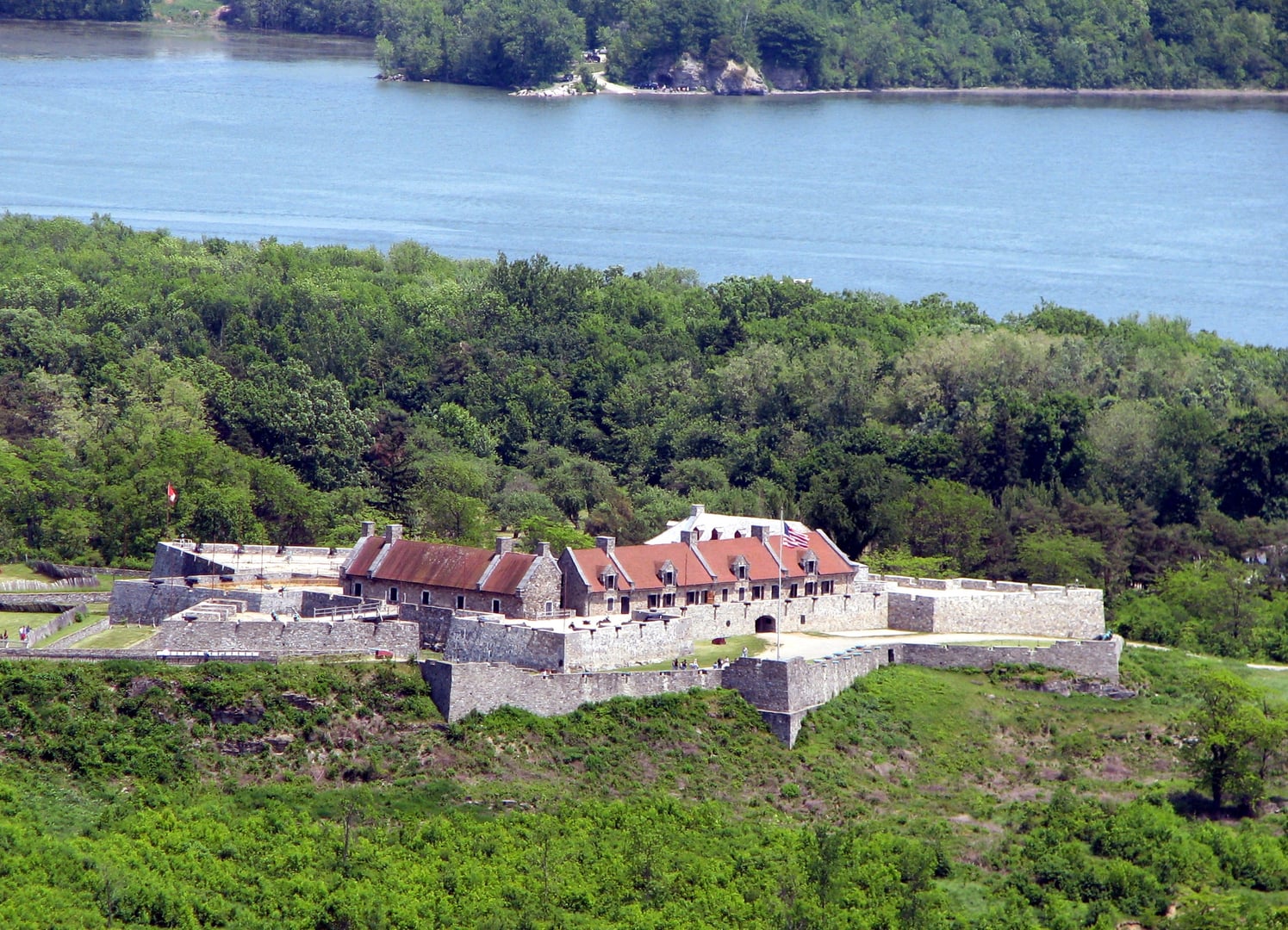
- Fort TiconderogaTiconderoga · Battlefield / Military SiteModerate
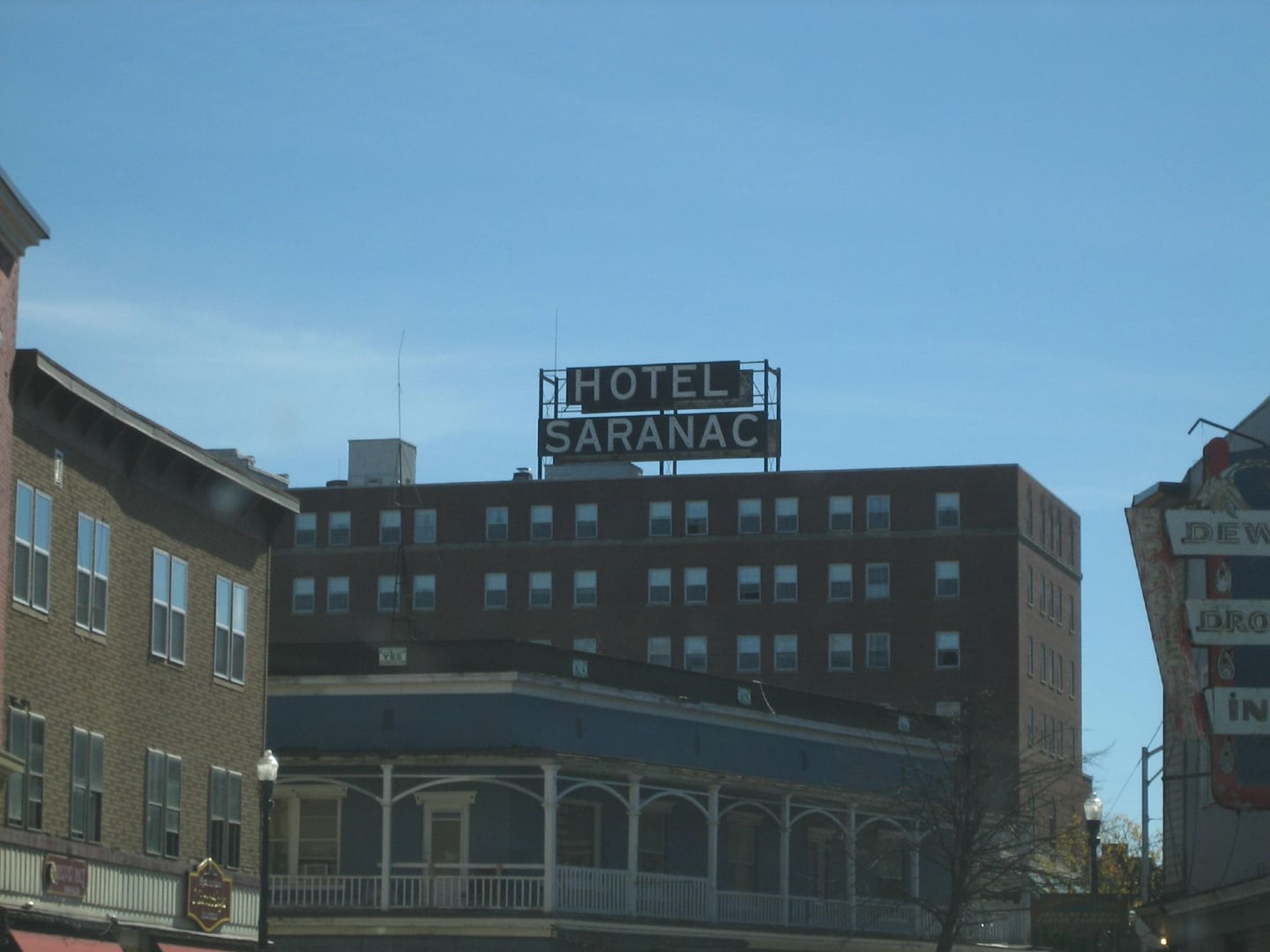
- Hotel SaranacSaranac Lake · Haunted Hotel / InnHigh
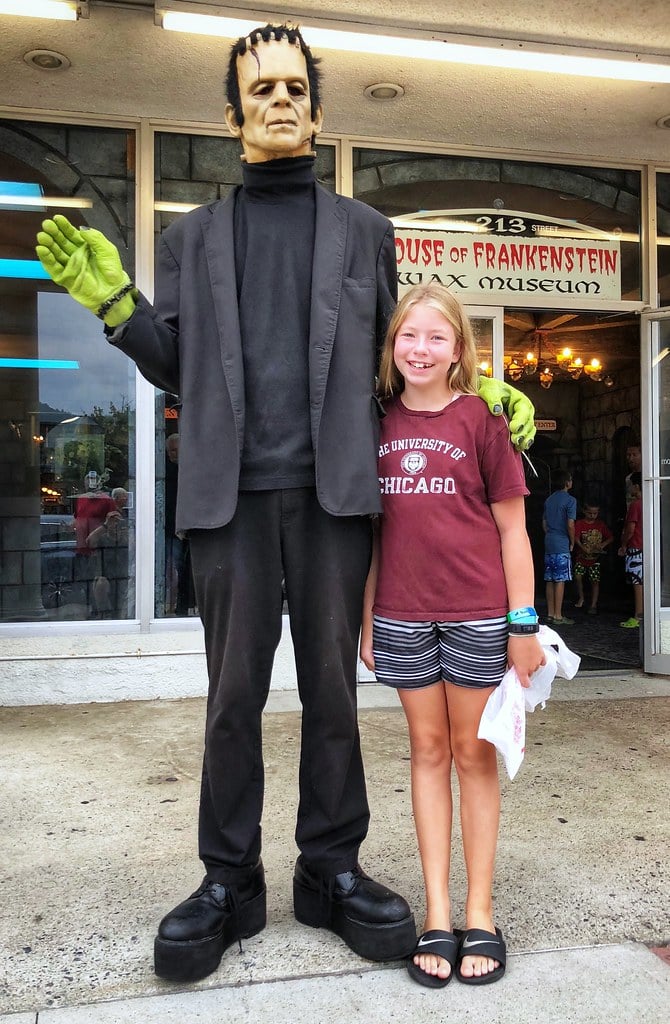
- House of Frankenstein Wax MuseumLake George · Theatrical Haunted AttractionModerate
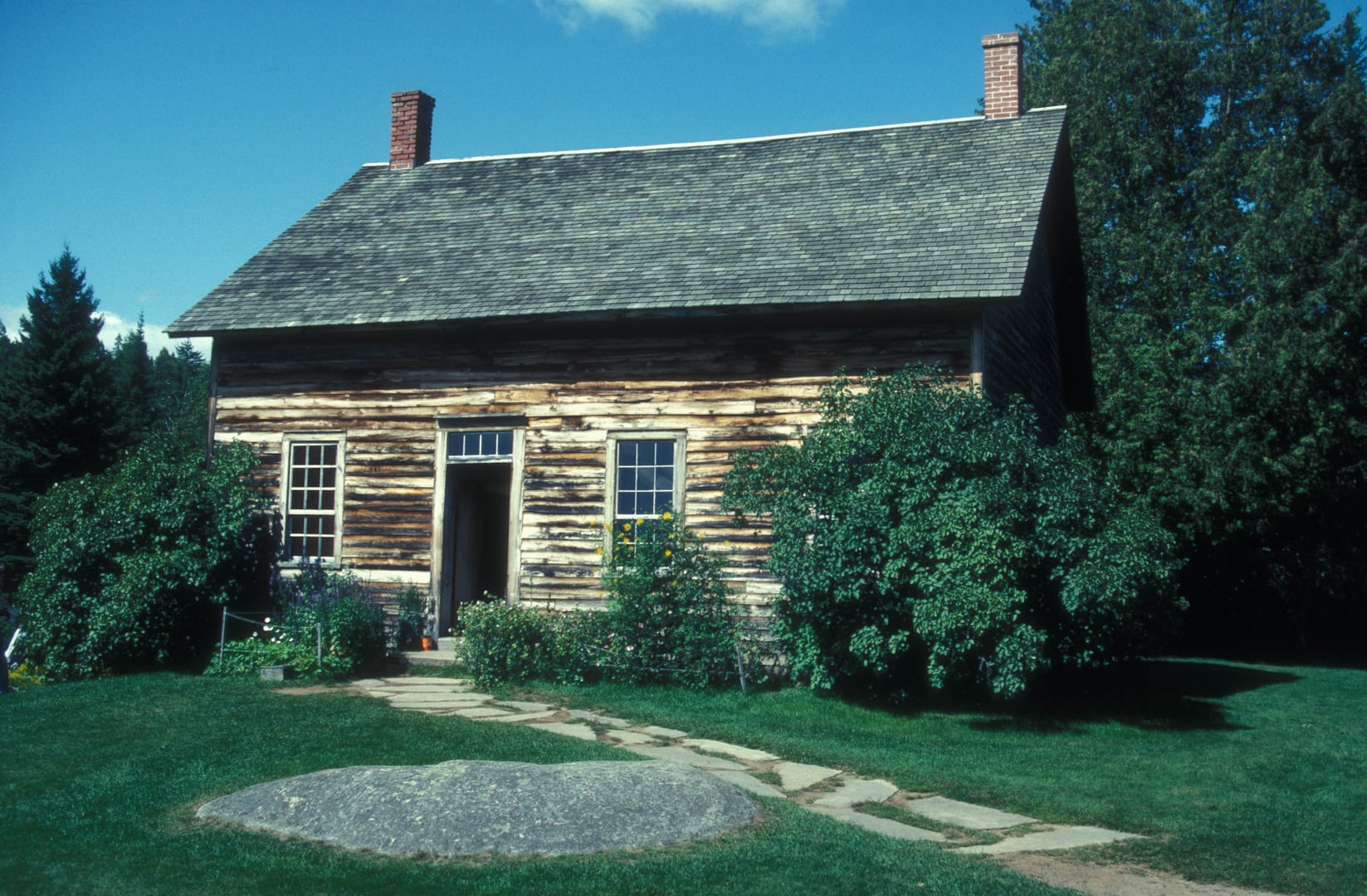
- John Brown Farm State Historic SiteLake Placid · Museum / Historical SiteHigh
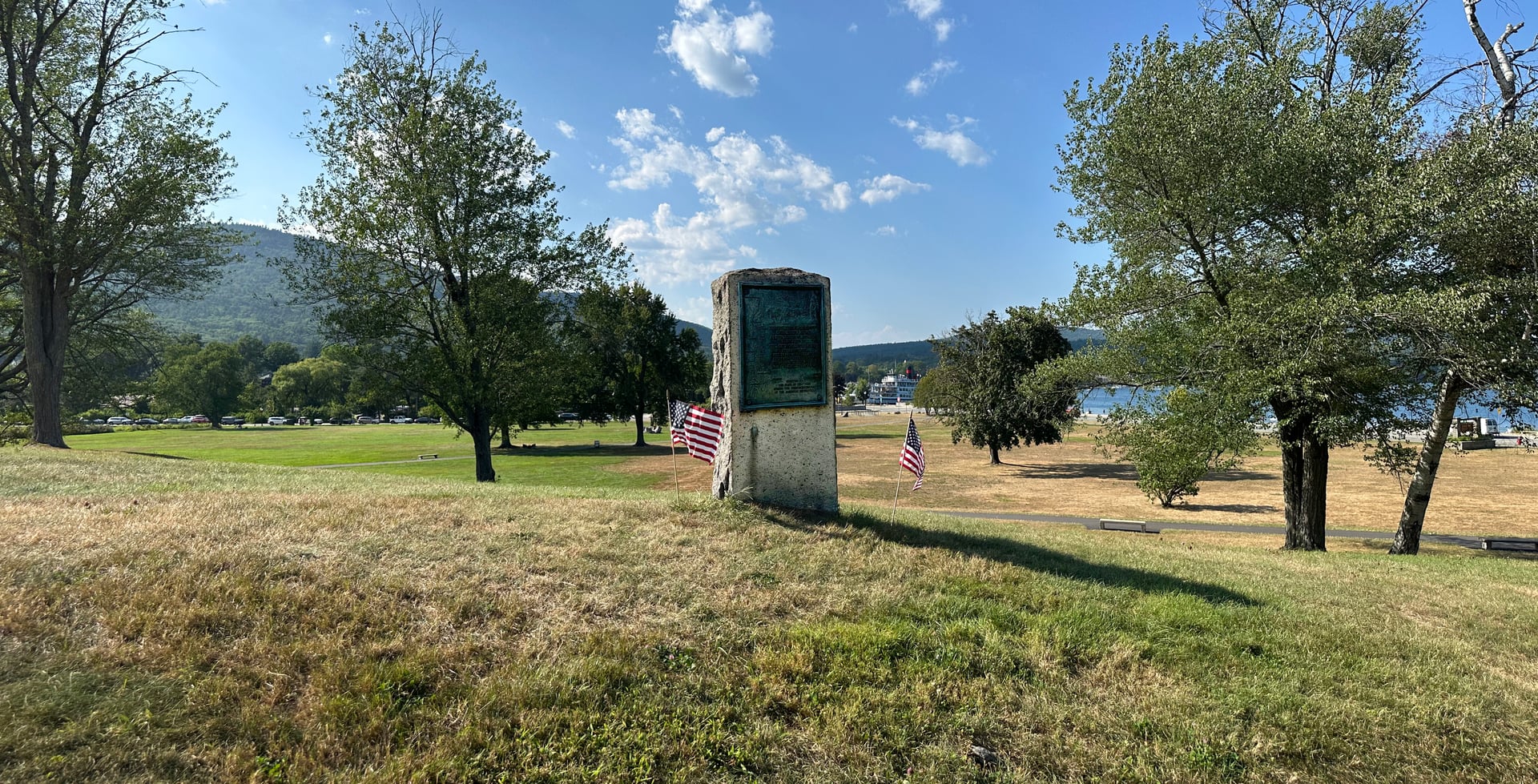
- Lake George Battlefield ParkLake George · Battlefield / Military SiteHigh
- Lake Placid — Pulpit Rock (Mabel Smith Douglass Site)Lake Placid · Outdoor / Natural SiteModerate
- Old Fort House MuseumFort Edward · Museum / Historical SiteHigh
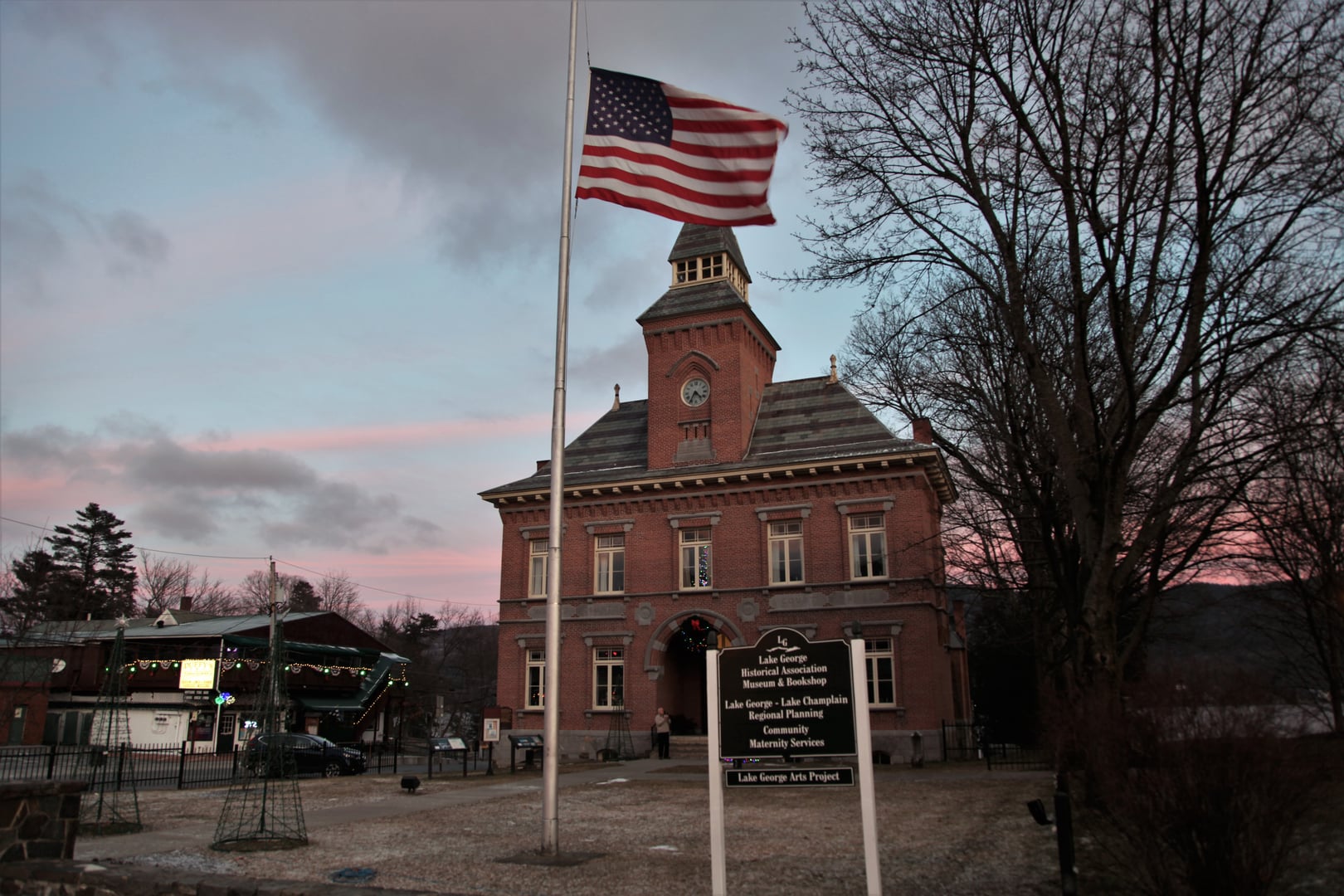
- Old Warren County Courthouse (Lake George Historical Association)Lake George · Museum / Historical SiteModerate
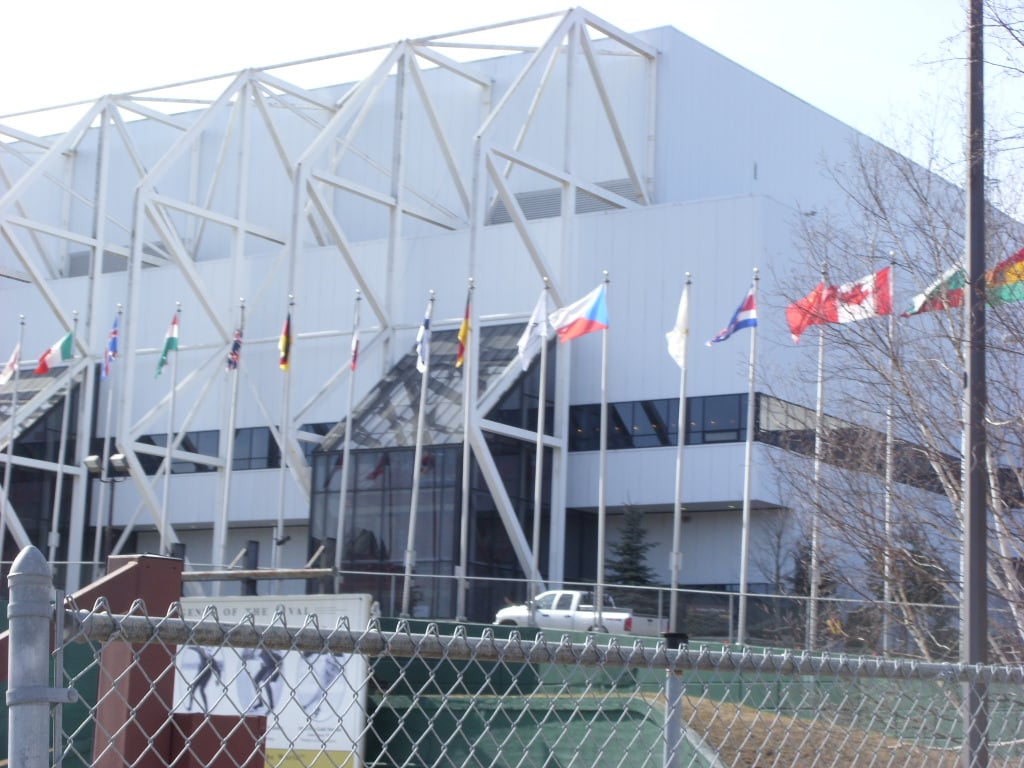
- Olympic Center (Herb Brooks Arena)Lake Placid · Museum / Historical SiteHigh
- Parks-Bentley PlaceSouth Glens Falls · Museum / Historical SiteHigh
- Prescott HouseSaranac Lake · Asylum / HospitalModerate
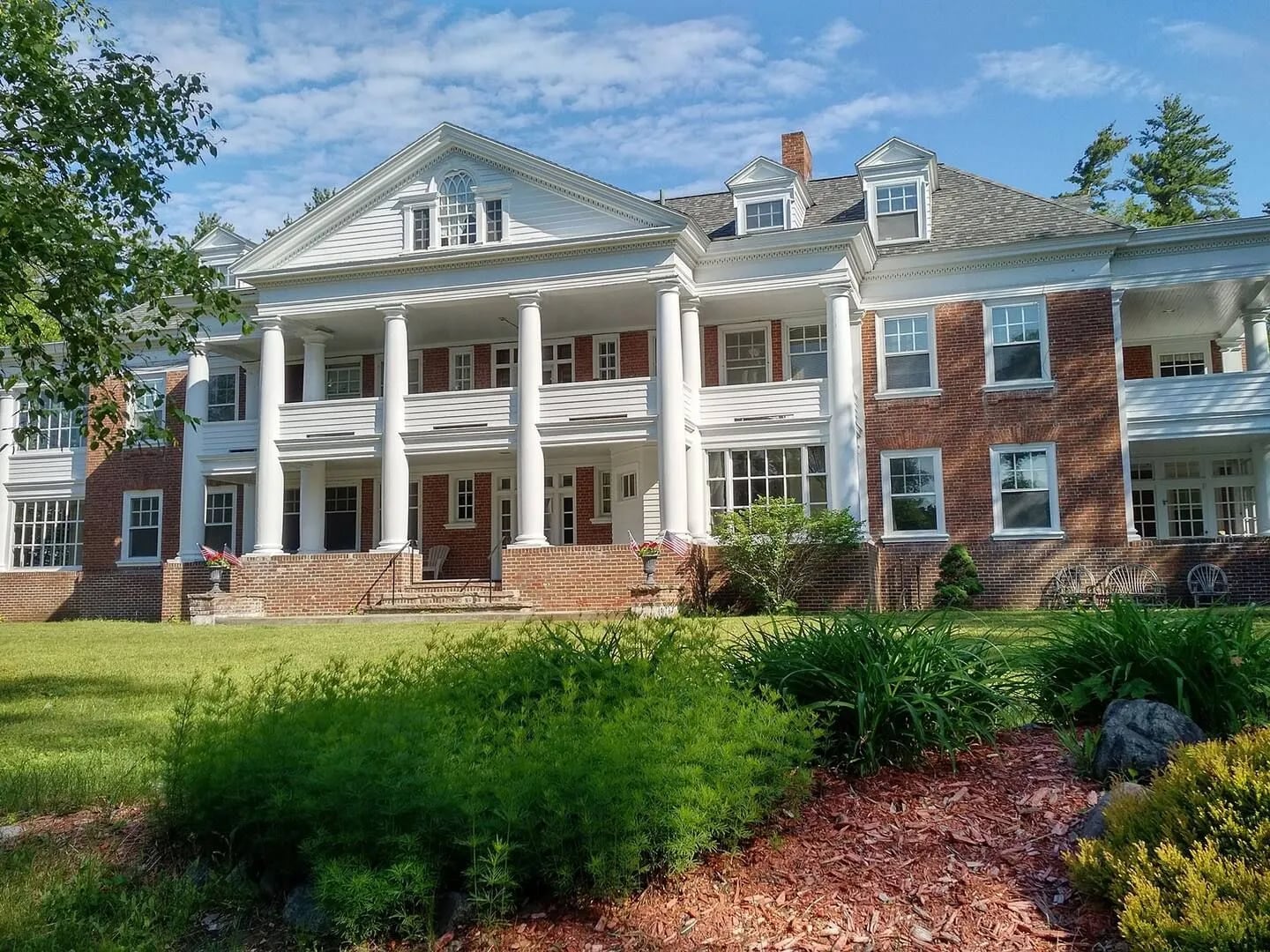
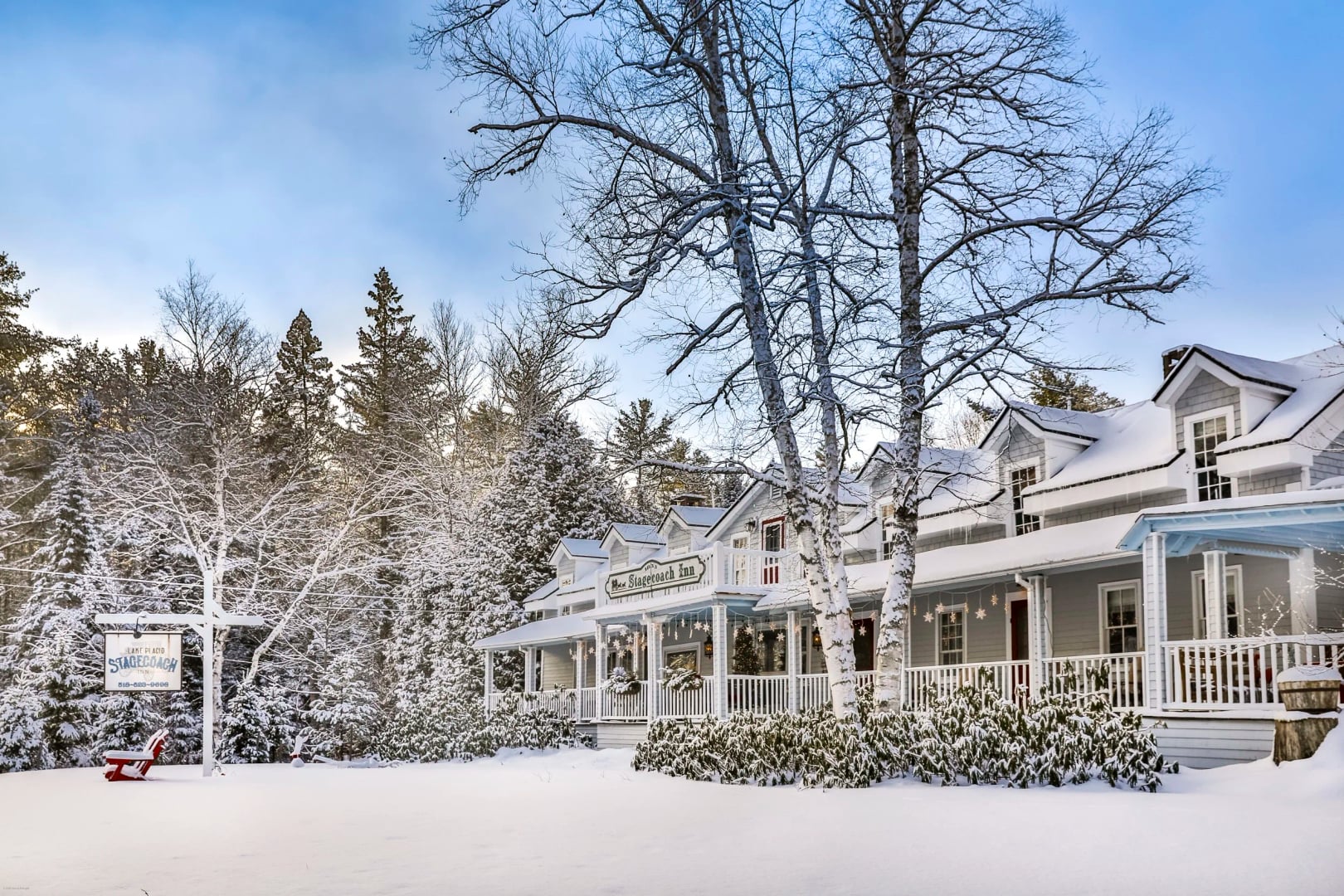
- Stagecoach InnLake Placid · Haunted Hotel / InnHigh
Southern Tier
13Expand
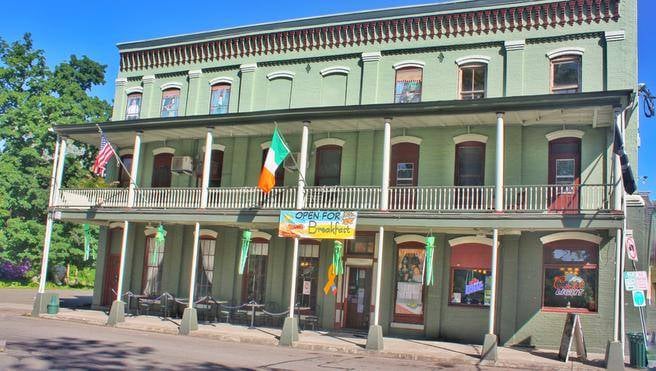
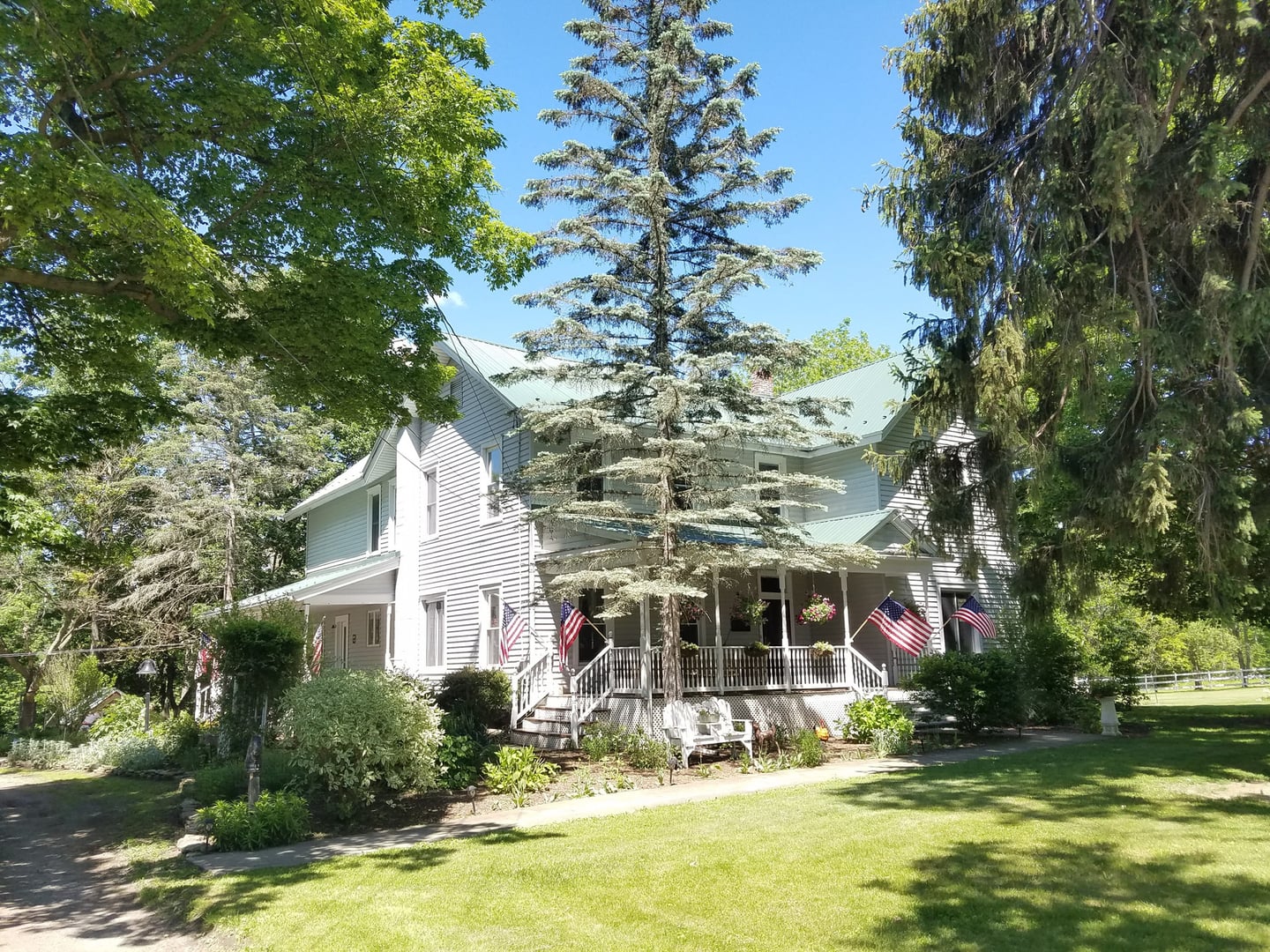
- 1867 Parkview InnOwego · Haunted Hotel / InnModerate
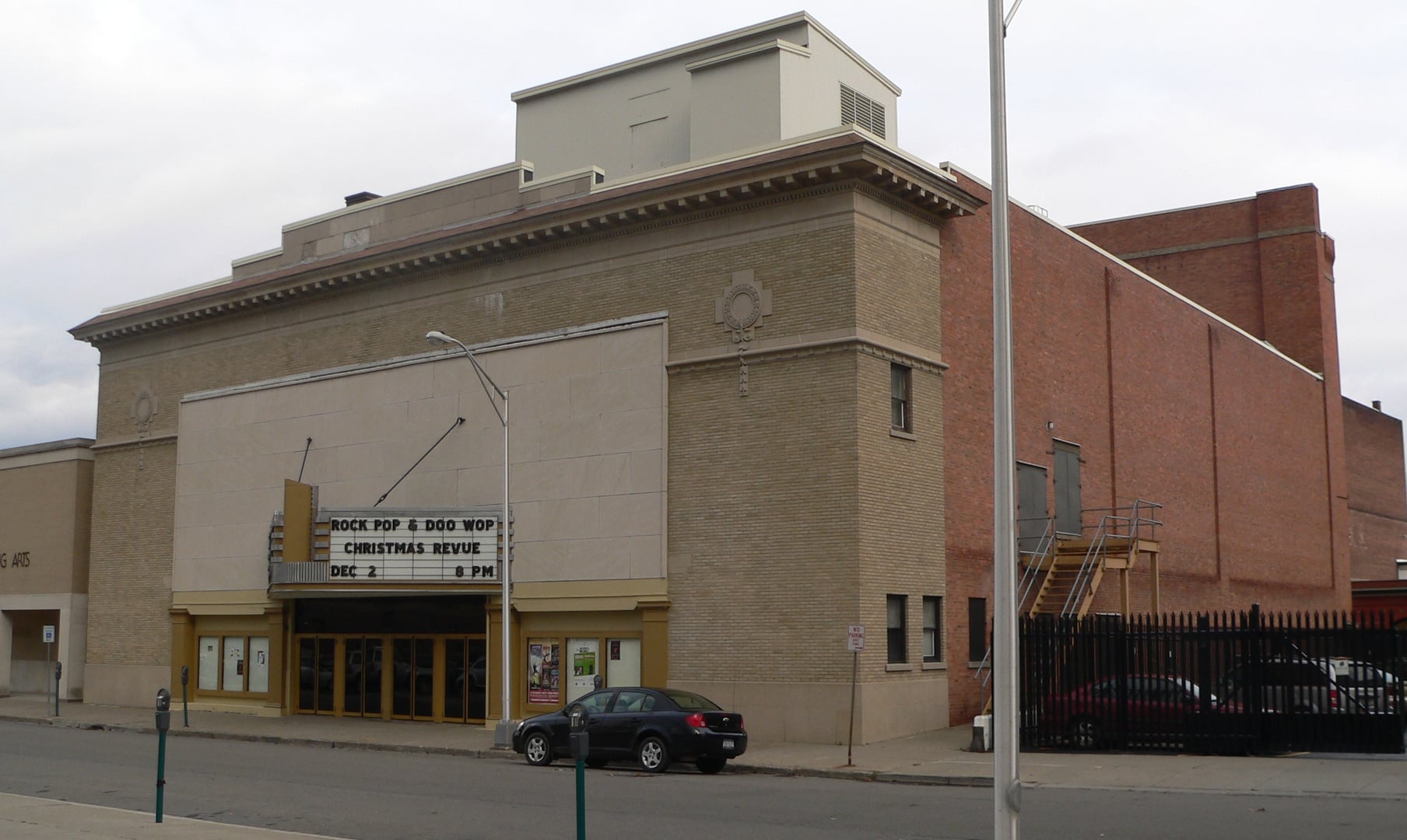
- Broome County Forum TheatreBinghamton · Theater / Performance VenueHigh
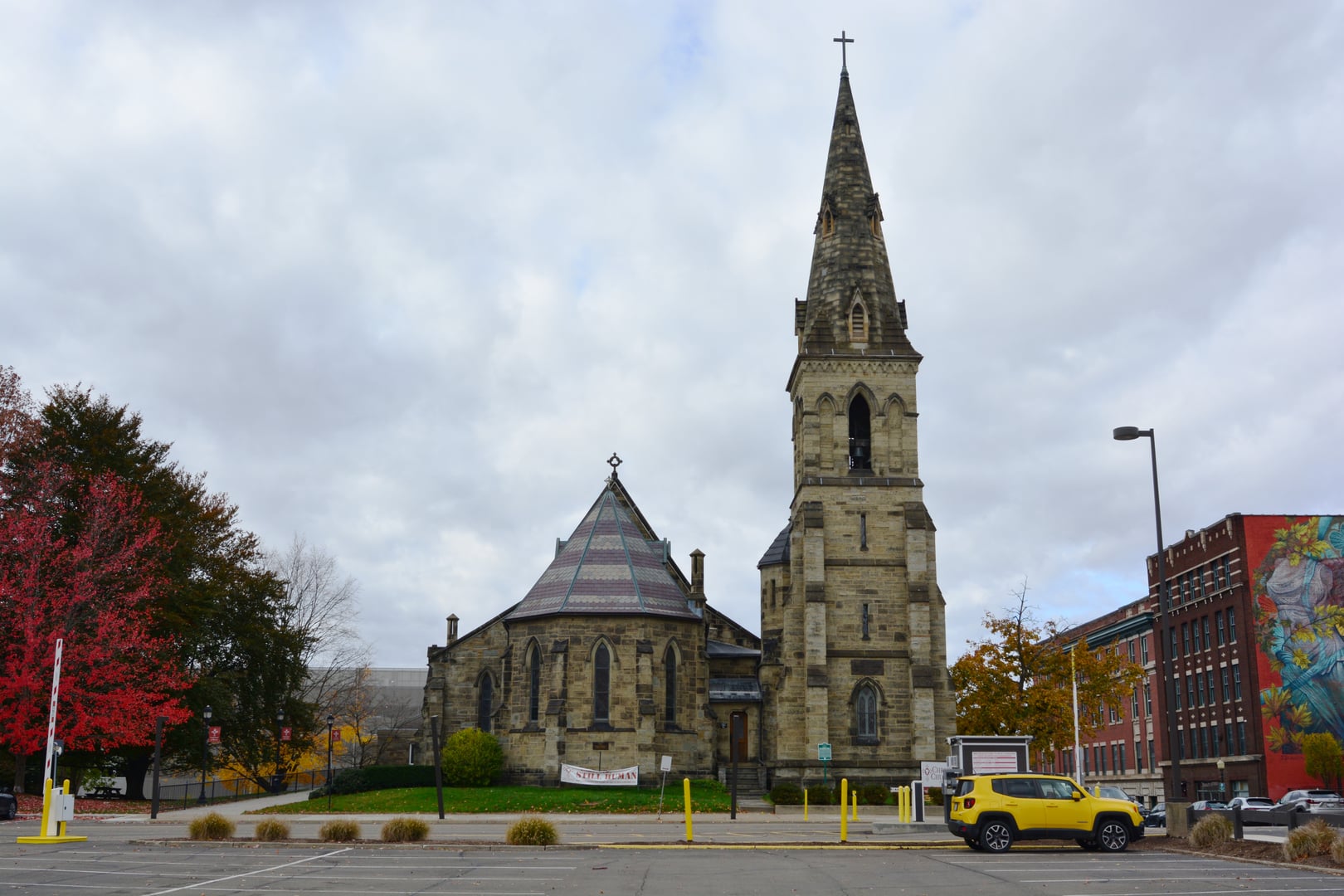
- Christ Church (Binghamton)Binghamton · Museum / Historical SiteHigh
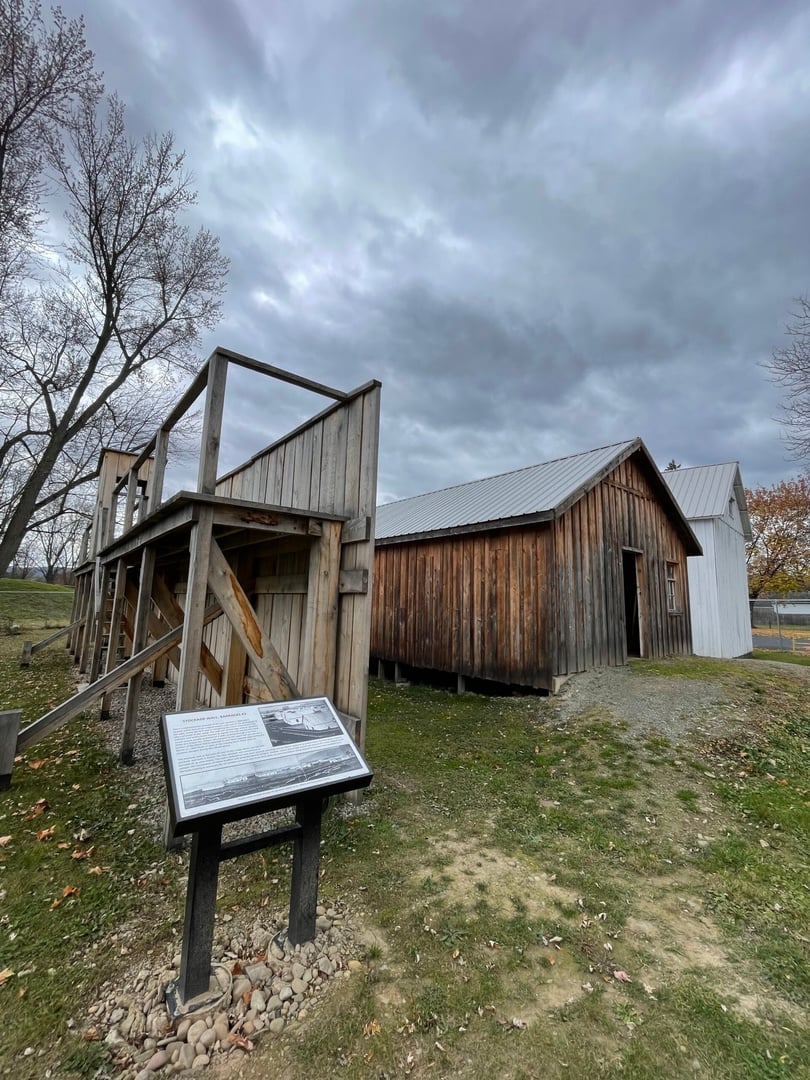
- Elmira Civil War Prison Camp (Hellmira)Elmira · Battlefield / Military SiteModerate
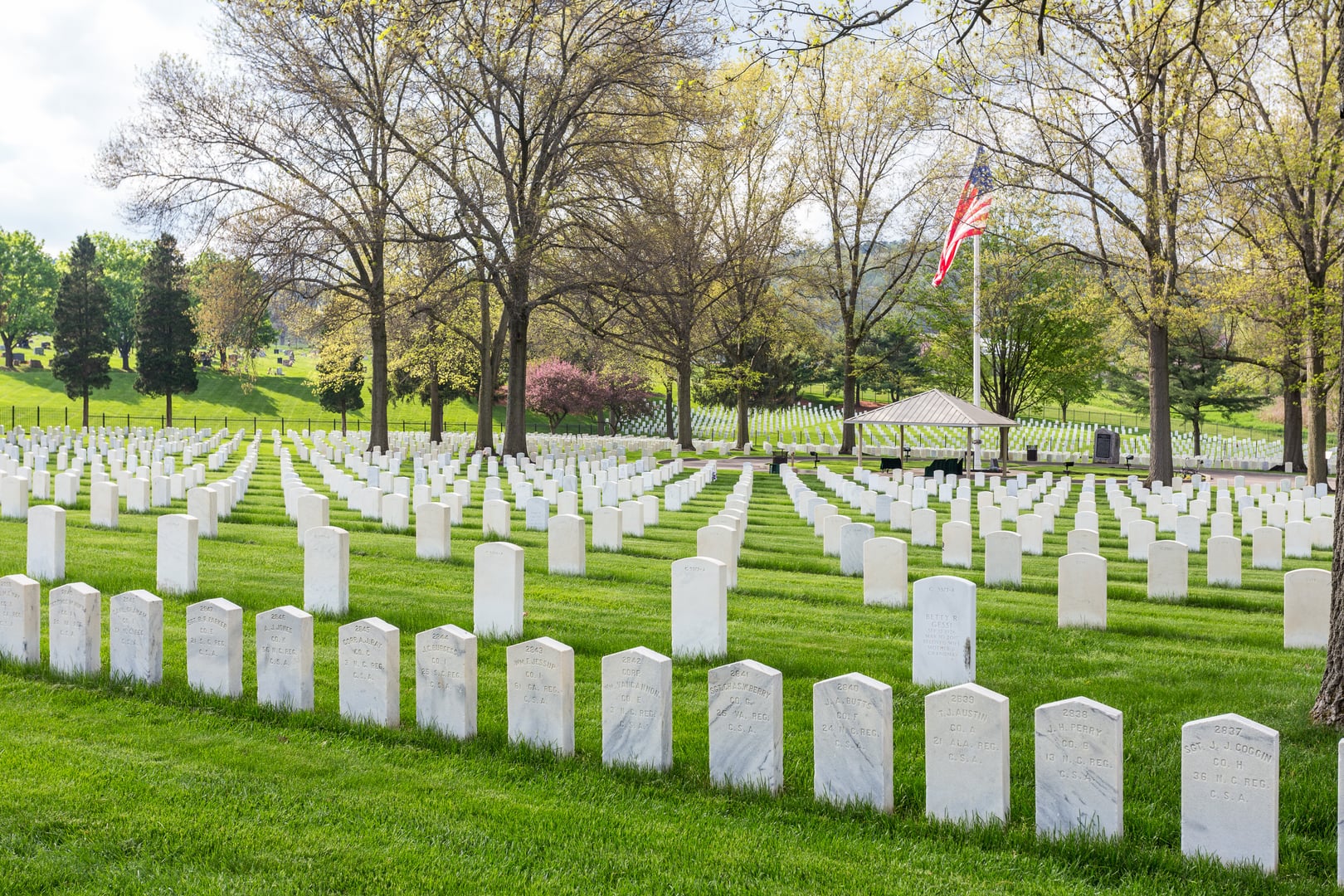
- Elmira Prison Camp (Woodlawn National Cemetery)Elmira · Cemetery / Burial GroundHigh
- Fainting Goat Island InnNichols · Haunted Hotel / InnModerate
- Kilmer MansionBinghamton · Haunted House / Historic HomeModerate
- Roberson MansionBinghamton · Museum / Historical SiteHigh
- Roberson Museum and Science CenterBinghamton · Museum / Historical SiteHigh
- Spring Forest CemeteryBinghamton · Cemetery / Burial GroundModerate
- The Castle (Binghamton State Hospital / NY Inebriate Asylum)Binghamton · Asylum / HospitalHigh
- The Historic Bundy HouseBinghamton · Museum / Historical SiteHigh
- Woodlawn Cemetery (Elmira)Elmira · Cemetery / Burial GroundModerate
Rochester Finger Lakes
13Expand
- Fox Sisters Property / Hydesville Memorial ParkNewark · Museum / Historical SiteHigh
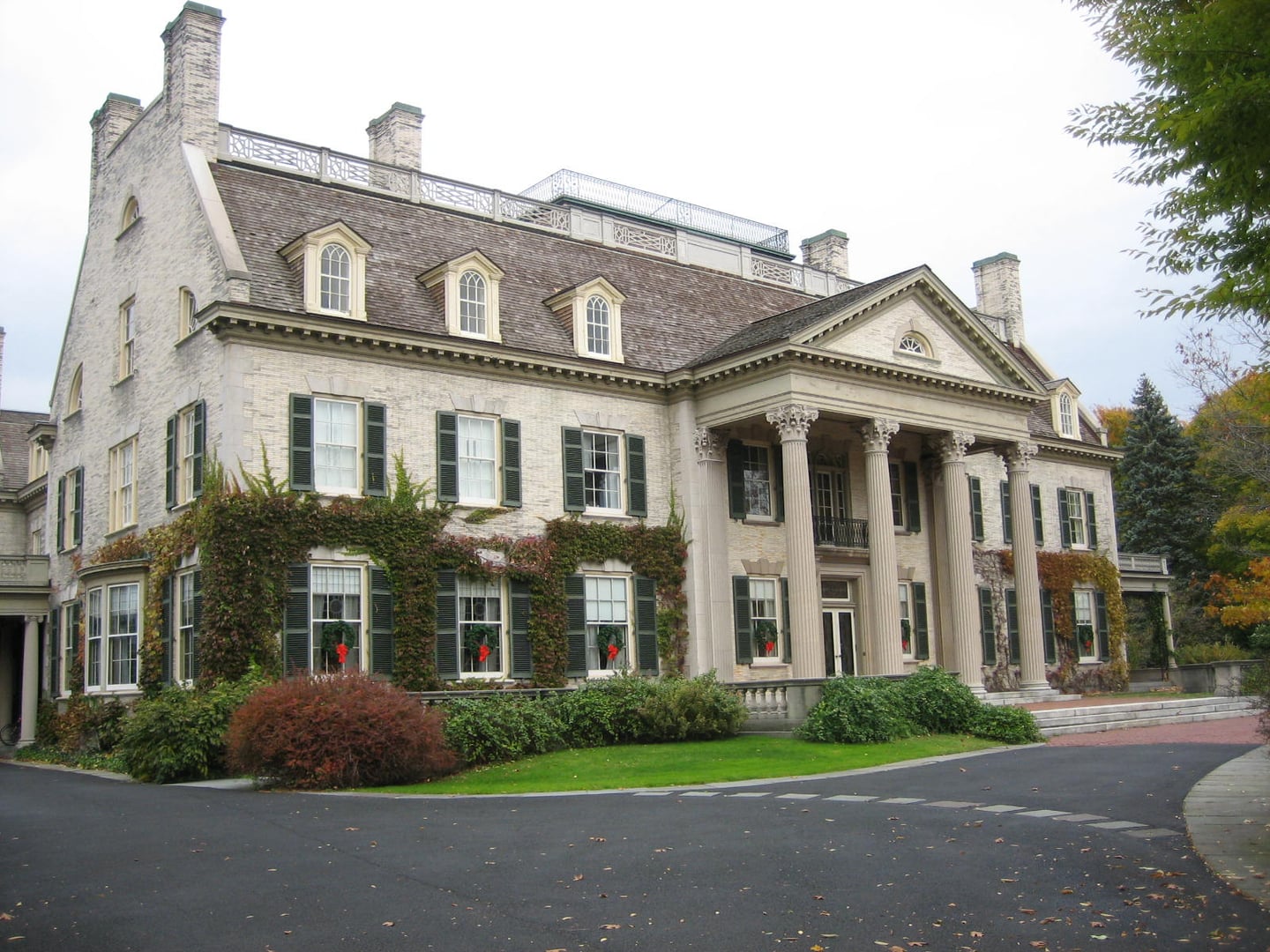
- George Eastman MuseumRochester · Museum / Historical SiteHigh
- Holy Sepulchre CemeteryRochester · Cemetery / Burial GroundModerate
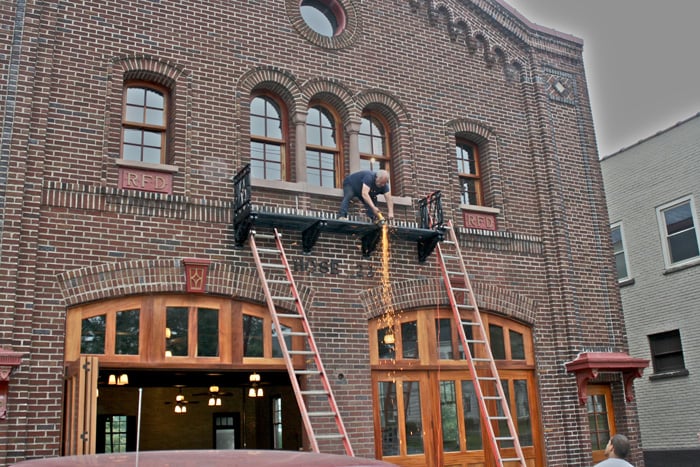
- Hose 22 Firehouse GrillRochester · Haunted Dining / BarHigh
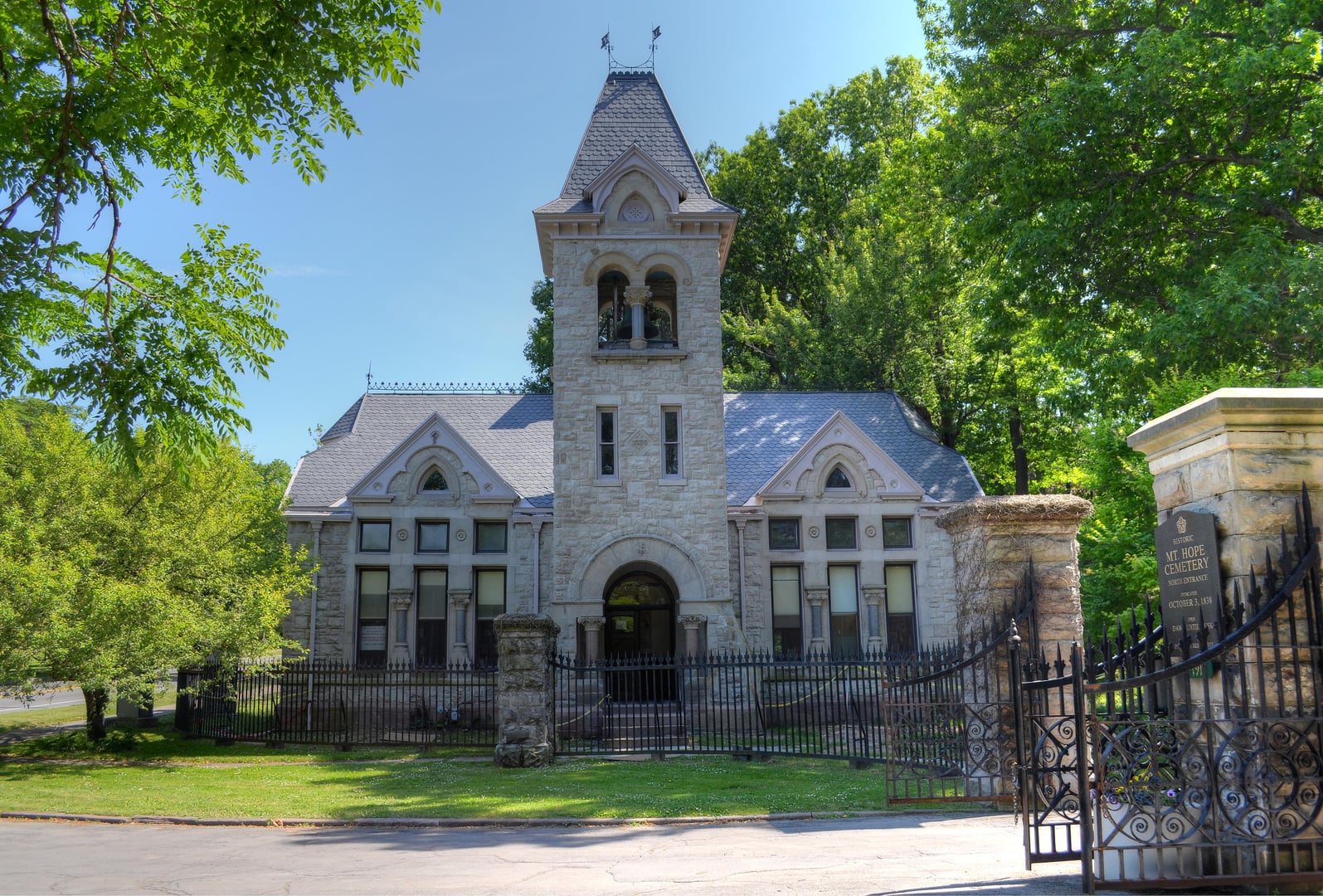
- Mount Hope CemeteryRochester · Cemetery / Burial GroundHigh
- Mount Morris Tuberculosis Sanatorium (Murray Hill Campus)Mount Morris · Museum / Historical SiteModerate
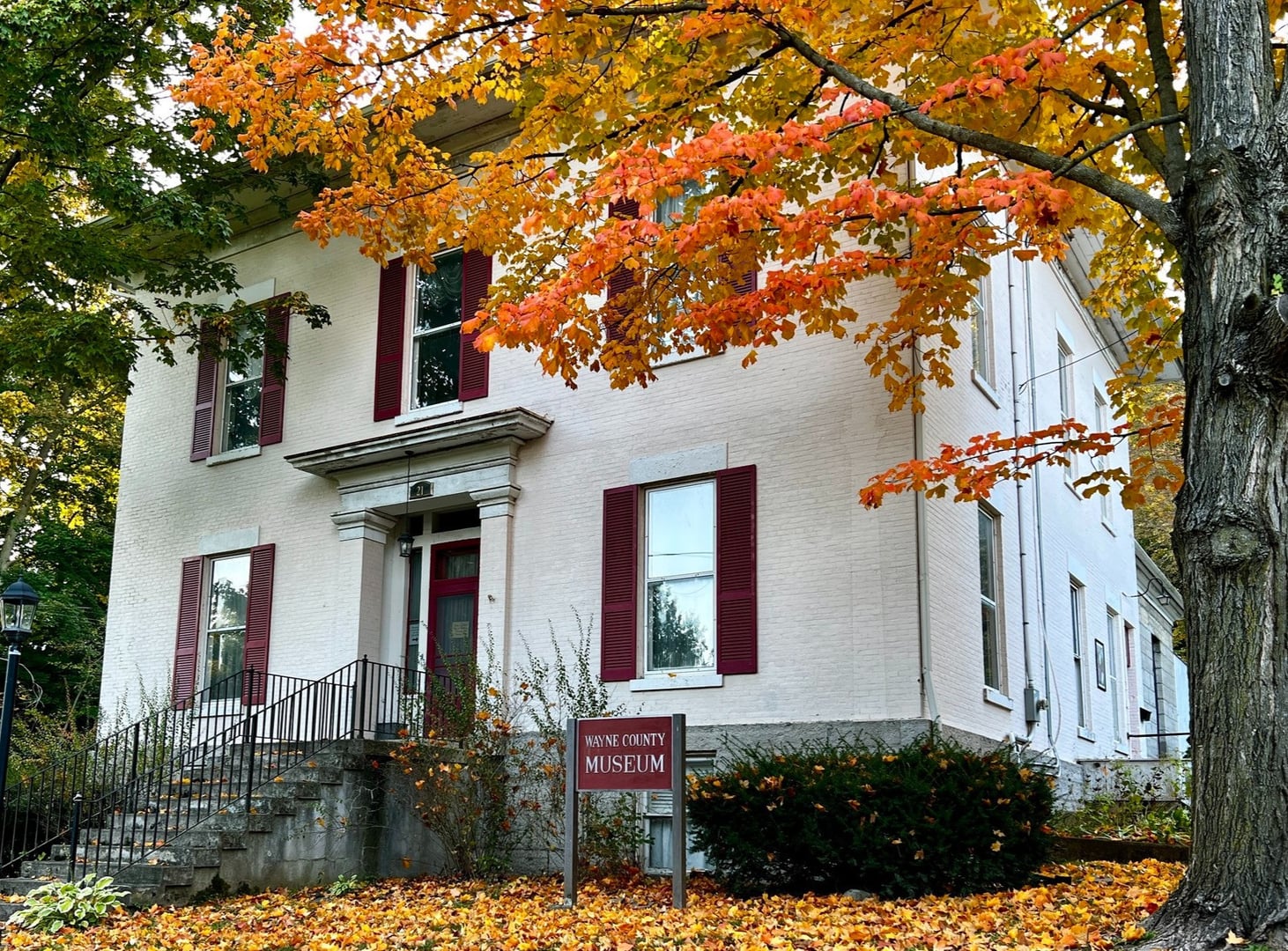
- Museum of Wayne County History (Old Wayne County Jail)Lyons · Prison / ReformatoryModerate
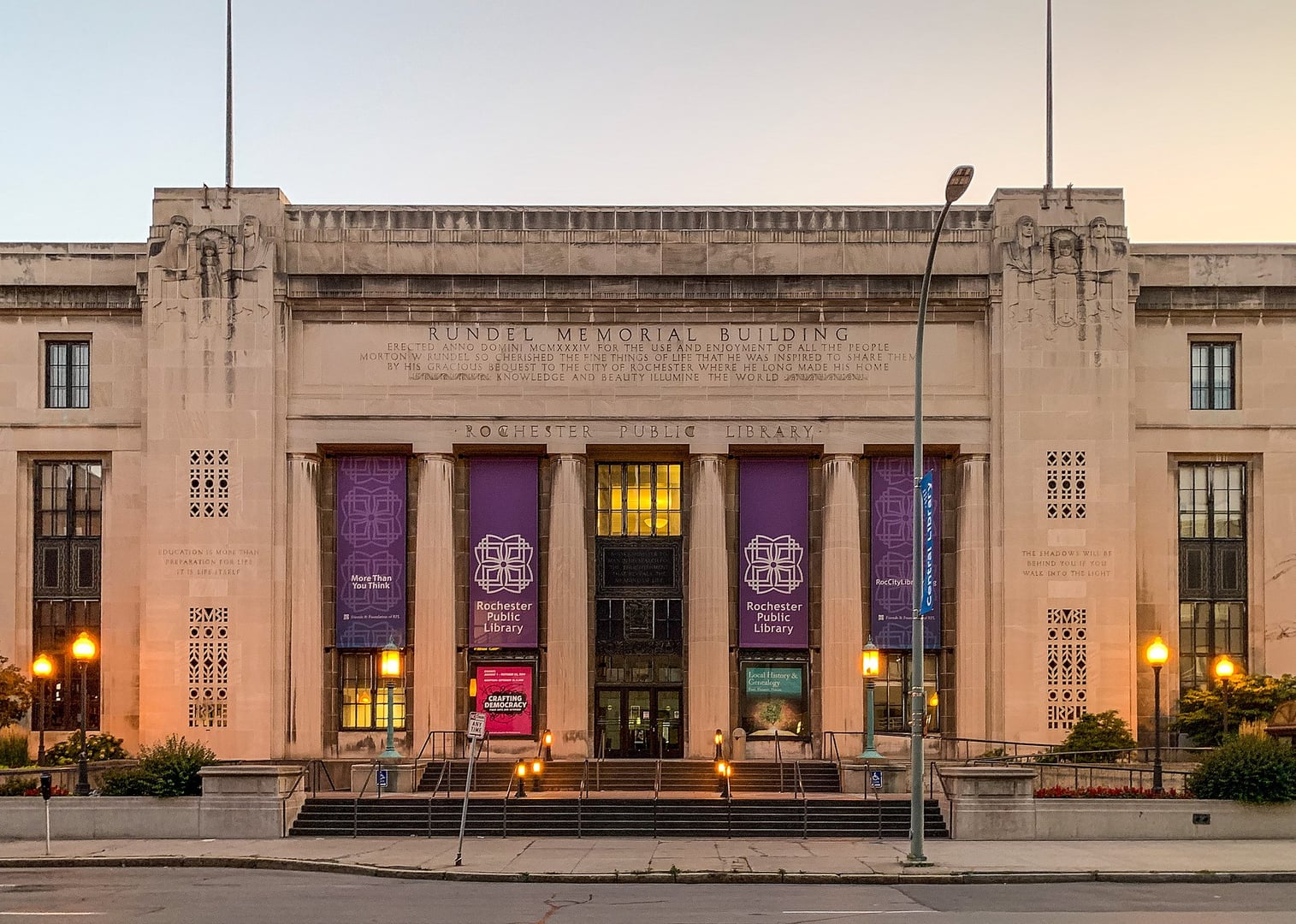
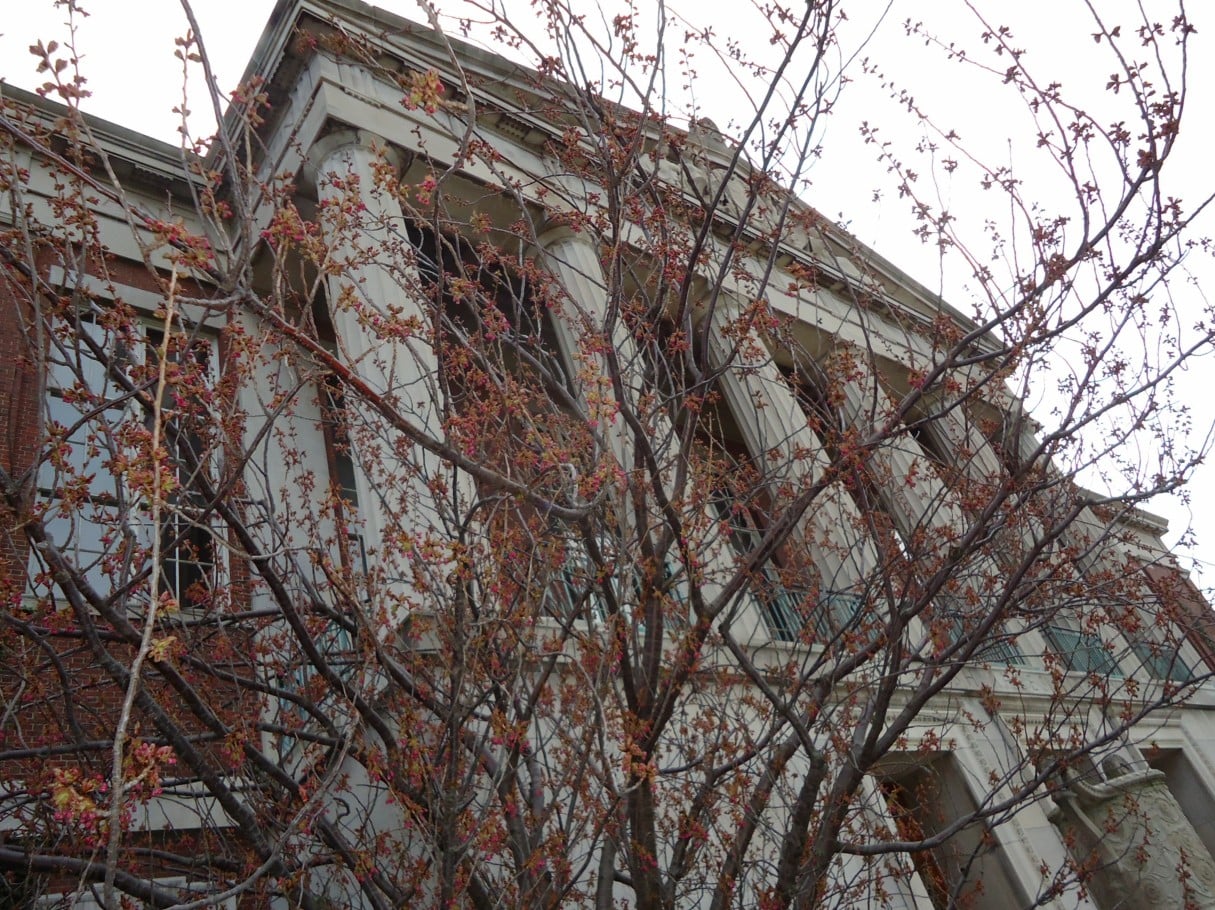
- Rundel Memorial LibraryRochester · Museum / Historical SiteHigh
- Rush Rhees Library (University of Rochester)Rochester · Museum / Historical SiteHigh
- Seneca Falls Historical Society (Becker Mansion)Seneca Falls · Museum / Historical SiteHigh
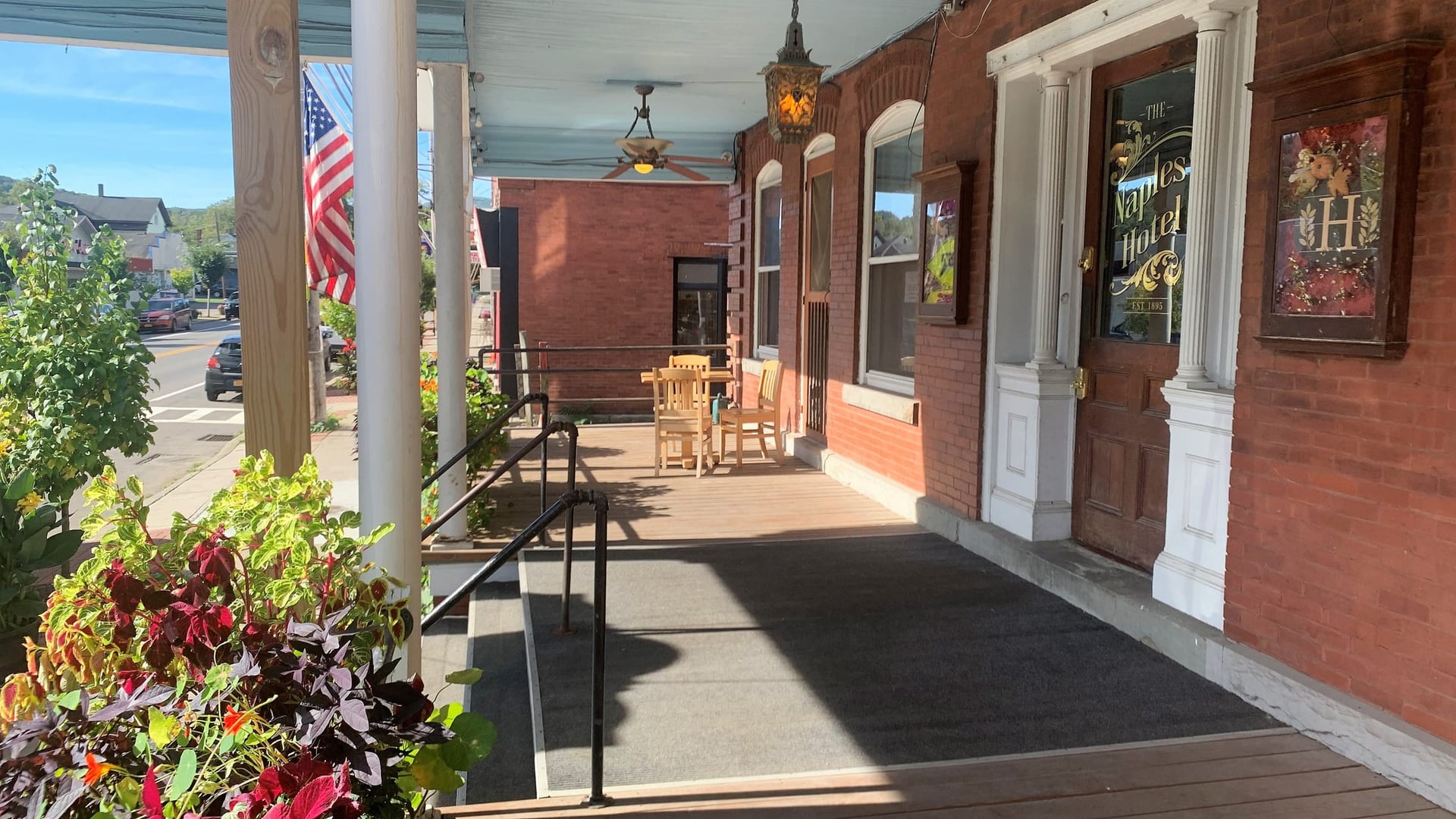
- The Naples HotelNaples · Haunted Hotel / InnModerate
- Union TavernRochester · Haunted Dining / BarHigh
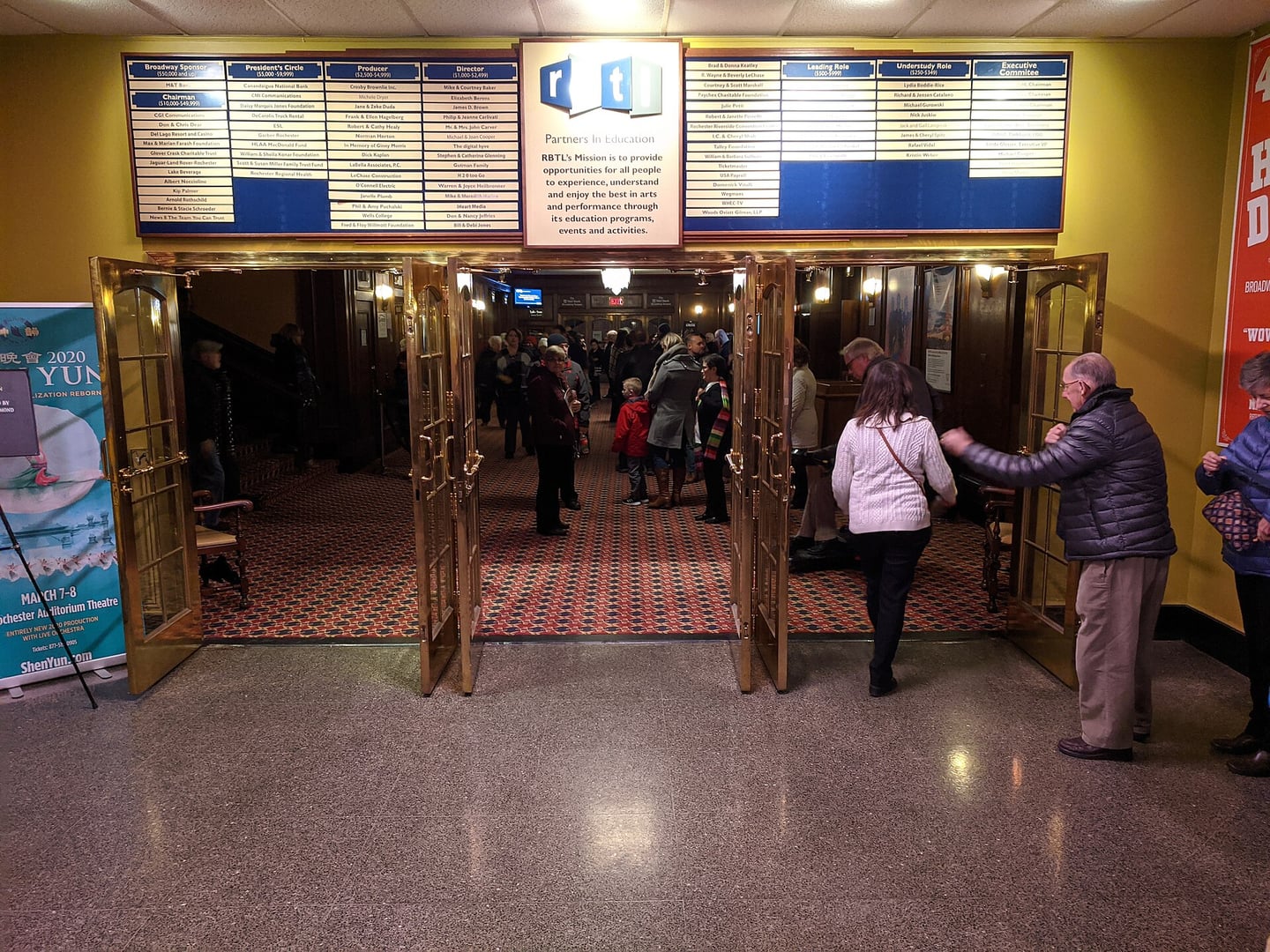
- West Herr Auditorium TheatreRochester · Theater / Performance VenueHigh
Finger Lakes
10Expand
- Auburn Correctional Facility (Site of First Electric Chair Execution)Auburn · Museum / Historical SiteModerate
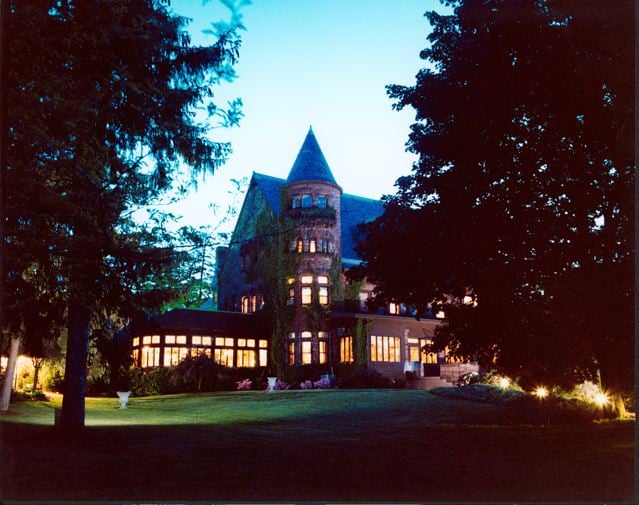
- Belhurst CastleGeneva · Haunted Hotel / InnHigh
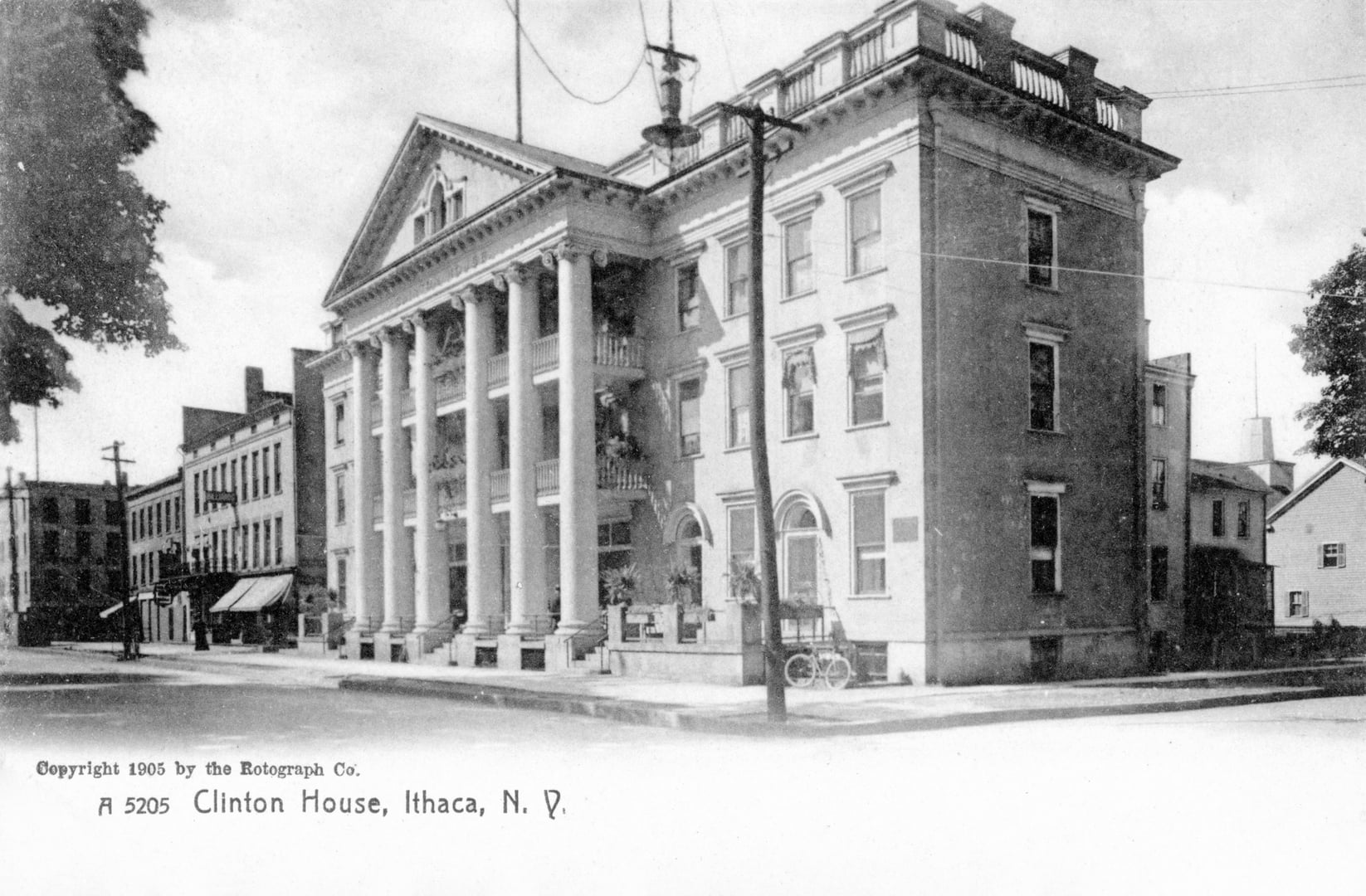
- Clinton HouseIthaca · Museum / Historical SiteHigh
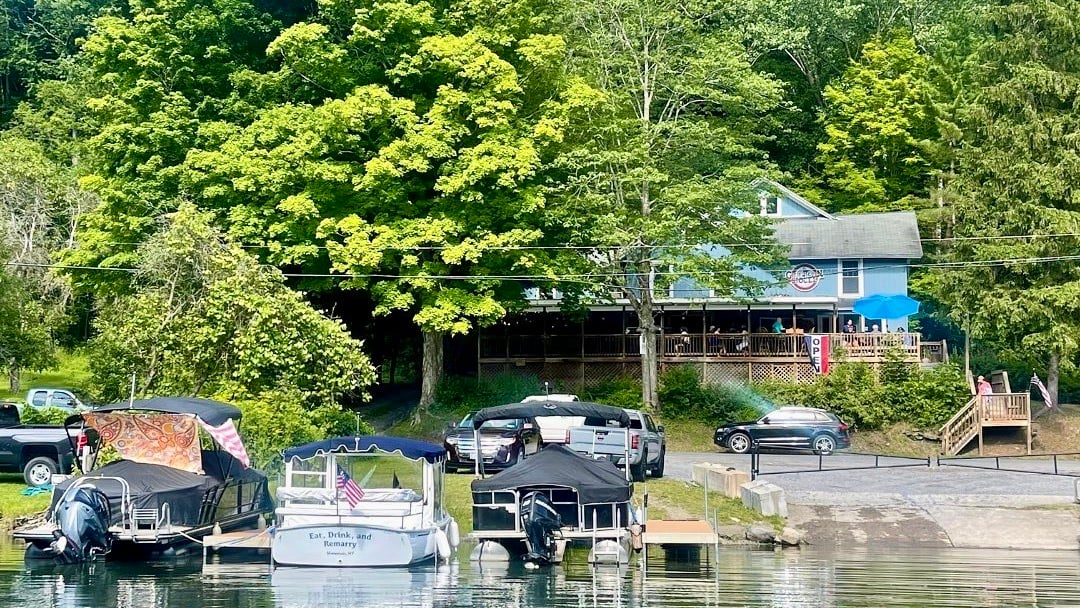
- Miles Wine CellarsHimrod · Haunted Dining / BarHigh
- Morton Salt Mine & Plant (Himrod)Himrod · Outdoor / Natural SiteHigh
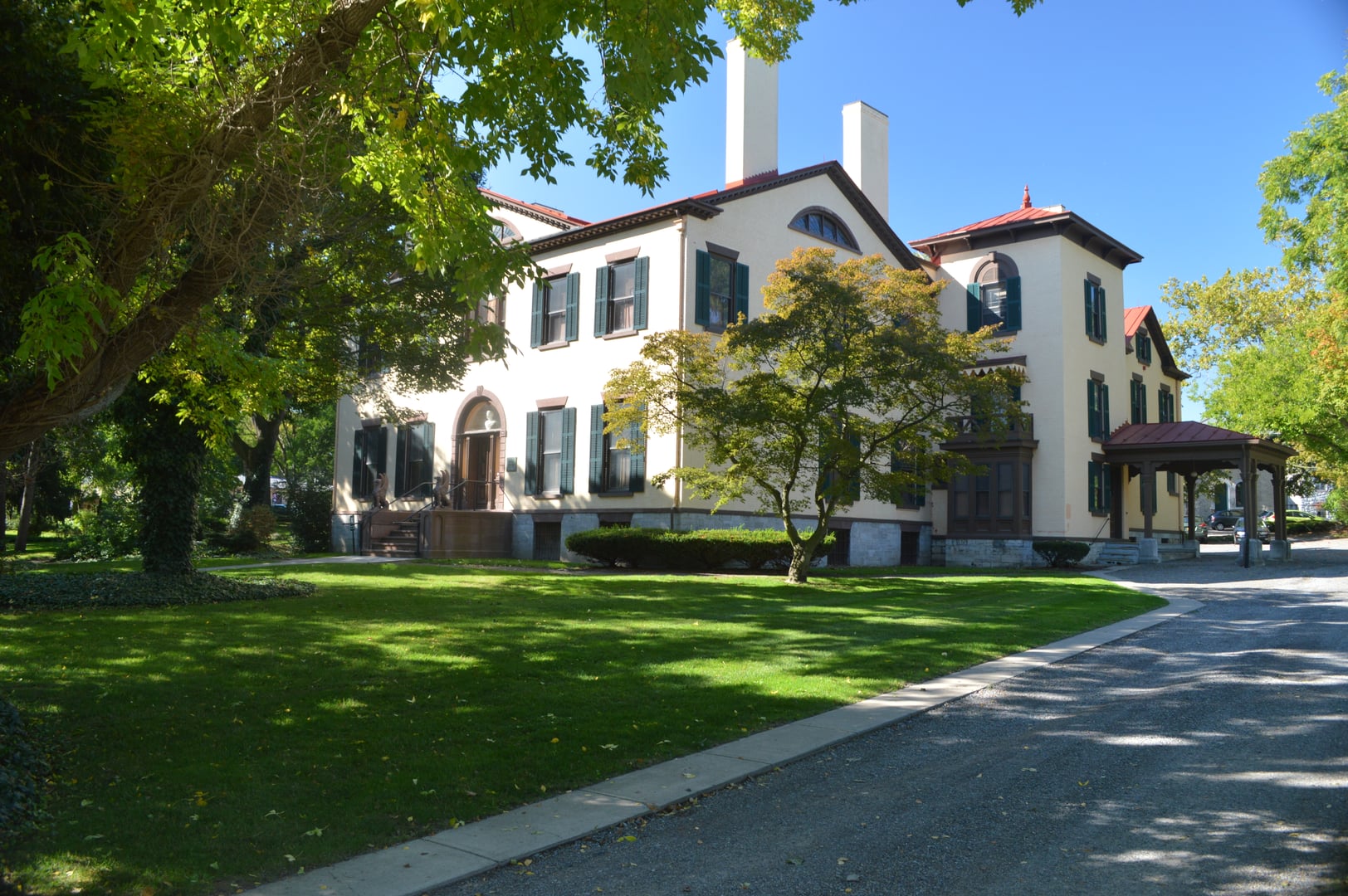
- Seward House MuseumAuburn · Museum / Historical SiteModerate
- The Aurora InnAurora · Haunted Hotel / InnHigh
- The Glen Haven HotelHomer · Haunted Hotel / InnModerate
- The History Center in Tompkins County (Haunted History Tours)Ithaca · Ghost Tour / Walking TourModerate
- The Screamer of Glen HavenGlen Haven · Outdoor / Natural SiteModerate
North Country
7Expand
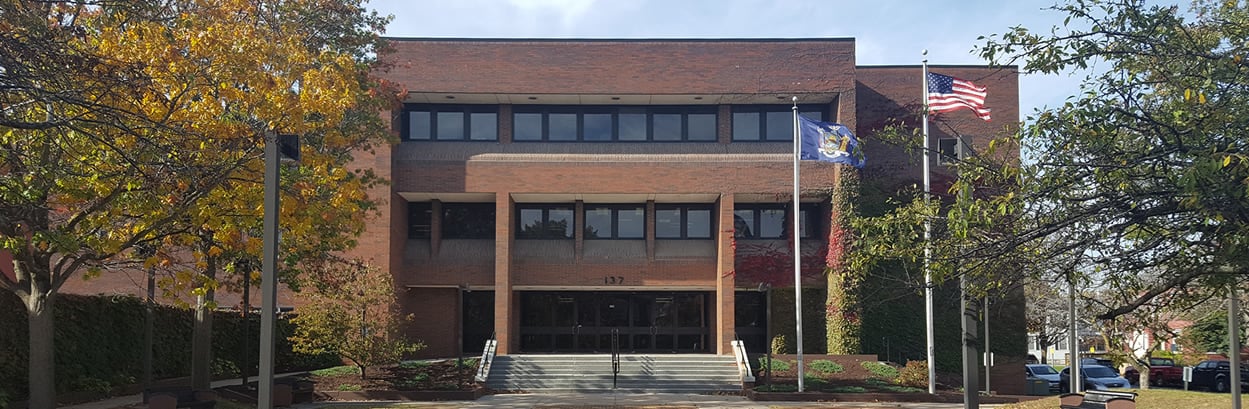
- Clinton County CourthousePlattsburgh · True Crime SiteModerate
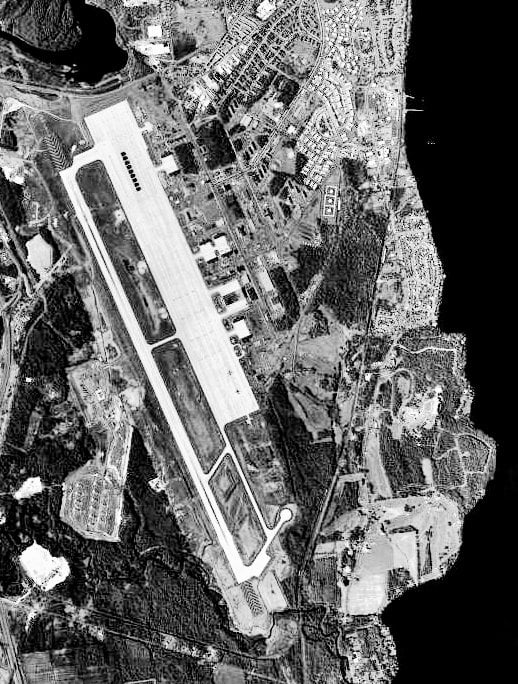
- Former Plattsburgh Air Force Base (Old Gym)Plattsburgh · Battlefield / Military SiteModerate
- Greater Adirondack Ghost & Tour CompanyPlattsburgh · Ghost Tour / Walking TourModerate
- Macdonough Hall (SUNY Plattsburgh)Plattsburgh · Museum / Historical SiteModerate
- Ogdensburg History Museum Ghost WalkOgdensburg · Ghost Tour / Walking TourModerate
- The Claire HouseOgdensburg · Haunted Hotel / InnModerate
- US Ghost Adventures PlattsburghPlattsburgh · Ghost Tour / Walking TourModerate
Northern
5Expand
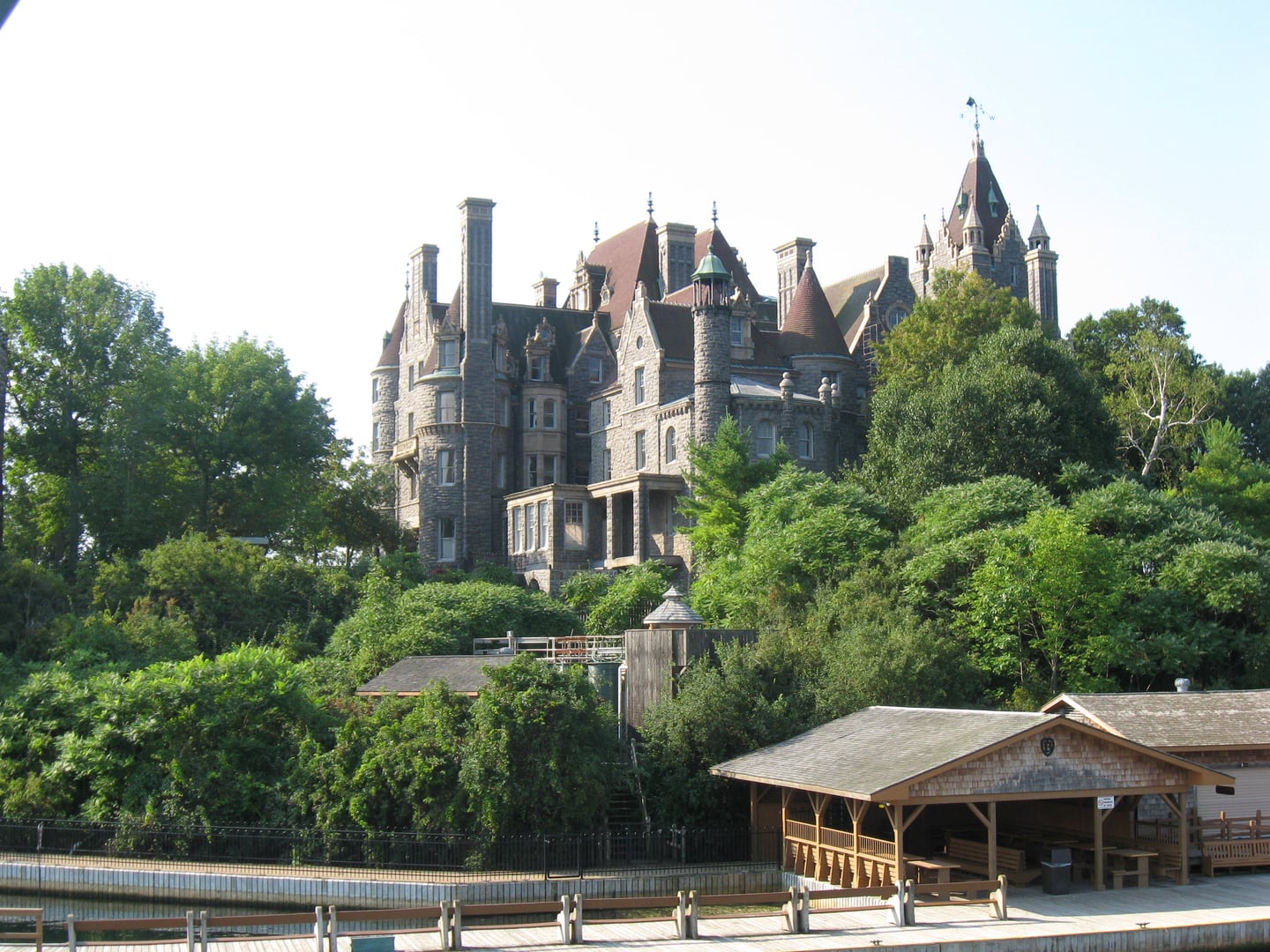
- Boldt CastleAlexandria Bay · Museum / Historical SiteHigh
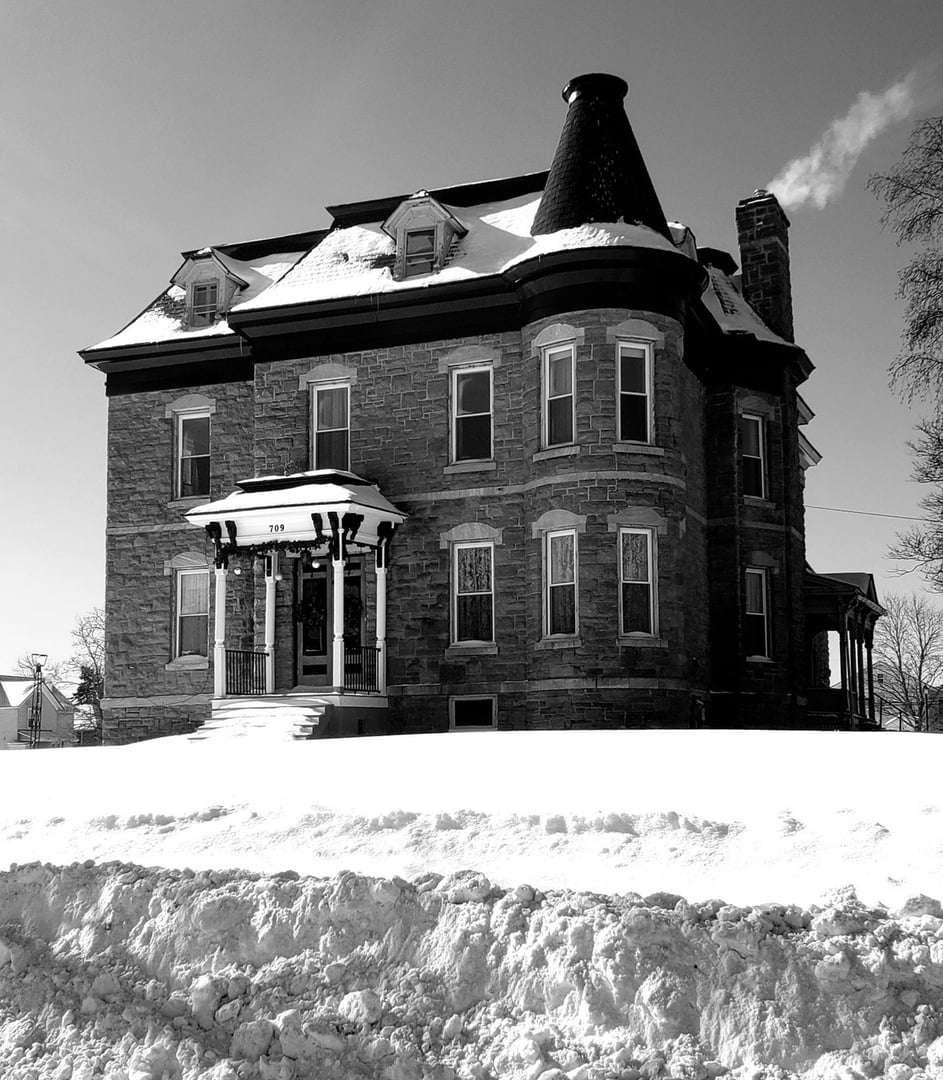
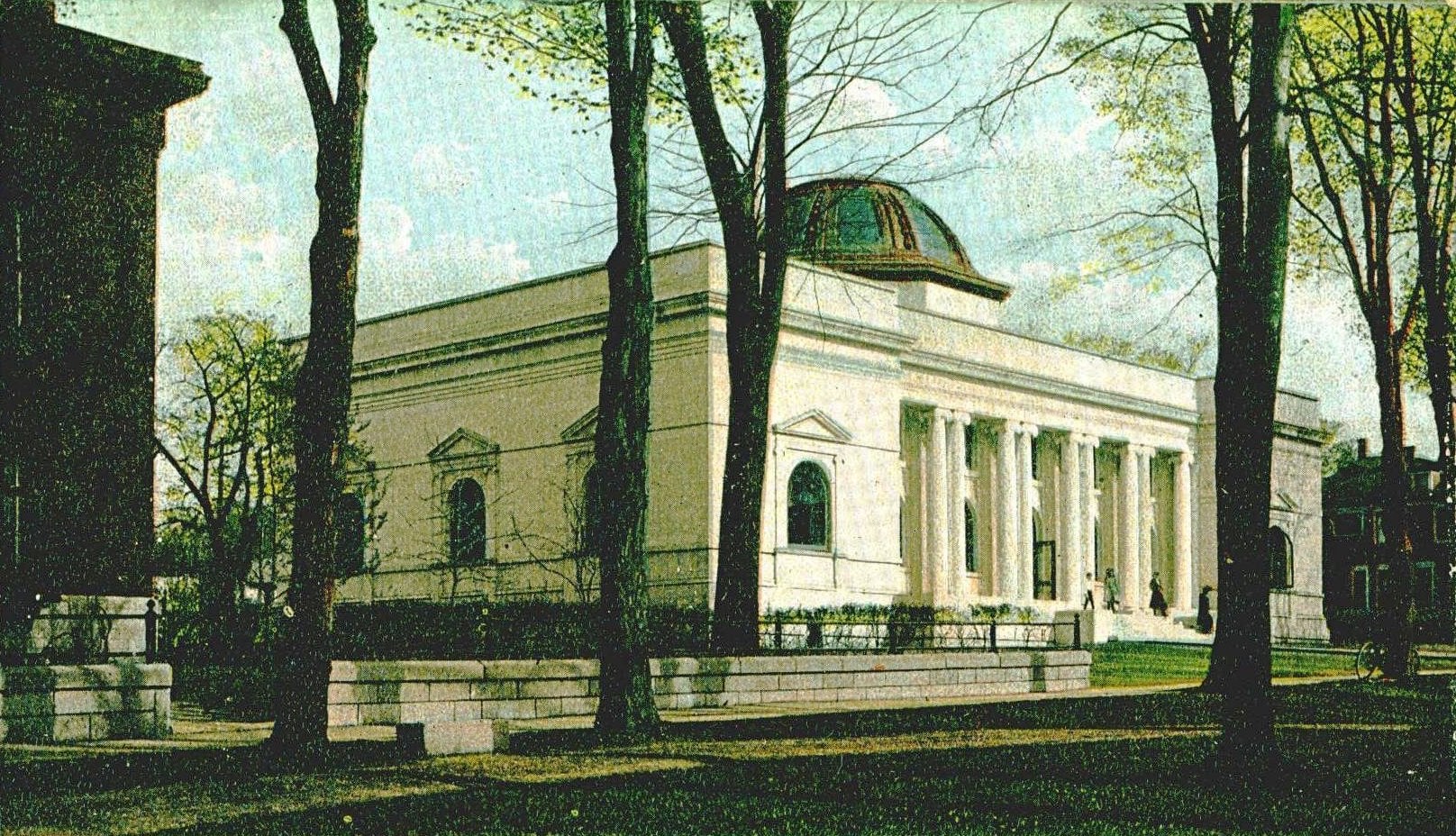
- Flower Memorial Library (Roswell P. Flower Memorial Library)Watertown · Museum / Historical SiteHigh
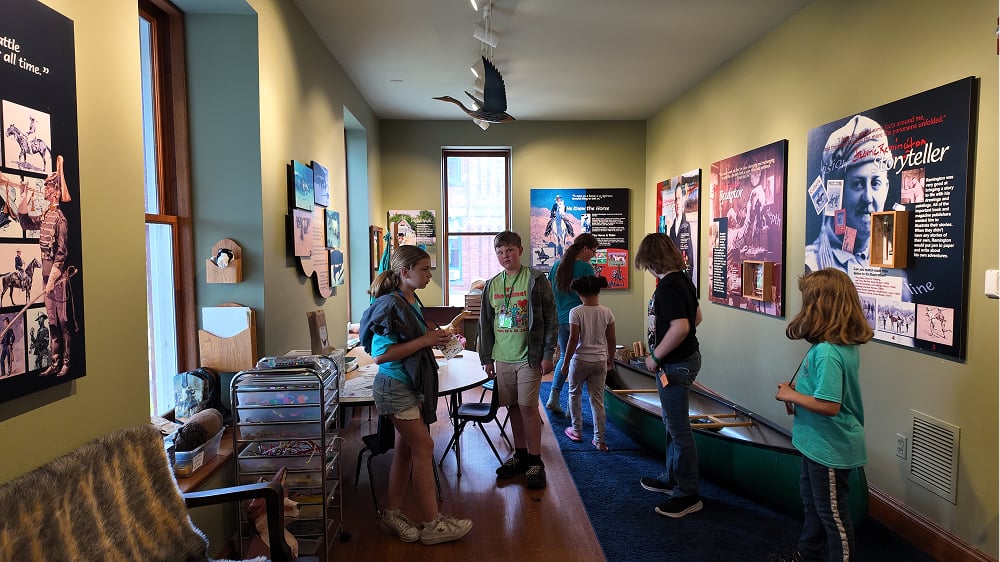
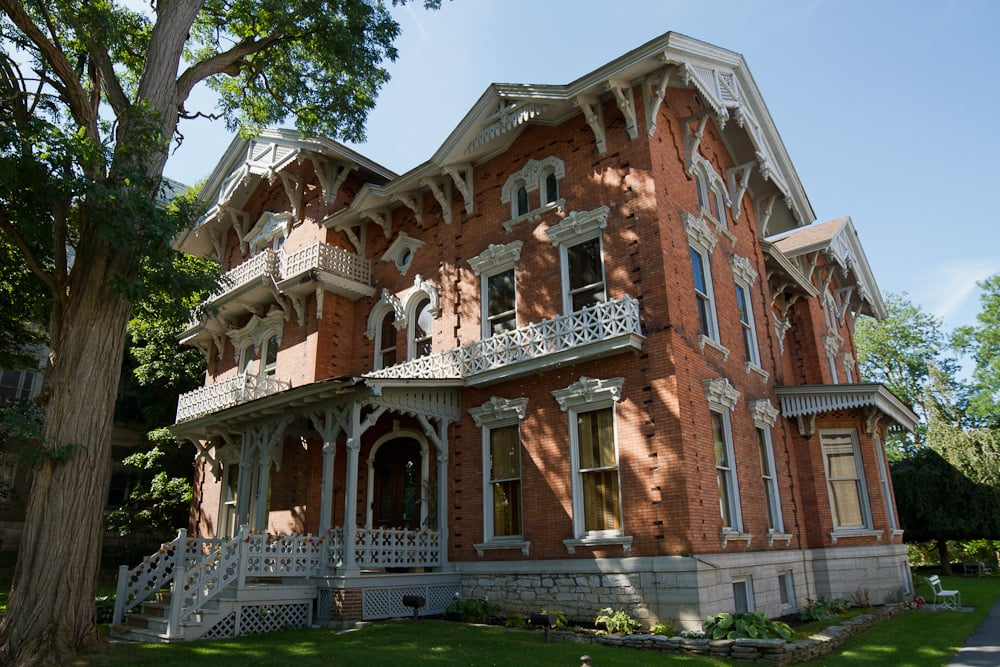
- Frederic Remington Art MuseumOgdensburg · Museum / Historical SiteHigh
- The Paddock Mansion (Jefferson County Historical Society Museum)Watertown · Museum / Historical SiteModerate
- Thompson Park (Thompson Park Vortex)Watertown · Outdoor / Natural SiteModerate
Upstate
4Expand
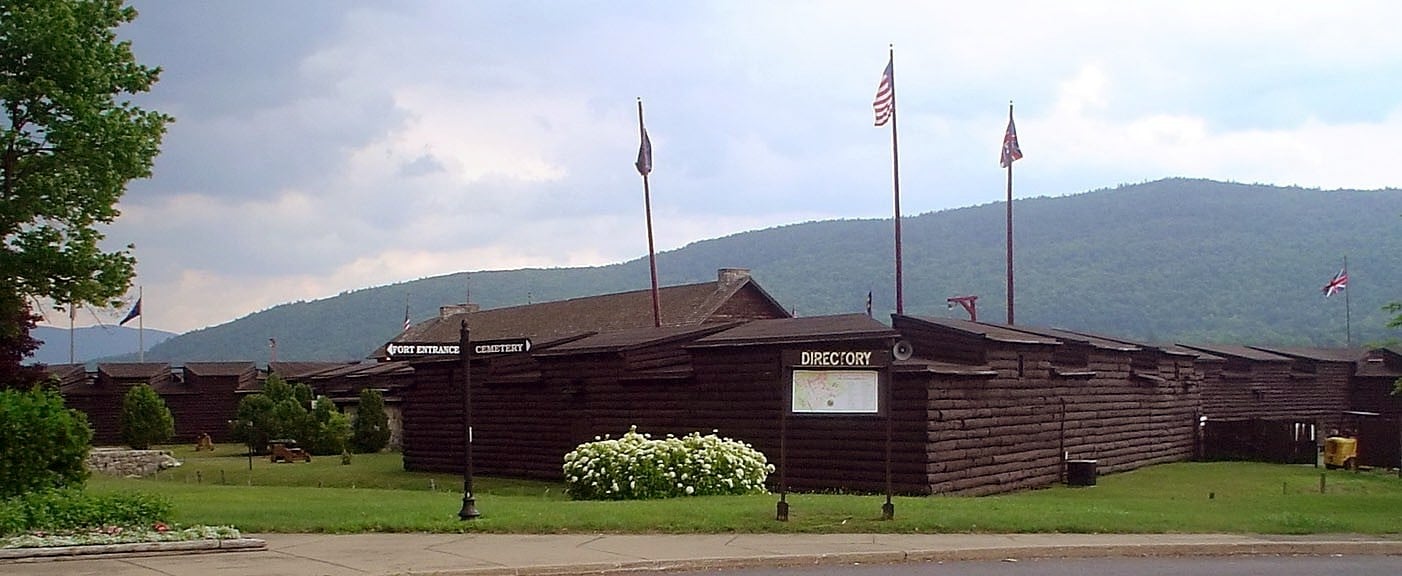
- Fort William Henry MuseumLake George · Museum / Historical SiteHigh
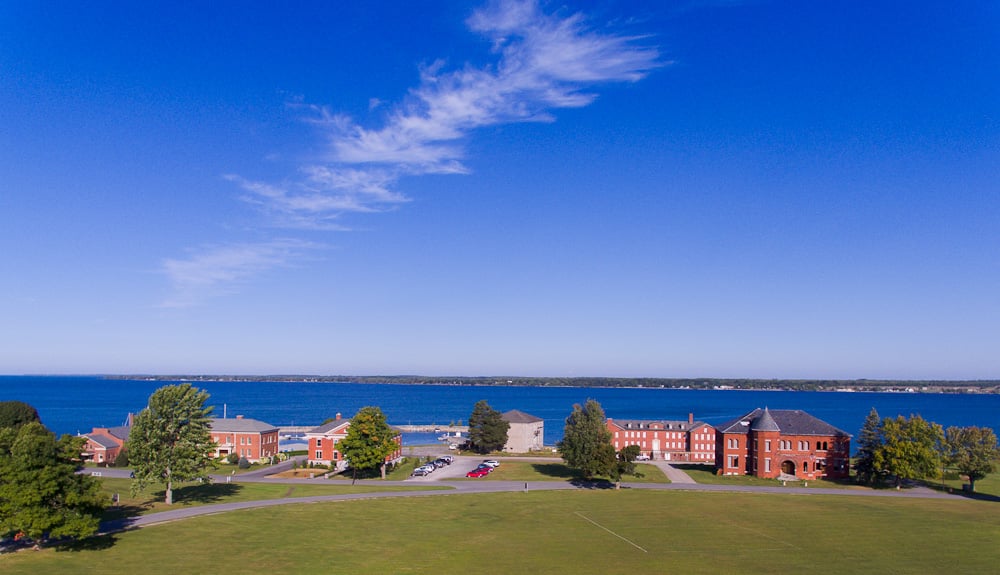
- Madison Barracks PubSackets Harbor · Haunted Dining / BarHigh
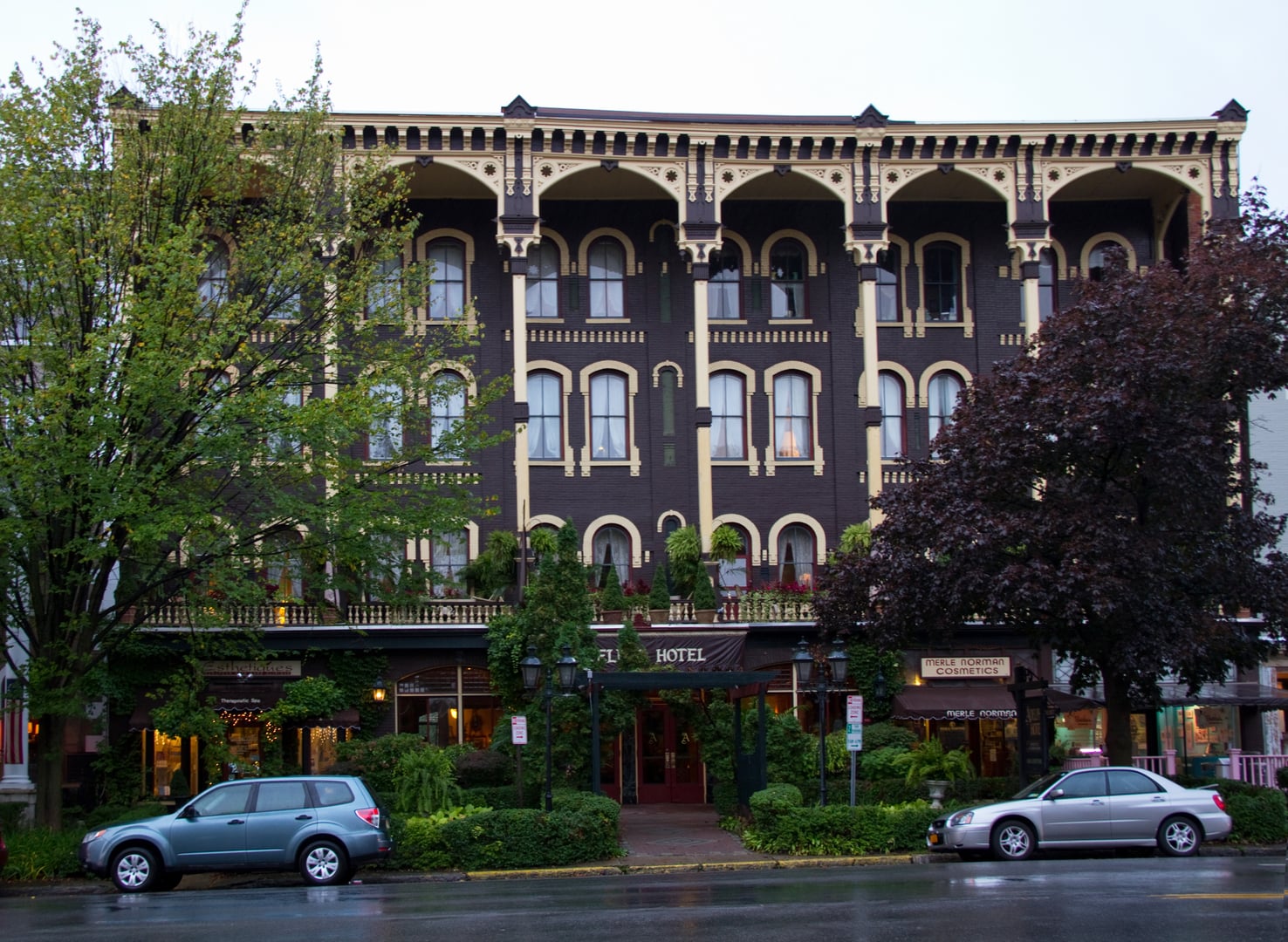
- The Adelphi HotelSaratoga Springs · Haunted Hotel / InnHigh
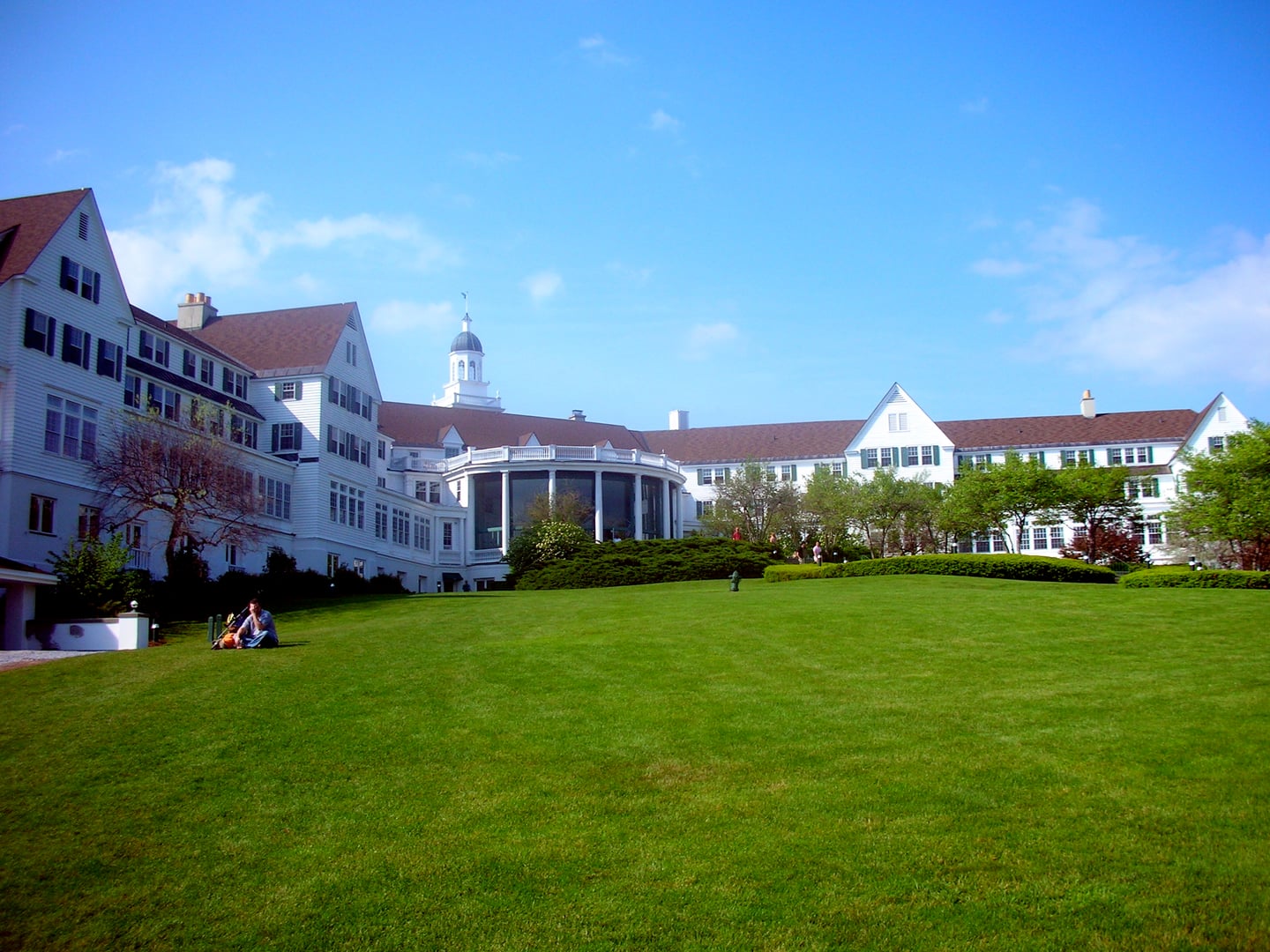
- The Sagamore ResortBolton Landing · Haunted Hotel / InnHigh
Albany Capital Region
3Expand
- Graceland Cemetery (Albany)Albany · Cemetery / Burial GroundHigh
- The Copper Crow (Andrew Kirk Brewery)Albany · Haunted Dining / BarModerate
- Washington Park (former State Street Burying Ground)Albany · Outdoor / Natural SiteHigh
Finger Lakes Ny
2Expand
- Willard Asylum for the Chronic InsaneWillard · Asylum / HospitalHigh
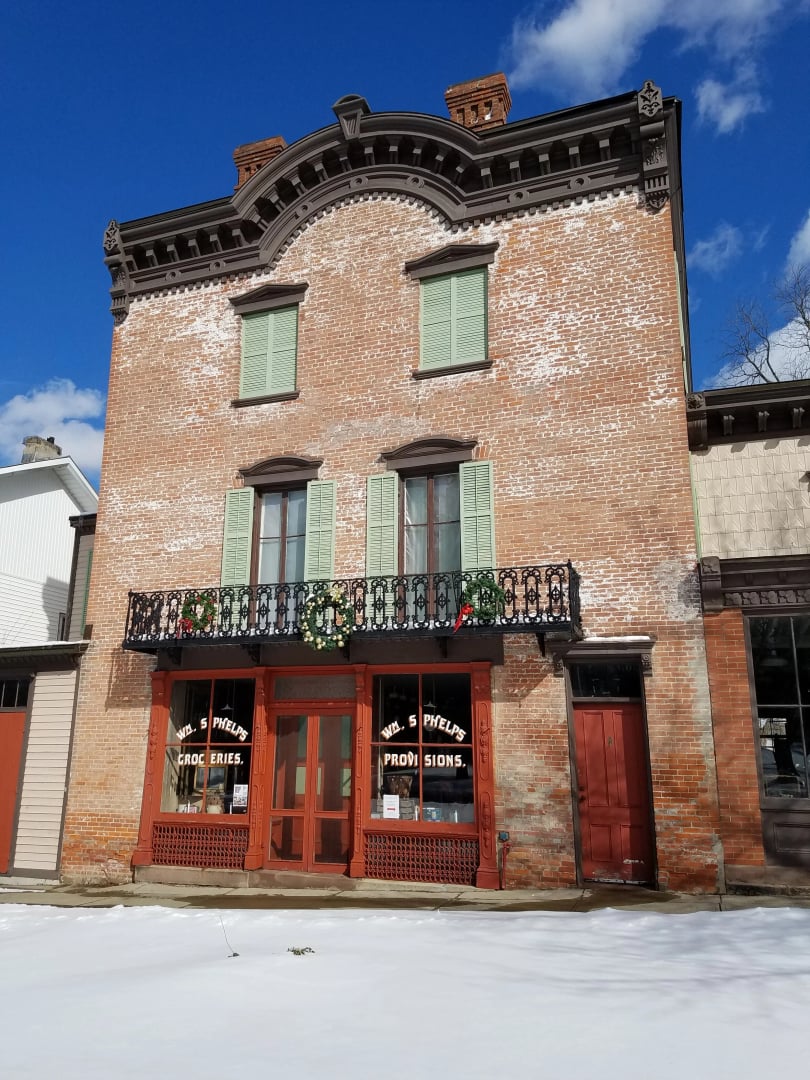
- Wm. Phelps General Store and HomePalmyra · Museum / Historical SiteHigh
Eastern
1Expand
- Buckhout RoadWestchester · Outdoor / Natural SiteN/R
Nyc Manhattan
1Expand
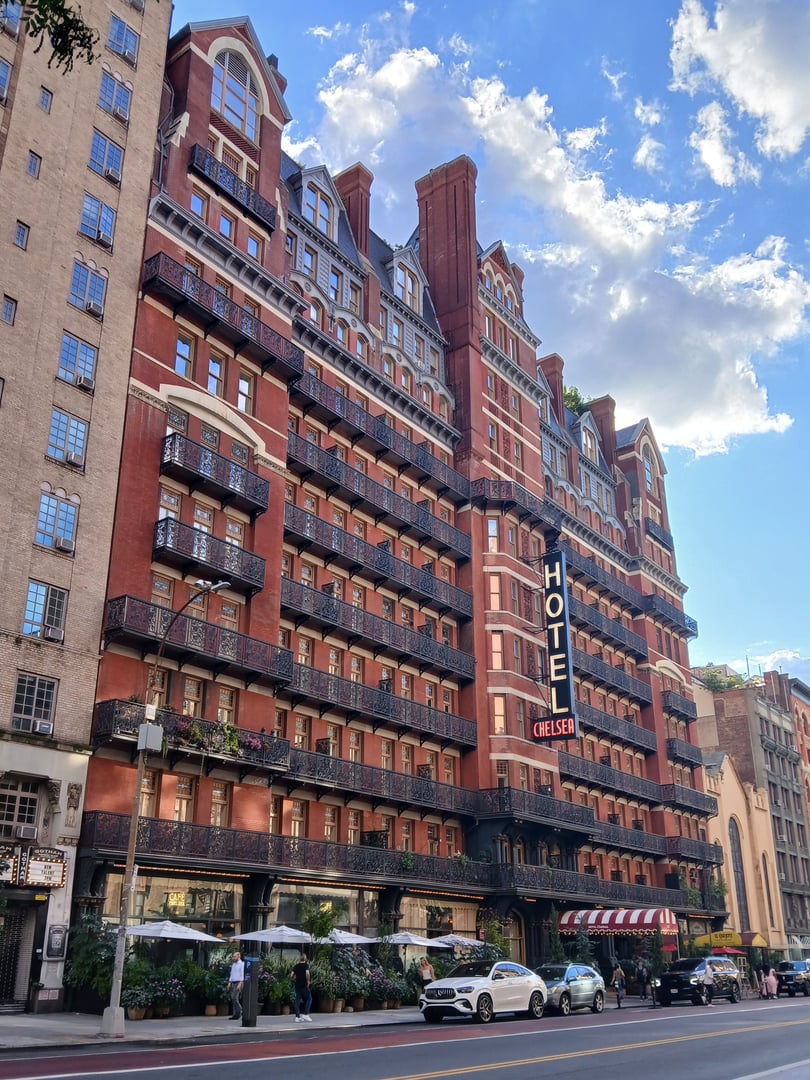
- Hotel ChelseaNew York · Haunted Hotel / InnModerate
Catskills
1Expand
- Devil's Kitchen (Indian Head Wilderness)Hunter · Outdoor / Natural SiteLow
Capital Saratoga
1Expand
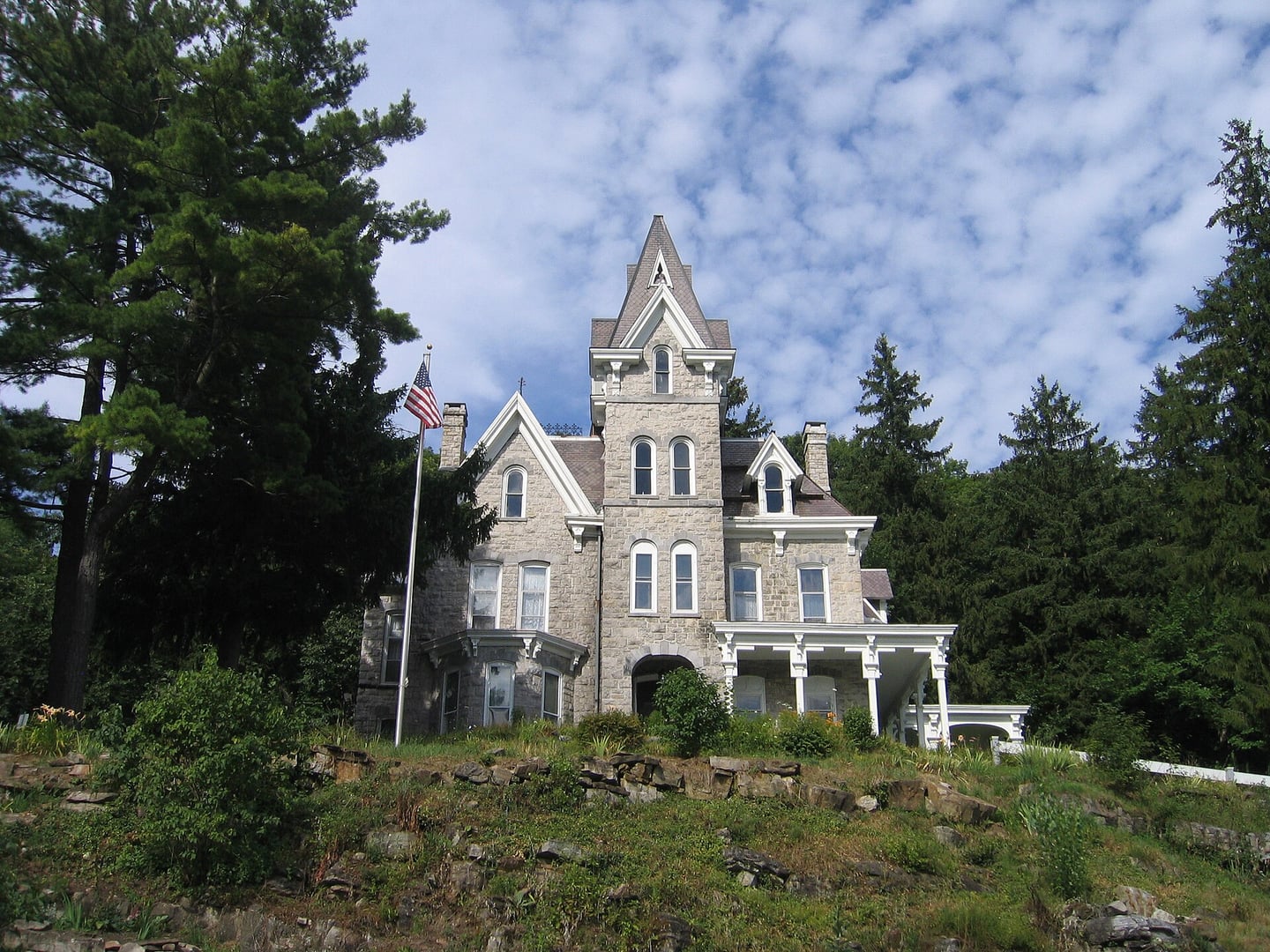
- Skene ManorWhitehall · Haunted House / Historic HomeHigh
City Manhattan
1Expand
- US Ghost Adventures New YorkNew York · Ghost Tour / Walking TourModerate
Mohawk Valley
1Expand
- Widow Susan RoadAmsterdam · Outdoor / Natural SiteModerate
By city
By type
Plan the trip
Stay the night, eat well, investigate
Kept separate from the ranking: New York's best-documented stays, dinners and overnight investigations, each with a booking path.
Those pages carry booking links, and some pay HauntBound a commission. Rankings never do. How the firewall works.
The New York Haunted Trail
Every trail-eligible stop on one regional map, 10 of them shaped into a weekend. See the network first, then take the route.
Open the trail map →The weekend field guide
New York's Hudson Valley is where the state's ghost stories were literally written down, in the cottage where Washington Irving lived and the church that inspired his Headless Horseman. This route follows the river south from a Kingston lighthouse through the Vanderbilt estate and Poughkeepsie's oldest theater to the Sleepy Hollow villages, then sets you up in three historic inns for the overnight leg. 7 daytime stops · 3 overnight
Neighbouring states
Also for New York
360 published locations; counts refresh with every build.