Overnight Stay Booking Required
Historic Hotel Stay
Stay overnight at the Broadalbin Hotel. Guests report paranormal encounters including unseen presences on beds, military apparitions, and spontaneous light phenomena.
- Duration:
- 14 hr
HauntBound archive · catalog record
Reported phenomena, as catalogued
Historic hotel with paranormal activity from military era residual hauntings
59 W Main Street, Broadalbin, NY 12025
Research updated May 2026
Age
All ages
Cost
$
Check venue website
Access
Limited Access
Historic building with stairs
Equipment
Photos OK
Est. 1854 · Historic Building · Military History
The Historic Hotel Broadalbin traces its origins to 1854, when it operated as a glove factory. The building was later converted into the Kennyetto Inn before becoming the Keeley Cure Hospital (1895-1898) under Dr. H.C. Finch. This facility offered controversial inebriate treatment to alcoholics, with documented protocols including injections of strychnine, ammonia, and atropine. Following the hospital's closure, the building resumed service as a hotel and dining establishment. After decades of operation, it underwent comprehensive renovation and reopened in July 2019 as the Historic Hotel Broadalbin, a 12-room boutique hotel featuring a restaurant and bar. The property maintains its 1854 architecture and remains a centerpiece of Broadalbin's downtown district, situated minutes from the Great Sacandaga Lake and the Adirondack Park gateway.
Sources
Paranormal accounts link the venue's haunted reputation to two potential historical sources: the Keeley Cure Hospital's controversial medical practices and unidentified soldiers present during wartime occupation. Guests and overnight visitors report consistent phenomena including sensations of weight settling on beds as if another person has sat down, spontaneous activation of lights and electrical equipment, and visual encounters with figures dressed in military uniforms walking hallways and positioned at the top of staircases. Recent incidents include objects moving autonomously—notably, a lamp that stood undisturbed for five years suddenly falling as if pushed by an invisible force. Multiple witnesses independently describe a persistent presence in specific areas, particularly the guest rooms and stairwell. Whether these phenomena stem from residual impressions of past medical procedures, wartime occupation, or the deaths associated with the hospital's questionable treatments remains subject to interpretation among paranormal investigators and local residents.
Notable Entities
Stay overnight at the Broadalbin Hotel. Guests report paranormal encounters including unseen presences on beds, military apparitions, and spontaneous light phenomena.
Tour the historic Broadalbin Hotel structure and learn about the building's history and paranormal reputation.
Some links on this page may earn HauntBound a small commission when you book, at no extra cost to you. Our editorial picks are independent. Full disclosure
See current room rates and availability at Broadalbin Hotel.
Check rates and bookRates come from booking partners, so a small property may not be listed. Book direct with Broadalbin Hotel
Every HauntBound history is researched from documented sources. We clearly separate verified historical fact from paranormal folklore.
Free Guide
10 verified stops, rated for families, mapped in order. Free.
One email to confirm, then the guide link. Unsubscribe anytime.
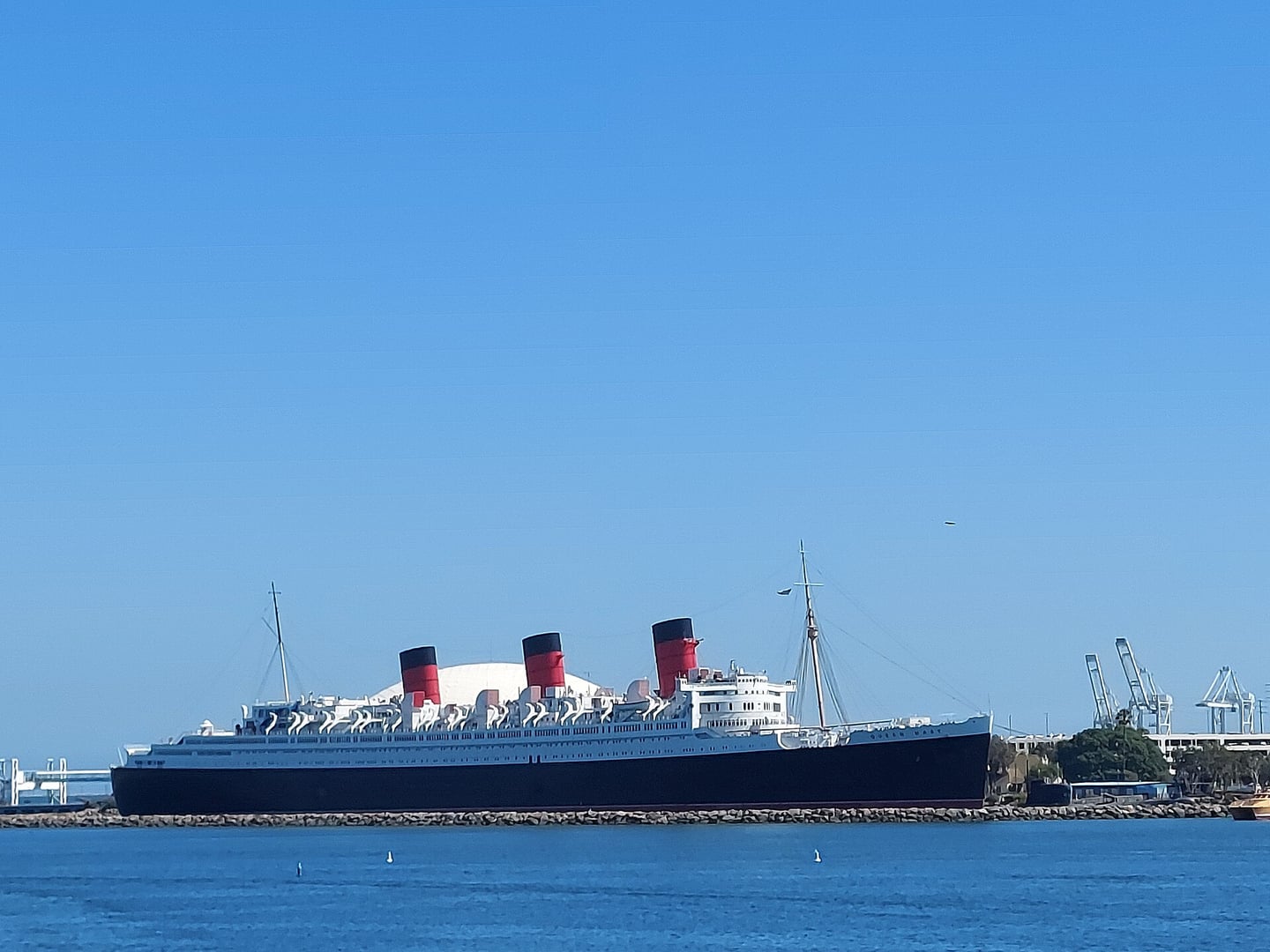
Long Beach, CA
The RMS Queen Mary was constructed at John Brown & Company's Clydebank shipyard beginning in 1930, launched September 26, 1934, and sailed her maiden voyage on May 27, 1936. Requisitioned as a troopship in 1939, she carried 810,000 soldiers under the nickname 'The Grey Ghost.' The ship has been permanently moored in Long Beach, California since December 1967.
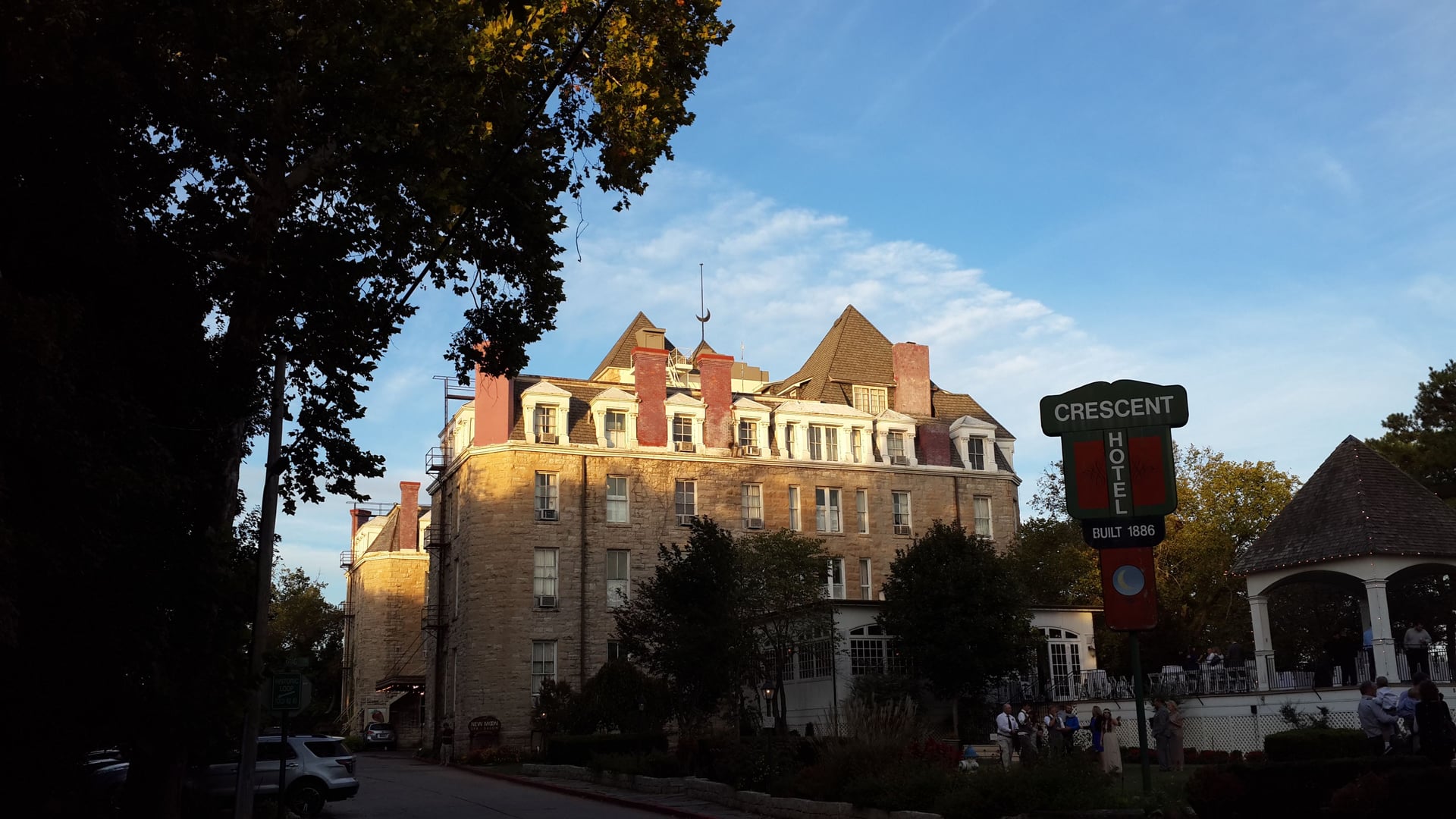
Eureka Springs, AR
The 1886 Crescent Hotel was built as a luxury Victorian resort atop the Ozark mountains of Eureka Springs, Arkansas, then briefly operated as a women's college before its most notorious chapter: Norman Baker's fraudulent cancer clinic from 1937 to 1940. Baker charged dying patients for treatments that offered no medical benefit, and the hotel retains his intact basement morgue.
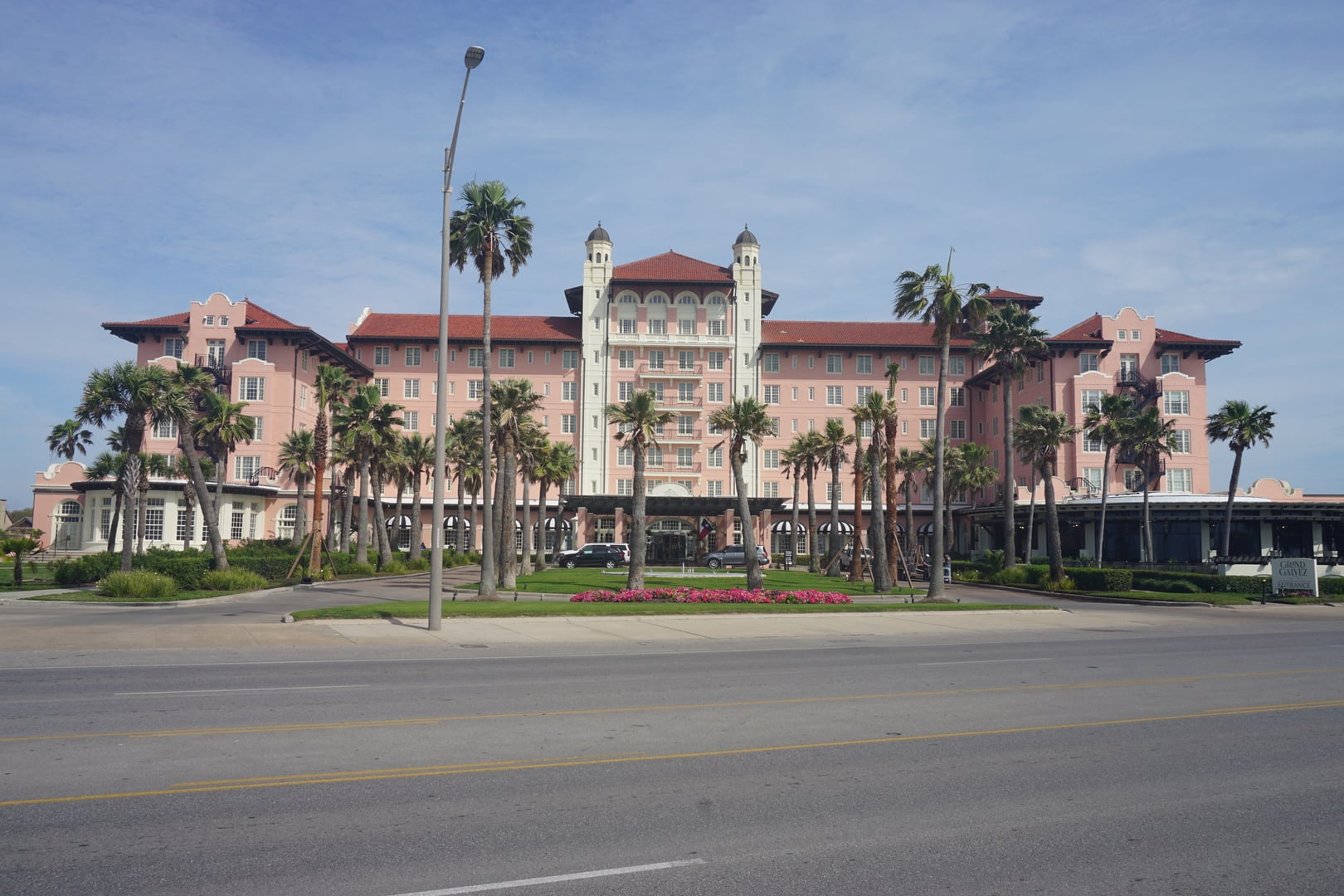
Galveston, TX
Grand Galvez, originally Hotel Galvez, opened in 1911 as part of Galveston's recovery from the catastrophic 1900 hurricane. The Spanish Colonial Revival landmark on Seawall Boulevard is the only historic beachfront hotel on the Texas Gulf Coast and now operates as part of Marriott's Autograph Collection.