Drive-By
Exterior Architecture Visit
View William Appleton Potter's 1888 Gothic Revival brick church and its distinctive tower from Carroll Street. The congregation's roots trace to 1773.
- Duration:
- 20 min
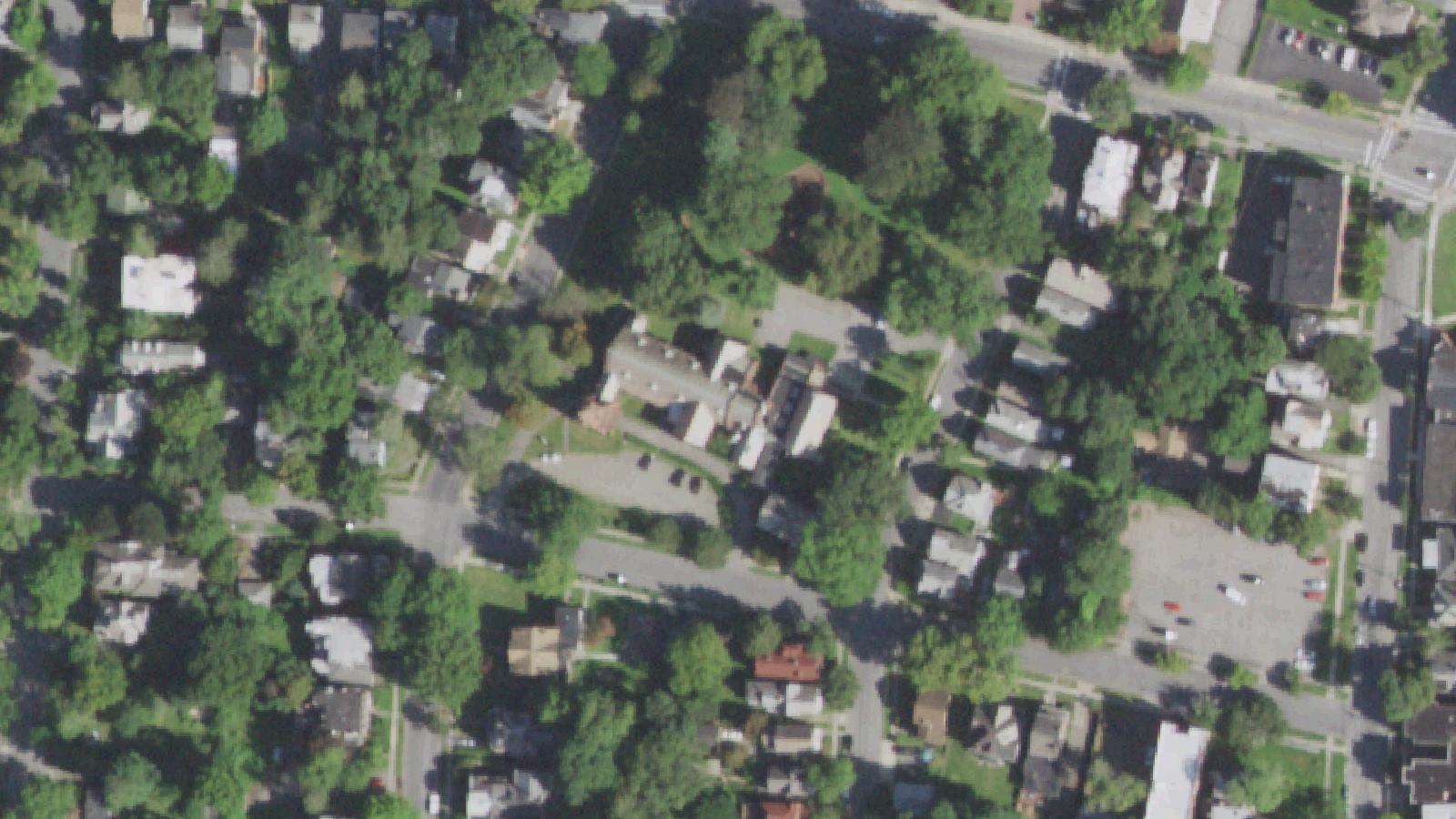 Aerial survey · USDA NAIP · public domain
An 1888 Gothic Revival church built on Poughkeepsie's old English Burial Ground, long said to be haunted by Rev. Alexander Cummings, its rector of 46 years, whose ghost was reportedly seen by his successor Bishop James Pike.
20 Carroll Street, Poughkeepsie, NY 12601
Research updated May 2026
Age
All Ages
Cost
Free
Active Episcopal parish. Visitors welcome at services and during posted hours; respect worship activities.
Access
Wheelchair OK
Urban sidewalk; church entrance
Equipment
Photos OK
Est. 1888 · Congregation founded 1773; current building completed 1888 · Designed by noted architect William Appleton Potter · Built atop Poughkeepsie's old English Burial Ground · Long rectorate of Rev. Alexander Griswold Cummings (December 1900 – September 1946) · Early pastorate of Bishop James A. Pike (1947-1949)
Christ Episcopal Church traces its origins as a place of worship in Poughkeepsie to 1773. As the congregation grew, it sold its earlier 1833 church and purchased a new property to build a larger brick structure. The site chosen had traditionally been known as the old English Burial Ground; those interred there were reportedly relocated to the Poughkeepsie Rural Cemetery before construction.
The congregation engaged architect William Appleton Potter to design the new church, and the building was completed in May 1888. The following year, the first parish house was built and the church's distinctive tower, which still marks the downtown skyline, was added.
One of the parish's most notable figures was the Rev. Alexander Griswold Cummings, who served as rector from December 1900 until his death in September 1946 — nearly 46 years. After Cummings's death, the young Rev. James A. Pike was appointed rector of Christ Church, serving from 1947 to 1949 while also acting as chaplain to students at nearby Vassar College. Pike went on to become Dean of the Cathedral of St. John the Divine and later the controversial Episcopal Bishop of California, known for his liberal theology and, late in life, his interest in spiritualism.
Christ Episcopal remains an active Episcopal parish and a longstanding institution in the City of Poughkeepsie.
Sources
The central haunting at Christ Episcopal Church is attributed to the Rev. Alexander Griswold Cummings, who served as rector from December 1900 until his death in September 1946 — nearly 46 years. According to widely repeated local lore, sightings of Cummings began shortly after his death in 1946. His successor, the Rev. James Pike, who became rector in 1947 and is later famous as the controversial Bishop of California, is said to have seen a clear apparition of Cummings ascending the bell-tower steps and lingering near the altar (New York Haunted Houses; Poughkeepsie Public Library District; WRRV).
In life, Cummings reportedly disliked candles, and lore holds that candles used during services were repeatedly snuffed out; overhead objects were said to move, doors to swing on their own, and unexplained sounds to echo through the church. One account describes a bat that materialized inside the church and then vanished. Lore says the activity quieted for years and only resurfaced after a 1990s rector moved the rector's office to a new part of the building, converting the old office into a library, which was then reportedly left unusually cold in the mornings (New York Haunted Houses).
The church is also said to host other spirits, including an elderly woman in Sunday dress who is seen seated in a pew about halfway back, and a disembodied face reported floating in the air. These traditions appear in regional haunted-Hudson-Valley coverage but, beyond the documented Cummings-Pike connection, rest largely on local storytelling.
Note: The Shadowlands seed for this site garbled the timeline (placing Pike in the 1970s); the corroborated record places Cummings's death in 1946 and Pike's rectorship at 1947-1949, a sequence confirmed by the Episcopal Church's Chronicle publication history, the Poughkeepsie Public Library District, and biographies of James Pike.
Notable Entities
View William Appleton Potter's 1888 Gothic Revival brick church and its distinctive tower from Carroll Street. The congregation's roots trace to 1773.
Some links on this page may earn HauntBound a small commission when you book, at no extra cost to you. Our editorial picks are independent. Full disclosure
Every HauntBound history is researched from documented sources. We clearly separate verified historical fact from paranormal folklore.
Free Guide
10 verified stops, rated for families, mapped in order. Free.
One email to confirm, then the guide link. Unsubscribe anytime.
Albany, NY
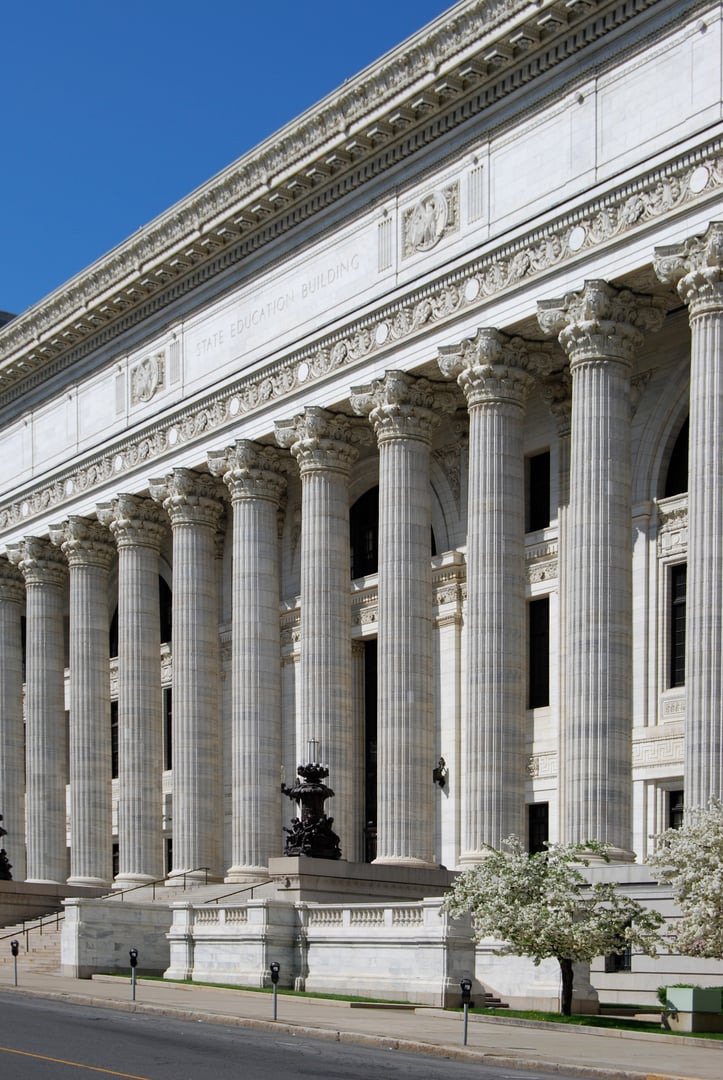
The New York State Education Building opened in 1912 in Albany as a Beaux-Arts state office building designed by Henry Hornbostel, distinguished by 36 Corinthian columns forming one of the longest colonnades in the world. It originally housed the New York State Museum, State Library, and State Education Department, and continues to serve as headquarters for the Education Department.
 Aerial survey · USDA NAIP
Ellicottville, NY
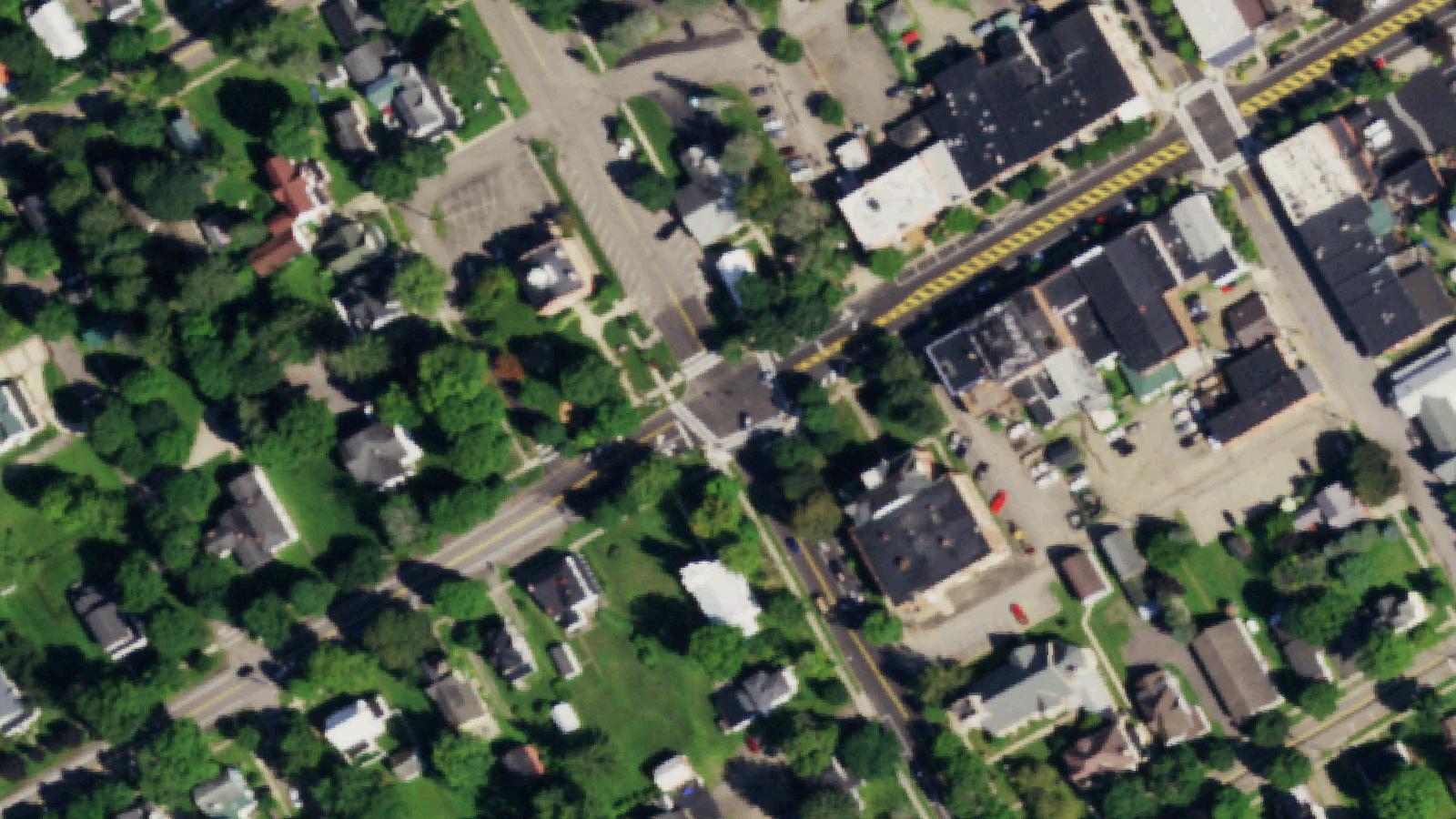
Hencoop Hollow Road in Ellicottville, Cattaraugus County, was home to a one-room schoolhouse that served the rural farming community in the 19th century. Like many such structures across Western New York, the building was eventually decommissioned and converted into a private residence as school centralization took hold in the mid-20th century. A small community cemetery adjacent to the road dates to the 1850s.
Keuka Park, NY
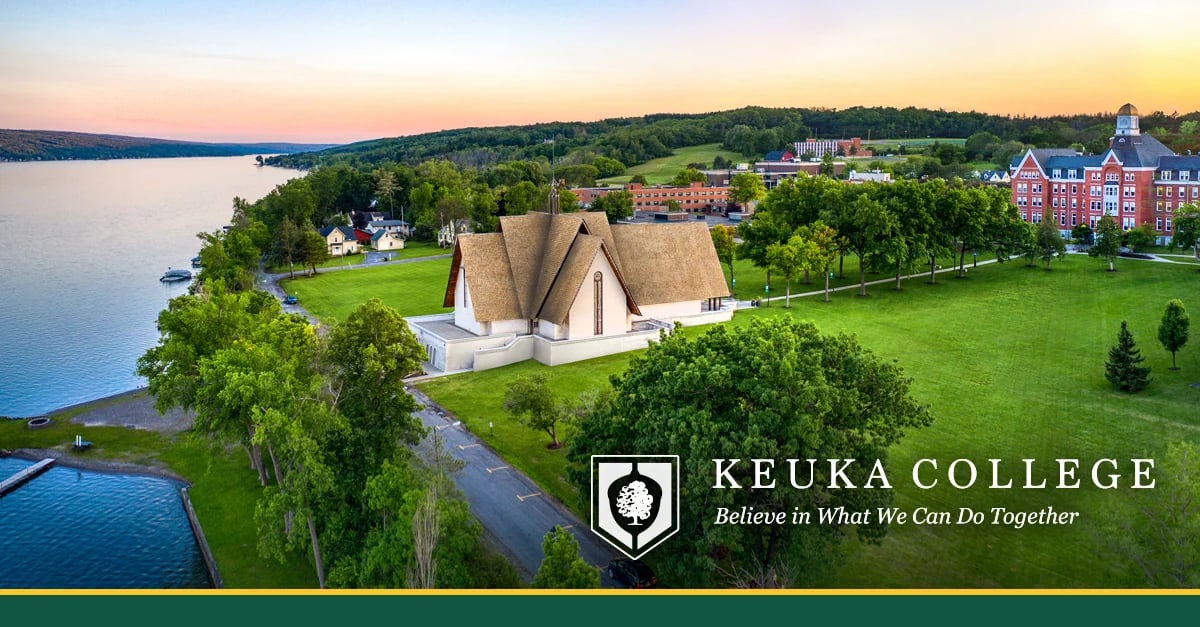
Keuka College was founded in 1890 by Reverend George Harvey Ball in Keuka Park, New York, on the shore of Keuka Lake in the Finger Lakes region. Ball Hall, the original campus building, housed all student residences and classrooms when it opened. It was renamed for the founder in 1921 and underwent a major restoration in the late 2000s that earned a Citation Award from the American Institute of Architects.