Est. 1902 · Nonsectarian rural-style cemetery opened May 1902 · Designed by Garnet Douglass Baltimore, first African American RPI graduate (1881) · Spanish-American War monument (1917) and burials of Civil War, Buffalo Soldier, and WWI veterans
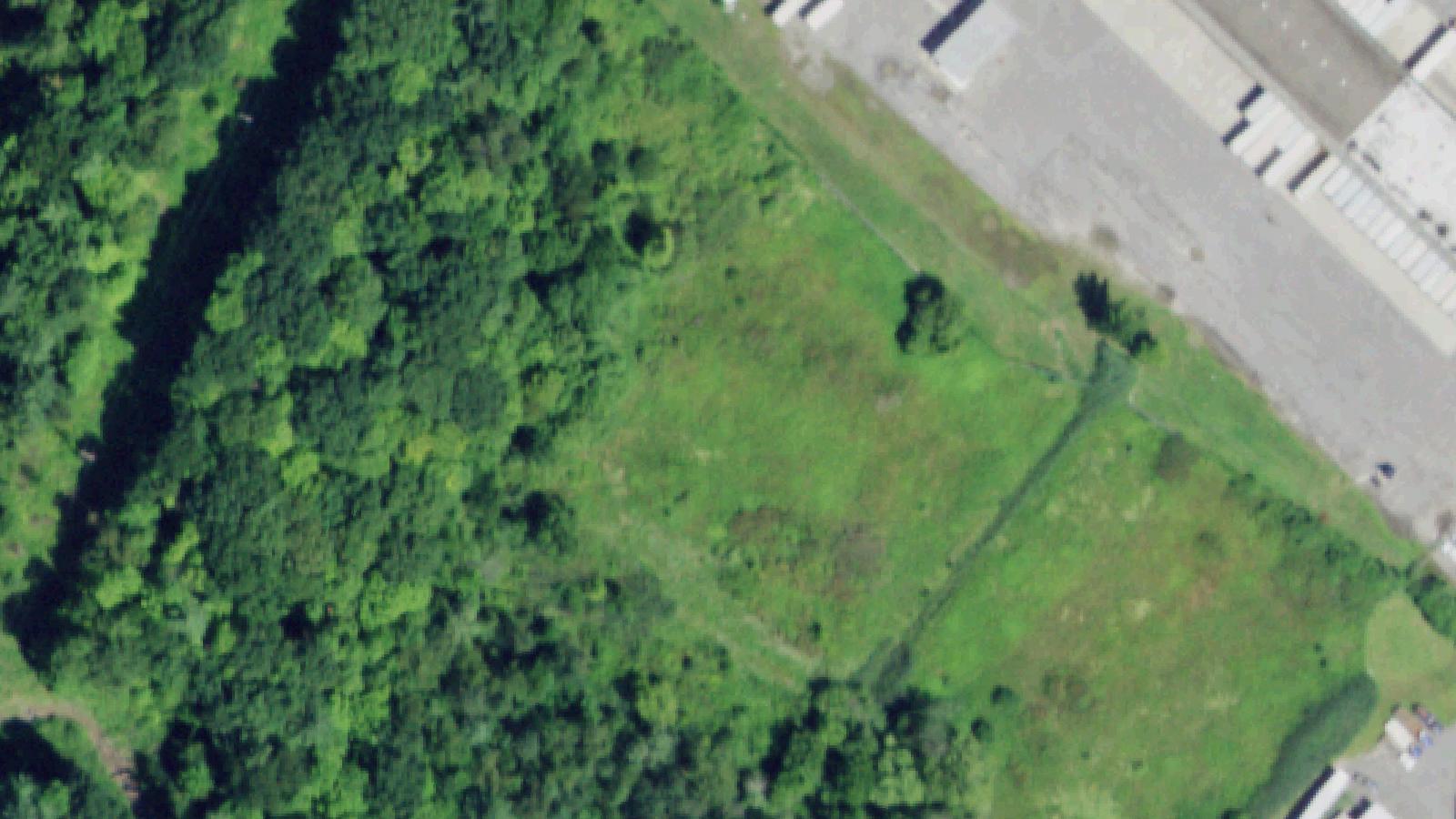
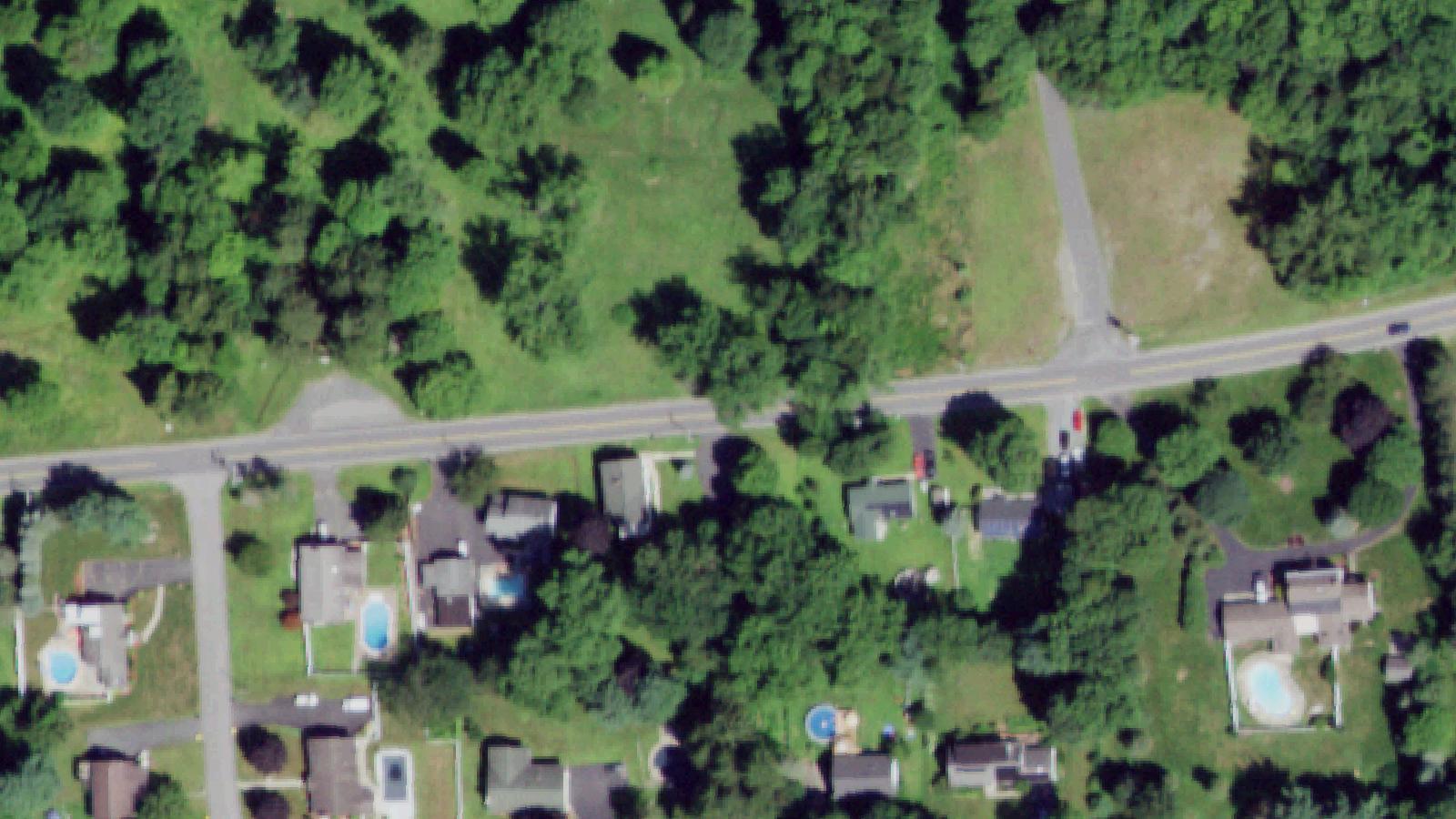
Graceland Cemetery was established in May 1902 to serve residents of New York's Capital District and surrounding communities. The cemetery spans over 228 acres on the Albany side of Delaware Avenue, bordering the Town of Bethlehem on the banks of the Normanskill. Unlike many older Albany cemeteries tied to a specific congregation, Graceland was founded as a nonsectarian burial ground and continues to operate as a New York not-for-profit corporation regulated by the State Division of Cemeteries.
The cemetery was designed by Garnet Douglass Baltimore (1859-1946), a Troy, NY native who in 1881 became the first African American to earn a degree from Rensselaer Polytechnic Institute. Baltimore went on to design and consult on parks and cemeteries across upstate New York, including Prospect Park in Troy, Greenwood Cemetery in Rye, and Forest Park Cemetery in Brunswick. His landscape work at Graceland reflects the rural-cemetery movement, with curving drives, planted slopes, and views down to the Normanskill.
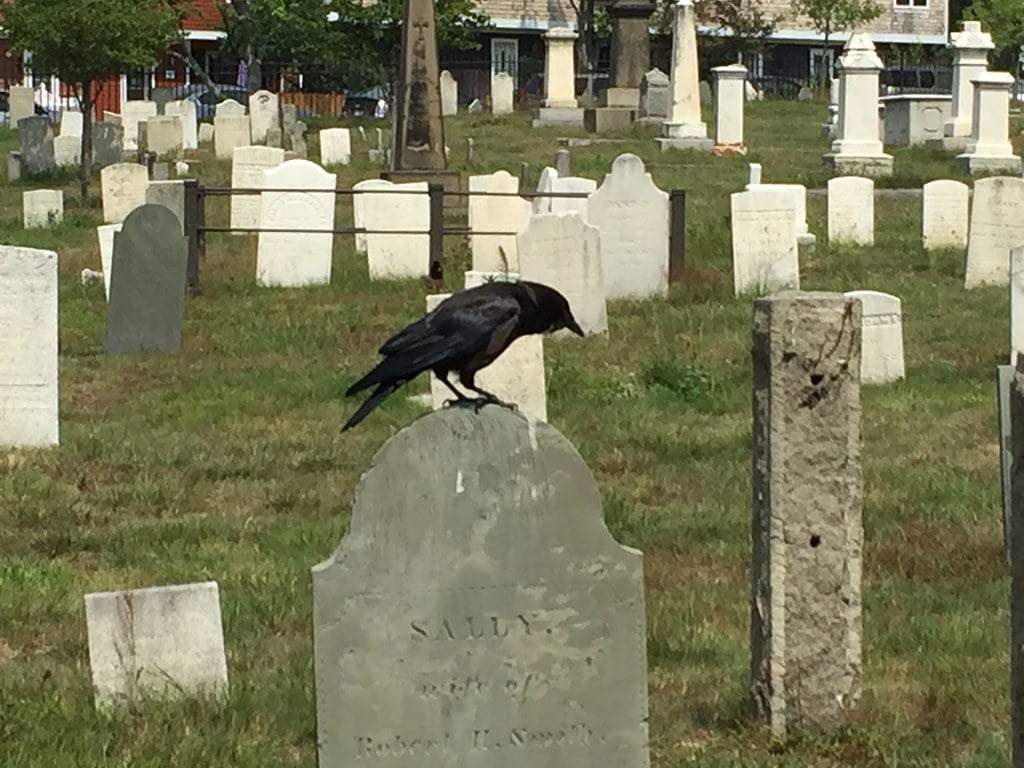
The grounds include burials of Civil War veterans, Buffalo Soldiers, and World War I service members. A Spanish-American War monument constructed in 1917 marks 67 soldier and sailor burials, and the cemetery also hosts a Maine Memorial. The 10th Brigade New York Guard has held annual commemorative ceremonies on the grounds since the early 1900s.
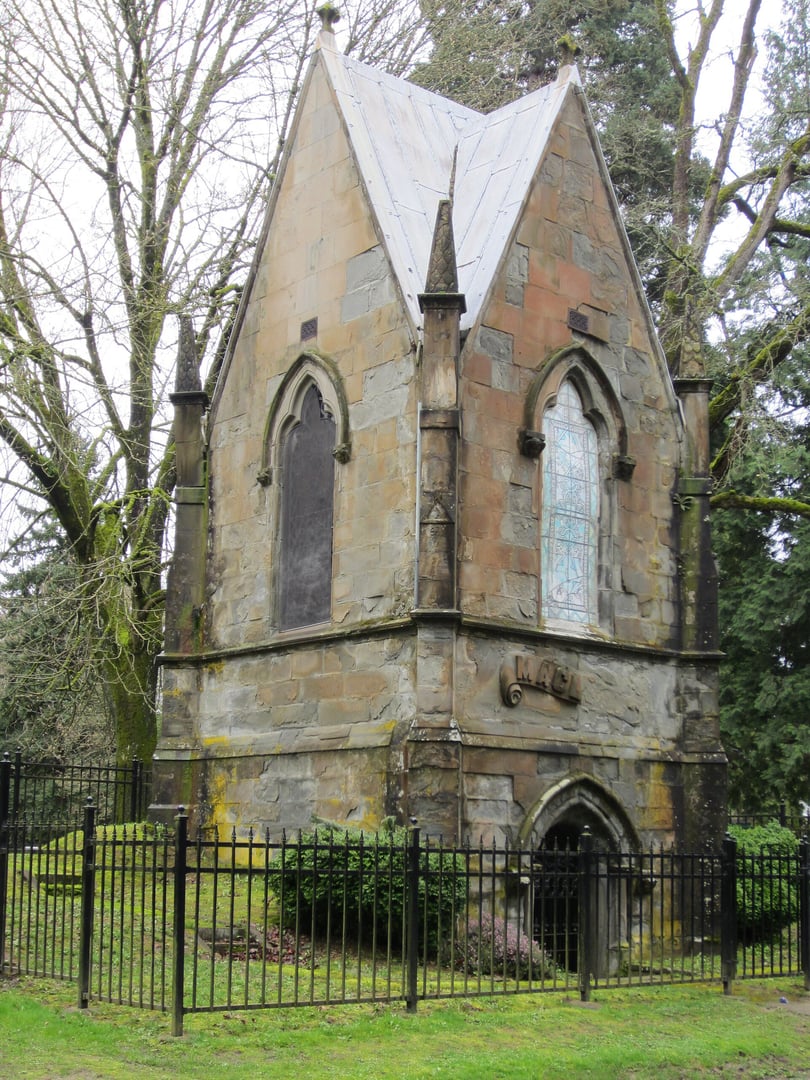
Graceland remains an active burial ground today, with ongoing interments and mausoleum services.
Sources
- https://www.graceland-cemetery.org/about-us/our-history/
- https://www.tclf.org/graceland-cemetery-ny
- https://www.albany.org/blog/post/5-more-haunted-places-in-albany-county-beyond/
- https://www.albany.org/blog/post/feelin-ghoully-the-ghosts-of-albany/
- https://www.blackpast.org/african-american-history/baltimore-garnet-douglass-1859-1946/
Folklore reports of a young woman in a prom dress hitchhiking on Delaware AvenueAccount of a borrowed jacket later found draped on a gravestone
The 'Hattie the Hitchhiker' story is one of Albany's most repeated ghost legends, and Graceland Cemetery sits at its center. As retold by Discover Albany, a man driving on Delaware Avenue on a cold, rainy night sees a young woman standing outside the cemetery in a prom dress. He offers her a ride and, noticing she is shivering, lends her his jacket. After dropping her off he realizes she still has the coat. When he returns the next day, an older woman answers the door and tells him she has no daughter — her daughter died on prom night, struck by a drunk driver. The driver goes to Graceland and finds his jacket draped over a gravestone.
Albany folklorist Louis C. Jones included a version of this story in his collected New York ghost lore, and it has circulated in the Capital Region for decades. However, academic folklorists have long recognized 'Hattie' as a local instance of the international 'Vanishing Hitchhiker' tale type, documented in nearly every U.S. region and across multiple cultures. The Chicago and Cook County Cemeteries blog and other folklore scholarship treat the Albany version as one of many parallel tellings rather than a unique paranormal case.
Discover Albany's own write-up acknowledges directly that 'Hattie is not an Albany ghost after all, but an urban legend repeated over and over again across the country.' Graceland staff have not, in published sources, treated 'Hattie' as a venue-managed haunting, and the cemetery's own history page makes no reference to her. The legend lives in the telling — drivers passing the cemetery on Delaware Avenue, the story shared as Albany folklore, and the place itself standing as the anchor that gives the tale a real address.
Notable Entities
Hattie the Hitchhiker (local name for a vanishing-hitchhiker figure; not a documented historical individual)
Media Appearances
- Louis C. Jones, 'Things That Go Bump in the Night' — included a version of the vanishing-hitchhiker tale set in the Capital Region