Est. 1865 · One of New York City's historic 19th-century Jewish cemeteries (~35,000 burials) · Resting place of a Titanic victim and a Triangle Shirtwaist Fire victim · Notorious case study in cemetery neglect and vandalism · Subject of a major CAJAC-led restoration begun in 2012
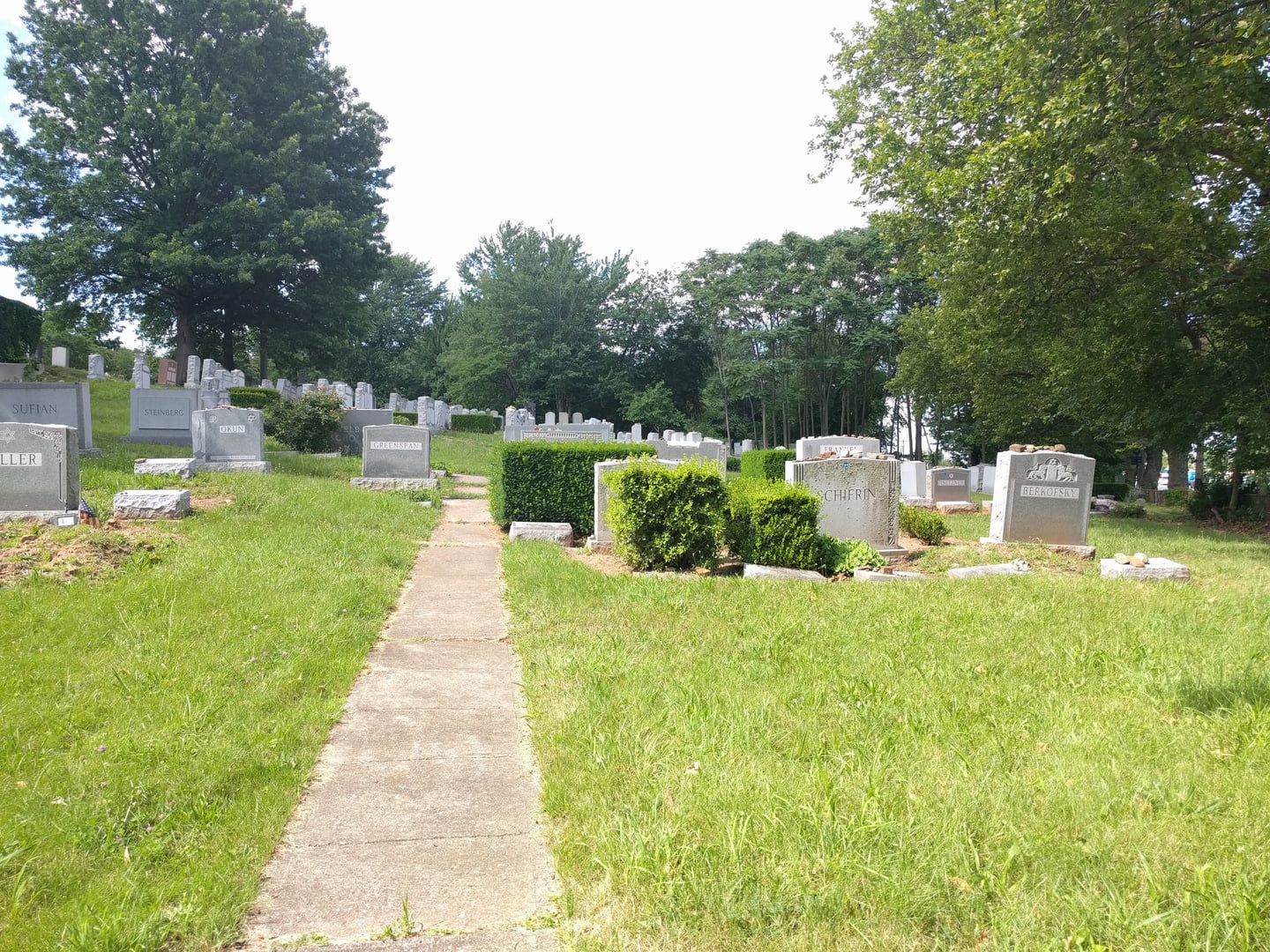
Bayside Cemetery, at 80-35 Pitkin Avenue in Ozone Park, Queens, was established in the mid-19th century and grew into one of New York City's important Jewish burial grounds. It covers roughly 12 acres and holds an estimated 35,000 interments, part of a larger complex that also includes the adjacent Mokom Sholom and Acacia cemeteries.
Those buried at Bayside span the breadth of New York's Jewish community, from religious leaders and Civil War veterans to a victim of the 1911 Triangle Shirtwaist Factory fire and a passenger lost in the 1912 sinking of the Titanic. The cemetery was originally administered by a network of mutual-aid burial societies.
Beginning in the mid-20th century, Bayside fell into severe disrepair through a combination of declining society funds, neglect, and repeated vandalism. Mausoleums were broken open and remains disturbed in some of the worst incidents, leaving sections of the cemetery in alarming condition and prompting daily early closures.
In 2012 the nonprofit Community Association for Jewish At-Risk Cemeteries (CAJAC) launched a major restoration and maintenance effort, joined by dedicated volunteers, to stabilize and care for the grounds. The cemetery's plight has drawn coverage from Atlas Obscura, local Queens news outlets, and investigative television reporting.
Sources
- https://en.wikipedia.org/wiki/Bayside_Cemetery_(Queens)
- https://www.atlasobscura.com/places/bayside-cemetery
- https://qns.com/2016/10/youre-trick-treating-visit-five-spooky-haunted-spots-queens/
Feeling of being watchedWhispers and disembodied voicesUnexplained odorsCamera and flashlight batteries drainingFaces and orbs in photographsReported apparitions
The haunted reputation of Bayside Cemetery is inseparable from its troubled modern history. After decades in which monuments were toppled and mausoleums broken open, the cemetery became one of Queens's most frequently cited eerie places. Visitors describe a strong sense of being watched, whispers and disembodied voices, unexplained odors, and a creeping unease that they say lifts once they leave the grounds (New York Haunted Houses; GhostQuest; QNS).
Paranormal investigators report equipment problems, particularly camera and flashlight batteries draining unexpectedly, along with photographs that appear to show faces or orbs among the stones. The local Queens press has included Bayside on lists of the borough's spookiest spots, lending the tradition coverage beyond user-submitted aggregators.
It is worth treating this lore with care. Much of the cemetery's unsettling atmosphere stems not from the supernatural but from real desecration of a sacred Jewish burial ground, an act of harm to a community's dead. The most meaningful 'haunting' here may be the moral weight of that neglect, now being answered by restoration. Visitors are asked to come respectfully and to honor the people interred here rather than treat their resting place as a thrill.