Est. 1831 · One of First U.S. Retirement Homes · Greek Revival Institutional Architecture · National Historic Landmark · Captain Robert Richard Randall Bequest · Noble Maritime Collection
Captain Robert Richard Randall, a Revolutionary War mariner and ship master, died in 1801 leaving an unusual will. The document, drafted in part by Alexander Hamilton, directed that Randall's Manhattan estate be used to establish a charitable home for aged, decrepit, and worn-out seamen. Randall himself suggested the name Sailors' Snug Harbor.
Decades of litigation followed before the trustees were able to act. The Manhattan property proved valuable enough that the trustees chose to lease it rather than build on it, and used the income to purchase land for the home on Staten Island in 1831. The first three buildings opened that year, making Snug Harbor one of the earliest formally organized retirement institutions in the United States.
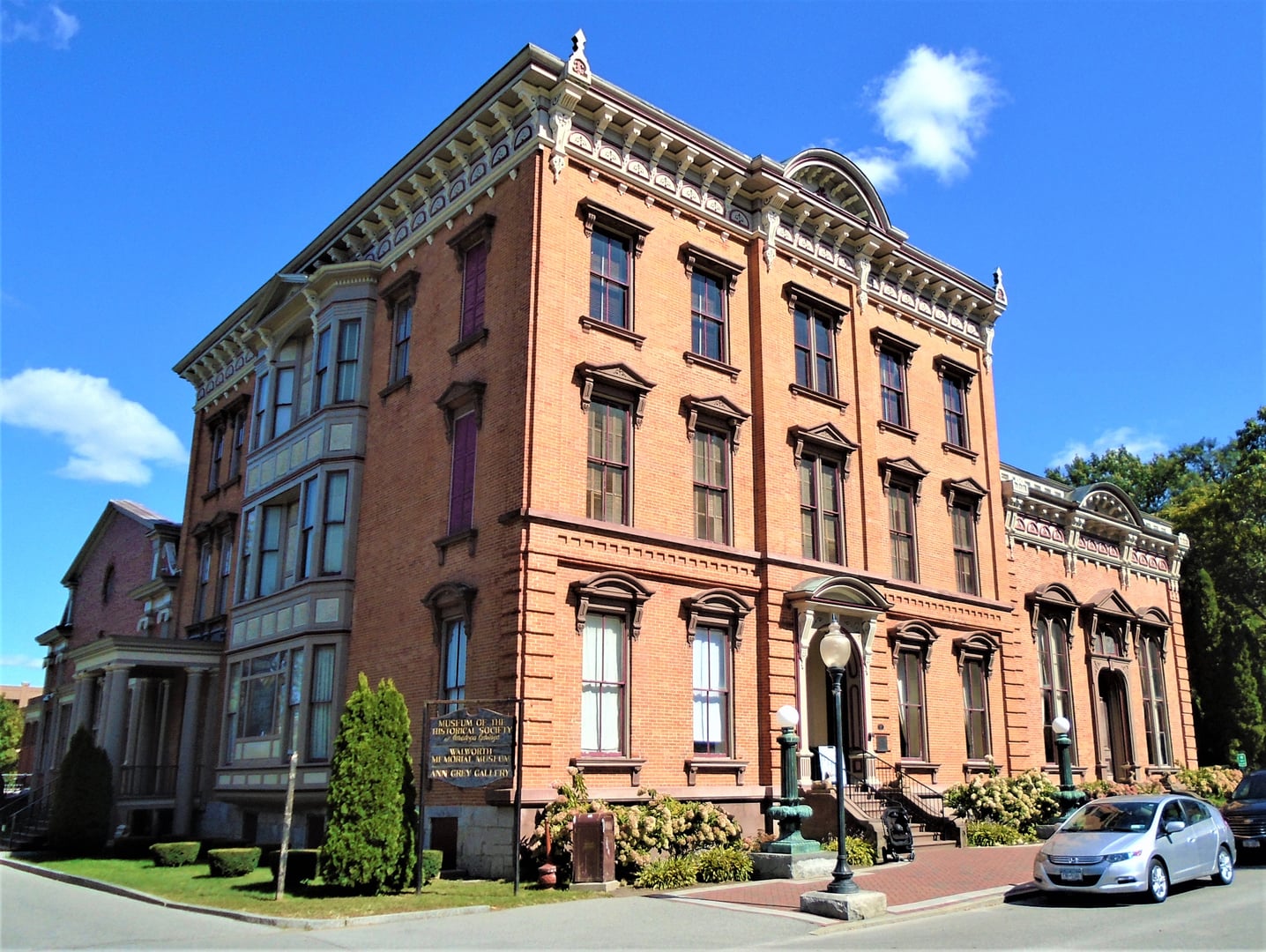
The campus grew steadily through the nineteenth century. By 1900 it included fifty buildings and approximately nine hundred resident mariners from around the world, with farms, a dairy, a bakery, workshops, a power plant, a chapel, a sanatorium, a hospital, a concert hall, dormitories, recreation areas, gardens, and an in-house cemetery. The principal Greek Revival dormitory buildings, completed between the 1830s and 1880s, form one of the most significant collections of nineteenth-century institutional architecture in the United States.
Declining numbers of resident sailors and rising operating costs strained the institution through the mid-twentieth century. The trustees announced in the early 1970s that they would relocate the residential program to North Carolina. The City of New York acquired the Staten Island campus in three parcels beginning in 1972 with a $1.8 million purchase of 14.5 acres containing the landmarked structures. The Snug Harbor Cultural Center was incorporated in December 1975 and has managed the buildings and grounds since 1976. The campus is a National Historic Landmark and includes the Noble Maritime Collection, which preserves the maritime identity of the site.
Sources
- https://en.wikipedia.org/wiki/Sailors'_Snug_Harbor
- https://snug-harbor.org/about-us/history/
- https://www.nycgovparks.org/parks/sailors-snug-harbor/history
- https://noblemaritime.org/sailors-snug-harbor
ApparitionsPhantom voicesPhantom footstepsCold spots
Among large institutional sites in New York City, Snug Harbor has one of the more layered paranormal reputations. The campus operated for nearly 150 years as a residential institution; an estimated several thousand residents died at the site and many were buried in the in-house cemetery.
The most-cited focal points are the porticoes of the principal Greek Revival dormitories, where visitors have described the brief impression of figures in nineteenth-century mariners' clothing. The chapel and the former sanatorium have generated additional reports, including phantom voices and the sense of being observed in upper-floor corridors. The dormitories' lower rooms, now used for cultural programming, have also been described as periodically active by tenant arts organizations and staff.
The Snug Harbor Cultural Center does not actively program paranormal investigations. The site appears regularly on Staten Island ghost tours and in regional dark-tourism coverage, but the primary visitor experience is the architecture, the gardens, and the tenant museums.