Est. 1883 · Late-19th-century Methodist church architecture · Lovejoy / Iron Island immigrant neighborhood heritage · Adaptive reuse: church to funeral home to community museum · 2000 discovery of 24 unclaimed cremated remains, eight veterans
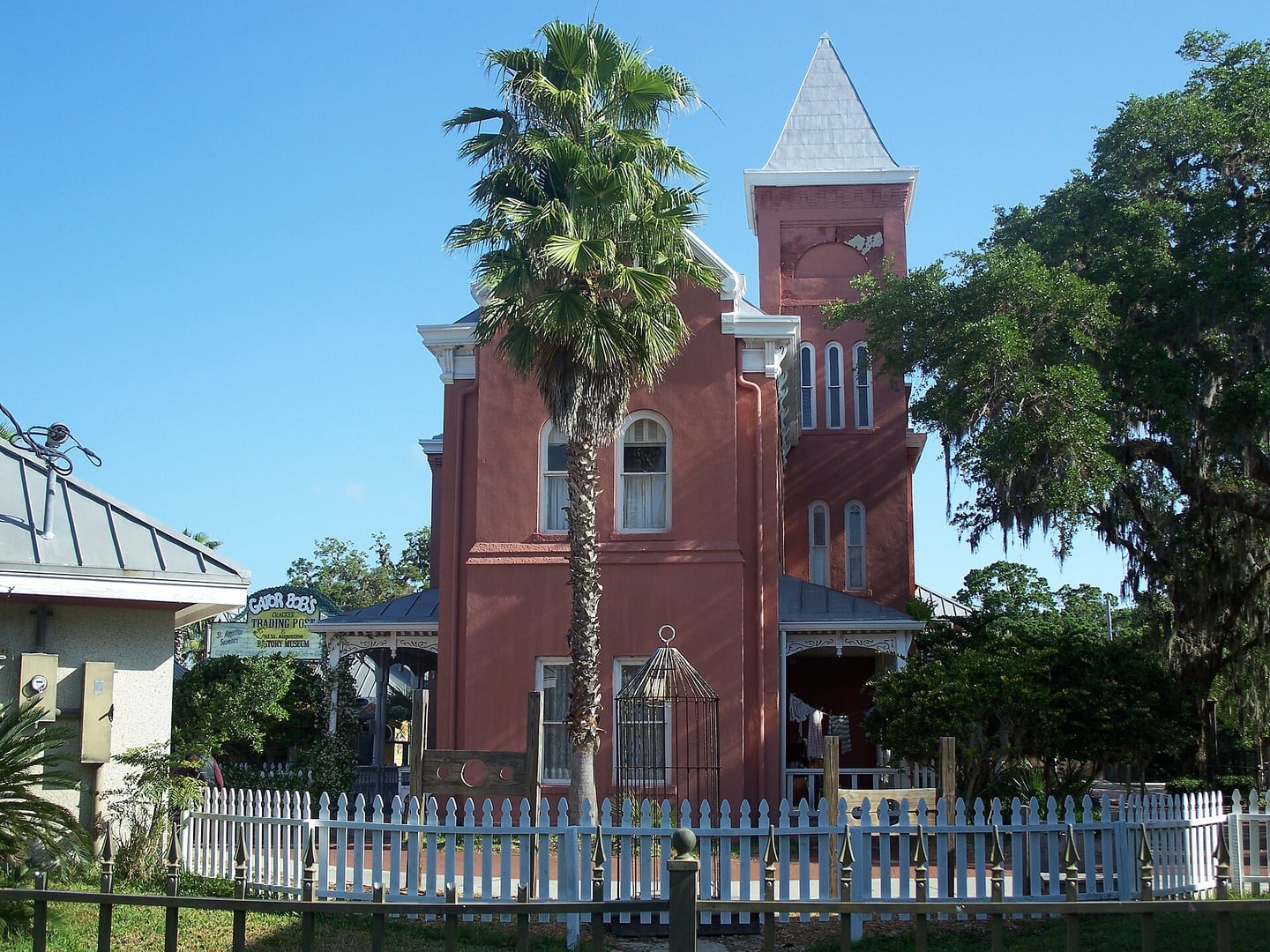
The building at 998 Lovejoy Street opened in 1883 as a Methodist Episcopal church serving the Lovejoy neighborhood of Buffalo, a working-class enclave then known as the 'Iron Island' because it was effectively cut off from the rest of the city by surrounding railroad lines. The congregation, drawn largely from the iron-mill and rail-yard families that filled the surrounding streets, used the wood-frame Gothic structure as a community anchor for more than six decades.
The Methodist congregation eventually shrank as the neighborhood's industrial base contracted, and the church closed in the late 1940s. In 1956 the building was reopened as a funeral home, a use it would serve for more than four decades. Through that long second life it functioned as a viewing parlor, embalming room and small chapel for Lovejoy families, and the basement housed a crematory and storage area for cremated remains awaiting family pickup.
When the funeral home closed, the building stood empty until it was donated in August 2000 to the Iron Island Preservation Society of Lovejoy, Inc. As volunteers cleaned out the basement they discovered a closet containing 24 unclaimed urns of cremated human remains, eight of which belonged to military veterans. The discovery was documented by local press and the Society worked to identify and properly inter the remains.
Among those identified was Edgar Leroy Zernicke (1905-1992), a U.S. Marine who had served in the 1928 Sandino Rebellion in Nicaragua before joining the Navy. In 2010 his remains, along with seven other veterans found in the closet, were buried with full military honors at Bath National Cemetery in Bath, New York.
The Iron Island Museum today operates as a small, volunteer-run neighborhood history museum documenting the Lovejoy section, its railroad and iron-mill heritage, and the building's three lives as church, funeral home and community space. It also actively hosts paranormal investigations and public ghost-hunt events, which have become a significant fundraising stream for the museum.
Sources
- https://hauntedhistorytrail.com/explore/iron-island-museum
- https://www.ironislandmuseum.com/
- https://www.wivb.com/news/local-news/buffalo/ghost-haunting-and-local-history-come-together-at-iron-island-museum-in-lovejoy/
- https://www.findagrave.com/memorial/58194601/edgar-leroy-zernicke
EVPs / disembodied voicesShadow figuresCold spotsUnexplained footsteps and knockingDoors opening on their own
The Iron Island Museum's haunted reputation grew directly out of the 2000 discovery of the unclaimed cremated remains in the basement closet. Local lore quickly linked the building's paranormal reports to those whose ashes had sat for decades waiting to be claimed.
The most frequently named spirit is Edgar Zernicke, the WWII-era Marine and Navy veteran whose remains were among those found and later interred at Bath National Cemetery. Staff and ghost-hunt participants attribute disembodied male voices captured on EVP recordings to Zernicke, and several investigation groups have reported intelligent responses to his name.
A second persistent thread of the legend involves two young boys, said by museum staff and Haunted History Trail of New York State documentation to have been waked at the funeral home in the 1960s. Reports of their presence cluster on the upper floor and in the former viewing rooms, with witnesses describing the sounds of children's laughter, small footsteps and objects being moved at low heights.
Ghost hunters who have investigated the museum report a wide range of phenomena: shadow figures crossing the former chapel, cold spots in the basement near the closet where the remains were found, unexplained knocking, doors opening on their own, and EVPs captured during structured investigations (per Step Out Buffalo and WIVB local-news coverage). The museum openly markets its paranormal reputation and runs regular ticketed ghost hunts as a fundraising tool, which makes it one of the most accessible 'active' haunted sites in Western New York.
Notable Entities
Edgar ZernickeTwo young boys (1960s funeral-home wakes)
Media Appearances
- Haunted History Trail of New York State
- WIVB News 4 Buffalo feature