Est. 1758 · Revolutionary War Siege Site · Saratoga Campaign · National Monument
The original Fort Stanwix was constructed by the British in 1758 to control the Oneida Carry, a critical portage between the Mohawk River and Wood Creek that linked the Atlantic watershed to Lake Ontario. The fort was abandoned and partially burned at the end of the French and Indian War.
In 1776 the Continental Army reoccupied and rebuilt the position, renaming it Fort Schuyler after General Philip Schuyler. In August 1777, a force of approximately 1,800 British regulars, Loyalists, and Haudenosaunee allies under Brigadier General Barry St. Leger laid siege as part of the broader Saratoga campaign. The garrison of roughly 750 Continentals and militia under Colonel Peter Gansevoort held for 21 days. A relief force under General Benedict Arnold lifted the siege through a combination of maneuver and a ruse using a captured prisoner. The British withdrawal contributed to the broader American victory at Saratoga in October.
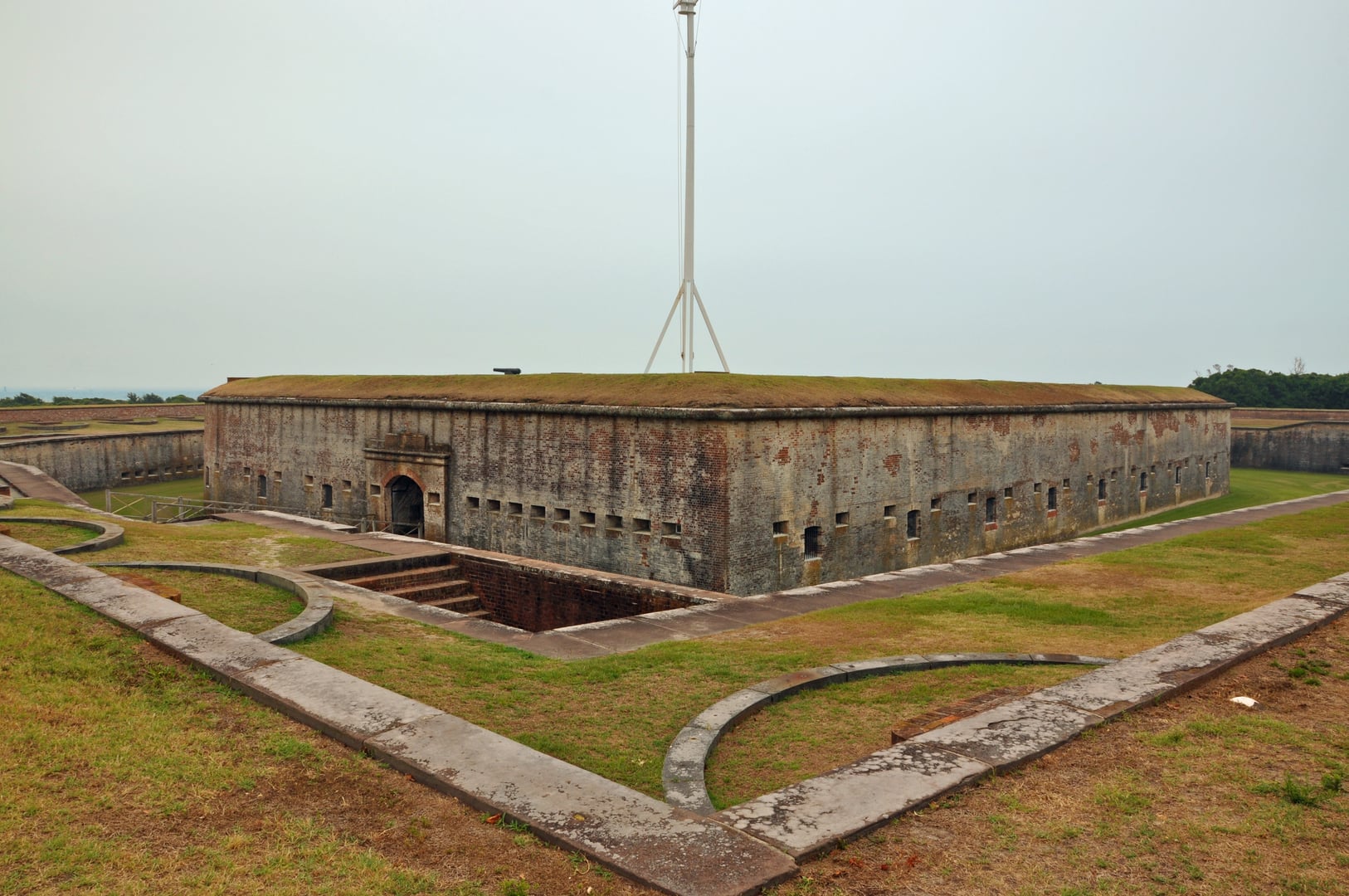
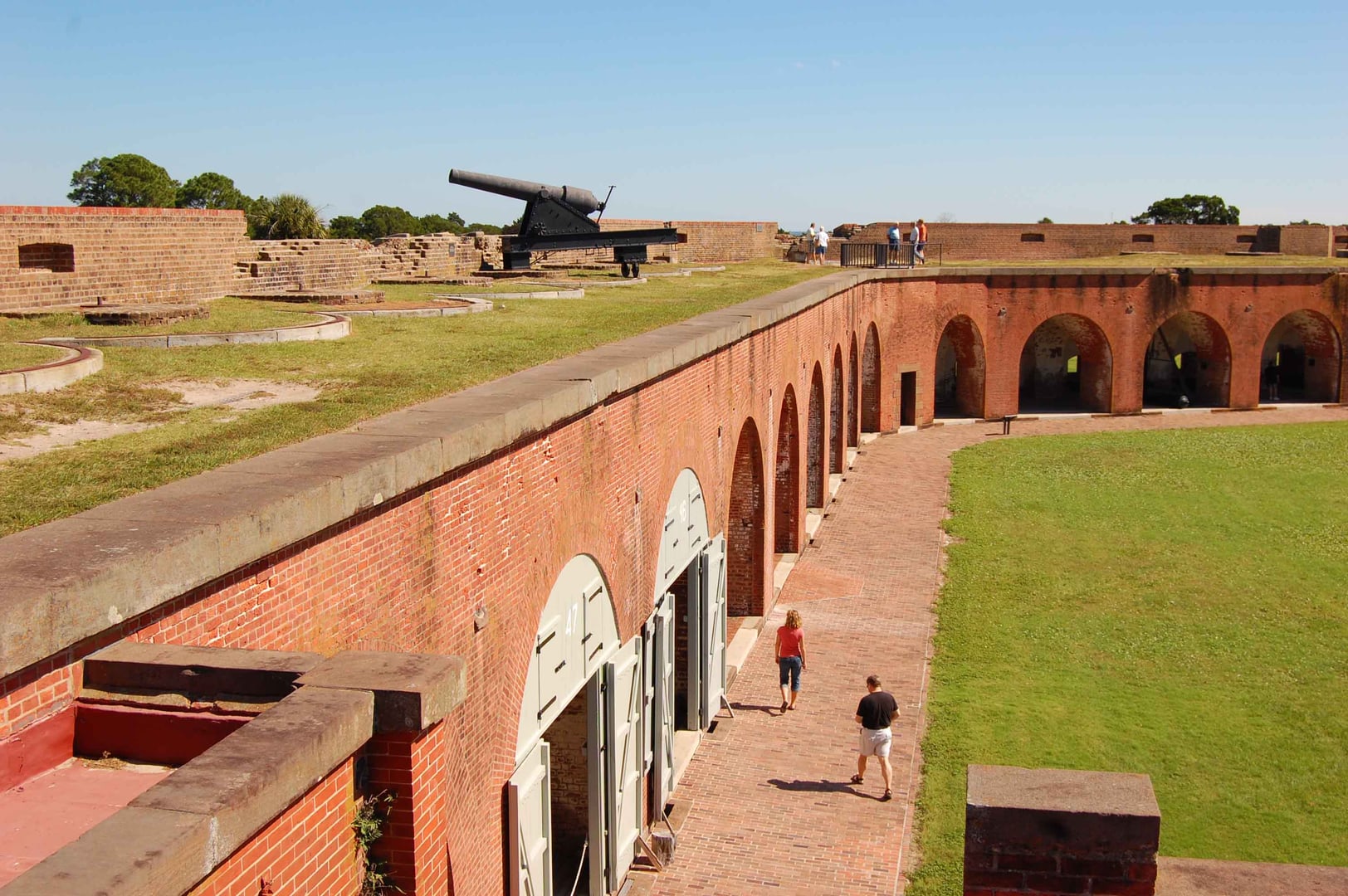
The original fortifications were dismantled after the war and the land became downtown Rome. Congress authorized Fort Stanwix National Monument in 1935, but reconstruction did not begin until urban renewal cleared a six-block area in the early 1970s. The current timber-and-earth fort was completed in 1976 based on extensive archaeological excavation that recovered nearly half a million artifacts, many now displayed in the Marinus Willett Visitor Center.
The site is administered by the National Park Service and is open to the public free of charge.
Sources
- https://www.nps.gov/fost/learn/historyculture/index.htm
- https://www.nps.gov/fost/planyourvisit/basicinfo.htm
- https://www.newyorkhauntedhouses.com/real-haunt/fort-stanwix.html
- https://www.romesentinel.com/news/new-york-most-haunted-state/article_b4301c11-75f2-420d-abde-38cf459ff63b.html
ApparitionsPhantom soundsPhantom footstepsPhantom voicesDoors opening/closingLights flickeringEquipment malfunction
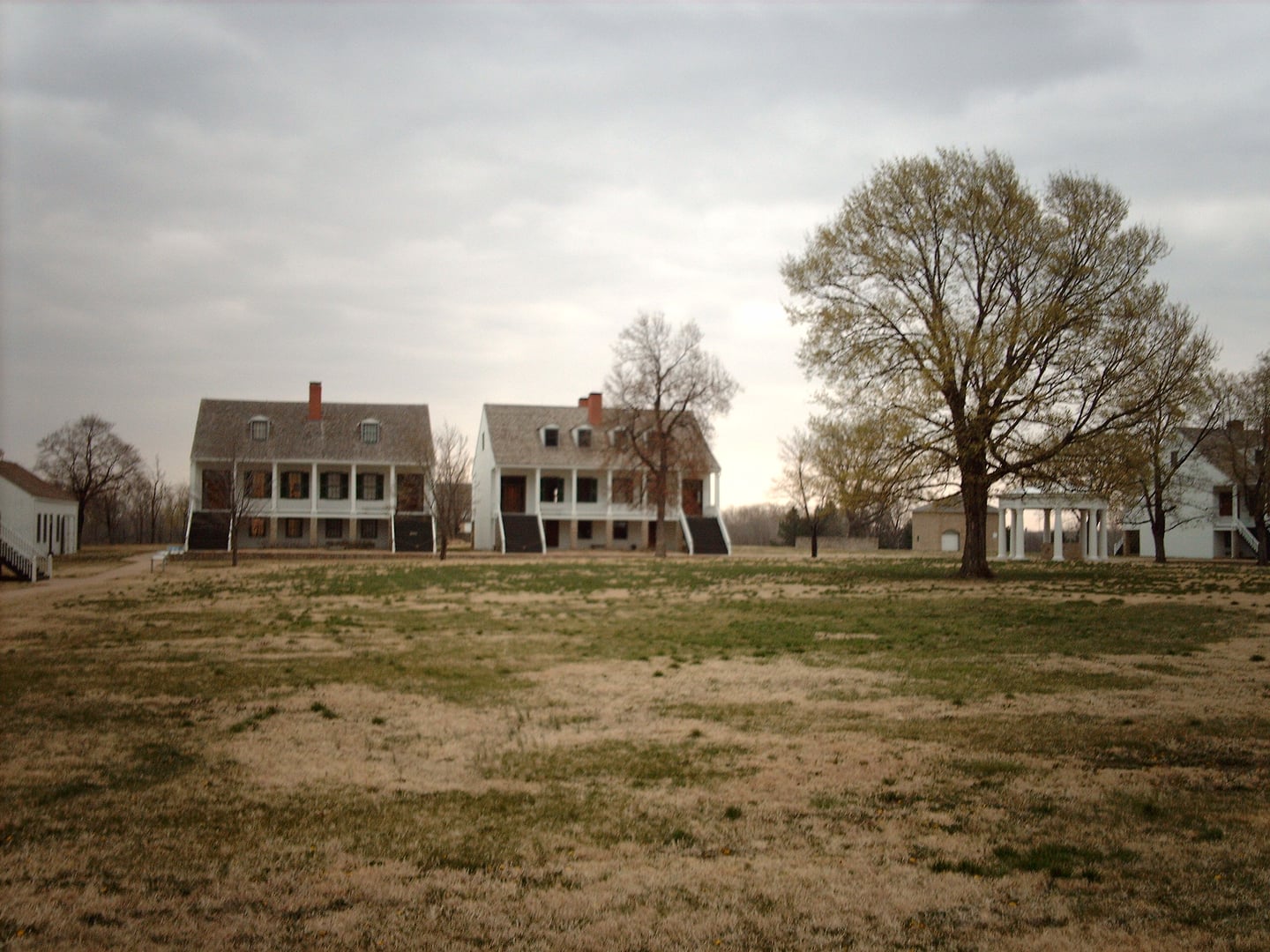
Reports cluster around the reconstructed barracks, the Commandant's Quarters, and the bastions. Visitors describe figures in British and Colonial military uniform appearing in peripheral vision and disappearing on direct view. Disembodied drumbeats and the high-pitched call of a fife have been reported around sunrise.
A recurring account, repeated in regional press, describes a one-legged man seated quietly in one of the barrack rooms. Both employees and tourists have reported him. The figure does not respond and is not present on second look.
Security staff have logged motion-sensor alarms triggered after closing in rooms confirmed empty by camera review. Doorknobs have been observed turning, and lights flicker in patterns that have not been linked to electrical issues.
The Northern Paranormal Society conducted two formal investigations and recorded electronic voice phenomena in the Siege Hospital and the Commandant's Quarters. A reported account of a woman crying for a sick child has been attributed to the hospital wing, where smallpox and dysentery claimed a portion of the garrison during the 1777 siege.
The National Park Service does not market the site as paranormal. The reports here are visitor and staff observations layered onto a working National Monument with public history programming.
Notable Entities
The One-Legged ManContinental and British soldiersThe Crying Woman