Pioneer Settlement Burials · Wyoming County History · Rural New York Cemeteries
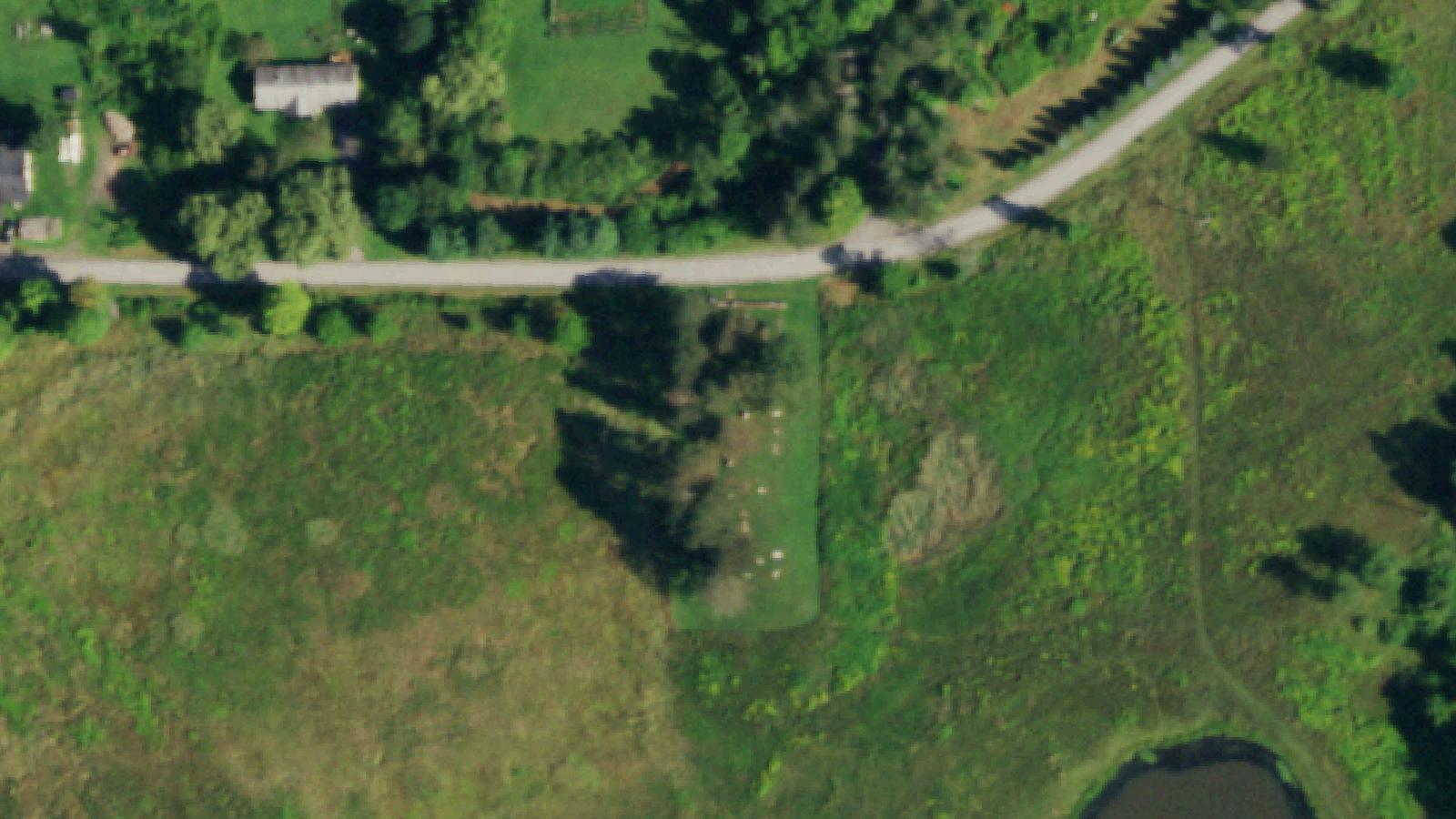
Goosehill Cemetery represents a class of rural burial grounds common to the upstate New York interior: small, family-oriented plots established on private or community land during the region's agricultural settlement period of the early to mid-nineteenth century. Wyoming County was formally organized in 1841, carved from the earlier Genesee County, and the hamlets of the region — including Strykersville — developed around farming communities that established their own local cemeteries rather than relying on distant church grounds.
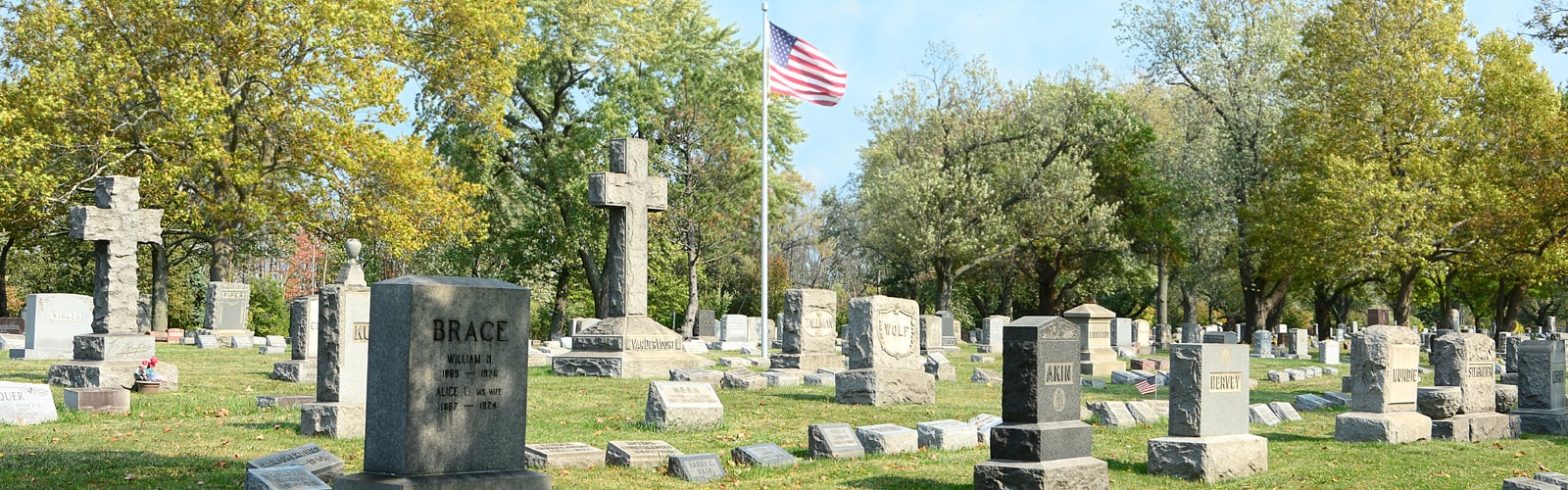
The cemetery contains roughly 30 graves, with dates ranging from the early 1800s through the early twentieth century. Many of the deceased were likely members of large farming families for whom child mortality was a routine grief. The markers — where legible — represent the vernacular stone-carving traditions of rural Western New York.
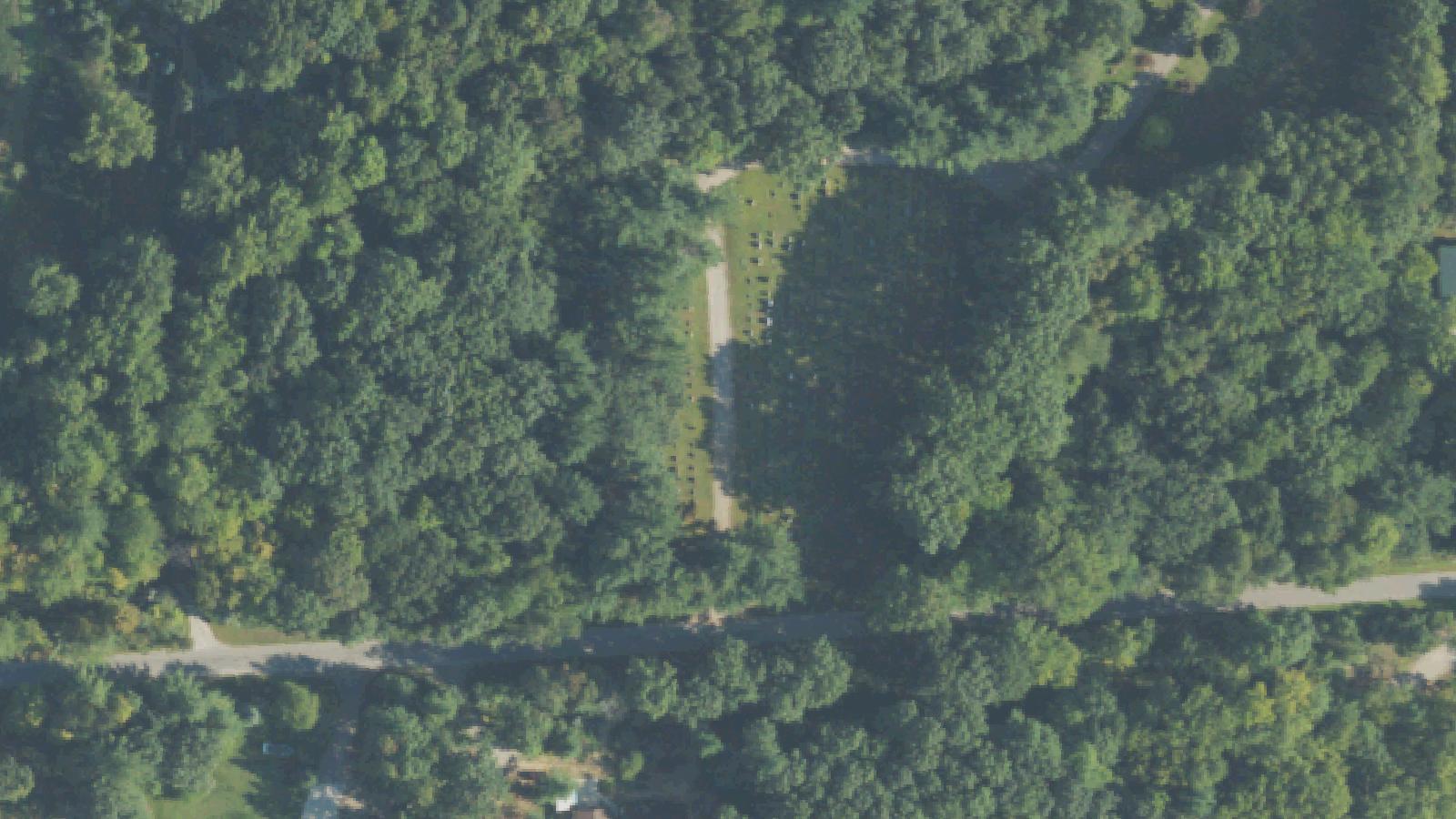
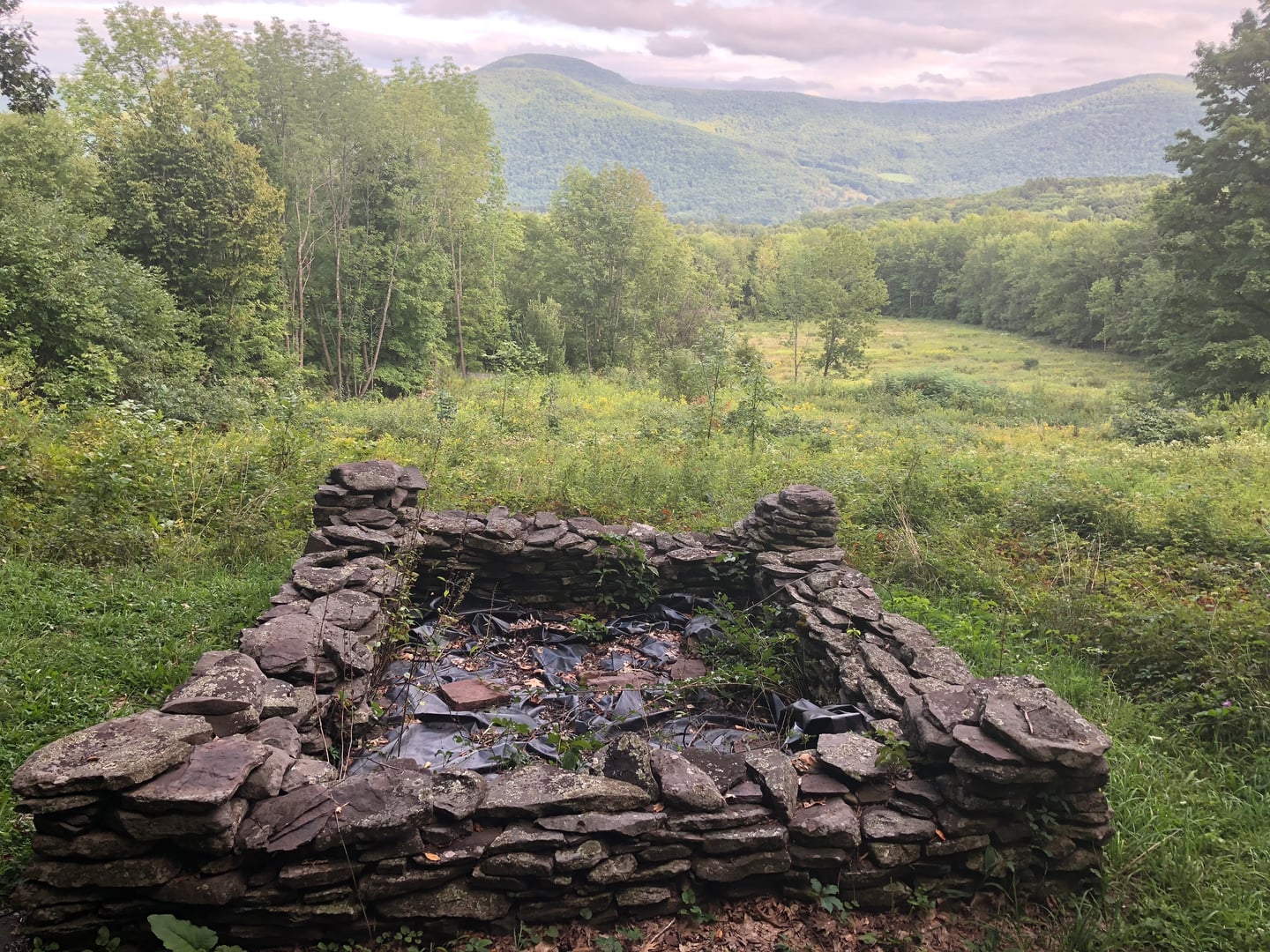
The hilltop position is characteristic of the period's burial preferences: elevated ground, away from the moisture and drainage problems of valley floors, visible from the surrounding farmland. The dense second-growth forest that now surrounds the site has grown up around what was once likely open agricultural land, creating the enclosed, isolated atmosphere visitors encounter today.
Many of the older stones at Goosehill bear German inscriptions reflecting the Pennsylvania German and German-immigrant settler population that established Strykersville and the surrounding Wyoming County hamlets in the early-to-mid 19th century. Survey work in 1950 and 1968 found many of the inscriptions already too weathered to decipher. Wyoming County was organized in 1841 from Genesee County, and its small rural cemeteries — including Goosehill — represent the typical pattern of hilltop, family-and-congregation burial grounds established during the region's agricultural settlement period.
Sources
- https://peoplelegacy.com/cemeteries/NY/Wyoming_County/
- https://www.newyorkroots.org/2011/09/15/wyoming-county-cemeteries/
- http://wyoming.nygenweb.net/ceminfo.htm
- https://www.hauntedplaces.org/wyoming-ny/
Shadow figuresPhantom voices
The reports from Goosehill Cemetery share a consistent geography. Witnesses describe dark shapes — shadow figures rather than coherent apparitions — moving near the tree line that encircles the hilltop clearing. The movement is peripheral: seen at the edge of attention, gone when looked at directly.
Voices have been reported coming from the surrounding woods. The accounts are vague on content — no words, no specific sounds — but consistent in direction: from outside the burial ground, from the treeline, as if something is just beyond the visible perimeter.
The physical reality of the site reinforces the reports without explaining them. The cemetery is genuinely isolated: reached only by a steep climb through dense second-growth forest, with no nearby structures and unreliable cell service at the summit. Sound carries differently in enclosed hilltop clearings surrounded by tree walls. Shadow and low-angle light behave unusually among grave markers at dusk. Whether these environmental factors generate, amplify, or merely accompany the reported phenomena is a question the site itself invites but does not answer.
Witnesses describe the shadow movement as peripheral: visible at the edge of attention, gone when looked at directly. The voices are vague on content but consistent in direction — from outside the cleared burial ground, from the treeline. The cemetery's documented abandonment after 1867 and its near-complete enclosure by second-growth forest produce unusual acoustic and visual conditions at dusk and after dark, and visitors should weigh those environmental factors when evaluating the reports.