Ulster County History · Hudson Valley Settlement · 19th Century Rural Cemetery
The Chodikee Lake area in Ulster County has carried diverse populations through its history. The name itself derives from an Algonkian phrase meaning 'the place of the signal fire,' referencing the light-colored rock cliffs used by the Esopus Tribe for visible fire signals toward Mohonk. The lake itself is roughly 100 acres, shaped like the spade on a playing card, in the Town of Lloyd.
Around 1800, the Pang Yang — followers of Jemima Wilkinson, a former Quaker from Rhode Island who founded her own religious community — established a settlement in the area. Wilkinson reportedly contracted plague during the Revolutionary War, was presumed dead, and surprised her family by sitting up at her own wake; she attributed her recovery to an entity she called the 'Publick Universal Friend' and founded a new sect preaching communal living and equality across gender and race. Pang Yang and Penn Yan are both shortenings of the phrase 'Pennsylvania Yankee.' Mainstream Quakers shunned her, and her followers settled in places including Chodikee Lake.
By 1901, the eastern shore of Chodikee Lake housed the Riordon School, a competitive all-boys academy that drew students nationally until closing in 1940. In 1941, federal agents discovered a bootlegging operation on Chodikee Lake Road. The lake later hosted a fancy hotel, summer camp, orthodox Jewish community, and juvenile-offender residential center over the course of the 20th century.
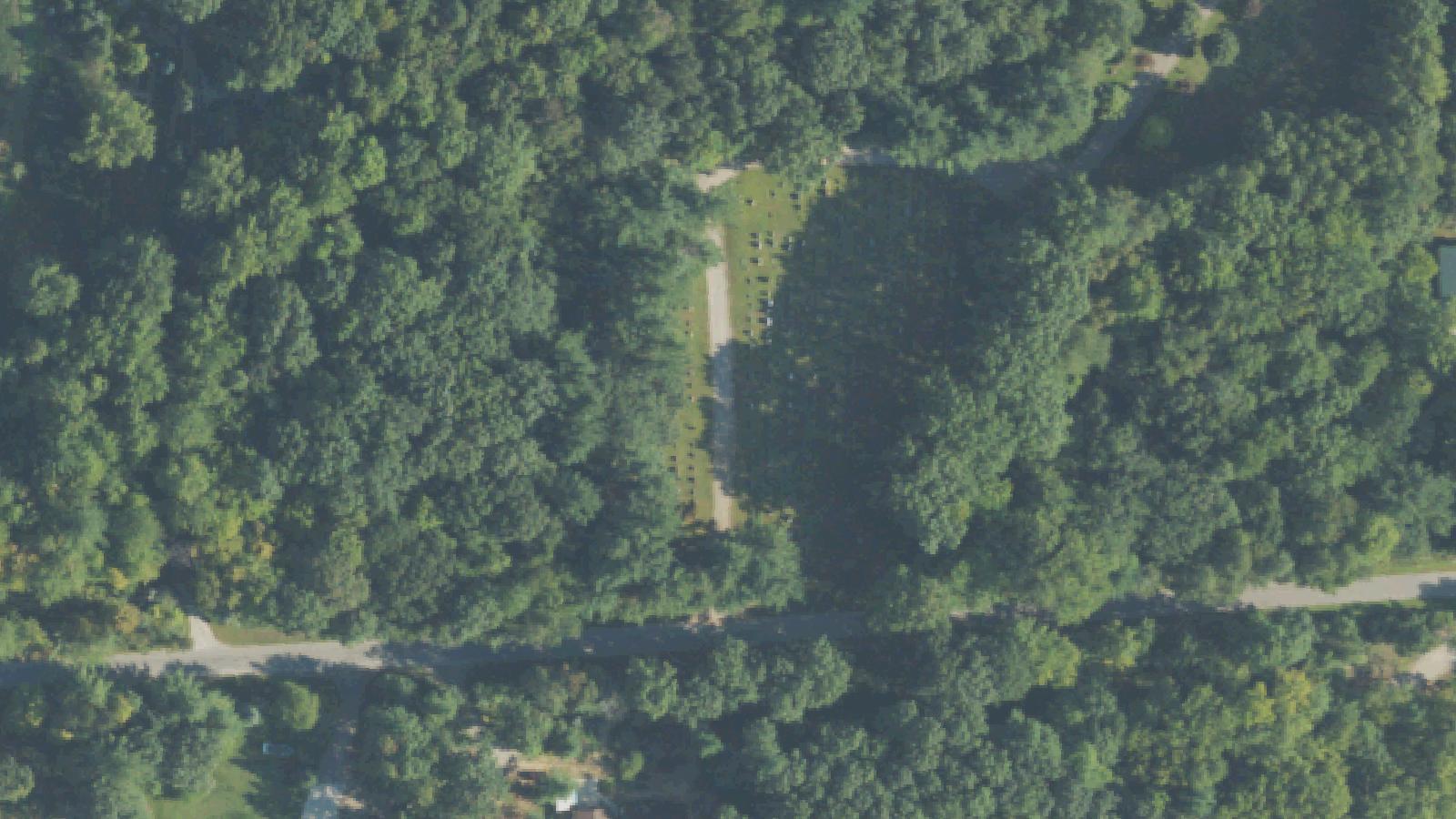
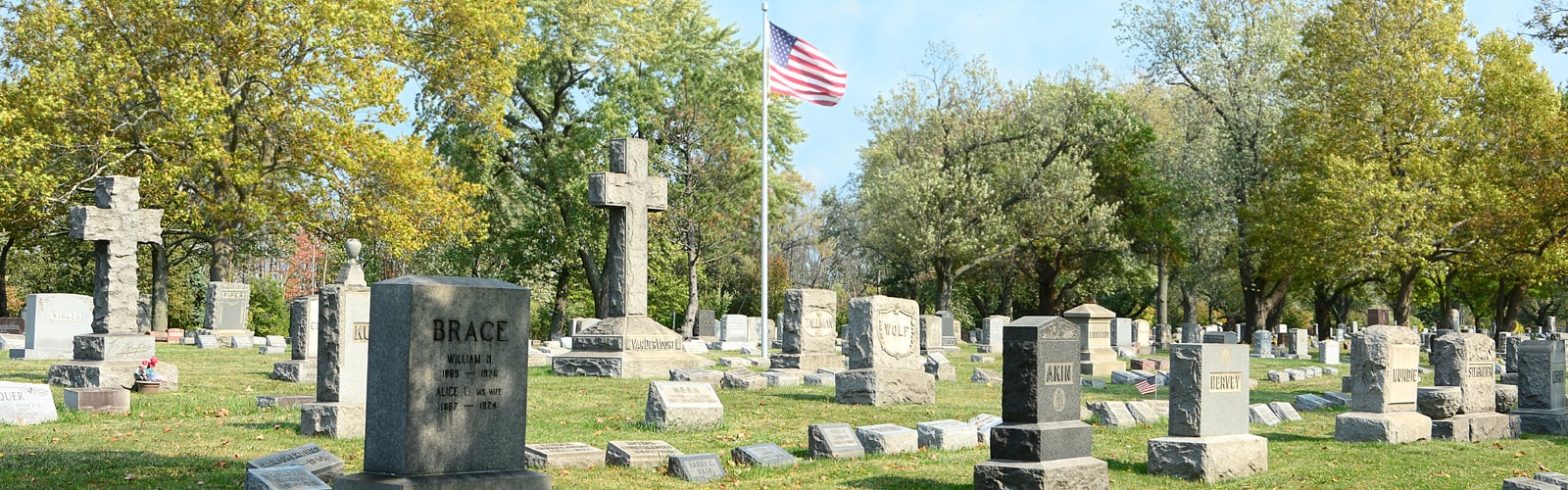
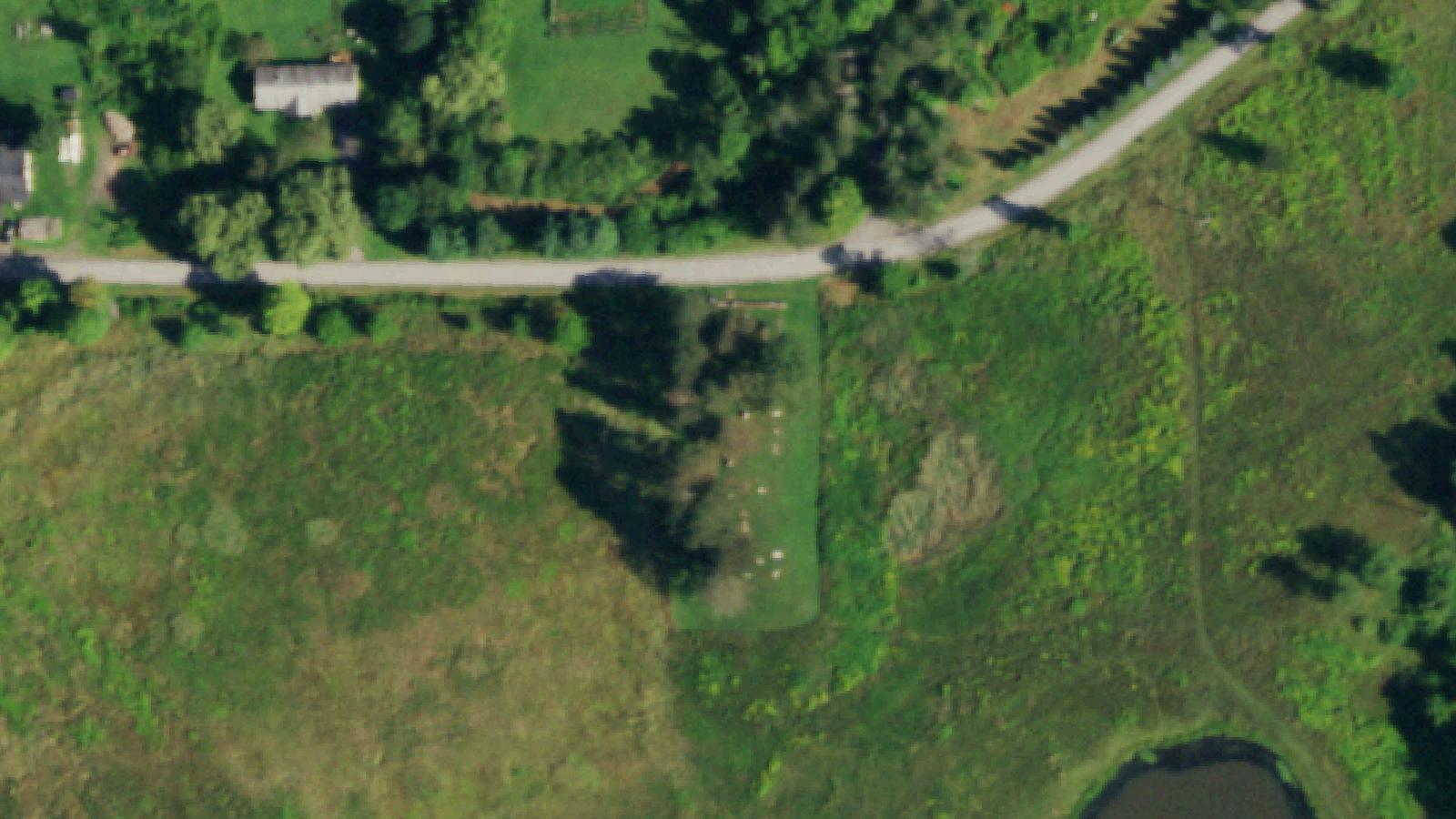
Washington Cemetery, a small 19th-century burial ground associated with nearby farmland, lies along North Chodikee Lake Road. It is noted in local accounts as difficult to locate and very old.
Sources
- https://hudsonvalleyone.com/2013/08/17/chodikee-lake-area-has-storied-colorful-history/
- https://hudsonvalleyone.com/2018/07/11/off-the-beaten-path-chodikee-lake/
- https://dec.ny.gov/places/chodikee-lake
- http://fishhudsonvalley.com/chodikee-lake-highland-ny/
ApparitionsResidual haunting
The accounts associated with North Chodikee Lake Road center on the stretch in front of Washington Cemetery. Witnesses describe seeing a group consistent with a family — multiple figures — walking in the road or at the road's edge. The figures perform a recognizable gesture, raising a hand as if directing traffic to stop.
The distinctive element is what happens next: the figures do not yield. They continue moving, passing through the vehicle rather than around it. The experience as described is not violent or threatening — the witnesses report the figures moving through the car as they would walk through space, without impact.
The timing is specified in accounts as consistently occurring between midnight and 3 a.m. — a window consistent with the folk concept of the 'witching hour.' The figures' identity is not documented. The 19th-century farmland cemetery in the vicinity suggests the tradition may be rooted in the area's early settler community — possibly the Pang Yang or post-Wilkinson farming families who occupied the land — though no specific historical event has been linked to the accounts.