Est. 1921 · American Conservation Movement · Nature Writing · New York State Historic Site
John Burroughs was born on April 3, 1837, on the family homestead in Roxbury, Delaware County, New York. Over the next eight decades he became one of America's most widely read nature writers, producing 27 volumes that combined close ecological observation with transcendentalist philosophy. His friendships with Theodore Roosevelt, Walt Whitman, and Henry Ford placed him at the center of American intellectual life during the late 19th and early 20th centuries.
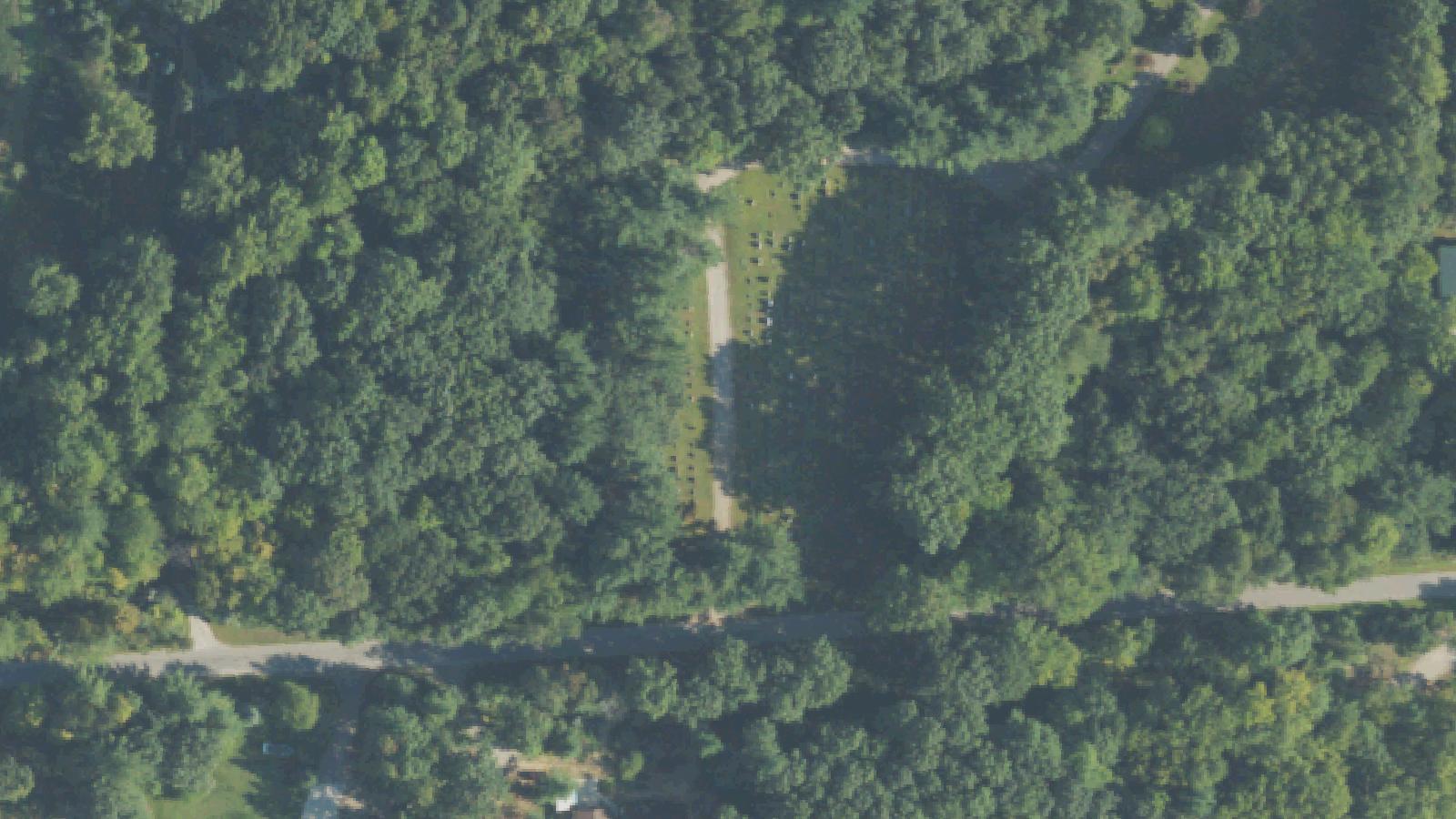
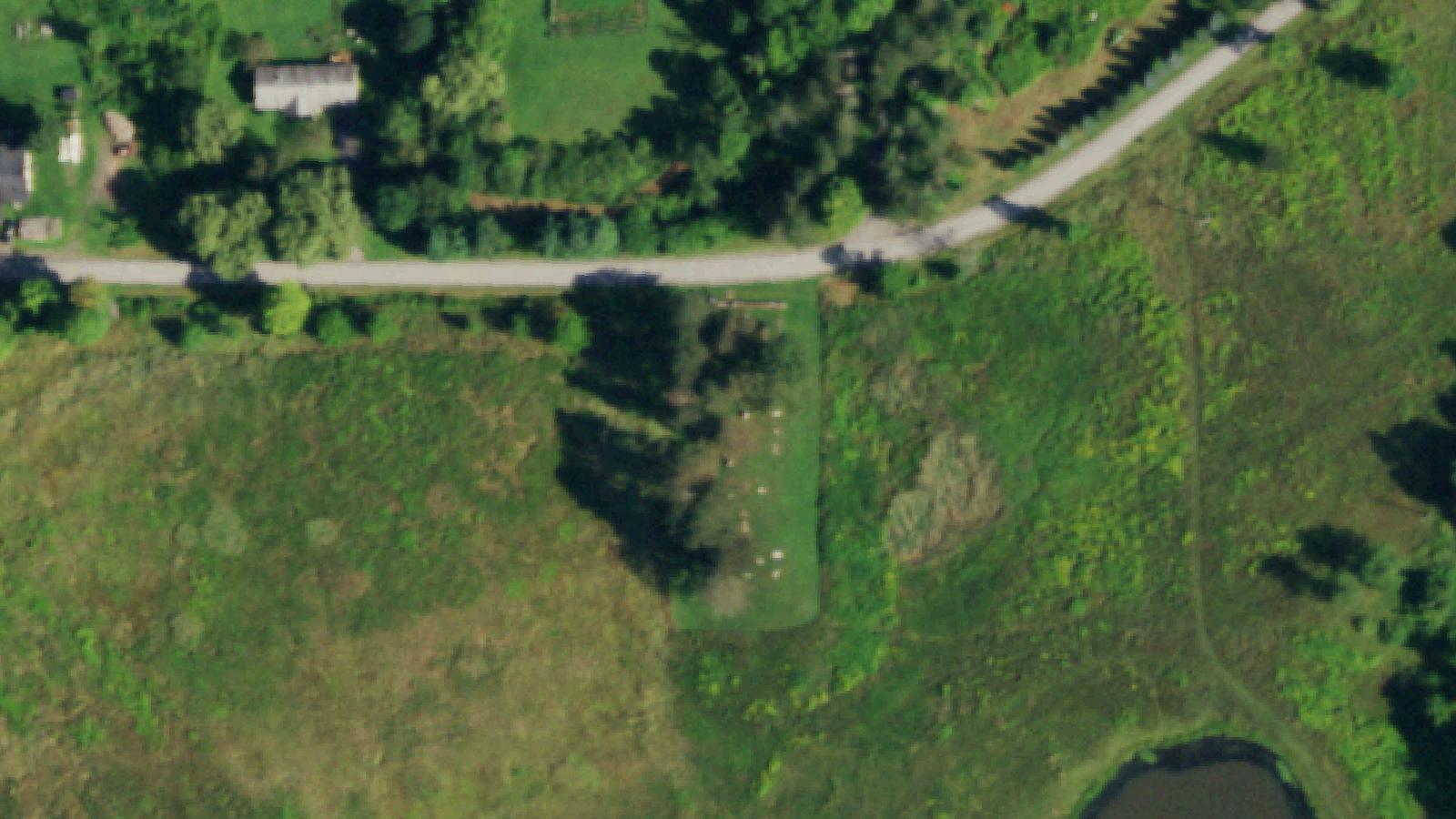
The gravesite sits at the base of Boyhood Rock, a prominent outcropping on the north side of Hardscrabble Road about one mile north of Roxbury on Route 30. Burroughs had returned to this boulder throughout his life to think and write — it represented for him the essential constancy of the natural world against the flux of human affairs. A line from his own writing is etched into the stone: "I stand amid the eternal ways."
Burroughs died on March 29, 1921, while returning by train from California. He was buried on April 3 — what would have been his 84th birthday — in the field adjacent to Boyhood Rock. The site is now maintained by New York State Parks as the John Burroughs Memorial State Historic Site. An outdoor exhibit at the adjacent memorial field presents photographs and interpretive materials covering his life and work.
Nearby Woodchuck Lodge, his summer retreat from 1908 onward, is open for guided tours the first weekend of each month from May through October, though tours were on hold as of 2025 due to interior restoration work.
Sources
- https://parks.ny.gov/visit/historic-sites/john-burroughs-memorial-state-historic-site
- https://en.wikipedia.org/wiki/John_Burroughs
- https://en.wikipedia.org/wiki/Woodchuck_Lodge
- https://nystateparks.blog/2017/01/31/john-burroughs-a-naturalist-for-the-ages/
Cold spots
The original report from the Shadowlands Haunted Places Index describes a single phenomenon: sitting at the center of Boyhood Rock produces a pronounced cold spot. No apparitions, no sounds, no witnessed events beyond that one sensory anomaly.
What gives the report some weight is the specificity. The cold spot is tied to a precise location — the center of the rock — rather than the gravesite itself or the general woodland setting. Burroughs spent decades returning to that exact spot. He wrote there, thought there, and by his own account felt something particular about the place that he struggled to articulate in his final years.
The site is isolated. The forest surrounding Boyhood Rock muffles ambient sound, and the microclimate around exposed granite can produce temperature differentials that have nothing supernatural about them. Whether that accounts for what visitors describe, or whether decades of one man's attention to a single stone left something measurable, is not a question the site itself answers.