Self-Guided Visit
Self-Guided Cemetery Visit
Walk the 332-acre grounds and visit notable plots, including the grave of Dr. Francis Tumblety, a Jack the Ripper suspect.
- Duration:
- 1 hr
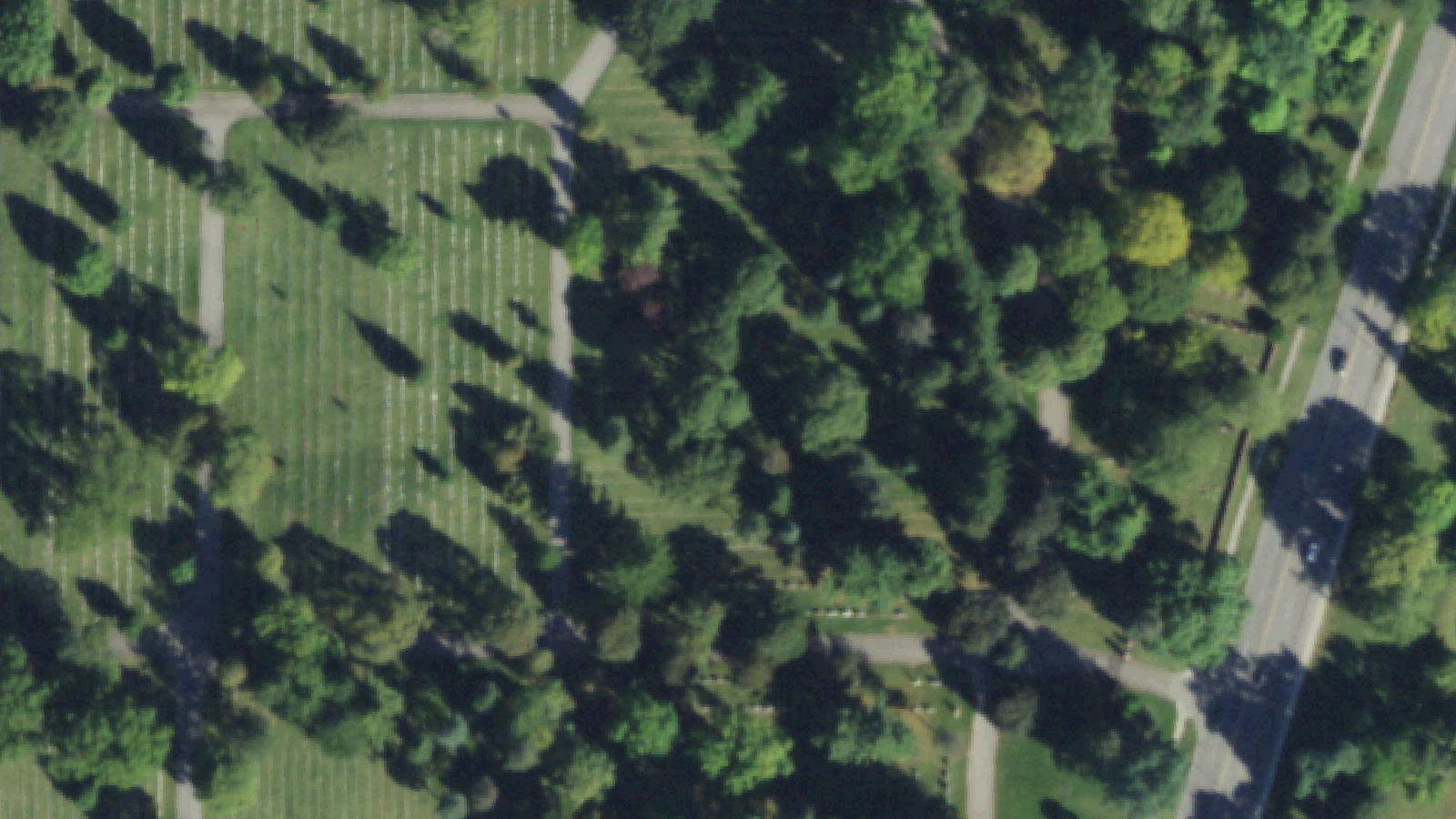 Aerial survey · USDA NAIP · public domain
Rochester's 332-acre Catholic cemetery, consecrated in 1871, is the burial place of Jack the Ripper suspect Dr. Francis Tumblety and is associated with reports of shadow figures in its children's section.
2461 Lake Avenue, Rochester, NY 14612
Research updated May 2026
Age
All Ages
Cost
Free
Free public access during posted hours.
Access
Limited Access
Paved cemetery roads with grass plots and some uneven terrain.
Equipment
Photos OK
Est. 1871 · Consecrated 1871 by Bishop Bernard J. McQuaid · Charter granted by New York State (1872) · Burial place of Francis Tumblety, Jack the Ripper suspect · 332-acre Catholic cemetery for the Diocese of Rochester
Holy Sepulchre Cemetery was established by Bishop Bernard J. McQuaid soon after he became the first shepherd of the newly created Diocese of Rochester in 1868. McQuaid sought a common burial ground for the diocese's Catholic faithful and secured a 110-acre tract straddling what is now Lake Avenue, on Rochester's north side.
McQuaid consecrated the cemetery on September 10, 1871, in a public ceremony that drew an estimated 10,000 people. The first burial — Claude, the infant son of a prominent local family — took place on September 18 of that year. The cemetery's charter was issued by the State of New York in 1872, and a Board of Trustees was formed with Bishop McQuaid serving as chairman.
The cemetery has expanded over more than 150 years to 332 acres, with Lake Avenue bisecting the grounds. Among the many people buried there is Dr. Francis Tumblety (c. 1833 – May 28, 1903), an Irish-born American medical 'quack' who earned a fortune posing as an Indian Herb doctor in the United States and Canada. Tumblety is best known today as one of the more frequently named historical suspects in the unsolved Jack the Ripper Whitechapel murders of 1888. While awaiting trial on an indecency charge in London in 1888, Tumblety fled to France under a false name and returned to the United States; he died of heart disease in 1903 and was buried in the family plot at Holy Sepulchre. Other Ripperologists have dismissed him as implausible given physical-description mismatches with witnesses.
The cemetery celebrated its 150th anniversary in 2021 and continues to serve the Diocese of Rochester. It is operated under the Catholic Cemeteries of the Diocese of Rochester.
Sources
According to NewYorkHauntedHouses.com and GhostQuest.net, visitors have reported dark shadow figures resembling women moving slowly across the grounds, particularly along the older sections near the original 1871 parcel. Multiple regional listings describe mournful white figures in the cemetery's children's section, with witnesses describing soft crying sounds at twilight.
The cemetery's haunted reputation is amplified by the burial of Dr. Francis Tumblety. Local-history blogger Local History Rocs has covered Tumblety's biography and his Jack the Ripper connection in depth, noting that Casebook: Jack the Ripper lists him among the suspects who fled England in November 1888 immediately after the Whitechapel killings stopped. Tumblety's grave at Holy Sepulchre has been a quiet pilgrimage site for Ripperologists and dark-tourism visitors for decades.
Claims here are folkloric and drawn from ghost-directory and tour sources rather than from formal investigations.
Notable Entities
Walk the 332-acre grounds and visit notable plots, including the grave of Dr. Francis Tumblety, a Jack the Ripper suspect.
Some links on this page may earn HauntBound a small commission when you book, at no extra cost to you. Our editorial picks are independent. Full disclosure
Every HauntBound history is researched from documented sources. We clearly separate verified historical fact from paranormal folklore.
Free Guide
10 verified stops, rated for families, mapped in order. Free.
One email to confirm, then the guide link. Unsubscribe anytime.
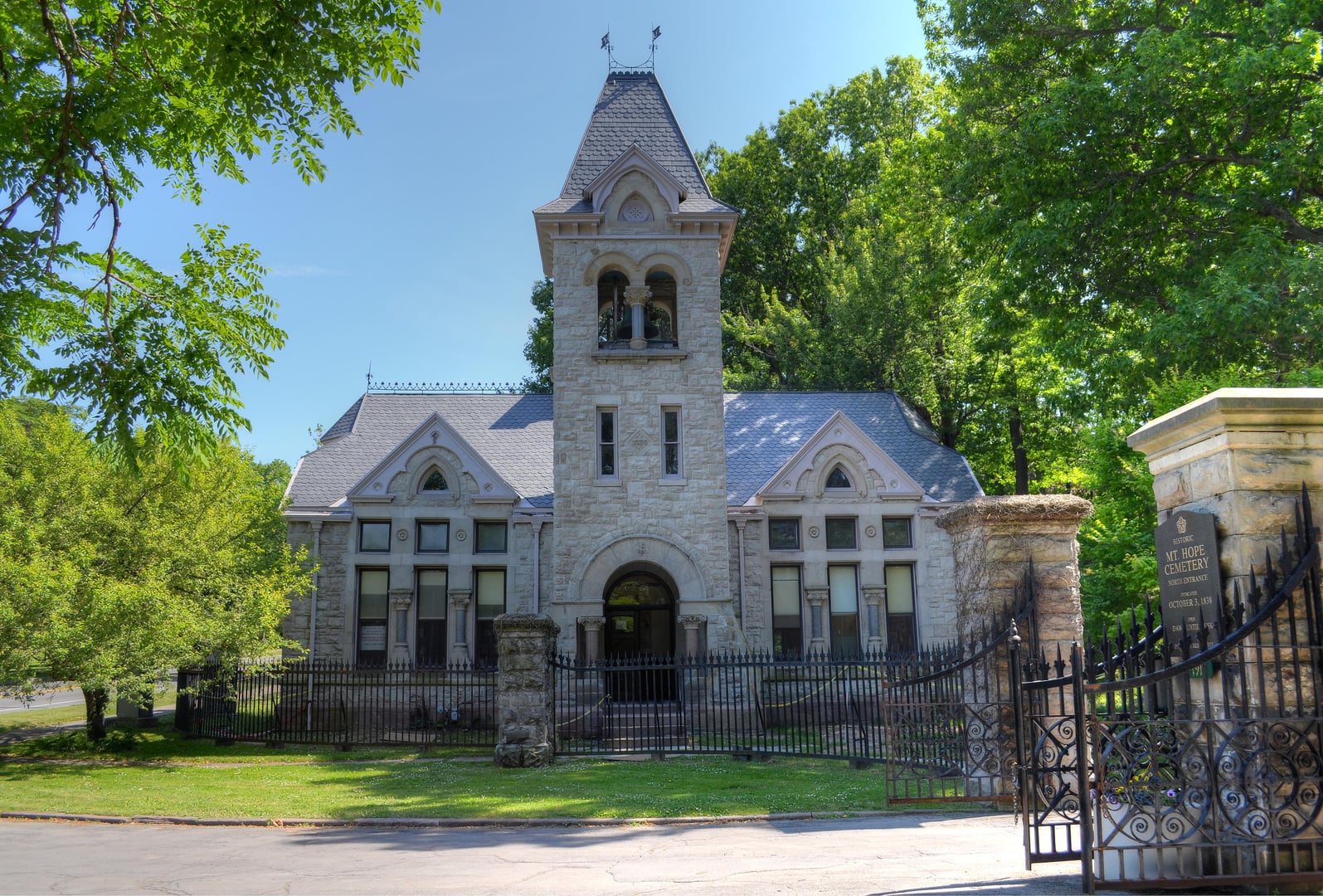
Rochester, NY
Founded in 1838, Mount Hope was the first municipal Victorian cemetery in the United States. The 196-acre landscape adjacent to the University of Rochester is the resting place of more than 350,000 people, including Susan B. Anthony and Frederick Douglass. It was listed on the National Register of Historic Places in 2018.
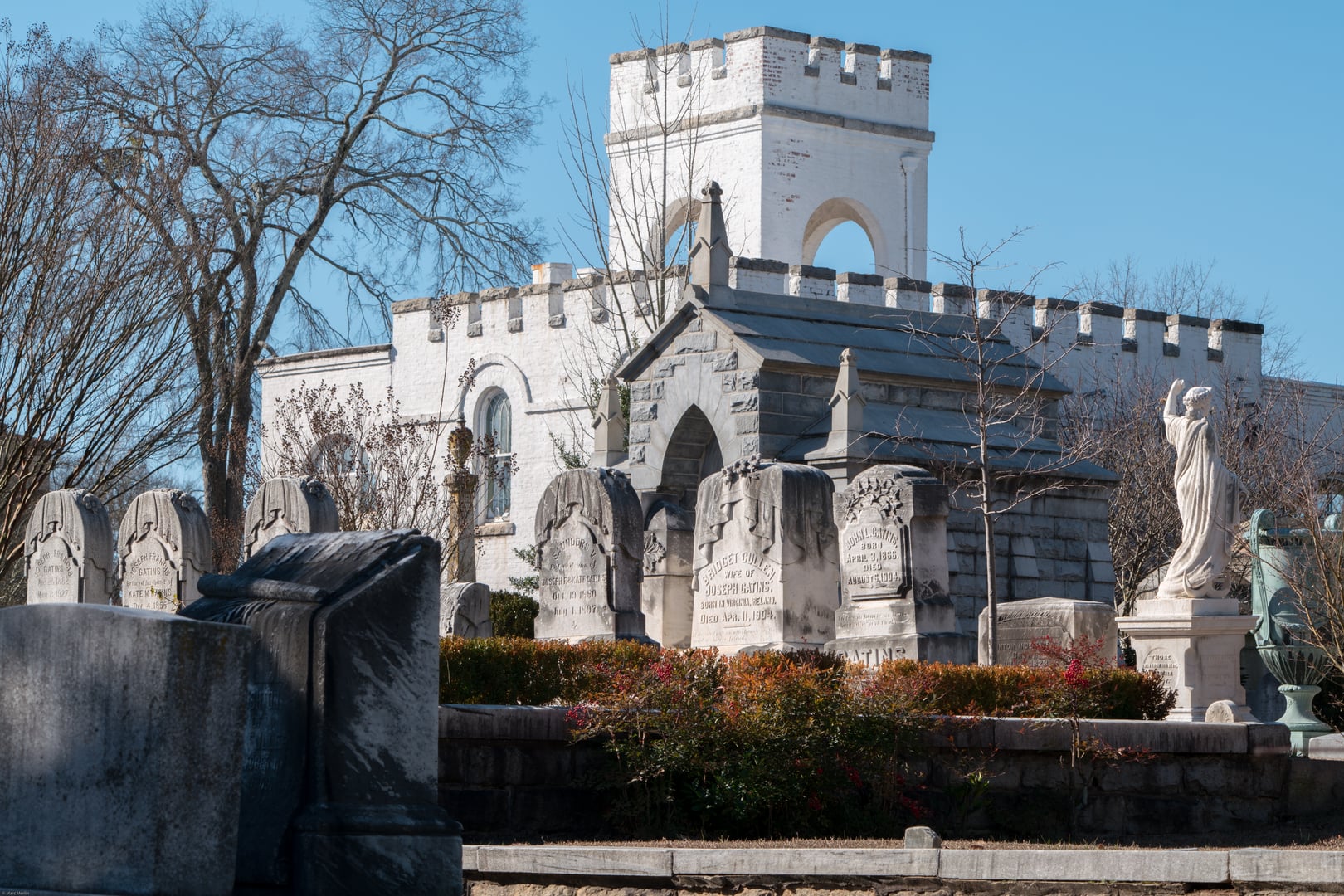
Atlanta, GA
Historic Oakland Cemetery was chartered in 1850 as the six-acre 'Atlanta Cemetery,' renamed Oakland in 1872, and expanded to 48 acres. Approximately 70,000 people are interred, including roughly 6,900 Confederate soldiers (3,000 unidentified), four Confederate generals, six Georgia governors, 27 Atlanta mayors, Margaret Mitchell, golfer Bobby Jones, and Maynard Jackson, Atlanta's first African American mayor. The cemetery was listed on the National Register of Historic Places on April 28, 1976.
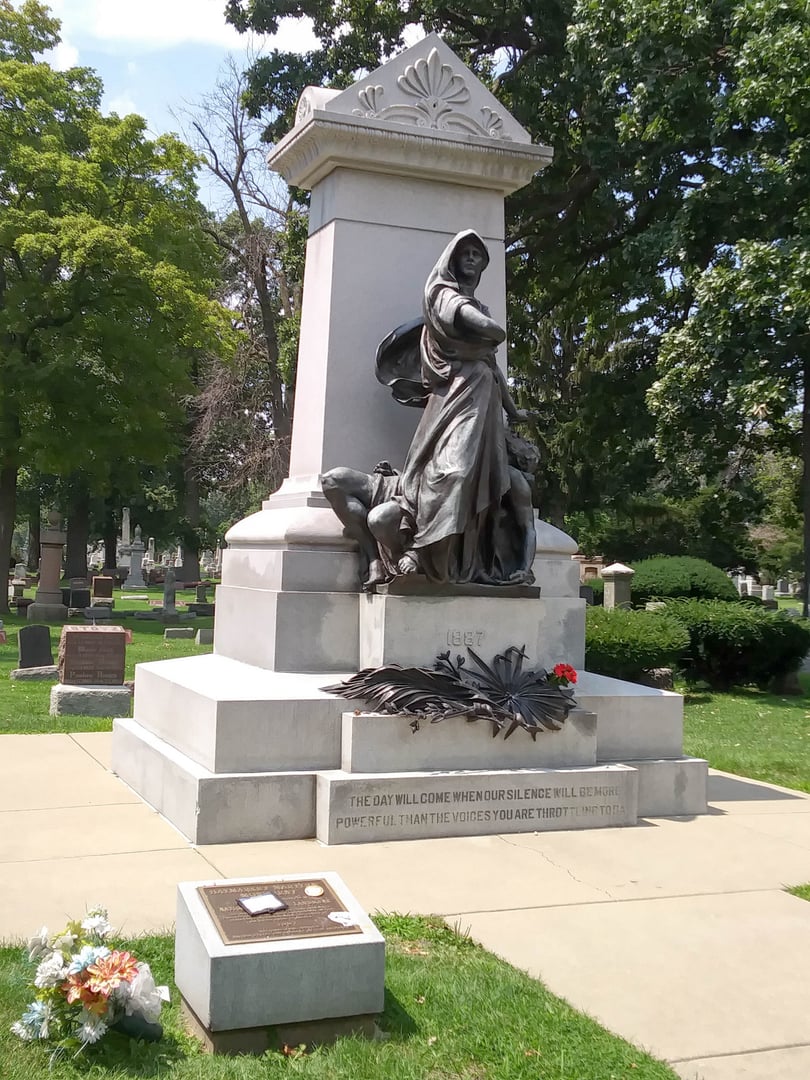
Forest Park, IL
Forest Home Cemetery in Forest Park, Illinois, grew from two adjacent cemeteries — German Waldheim (established 1873) and Forest Home (1876) — which merged in February 1969. The 220-acre site was chosen as a non-denominational burial ground, a policy that made it the only Chicago-area cemetery willing to accept the bodies of the Haymarket defendants in 1887.