Murder Case · Literary Inspiration · American Social History · Adirondack Heritage
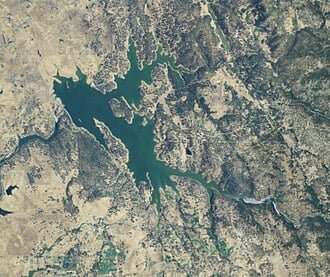
Big Moose Lake occupies a remote location in the central Adirondack Mountains near Old Forge and Eagle Bay, New York. The lake remained a quiet, scenic recreational destination until July 11, 1906, when it became the setting for a murder that would influence American literature and capture the national imagination.
Chester Gillette, nephew of a wealthy skirt factory owner, and Grace Brown, a 20-year-old seamstress employee, had begun a romantic relationship in Cortland, New York. Brown became pregnant and wanted Gillette to marry her, but doing so would have separated him from the more affluent social circle he had been cultivating. Gillette traveled with her to Big Moose Lake.
The prosecution contended that Gillette clubbed Brown and threw her from a rented rowboat; Brown, unable to swim, drowned in the lake, though some doubt about the exact circumstances has persisted. Gillette fled overland to other Adirondack resorts before being apprehended. He was tried in December 1906, convicted of first-degree murder, and executed by electric chair on March 30, 1908.
The crime and trial received extensive newspaper coverage and became embedded in American cultural consciousness. Theodore Dreiser drew directly from trial transcripts and newspaper accounts when writing his naturalist masterpiece An American Tragedy, published in 1925. The novel became canonical American literature, adapted into major films including A Place in the Sun (1951).
Today, Big Moose Lake remains a relatively remote and undeveloped lake in the Adirondacks. Covewood Lodge, established in 1925, operates as a Great Camp-style resort offering seasonal accommodations, water sports, and hiking. The lake's historical significance is acknowledged in regional history texts and paranormal research.
Sources
- https://www.adirondack.net/history/grace-brown/
- https://en.wikipedia.org/wiki/Murder_of_Grace_Brown
- https://www.covewoodlodge.com/