First Annual XMas Tree Lighting
Photo coming soon
Haunted House / Historic Home

Billop House

Revolutionary War era stone house haunted by British soldiers and a servant girl

298 Satterlee Street, Staten Island, NY 10307

Age

All ages

Cost

Free

Free admission to Conference House Park; guided tours available

Access

Limited Access

Historic stone building, period rooms, uneven floors

Equipment

Photos OK

Est. 1680 · Revolutionary War · Peace Negotiations · Colonial Architecture · American Independence

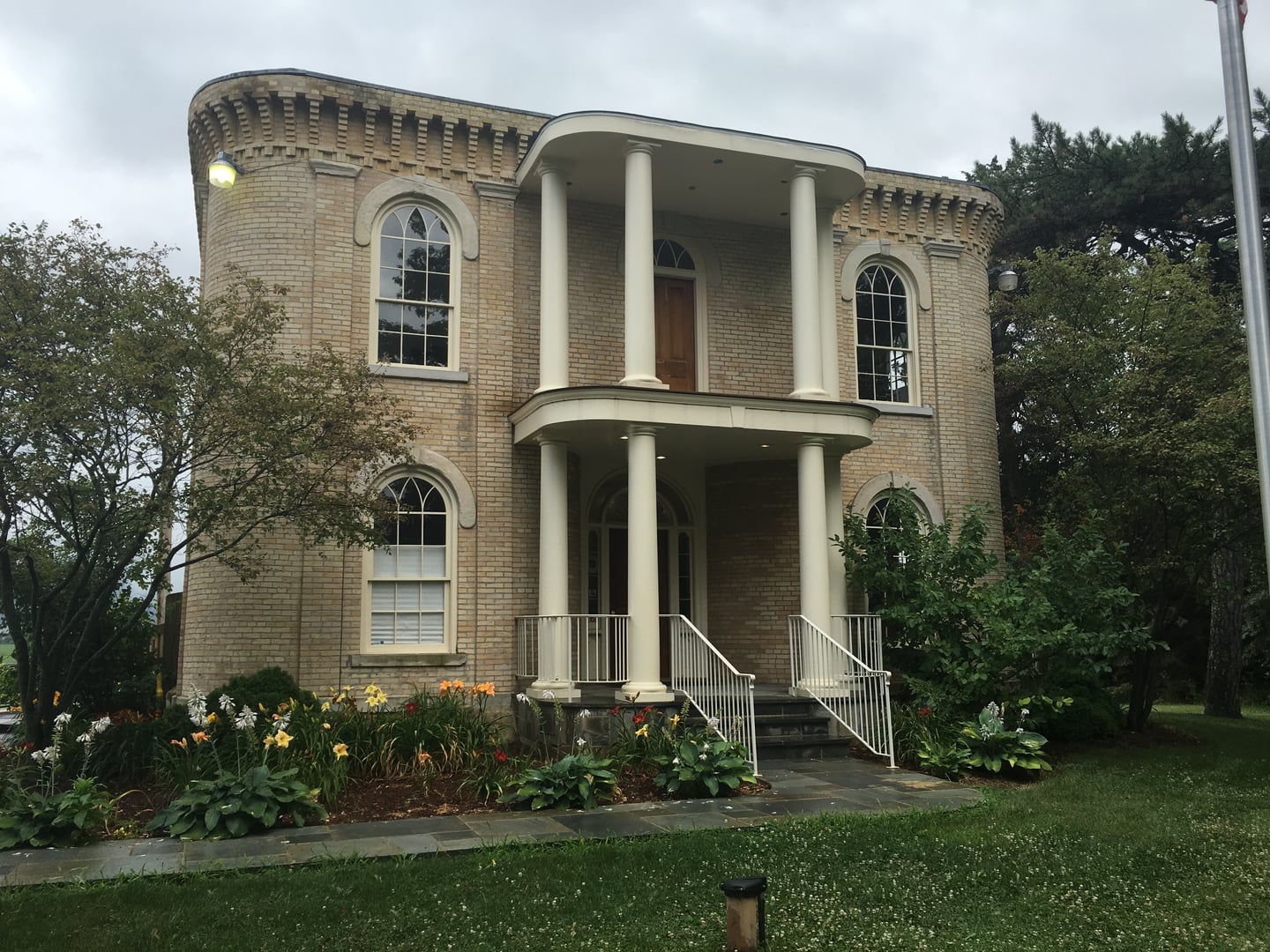
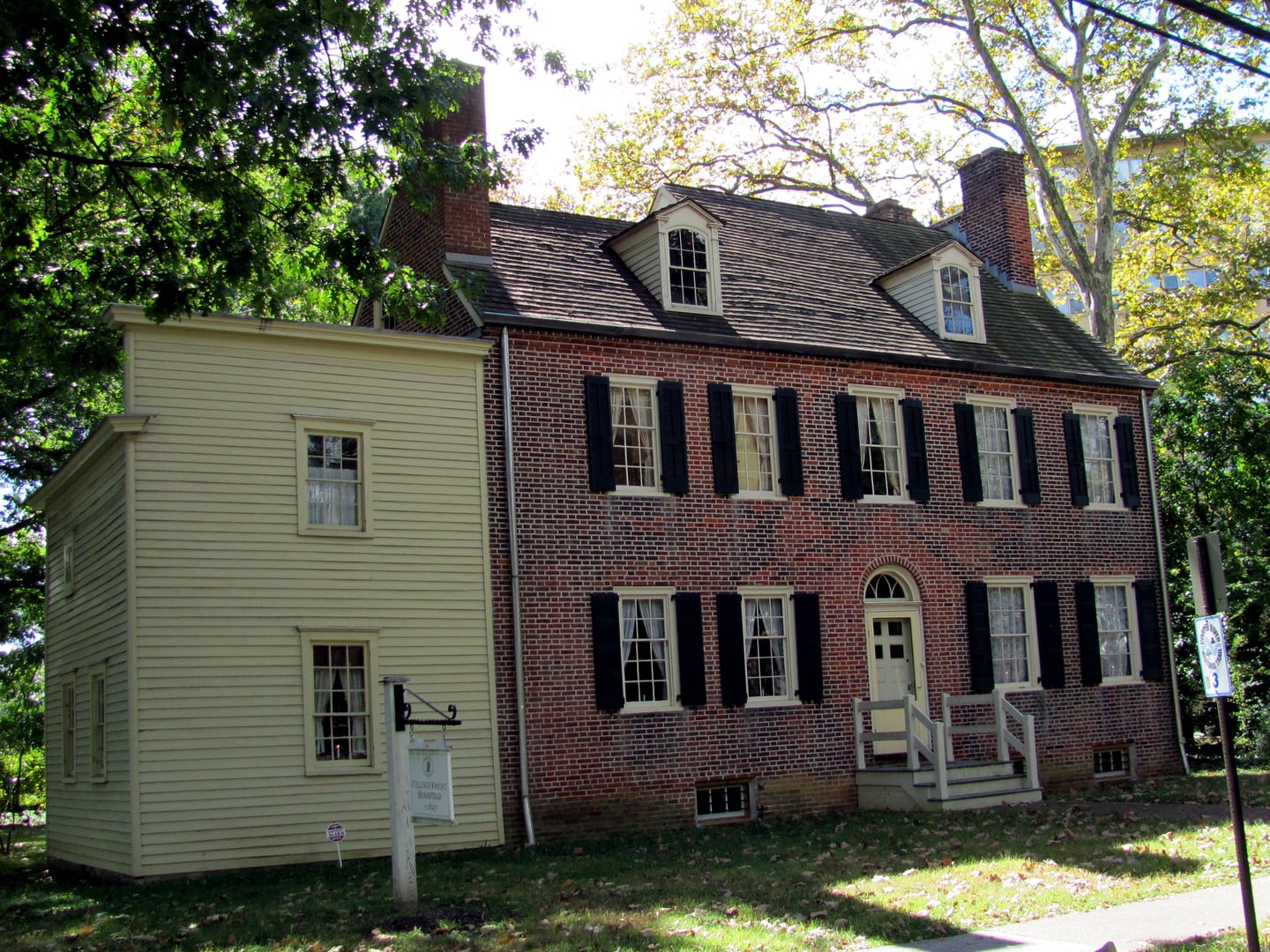
Christopher Billopp, a Royal Navy officer, established himself on Staten Island around 1680 and constructed a distinctive stone dwelling known as the Bentley Manor, later renamed the Billop House. The construction reflects late 17th-century colonial architecture, with a stone exterior providing structural durability against the maritime climate.

The property held no particular distinction until September 11, 1776, when it became the site of a historically significant diplomatic event. By that date, the American Revolutionary War was in its fifteenth month. British Commander-in-Chief William Howe sought a negotiated settlement with the colonists, hoping to end the conflict swiftly. He dispatched an invitation to colonial leaders to meet at the Billop House for peace negotiations.

Benjamin Franklin, John Adams, and Edward Rutledge arrived for the meeting representing the Continental Congress. The negotiations were cordial but fundamental disagreements proved insurmountable. Howe insisted that the colonists recognize British sovereignty and disband their army. Franklin and his colleagues refused these terms, maintaining that American independence was non-negotiable. After several hours of discussion, the peace conference dissolved without agreement.

Historically, this failed negotiation proved pivotal. Had the colonists capitulated, the American Revolution would have ended prematurely. The conference's failure hardened resolve on both sides and contributed to the prolonged conflict that ultimately resulted in American independence.

During the Revolutionary War, the property remained under British control. Colonel Christopher Billop, the heir to the original estate, actively supported the British cause, providing the Billop House as a residence and supply point for British officers. Local legend maintains that Billop secretly harbored wounded British soldiers, providing medical care and shelter. To maintain secrecy, soldiers who died in the house were allegedly buried in unmarked graves on the property.

The paranormal activities associated with the house are directly connected to the historical violence that occurred within its walls. A detailed account describes Billop's paranoia regarding potential spies among the domestic staff. When he observed a 15-year-old servant girl named Charity, or a similar name, placing a lighted lantern on a second-floor window sill, he interpreted it as a signal to colonial troops. In a violent act motivated by suspicion, Billop seized the girl and threw her down the interior stairwell. Her neck broke in the fall, resulting in her immediate death.

The house remained in the Billop family for generations before being transferred to public ownership. Today, it operates as the Conference House, a museum property of the Historic House Trust of New York City. The exterior stone structure remains largely as it was in the 18th century, though interior modifications and restorations have been made to accommodate museum functions.
Sources

  • https://conferencehouse.org/
  • https://en.wikipedia.org/wiki/Conference_House
  • https://historichousetrust.org/houses/conference-house/

Plan Your Visit

3 ways to experience
Museum Visit

Guided Historic Tour

Tour the Conference House (Billop House), a fully restored 1680-era stone dwelling operated by the Historic House Trust. Guides explain the Revolutionary War history, the 1776 Staten Island Peace Conference, and the structural features of this Colonial-era residence. The site documents the mansion's historical significance and paranormal legacy.

Duration:
1.3 hr
Days:
Tuesday-Friday
Times:
10am-2pm
Age:
All ages; families with children recommended for daytime tours
Self-Guided Visit

Self-Guided Exterior Viewing

Explore Conference House Park surrounding the Billop House. View the exterior stone structure, gardens, and surrounding landscape from the public park. The building's architectural features and period details are visible from the exterior, and the park setting provides context for the property's waterfront location and historical significance.

Duration:
1 hr
Drive-By

Hylan Boulevard Drive-By

View the Billop House from Hylan Boulevard, which runs along the property boundary. The distinctive stone building is visible from the road, allowing a quick observation of the historic structure without entering the grounds.

Duration:
15 min

More Photos

Sources & Further Reading

Every HauntBound history is researched from documented sources. We clearly separate verified historical fact from paranormal folklore.

  1. 1.conferencehouse.org
  2. 2.en.wikipedia.org/wiki/Conference_House
  3. 3.historichousetrust.org/houses/conference-house

Nearby Locations

Baron Hirsch Cemetery grounds with stone monuments and pathways
Photo coming soon
Cemetery / Burial Ground

Baron Hirsch Cemetery

Staten Island, NY

Baron Hirsch Cemetery was established in 1899 by an association of Jewish men in New York and named for philanthropist Baron Maurice de Hirsch. Located in the Graniteville neighborhood of Staten Island, the 65-acre cemetery is the final resting place of approximately 65,000 individuals. The cemetery is organized into approximately 500 plots belonging to various synagogues, Jewish associations, and family groups.

$ All ages Family: High

Frequently Asked Questions

Is Billop House family-friendly?
The Billop House is a well-maintained historic museum suitable for all ages. The historical narrative includes violence (a servant girl's death by stairs) but is presented academically. Paranormal reports are subtle—apparitions and sounds rather than frightening encounters. Excellent for family history education. Overall family fit: High.
How much does it cost to visit Billop House?
Free admission to Conference House Park; guided tours available This location is free to visit.
Do I need to book in advance?
No advance booking is required, but checking availability is recommended.
Is Billop House wheelchair accessible?
Billop House has limited wheelchair accessibility. Terrain: Historic stone building, period rooms, uneven floors.