The paranormal reputation of the Crandall House centers on the restless spirit of Sylvester Crandall, the tragic figure whose murder-suicide in 1887 marked the house with violence and death.
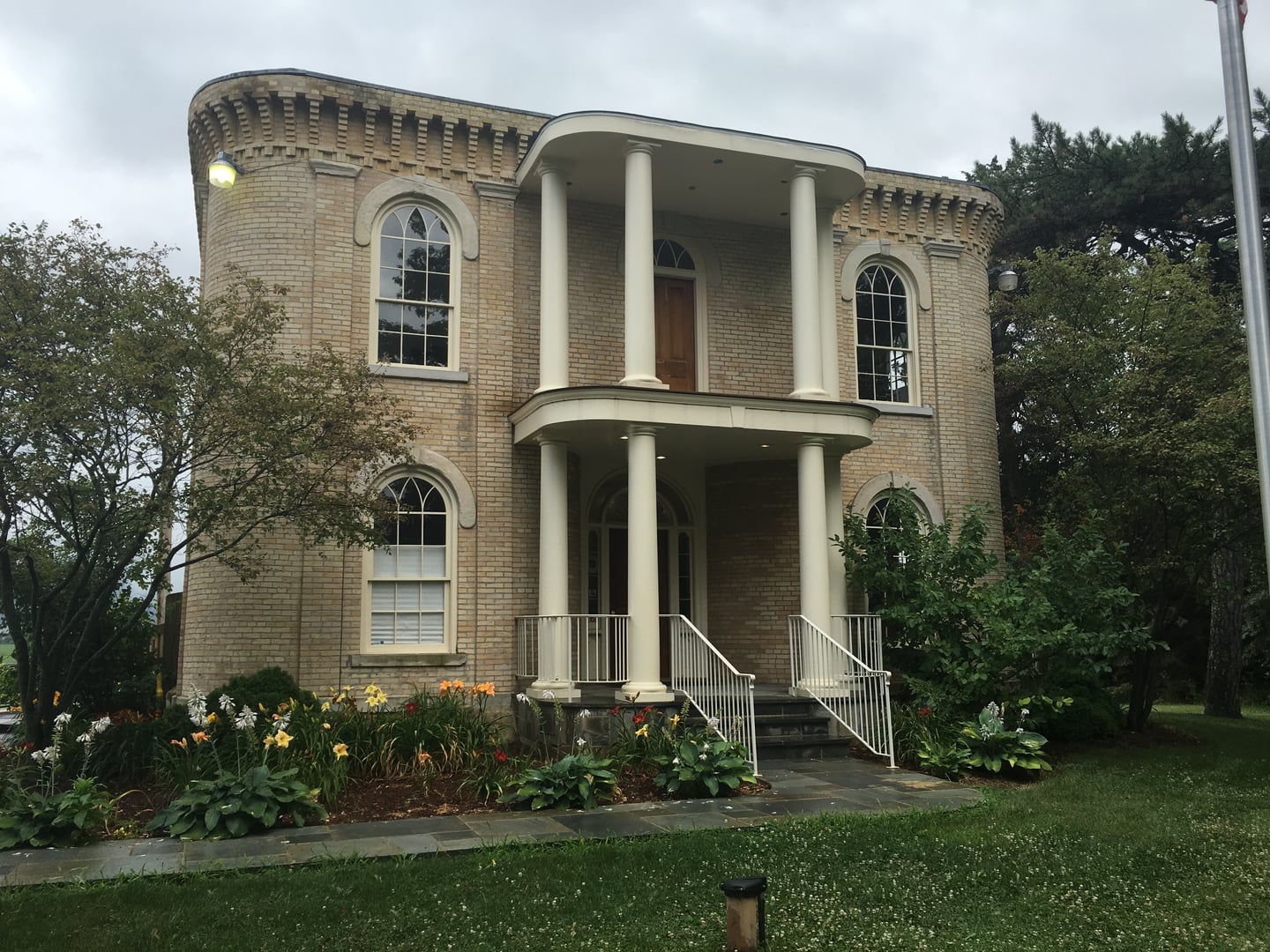
In the immediate aftermath of the killings, neighbors reported witnessing an apparition in the cupola—the isolated room where Crandall had spent hours alone and where he had taken his final action. The figure was described as being consistent with Sylvester's appearance, visible at night within the tower chamber. Most remarkably, witnesses reported that lights burned continuously in the cupola room from dusk until dawn, despite the house being otherwise unoccupied.
The apparition reports were not merely passive observations. One documented account describes a neighbor who became trapped in a severe snowstorm during the winter months. The man reported being approached by a figure identical in appearance to Sylvester Crandall, who allegedly provided assistance and guidance that allowed the neighbor to escape the dangerous weather conditions and reach safety.
Sightings of Sylvester's ghost became less frequent as time passed. As the original community members who had known the Crandalls and witnessed the tragedy aged and passed away, the intensity of reported phenomena diminished. Those with direct memory of the events and emotional investment in the house's history gradually vanished from the community.
However, the hauntings did not cease entirely. Children attending the three elementary schools located near the property have continued to report encounters with a ghostly figure within the house. The apparition is described as "creepy," and the children's accounts suggest ongoing paranormal presence, though less intense than the immediate post-tragedy manifestations.
The earliest circulated account noted that the hauntings had been quiet for approximately ten years prior to that documentation—suggesting that the intensity of paranormal activity has waned over the decades, though the house retained its reputation among local residents and paranormal investigators.
The haunting is interpreted as an intelligent apparition—Crandall's consciousness remaining tethered to the location of his violent act and death, possibly manifesting warning or guidance to those in danger, yet primarily expressing itself through passive manifestation in the isolation of the cupola.