Est. 1850 · Site of a noted 19th-century water-cure sanitarium on Skaneateles Lake · Acquired by Syracuse in 1911 for watershed protection; buildings demolished by 1913 · Featured on the Haunted History Trail of New York State · Legend perpetuated by Lourdes Camp campers on Ten Mile Point (est. 1942)
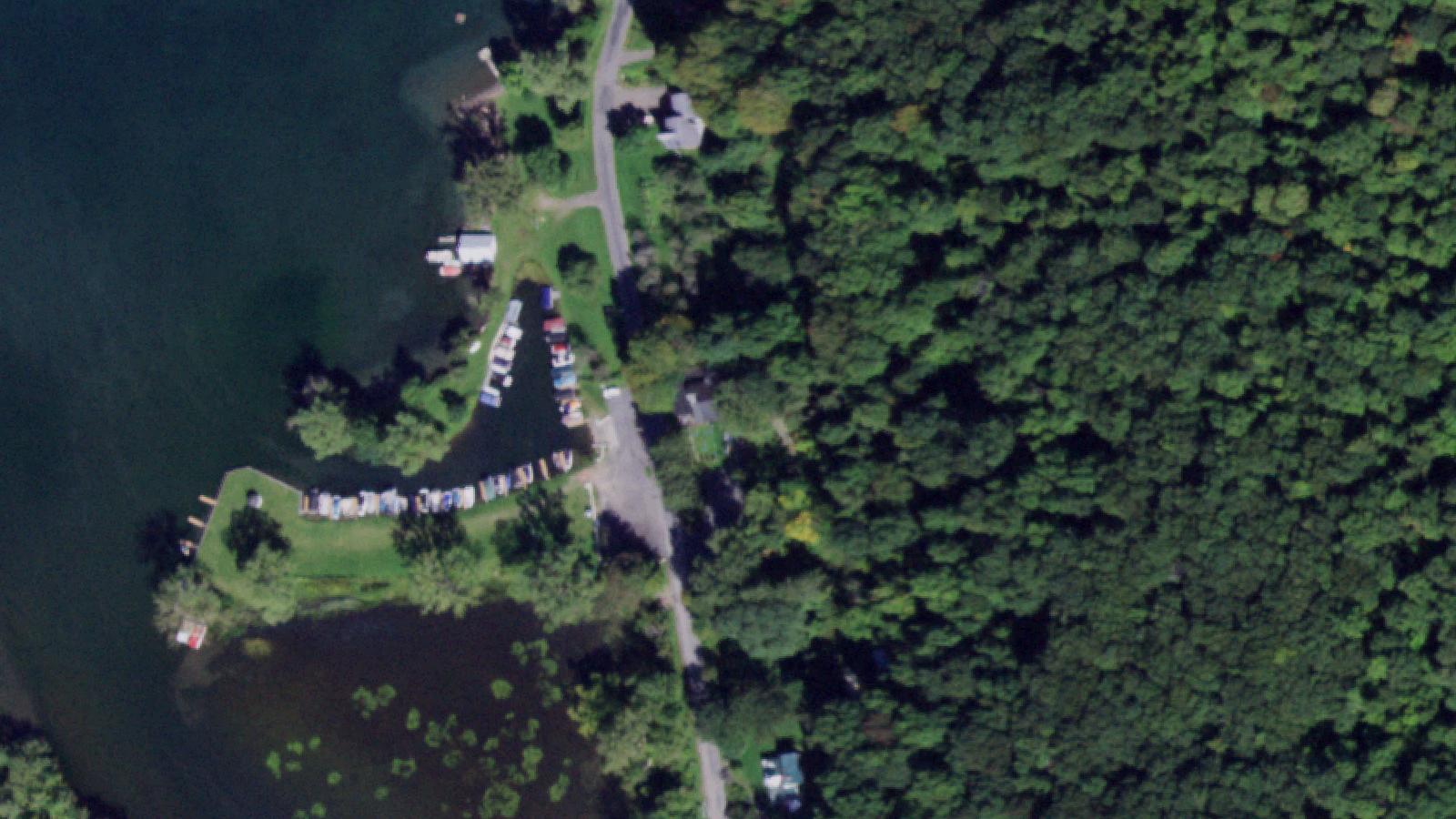
Glen Haven sits at the southern tip of Skaneateles Lake in the Finger Lakes region. In the mid-19th century it was home to a well-known water-cure or hydropathic sanitarium, part of the era's hydrotherapy movement, drawing guests who 'took the cure' beside the lake. The main building burned in an 1854 fire, though no one was reported hurt, and the facility continued.
In 1911 the city of Syracuse purchased the Glen Haven property to remove potential sources of contamination from its drinking-water watershed. Rather than burning the structures, the city had them torn down; usable wood from the hotel was sold and carried away by 1913. An accidental fire on April 25, 1911, when embers from a neighboring barn blew onto the structures, also figures in the property's late history, but the deliberate demolition is what cleared the site.
Across the lake at Ten Mile Point, the Catholic Charities of the Diocese of Syracuse established Lourdes Camp in 1942 on the former F. Harris Nichols estate. It was largely among Lourdes campers and counselors that the 'Screamer of Glen Haven' legend took its enduring form, retold each summer as a lakeside ghost story.
Glen Haven remains a small rural hamlet, and the Screamer is documented on the Haunted History Trail of New York State and in regional Finger Lakes folklore writeups.
Sources
- https://kihm6.wordpress.com/2012/03/17/the-screamer-of-glen-haven/
- https://hauntedhistorytrail.com/explore/the-glen-haven-hotel
- https://cnyartifactrecovery.wordpress.com/2013/11/14/glen-haven/
A piercing scream carrying across Skaneateles Lake at nightAn apparition pacing the wooded cliffs with a scytheEerie feelings reported by campers and visitors on the shore
The most-told version of the Glen Haven legend holds that a sanitarium was burned in 1912 to clear ground for Syracuse's watershed, and that its bitter, jealous caretaker died in the blaze. His ghost, the 'Screamer,' is said to roam the wooded cliffs above the lake, scythe in hand, screaming into the night, with his cries echoing across the water toward the summer camp on the opposite shore (Shadowlands seed; Haunted History Trail; America's Most Haunted).
Local historians have shown the historical core of the tale to be inaccurate: Syracuse demolished the buildings in 1911-1913 rather than burning them, the only deadly-sounding fire (1854) injured no one, and there is no record of a caretaker dying in any fire here (kihm6 'The Screamer of Glen Haven'). The legend instead appears to have crystallized as a campfire story among Lourdes Camp campers on Ten Mile Point, with first-hand recollections of it being told there in the late 1970s.
The Screamer endures less as a documented haunting than as one of the Finger Lakes' best-known pieces of lakeside folklore, kept alive because it is, as one writeup put it, simply a great story to tell in the dark. It is included among the stops on the Haunted History Trail of New York State.
Notable Entities
The Screamer (legendary sanitarium caretaker)