Est. 1915 · 1915 National Park Establishment · Ute and Arapaho Cultural Landscape · Trail Ridge Road · Enos Mills Conservation Legacy · Longs Peak
The Ute people occupied the Front Range and adjacent Middle Park for centuries before Euro-American settlement, using prehistoric pathways across what is now Trail Ridge as summer travel and hunting routes. The Arapaho moved into the area in the late eighteenth and early nineteenth centuries. The lands now within the park were ceded to the United States under successive treaties in the second half of the nineteenth century.
Miners and homesteaders moved into the area following the 1858 Pike's Peak gold rush and the 1862 Homestead Act. The small mining settlement of Lulu City briefly thrived in the upper Colorado River valley before its collapse in the 1880s. Conservation advocacy, led by naturalist Enos Mills, secured the establishment of Rocky Mountain National Park on January 26, 1915.
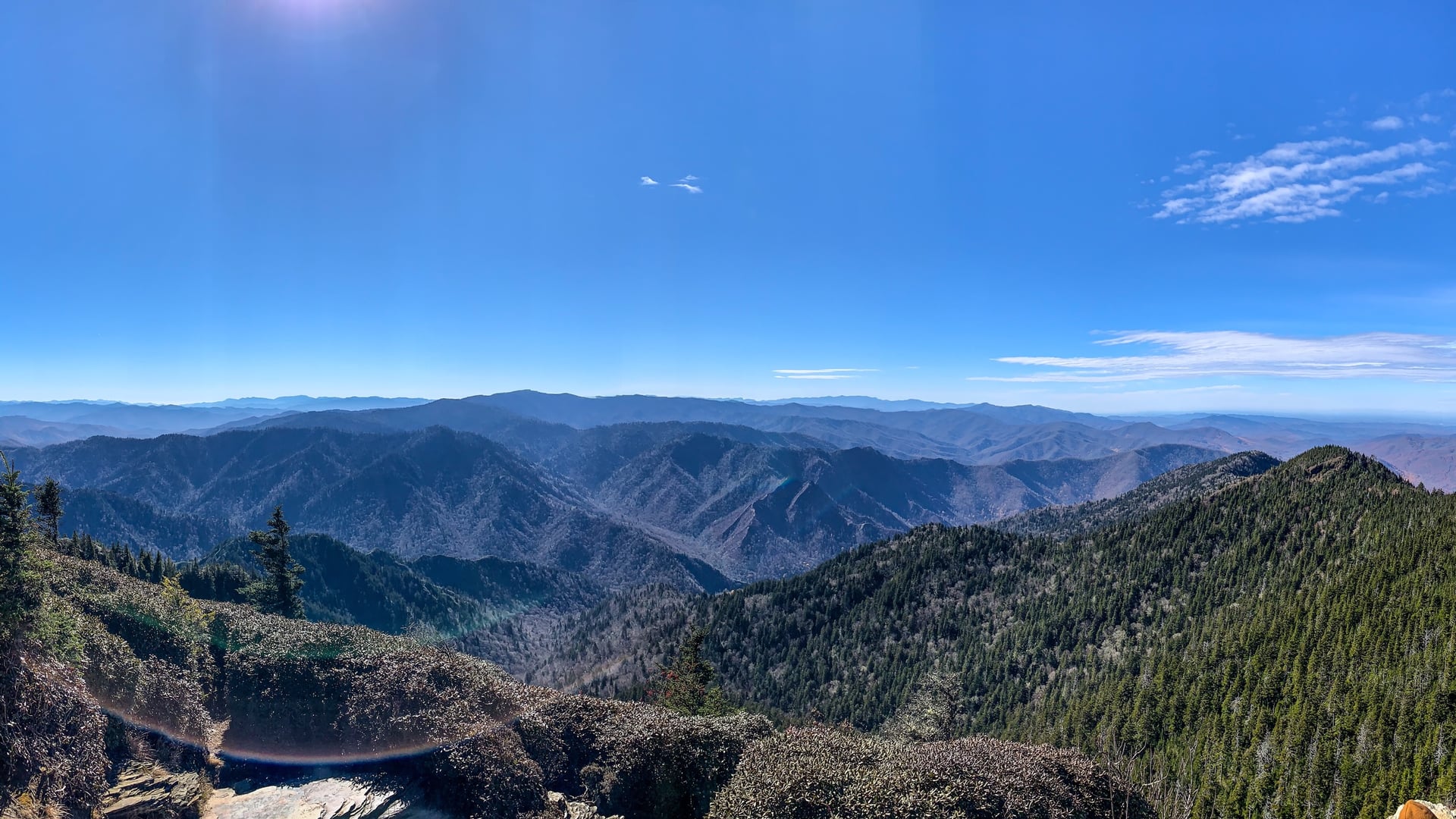
The park covers 415 square miles, with elevations ranging from 7,860 feet on the east side at the entrance near Estes Park to 14,259 feet at the summit of Longs Peak. Trail Ridge Road, completed in 1932, crosses the Continental Divide above the tree line and remains the highest continuous paved road in any U.S. national park. Grand Lake, on the park's west side, is Colorado's largest natural body of water and the source of much of the area's pre-Euro-American oral tradition.
Joseph L. Wescott, an early permanent Euro-American settler at Grand Lake, recorded a version of the Ute Spirit Lake legend in his nineteenth-century writings. The legend describes a battle on the lake in which a Ute encampment, including women and children, drowned. The story has been retold in many forms and remains the most-cited element of the park's folklore. Contemporary statements about Ute spiritual relationships to the lake should be sought from the Southern Ute Indian Tribe Cultural Preservation Department and other Ute cultural offices rather than narrated by outside sources.
Sources
- https://en.wikipedia.org/wiki/Rocky_Mountain_National_Park
- https://www.nps.gov/romo/gl_entrance_station.htm
- https://digscholarship.unco.edu/romo/11/
- https://gograndlake.com/rocky-mountain-national-park/history/
ApparitionsCold spots
The Ute Spirits of the Mist legend is the principal piece of folklore attached to Rocky Mountain National Park. Joseph L. Wescott, an early permanent Euro-American settler at Grand Lake, recorded a version in his nineteenth-century Legend of Grand Lake. The story describes a Ute encampment caught in a violent confrontation on the lake, in which women and children drowned. Mist rising from the cold lake at dawn is, in the legend, the spiritual residue of that loss.
Visitors to Grand Lake have continued to report mist-borne figures at dawn and the sense of being observed from the shoreline. The reports are atmospheric in character and do not cluster around a single named entity. Statements about the spiritual significance of the lake from a Ute perspective should be sought from current Ute cultural offices, including the Southern Ute Indian Tribe Cultural Preservation Department, rather than narrated by outside writers.
The rest of the park's paranormal lore is diffuse: occasional reports of figures along the upper Trail Ridge pullouts, traveler accounts on the Old Fall River Road, and the well-documented hiker disappearances in the Longs Peak high country. The park itself does not program around paranormal content; the primary visitor experience is the geography itself.