Guided Tour
Skene Manor Guided Tour
Volunteer-led tours of the restored Victorian Gothic mansion, including the dining room and former tavern space tied to the manor's ghost lore.
- Duration:
- 1 hr
HauntBound archive · catalog record
Reported phenomena, as catalogued
A Victorian Gothic sandstone mansion built 1872-1874 on the hill above Whitehall, NY, now a community-run museum where lore tells of a coffin-keeping colonel and a ringed-hand apparition behind the former bar.
8 Potter Terrace, Whitehall, NY 12887
Research updated June 2026
Age
All Ages
Cost
Free
Free to tour; donations support the nonprofit that maintains the manor.
Access
Limited Access
Hilltop Victorian mansion with stairs and steep approach road.
Equipment
Photos OK
Est. 1872 · Victorian Gothic mansion built 1872-1874 for NYS Supreme Court Justice Joseph H. Potter · Designed by Philadelphia firm Isaac H. Hobbs & Son · Built of grey sandstone quarried from Skene Mountain · Listed on the National Register of Historic Places as the Judge Joseph Potter House · Restored and operated as a museum by the nonprofit Whitehall Skene Manor Preservation
Skene Manor stands on Skene Mountain overlooking the village of Whitehall in Washington County, New York. The land is historically associated with Philip Skene, a British army officer who founded the settlement of Skenesborough in 1759; the town was later renamed Whitehall. The mansion itself, however, dates to the post-Civil War era and was not built by Skene.
The house was constructed between 1872 and 1874 for Joseph H. Potter, a Justice of the New York State Supreme Court. It was designed by the Philadelphia architectural firm of Isaac H. Hobbs & Son in the Victorian Gothic style and built by local contractor A. C. Hopson, using grey sandstone quarried from the mountain itself, at a reported cost of about $25,000. The home is listed on the National Register of Historic Places under the name Judge Joseph Potter House.
Over the twentieth century the property changed hands several times and at one point operated as a restaurant. During the restaurant era the building's lower level included a bar, which figures heavily in the manor's ghost lore. In more recent decades the mansion fell into disrepair before being rescued by the Whitehall Skene Manor Preservation, a nonprofit volunteer organization that purchased the building and restored it as a community landmark and museum.
Today Skene Manor operates as a seasonal museum and event space staffed largely by volunteers, with guided tours, a tea room, and views over Whitehall and the southern reaches of Lake Champlain. The restoration has made it one of Washington County's best-known historic attractions.
Sources
According to regional ghost guides such as New York Haunted Houses and the Glens Falls history coverage of Washington County, the best-known legend at Skene Manor involves the apparition of a woman in a full-skirted gown who wears a large, distinctive ring on her right hand. Witnesses describe her appearing for a few seconds before fading into a glowing ball of light, and some accounts report only her ringed hand materializing near the area that was once the restaurant's bar.
The lore connects this figure to the wife of Colonel Philip Skene, the town's founder. As the story goes, when she died the colonel kept her body in a lead-lined coffin within the house rather than burying it, and after the building became a restaurant an owner placed the coffin behind the bar and built a fountain around it. Skene Manor's own historians and regional accounts caution that this is folklore rather than documented fact: the widely repeated 'coffin in the cellar' tale was, by several accounts, embellished by a former restaurant owner (the Scheer family) to draw patrons, who reportedly installed a grotto with a lady's hand and claimed it held Mrs. Skene's remains. The mansion also postdates Philip Skene by roughly a century, so any literal connection between the Skenes and this specific building is legendary rather than historical.
Visitors today continue to report a Victorian-gowned figure near the fountain area, fleeting lights, and an uneasy presence in parts of the house, and paranormal groups have conducted investigations at the site. The manor leans into this reputation for seasonal events while its volunteers are candid that the romantic 'coffin' origin is a tale grown in the telling.
Notable Entities
Volunteer-led tours of the restored Victorian Gothic mansion, including the dining room and former tavern space tied to the manor's ghost lore.
Self-paced visit to the hilltop landmark, its period rooms, and overlook views of Whitehall and the southern end of Lake Champlain.
Some links on this page may earn HauntBound a small commission when you book, at no extra cost to you. Our editorial picks are independent. Full disclosure
Every HauntBound history is researched from documented sources. We clearly separate verified historical fact from paranormal folklore.
Free Guide
10 verified stops, rated for families, mapped in order. Free.
One email to confirm, then the guide link. Unsubscribe anytime.
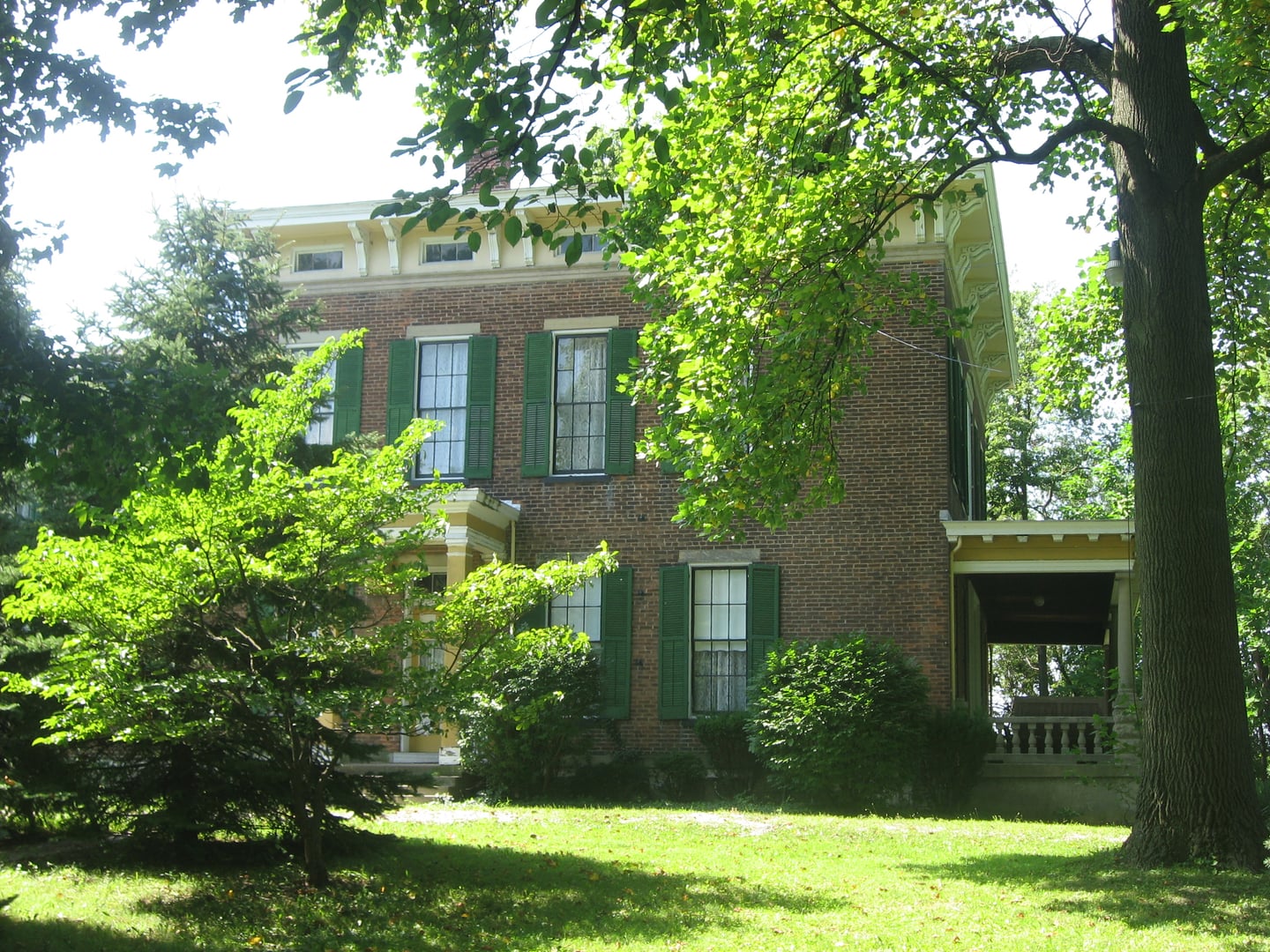
Indianapolis, IN
Hannah House is an 1858 Italianate mansion at 3801 Madison Avenue on the south side of Indianapolis, built by Alexander Hannah, an Indiana businessman who returned wealthy from the California Gold Rush. The property is listed on the National Register of Historic Places.
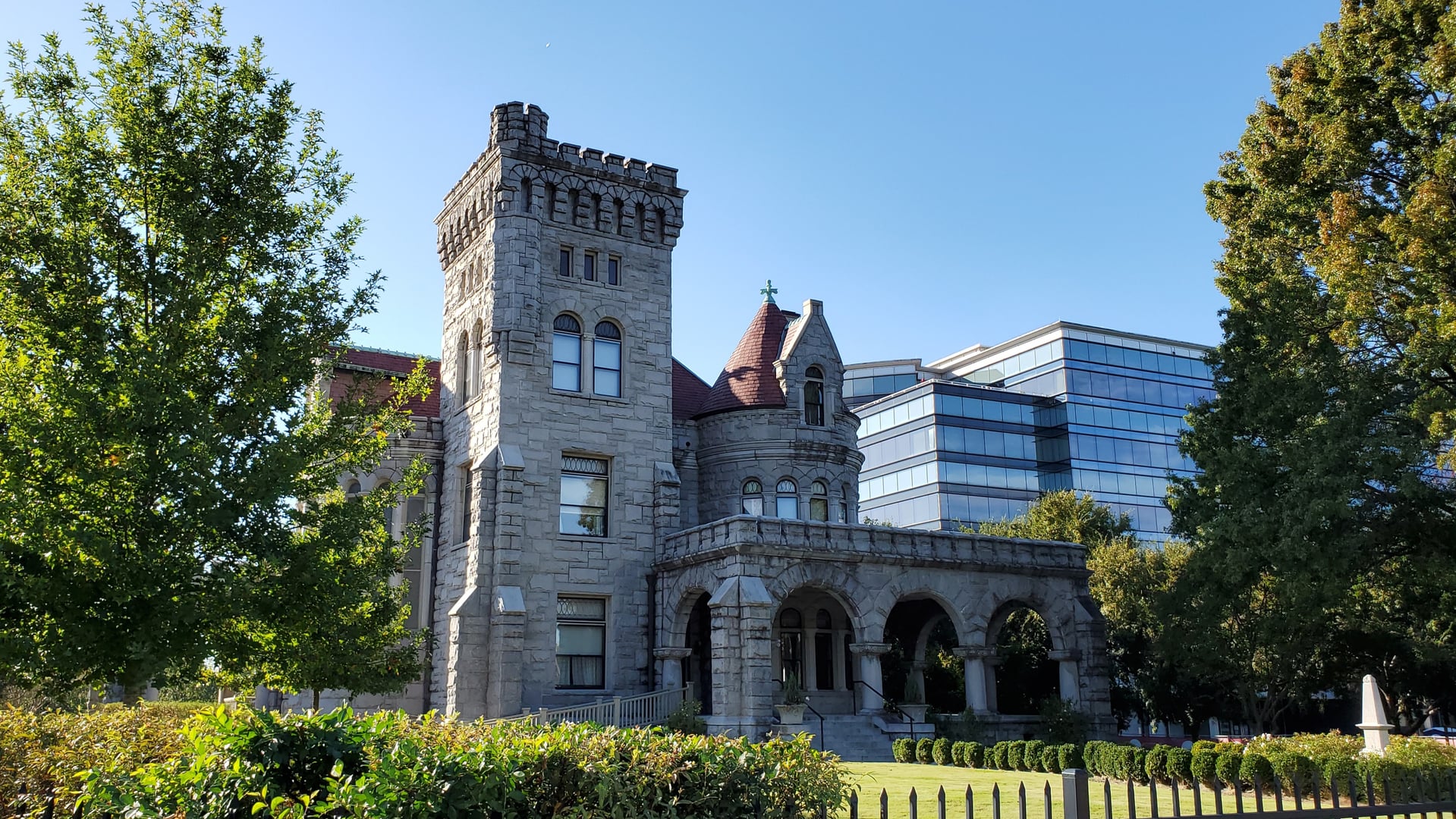
Atlanta, GA
Rhodes Hall was built 1902-1904 for furniture magnate Amos Giles Rhodes, founder of Rhodes Furniture. Designed by Atlanta architect Willis F. Denny II of Stone Mountain granite in a Romanesque Revival style with Victorian and Arts and Crafts interior elements. Listed on the National Register of Historic Places in 1974; Atlanta Landmark Building since 1989; headquarters of the Georgia Trust for Historic Preservation since 1983.
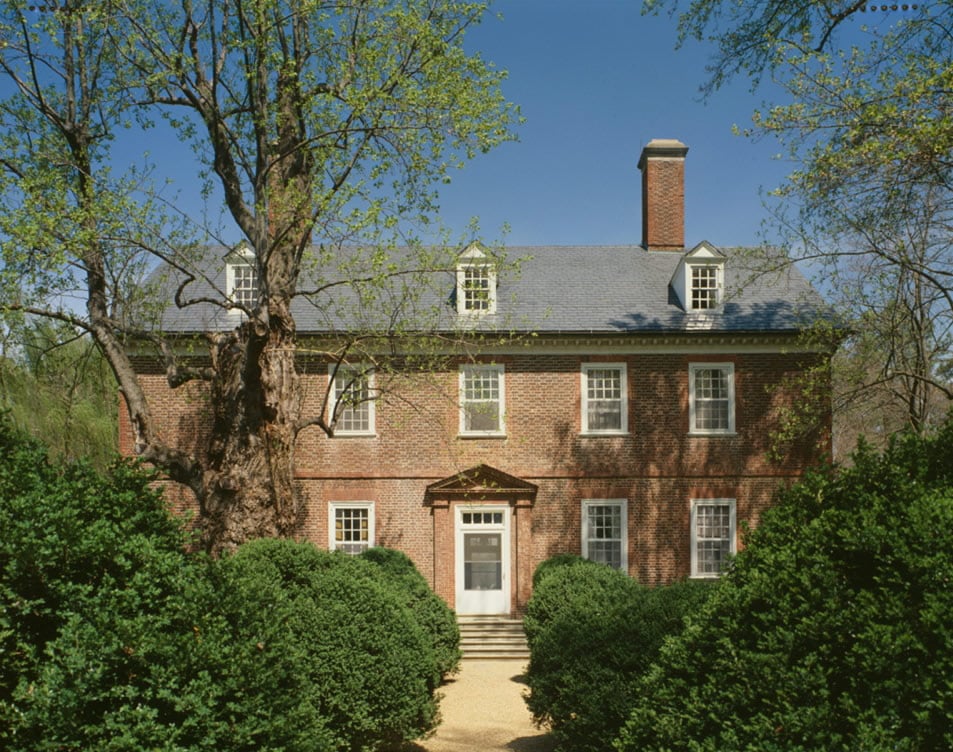
Charles City, VA
Benjamin Harrison IV built the current mansion at Berkeley Plantation in 1726, making it one of the oldest three-story brick houses in Virginia. The plantation became the birthplace of President William Henry Harrison in 1773 and the ancestral seat of a family that produced a signer of the Declaration of Independence and two U.S. Presidents. During the Civil War, General McClellan used the mansion as his headquarters and the cellar held Confederate prisoners.