Guided Tour Booking Required
Daytime preservation tour
Docent-led tour of the Art Deco concourse, office tower lobby and trolley loop areas, focused on the terminal's history and ongoing restoration.
- Duration:
- 1.5 hr
HauntBound archive · catalog record
Reported phenomena, as catalogued
+ 1 further entry on record
1929 Art Deco railroad terminal that ran 200 trains and 10,000 passengers a day, now a preservation site that openly hosts ghost hunts and SyFy-featured paranormal investigations.
495 Paderewski Drive, Buffalo, NY 14212
Research updated September 2026
Age
All Ages
Cost
$$
Daytime tours ticketed; public ghost hunts and Beyond Ghosts events priced separately.
Access
Limited Access
Largely unrestored 17-story terminal; many spaces accessed only by stairs
Equipment
Photos OK
Est. 1929 · Art Deco railroad architecture (Fellheimer & Wagner, 1929) · Peak ridership: 200+ trains, 10,000 passengers daily · WWII troop-movement hub · 1979 closure and long abandonment · National Register of Historic Places
Buffalo Central Terminal opened on June 22, 1929, the culmination of years of planning by the New York Central Railroad to consolidate its Buffalo operations in a single modern facility. Designed by the New York firm of Fellheimer & Wagner, the 17-story Art Deco tower and adjoining concourse rose above the Broadway-Fillmore neighborhood as one of the largest and most ornate rail terminals built in the United States.
At its peak in the 1940s, the terminal handled more than 200 trains and 10,000 passengers per day, and employed roughly 1,500 New York Central workers. WWII servicemen passing through Buffalo on troop movements packed the concourse, and the trolley loop beneath the main floor connected the terminal to streetcar service across the city.
The decline of American rail travel hit the terminal hard. Passenger service ended in 1979 when Amtrak relocated, and the building cycled through a series of private owners through the 1980s. Stripped of fixtures, exposed to weather and frequently vandalized, the terminal stood empty for more than a decade as one of the largest endangered historic structures in New York State.
In 1997 the nonprofit Central Terminal Restoration Corporation acquired the building for back taxes and began stabilization work. Two decades of incremental restoration, special events and tours have reopened the concourse to public use. Today the terminal is owned and operated by a preservation organization that hosts weddings, concerts, public tours, and a full calendar of paranormal-investigation events.
The building is listed on the National Register of Historic Places and is widely considered the most architecturally significant surviving Art Deco terminal in the United States.
Sources
Buffalo Central Terminal's haunted reputation rests on three layers of trauma stacked over the same building: the millions of WWII servicemen who shipped out from the concourse, the long post-1979 abandonment in which the unheated terminal became a refuge of last resort, and the dozens of railroad fatalities documented across the building's working years.
The most-cited piece of lore is the claim that some of the WWII servicemen who never came back to claim their baggage at the terminal also never left it spiritually, and that their footsteps and disembodied voices continue to echo through the upper office floors and along the main concourse (per the New York Haunted Houses listing and Step Out Buffalo coverage).
A second strand of the legend involves the men and women who took shelter in the unheated terminal during the 1980s and early 1990s, when the building stood open to the weather. Local accounts describe several who reportedly died of exposure in the upper floors during Buffalo winters; the terminal's preservation staff and outside investigators link cold spots and shadow figures in those spaces to those deaths.
The Central Terminal was featured on SyFy's Ghost Hunters and has been investigated by numerous independent paranormal groups. The terminal's own programming runs frequent ticketed ghost hunts, candlelight tours and 'Para-History' events that take participants above the concourse on the office floors and below it into the dark trolley lobby, where the most frequently reported phenomena cluster.
Notable Entities
Media Appearances
Docent-led tour of the Art Deco concourse, office tower lobby and trolley loop areas, focused on the terminal's history and ongoing restoration.
After-hours investigation of the office floors above the concourse and the trolley lobby below, run by the terminal's official ghost-hunt program in partnership with local paranormal groups.
Some links on this page may earn HauntBound a small commission when you book, at no extra cost to you. Our editorial picks are independent. Full disclosure
Every HauntBound history is researched from documented sources. We clearly separate verified historical fact from paranormal folklore.
Free Guide
10 verified stops, rated for families, mapped in order. Free.
One email to confirm, then the guide link. Unsubscribe anytime.
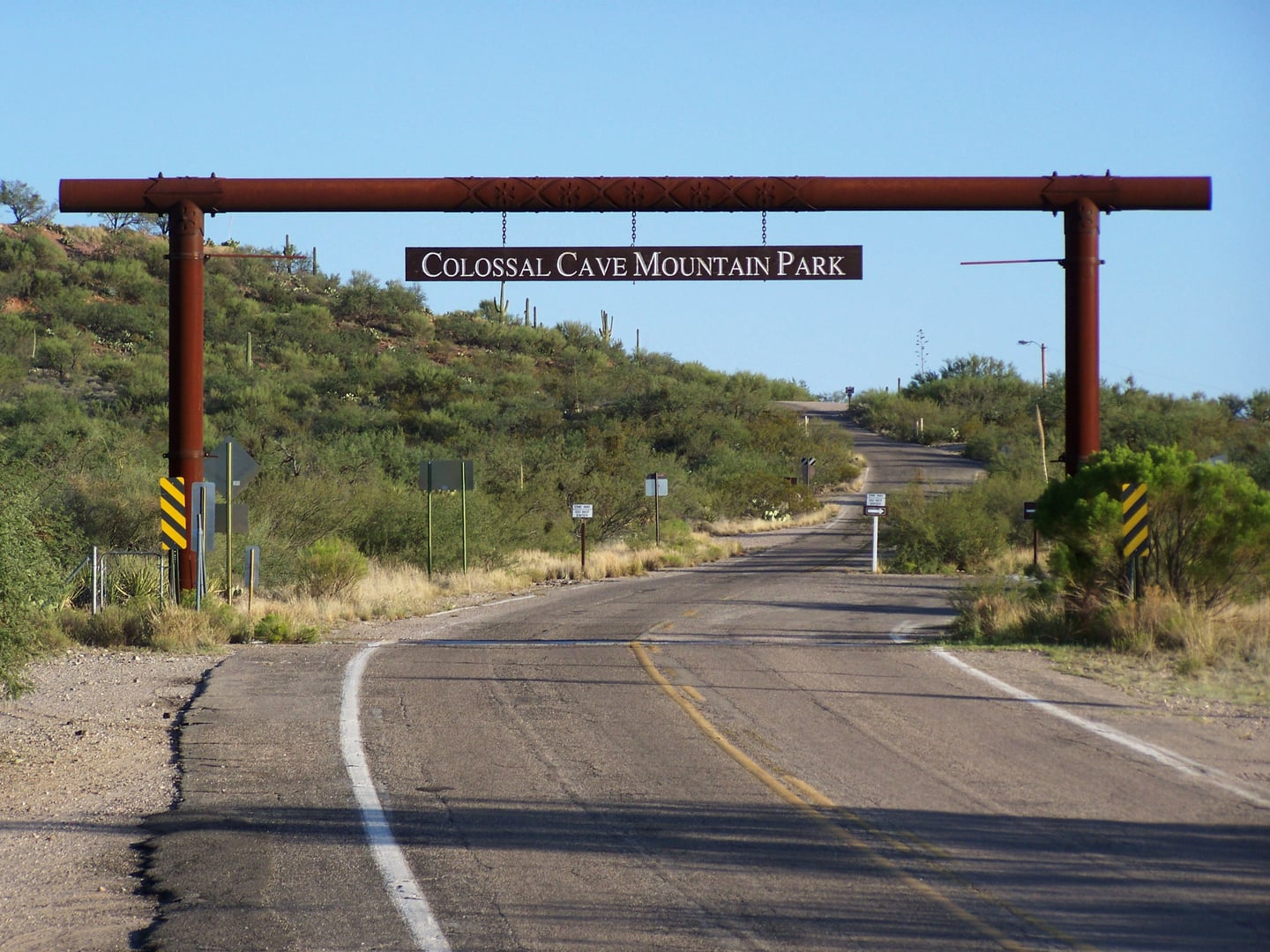
Vail, AZ
Colossal Cave Mountain Park preserves a dry limestone cave 15 miles southeast of Tucson that is associated with the operator’s Bandit Legend. Frank Schmidt, one of the cave's early developers, spent much of his life documenting and preserving the caverns before his death.
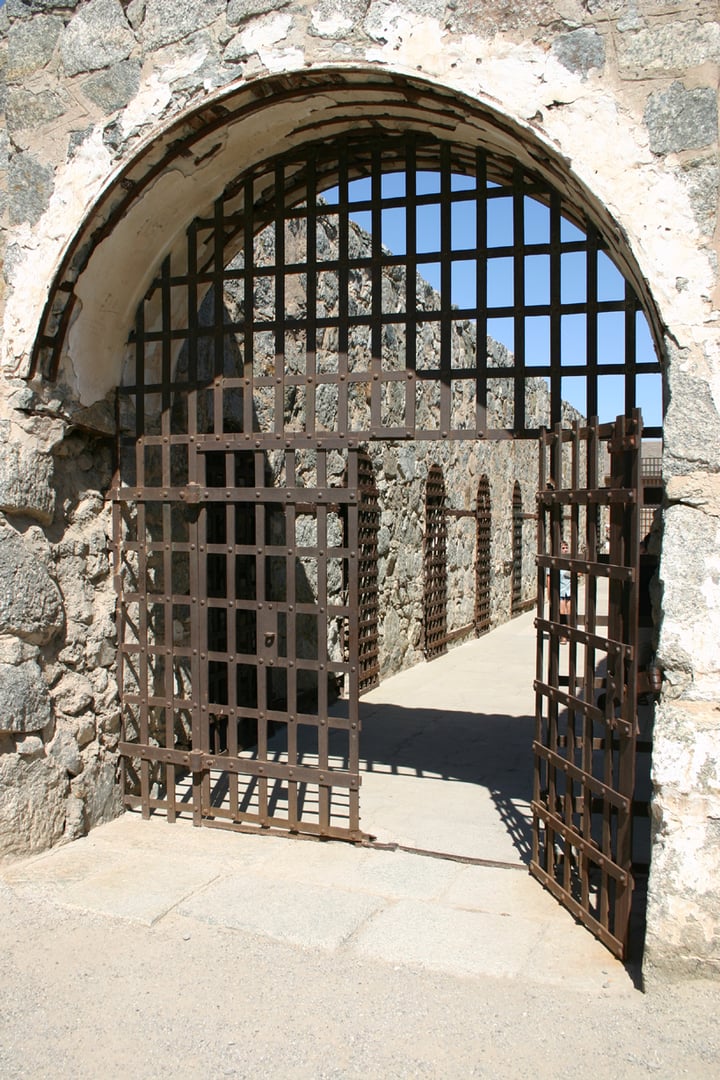
Yuma, AZ
Yuma Territorial Prison operated from 1876 to 1909 on a bluff overlooking the Colorado River in Yuma, Arizona. It held 3,069 prisoners during its 33-year operation, including 29 women. The facility became a state historic park and has been voted by USA Today readers as the Best Haunted Destination in the nation.
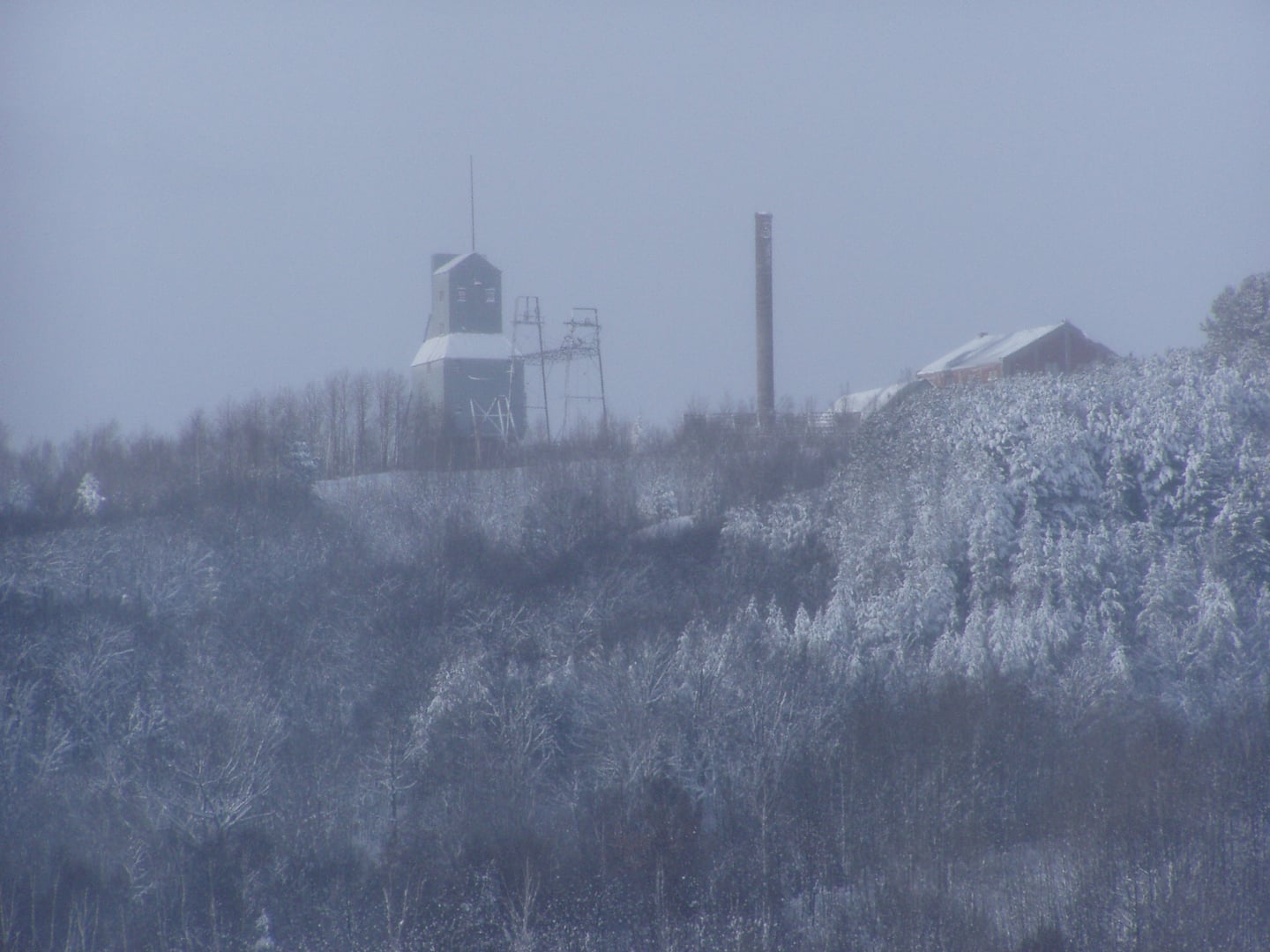
Hancock, MI
The Quincy Mining Company began extracting copper from the Keweenaw Peninsula in 1846 and operated continuously until 1945, producing nearly a billion pounds of copper. During that period, 253 workers died in documented underground accidents. At its deepest, the mine reached 9,000 feet — the deepest copper mine in the world at the time — and its No. 2 shaft hoist house is a National Historic Landmark.