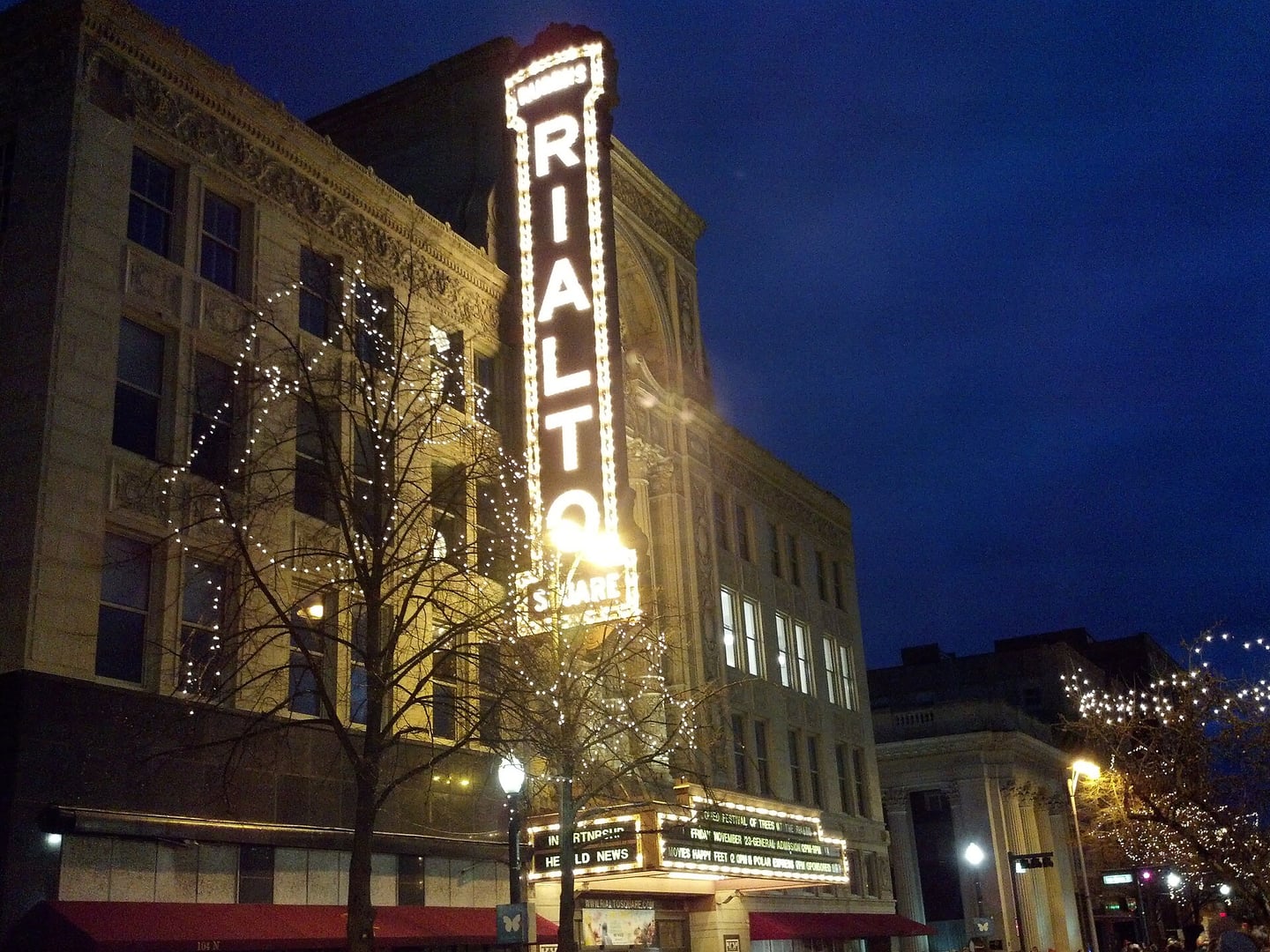
Est. 1926 · 1926 Rapp and Rapp 'Wonder Theatre' movie palace · Originally 4,000-seat single-screen house · Flagship of Michael Shea's Buffalo entertainment empire · Saved from 1970s demolition by community campaign · National Register of Historic Places
Shea's Buffalo Theatre opened on January 16, 1926 at 646-660 Main Street in downtown Buffalo. The 4,000-seat movie palace was designed by Chicago's Rapp and Rapp, the architectural firm responsible for many of the great American 'Wonder Theatres' of the silent-era boom. The interior — gilded plasterwork, vast lobbies, ornate ceiling murals and a Mighty Wurlitzer pipe organ — exemplified the picture-palace aesthetic at its 1920s peak.
The theatre was the crown jewel of Michael Shea's Buffalo entertainment empire. Shea, born in St. Catharines, Ontario in 1859, had been a prominent Buffalo theatrical impresario since the 1890s, operating multiple vaudeville and movie houses in the city. He oversaw the new flagship until his retirement in 1930 and died in 1934.
Shea's Buffalo struggled with the long postwar decline of single-screen movie palaces. By the early 1970s the theatre was facing demolition for back taxes; a grassroots citizen group, the Friends of the Buffalo Theatre, won an injunction and began the multi-decade restoration project that eventually returned the house to operation as a non-profit performing arts center.
Today Shea's Performing Arts Center is Buffalo's flagship venue for touring Broadway productions, in addition to hosting concerts, dance and the Buffalo Philharmonic Orchestra. The theatre is listed on the National Register of Historic Places.
The theatre's haunted reputation is documented in the Buffalo News, by the Paranormal & Ghost Society, and by multiple ghost-walk operators including Mason Winfield's downtown route.
Sources
- https://buffalonews.com/entertainment/ghostly-tales-happenings-fill-history-of-buffalo-area-entertainment-venues/article_db1e1b6e-2df2-11ec-94bb-e3b66ea15500.html
- https://www.sheas.org/buffalo-theatre/
- https://www.newyorkhauntedhouses.com/real-haunt/sheas-performing-art-center.html
- https://buffaloah.com/a/main/646/hist/index.html
Apparition of a man resembling Michael Shea in the balconyDisembodied voice: 'isn't this magnificent?'Lobby portrait found rearrangedPhantom footstepsEquipment malfunctions and cold spots
The recurring figure in Shea's Buffalo lore is the theatre's namesake, Michael Shea. Per the Buffalo News and the Paranormal & Ghost Society's documentation, staff and actors have for decades reported the apparition of a man closely resembling the portraits of Shea in the theatre's lobby seated in a particular balcony seat during rehearsals and previews.
One of the most-cited stories comes from the long restoration period: during cleaning work in the auditorium a disembodied voice was reportedly overheard saying 'isn't this magnificent?' — an utterance treated locally as Michael Shea's approval of the rescue of his namesake theatre (per the New York Haunted Houses and Paranormal & Ghost Society sources).
The second recurring story involves Shea's lobby portrait. Staff have repeatedly reported finding the portrait moved or rotated overnight, sometimes only slightly, despite the building being locked. Other phenomena reported in the Paranormal & Ghost Society write-up and the Buffalo News feature include phantom footsteps in empty corridors, equipment failures during performances, cold spots near Shea's preferred balcony location, and a sense of being watched in dressing rooms and the upper levels.
Mason Winfield's Buffalo Theatre District ghost walk features Shea's Buffalo as a signature stop, and the theatre itself has acknowledged the haunting in passing in Buffalo News coverage. No formal paranormal investigation has been documented, but the lore is sustained by a long, consistent chain of staff and performer accounts.
Notable Entities
Michael Shea (founder, d. 1934)
Media Appearances
- Buffalo News ghostly-tales feature
- Mason Winfield Buffalo Theatre District ghost walk
- Paranormal & Ghost Society write-up