Haunted Mississippi

73 haunted destinations cataloged across Mississippi, spanning 31 counties. The collection features haunted house, haunted hotel, and cemetery — every listing verified with family ratings, accessibility info, and practical visit logistics.

73 locations 31 counties 10 classifications 19 wheelchair accessible

Featured in Mississippi

Top 6
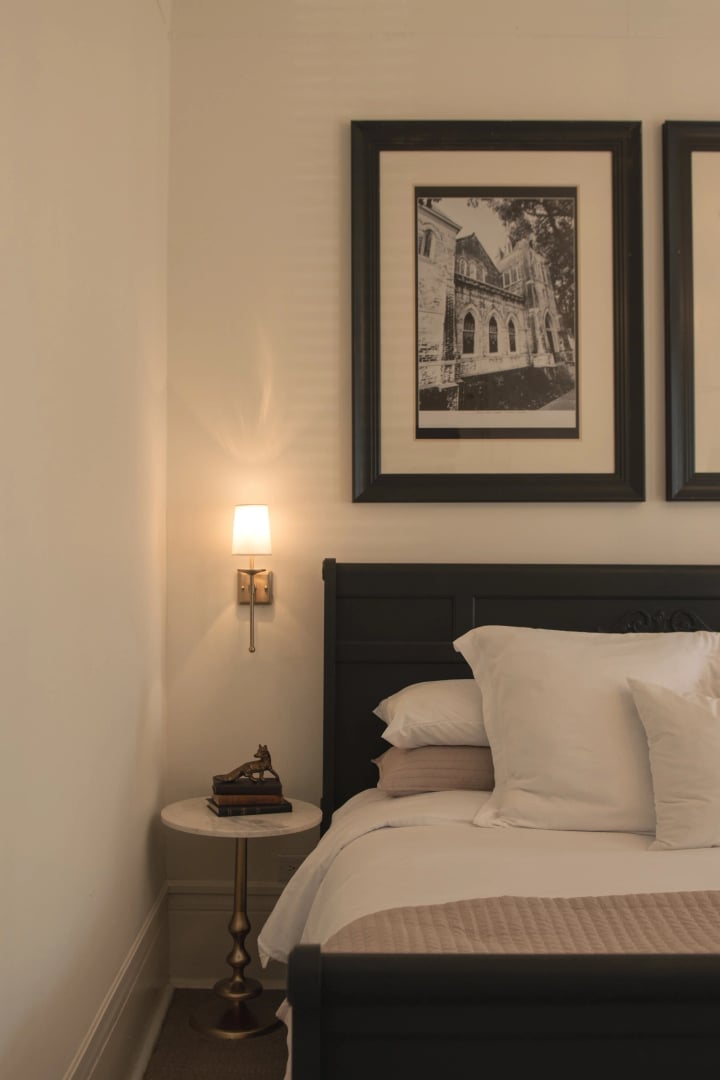
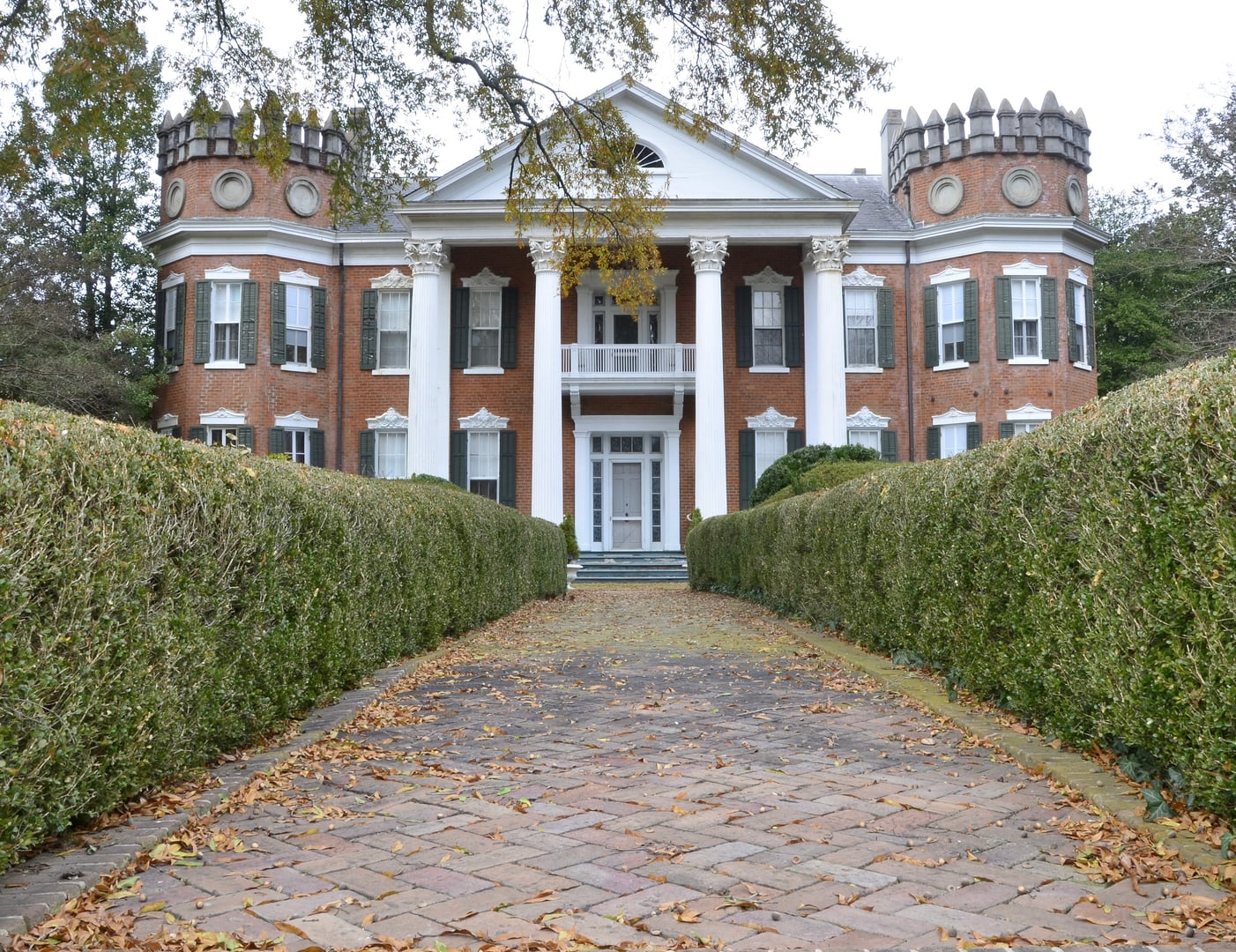
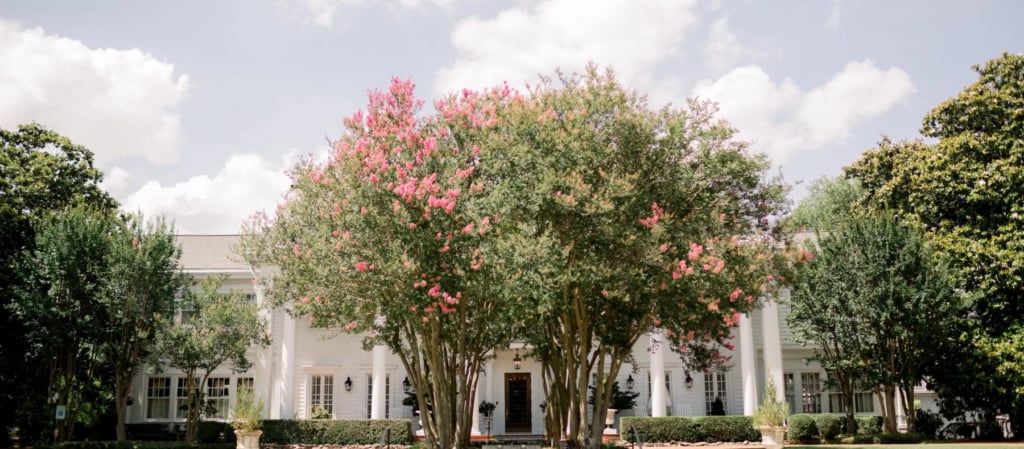
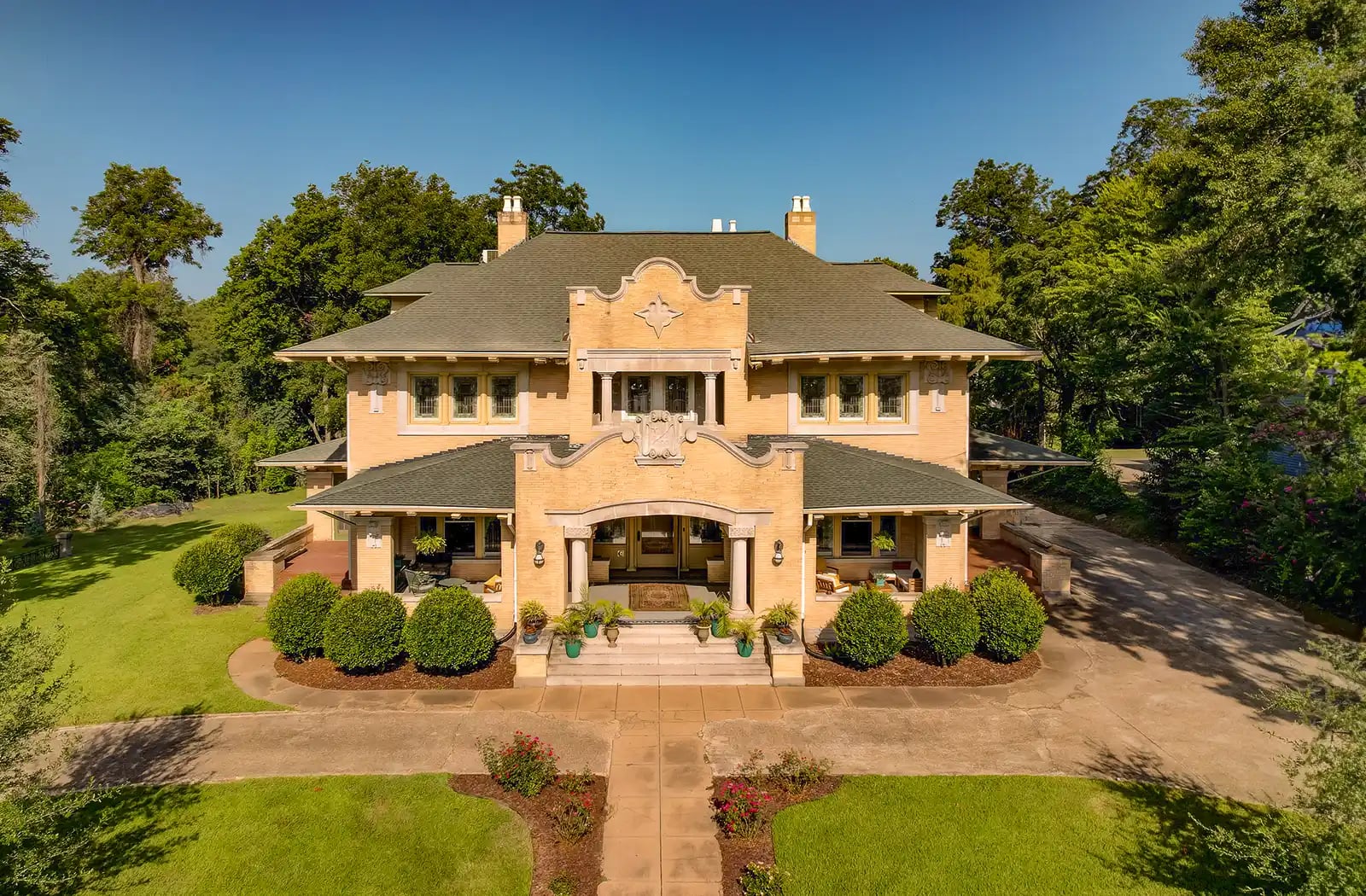
Stained Glass Manor / Oak Hall — early 20th-century Mission Revival mansion at 2430 Drummond Street, Vicksburg, Mississippi
Haunted Hotel / Inn

Stained Glass Manor / Oak Hall Bed & Breakfast

Vicksburg, MS

The Fannie Vick Willis Johnson Home at 2430 Drummond Street in Vicksburg is a Mission Revival mansion built between 1902 and 1908-1910 (sources vary on the completion date) for philanthropist Fannie Willis Johnson. Designed by New Orleans architects Keenan & Weiss and supervised by local architect William Stanton, the house contains 32 custom stained-glass windows and original Louis Millet art-glass fixtures. It now operates as Oak Hall Bed & Breakfast.

$$ All Ages Family: High
Haunted House / Historic Home

Glenburnie

Natchez, MS

Glenburnie is an 1833 Natchez mansion on land originally granted to Adam Lewis Bingaman in 1798, later expanded in 1901-1904 in the Classical Colonial idiom. It was the home of Jane 'Jennie' Surget Merrill, who was shot and killed inside the house on August 4, 1932 in a botched robbery that became national news as the 'Goat Castle Murder.' The home was listed on the National Register of Historic Places in 1978 and remains a private residence.

$ All Ages Family: Moderate
Haunted Hotel / Inn

Annabelle Bed & Breakfast

Vicksburg, MS

Annabelle is a Victorian-Italianate home at 501 Speed Street in Vicksburg's historic Garden District, built in 1868 by Vicksburg banker John Alexander Klein on the original Cedar Grove estate as a home for his son, Madison Conrad Klein. An adjacent 1881 guest house with a fifty-five-foot gallery faces the Mississippi River. The property has operated as a bed-and-breakfast under the Annabelle name since the late 20th century.

$$ All Ages Family: Moderate
Haunted Hotel / Inn

Ahern's Belle of the Bends

Vicksburg, MS

Ahern's Belle of the Bends is an 1876 Victorian Italianate mansion at 508 Klein Street in Vicksburg, built by Mississippi State Senator Murray F. Smith on a bluff above the Mississippi River. The home was later named for the steamboat Belle of the Bends (1898). It is listed as a Vicksburg Historic Landmark and now operates as a six-acre bed-and-breakfast inn.

$$ All Ages Family: Moderate
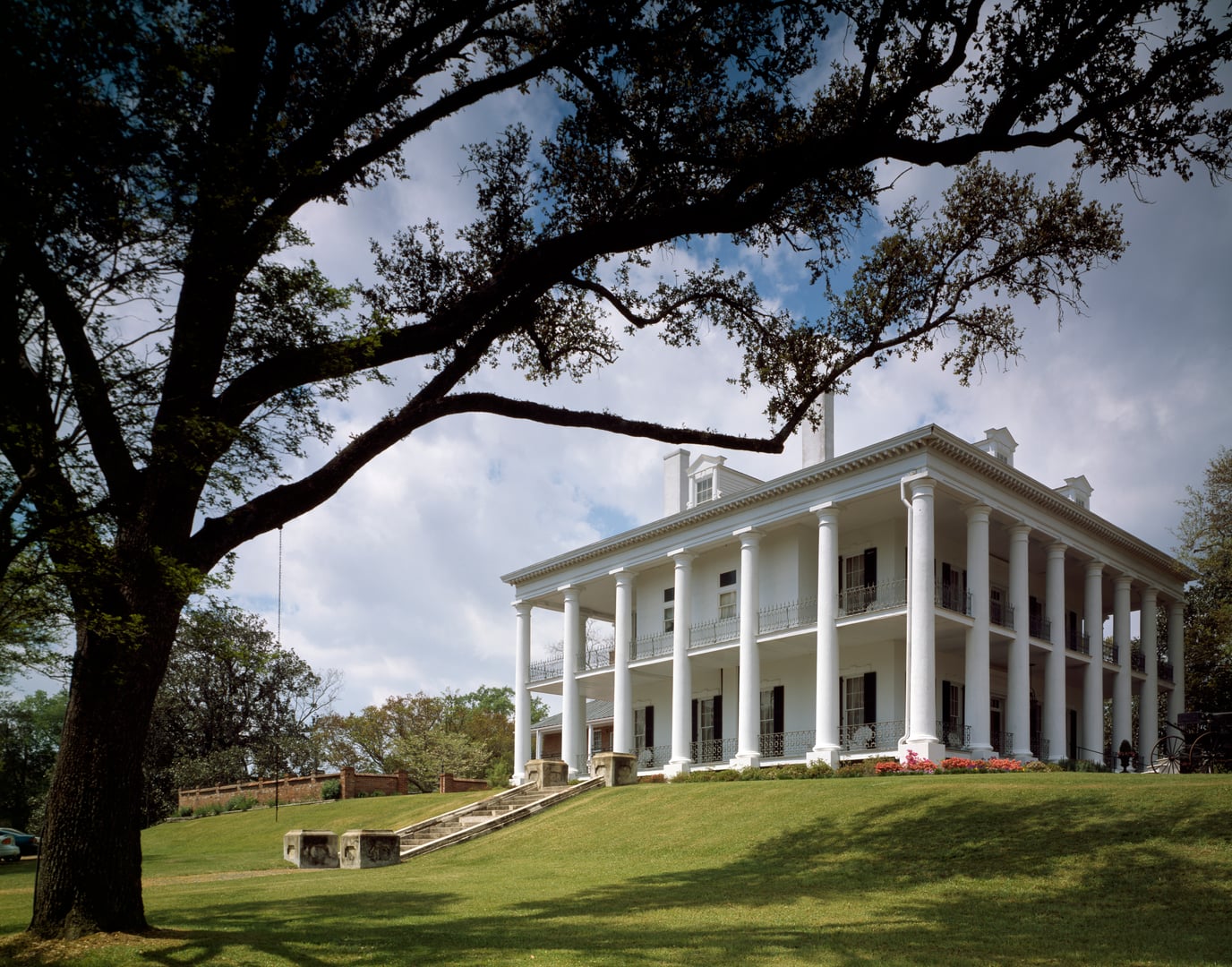
Dunleith mansion in Natchez, Mississippi, ringed by its 26-column Tuscan colonnade, photographed by Carol M. Highsmith
Haunted Hotel / Inn

Dunleith Historic Inn

Natchez, MS

Dunleith is an antebellum mansion at 84 Homochitto Street in Natchez, built about 1855-1856 on the site of the earlier Routhland house. It is Mississippi's only surviving plantation house with a fully encircling 26-column Tuscan colonnade. After the original Routhland burned in 1855, Charles Dahlgren built the current house; planter Alfred Vidal Davis purchased it for $30,000 and renamed it Dunleith. It was designated a National Historic Landmark in 1974.

$$$ All Ages Family: Moderate
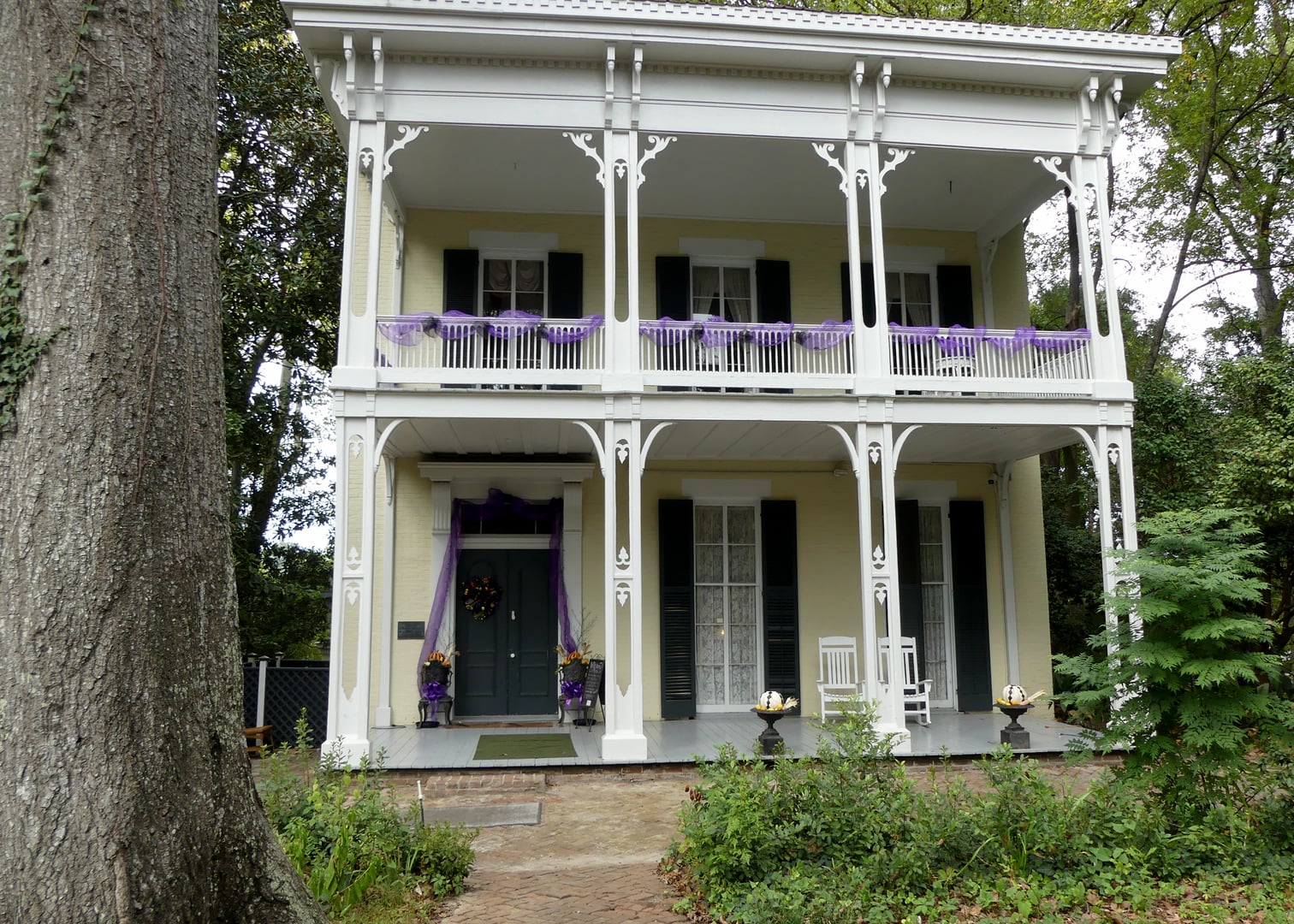
McRaven House in Vicksburg, Mississippi — antebellum tour home built in three phases beginning 1797
Haunted House / Historic Home

McRaven House

Vicksburg, MS

The McRaven Tour Home in Vicksburg, Mississippi was built in three principal phases between approximately 1797 and 1849. Its earliest section was constructed by Natchez Trace highwayman Andrew Glass; later sections by John H. Bobb and the Murray family. The house and its three-acre grounds served as a Confederate camp and field hospital during the 1863 Siege of Vicksburg.

$$ All Ages for daytime; haunted tours recommended 10+ Family: Moderate

More in Mississippi

Natchez — 10

Haunted House / Historic Home

Glenfield Plantation

Natchez, MS

Glenfield Plantation is a Natchez antebellum home built in two distinct phases: a 1778-1812 Spanish/early-American rear wing on land originally granted by King George III to Henry LeFleur, and a Gothic Revival main section added in the 1840s. The Field family acquired the property circa 1880 and has retained it since. The grounds include a Civil War skirmish site with a bullet hole still visible in the front door. Glenfield was listed on the National Register of Historic Places in 1990.

$$ All Ages Family: Moderate
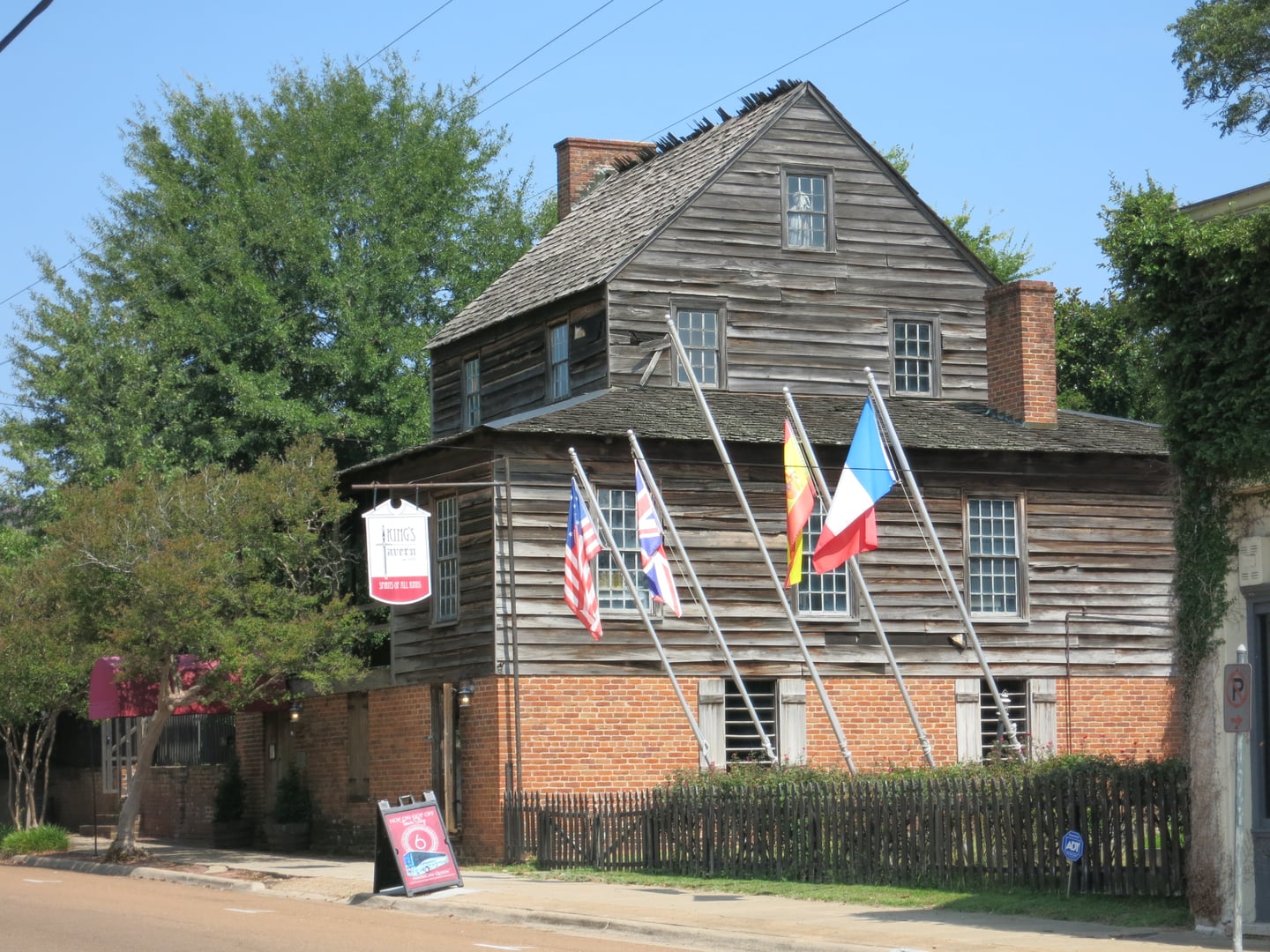
Exterior of King's Tavern, an 18th-century Natchez Mississippi blockhouse-turned-tavern, the oldest standing building in the city
Haunted Dining / Bar

King's Tavern

Natchez, MS

King's Tavern in Natchez, Mississippi is the oldest standing building in the city, built around 1769 originally as a blockhouse for nearby Fort Panmure under British rule. Richard King opened the building as a tavern and inn in 1789, serving travelers on the Natchez Trace. The building has operated intermittently as a restaurant; the most recent restaurant closed in 2022.

$$ All Ages Family: Moderate
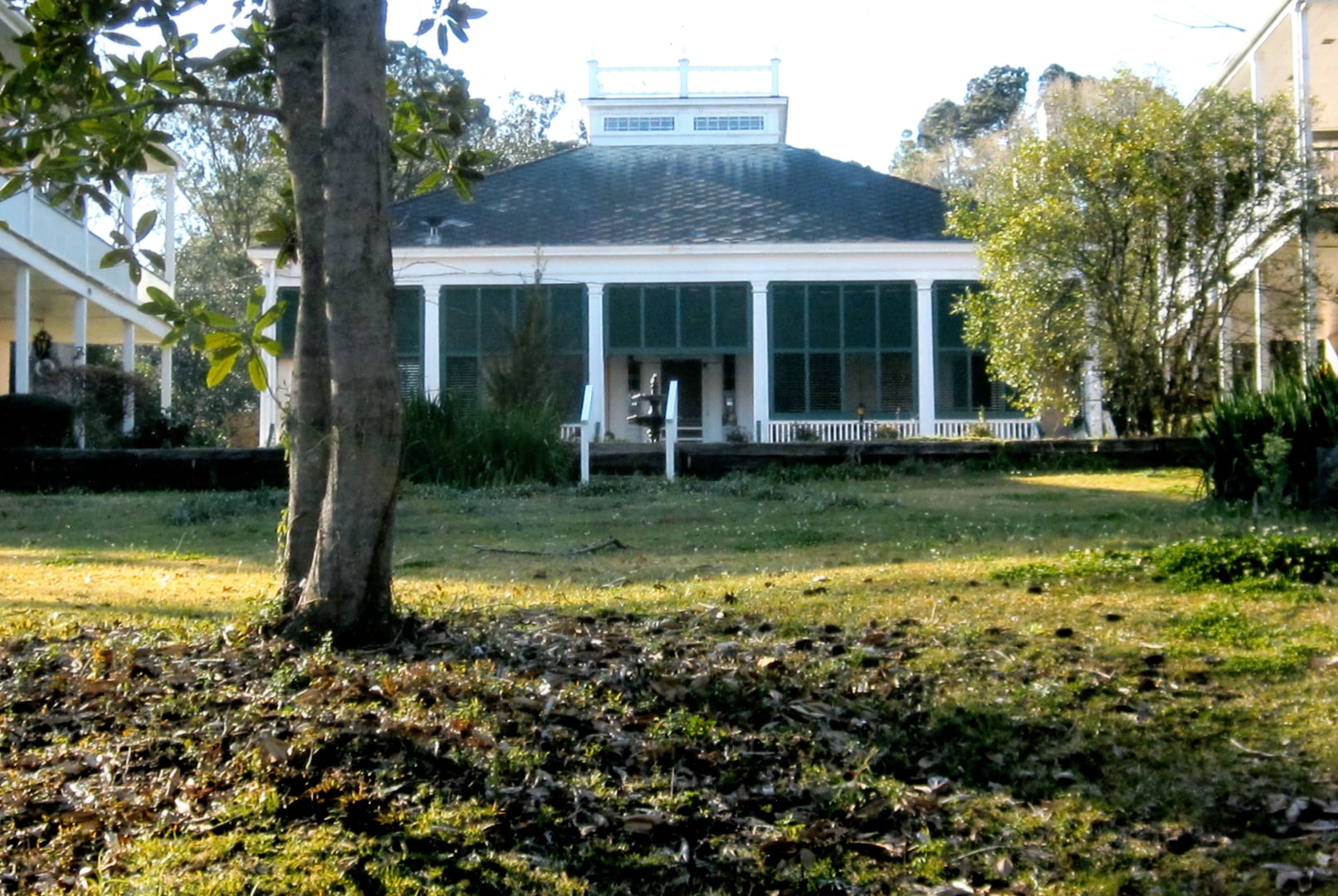
Rear view of the 1853 Greek Revival Lansdowne mansion outside Natchez, Mississippi
Haunted House / Historic Home

Lansdowne

Natchez, MS

Lansdowne in Natchez, Mississippi was built in 1853 for George M. Marshall and his wife Charlotte. The Greek Revival house remains in the family of the original builder. The property is on the National Register of Historic Places and participates in the annual Natchez Pilgrimage tours.

$$ All Ages Family: Moderate
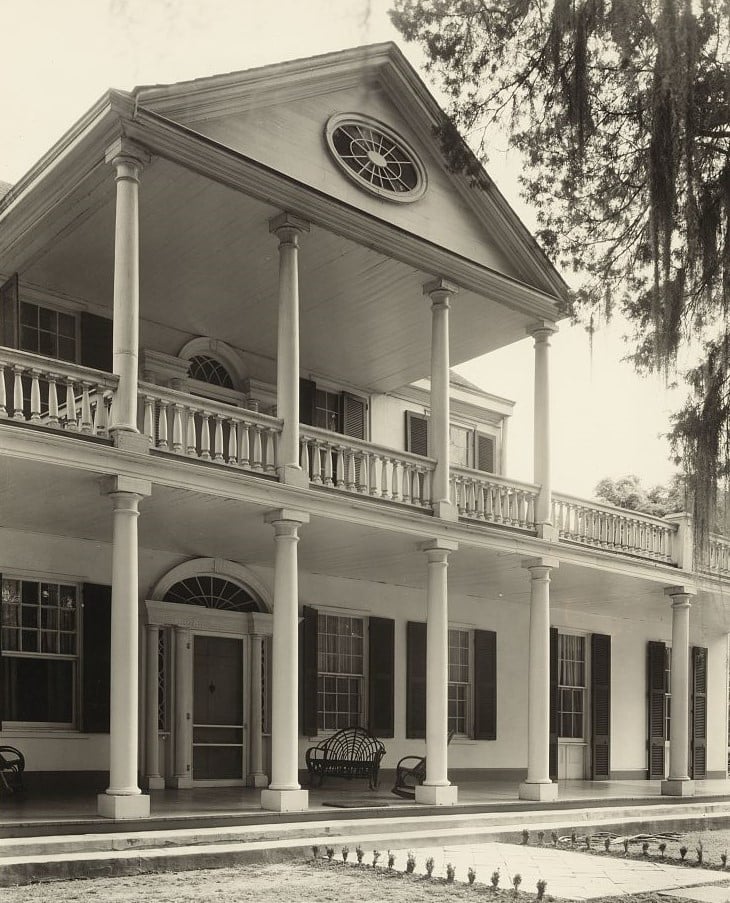
Federal-style facade of Linden, a circa-1785 Natchez mansion photographed by Frances Benjamin Johnston in 1938 for the Carnegie Survey of the Architecture of the South
Haunted Hotel / Inn

Linden — A Historic Bed & Breakfast

Natchez, MS

Linden is a circa-1785 Federal-style mansion on a 7-acre estate in Natchez, originally called Oaklands by builder Alexander Moore. U.S. Senator Thomas Buck Reed renamed it Reedland in 1818, and Dr. John Ker renamed it Linden in 1829. Jane Gustine Conner purchased the property in 1849 to raise her ten children, and the Conner family has retained ownership for six generations.

$$$ All Ages Family: Moderate
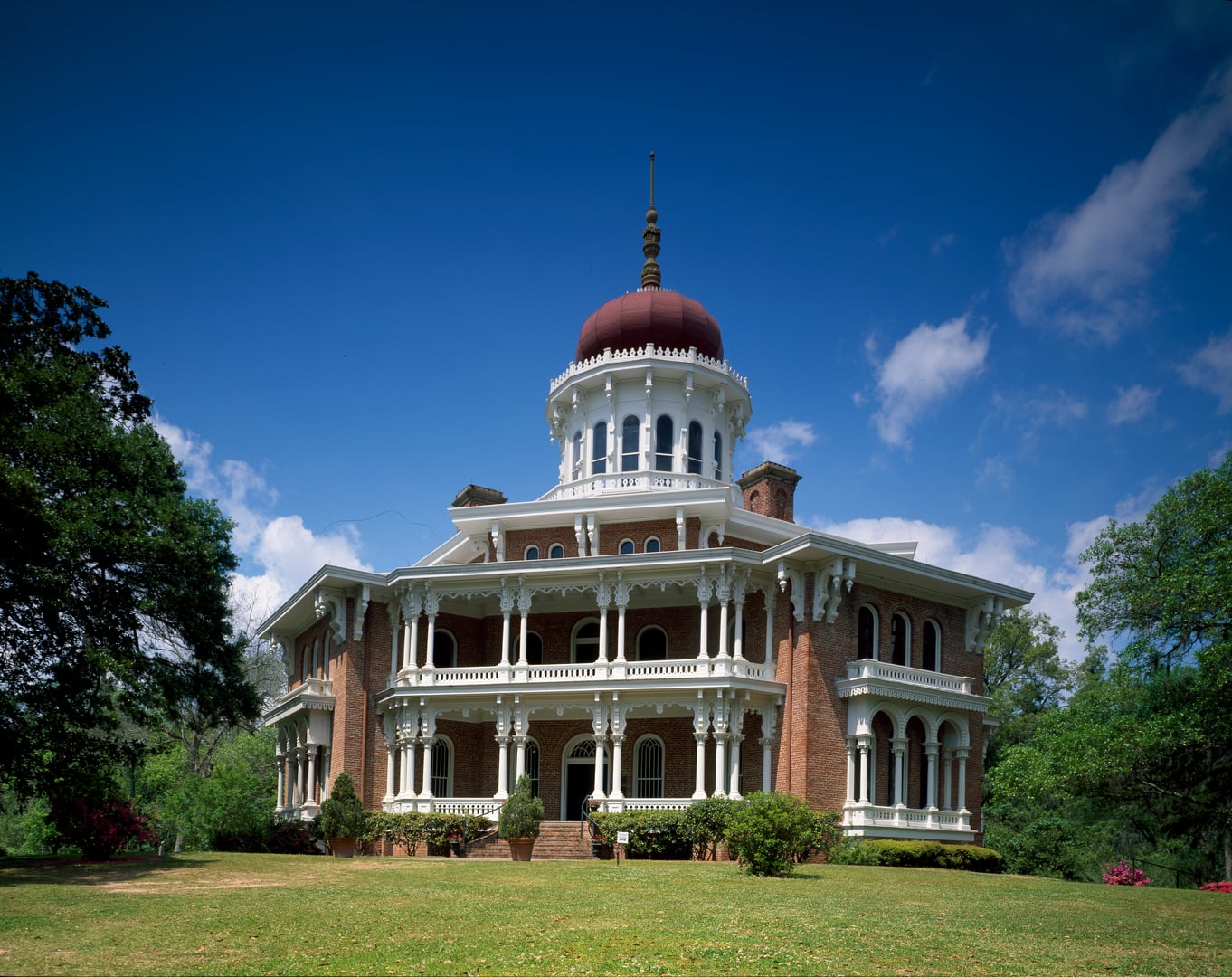
Longwood, also called Nutt's Folly, the largest octagonal house in America, an unfinished Oriental Revival mansion in Natchez, Mississippi
Museum / Historical Site

Longwood

Natchez, MS

Longwood, also called Nutt's Folly, is the largest octagonal house in the United States. Philadelphia architect Samuel Sloan designed the 32,000-square-foot mansion for Natchez cotton planter Haller Nutt in 1859. Construction began in 1860 and halted in 1861 when the Civil War sent Sloan's Northern workforce home. The Pilgrimage Garden Club of Natchez has operated the property as a museum since 1968.

$$ All Ages Family: High
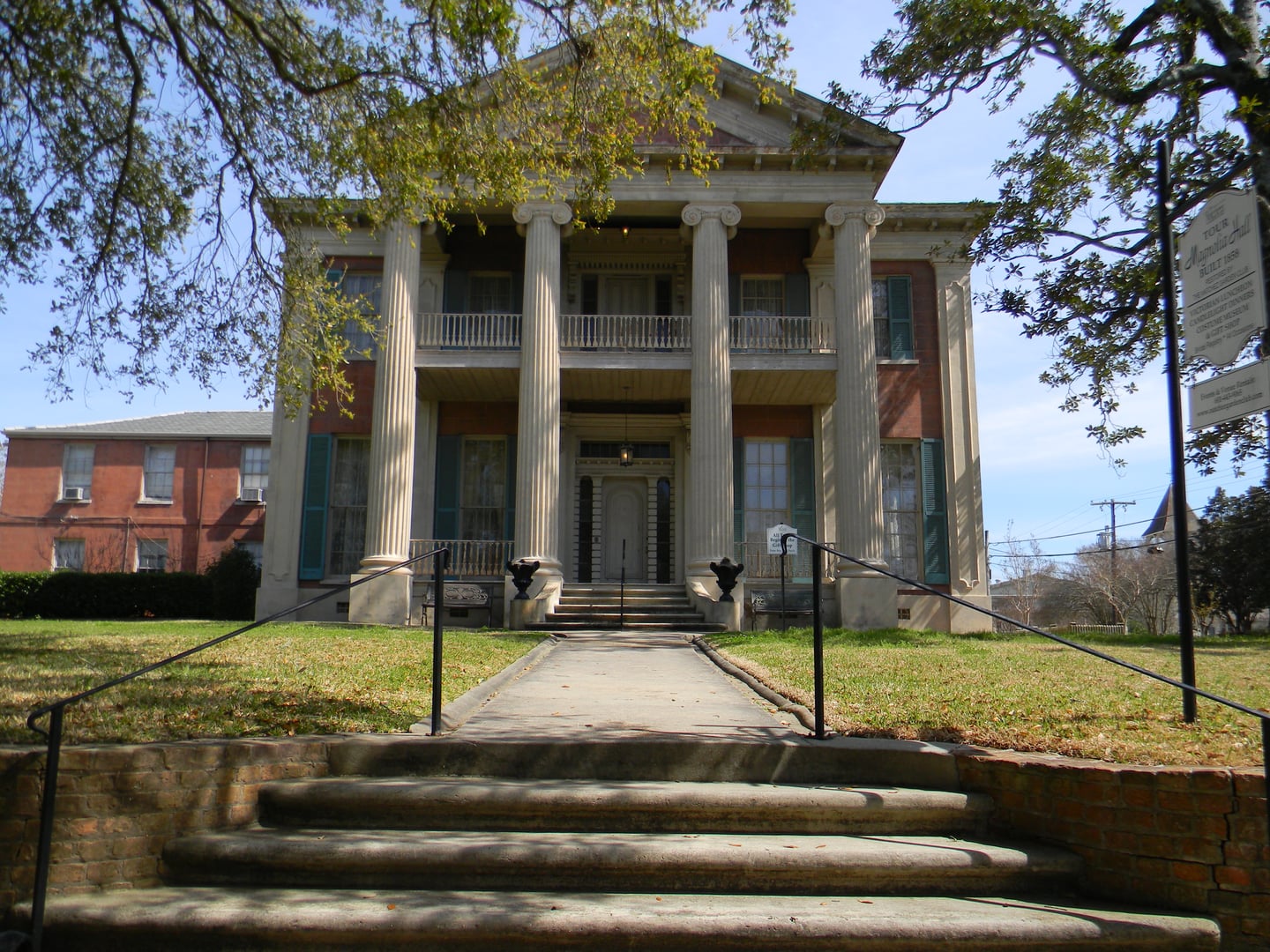
Greek Revival front facade of Magnolia Hall (the 1858 Henderson-Britton House) on Pearl Street in Natchez, Mississippi
Museum / Historical Site

Magnolia Hall

Natchez, MS

Magnolia Hall (the Henderson-Britton House) is an 1858 Greek Revival mansion in Natchez built by wealthy merchant, planter, and cotton broker Thomas Henderson. Henderson died in 1863, and the house was struck by Union gunboat artillery during the Civil War. The property is operated as a house museum and costume collection by the Natchez Garden Club and is listed on the National Register of Historic Places.

$ All Ages Family: High
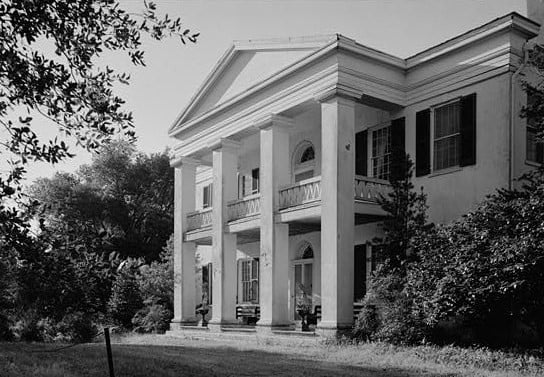
Greek Revival facade of Monmouth, the 1818 antebellum mansion of John A. Quitman in Natchez, Mississippi (HABS, 1972)
Haunted Hotel / Inn

Monmouth Historic Inn & Gardens

Natchez, MS

Monmouth is an 1818 Natchez mansion built by John Hankinson and acquired in 1826 by John A. Quitman, the lawyer-soldier-politician who served as a Mexican-American War general, Mississippi governor, and U.S. congressman. Quitman renovated the house in the Greek Revival style and held it until his death in 1858. It is a National Historic Landmark and operates today as a luxury inn.

$$$ All Ages Family: Moderate
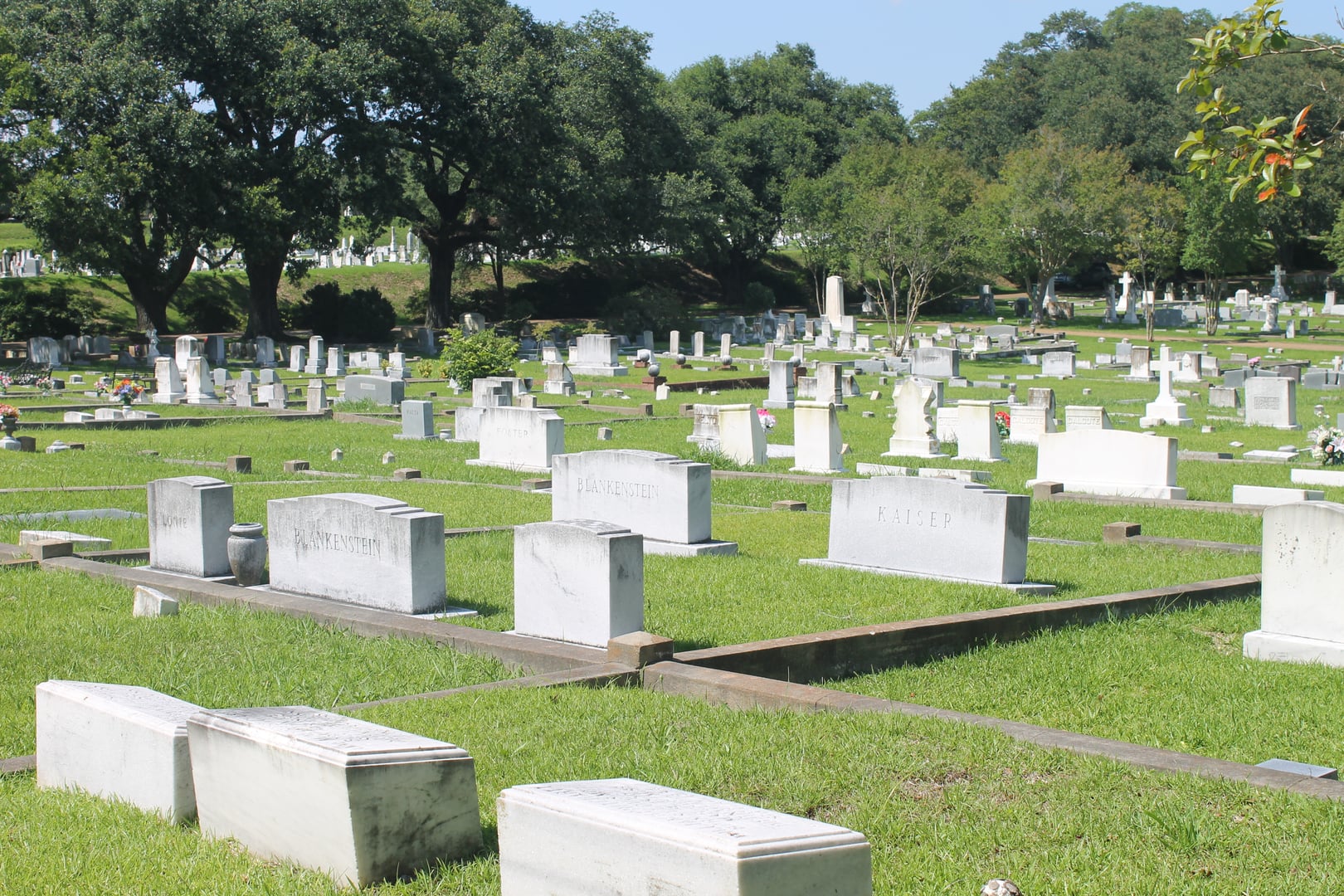
Overview of monuments and headstones at Natchez City Cemetery on the Mississippi River bluff in Adams County, Mississippi
Cemetery / Burial Ground

Natchez City Cemetery

Natchez, MS

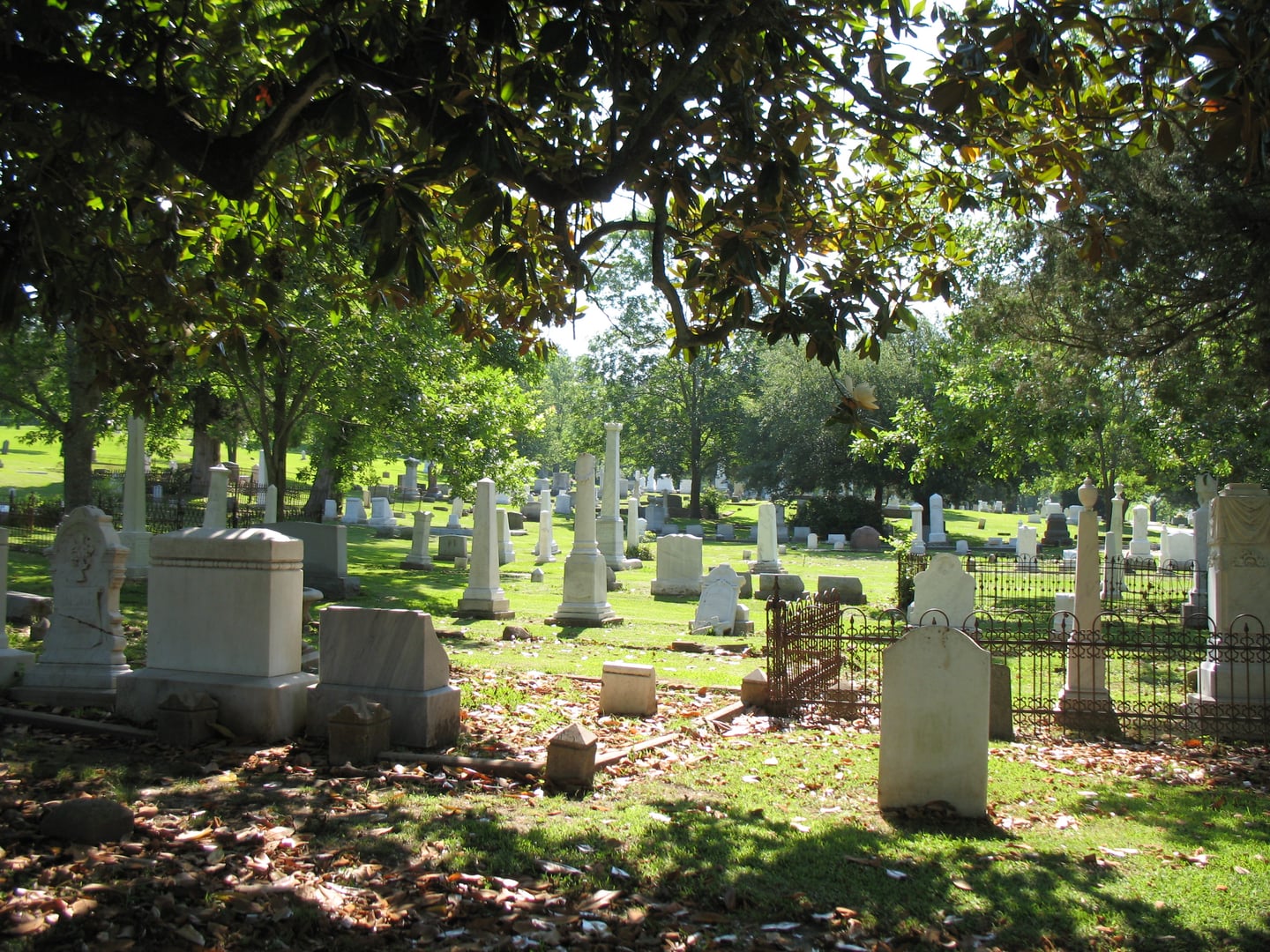
Natchez City Cemetery was established in 1822 on a 100-acre site along the Mississippi River bluff just north of downtown Natchez. It contains burials representing nearly every era of Natchez history, including major 19th-century families, victims of the 1908 Natchez Drug Company explosion (commemorated by the Turning Angel monument), the unusual stairway grave of Florence Irene Ford, the single-name marker for 'Louise the Unfortunate,' and William Johnson, the diarist 'Barber of Natchez.'

$ All Ages Family: High
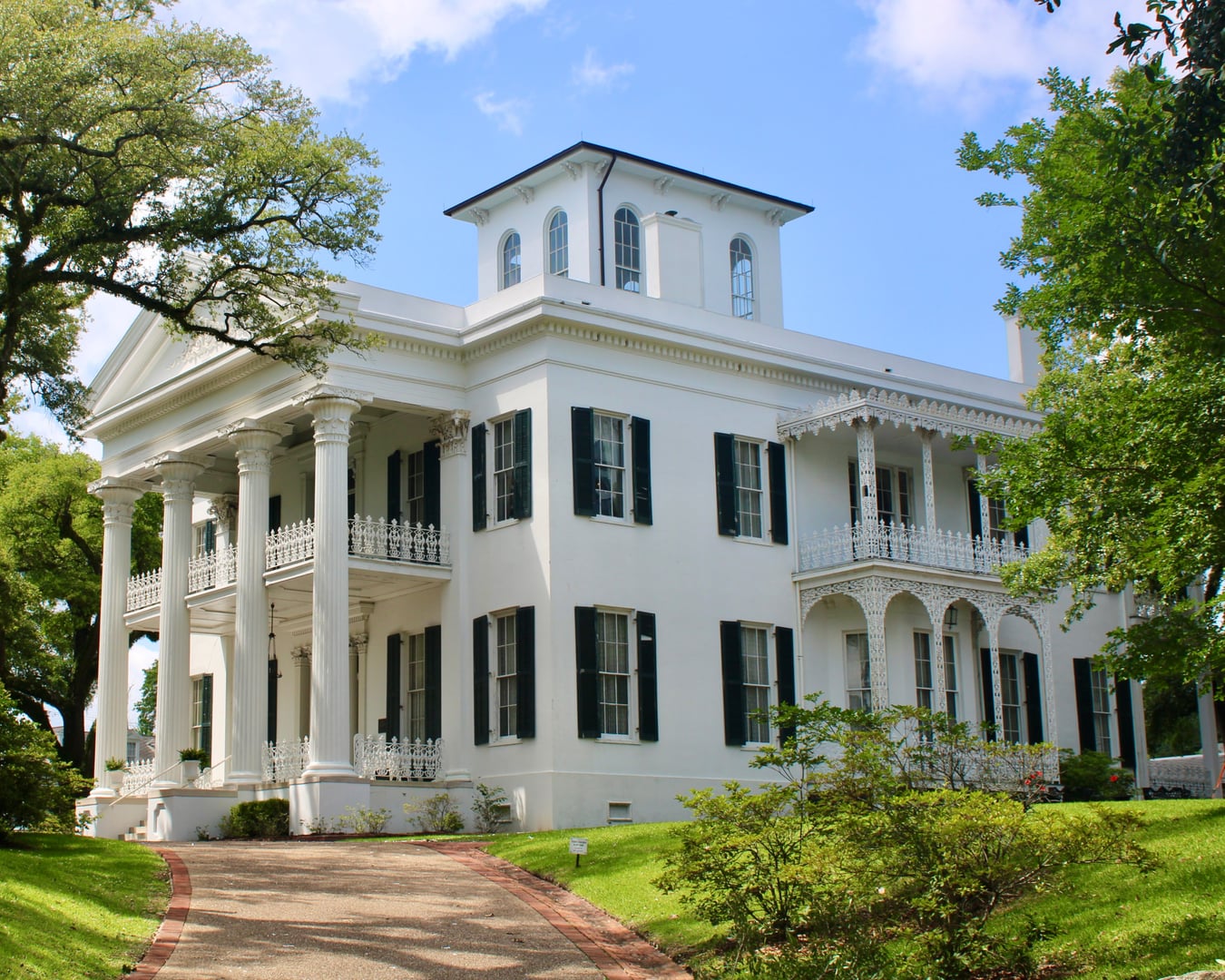
The columned Greek Revival facade of Stanton Hall, an antebellum mansion in Natchez, Mississippi
Haunted House / Historic Home

Stanton Hall

Natchez, MS

Stanton Hall in Natchez is one of the most opulent surviving antebellum mansions in the Southeast. Construction began in 1851 and was completed in 1857 for Irish immigrant and cotton broker Frederick Stanton, who died at the property only months after moving in. The Pilgrimage Garden Club has owned and operated the property as a historic house museum since 1938.

$$ All Ages Family: High
Haunted House / Historic Home

The Towers of Natchez

Natchez, MS

The Towers is a Natchez mansion constructed in 1798 during the late Spanish/early American colonial era, initially in the West Indies style. Additions in 1826 and 1858 brought Neo-Classical and Italian Renaissance Revival elements. The home served as headquarters for Federal occupation forces during the Civil War. A 1920s fire destroyed the original twin tower rooms, which have since been reconstructed.

$$ All Ages Family: Moderate

Vicksburg — 8

McRaven Tour Home, the historic 1797 haunted mansion on Harrison Street in Vicksburg, Mississippi
Haunted House / Historic Home

McRaven Tour Home

Vicksburg, MS

McRaven House at 1445 Harrison Street in Vicksburg, Mississippi, is Mississippi's oldest multi-period residential structure, built in three distinct phases across 52 years. The first section was completed in 1797 as a frontier-style structure; a Greek Revival addition followed in 1836; the final Greek Revival section was added in 1849 by John Bobb. During the 1863 Siege of Vicksburg, Union troops occupied the grounds, and in 1864, during the subsequent Union occupation, Bobb was killed by Union soldiers in a documented dispute.

$$ All Ages Family: Moderate
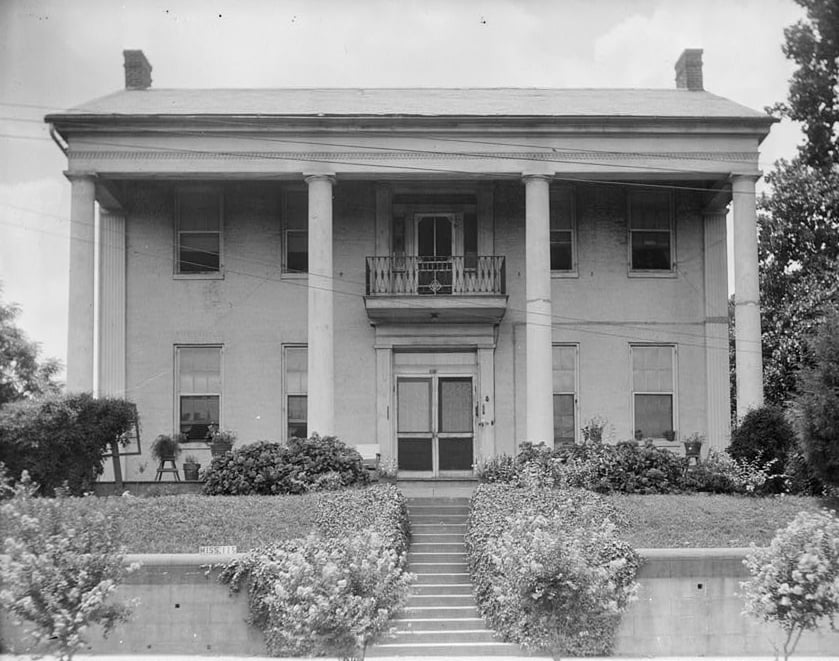
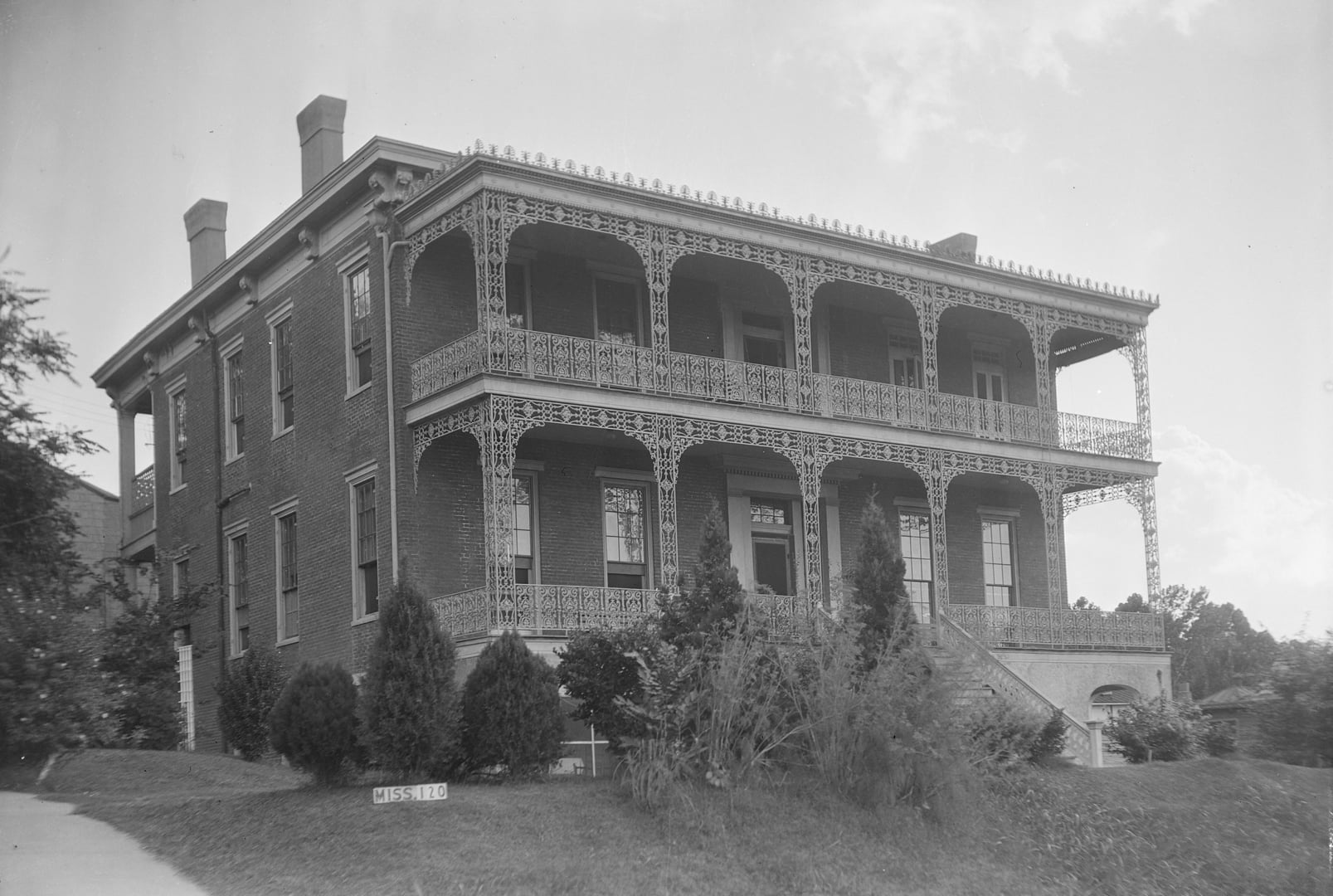
North-elevation HABS photograph (1936) of Anchuca / Victor Wilson House at 1010 First East Street in Vicksburg, Mississippi
Haunted Hotel / Inn

Anchuca Historic Mansion & Inn

Vicksburg, MS

Anchuca is a Greek Revival mansion at 1010 First East Street in Vicksburg, Mississippi, built in 1830 in the Federal style by local politician J. W. Mauldin and enlarged in 1847 by merchant Victor Wilson with a two-story portico. The Archer family occupied the home from 1837. Listed on the National Register of Historic Places, the home survived the 1863 Siege of Vicksburg and was used afterward as a hospital; Jefferson Davis delivered a public address from its balcony in 1869.

$$$ All Ages Family: Moderate
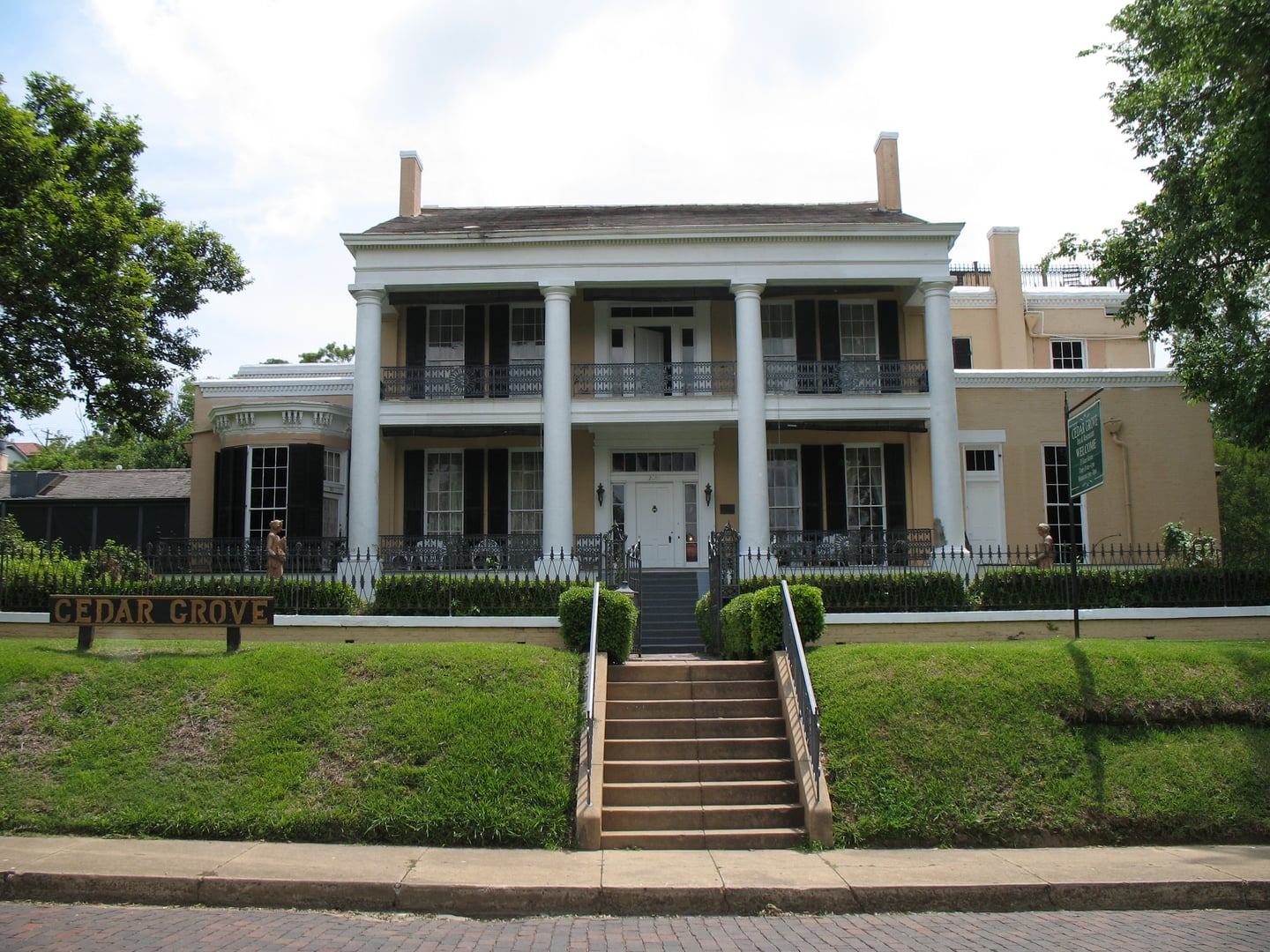
Cedar Grove Mansion — 1840 Greek Revival antebellum house on the National Register of Historic Places in Vicksburg, Mississippi
Haunted Hotel / Inn

Cedar Grove Mansion Inn

Vicksburg, MS

Cedar Grove Mansion is a Greek Revival antebellum house at 2200 Oak Street in Vicksburg, Mississippi, begun in 1840 by jeweler-banker John Alexander Klein for his bride Elizabeth Bartley Day and largely completed by 1842. The house was struck dozens of times during the 1863 Union siege of Vicksburg, and one cannonball remains lodged in a parlor wall. It now operates as an inn and restaurant.

$$$ All Ages Family: Moderate
Duff Green House (Mansion) at the corner of Locust and First East Street in Vicksburg, Mississippi, photographed for HABS in 1936
Haunted Hotel / Inn

Duff Green Mansion

Vicksburg, MS

The Duff Green Mansion at 1114 First East Street in Vicksburg, Mississippi was built in 1856 by cotton broker Duff Green as a wedding gift for his bride, Mary Lake Green. During the 1863 Siege of Vicksburg the house was used as a combined Confederate and Union field hospital after Mary Green raised a yellow flag to signal its hospital status. The mansion later served as a boys' orphanage and a Salvation Army office before being restored as a bed-and-breakfast inn.

$$$ All Ages Family: Moderate
Haunted House / Historic Home

Lakemont

Vicksburg, MS

Lakemont is an antebellum mansion in Vicksburg's historic district built c.1830-1835 by Judge William Lake — a Vicksburg lawyer who served as a Mississippi state senator and US Congressman, and who was a candidate for the Confederate Congress in 1861 when he was killed in a duel before the election. Sources cite 1103 Main Street as the address; the wrought-iron gate to the property still bears damage attributed to a Union cannon shell during the 1863 Siege of Vicksburg.

$ All Ages Family: High
1936 HABS photograph of the Governor A. G. McNutt House at the corner of Monroe and First East Streets in Vicksburg, Mississippi
Haunted House / Historic Home

The McNutt House

Vicksburg, MS

The McNutt House at 815 First East Street in Vicksburg was built in 1826 and is among the oldest surviving homes in the city. Alexander Gallatin McNutt — Mississippi's 12th governor — purchased it in 1829 and added the rear wing in 1832. Listed on the National Register of Historic Places, it now operates as a tour home and bed-and-breakfast with multi-suite accommodations.

$$ All Ages Family: High
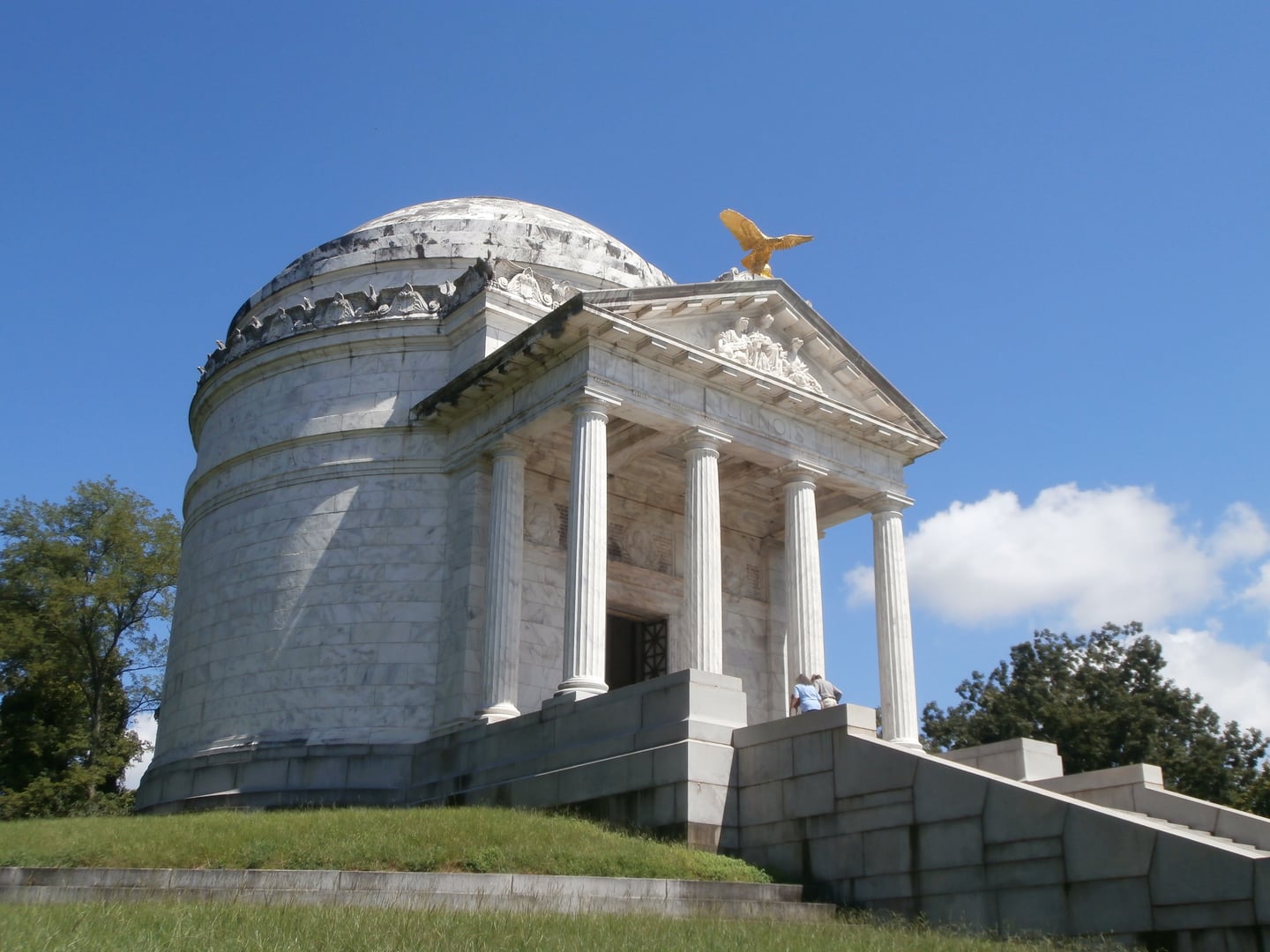
The Illinois State Memorial at Vicksburg National Military Park, Mississippi, a tall white Roman Pantheon-style monument
Battlefield / Military Site

Vicksburg National Military Park

Vicksburg, MS

Vicksburg National Military Park preserves the site of the 47-day Siege of Vicksburg, March 29 through July 4, 1863. The Union victory and the simultaneous Union success at Port Hudson gave the federal government control of the Mississippi River and split the Confederacy. The 1,800-acre park includes the restored Union ironclad USS Cairo and Vicksburg National Cemetery.

$ All Ages Family: High
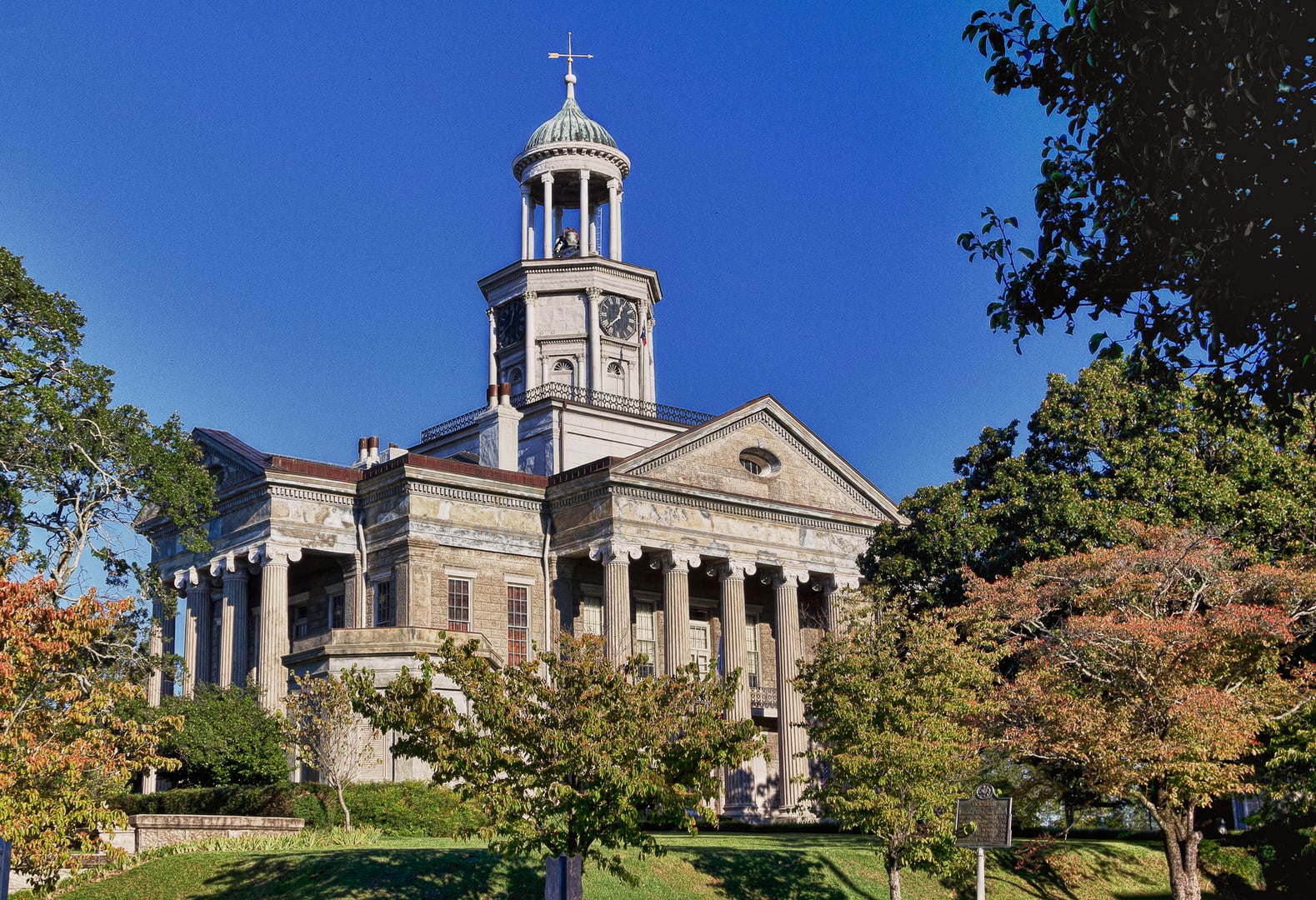
Old Court House Museum — 1858 Greek Revival former Warren County courthouse with its iconic dome in downtown Vicksburg, Mississippi
Museum / Historical Site

Old Court House Museum

Vicksburg, MS

The Old Court House Museum at 1008 Cherry Street in Vicksburg, Mississippi was built between 1858 and 1860 as the Warren County courthouse and served in that capacity until 1939. Perched on one of the city's highest hills, the building's dome was a visible landmark targeted by Union artillery during the 1863 siege; Confederate Signal Corps observers stationed inside were among those killed. The building reopened as a museum in 1948.

$ All Ages Family: High

Jackson — 5

Haunted Hotel / Inn

Fairview Inn

Jackson, MS

The Fairview Inn was built in 1908 as a private Colonial Revival residence in the Belhaven neighborhood of Jackson, Mississippi. By the late 20th century it had been converted to an upscale bed-and-breakfast and inn. Owner Tamar Sharp engaged the Mississippi Paranormal Research Institute for a formal investigation after guests reported unexplained activity including disembodied voices, temperature fluctuations, and furniture that appeared to move on its own.

$$$ All Ages Family: High
Haunted Hotel / Inn

King Edward Hotel (Hilton Garden Inn Downtown)

Jackson, MS

The Edwards Hotel opened in 1923 at 235 W Capitol Street in Jackson, Mississippi, and quickly became the city's premier social venue. It closed in 1967 and stood vacant and deteriorating for nearly four decades before a $23 million restoration returned it to operation in 2009 as the Hilton Garden Inn Downtown. The original Confederate House, which stood on the site before the Civil War, was destroyed by Union troops during the 1863 burning of Jackson.

$$$ All Ages Family: High
Photo of Medgar and Myrlie Evers Home National Monument
True Crime Site

Medgar and Myrlie Evers Home National Monument

Jackson, MS

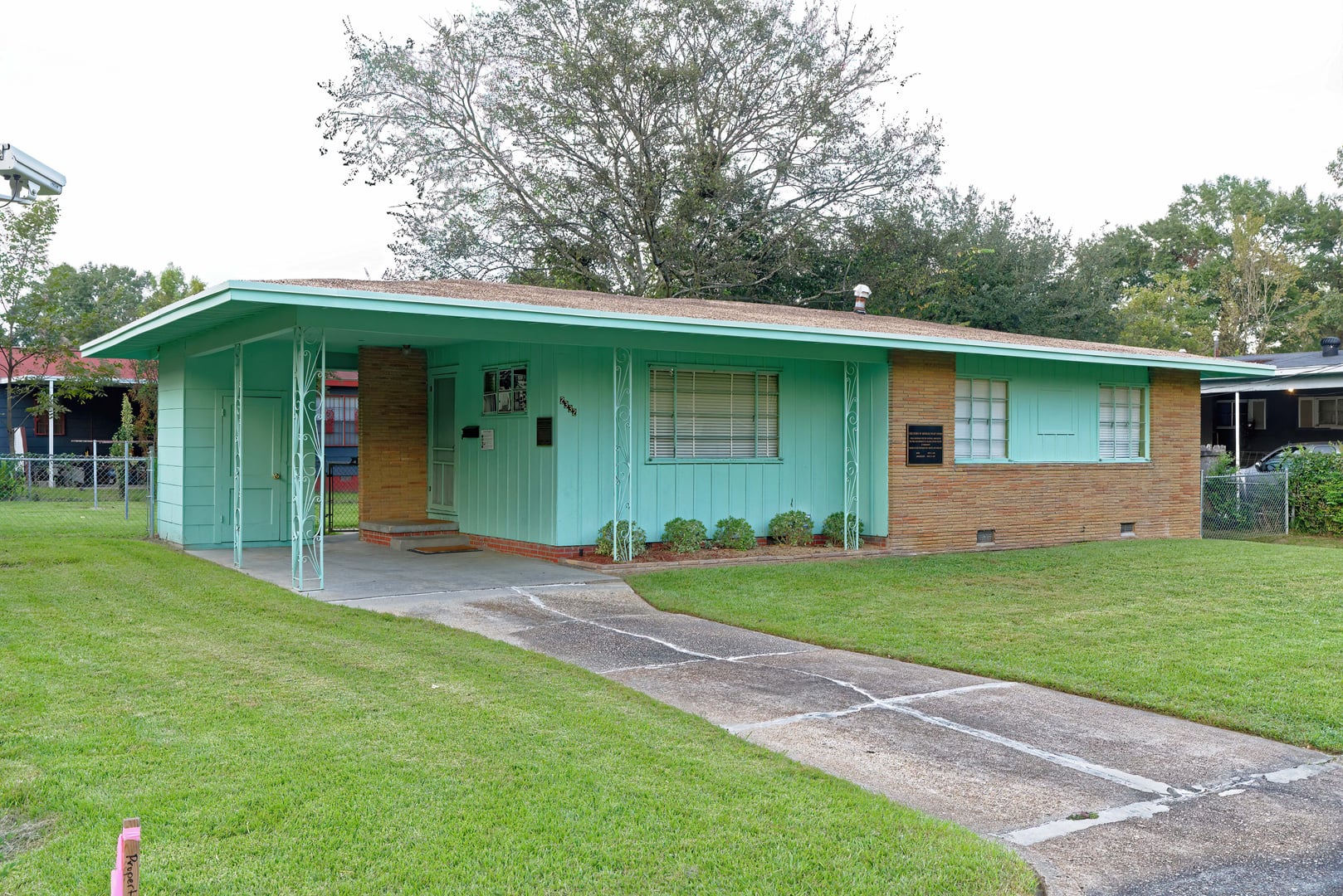
On June 12, 1963, NAACP Mississippi Field Secretary Medgar Evers was shot in the back by white supremacist Byron De La Beckwith as he returned home from a NAACP meeting. The assassination occurred in the driveway of the family's carefully chosen 1956 ranch house in Jackson. Evers was pronounced dead at a local hospital within an hour. His wife Myrlie and their three children were inside when the shooting occurred.

$ All Ages Family: High
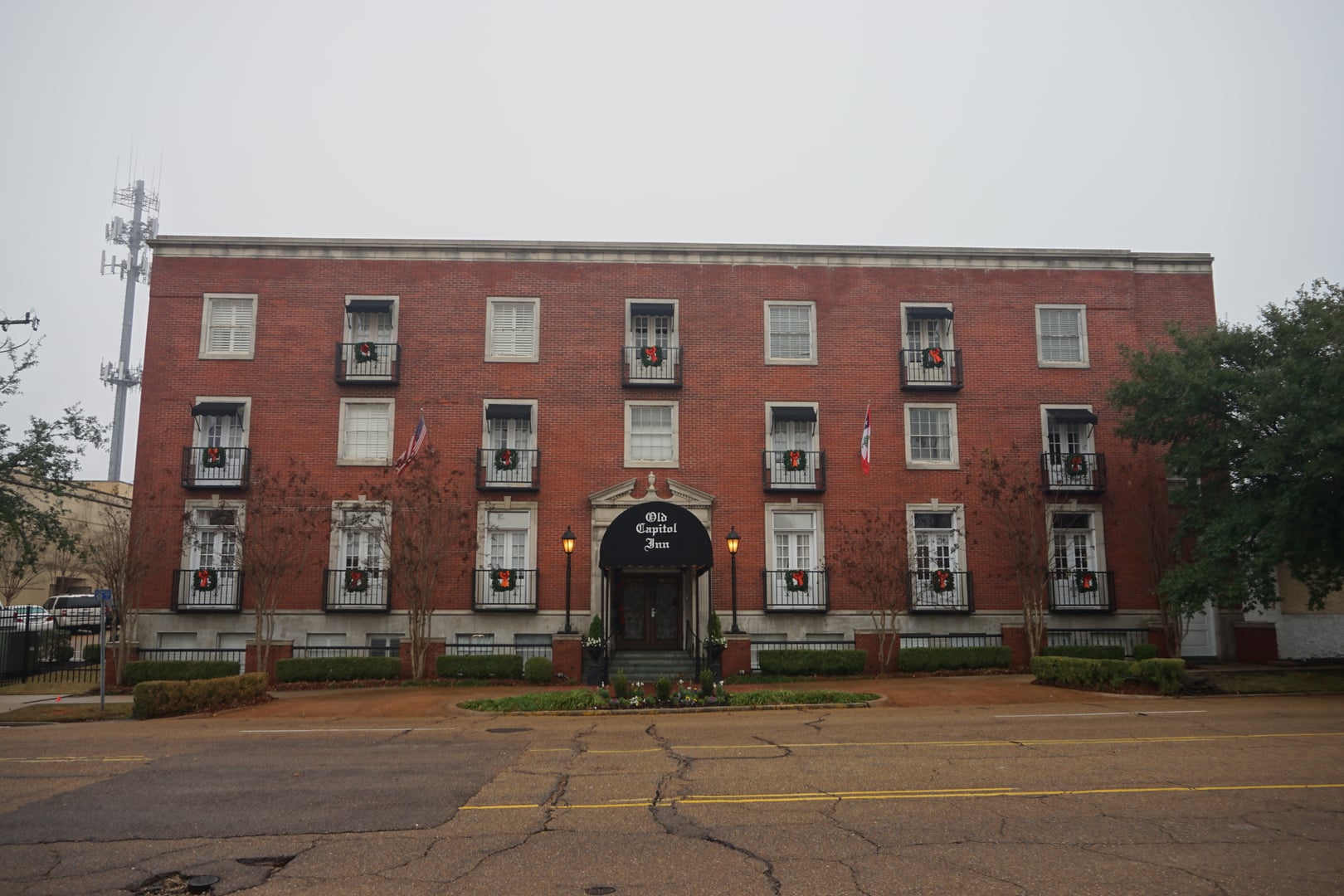
Photo of Old Capitol Inn
Haunted Hotel / Inn

Old Capitol Inn

Jackson, MS

The building at 226 N State Street in Jackson was constructed in 1952 as a YWCA facility. It operated in that capacity until the 1990s, when it was renovated between 1996 and 1999 and reopened as the Old Capitol Inn, a small luxury hotel. The property sits one block north of the Old Capitol and two blocks from Capitol Street, placing it at the center of the downtown area that Union General William T. Sherman ordered burned during the July 1863 occupation of Jackson.

$$ All Ages Family: High
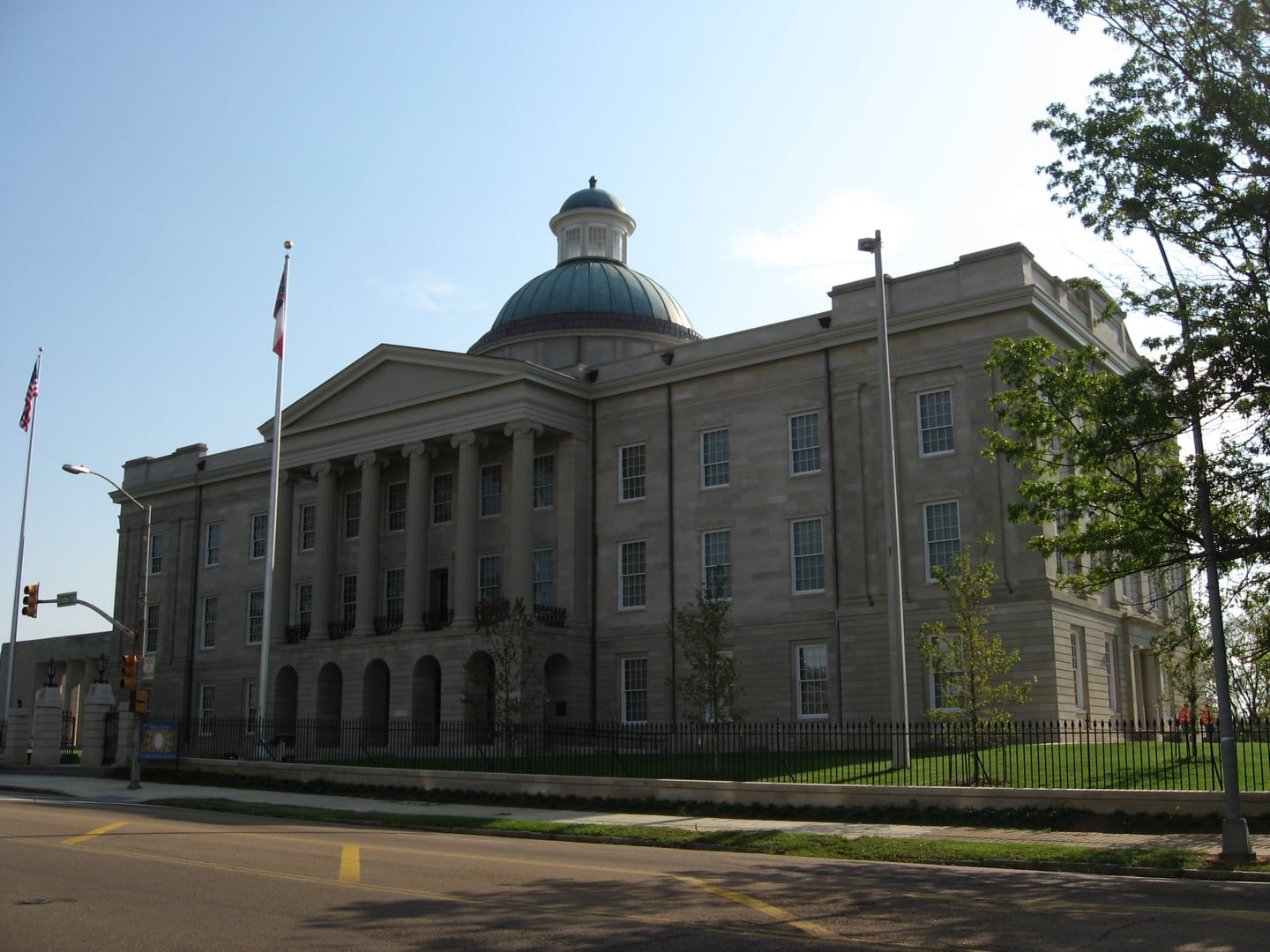
Photo of Old Capitol Museum
Museum / Historical Site

Old Capitol Museum

Jackson, MS

Mississippi's Old Capitol was built between 1833 and 1839 as the state's Greek Revival statehouse and served as the seat of Mississippi government for nearly 25 years. The Mississippi Legislature voted to secede from the Union here in January 1861. After the new capitol opened in 1903, the building passed to various uses before being restored in 1959 and again in the 1990s as the Old Capitol Museum, now operated by the Mississippi Department of Archives and History.

$ All Ages Family: High

Biloxi — 4

Photo of Beauvoir — The Jefferson Davis Home and Presidential Library
Museum / Historical Site

Beauvoir — The Jefferson Davis Home and Presidential Library

Biloxi, MS

Beauvoir was built around 1852 and became the final home of Confederate President Jefferson Davis from 1877 until his death in 1889. From 1903 to 1957, the estate served as the Jefferson Davis Soldiers Home for Confederate veterans and their widows, housing more than 2,000 people over that period. The property now operates as a museum and presidential library and is a National Historic Landmark.

$$ All Ages Family: High
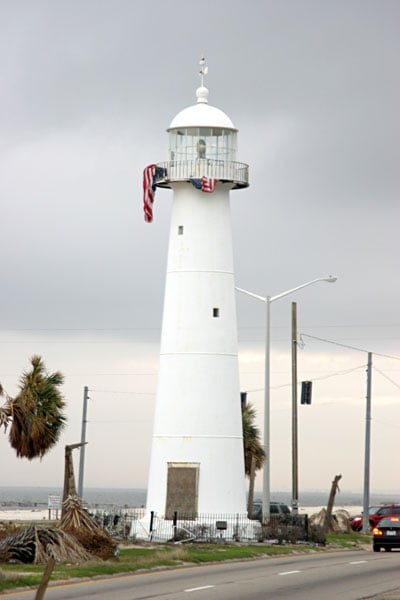
Photo of Biloxi Lighthouse
Other Dark Tourism Site

Biloxi Lighthouse

Biloxi, MS

The Biloxi Lighthouse was constructed in 1848 by the U.S. government as a cast iron structure on the Gulf Coast. Keeper Perry Younghans died in 1867 within his first year of service; his wife Maria assumed the post and tended the light for more than 50 years, making it the only lighthouse in the United States kept by female keepers longer than by male keepers. The lighthouse survived multiple hurricanes, including Katrina in 2005.

$ All Ages Family: Moderate
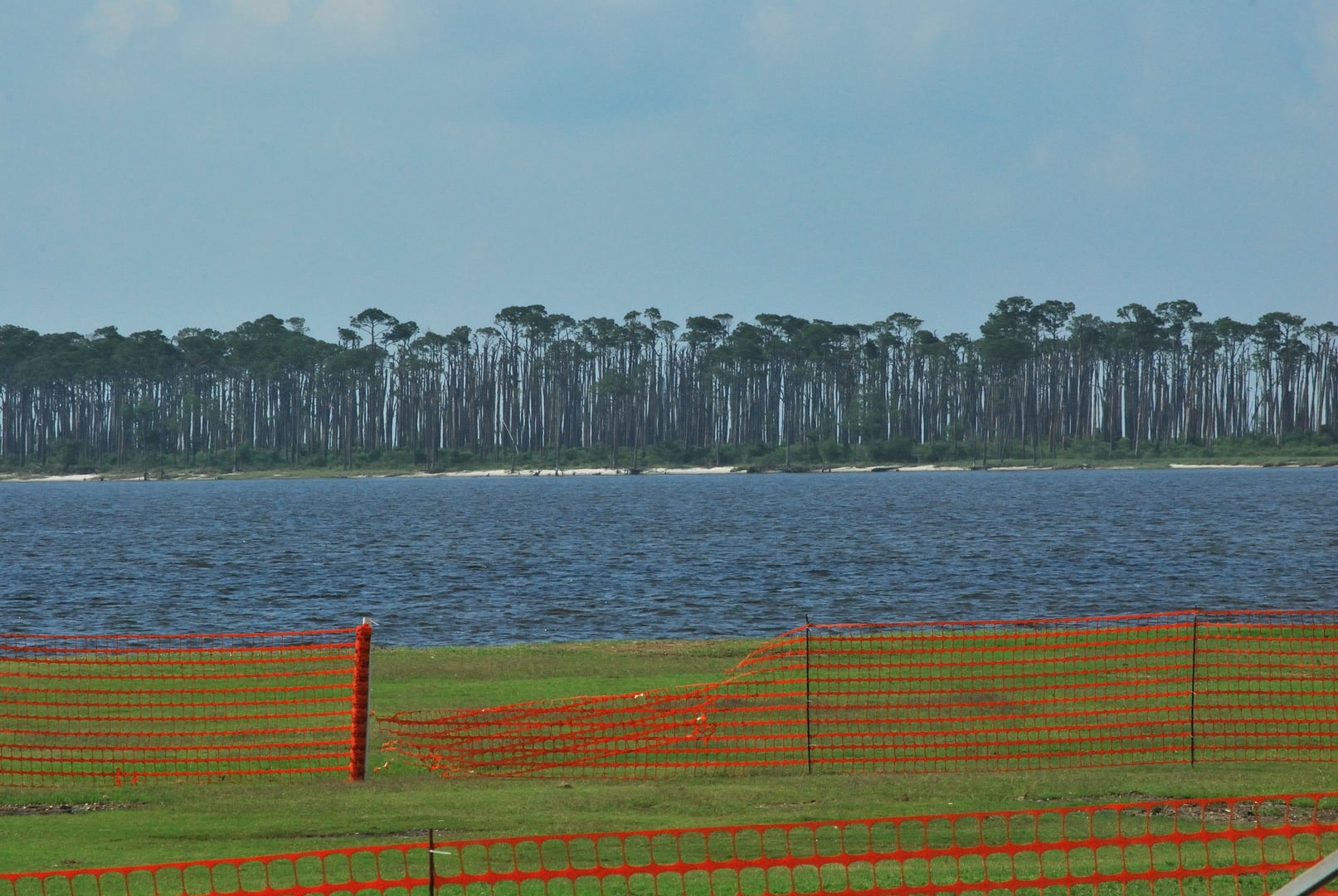
Photo of Deer Island
Outdoor / Natural Site

Deer Island

Biloxi, MS

Deer Island sits roughly a quarter mile offshore from downtown Biloxi in the Mississippi Sound. French explorers noted the island as early as 1717, and a small amusement park operated there from around 1905 through the 1930s. The State of Mississippi acquired the majority of the island in 2002 to establish a coastal preserve protecting ten endangered species.

$ All Ages Family: Moderate
Aerial survey view of Old Biloxi City Cemetery
Aerial survey · USDA NAIP
Cemetery / Burial Ground

Old Biloxi City Cemetery

Biloxi, MS

The Old Biloxi City Cemetery is one of the oldest cemeteries on the Gulf Coast, with interments dating to 1811. The grounds include a restored slave section, the graves of Edward Barq (creator of Barq's Root Beer) and George Ohr (ceramic artist known as the 'Mad Potter of Biloxi'), and a section associated with the 'Hermit of Deer Island.' The cemetery is listed with the Mississippi Gulf Coast National Heritage Area.

$ All Ages Family: High

Columbus — 4

Haunted House / Historic Home

Errolton

Columbus, MS

Errolton was built circa 1848 in Columbus and became the lifelong home of Nellie Weaver Tucker, who scratched her name on a parlor window pane with her diamond engagement ring in 1878. The home has been a stop on the Columbus Pilgrimage and is cited in multiple regional ghost-history sources for the window mystery.

$$ All Ages Family: High
Photo of Friendship Cemetery
Cemetery / Burial Ground

Friendship Cemetery

Columbus, MS

Friendship Cemetery was established in 1849 by the Independent Order of Odd Fellows on 5 acres in Columbus, Mississippi. After the Civil War, it received more than 2,000 Confederate soldiers killed at Shiloh and elsewhere, as well as 40 to 150 Union dead. On April 26, 1866, four local women organized a public ceremony to place flowers on both Confederate and Union graves—an act recognized as America's first Decoration Day and the origin of what became Memorial Day.

$ All Ages Family: High
Haunted House / Historic Home

Temple Heights Mansion

Columbus, MS

Temple Heights was built in 1837 for General Richard T. Brownrigg and is one of Columbus's landmark Greek Revival homes. The Kennebrew family acquired it in 1887 and held it for generations; it has been a Columbus Pilgrimage fixture since the tour began in the 1940s.

$$ All Ages Family: Moderate
Aerial survey view of Three-Legged Lady Road (Nash Road)
Aerial survey · USDA NAIP
Outdoor / Natural Site

Three-Legged Lady Road (Nash Road)

Columbus, MS

Nash Road is a rural roadway in Lowndes County outside Columbus, Mississippi, not far from the Columbus lock and dam on the Tombigbee Waterway. The road has no notable built landmark; its fame rests entirely on the Three-Legged Lady legend, one of Mississippi's most widely circulated pieces of folklore.

$ All Ages Family: Moderate

Hattiesburg — 4

Aerial survey view of Burnt Bridge
Aerial survey · USDA NAIP
Outdoor / Natural Site

Burnt Bridge

Hattiesburg, MS

Burnt Bridge Road in Hattiesburg, Mississippi marks the site of a tragic automotive accident on prom night involving a young couple. An earlier bridge structure at this location was destroyed or damaged, and has since been replaced with modern infrastructure. The accident remains part of local folklore and cultural memory.

$ All Ages Family: Moderate
True Crime Site

Forrest County Courthouse — Freedom Summer Civil Rights Site

Hattiesburg, MS

The Forrest County Courthouse in downtown Hattiesburg was the site of Freedom Day on January 22, 1964 — the second major Freedom Day protest in the South, following Selma. Nearly 150 Black citizens braved a cold, rainy morning to demonstrate for the right to vote, facing registrar Theron Lynd's documented refusal to process Black applicants. The event directly preceded the Mississippi Summer Project and helped build the national momentum of the civil rights movement.

$ All Ages Family: High
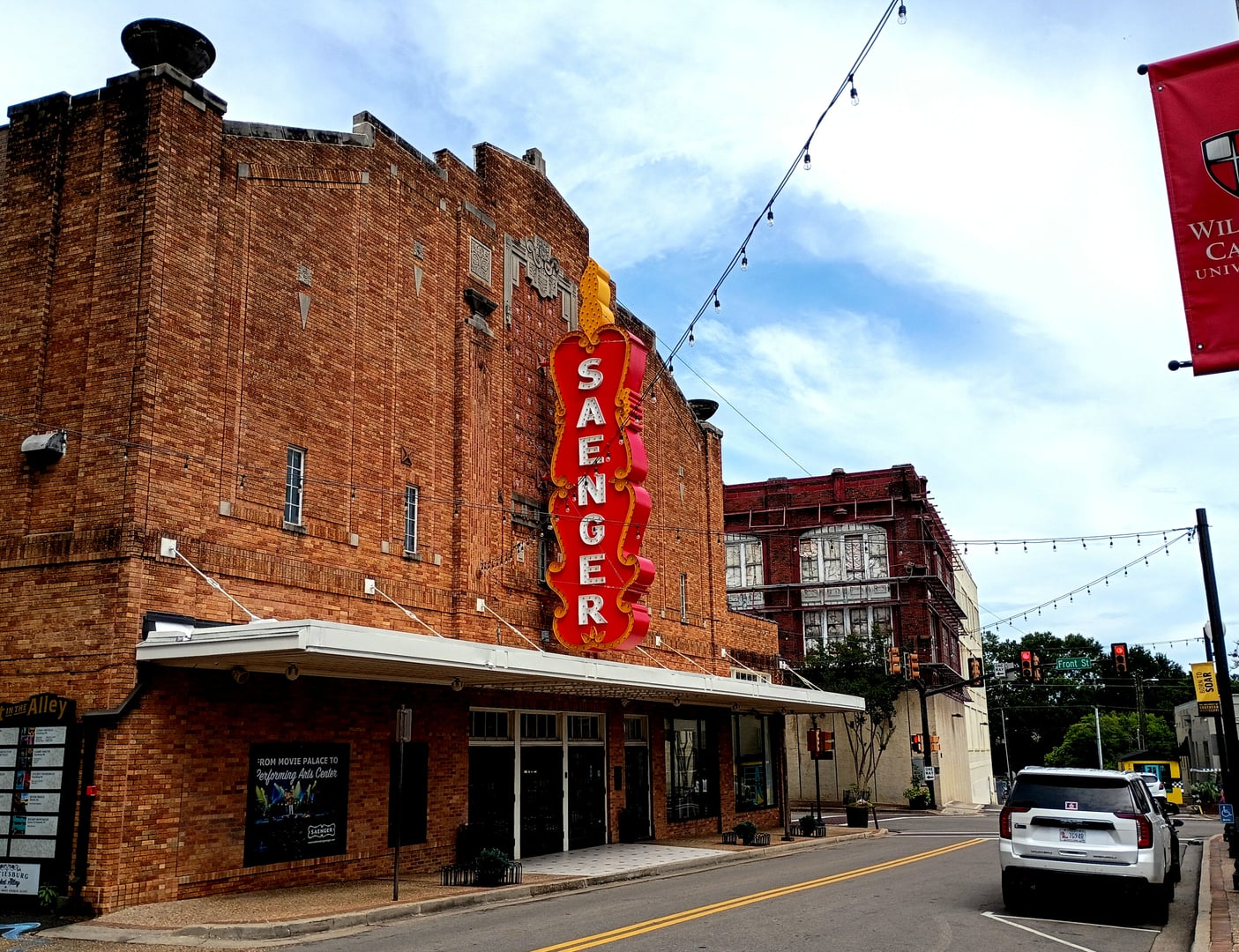
Photo of Hattiesburg Saenger Theater
Theater / Performance Venue

Hattiesburg Saenger Theater

Hattiesburg, MS

The Hattiesburg Saenger Theater opened on Thanksgiving Day 1929 as a movie palace in downtown Hattiesburg, part of the Saenger Theatres chain that spread ornate film houses across the Deep South. After decades of use and periods of decline, it was restored and reopened as a performing arts center. During a 1936 disaster that struck Hattiesburg, the building briefly served as a temporary shelter and hospital, a period some accounts connect to the resident ghost.

$$ All Ages Family: High
True Crime Site

Vernon Dahmer Memorial Farm Site

Hattiesburg, MS

Vernon Dahmer Sr. owned a farm and grocery store at the Kelly Settlement, north of Hattiesburg in Forrest County. A successful Black businessman and NAACP chapter president, Dahmer had been a central organizer of Freedom Day at the Forrest County Courthouse in January 1964. On January 9, 1966, he announced over local radio that he would personally pay the poll tax for any Black citizen who could not afford it. In the predawn hours of January 10, armed KKK members firebombed his home and store; Dahmer died the following day from lung injuries sustained while protecting his family.

$ All Ages Family: High

Holly Springs — 4

Photo of Hillcrest Cemetery
Cemetery / Burial Ground

Hillcrest Cemetery

Holly Springs, MS

Established in 1837 when settler William S. Randolph donated the land, Hillcrest Cemetery in Holly Springs earned the nickname 'Little Arlington of the South' for its five interred Confederate generals. The 1878 yellow fever epidemic left a mass trench burial of over 300 victims, including seven Catholic nuns and a priest who died while nursing patients.

$ All Ages Family: High
Haunted House / Historic Home

Linden Hill

Holly Springs, MS

Built in 1841 in the Greek Revival style, Linden Hill in Holly Springs, Mississippi is most closely associated with Beulah Cawthon, who was institutionalized in 1919 after her parents found her standing over their bed holding a hatchet. She spent the remainder of her life—nearly five decades—at state psychiatric facilities and died in 1968.

$$ All Ages Family: High
Haunted House / Historic Home

The Magnolias

Holly Springs, MS

Built in 1850 as a Gothic Revival wedding gift from Holly Springs co-founder William F. Mason to his daughter Elizabeth, The Magnolias was ransacked by Union soldiers in 1862 during the Civil War occupation of Holly Springs. In 1999, director Robert Altman selected it as the primary filming location for 'Cookie's Fortune.'

$$ All Ages Family: High
Photo of Walter Place
Haunted House / Historic Home

Walter Place

Holly Springs, MS

Built beginning in 1857 and completed around 1860, Walter Place was the home of Colonel Harvey Washington Walter, a pro-Union railroad president who invited General Grant to use the mansion as his headquarters during the Civil War. Colonel Walter, a doctor, converted the estate into a hospital during the 1878 yellow fever epidemic and died there alongside three of his sons.

$ All Ages Family: High

Oxford — 4

True Crime Site

Lafayette County Courthouse & Lynching Memorial

Oxford, MS

The Equal Justice Initiative documented seven racial terror lynchings in Lafayette County, Mississippi, between 1885 and 1935. Two men — Lawson Patton in 1908 and Elwood Higginbottom in 1935 — were seized directly from the Lafayette County Jail adjacent to the courthouse by white mobs and killed on or near the courthouse grounds. A memorial marker erected on the courthouse lawn, the first to document racial terror lynchings at a Mississippi courthouse, now stands at the site.

$ All Ages Family: High
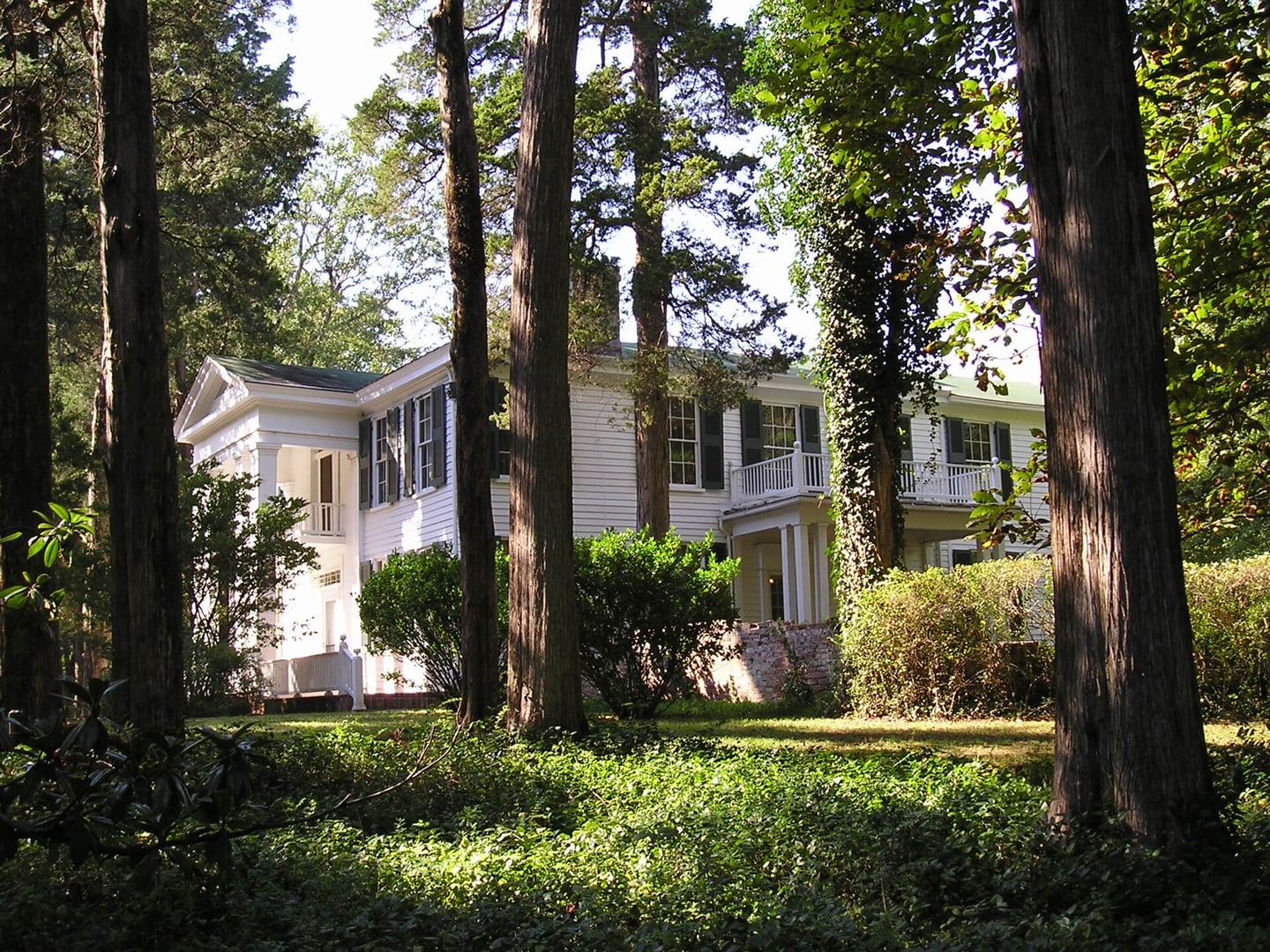
Exterior of Rowan Oak, the 1844 Greek Revival home of Nobel laureate William Faulkner at 916 Old Taylor Road in Oxford, Mississippi.
Museum / Historical Site

Rowan Oak

Oxford, MS

Rowan Oak at 916 Old Taylor Road in Oxford, Mississippi, is the former home of Nobel Prize-winning author William Faulkner, preserved as a museum by the University of Mississippi. The Greek Revival house was built in 1844 for Robert B. Sheegog; Faulkner purchased and renovated it in 1930, naming it for the rowan tree said to ward off evil. He lived there until his death in 1962.

$ All Ages Family: High
Photo of St. Peter's Cemetery
Cemetery / Burial Ground

St. Peter's Cemetery

Oxford, MS

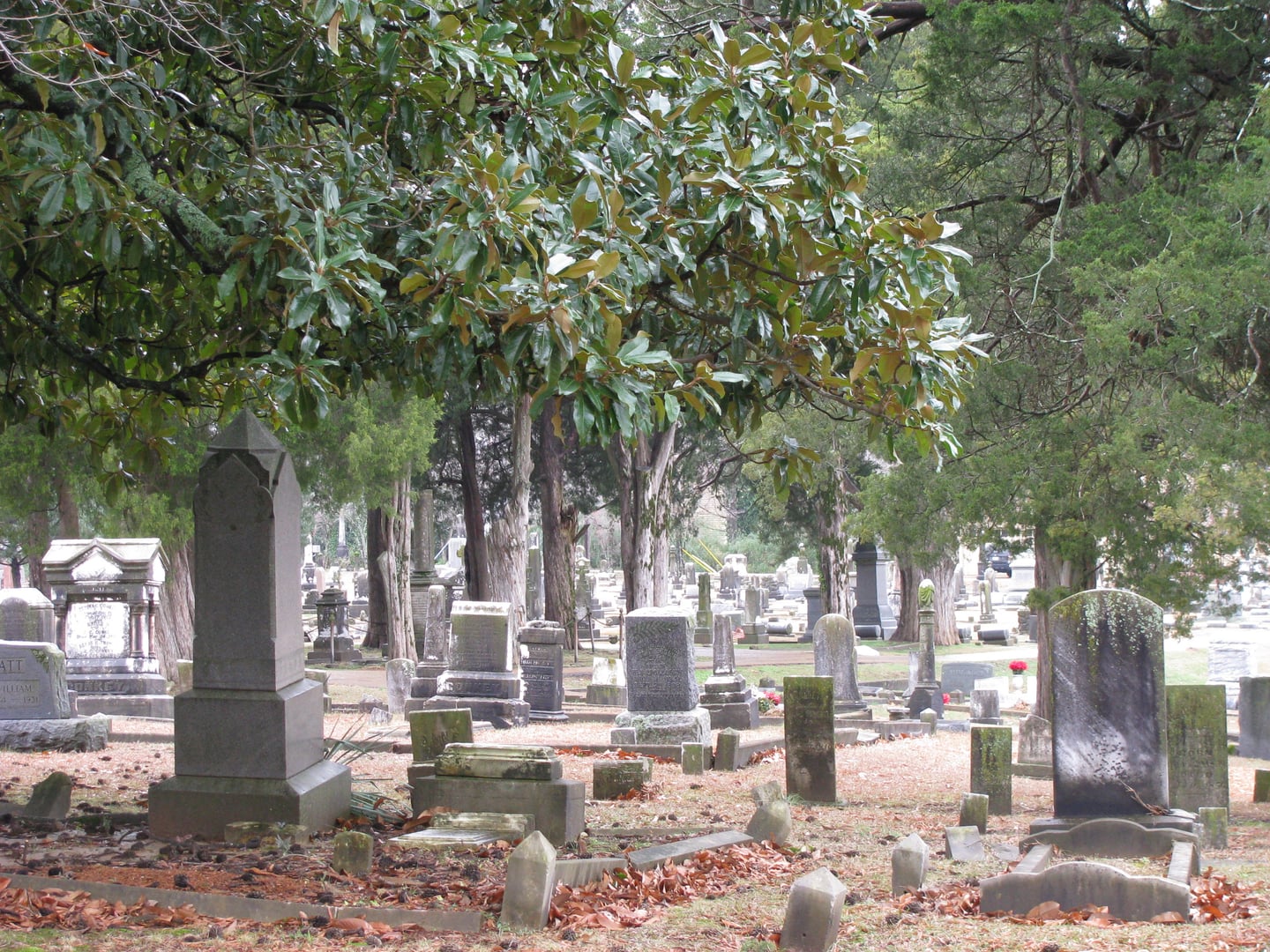
St. Peter's Cemetery was established in the 19th century as Oxford's primary burial ground for its Episcopal congregation and the broader city. It holds the graves of William Faulkner, yellow fever victims from 19th-century epidemics, and Confederate soldiers whose remains were transferred from the university campus 'Dead House' after they died in the wartime Lyceum hospital. Faulkner's grave has become a literary pilgrimage site, recognizable by the whiskey bottles visitors leave.

$ All Ages Family: High
Photo of The Lyceum — University of Mississippi
Museum / Historical Site

The Lyceum — University of Mississippi

Oxford, MS

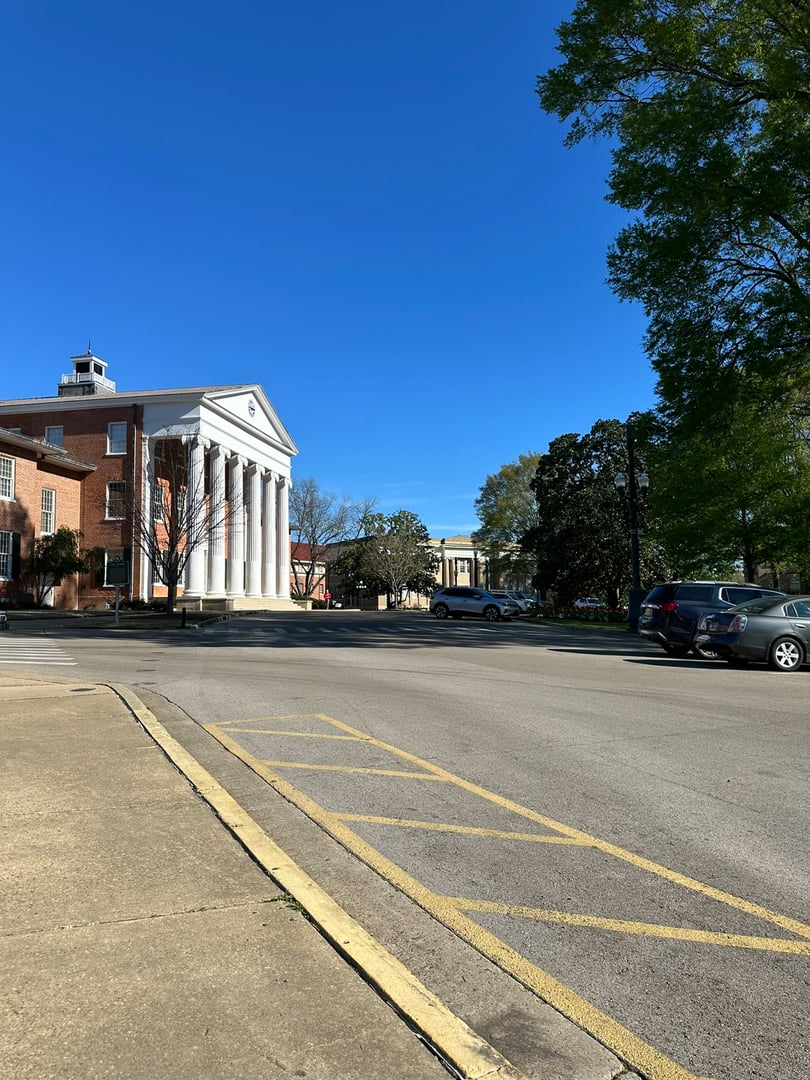
The Lyceum was completed in 1848 as the first and central building of the University of Mississippi, designed in the Greek Revival style. When Civil War came, the university's male students enlisted en masse: the Class of 1861, known as the University Greys, formed a company that suffered catastrophic casualties at Pickett's Charge on July 3, 1863. The Lyceum itself became a Confederate hospital after the Battle of Shiloh, and an estimated 250 soldiers died there; they were buried in a campus cemetery still extant behind Tad Smith Coliseum.

$ All Ages Family: High

Corinth — 3

Haunted House / Historic Home

22 CR 510

Corinth, MS

County Road 510 near Corinth, Mississippi marks a rural residential property in Alcorn County. The property is privately owned with no public access for paranormal investigation or touring.

$ All Ages Family: High
Haunted Hotel / Inn

Generals' Quarters Inn

Corinth, MS

The Generals' Quarters Inn consists of two Victorian homes on Fillmore Street in Corinth, Mississippi, constructed circa 1872—just ten years after the Siege of Corinth and the Battle of Corinth together claimed thousands of lives and left every building in town pressed into service as a hospital or morgue.

$$ All Ages Family: Moderate
Photo of Verandah-Curlee House
Museum / Historical Site

Verandah-Curlee House

Corinth, MS

Built in 1857, the Verandah-Curlee House in Corinth served as Confederate headquarters for Generals Braxton Bragg and Earl Van Dorn before the Battle of Shiloh in spring 1862, and later as headquarters for Union General Henry Halleck after the fall of Corinth. It is the only antebellum home in Corinth in public ownership and now operates as a house museum.

$ All Ages Family: High

Meridian — 2

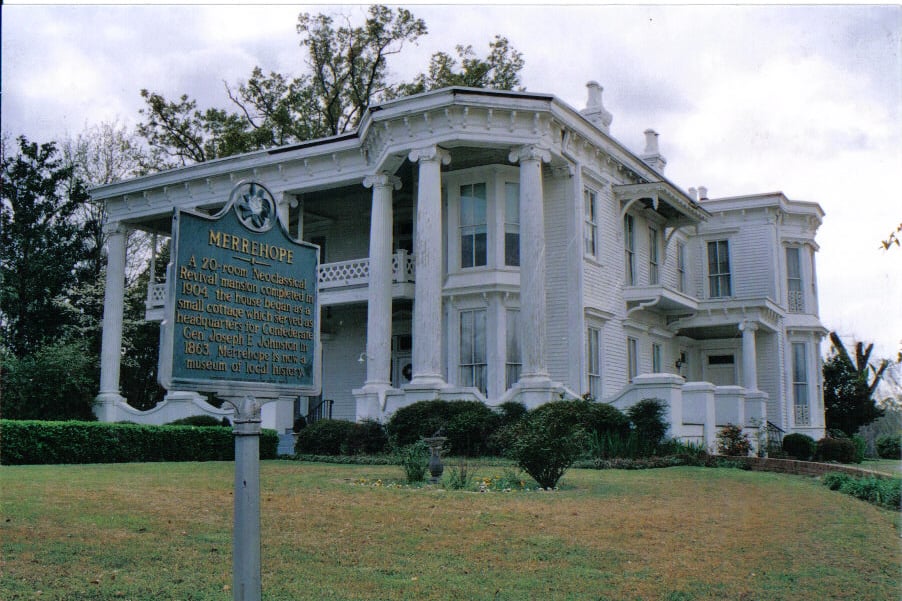
Front facade of Merrehope, a historic Greek Revival and Italianate mansion in Meridian, Mississippi, listed on the National Register.
Haunted House / Historic Home

Merrehope

Meridian, MS

Merrehope is a 26-room Victorian mansion in Meridian, Mississippi, built circa 1858 for Juriah Jackson. It survived General Sherman's 1864 burning of Meridian and has since served as a Union officer shelter, Confederate headquarters, boarding house, and apartment building. The Meridian Restorations Foundation purchased it in 1968 and opened it as a museum.

$ All Ages Family: High
Historic iron truss Stuckey's Bridge spanning the Chunky River near Meridian, Mississippi
Outdoor / Natural Site

Stuckey's Bridge

Meridian, MS

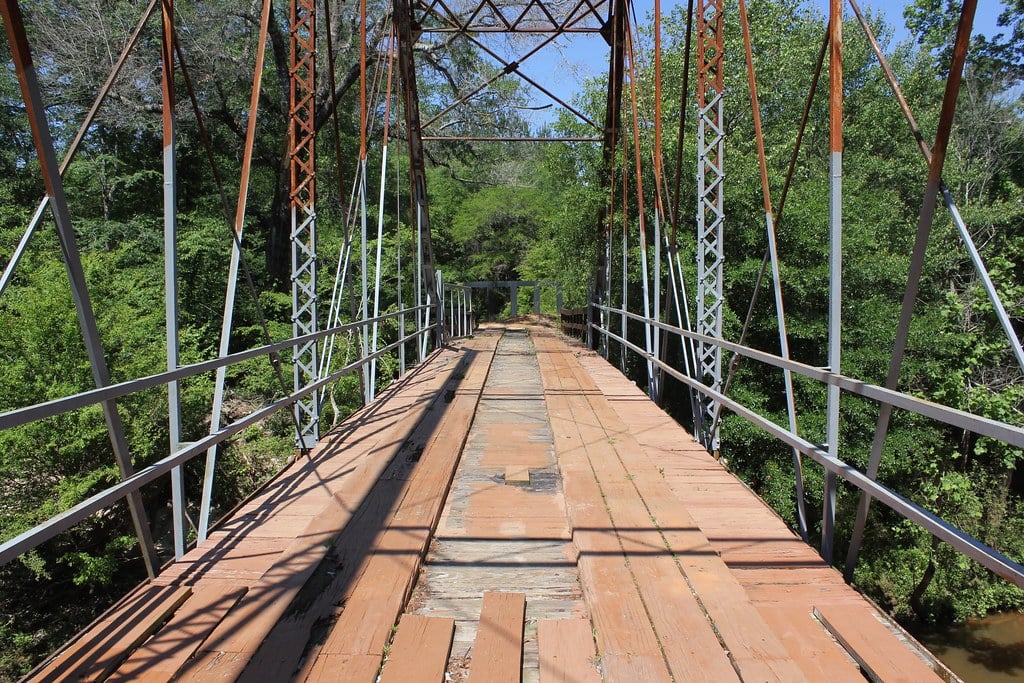
Stuckey's Bridge is a historic iron truss bridge spanning the Chunky River southwest of Meridian in Lauderdale County, Mississippi. A bridge contract for the site dates to 1847, with the first bridge built around 1850; the present iron structure was erected in 1901 by the Virginia Bridge and Iron Company. It was named a Mississippi Landmark in 1984 and listed on the National Register of Historic Places in 1988.

$ All Ages Family: Moderate

Port Gibson — 2

Photo of Windsor Ruins
Outdoor / Natural Site

Windsor Ruins

Port Gibson, MS

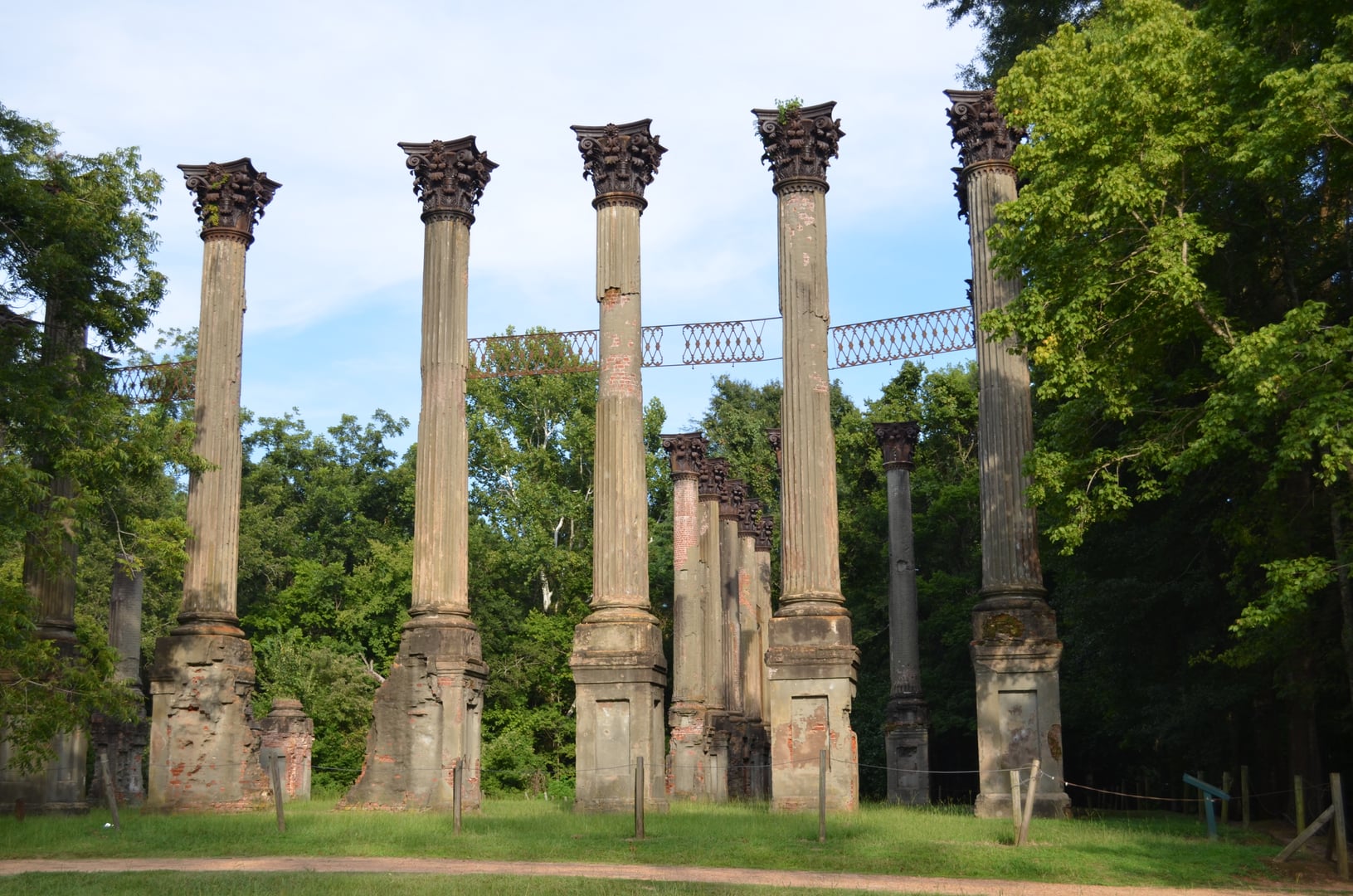
Windsor was the largest Greek Revival mansion in antebellum Mississippi, built between 1859 and 1861 for planter Smith Coffee Daniell II on a plantation worked by enslaved people in Claiborne County. Daniell died just weeks after the house was completed. Union forces occupied the mansion during the Battle of Port Gibson in May 1863, using it as an observation post and field hospital. In February 1890 a fire started by a guest's dropped cigarette burned the house to its foundation. Twenty-three Corinthian columns and the iron staircase balustrades survived.

$ All Ages Family: Moderate
Photo of Wintergreen Cemetery
Cemetery / Burial Ground

Wintergreen Cemetery

Port Gibson, MS

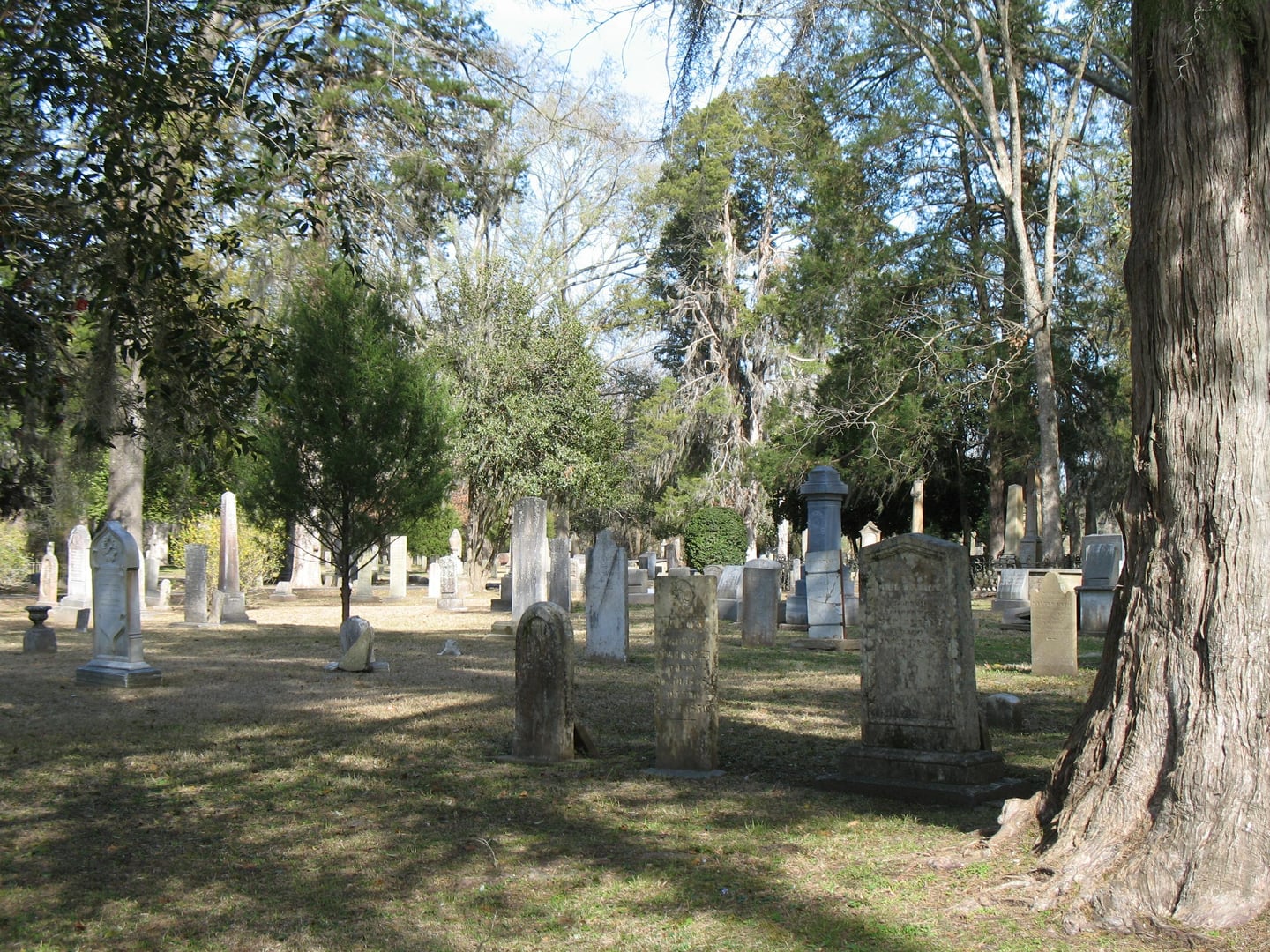
Wintergreen Cemetery was established in 1807 in Port Gibson, Mississippi, making it one of the oldest active cemeteries in the state. It serves as the final resting place of Confederate soldiers killed in the Battle of Port Gibson on May 1, 1863, as well as early town founders and notable figures including Gen. Earl Van Dorn.

$ All Ages Family: Moderate

Tupelo — 2

Theater / Performance Venue

Lyric Theatre

Tupelo, MS

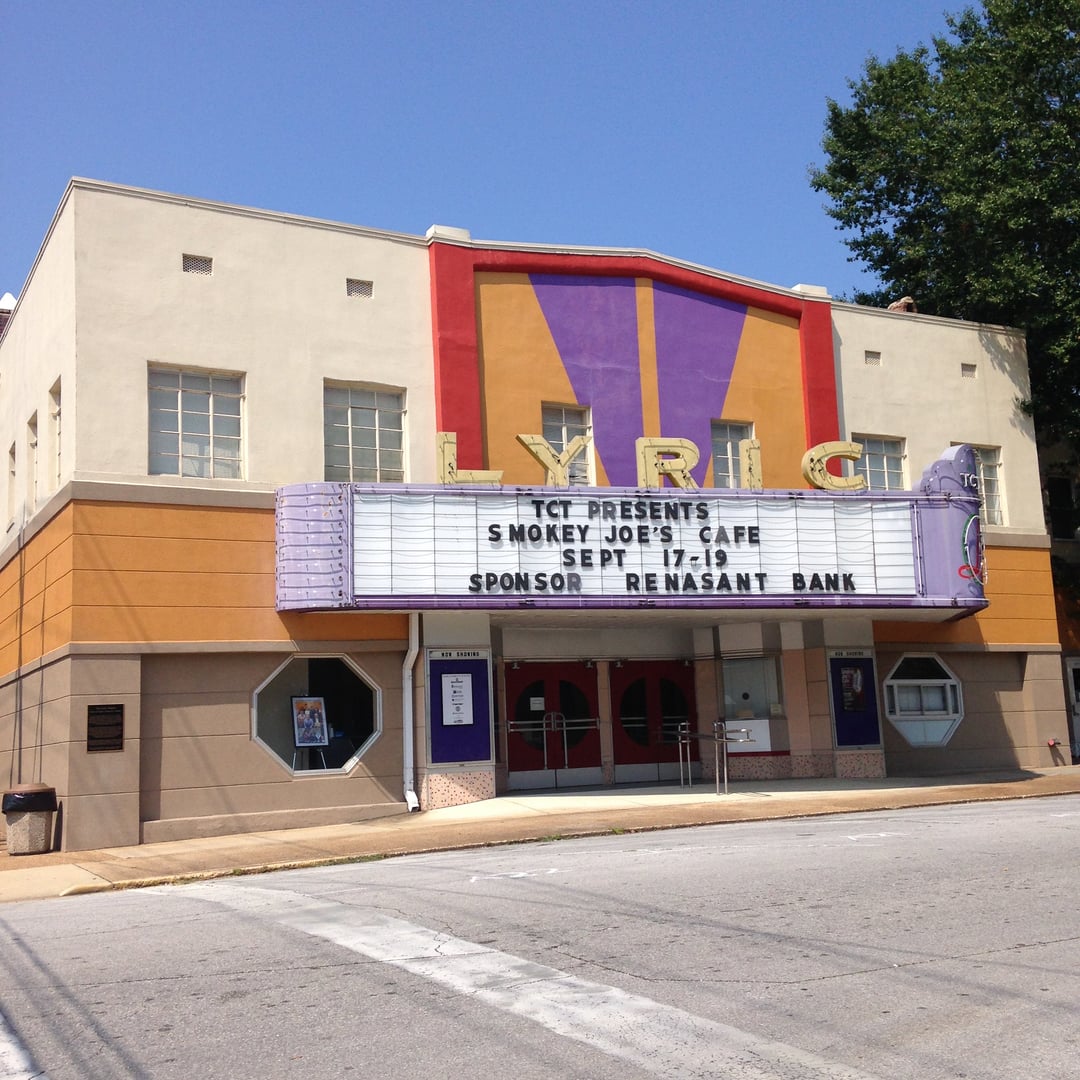
The Lyric Theatre was built in the 1920s as a movie house on North Broadway in downtown Tupelo. On April 5, 1936, an F5 tornado tore through the city, killing at least 216 people in what remains one of the deadliest tornado disasters in American history. The Lyric was immediately converted into a field hospital and morgue: the dead were laid on its floor, and the popcorn machine was pressed into service to sterilize surgical instruments.

$$ All Ages Family: High
Theater / Performance Venue

Cinemark Tupelo Movies 8 at Barnes Crossing

Tupelo, MS

The Cinemark Tupelo Movies 8 is an eight-screen movie theater at the Mall at Barnes Crossing on Tupelo's north side. The mall opened in 1990 and serves northeast Mississippi as one of the region's main retail anchors. The theater appears in regional Mississippi paranormal writing as a venue with employee-oriented haunting accounts.

$ All Ages Family: High

Baxterville — 1

Aerial survey view of Myrtle Grove Cemetery
Aerial survey · USDA NAIP
Cemetery / Burial Ground

Myrtle Grove Cemetery

Baxterville, MS

Myrtle Grove Cemetery on Lost John Road in Lamar County, Mississippi holds approximately 55 interments with burial dates reaching back to the mid-19th century. The cemetery is situated in the timber-country landscape of southern Lamar County, in a region shaped by the late-19th-century logging industry and the railroad networks that served it.

$ All Ages Family: High

Brooklyn — 1

Aerial survey view of Brooklyn Acres
Aerial survey · USDA NAIP
Cemetery / Burial Ground

Brooklyn Acres

Brooklyn, MS

Brooklyn Acres Cemetery near Brooklyn, Mississippi serves as a burial ground for Stone County residents. The cemetery has been in operation for an extended historical period, containing graves spanning multiple generations. A young boy's death at the cemetery or associated with the location has become embedded in local paranormal folklore.

$ All Ages Family: Moderate

Ellisville — 1

Haunted House / Historic Home

Amos Deason Home

Ellisville, MS

Built in 1847 by Amos Deason, this is the oldest surviving structure in Jones County, Mississippi. During the Civil War it became the center of a violent local conflict: on October 5, 1863, Newton Knight — leader of the Jones County Unionist guerrillas known as the Knight Company — shot and killed Confederate Major Amos McLemore on Deason's front porch. The home's association with the Free State of Jones rebellion brought it national attention, and it later inspired the 2016 film of that name. The property is owned by the Tallahala Chapter of the Daughters of the American Revolution.

$ All Ages Family: Moderate

Glendora — 1

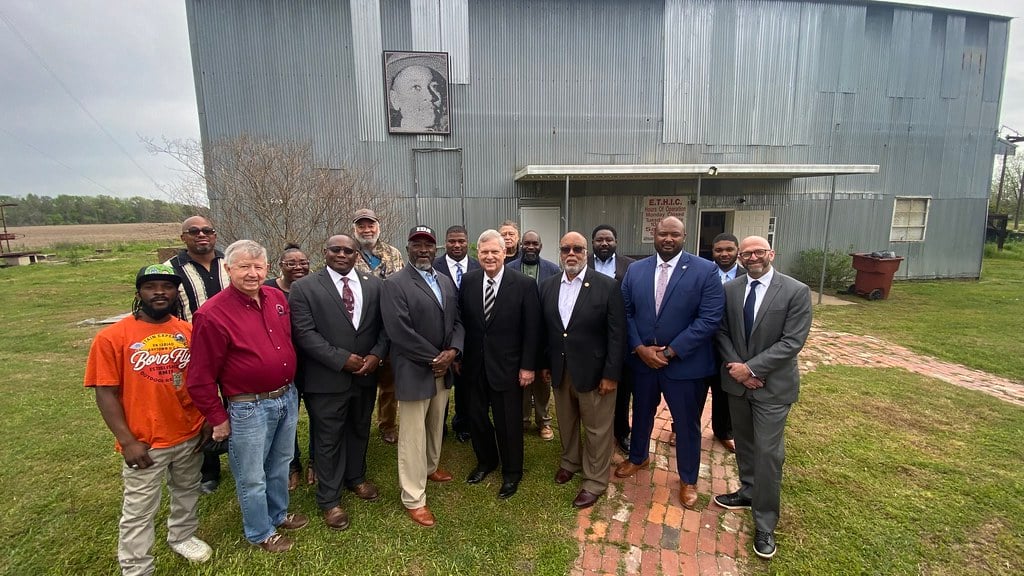
Photo of Emmett Till Historic Intrepid Center (ETHIC)
True Crime Site

Emmett Till Historic Intrepid Center (ETHIC)

Glendora, MS

On August 28, 1955, Emmett Till — a 14-year-old from Chicago visiting family in Tallahatchie County, Mississippi — was abducted from Bryant's Grocery in Money by Roy Bryant and J.W. Milam. His beaten and mutilated body was found in the Tallahatchie River three days later, weighted with a cotton gin fan. Bryant and Milam were acquitted by an all-white jury; they later admitted the killing in a paid magazine interview. The Emmett Till Historic Intrepid Center in Glendora occupies the former cotton gin building believed to have been the source of that fan weight.

$ All Ages Family: Moderate

Greenwood — 1

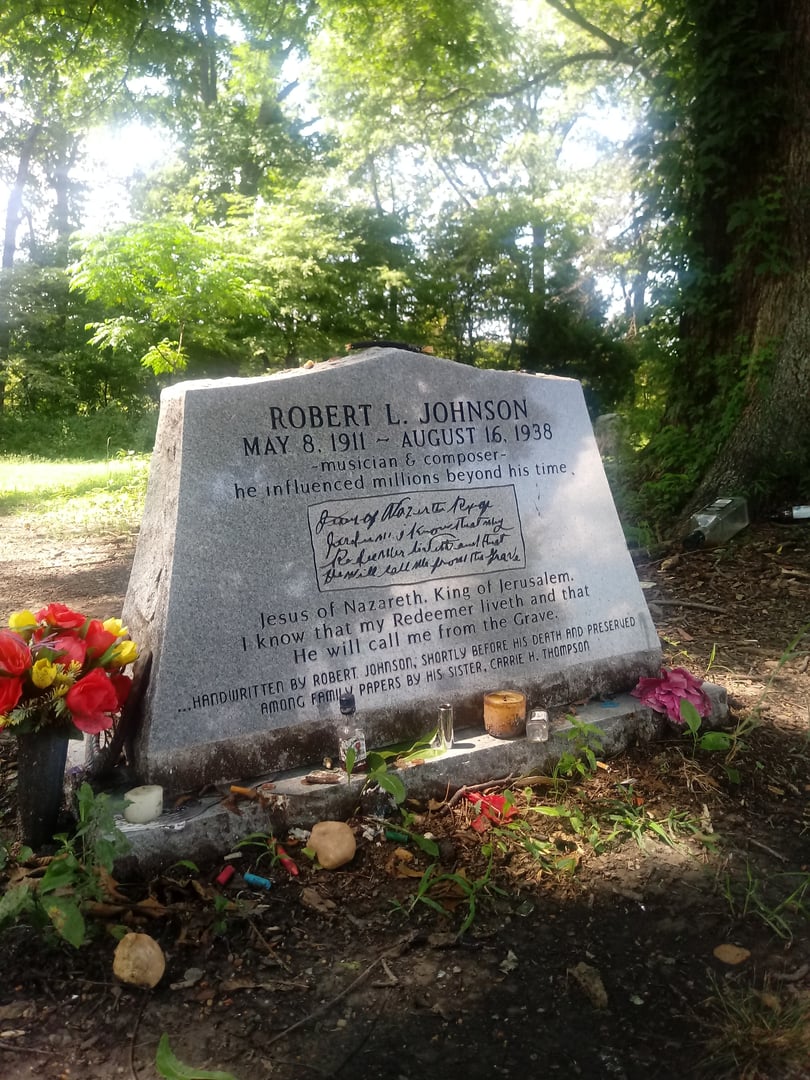
Photo of Robert Johnson's Grave at Little Zion M.B. Church
True Crime Site

Robert Johnson's Grave at Little Zion M.B. Church

Greenwood, MS

Robert Johnson, the Delta blues guitarist whose recordings from 1936–1937 profoundly influenced American popular music, died on August 16, 1938, in Greenwood, Mississippi, at age 27. He was widely believed to have been poisoned. His burial location was disputed for decades until undertaker records and a 2000 eyewitness account from a gravedigger's widow confirmed Little Zion Missionary Baptist Church as the true site.

$ All Ages Family: High

Gulfport — 1

Haunted House / Historic Home

Cahill Mansion / Gregory House Site

Gulfport, MS

Built in 1915 by William Stewart in the Handsboro neighborhood of Gulfport, the mansion overlooking Bayou Bernard was later leased to Keesler Air Force personnel during World War II and acquired a reputation for illegal gambling and prostitution operations. Dr. Kendall Gregory and his family moved in during 1957 and reported immediate and escalating paranormal phenomena. The mansion burned on July 18, 1970 — the morning after a séance was held there — and the charred remains were demolished. A private house was built on the property in 1989.

$ All Ages Family: Moderate

Heidelberg — 1

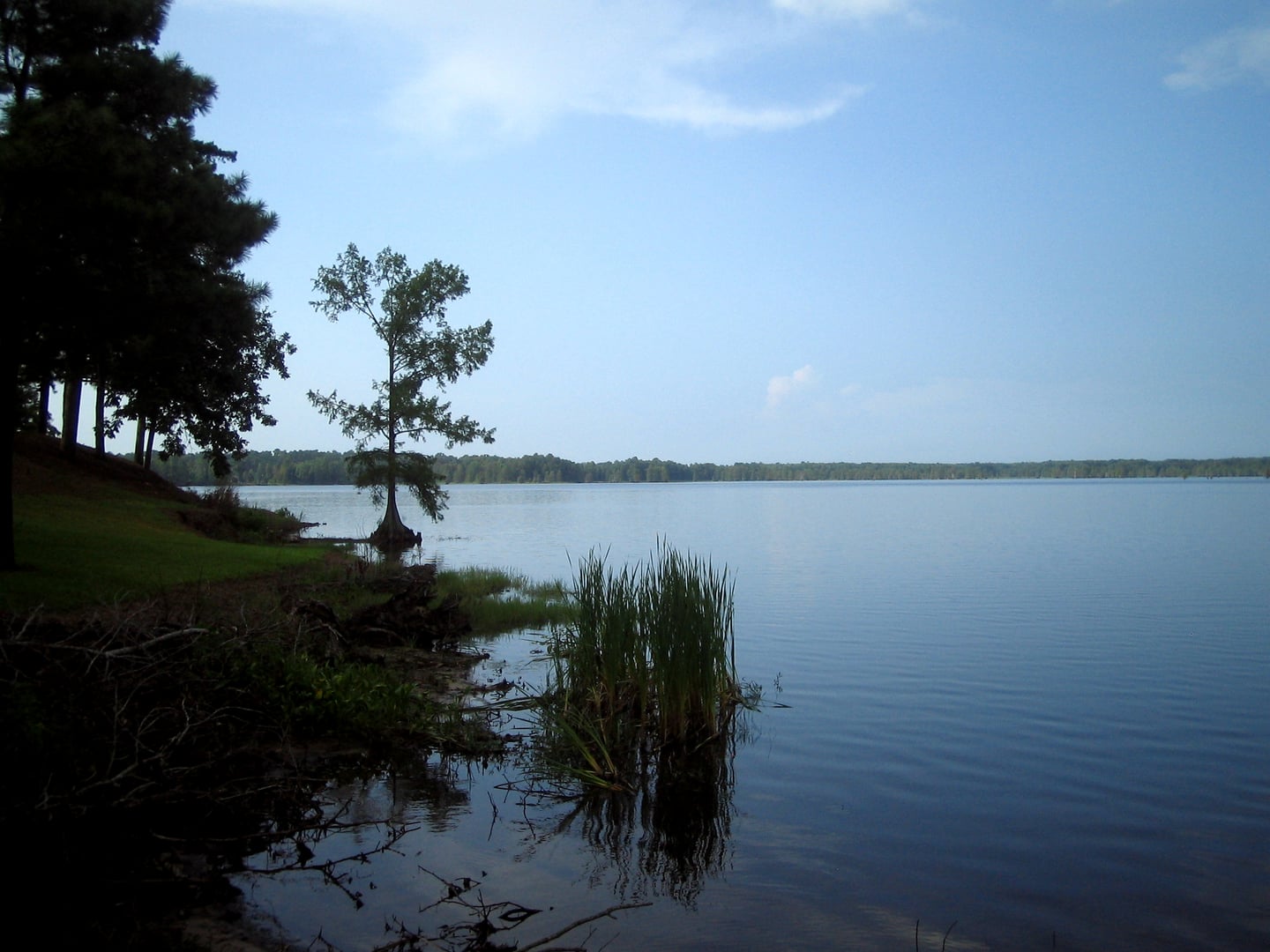
Lake Bogue Homa near Laurel, Mississippi, within the Bogue Homa community lands of the Mississippi Band of Choctaw Indians.
Outdoor / Natural Site

Bogue Homa Reservation

Heidelberg, MS

Bogue Homa Reservation near Heidelberg, Mississippi represents Native American cultural heritage site. The location is associated with Choctaw traditions and contemporary tribal activities. A church building located on the reservation grounds has become the focus of paranormal reports.

$ All Ages Family: High

Kosciusko — 1

Aerial survey view of Kosciusko City Cemetery
Aerial survey · USDA NAIP
Cemetery / Burial Ground

Kosciusko City Cemetery

Kosciusko, MS

Kosciusko City Cemetery in Attala County, Mississippi, contains the tallest monument in town: a life-size statue memorializing Laura Van Mitchell Kelly (1852-1890), who died at age 38. Her grieving husband, Clement Clay Kelly, commissioned the marble figure from a sculptor in Italy, working from a photograph and a dress sent overseas. The statue has become a local landmark and has been restored by the community and Kelly descendants after repeated vandalism.

$ All Ages Family: High

Madison — 1

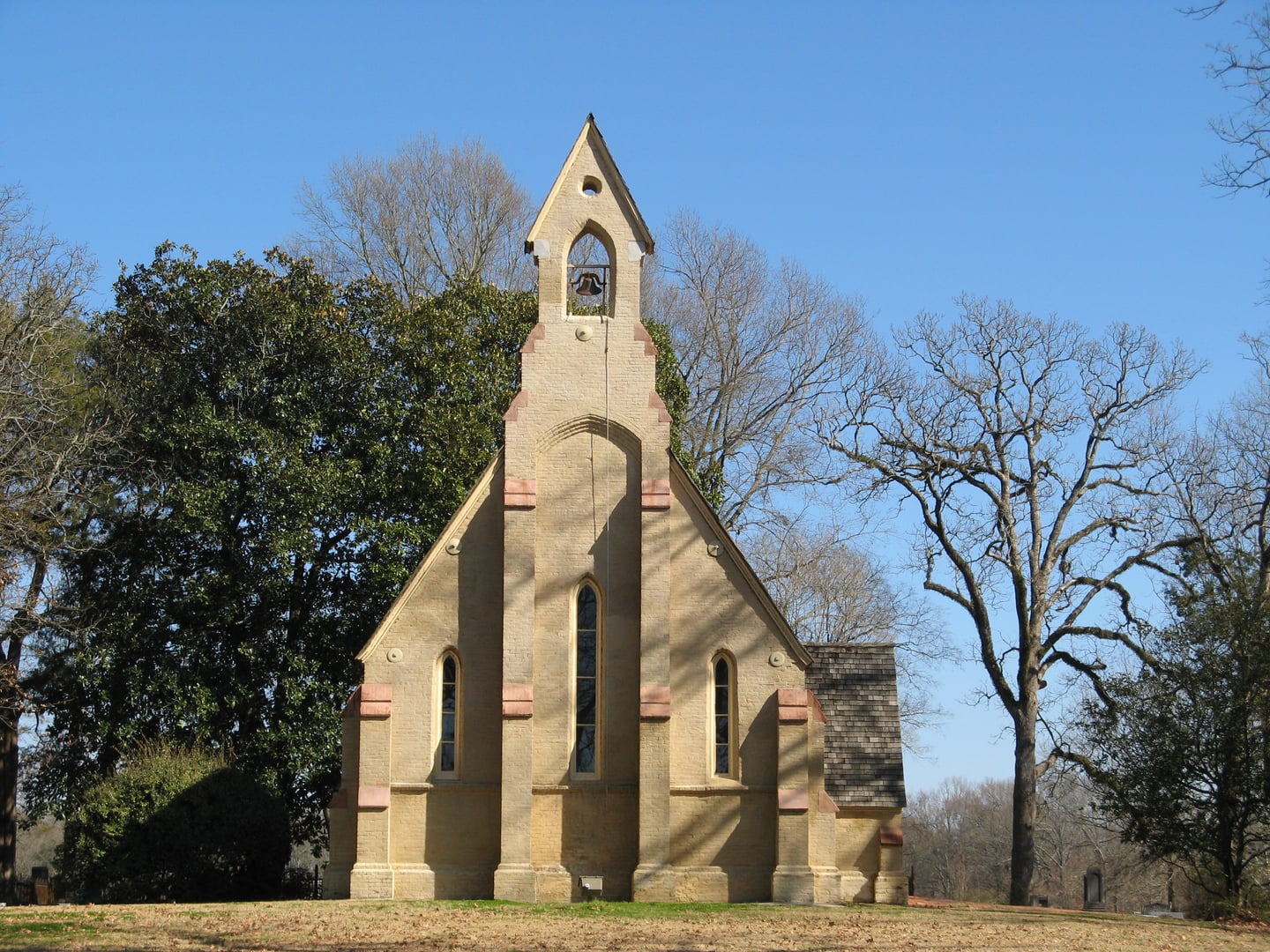
Chapel of the Cross, an 1852 Gothic Revival Episcopal chapel in Madison County, Mississippi, photographed from the exterior
Cemetery / Burial Ground

Chapel of the Cross & Cemetery

Madison, MS

The Chapel of the Cross was built in 1852 for Margaret Johnstone, owner of Annandale Plantation in Madison County, as an Episcopal chapel for her family and enslaved workers. Designed by Philadelphia architect Frank Wills in the Gothic Revival style, it is one of the best-preserved antebellum Gothic Revival churches in Mississippi and is listed on the National Register of Historic Places.

$ All Ages Family: High

Ocean Springs — 1

Aunt Jenny's Catfish Restaurant exterior, antebellum home with historic oaks
Haunted Dining / Bar

Aunt Jenny's Catfish Restaurant

Ocean Springs, MS

Aunt Jenny's Catfish Restaurant occupies an antebellum home in Ocean Springs, Mississippi, converted from its original residential purpose. The building housed an asylum at some point in its history, predating the restaurant's establishment. The restaurant has operated for decades as a regional dining destination, famous for catfish and the historic Julep Room basement where entertainment figures including Elvis Presley and Billie Holiday once gathered.

$$ All Ages Family: Moderate

Pascagoula — 1

Photo of Pascagoula Singing River
Outdoor / Natural Site

Pascagoula Singing River

Pascagoula, MS

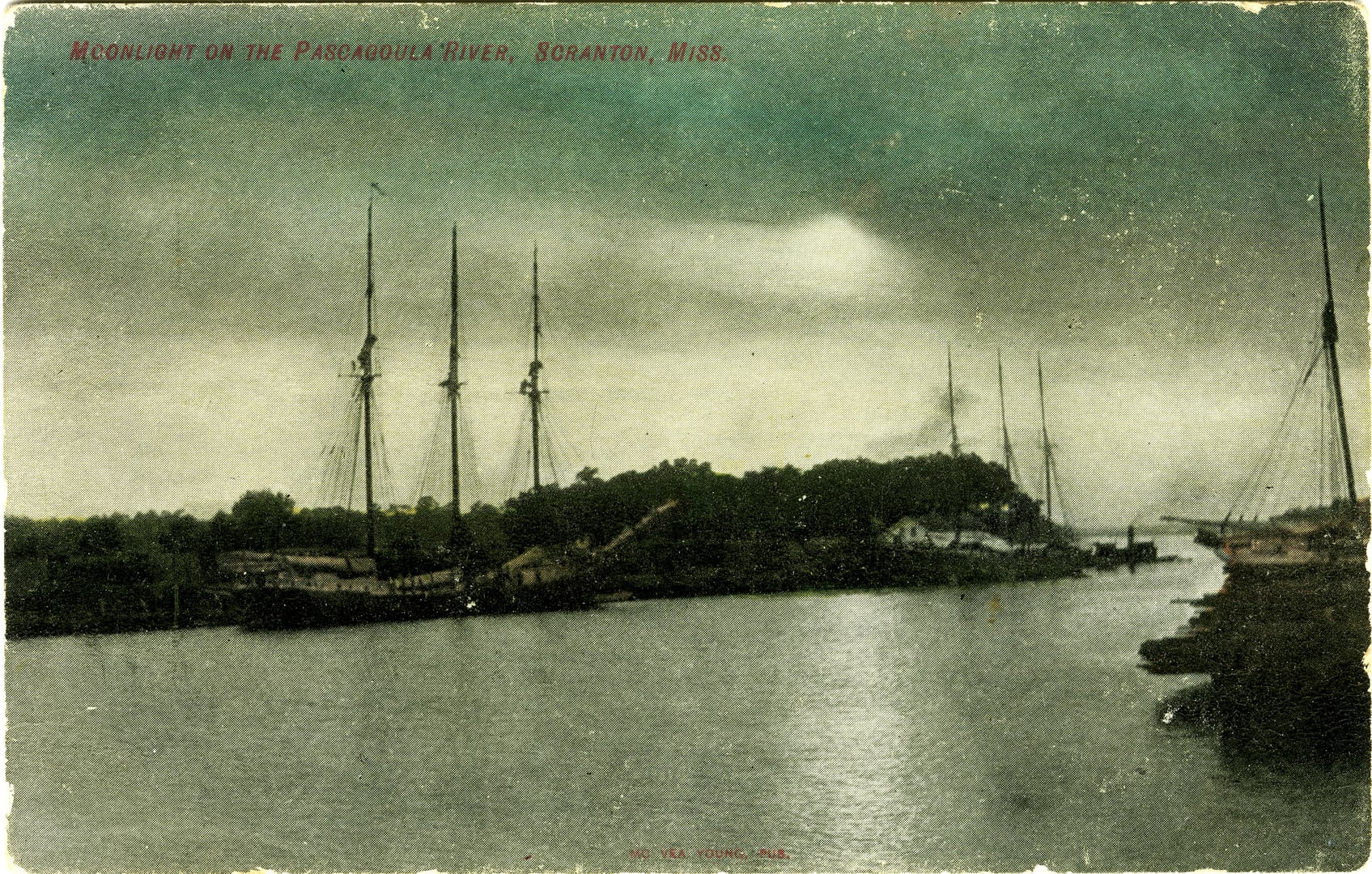
The Pascagoula River has been called the Singing River since at least 1699, when French settlers first documented the phenomenon. The humming sound it produces — best heard on late summer and autumn evenings — is intertwined with the history of the Pascagoula people, who occupied this coastal Mississippi territory long before European contact.

$ All Ages Family: High

Pass Christian — 1

Haunted House / Historic Home

The Blue Rose Mansion (Former Restaurant)

Pass Christian, MS

The Blue Rose Mansion in Pass Christian, Mississippi, was built in 1848 as a private residence on Scenic Drive overlooking the Mississippi Sound. Philip LaGrange and Herbert Pursley purchased the property in 1990 and operated an antique store, restaurant, and gift shop. The five-star restaurant did not reopen after Hurricane Katrina struck the Gulf Coast in 2005.

$$$ All Ages Family: Moderate

Van Vleet (near Houston) — 1

Aerial survey view of Asbury Cemetery
Aerial survey · USDA NAIP
Cemetery / Burial Ground

Asbury Cemetery

Van Vleet (near Houston), MS

Asbury Cemetery is a small rural burial ground near Van Vleet in Chickasaw County, Mississippi, off Highway 164 northwest of Houston. The cemetery serves the surrounding rural community and is documented in Chickasaw County genealogical records.

$ All Ages Family: Moderate

West Point — 1

HABS photograph of Waverley Plantation antebellum mansion with octagonal cupola in West Point Mississippi
Haunted House / Historic Home

Waverley Plantation Mansion

West Point, MS

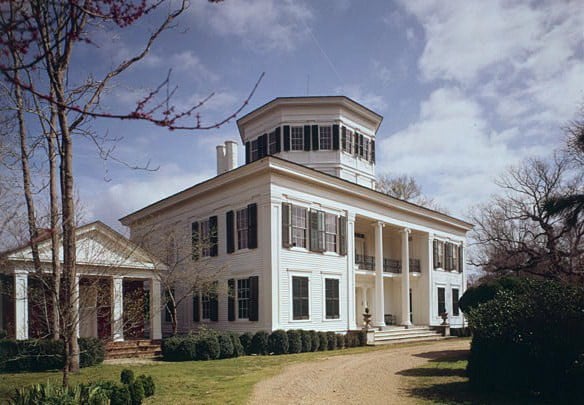
Colonel George Hampton Young built Waverley in 1852 on the Tombigbee River, a Greek Revival plantation house distinguished by an octagonal cupola and a four-story self-supporting spiral staircase. After the last Young child died unmarried around 1913, the mansion stood vacant for nearly fifty years until Robert and Donna Snow purchased and restored it in 1962.

$$ All Ages Family: Moderate

Yazoo City — 1

Aerial survey view of Glenwood Cemetery — Witch's Grave
Aerial survey · USDA NAIP
Cemetery / Burial Ground

Glenwood Cemetery — Witch's Grave

Yazoo City, MS

Glenwood Cemetery in Yazoo City is a nineteenth-century burial ground notable for containing the iron-chained grave of an unnamed woman locally called the Witch of Yazoo. The Great Yazoo City Fire of May 25, 1904 — which destroyed more than 300 buildings and most of the downtown — has been linked in local folklore to a curse she allegedly pronounced before her death in the 1880s.

$ All Ages Family: High

By type