Est. 1852 · National Historic Landmark · Jefferson Davis Residence · Confederate Veterans History · Hurricane Katrina Recovery
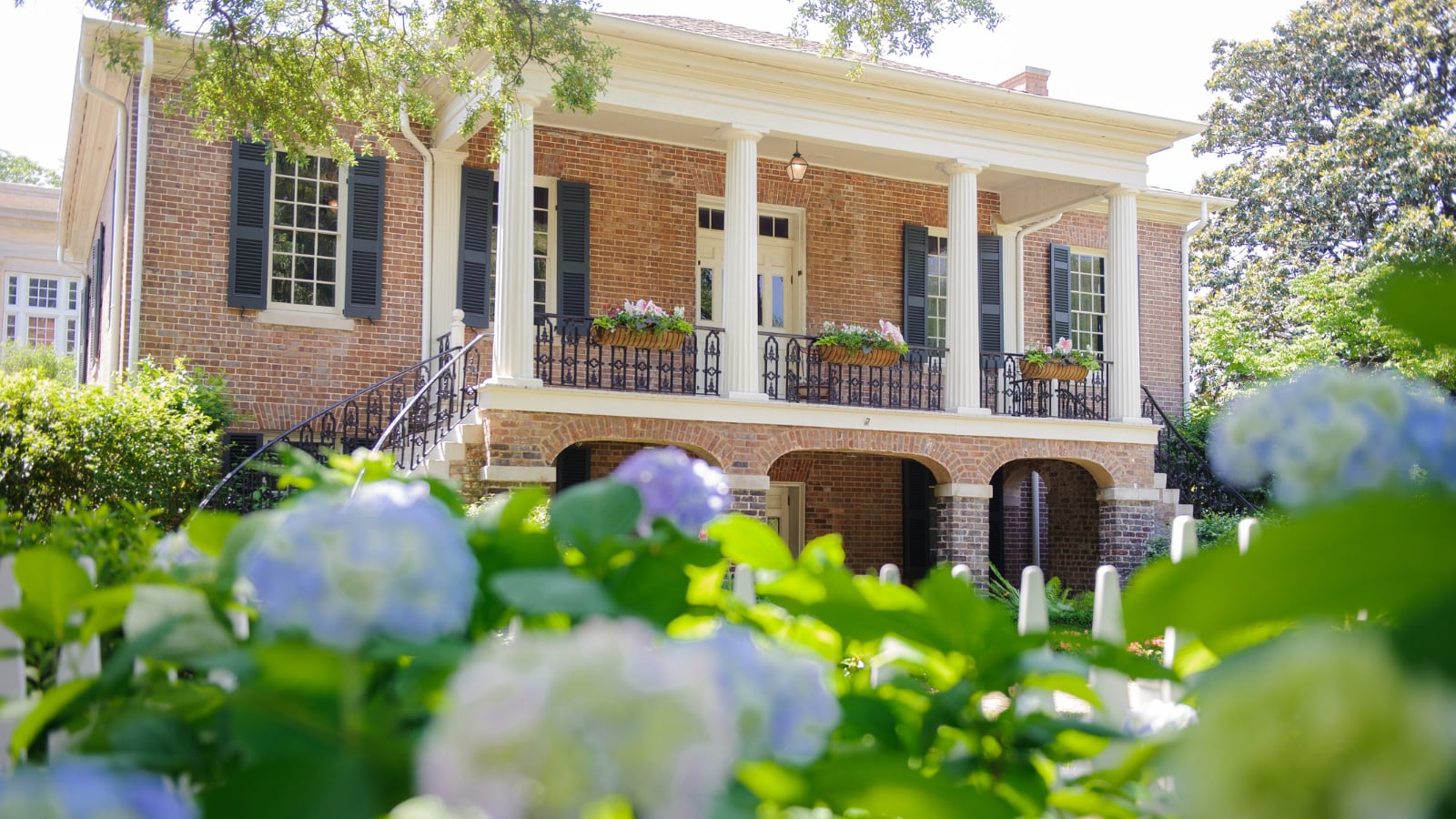
Beauvoir, meaning 'beautiful view' in French, was constructed on the Gulf Coast around 1852 as the country retreat of a Florida planter. Jefferson Davis, the former President of the Confederacy, took up residence at Beauvoir in 1877, nine years after the Confederacy's defeat, and lived there until his death in New Orleans in December 1889. Davis spent his years at Beauvoir writing his memoir, 'The Rise and Fall of the Confederate Government,' published in 1881.
After Davis's death, his widow Varina Davis sold the property to the Mississippi Division of the United Confederate Veterans in 1902 on the condition that it be used to house Confederate veterans and their families. The Jefferson Davis Soldiers Home opened in 1903 and operated until 1957, serving as a residence for aging veterans of the Civil War, their wives, and their widows. Over those 54 years, more than 2,000 people lived and died at Beauvoir. A cemetery on the grounds holds 771 graves of former residents.
Hurricane Katrina's 2005 landfall inflicted severe damage on the main house and outbuildings. A major restoration effort followed, completed by 2008, which rebuilt the main house as faithfully as possible to its pre-storm appearance. Beauvoir was designated a National Historic Landmark in 1977 and today operates as a museum, presidential library, and Confederate memorial site. The estate receives visitors daily and interprets Davis's life, the soldiers' home period, and the broader history of the Gulf Coast region.
Sources
- https://www.visitbeauvoir.org/
- https://en.wikipedia.org/wiki/Beauvoir_(Mississippi)
- https://cdispatch.com/news/paranormal-group-investigates-beauvoir/
ApparitionsMoving objectsUnexplained audio phenomenaRocking chairs moving
The haunting accounts at Beauvoir center primarily on the main house and the adjoining Confederate cemetery. Staff members have, over the years, reported seeing a full-body apparition in period dress in the main hall, which docents and longtime employees have attributed to Jefferson Davis himself. No formal record of when these sightings began is available, but the accounts appear in the regional ghost-history literature from at least the 2000s.
In 2014, MGC Paranormal Investigations conducted a documented investigation at Beauvoir with the knowledge and participation of the site's management. A Columbus Dispatch news report on the investigation noted that investigators recorded unexplained audio phenomena and observed rocking chairs in the main house moving without apparent cause during overnight sessions. The rocking chair activity was among the more specific claims to emerge from a formal investigation.
The Confederate cemetery, containing 771 graves of veterans and family members who died at the soldiers' home between 1903 and 1957, is consistently described in paranormal investigation accounts as the most active area on the property. The scale of the burial ground—hundreds of deaths over a 54-year residential period—gives the cemetery a historical weight unusual even for Civil War sites. No specific named individual from the cemetery is consistently identified in haunting accounts.
The History Goes Bump podcast devoted an episode to Beauvoir, synthesizing the staff accounts and investigation findings and contributing to the property's reputation beyond local ghost-tour circles.
Notable Entities
Jefferson Davis
Media Appearances
- History Goes Bump (podcast, 2019)