Est. 1778 · National Register of Historic Places (1990) · Operating as a public-tour house museum since 1932 · Original British colonial land grant from King George III to Henry LeFleur · Civil War skirmish site with bullet hole still visible in the front door
The land that became Glenfield was originally part of a colonial-era British land grant from King George III to Henry LeFleur, predating the United States. The earliest construction on the surviving home dates to the Spanish colonial period of Natchez (1778-1812) and forms the rear wing of the current building. In 1787, Benjamin Monsanto and his wife Clare purchased the property.
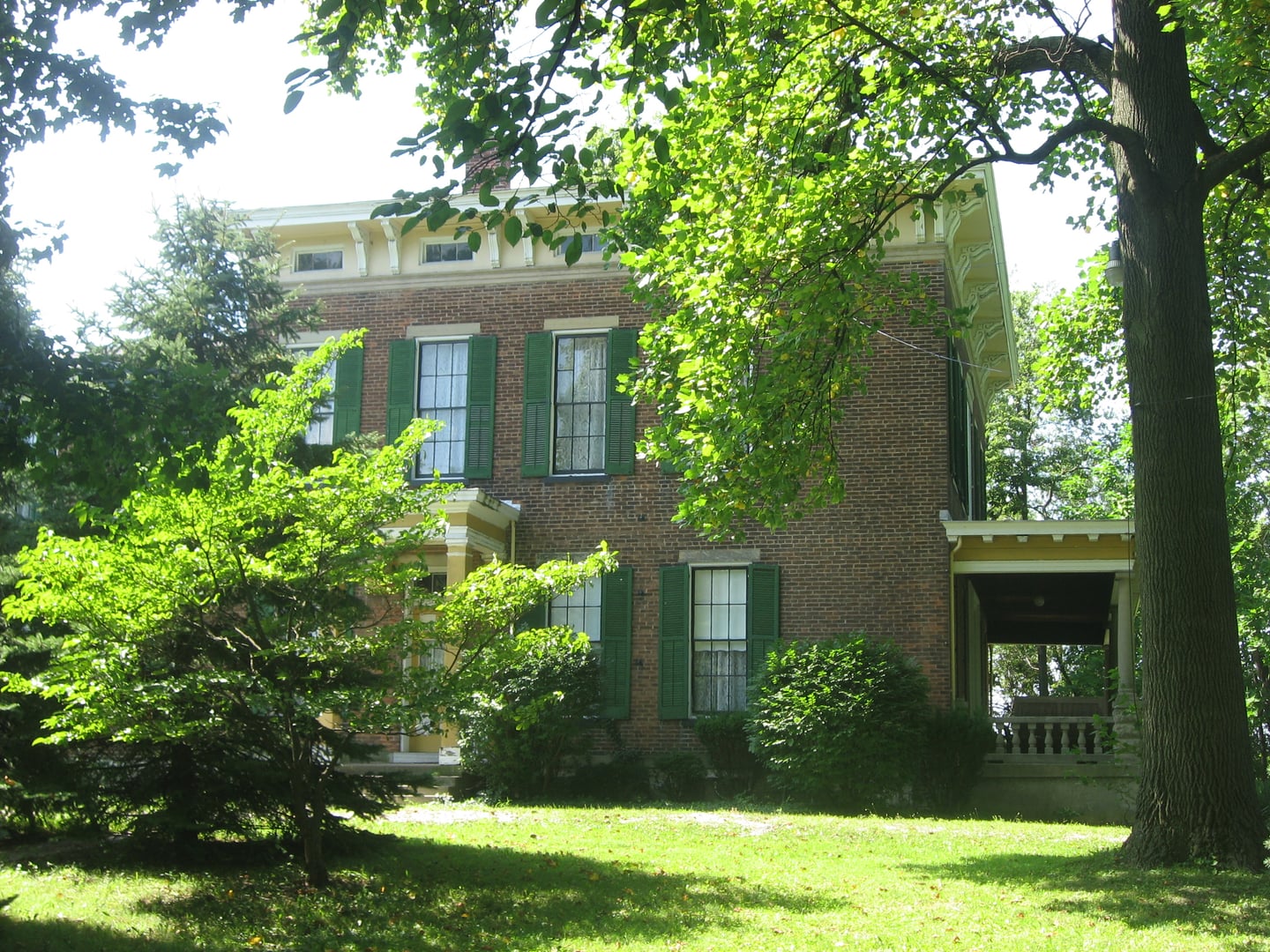
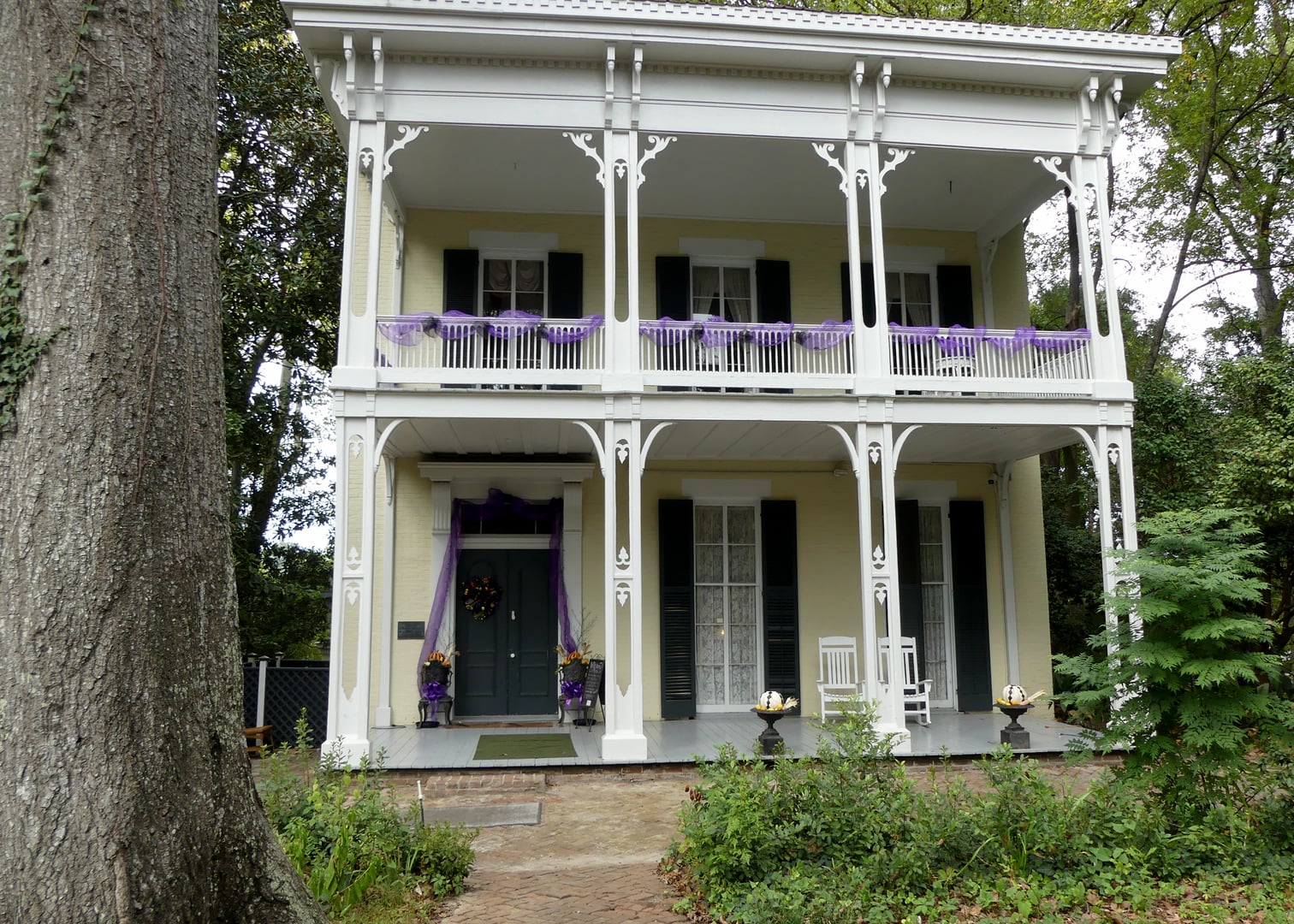
The main portion of the house — the Gothic Revival front section that gives Glenfield its current architectural character — was built in the 1840s. Glenfield grew from its original 400 acres to a 2,000-acre working cotton plantation by the antebellum era. As with every cotton plantation of its scale in the lower Mississippi Valley, this expansion and the wealth that built and furnished the Gothic Revival main house were sustained by the forced labor of enslaved people.
A Civil War skirmish occurred on the grounds; Union soldiers also camped on the property, and 19th-century artifacts including military buttons and medals have been recovered from the soil. A bullet hole from the skirmish remains visible in the original front door of the home.
Osborne King Field, Sr. acquired Glenfield circa 1880 and the Field family has owned the property continuously since. Descendants of Field and his third wife, Virginia Hamilton Field, still reside at Glenfield and serve as tour guides and hosts. Glenfield was added to the National Register of Historic Places on February 8, 1990 (NRHP ref. 89002322), covering 148.2 acres. The property has functioned as a historic house museum offering tours since 1932 and as a bed-and-breakfast since 1992.
Sources
- https://en.wikipedia.org/wiki/Glenfield_Plantation
- https://glenfieldplantation.com/ghost-tours
- https://visitnatchez.org/listing/glenfield/
- https://visitmississippi.org/things-to-do/architecture/glenfield-plantation/
- https://www.scenictrace.com/glenfield-plantation/
Civil War-era apparitions associated with the on-grounds skirmishField, Monsanto, and earlier-owner family apparitions reported on candlelight toursAtmospheric phenomena (lights, sensed presences) in the Gothic Revival main section
Glenfield's paranormal program is run directly by the resident Field-family owners, not by an outside tour operator. According to the property's official site, Glenfield offers daily daytime tours at 11:30 AM, 1:30 PM, and 3 PM, and a Dinner with the Spirits package nightly at 6:30 PM that combines a three-course meal and complimentary wine service with a guided ghost tour led by the home's fourth-generation owner.
Visit Mississippi includes Glenfield in its official 'Haunted Mississippi' campaign, and Visit Natchez lists Glenfield among its featured ghost-tour venues. TripAdvisor reviews from 2019-2024 emphasize firsthand encounters and the family's storytelling about the home's 250-year history.
The specific phenomena narrated in the candlelight tours are anchored to the home's documented history: Civil War-era apparitions tied to the skirmish on the grounds, family members from across the Field, Monsanto, and earlier ownership periods, and atmospheric phenomena attributed to the Gothic Revival main section. The home is not the subject of a single canonical published ghost narrative comparable to Dunleith's Miss Percy; rather, its paranormal reputation rests on a high-volume, family-narrated, in-situ program of tours.
As with every antebellum Natchez plantation, the published ghost narratives at Glenfield are weighted toward the white owner-family experience. The labor and presence of the enslaved people who built and worked the 2,000-acre cotton operation remain underspoken in the tour program's public materials.
Notable Entities
Field family ancestorsCivil War-era figures
Media Appearances
- Visit Mississippi 'Haunted Mississippi' campaign