Est. 1849 · Civil War · First Decoration Day (1866) · Memorial Day Origin · Confederate Mass Burials · Odd Fellows Heritage
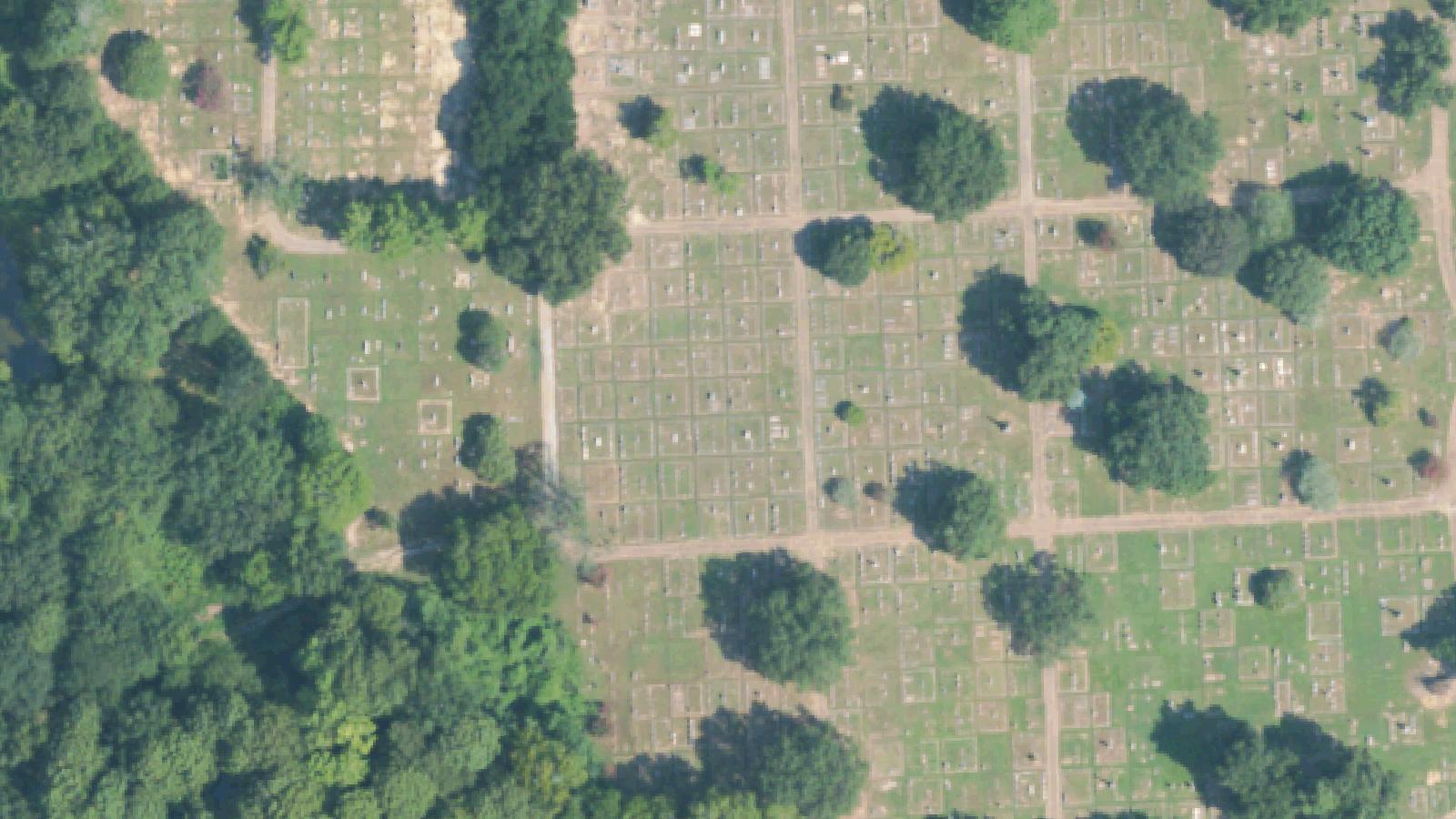
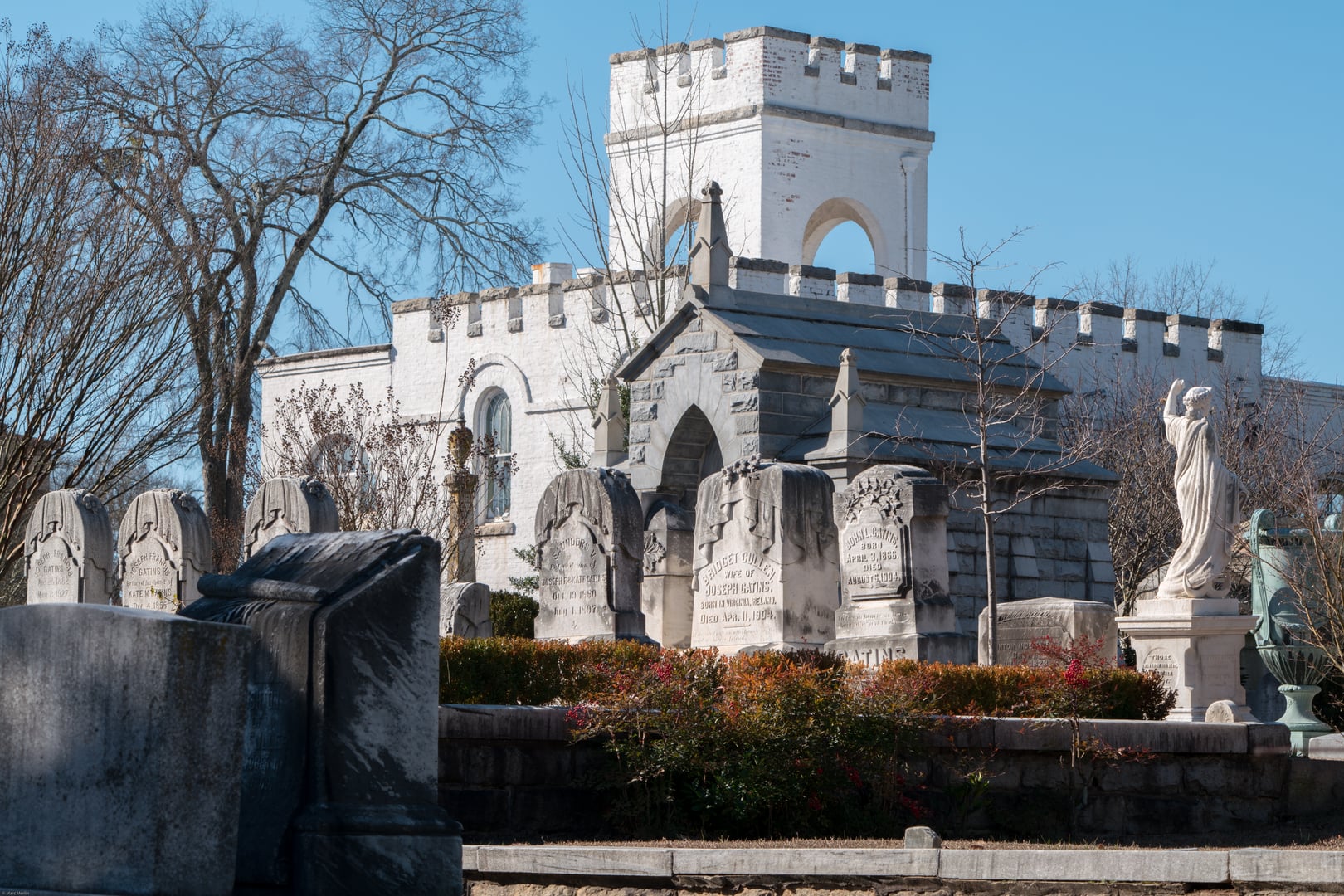
Friendship Cemetery was established in 1849 by the Independent Order of Odd Fellows, who donated 5 acres on the southern edge of Columbus, Mississippi. The grounds held civilian burials from the city's early history until the Civil War transformed its character.
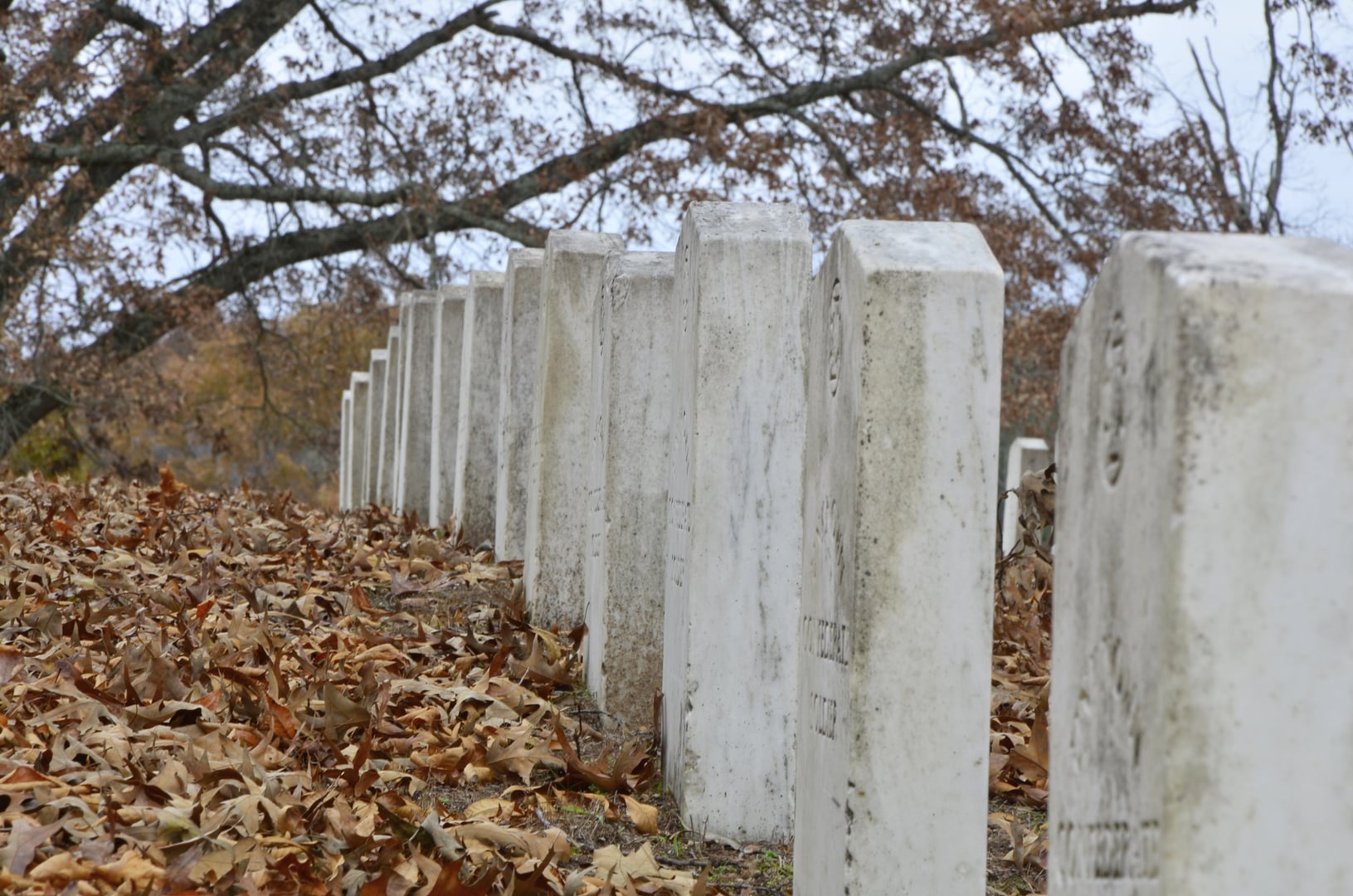
Following the Battle of Shiloh in April 1862, and the subsequent campaigns across western Tennessee and northern Mississippi, the cemetery received more than 2,000 Confederate soldiers. Four Confederate generals are among those interred. Between 40 and 150 Union soldiers were buried there as well, a fact that became the basis for the event that gave Friendship Cemetery its place in American history.
On April 26, 1866—less than a year after the war's end—four Columbus women organized a formal procession and ceremony at Friendship Cemetery. They placed flowers on the graves of both Confederate and Union soldiers who had been buried there. The act of including Union dead was deliberate and, in the immediate postwar South, remarkable. Their gesture came to the attention of poet Francis Miles Finch, who wrote 'The Blue and the Gray' in response; the poem circulated widely and helped build the national momentum toward an official day of remembrance. The 1866 Columbus ceremony is recognized by historians as the first organized Decoration Day, the direct precursor to Memorial Day.
The cemetery remains an active burial ground and is open to the public. The American Battlefield Trust documents it as a heritage site of significance to the Civil War's human cost and its aftermath.
Sources
- https://en.wikipedia.org/wiki/Friendship_Cemetery
- https://www.battlefields.org/visit/heritage-sites/friendship-cemetery
Apparition of Confederate soldierWarm stone on Weeping Angel statue
The paranormal traditions at Friendship Cemetery reflect the scale of its Civil War dead rather than any single documented incident. Aggregator and dark-tourism sources report that visitors have encountered the apparition of a Confederate soldier moving among the graves, with accounts consistent enough to have become part of the cemetery's informal reputation in Columbus.
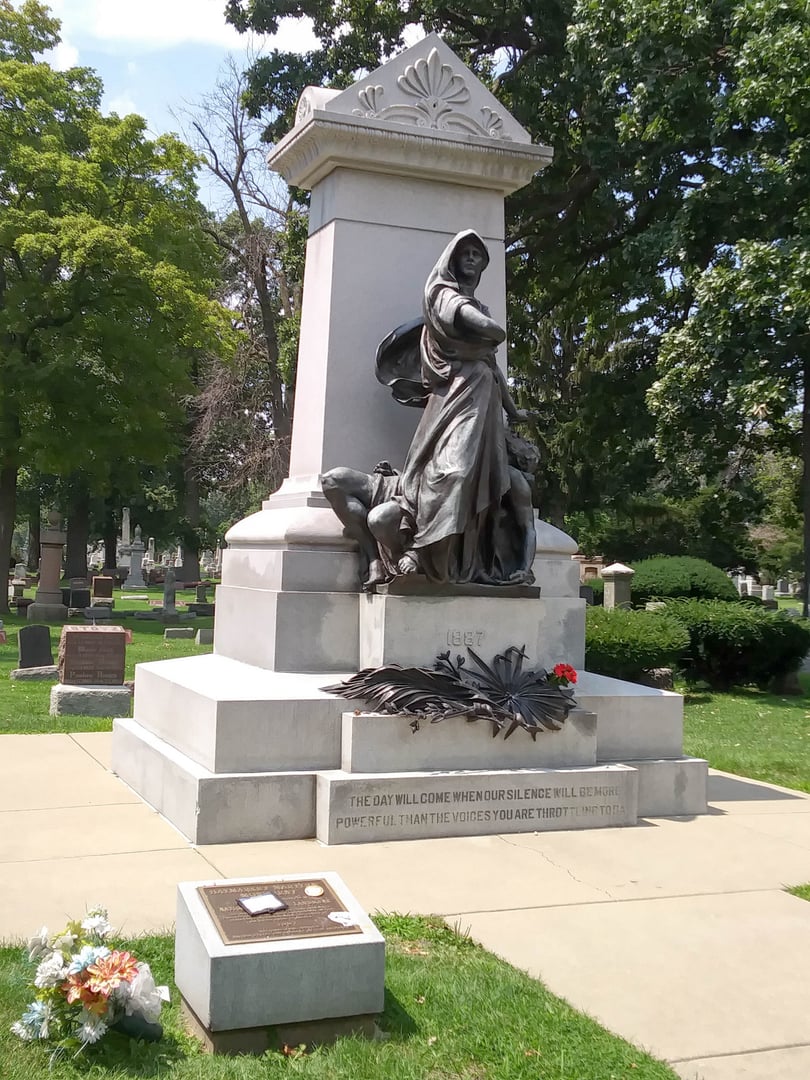
The 'Weeping Angel' statue—one of several figurative monuments on the grounds—carries its own legend: that one of its hands feels unusually warm to visitors who touch it, at variance with the ambient temperature. The origin of this tradition is not traced to any primary source; it appears in online dark-tourism roundups as an established local claim.
The density of unidentified and minimally documented dead buried here—more than 2,000 soldiers killed in combat, many with limited surviving records—provides the cemetery's dark context. The historical significance of the 1866 Decoration Day ceremony adds a layer of solemnity that most visitors to the grounds acknowledge regardless of their interest in the paranormal claims.