Est. 1858 · Civil War · Antebellum Architecture · Victorian · Mississippi Heritage
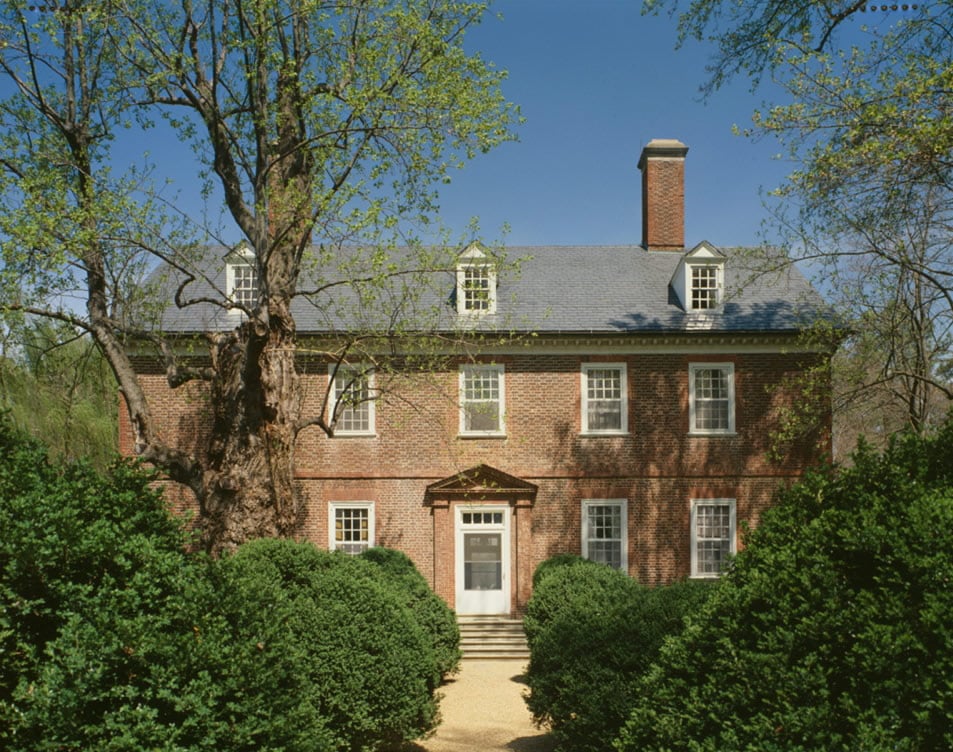
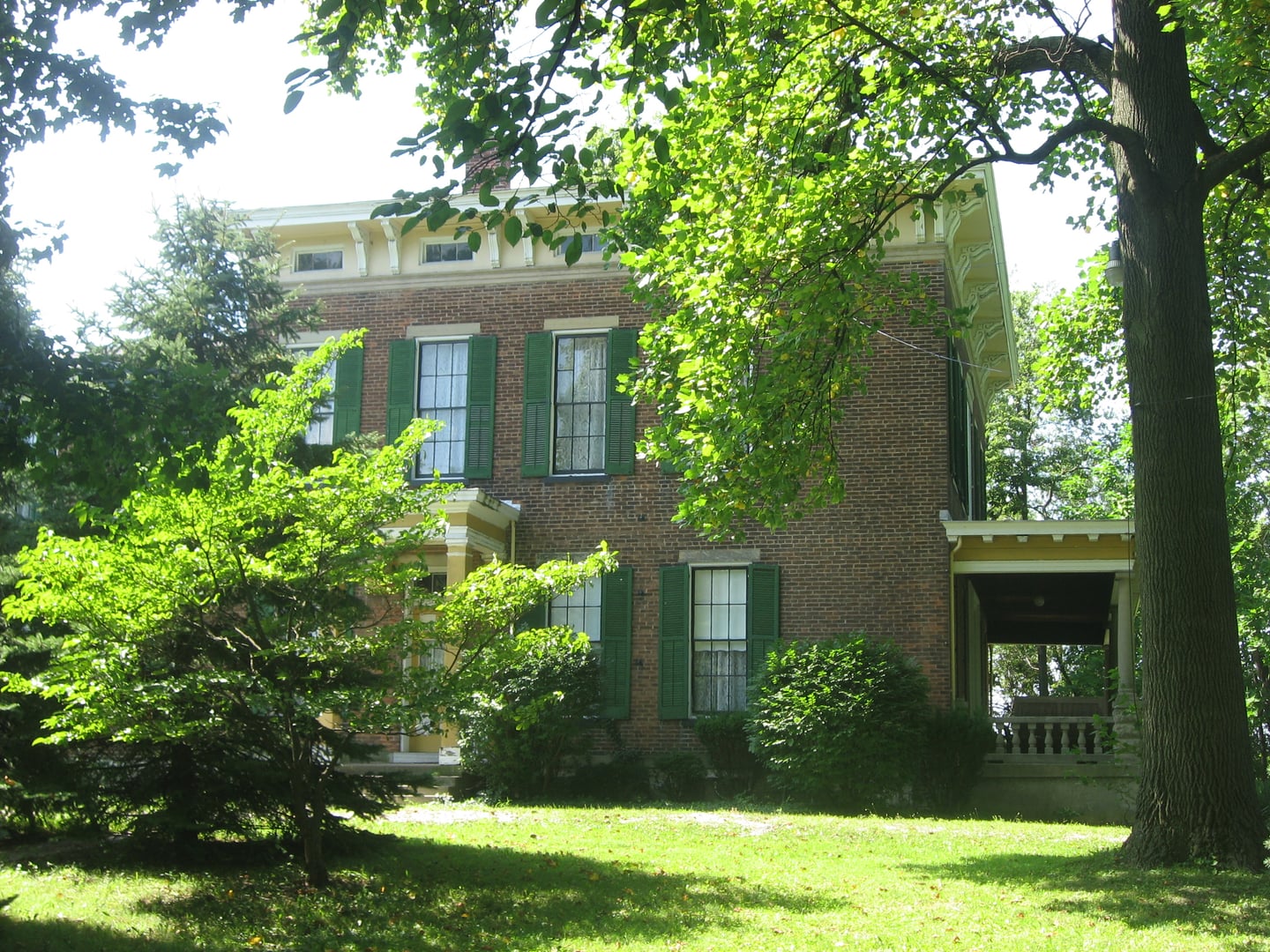
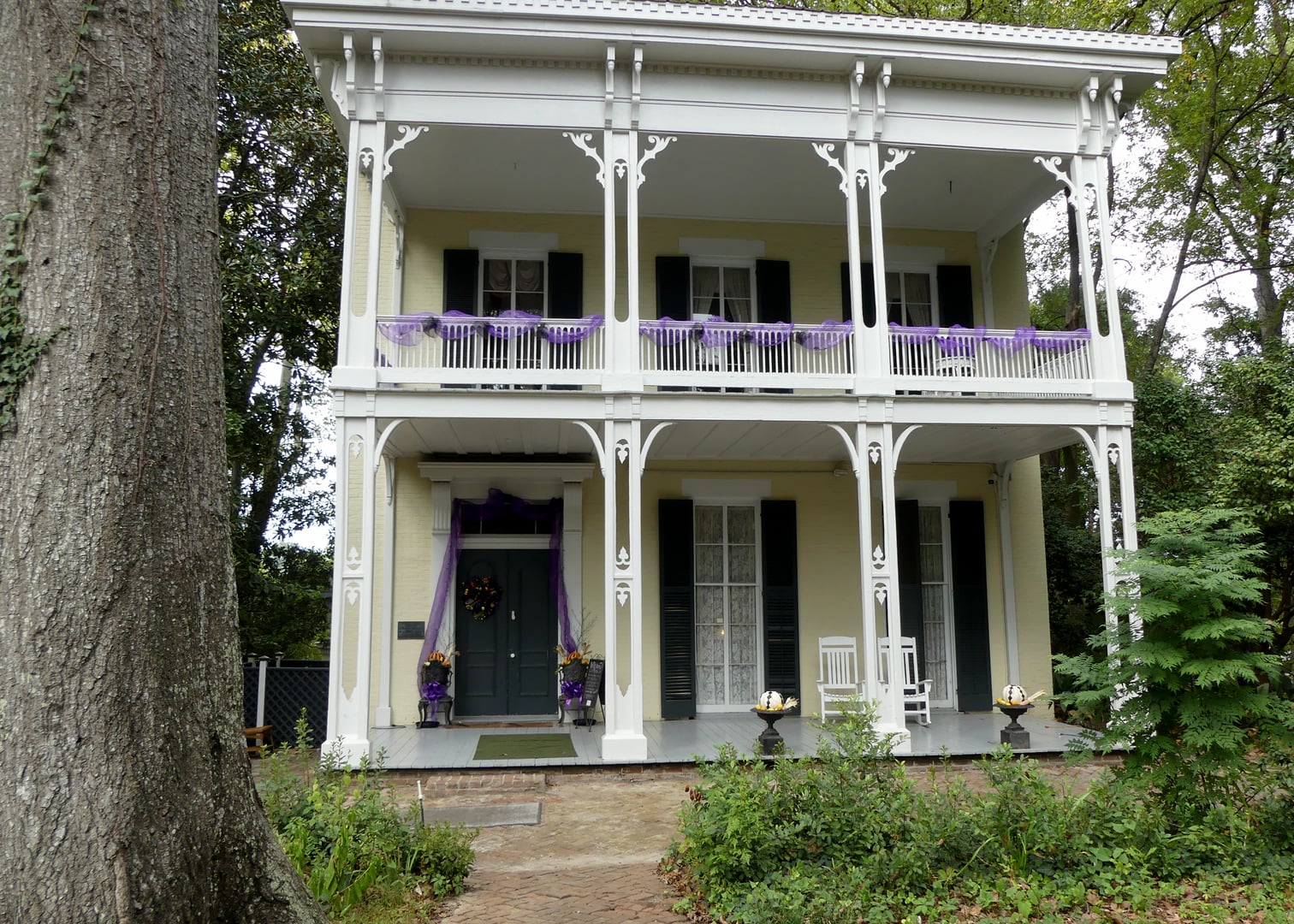
Merrehope stands at 905 Martin Luther King Jr. Drive in Meridian, Mississippi — one of the few buildings in the city to survive General Sherman's February 1864 campaign. Built circa 1858 by Richard McLemore for his daughter Juriah Jackson, the Greek Revival-Neoclassical structure became a landmark of a city otherwise methodically destroyed.
After the Civil War, John Gary purchased the property in 1868 and added the majority of the mansion's current rooms, transforming it into the sprawling 26-room structure visible today. Over the following century, Merrehope served successively as a Union officers' shelter, a Confederate general's headquarters, a boarding house, and an apartment complex — each layer of occupancy adding to the building's documentary record.
By the mid-twentieth century, the building had fallen into significant disrepair. The Meridian Restorations Foundation purchased it in 1968 and undertook a substantial restoration effort, coining the name 'Merrehope' as a portmanteau of 'Meridian Restorations' and 'hope.' The mansion opened to the public as a house museum, and it remains the only historic home in Meridian open for regular tours.
The restoration returned the interior to its Victorian-era character, including period furnishings, architectural millwork, and the original room configurations. Tours run Tuesday through Saturday from 10am to 3pm.
Sources
- https://en.wikipedia.org/wiki/Merrehope
- https://merrehope.com/tours/
- https://visitmississippi.org/things-to-do/history/merrehope/
ApparitionsPhantom footstepsLights flickering
Two figures have been reported at Merrehope with enough consistency that the mansion's staff acknowledge them openly.
The first is identified with John Gary's household — specifically with his daughter Eugenia, who died of consumption as a teenager and was buried in Livingston, Alabama, having never actually lived at Merrehope. That geographical discrepancy has done nothing to diminish her reported presence. Witnesses describe her appearing at the museum room window, in the downstairs library, and walking in through the front door. The mechanism is genuinely unusual: a woman linked to a house she never occupied.
The second figure is connected to a man who died by suicide in one of the back bedrooms. His reported manifestation is auditory rather than visual — heavy, deliberate footsteps from the upstairs room where he died. Staff and tour visitors have logged the sound independently. The room remains accessible as part of tours.
A third thread runs through the building's paranormal reports: a young woman whose appearances reportedly began after an antique photograph was placed on display inside the mansion. The photograph was not identified with anyone associated with the house's documented history. Late at night, witnesses have described seeing a figure in the upstairs area — appearing to glow softly, or holding a candle. Whether this is the same figure as Eugenia Gary or a distinct presence is not established in the accounts.
The Meridian Star covered the mansion's haunted reputation in 2007, and multiple paranormal investigation groups have conducted walkthroughs, with results logged at unexplainedcases.com.
Notable Entities
Eugenia Gary