Est. 1797 · Natchez Trace Highwayman Pioneer Kitchen · Siege Of Vicksburg Field Hospital · Three-Period Architectural Stratigraphy
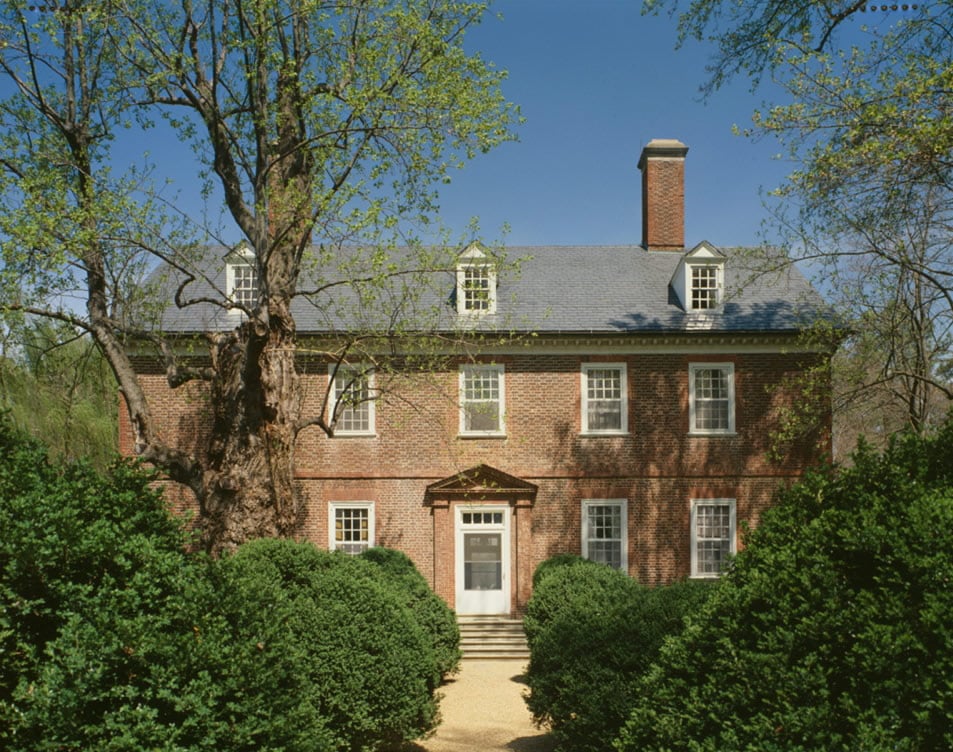
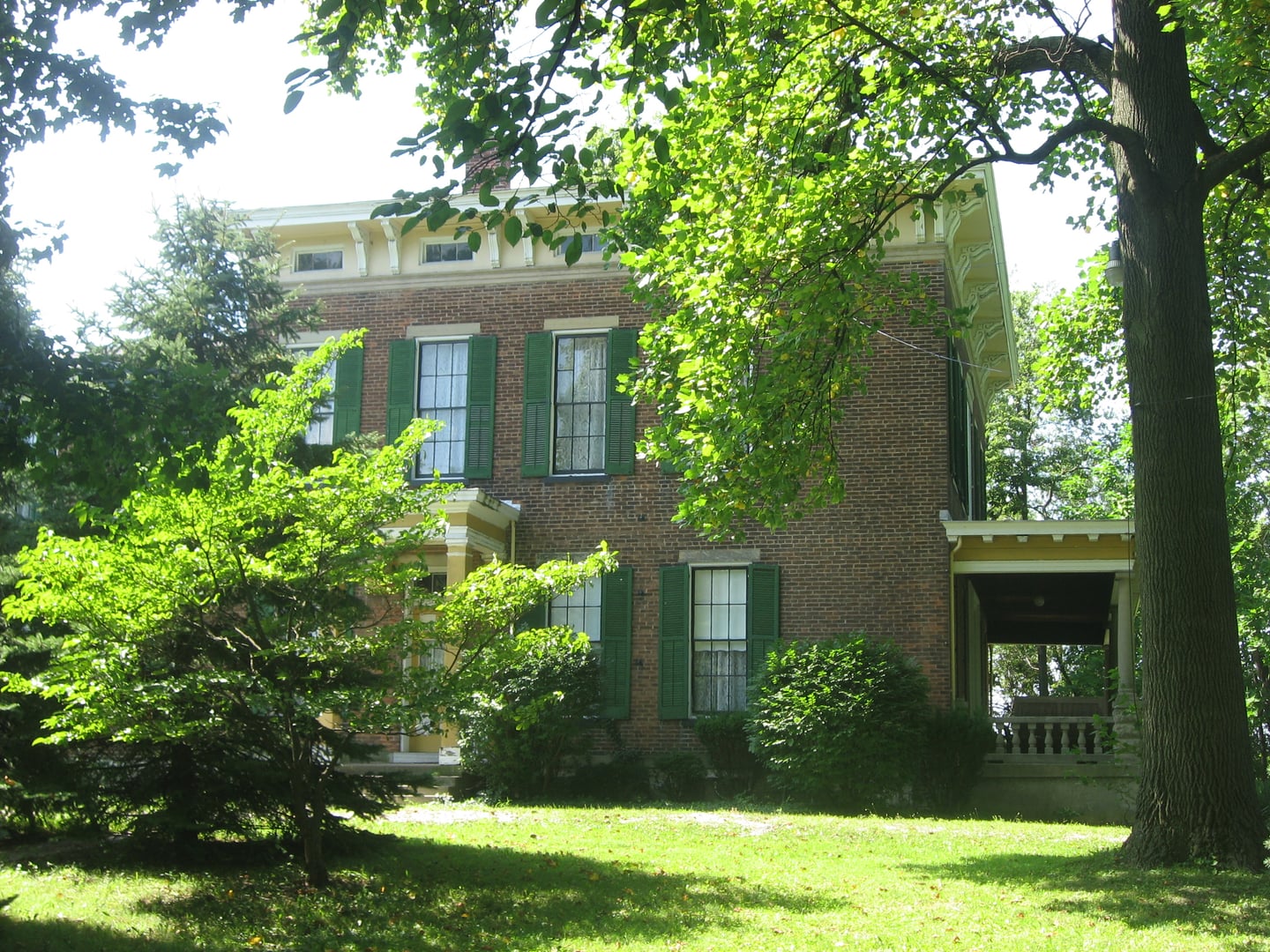
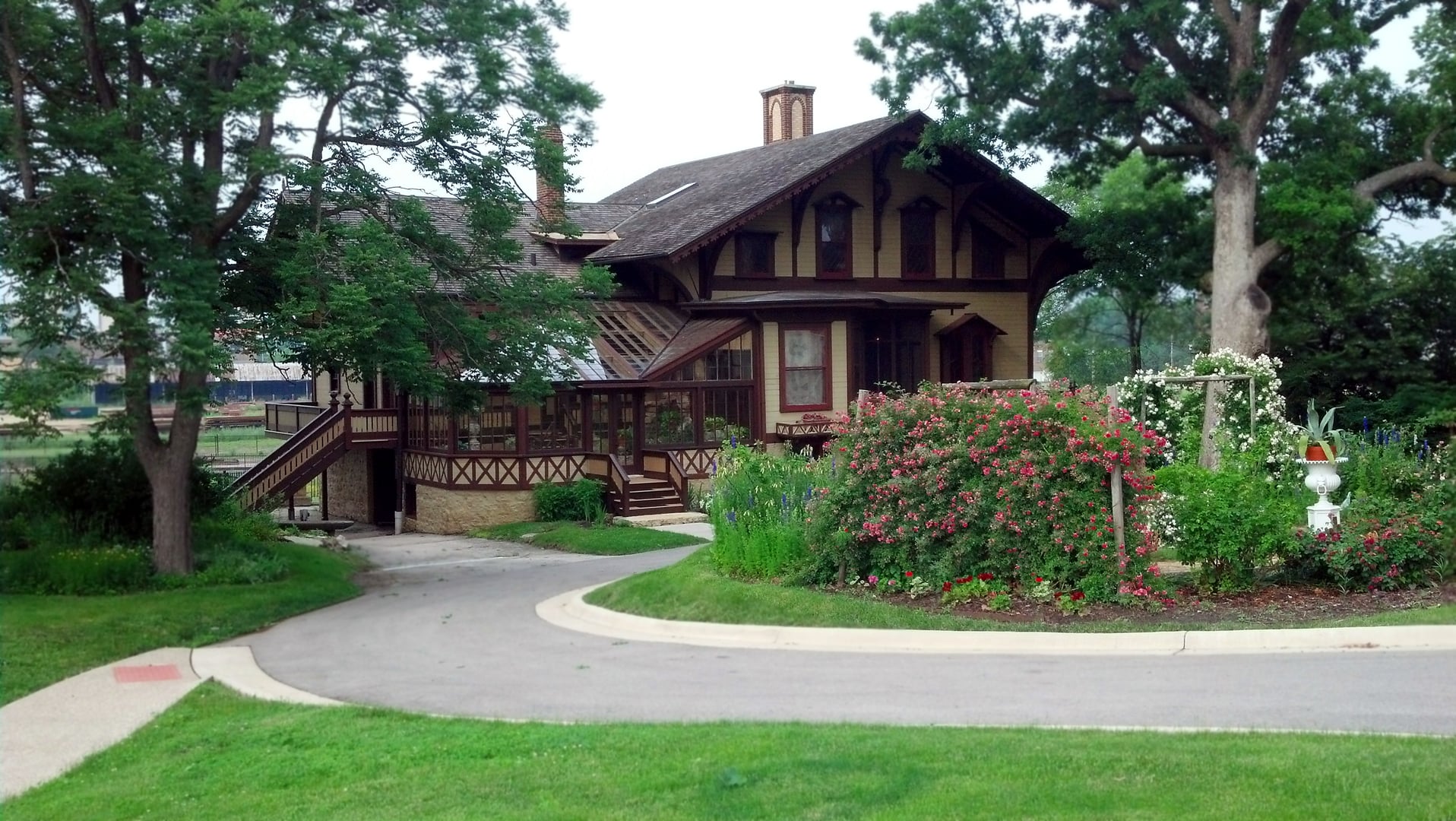
McRaven was built in three distinct periods, producing a single structure with three different architectural styles preserved within it. The earliest section, dated to circa 1797, is a pioneer kitchen with a single room above. It was built by Andrew Glass, a highwayman who robbed travelers along the Natchez Trace and used the building as a hideout. Walnut Hills, as Vicksburg was then known, sat at the trace's southern terminus on the Mississippi River.
In 1836 brick contractor Sheriff Stephen Howard built an Empire-style addition that more than doubled the building's size. Howard's young wife Mary Elizabeth died in childbirth in the house in 1836. The building changed hands in 1849, when John H. Bobb purchased it and added a Greek Revival front section with formal parlors.
During the 47-day Union siege of Vicksburg from May to July 1863, the grounds were used as a Confederate encampment and the house served briefly as a field hospital. After the city fell on July 4, 1863, Union troops occupied Vicksburg. Bobb was killed in 1864 after a confrontation with Union soldiers on his property.
The house was occupied by the Murray family from the late 19th century through the mid-20th century. After standing vacant for periods, the property was restored as a museum and tour home in the late 20th century. The current owners completed extensive preservation work and present the house under the name McRaven Tour Home.
McRaven has been featured by National Geographic, A&E, the Travel Channel, 48 Hours, and other major media. National Geographic Magazine described it as 'The Time Capsule of the South,' citing its unusual stratigraphic preservation of three distinct early-American building periods within one structure.
Sources
- https://www.mcraventourhome.com/
- https://en.wikipedia.org/wiki/McRaven_House
- https://www.visitvicksburg.com/blog/mcraven-house-vicksburgs-most-haunted-mansion/
- https://www.atlasobscura.com/places/mcraven-tour-home
- https://visitmississippi.org/things-to-do/history/mcraven-tour-home/
- https://magnoliatribune.com/2025/10/28/ghosts-and-history-the-mcraven-house-mississippis-most-haunted-home/
- https://usghostadventures.com/haunted-stories/americas-most-haunted-south/vicksburgs-mcraven-mansion/
- https://www.hauntedrooms.com/mississippi/ghost-hunts/mcraven-house
- https://countryroadsmagazine.com/travel/overnight-escapes/mcraven-house-most-haunted-in-mississippi/
- https://www.bumpinthenight.net/night-at-mcraven-house
- https://www.mcraventourhome.com/tours
- https://strangertravelsusa.com/mcraven-home/
ApparitionsPhantom footstepsPhantom smellsDoors opening/closingTouching/pushingCold spotsEVPResidual hauntingIntelligent haunting
McRaven's paranormal reputation predates its modern incarnation as a tour home. The house's three building periods and its connection to documented deaths inside the structure have made it a reliable site for ghost-tour storytelling.
The most consistently reported figure is Mary Elizabeth Howard, who died in childbirth in the 1836 Empire wing at age 15. Tour guides report her apparition observed at the head of the staircase and in the bedroom where she died. Visitors and staff have described the smell of rose perfume in the room and the sensation of a hand brushing the cheek.
A second figure associated with the property is John H. Bobb, killed by Union soldiers in 1864 after the fall of Vicksburg. Bobb's presence is reported in the Greek Revival front section he built in 1849, with phenomena including the sound of pacing footsteps and doors opening on their own.
The pioneer kitchen built by Andrew Glass produces a different set of reports, including the smell of pipe tobacco and the sense of being watched from the hearth.
McRaven has been featured in paranormal documentary programming on A&E, the Travel Channel, and 48 Hours. The Travel Channel's Ghost Adventures filmed a 2018 special titled Ghosts of Vicksburg: McRaven Mansion at the property. National Geographic Magazine has profiled the house multiple times.
The owners offer both daytime historical tours and after-hours theatrical haunted tours led by costumed guides; both versions present the family history as the foundation, with paranormal accounts layered in.
Notable Entities
Mary Elizabeth HowardJohn H. BobbAndrew GlassJohn BobbWilliam MurrayAnnie MurrayElla MurrayUnion Soldiers
Media Appearances
- Ghost Adventures: Ghosts of Vicksburg (2018)
- A&E paranormal programming
- Travel Channel features
- 48 Hours
- A&E
- Travel Channel
- Look Around Mississippi